Tolerance
Learn how cannabis tolerance builds, how to take a break, and ways to lower tolerance.
What Is Cannabis Tolerance
Cannabis tolerance is the gradual reduction in the effects you feel from the same dose over time. The eighth that once left you couch-locked may eventually deliver only a mild buzz, prompting you to reach for more flower or a stronger concentrate. This is not a sign of weakness or a flaw in the product — it is a normal, predictable response of your nervous system adapting to repeated exposure. Understanding tolerance is the foundation of using cannabis intelligently, whether you visit a dispensary weekly or only occasionally enjoy an edible.
Why tolerance matters for cost and experience: Rising tolerance quietly raises both your spending and your risk of unwanted side effects. As you consume more to chase the original feeling, you spend more at the dispensary and expose yourself to higher concentrations of THC than your body originally needed. Recognizing this cycle early lets you make adjustments before it becomes an expensive habit rather than an enjoyable ritual.
Tolerance is also deeply individual. Genetics, body composition, metabolism, frequency of use, and the specific products you favor all shape how quickly your sensitivity shifts. Two people sharing the same dank flower may report entirely different experiences, and that variability is exactly why a personalized approach beats any one-size-fits-all rule.
How Cannabis Tolerance Works in the Body
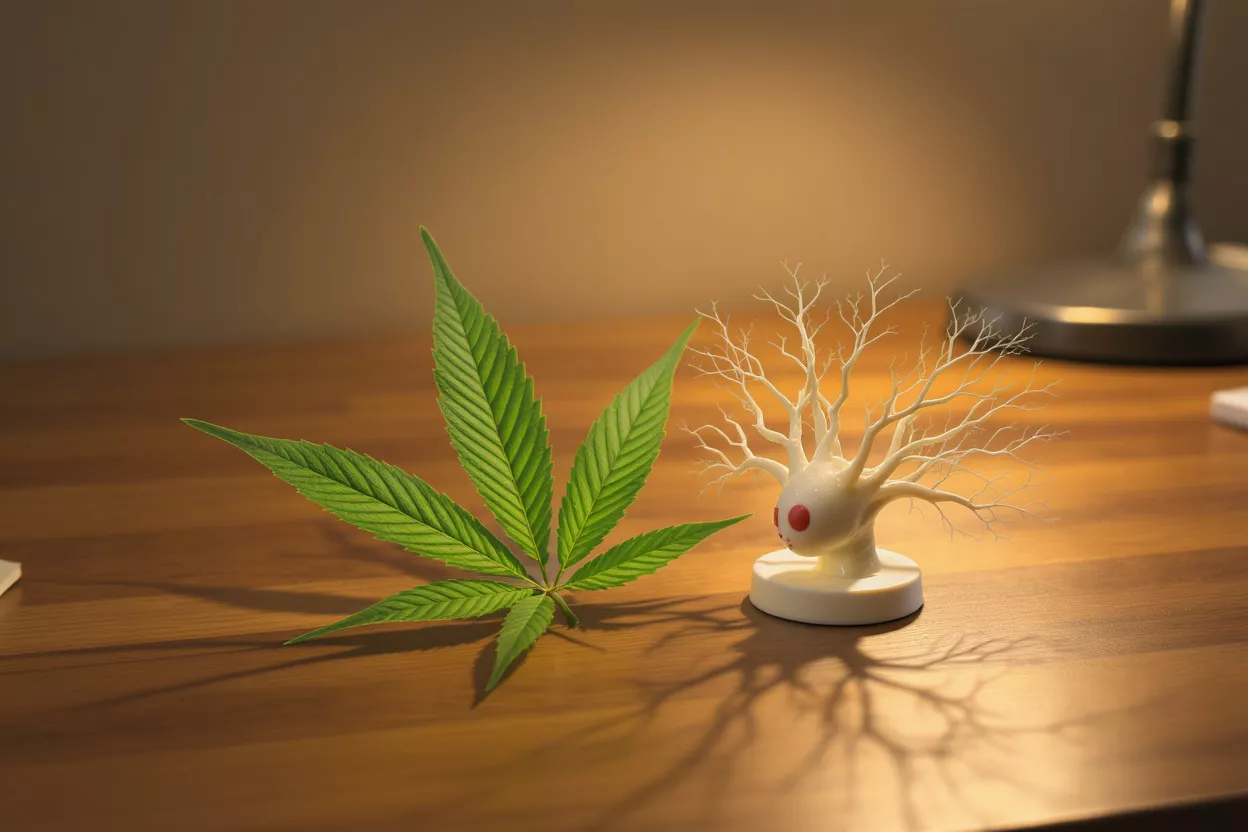
At the cellular level, cannabis tolerance is driven largely by changes in your endocannabinoid system. Delta-9 THC binds to CB1 receptors concentrated in the brain, and with repeated activation those receptors begin to downregulate — they decrease in number and responsiveness. Research summarized by advocacy organizations such as NORML notes that this receptor adaptation is reversible, which is the biological reason tolerance breaks work.
Receptor downregulation explained: When CB1 receptors are flooded with THC day after day, your brain protects itself by pulling some of those receptors off the cell surface. With fewer active receptors available, the same amount of THC produces a smaller signal, so you feel less. This process can begin within days of heavy daily use and is one of the fastest-adapting systems in pharmacology.
Metabolic tolerance plays a smaller secondary role. Over time, your liver enzymes may process cannabinoids slightly more efficiently, clearing them from your bloodstream faster. The combined effect of receptor and metabolic changes means regular consumers often need noticeably more THC to reach the same place a newcomer reaches with a single puff.
Signs You Are Building Tolerance
The clearest signal of growing tolerance is needing a larger dose to achieve effects that a smaller dose used to deliver. If your usual half-gram no longer touches the spot or your favorite edible barely registers, your receptors have likely adapted. Many consumers notice this creep gradually, which is part of why it sneaks up on long-term users.
Watch for these common indicators that your sensitivity is shifting:
- 📈 Dose escalation: You steadily increase quantity just to feel a baseline effect.
- ⏱️ Shorter duration: The high fades faster than it used to from the same product.
- 💸 Rising spend: Your monthly dispensary budget climbs without a change in habit.
- 😐 Muted effects: Even strong diesel-leaning strains or diamonds feel underwhelming.
- 🌅 Morning grogginess: Heavy nightly use leaves an edible hangover feeling the next day.
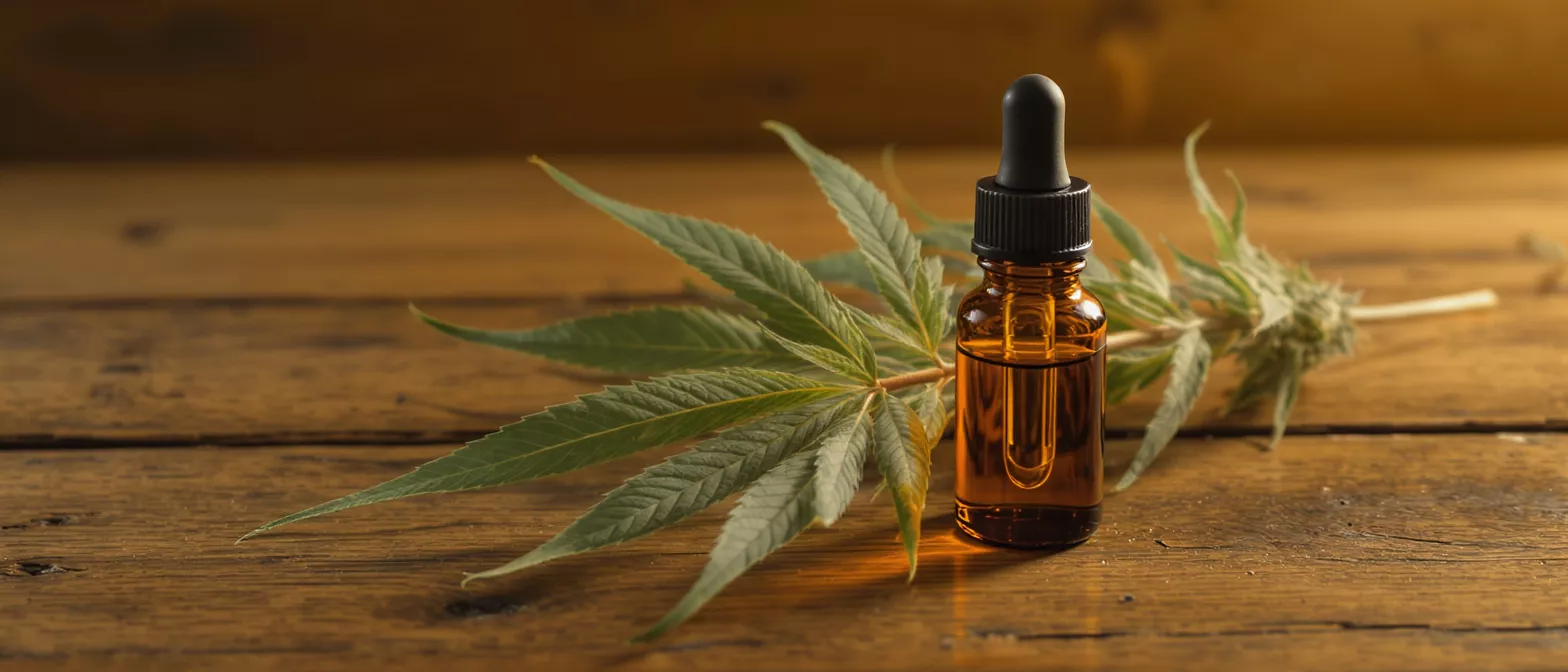
It helps to keep a simple log of what you consume and how it feels. Tracking your intake makes the slow upward drift obvious in a way memory alone rarely captures, and it gives you a clear baseline to return to after any reset. A discreet low-dose microdose tincture can be a useful tool for re-establishing sensitivity once you spot the pattern.
How Fast Does Tolerance Build
Tolerance builds at a pace dictated mostly by frequency and dose. Occasional weekend consumers may barely notice any change for months, while someone medicating multiple times daily can register a meaningful shift within one to two weeks. The body responds to consistent, heavy exposure far more aggressively than to sporadic use.
Frequency versus potency: How often you consume usually matters more than how strong each session is. Daily moderate use builds tolerance faster than occasional sessions with high-potency dabs, because the constant presence of THC keeps your receptors in their downregulated state with no time to recover. Giving your system regular gaps slows the whole process dramatically.
New consumers should be especially mindful here. Sensitivity is highest when you first start, which is why a single eighth lasts a beginner far longer than a seasoned user. Easing in slowly not only protects your wallet but keeps your long-term tolerance lower, preserving the potency of every future session.
Tolerance Break Guide: How Long and Why
A tolerance break — often shortened to a "t-break" — is a deliberate pause in cannabis use that lets your CB1 receptors recover and your sensitivity reset. It is the single most effective tool for restoring the effects you remember, and unlike chasing higher doses, it actually costs you nothing but time. Most regular consumers find a noticeable reset within a couple of weeks.
How long a tolerance break should last: Research suggests CB1 receptor density begins recovering within the first 48 hours of abstinence and continues climbing over the following weeks. A common, practical framework looks like this:
- 🌱 2–3 days: Early receptor recovery begins; light users may feel partially reset.
- 🗓️ 1 week: Noticeable sensitivity returns for moderate consumers.
- 📅 2–4 weeks: Substantial reset; CB1 receptors approach baseline density for most people.
- 💯 4+ weeks: Near-complete reset, recommended for very heavy long-term users.
Withdrawal during a break is generally mild compared with many substances, but irritability, vivid dreams, and changes in appetite or sleep are common in the first few nights. These fade quickly. Planning your break during a lower-stress stretch and staying busy makes the process far easier to ride out.
Ways to Lower Cannabis Tolerance
You do not always need a full abstinence break to keep tolerance in check. Several practical strategies can slow its rise or partially reset your sensitivity while you continue moderate use. The goal is to disrupt the constant, predictable exposure that trains your receptors to adapt.
Consider building these habits into your routine:
- ⚖️ Lower your dose: Use less per session rather than reaching for more; a quality precision dosing vaporizer makes small adjustments easy.
- 🔄 Rotate products: Alternating between flower, edibles, and concentrates can spread out exposure.
- 🗓️ Schedule off-days: Even two cannabis-free days a week meaningfully slows receptor adaptation.
- 🌙 Time it intentionally: Reserve use for when you genuinely want it rather than out of habit.
Dosing form matters too. Switching to lower-THC products, or balancing THC with CBD, can deliver satisfying effects at lower receptor demand. Many consumers find that an enteric coating capsule or a measured elixir helps them stay consistent without the creeping dose escalation that loose flower invites. According to consumer-health resources like NORML, mindful, moderate patterns of use are consistently linked to a better overall experience.
Does Tolerance Differ by Product Type
Tolerance is not uniform across every way you consume cannabis. Because different products deliver THC at different concentrations and through different routes, your sensitivity can vary noticeably depending on what you favor. A consumer who lives on high-potency concentrates will hit dose ceilings differently than someone who sticks to flower.
Concentrates and dabbing: Products like diamonds, live resin, and other extracts dabbed on an e-rig, e-nail, or domeless nail deliver enormous THC doses in a single inhalation. This rapid, intense exposure can accelerate tolerance compared with traditional flower, which is why dedicated dabbers often report needing increasingly large amounts to feel satisfied.
Edibles occupy a different lane. Because the liver converts THC into a more potent metabolite, edibles produce a longer, heavier body effect, and tolerance to that specific experience can build along its own curve. Many people who feel burned out on smoking find that rotating to an edible — or a carefully measured tincture — temporarily restores a sense of novelty, even if their underlying tolerance remains.
Medical Patients and Tolerance Management
For medical patients, tolerance carries higher stakes because the goal is consistent symptom relief rather than recreational effect. Someone managing chronic pain, nausea, or appetite loss cannot afford to have their medicine quietly stop working, so deliberate tolerance management becomes part of responsible treatment. Working with a knowledgeable provider helps balance effective dosing against the slow climb of adaptation.
Strategies medical users rely on: Many patients use the lowest effective dose, incorporate CBD-rich products to reduce the THC needed, and schedule periodic micro-breaks to preserve responsiveness. Organizations such as NORML have long documented how individualized dosing helps patients maintain relief over months and years without endless escalation.
There is an important distinction between tolerance and dependence. Building tolerance to therapeutic effects does not automatically mean a patient is dependent, and a measured CBD-balanced wellness capsule can extend the useful life of a treatment plan. Patients who track their symptoms alongside their dosing tend to catch tolerance creep early and adjust before relief slips away.
Common Myths About Cannabis Tolerance
Plenty of misinformation surrounds tolerance, and clearing it up helps you make smarter decisions. One persistent myth is that tolerance is permanent — that once you become a heavy user, you can never recover your old sensitivity. In reality, receptor downregulation is reversible, and the vast majority of people regain meaningful sensitivity after a proper break.
Myth: stronger products prevent tolerance. Some believe that jumping to high-potency dabs or diamonds will keep tolerance from building. The opposite is usually true; flooding your system with more THC accelerates downregulation rather than preventing it. Potency does not outrun biology, and chasing strength alone tends to deepen the cycle.
Another widespread myth claims that smoking more dope clears tolerance through some kind of "reset" within a single heavy session. There is no shortcut that works while you keep consuming; only genuine gaps in exposure allow your receptors to recover. Understanding this saves consumers from frustrating, expensive attempts to muscle through a plateau by simply using more.
Managing Tolerance for the Long Term
Long-term tolerance management is really about sustainable habits rather than dramatic resets. Consumers who treat cannabis as an intentional ritual — used when desired, in measured amounts — tend to keep their tolerance low for years, enjoying more from less. The reward is both financial and experiential: lower spend at the dispensary and stronger, more satisfying sessions.
Build a personal tolerance rhythm: The most reliable approach combines mindful dosing, periodic short breaks, and honest tracking of how products actually feel. By treating off-days as routine rather than punishment, you keep your receptors responsive without ever feeling deprived. This rhythm looks different for everyone, and finding yours is worth the experimentation.
Ultimately, tolerance is not an enemy to defeat but a feedback system to listen to. It tells you when your relationship with cannabis is drifting toward autopilot and rewards you for staying intentional. Whether you are a weekend consumer or a daily medical patient, respecting how tolerance works lets you preserve the potency, the value, and the genuine enjoyment of every session for the long haul.