


Is It OK to Take CBD Oil Every Night? Safety and Guidelines 2026
Is it safe to take CBD oil every night?
Is It OK to Take CBD Oil Every Night?
If you have been reaching for the bottle on your nightstand and wondering whether it is okay to take CBD oil every night, the short answer is that nightly use is generally considered well tolerated for most healthy adults. Cannabidiol does not carry the dependency profile associated with many conventional sleep medications, and there is no evidence that it builds the kind of physical tolerance that forces you to keep escalating the dose just to feel the same effect. That said, "generally safe" is not the same as "right for everyone," and the smartest approach is to understand what you are actually putting into your body each night.
The reason so many people gravitate toward CBD for sleep is that it works gently. Unlike a sedative that knocks you out, CBD tends to address the upstream reasons you are lying awake — a racing mind, low-grade physical tension, the inability to downshift after a long day. When those underlying frictions ease, sleep often follows more naturally. This is why nightly use makes sense for many people: consistency lets the compound do quiet, cumulative work rather than acting as an emergency switch.
Does your body get used to CBD over time? One of the most common worries about nightly dosing is whether you will need progressively higher amounts. Current understanding suggests CBD does not produce the rapid tolerance seen with some sleep aids, and some long-term users actually report needing less over time as their sleep patterns stabilize. The endocannabinoid system, which CBD interacts with, tends to find a kind of equilibrium rather than constantly demanding more. Still, individual responses vary, and paying attention to how you feel month over month is wiser than blindly maintaining a fixed routine.
How CBD for Sleep Works in the Body
To understand why CBD oil for sleep has become so popular, it helps to look at the endocannabinoid system — a network of receptors that influences mood, stress response, pain perception, and the sleep-wake cycle. CBD does not bind directly to these receptors the way THC does; instead, it modulates them indirectly and influences other signaling systems, including those tied to serotonin. Research published by Frontiers has explored how cannabidiol interacts with these pathways to influence anxiety and sleep architecture, though scientists are clear that more large-scale human trials are needed.
Why CBD calms a racing mind: A great deal of sleeplessness is not really a sleep problem — it is an anxiety problem wearing pajamas. By gently dampening the stress signaling that keeps the nervous system in a state of alertness, CBD can make it easier to cross the threshold from wakefulness into sleep. This is distinct from sedation. You are not being chemically forced into unconsciousness; you are being nudged toward the relaxed baseline that healthy sleep requires.
It is also worth noting that CBD rarely works in isolation in a full-spectrum product. Compounds like the amino acid Theanine, often paired with CBD in sleep formulations, contribute their own calming influence, while supporting nutrients such as Tocopherol (vitamin E) help preserve the oil's stability. The minor cannabinoids and terpenes present in whole-plant extracts — think of the sedating quality some associate with certain terpene profiles — round out what enthusiasts call the entourage effect, where the combined result exceeds what any single isolated compound delivers.
What Are the Benefits of Taking CBD Oil Every Night?
The appeal of a nightly routine lies in consistency. When you take CBD oil every night, you give the compound a steady presence in your system rather than a sporadic, hit-or-miss appearance. For people dealing with chronic low-grade stress or persistent difficulty winding down, that steadiness can translate into a more reliable transition to sleep over the course of a few weeks.
Beyond sleep onset, many nightly users report secondary benefits that feed back into better rest. Reduced physical tension, calmer evening moods, and a softer edge on the day's accumulated stress all contribute to an environment where deeper sleep becomes possible. For those who appreciate ritual, a few drops of a quality full-spectrum CBD sleep oil can become a meaningful cue that signals the body it is time to power down.
- 🌙 Easier wind-down: CBD softens the mental chatter that delays sleep onset, making the transition to bed feel less like a struggle.
- 🛏️ More consistent nights: Regular dosing supports a steadier sleep rhythm rather than the unpredictability of occasional use.
- 💆 Physical relaxation: Lower muscular tension and a calmer body make it easier to stay comfortable through the night.
- 🌅 Gentler mornings: Because CBD is not a heavy sedative, many users wake without the grogginess common to traditional sleep aids.
It is important to keep expectations grounded. CBD is not a miracle cure, and the benefits tend to be cumulative and subtle rather than dramatic and instant. People who treat it as one supportive pillar of good sleep hygiene — alongside consistent bedtimes, reduced screen exposure, and a calm environment — generally report the most satisfying results.
Are There Risks to Using CBD Oil for Sleep Nightly?
No supplement is entirely without consideration, and CBD is no exception. The good news is that the side effects associated with cannabidiol tend to be mild when they occur at all. The most commonly reported are dry mouth, slight drowsiness extending into the morning at higher doses, and occasional changes in appetite or digestion. These are usually dose-related and often resolve by adjusting how much you take or when you take it.
CBD and medication interactions: The most genuinely important safety consideration is not CBD's direct effect but how it interacts with other drugs. Cannabidiol is processed by the same liver enzymes (the cytochrome P450 system) that metabolize many prescription medications, including certain blood thinners, anti-seizure drugs, and some antidepressants. If you take any prescription medication, a conversation with your doctor or pharmacist before starting nightly CBD is not optional — it is essential, and the same "grapefruit warning" found on some prescriptions is a useful reference point.
Who should be cautious: People who are pregnant or breastfeeding, those with significant liver conditions, and anyone managing a complex medication regimen should approach nightly CBD with professional guidance rather than self-experimentation. Quality also matters enormously here — a poorly made product with inconsistent dosing or contaminants poses far more risk than the cannabidiol itself, which is why third-party lab testing is non-negotiable.
CBD Oil for Sleep Dosing Guide
Finding the right dose is less about a universal number and more about a personal calibration. CBD does not affect everyone identically — body weight, metabolism, the severity of your sleep difficulty, and the specific product all influence what works. The widely recommended approach is to "start low and go slow," beginning with a modest dose and increasing gradually until you find your comfortable sweet spot.
For most adults using CBD for nighttime, a starting range somewhere between 15 and 25 milligrams taken roughly an hour before bed is a sensible launch point. From there, you can adjust upward in small increments every few nights, observing how your sleep responds before committing to a higher amount. Patience pays off — rushing to a big dose often produces the morning grogginess people are trying to avoid.
- 🔢 Start at 15–25 mg: Take this baseline dose about 60 minutes before your intended bedtime for the first several nights.
- 📈 Adjust slowly: If you need more, raise the dose by 5 mg increments every three to four nights rather than jumping ahead.
- ⏱️ Mind the timing: Earlier dosing suits oils taken sublingually; allow extra lead time if you are using a thc beverage or edible-style format.
- 📓 Keep a sleep log: Note dose, timing, and how you felt the next morning to identify your personal optimum.
Format matters for dosing precision too. A sublingual oil held under the tongue acts relatively quickly and lets you fine-tune drop by drop, whereas capsules, a soothing cup of CBD-infused tea, or other slow-release formats take longer to kick in but deliver a more gradual, sustained effect through the night. There is no single best format — only the one that fits your body and your routine.

Best CBD for Nighttime Routines
The best CBD for nighttime is not necessarily the strongest or the most expensive — it is the one that integrates smoothly into a routine you will actually keep. Consistency beats potency, and a product you enjoy taking is one you are far more likely to use reliably night after night. For many people, that means choosing a format and flavour they genuinely look forward to at the end of the day.
Full-spectrum versus isolate for sleep: Full-spectrum oils contain the complete range of plant compounds, including trace cannabinoids and terpenes that contribute to the entourage effect many sleep-seekers prefer. Broad-spectrum removes detectable THC while keeping other beneficial compounds, and isolate delivers pure CBD alone. For nighttime use, full-spectrum or broad-spectrum products with a relaxing terpene profile often outperform isolate, though those sensitive to even trace THC may prefer the latter two.
Pairing matters as well. Some of the most effective nighttime formulations combine CBD with complementary botanicals — melatonin for circadian support, or calming herbs and amino acids that reinforce the wind-down effect. A thoughtfully formulated CBD and melatonin sleep blend can be more useful than CBD alone for people whose primary struggle is falling asleep at a consistent time, while functional mushroom blends featuring Lion’s Mane appeal to those who also want next-day cognitive support without compromising rest.
CBD Oil vs CBD Sleep Pills in Canada
Canadian shoppers often wonder whether oil or capsule-style CBD sleep pills make the better choice. Both deliver cannabidiol; the difference lies in how the compound enters your system and how precisely you can dose it. Oils taken under the tongue absorb partially through the oral mucosa, producing a relatively faster onset, while pills pass through digestion, taking longer to act but offering pre-measured convenience and zero taste.
Why some Canadians prefer capsules: Pills shine on predictability and discretion. Each one contains a fixed dose, eliminating the guesswork of counting drops, and they travel well without any risk of spills. For people who dislike the natural earthy flavour of hemp oil, a tasteless capsule is an easy win. The trade-off is slower onset and slightly less ability to fine-tune the exact amount.
Why oils remain popular: Oils give you granular control. You can nudge your dose up or down by a single drop, and the faster sublingual absorption suits people who want help falling asleep rather than just staying asleep. When shopping in Canada, prioritize products with transparent third-party lab results and clear cannabinoid labelling over marketing claims — the regulated market makes verified testing easier to find than it once was. Whichever you choose, a quality broad-spectrum CBD capsule and a well-made oil can both anchor a solid nighttime routine.
How Long Before CBD Oil Helps You Sleep
Patience is the quiet secret of CBD success. Unlike a sleeping pill engineered for immediate sedation, CBD often reveals its benefits gradually. The first night might bring a subtle sense of calm, but the more meaningful improvements in sleep quality and consistency tend to emerge over one to three weeks of regular use as the compound establishes a steady presence in your system.
On a single-dose timescale, a sublingual oil typically begins to take effect within 15 to 45 minutes, which is why dosing about an hour before bed works well for most people. Capsules and edibles take longer — often 60 to 90 minutes — because they must pass through digestion first. This is precisely why keeping a simple log of when you dose and how you sleep pays off: it reveals your personal onset window.
If you have given a consistent routine a fair trial of several weeks and notice no improvement at all, the issue may be the dose, the product quality, or an underlying sleep condition that warrants medical attention. CBD is a supportive tool, not a substitute for diagnosing genuine sleep disorders, and persistent insomnia deserves a proper professional evaluation.

What to Look for in a CBD Oil for Sleep
The CBD market is crowded, and product quality varies dramatically. The single most important thing to look for is a current certificate of analysis from an independent third-party laboratory. This document verifies the actual cannabinoid content and confirms the absence of pesticides, heavy metals, and residual solvents. If a brand cannot or will not show you its lab results, that silence tells you everything you need to know.
Beyond testing, ingredient transparency separates premium products from filler-heavy ones. A good sleep oil lists its carrier oil, its spectrum type, any added botanicals, and the precise CBD concentration per serving. Watch for unnecessary additives and artificial flavourings, and favour products that disclose their hemp source and extraction method.
- 🔬 Third-party lab results: Always confirm a recent COA verifying potency and purity before you buy.
- 🌿 Clean ingredient list: Look for a quality carrier oil and minimal, recognizable added ingredients.
- 🏷️ Clear potency labelling: The milligrams of CBD per serving should be stated plainly, not buried.
- 🌱 Spectrum disclosure: Know whether you are getting full-spectrum, broad-spectrum, or isolate.
- 📍 Transparent sourcing: Reputable brands share where their hemp is grown and how it is extracted.
Compounds you might see listed on a quality label include stabilizing antioxidants like Tocopherol, calming additions such as Theanine, and sometimes minor cannabinoids like THCV that contribute their own subtle character. Familiarity with these labels turns you from a passive buyer into an informed one — and informed buyers consistently end up with better products and better nights of rest.
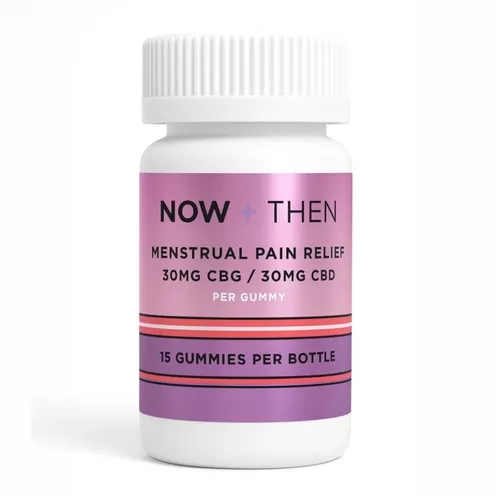

Menstrual Pain Relief Gummies 30mg CBD : CBG x 15 pcs (450mg) – NOW+THEN
Period relief, reimagined. NOW+THEN's Menstrual gummies pair 30mg of CBD with 30mg of CBG in each tropical-flavoured piece — a dual-cannabinoid approach to the cramps and tension that come with that time of the month. No high, just steady, comforting support in a chewable you'll actually look forward to. Fifteen sweet, soothing bites for tougher days.
- Pain Receptor Modulation: CBG directly influences endocannabinoid receptors responsible for pain signaling in reproductive tissues
- Inflammatory Response Management: CBD reduces prostaglandin production that causes uterine contractions and cramping intensity
- Nervous System Regulation: Cannabinoid interaction with GABA pathways promotes relaxation and anxiety reduction
- Circulatory Enhancement: Improved blood flow reduces tissue hypoxia that contributes to menstrual pain severity
- Endocrine System Support: Natural compounds help regulate hormonal fluctuations without disrupting natural cycles
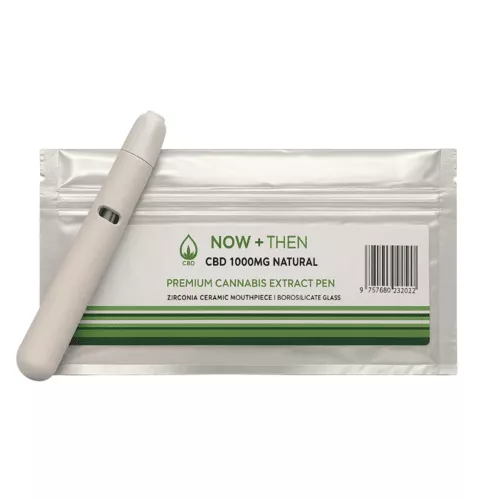
Full-spectrum CBD Vape Pen 1g – NOW+THEN
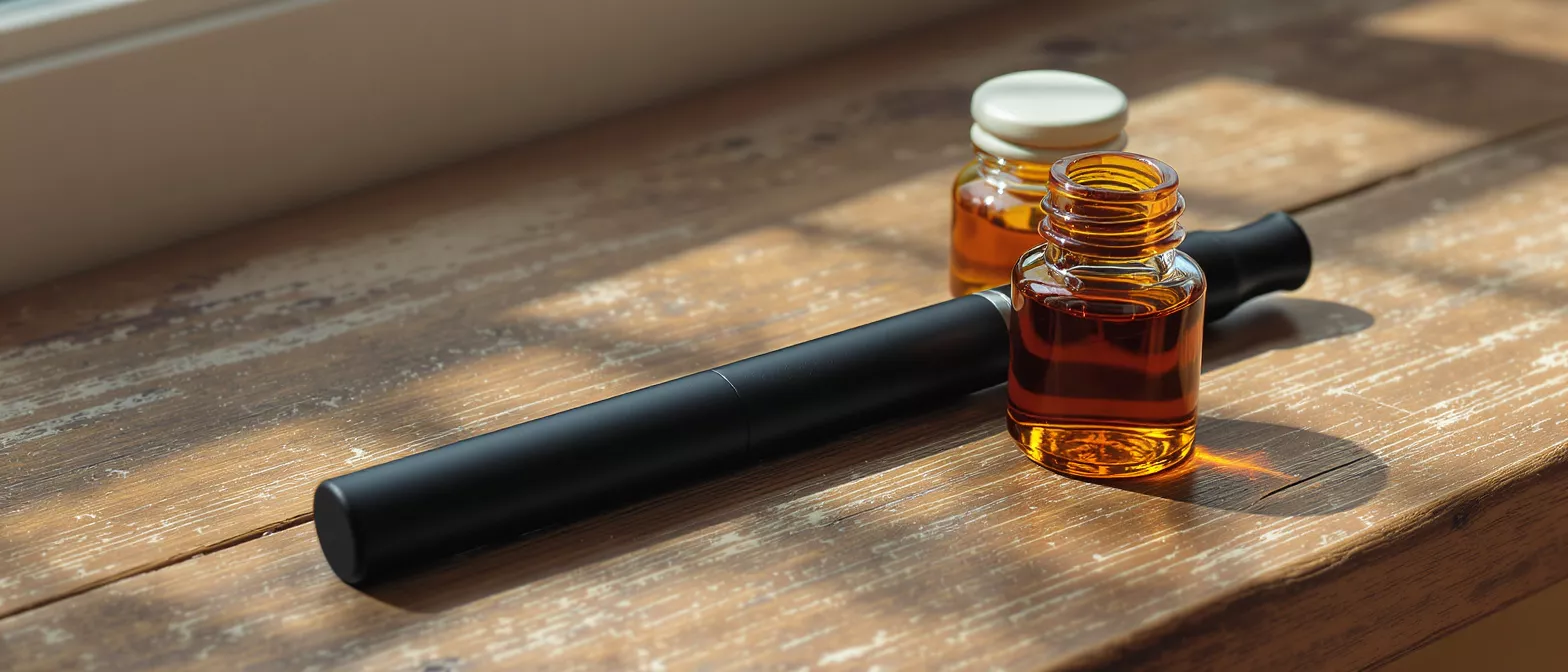
Whole-plant calm, fast. NOW+THEN's Full-Spectrum CBD pen holds a full gram of premium hemp oil in a sleek device — draw and the entourage of cannabinoids gets to work in moments, easing stress with no real high. Smooth, holistic, and effortless. The pocket-sized CBD pen for steadying anxious moments wherever you are.
- Entourage Effect Enhancement: Full-spectrum oil contains a comprehensive range of cannabinoids, terpenes, and natural compounds that work synergistically for enhanced therapeutic benefits beyond isolated CBD
- Stress Management Support: Supports natural relaxation response and daily stress management for improved emotional balance and mental clarity
- Sleep Quality Promotion: May promote restful sleep patterns and healthy recovery cycles through natural cannabinoid interaction with the endocannabinoid system
- Physical Comfort: Provides natural comfort for everyday physical discomfort, tension, and minor aches through anti-inflammatory properties
- Fast-Acting Relief: Delivers holistic plant-based wellness in a convenient, fast-acting format with effects typically felt within 2-5 minutes
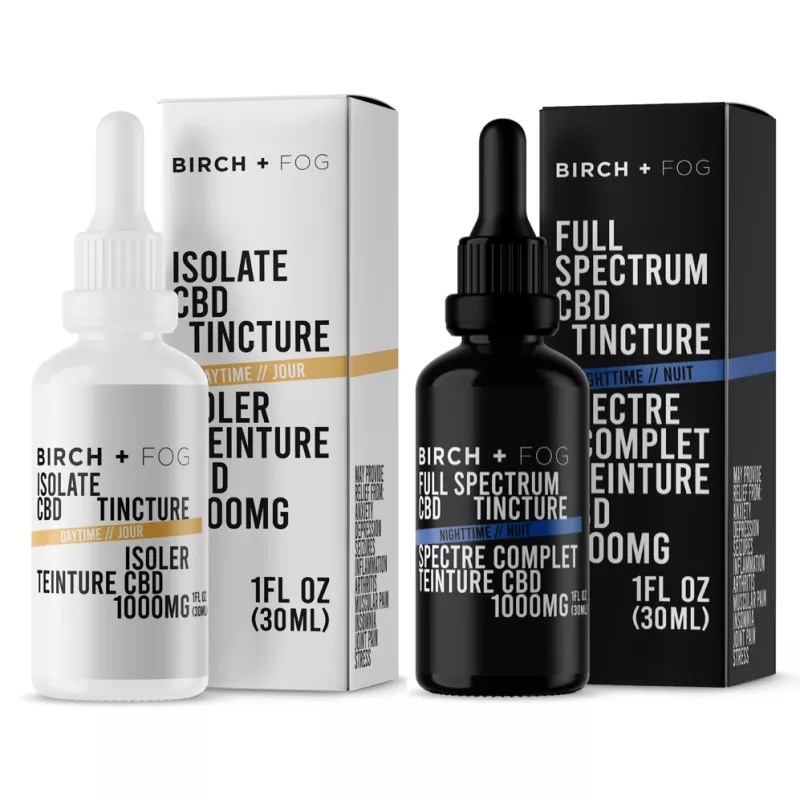
Day + Night CBD Tincture Duo 1000mg – BIRCH+FOG
Around-the-clock relief, tuned to your body clock. Birch+Fog's 1000mg Day + Night duo targets stress differently across two bottles — energizing sativa terpenes keep daytime focus calm and clear, while the evening blend quiets racing thoughts and physical tension for better sleep. One simple system that meets the morning and the night each on their own terms.
- Daytime Anxiety Management : Reduces social and performance anxiety while maintaining mental sharpness
- Evening Stress Relief : Calms racing thoughts and physical tension for better sleep preparation
- Circadian Rhythm Support : Works with natural body clocks to optimize anxiety relief timing
- Cognitive Function Preservation : Morning formula provides calm focus without drowsiness or impairment
- Sleep Quality Enhancement : Nighttime blend promotes deeper, more restorative sleep cycles
Building a Sustainable Nightly CBD Routine
The real power of CBD for sleep emerges when it stops being a thing you remember to do and becomes a seamless part of how you close out the day. A sustainable routine is built on consistency: same approximate time each night, same dose until you have a reason to adjust, and the same calming context around it. Anchoring your CBD to an existing habit — brushing your teeth, dimming the lights, setting tomorrow's alarm — helps it stick.
Remember that CBD works best as one component of broader sleep hygiene rather than a standalone fix. Reducing late-day caffeine, limiting bright screens in the final hour before bed, keeping your bedroom cool and dark, and maintaining a steady wake time all amplify what cannabidiol can do. Think of the oil as the supportive partner to these foundations, not a replacement for them.
Ultimately, the question of whether it is okay to take CBD oil every night resolves into a personal one: for most healthy adults, nightly use is well tolerated, non-habit-forming, and genuinely helpful when paired with quality products and good habits. Start low, choose lab-tested oils, consult your doctor if you take other medications, and give the routine a few weeks to prove itself. Done thoughtfully, a nightly CBD ritual can become one of the most reliable and gentle tools in your sleep toolkit — and a restful night, after all, is the foundation that everything else is built on.





Comments