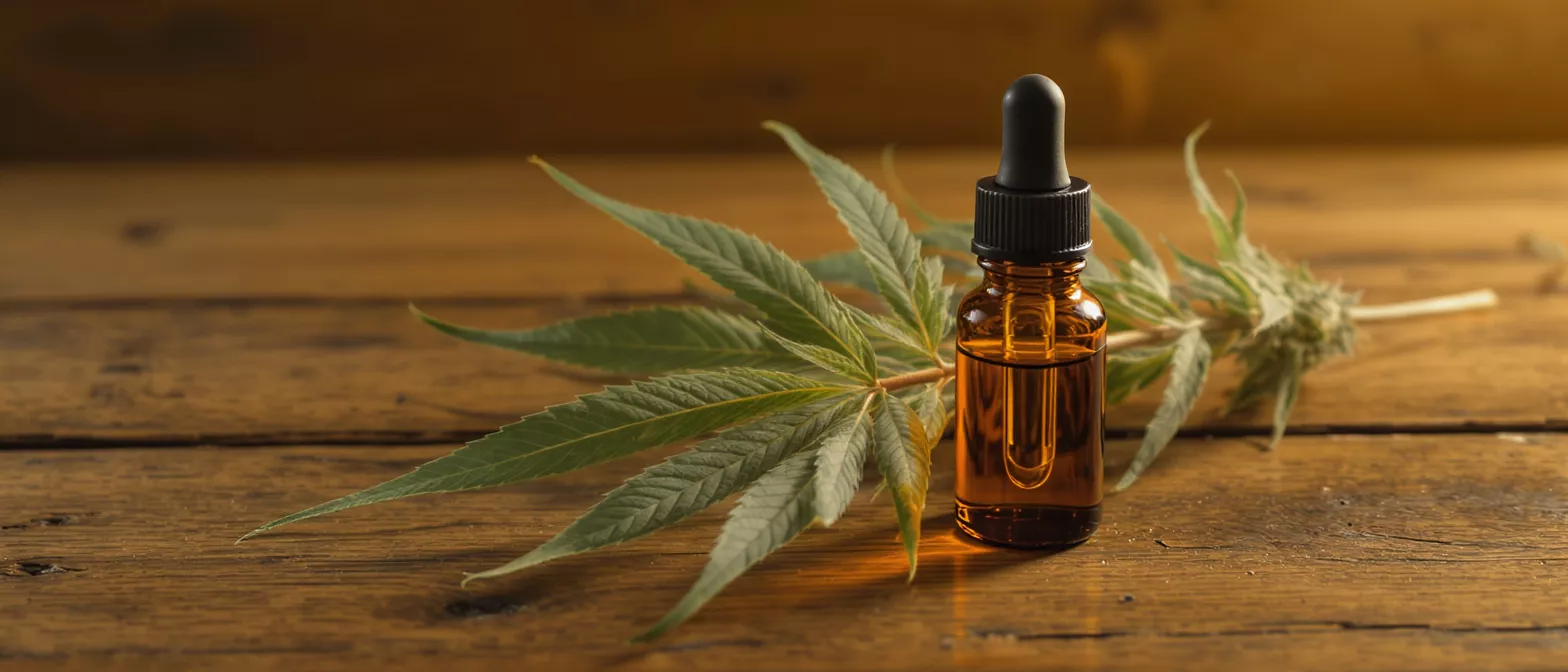
Terpene Profile
Discover what a terpene profile means in cannabis, how it shapes aroma, flavour, and effects.
What Is a Terpene Profile in Cannabis
A terpene profile in cannabis is the specific combination and concentration of aromatic compounds that give a particular strain its distinctive smell, taste, and character. Every cultivar produces dozens of these volatile molecules in varying ratios, and that unique fingerprint is what separates the bright citrus snap of one flower from the earthy, diesel funk of another. When growers and budtenders talk about a plant's "nose," they are describing its terpene profile in action.
Where terpenes come from: Terpenes are synthesized in the same glandular structures that produce cannabinoids — the resinous trichomes coating the flower and surrounding leaves. These tiny stalked glands act as miniature chemical factories, secreting the oils that protect the plant from pests, heat, and UV radiation while doubling as the source of its aroma.
Terpenes are not unique to cannabis. They are found throughout the plant kingdom, responsible for the scent of pine forests, fresh lavender, and the zest of an orange peel. What makes cannabis remarkable is the sheer diversity of terpenes it can express simultaneously, producing complex blends that no single fruit or herb could match on its own.
How a Terpene Profile Affects Aroma and Flavor
The most immediate role of any terpene profile is sensory. Before a cannabinoid ever reaches your bloodstream, your nose registers the volatile aromatics rising off the flower. This is why two strains with nearly identical THC percentages can smell and taste worlds apart — the difference lives almost entirely in their terpene content.
Aroma as a quality signal: Experienced consumers often judge flower by its smell first. A pungent, layered aroma usually indicates abundant trichome development and careful curing, while a flat or hay-like scent can suggest degraded or poorly handled product. The terpene profile becomes a shorthand for freshness and craftsmanship.
Flavor follows aroma closely because much of what we perceive as taste is actually retronasal smell. When you inhale vapor or smoke, terpenes interact with both your taste buds and olfactory receptors, layering notes of pine, berry, pepper, or fuel over the experience. This sensory richness is a major reason connoisseurs seek out specific profiles rather than chasing potency numbers alone.
Common Terpenes Found in Cannabis Profiles
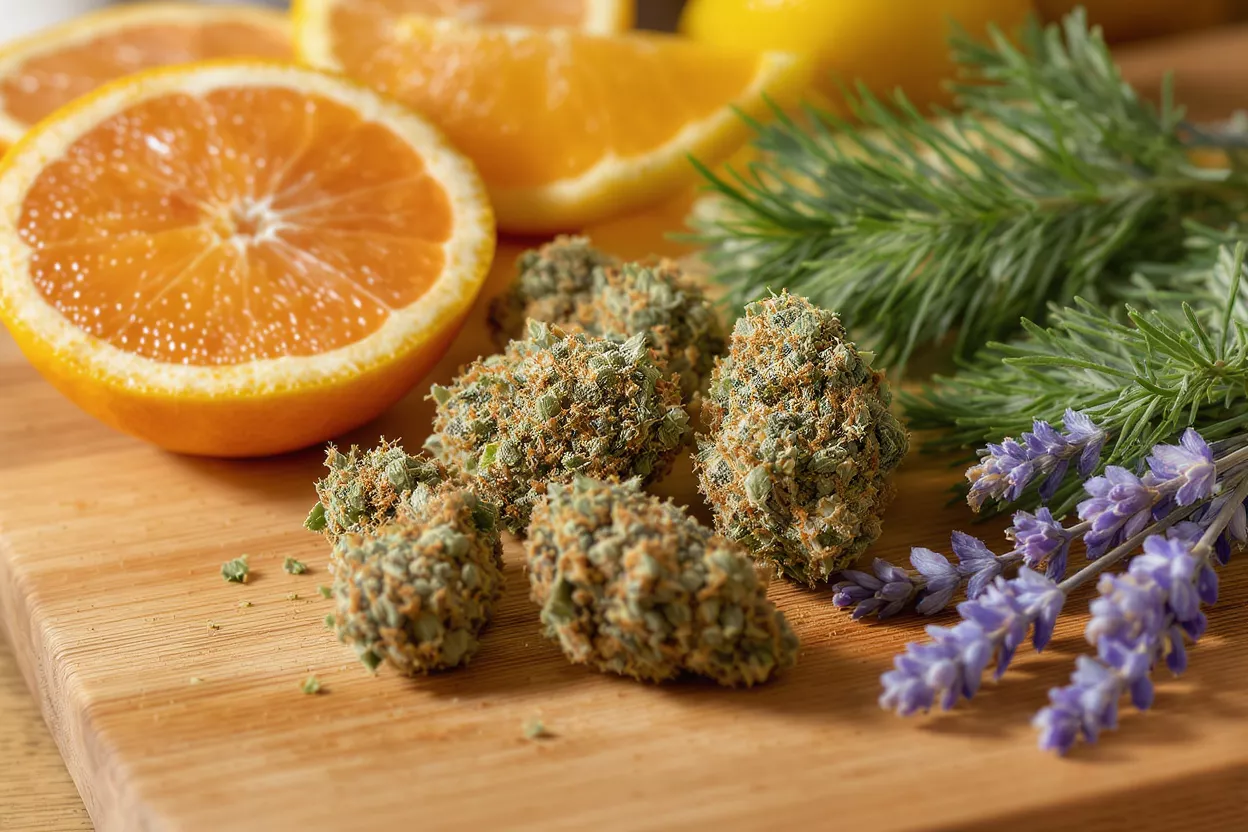
While researchers have identified over a hundred terpenes in cannabis, a handful appear frequently enough to define most commercial profiles. Learning these core compounds makes it far easier to predict how a strain might smell and feel before you ever open the jar.
- 🍋 Limonene: Bright citrus aroma, commonly linked to uplifting, mood-elevating sensations and found in many sativa-leaning cultivars.
- 🌲 Pinene: Sharp pine scent that may support mental clarity and is one of the most widespread terpenes in nature.
- 🌿 Myrcene: Earthy, musky, slightly fruity — the most abundant terpene in cannabis and associated with relaxing, sedating qualities.
- 🌸 Linalool: Floral lavender notes often connected to calming, stress-soothing effects.
- 🌶️ Caryophyllene: Peppery and spicy, notable for interacting directly with the body's endocannabinoid receptors.
Why ratios matter more than presence: It is rarely a single terpene that defines a strain but the proportion in which several appear together. A myrcene-dominant profile with a touch of caryophyllene produces a very different experience than a limonene-forward blend with secondary pinene. These ratios are what give each cultivar its signature.
Minor and rare terpenes — such as terpinolene, humulene, and ocimene — appear in smaller quantities yet can dramatically shift a profile's character. A whisper of an unusual terpene is sometimes the very thing that makes a particular cultivar memorable and sought after.
How Terpene Profiles Shape Effects and the Entourage Effect
Terpenes do more than smell pleasant. A growing body of research suggests they contribute to the overall experience of cannabis through what is commonly called the entourage effect — the idea that cannabinoids and terpenes work together synergistically rather than in isolation.
How synergy is thought to work: Under this model, a terpene like myrcene may influence how readily cannabinoids cross certain membranes, while others may modulate mood or perception in subtle ways. The combined result can feel distinct from what any single compound would produce alone, which helps explain why strains with similar THC levels can deliver noticeably different experiences.
It is worth keeping expectations grounded. Much of the entourage research remains preliminary, and individual physiology plays an enormous role in how any profile feels. Still, the principle has reshaped how the industry thinks about cannabis, shifting attention away from potency alone and toward the full chemical picture a terpene profile provides.
Terpene Profile vs Cannabinoids: What Drives the Experience
For years the cannabis market fixated almost entirely on THC percentage, treating it as the single measure of quality. That mindset is changing as consumers learn that a terpene profile in cannabis can shape the experience just as powerfully as raw cannabinoid content.
Why high THC is not the whole story: A flower testing at thirty percent THC but lacking a robust terpene expression can feel one-dimensional — strong yet flat. Meanwhile, a moderate-THC cultivar with a rich, well-rounded terpene profile often delivers a more nuanced and enjoyable session. Potency sets the ceiling, but terpenes shape the texture of the high.
The smartest approach treats cannabinoids and terpenes as partners rather than competitors. CBD, THC, and minor cannabinoids set the foundation, while the terpene profile colors in the details. Reading both halves of a lab report gives you a far more complete prediction of how a product will perform.
How to Read a Terpene Profile on a Lab Label
More producers now publish terpene data alongside cannabinoid results on their certificate of analysis. Learning to interpret these numbers turns guesswork into informed selection.
What the percentages mean: Terpene content is usually reported as a percentage of total weight, with most flower landing somewhere between one and three percent total terpenes. Anything above two percent is generally considered terpene-rich. The label will typically list each detected terpene with its individual concentration, letting you identify the dominant compound at a glance.
Look at both the dominant terpene and the supporting cast. The largest number tells you the headline character — say, myrcene-forward and earthy — while the secondary terpenes reveal the nuances. A profile led by limonene but backed by caryophyllene and pinene hints at a bright, slightly peppery, pine-tinged experience.
- 📊 Total terpene percentage: Higher numbers generally signal a more aromatic, flavorful product.
- 🥇 Dominant terpene: The compound present in the greatest amount, defining the strain's headline aroma.
- 🎨 Secondary terpenes: Smaller players that add complexity and fine-tune the overall character.
- 📅 Test date: Fresher results matter because terpenes degrade over time after harvest.
Best Terpene Profiles for Relaxation and Sleep
One of the most practical reasons to study terpene profiles is matching them to a desired outcome. While no profile guarantees a specific result, certain terpene combinations are widely associated with calming, restful experiences.
Profiles to look for: Strains heavy in myrcene and linalool tend to carry a soothing, downshifting reputation, making them popular evening choices. Caryophyllene frequently appears in these blends as well, adding a grounding, body-centered quality that many find ideal for winding down.
By contrast, a profile dominated by limonene and pinene leans brighter and more energizing, which is why those terpenes show up often in daytime and creative-use cultivars. Knowing this lets you align your selection with the time of day and the mood you are after, rather than relying on the broad indica-versus-sativa labels that increasingly fail to capture the full picture.
How Growing and Curing Affect a Terpene Profile
A plant's genetics set the potential for its terpene profile, but cultivation and post-harvest handling determine how much of that potential actually survives into the finished product. Two clones of the same genetics can produce strikingly different profiles depending on how they are grown.
Environmental influence: Light intensity, temperature, soil nutrition, and stress all push terpene production in different directions. Cooler finishing temperatures and healthy living soil are often credited with preserving delicate aromatics, while excessive heat late in flowering can volatilize and burn off the more fragile compounds.
Curing is where many terpene profiles are made or broken. A slow, controlled cure in proper humidity allows harsh compounds to break down while preserving the volatile terpenes that define aroma and flavor. Rushed drying strips these molecules away, leaving flower that looks fine but smells muted and tastes flat — a common reason otherwise potent product disappoints.
Preserving Your Terpene Profile Through Proper Storage
Even the most beautifully cured flower will lose its terpene profile if stored carelessly. Because terpenes are volatile by nature, they evaporate and degrade when exposed to the wrong conditions, so smart storage is essential to protect what you paid for.
The four enemies of terpenes: Heat, light, oxygen, and improper humidity all accelerate terpene loss. Heat drives evaporation, ultraviolet light breaks down the molecules, oxygen oxidizes them, and dryness causes them to crumble away. Controlling all four is the goal of any good storage setup.
- 🫙 Airtight glass: Sealed jars limit oxygen exposure far better than plastic bags, which can also strip terpenes through static.
- 🌑 Cool and dark: Store away from windows and heat sources to slow light- and temperature-driven degradation.
- 💧 Humidity control: Two-way humidity packs hold flower in the ideal range, preventing both mold and brittle dryness.
- 📦 Minimal handling: Repeated opening introduces fresh air and speeds aroma loss, so portion thoughtfully.
Treated well, a quality flower can hold most of its terpene profile for months. Neglected on a warm shelf in a clear container, that same flower can lose much of its character in just a few weeks, which is why storage deserves as much attention as the purchase itself.
Are Terpene Profiles Important When Shopping for Cannabis
After understanding everything terpenes contribute, the answer becomes clear: a terpene profile is one of the most useful tools a cannabis shopper has. It predicts aroma, hints at effects, and signals the care that went into growing and curing — information that a single THC number simply cannot provide.
Building your own preferences: The best way to use terpene knowledge is to track what you enjoy. When a particular strain delights you, note its dominant terpenes and look for that signature again across different cultivars. Over time you build a personal map of profiles that reliably suit your taste and goals.
A terpene profile in cannabis ultimately tells the story of a plant — its genetics, its growing environment, and the craftsmanship behind it. Learning to read that story transforms shopping from a gamble into an informed choice, helping you find flower that smells incredible, tastes vivid, and delivers exactly the experience you are looking for. The more you pay attention to terpenes, the more rewarding every selection becomes.