

Pain Management: How to Choose Cannabis Strains
Learn how to choose cannabis strains for pain relief.
Living with pain reshapes everything from how you sleep to how you move through an ordinary afternoon, and it is no surprise that so many Canadians have turned to cannabis in search of steadier relief. Choosing the right strains for pain, however, is not a matter of grabbing the strongest thing on the shelf. It takes a little understanding of cannabinoids, terpenes, and your own body's response. This guide walks you through how to choose cannabis strains for pain management with clarity rather than guesswork.
Whether you are managing chronic conditions, recovering from injury, or simply looking to take the edge off a rough day, the goal here is to help you make informed decisions. We will cover THC and CBD ratios, the indica versus sativa question, specific strain profiles, dosing, and safety, so you can build a routine that actually fits your life.
What Is Pain and How Cannabis Helps
Pain is your body's alarm system, but when that alarm refuses to switch off, it becomes a condition of its own. Chronic pain persists long after an injury has healed, or it arises from ongoing issues like arthritis, nerve damage, or fibromyalgia. Traditional treatments range from over-the-counter anti-inflammatories to prescription opioids, and it is the well-documented risks of the latter that have pushed so many people toward cannabis as a gentler alternative.
Why cannabis appeals to pain patients: Cannabis interacts with the body's endocannabinoid system, a regulatory network that influences how we perceive pain, inflammation, and mood. Rather than simply masking a symptom, cannabinoids can modulate the signals themselves. According to The Cannigma, the interplay between cannabinoids and this system is central to why cannabis produces relief where other approaches fall short.
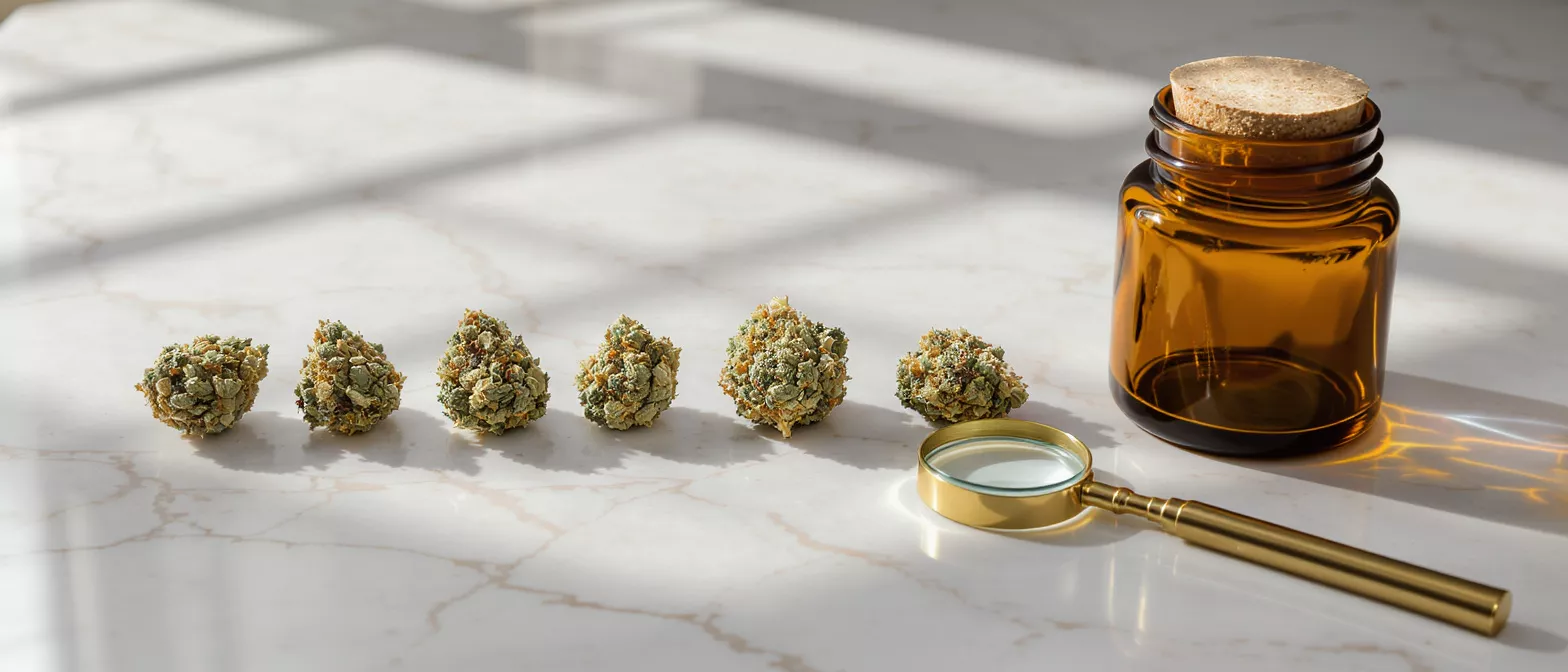
It helps to remember that not all cannabis is created for the same purpose. The dried flower you buy, whether it is premium bud or the humble shake at the bottom of a jar, carries a chemical fingerprint that determines its effects. Understanding that fingerprint is the first step toward using cannabis intentionally for pain rather than hoping for the best.
How Pain Strains Work in the Body
When you consume cannabis, active compounds bind to receptors scattered throughout your nervous system and immune system. THC attaches primarily to CB1 receptors in the brain, altering pain perception and producing the familiar euphoria, while CBD works more indirectly, dampening inflammation and easing the anxiety that so often travels alongside chronic discomfort.
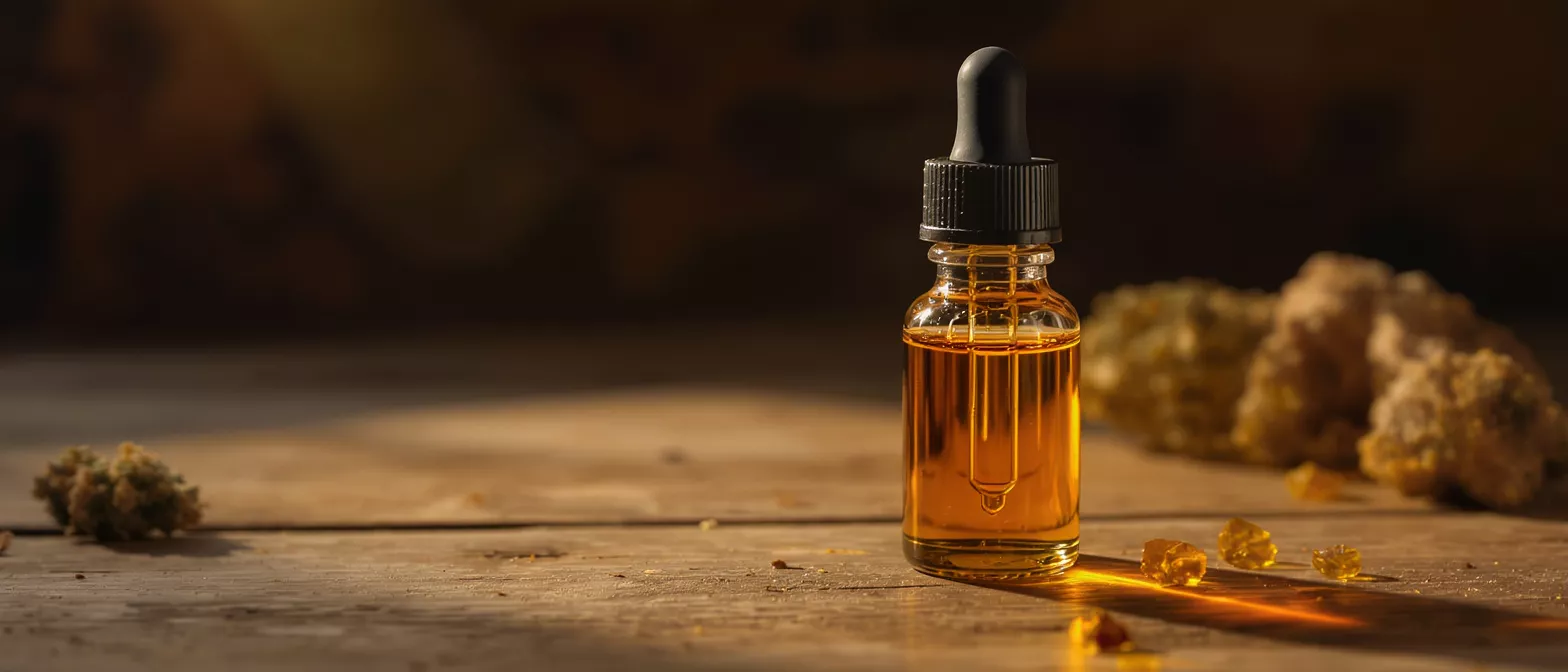
The entourage effect matters: Isolated cannabinoids rarely perform as well as the full plant. Terpenes like myrcene, caryophyllene, and pinene contribute their own anti-inflammatory and analgesic qualities, working in concert with THC and CBD. This synergy is why many patients report that a full-spectrum product outperforms a lab-made isolate, and why a well-formulated full-spectrum CBD oil often becomes a staple in a pain routine.
Terpene content also explains why two strains with identical THC percentages can feel worlds apart. Myrcene, abundant in many indica varieties, tends to produce that heavy, sedating body effect prized for nighttime pain, while limonene lifts mood and pinene keeps the head clearer. Reading a strain's terpene profile tells you far more about how it will treat your pain than the potency number alone.

Pain THC CBD Ratios Explained
The ratio of THC to CBD in a product is arguably the single most important number for pain management. It determines whether you feel noticeably high, pleasantly relaxed, or simply relieved without any intoxication at all. Getting this balance right is what separates a productive day from one lost to couch-lock.
Common ratios and what they do: Different balances suit different needs and tolerances. Here is a practical breakdown of where the popular ratios land:
- 🌿 1:1 THC to CBD: A balanced ratio that delivers meaningful pain relief with a mild, manageable high. Excellent starting point for newcomers.
- 💧 High CBD (20:1 CBD to THC): Strong anti-inflammatory and calming effects with virtually no intoxication. Ideal for daytime use and sensitive users.
- 🔥 High THC (low CBD): Potent relief for severe or breakthrough pain, best suited to experienced consumers who tolerate strong psychoactivity.
- ⚖️ 2:1 CBD to THC: A middle path favouring comfort and clarity while keeping a therapeutic dose of THC in the mix.
A high CBD pain strain is often the smartest entry point because it lets you gauge relief without a heavy head change. From there you can adjust toward more THC if the pain demands it. Piperine, the compound that makes black pepper sharp, is even thought to enhance certain cannabinoid effects, a small reminder that the plant's chemistry connects to the wider natural world.
Pain Indica Sativa: Which Is Better
The indica versus sativa debate is one of the oldest in cannabis, and while the categories are less scientifically rigid than folklore suggests, they still offer a useful shorthand for anticipating effects. For pain, the distinction often comes down to when you plan to medicate and what you need to accomplish afterward.
Indica for body pain: Indica-dominant strains, and their relative Ruderalis-influenced autoflower hybrids, typically deliver that heavy physical sedation ideal for muscle pain, spasms, and nighttime relief. If your pain keeps you awake, an indica taken an hour before bed can be transformative. These are the strains most people reach for when they want to melt into the couch.
Sativa-dominant varieties lean toward cerebral, energizing effects that suit daytime pain management, letting you stay functional while taking the edge off. Many patients build a rotation, using sativas by day and indicas at night. There is no universally superior category, only the one that matches your body and schedule. Practicing a bit of self-experimentation, almost like a personal form of permaculture where you tend your own routine, helps you learn which side of the spectrum serves you best.
Best Strains for Back Pain and Nerve Pain
Back pain and nerve pain behave differently, and the strains that soothe one may only partly address the other. Nerve pain, or neuropathy, produces burning, tingling, and shooting sensations that respond well to specific cannabinoid profiles, while muscular back pain often benefits from the muscle-relaxing sedation of a heavy indica.
Strain characteristics to look for: Rather than chasing brand names, focus on the underlying chemistry that repeatedly shows up in pain-relieving cultivars. When shopping for back pain or nerve pain, prioritise these traits:
- 🌙 High myrcene content: Delivers the sedating, muscle-relaxing body effect that eases spasms and tension.
- 🌶️ Beta-caryophyllene presence: This peppery terpene binds to CB2 receptors and offers notable anti-inflammatory relief for nerve pain.
- 🌿 Balanced THC to CBD: Keeps pain suppression strong while limiting anxiety and racing thoughts.
- 💜 Indica-leaning genetics: Generally better suited to the deep, radiating discomfort of chronic back conditions.
For persistent nerve pain, a consistent low dose taken throughout the day usually outperforms one large evening dose. Some patients keep a small pinner joint on hand for gentle daytime top-ups, while others prefer a measured tincture. A quality indica-dominant flower remains one of the most reliable choices for the aching, deep-set pain that back conditions produce, especially in the hours before sleep.
Cannabis Arthritis Relief and Inflammation
Arthritis is fundamentally an inflammatory condition, which makes it particularly responsive to cannabinoids that target inflammation at its source. Both osteoarthritis and rheumatoid arthritis involve swollen, painful joints, and the anti-inflammatory action of CBD combined with the analgesic power of THC can meaningfully improve daily comfort and mobility.
CBD-forward products tend to be the first recommendation for arthritis because they reduce inflammation without clouding the mind, letting you stay active through the day. Many arthritis patients favour a high-CBD regimen supplemented with a touch of THC in the evening when the day's activity has aggravated their joints. Consistency matters more than intensity, since inflammation responds to steady, ongoing management rather than occasional heavy dosing.
Beyond the flower: Arthritis relief does not have to come from smoking. Edibles, tinctures, and topicals all deliver cannabinoids without the harshness of inhalation, which appeals to older patients and those with respiratory concerns. The plant's connection to broader wellness practices runs deep, from adaptogenic companions like Lion's Mane to the humble reality that even a well-cured bud started as a resinous flower coated in pollen and trichomes.
Topical Cannabis Pain Options
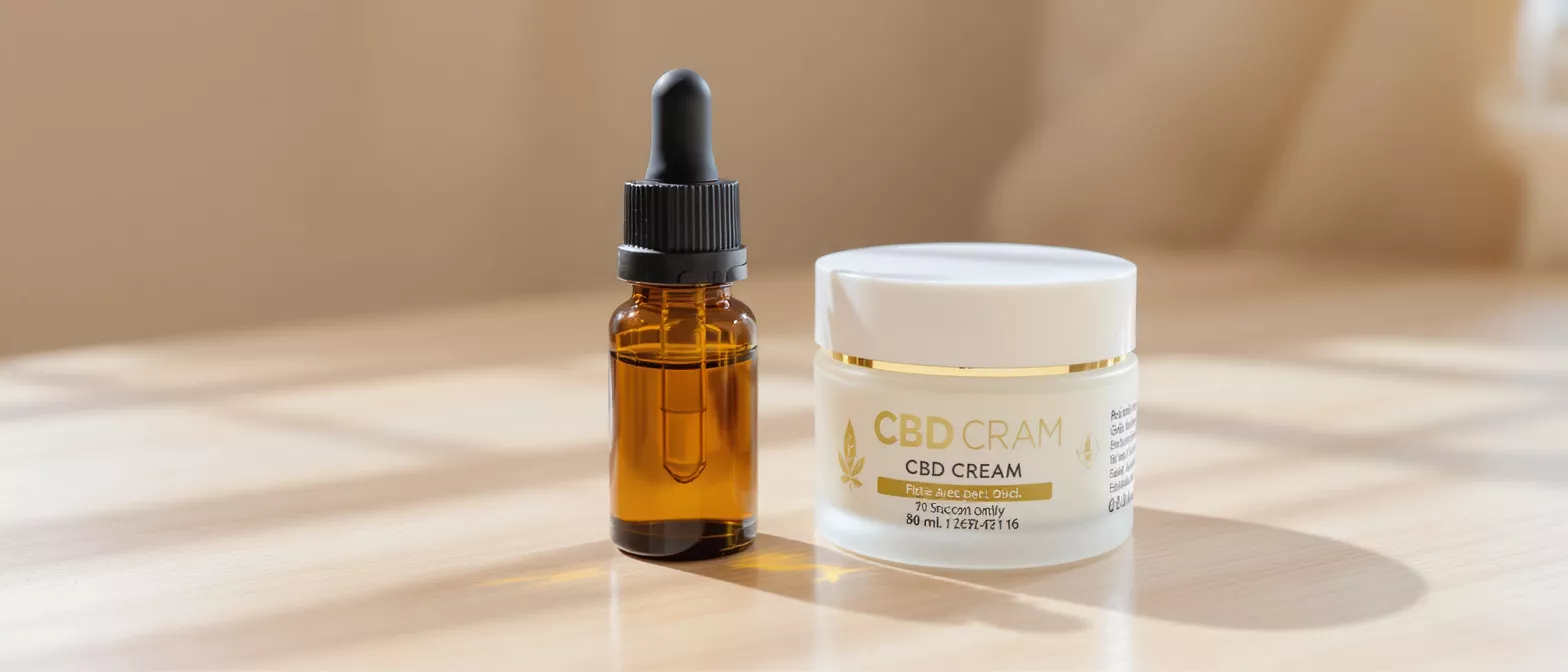
Topical cannabis, applied directly to the skin as a cream, balm, or salve, is one of the most underrated tools for localized pain. Because it works on cannabinoid receptors in the skin and underlying tissue without entering the bloodstream in significant amounts, a topical rarely produces any high at all, making it perfect for daytime use, work, or anyone wary of psychoactivity.
Where topicals shine: They excel at targeted, surface-level relief, joint pain, muscle soreness, localized inflammation, and skin conditions. Athletes rub them on strained muscles, arthritis sufferers massage them into stiff hands, and many people keep a jar by the bed for the aches that flare overnight. A well-made CBD topical balm can become the most-used product in a pain kit precisely because it is so easy to apply without disrupting your day.
Formulation quality matters here. Ingredients like propylene glycol and polyethylene appear in some carrier bases, and while generally recognized as safe, patients with sensitive skin often prefer natural oil-based salves. Look for products that pair cannabinoids with soothing botanicals rather than relying on filler ingredients, and always patch-test a new topical before broad application.
Pain Management Cannabis Dosing Guide
Dosing is where many people go wrong, either taking too much and feeling overwhelmed or too little and dismissing cannabis as ineffective. The golden rule for pain management cannabis is to start low and go slow, giving each dose time to reveal its full effect before adding more.
Practical dosing principles: Your ideal dose depends on your tolerance, the delivery method, and the severity of your pain. Inhaled cannabis acts within minutes and fades within a couple of hours, making it well suited to breakthrough pain, while edibles take thirty to ninety minutes to onset but last far longer, which suits all-day baseline management. Begin with a modest amount, perhaps a few milligrams of THC or a single small inhalation, and track how you respond.
Keep a simple journal noting strain, dose, timing, and results, because patterns emerge quickly once you have data. Tolerance builds over time, so occasional tolerance breaks help keep doses effective and costs reasonable. If you find yourself needing a re-up more often than expected, it may be a sign to reset rather than escalate. Reciprocity with your own body, listening and adjusting, is the heart of sustainable dosing.

Is Cannabis for Chronic Pain Safe
For most adults, cannabis carries a favourable safety profile compared to long-term opioid or NSAID use, but it is not risk-free, and honest information serves you better than hype. The most common side effects, dry mouth, dizziness, drowsiness, and appetite changes, are mild and temporary, though high THC doses can trigger anxiety in sensitive individuals.
Who should be cautious: People with a history of psychosis, certain heart conditions, or who are pregnant should consult a physician before use. Cannabis can also interact with some medications, so it is wise to review your prescriptions with a knowledgeable practitioner. Sourcing matters too, since properly tested cannabis is free of the pesticides and contaminants that can lurk in low-grade schwag or unregulated reggie sold outside the legal market.
The safest path is legal, lab-tested product from a licensed source, consumed with attention to dose and setting. Avoid mixing high doses with driving or heavy machinery, store your cannabis away from children in clearly labelled containers, and dispose of any roach or leftover material responsibly. Treated with respect, cannabis is a tool you can rely on for years of pain management.


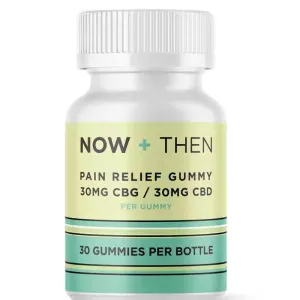
Pain Gummies 60mg CBD : CBG x 30 pcs (1800mg) – NOW+THEN
Serious relief, seriously tasty. NOW+THEN's Pain gummies pair 30mg of CBD with 30mg of CBG in each of 30 pieces — a dual-cannabinoid approach to everyday aches in a chewable you'll actually enjoy. No high, just steady, comprehensive comfort. The flavourful daily option for managing discomfort the gentle way.
- Synergistic Relief : CBD and CBG enhance each other's effects
- Powerful Anti-Inflammatory : Double cannabinoid action
- Nerve Pain Support : CBG specifically targets neuropathy
- Non-Intoxicating : Zero THC for anytime use
- Month Supply : Consistent daily management
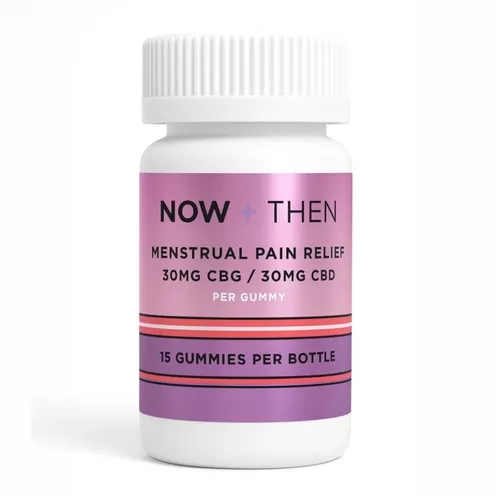
Menstrual Pain Relief Gummies 30mg CBD : CBG x 15 pcs (450mg) – NOW+THEN
Period relief, reimagined. NOW+THEN's Menstrual gummies pair 30mg of CBD with 30mg of CBG in each tropical-flavoured piece — a dual-cannabinoid approach to the cramps and tension that come with that time of the month. No high, just steady, comforting support in a chewable you'll actually look forward to. Fifteen sweet, soothing bites for tougher days.
- Pain Receptor Modulation: CBG directly influences endocannabinoid receptors responsible for pain signaling in reproductive tissues
- Inflammatory Response Management: CBD reduces prostaglandin production that causes uterine contractions and cramping intensity
- Nervous System Regulation: Cannabinoid interaction with GABA pathways promotes relaxation and anxiety reduction
- Circulatory Enhancement: Improved blood flow reduces tissue hypoxia that contributes to menstrual pain severity
- Endocrine System Support: Natural compounds help regulate hormonal fluctuations without disrupting natural cycles
How to Buy Pain Cannabis Online in Canada
Buying pain cannabis online in Canada has never been more straightforward, and the legal market offers a level of quality, testing, and selection that older grey-market options never could. When you shop online you gain access to detailed lab results, terpene breakdowns, and honest strain descriptions that help you match a product to your specific pain.
What to prioritise when buying: Look for transparency above all. Reputable retailers publish cannabinoid and terpene data, use quality rolling papers and packaging, and provide clear guidance rather than pure marketing. Consider the whole toolkit, flower for fast relief, edibles and tinctures for lasting baseline control, and topicals for targeted spots. Building a small, varied stash gives you options as your pain shifts through the day.
Avoid the temptation to judge quality by potency alone. A thoughtfully grown flower with a rich terpene profile will often out-treat a higher-THC product that has been rushed. Whether you keep your supply in a proper glass pot or simply a sealed jar, protect it from light and air to preserve those delicate compounds. With a little knowledge and a trustworthy source, choosing cannabis strains for pain becomes an empowering part of your wellness routine rather than a shot in the dark. Start low, stay curious, and let your own results guide the way.
Comments
The section on THC to CBD ratios finally made this click for me. I’ve been grabbing whatever was strongest and wondering why I couldn’t function. Switching to a 1:1 for daytime made a huge difference.
Wish I’d read this before my first order. The start low and go slow advice is so real.
I never considered topicals until now. Do they actually work for hand arthritis or is that wishful thinking? Sounds like the article says yes.
As someone with rheumatoid arthritis, the point about consistency mattering more than intensity is spot on. Steady high-CBD dosing changed my mornings.
The terpene explanation was the best part. I always assumed higher THC meant better relief but the myrcene vs limonene breakdown makes way more sense of my own experience.
Good balanced take on safety. Too many sites act like cannabis is magic with zero downsides. Appreciate the honesty about who should be cautious.
Kept a dosing journal like you suggested for two weeks and the patterns really do jump out. Found my sweet spot faster than expected.