


CBD for Nerve Pain: A Complete Buyer’s Guide
Learn how CBD for nerve pain works, dosage tips, and how to choose oils, topicals, or edibles.
Living with nerve pain means navigating a maze of burning sensations, unpredictable tingling, and discomfort that traditional medications sometimes fail to touch. Whether you're dealing with diabetic neuropathy, sciatica-flare cbd oils, or the widespread sensitivity of fibromyalgia CBD relief seekers face, understanding how cannabidiol interacts with your nervous system can transform your approach to management. This guide cuts through the noise to examine what research actually says about CBD for nerve pain, how to choose products that match your specific condition, and practical strategies for incorporating CBD into your wellness routine.
What Is CBD for Nerve Pain and How Does It Work
Cannabidiol, or CBD, operates through a fundamentally different mechanism than conventional painkillers when addressing neuropathic conditions. While opioids and NSAIDs target inflammation or block pain signals centrally, CBD modulates the endocannabinoid system—a vast network of receptors embedded throughout your peripheral and central nervous tissue. This system, discovered only in the 1990s, functions as a homeostatic regulator, and its dysregulation appears intimately connected to chronic pain states including those involving damaged or irritated nerves.
The endocannabinoid system and nerve signaling: Your body produces endogenous cannabinoids like anandamide that bind to CB1 and CB2 receptors. CB1 receptors cluster heavily in the spinal cord and brain regions processing pain, while CB2 receptors populate immune cells and peripheral nerve tissue. CBD doesn't bind directly to these receptors like THC; instead, it enhances your body's own endocannabinoid tone by inhibiting their breakdown and modulating receptor sensitivity. For nerve pain sufferers, this means addressing hyperexcitability at the source rather than merely masking symptoms. NCCIH research continues exploring these mechanisms through rigorous clinical investigation.
Beyond receptor interaction, CBD demonstrates notable anti-inflammatory properties through multiple pathways. It suppresses cytokine production, reduces microglial activation in spinal cord tissue, and inhibits voltage-gated sodium channels—the same targets as conventional neuropathic agents like gabapentin. This multi-modal action explains why many patients report benefits where single-mechanism drugs fall short. The compound also interacts with TRPV1 receptors, the body's primary heat and pain sensors, potentially explaining the warming or cooling sensations users describe with topical application.
Fibromyalgia CBD Relief: The Emerging Research
Fibromyalgia represents one of the most challenging chronic pain conditions, characterized by widespread musculoskeletal pain, fatigue, and cognitive disturbances with no clear structural cause. Researchers increasingly recognize central sensitization—amplified pain signaling in the brain and spinal cord—as the core mechanism, making it a neurological condition rather than purely muscular. This reframing has opened new avenues for CBD investigation, as compounds modulating neurotransmitter balance and neuroinflammation address the root dysfunction rather than peripheral symptoms.
Clinical evidence for fibromyalgia specifically: While large-scale randomized trials remain limited, smaller studies show meaningful promise. A 2019 Israeli study tracking fibromyalgia patients using cannabis-derived treatments found significant improvements in pain scores and sleep quality, with CBD-dominant preparations showing particular benefit for daytime functioning without cognitive impairment. The key distinction lies in CBD's ability to reduce glutamate excitotoxicity, a process where overstimulated neurons become hypersensitive and fire inappropriately—directly relevant to fibromyalgia's amplified pain processing.
Patients with fibromyalgia often present with comorbid anxiety and sleep disruption, creating a vicious cycle where poor rest amplifies pain sensitivity. CBD's anxiolytic properties through serotonin 5-HT1A receptor modulation offer secondary benefits here, potentially breaking this cycle without the dependency risks of benzodiazepines or the morning grogginess of sedating medications. calming cbd tinctures for nighttime use have become particularly popular among this population for their dual-action potential.

Best CBD for Nerve Pain: Oils vs Topicals vs Edibles
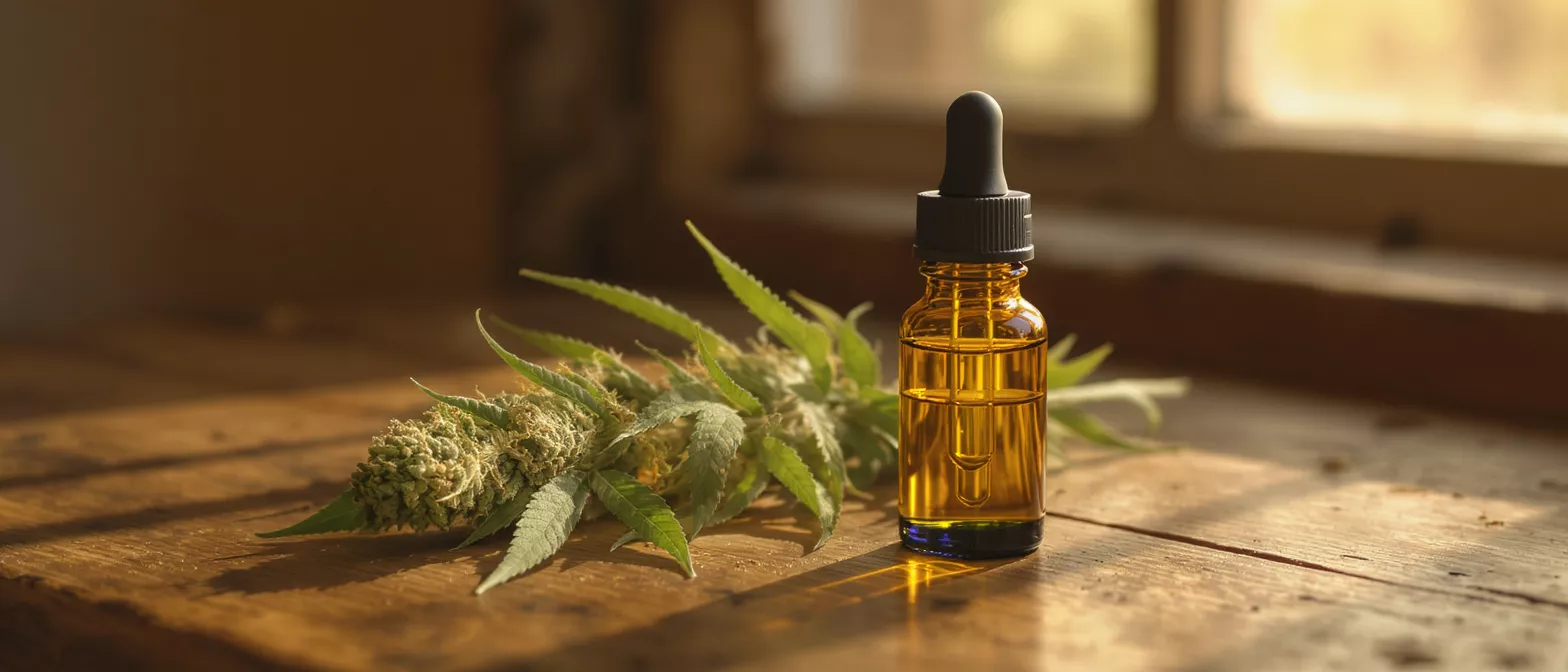
Selecting the optimal delivery format requires matching pharmacokinetics to your specific pain pattern. CBD oils administered sublingually bypass first-pass liver metabolism, reaching systemic circulation within 15-30 minutes with effects lasting 4-6 hours. This makes them ideal for conditions requiring steady background coverage like diabetic neuropathy or fibromyalgia. Topicals, conversely, achieve high local concentrations in superficial tissues without significant bloodstream absorption—perfect for focal neuropathies, though they won't address widespread or deep-seated nerve involvement.
Edibles and capsules offer the longest duration (6-8 hours) but slowest onset (45-90 minutes) due to digestive processing. Their predictability suits maintenance dosing, though breakthrough pain may require supplemental faster-acting forms. The bioavailability differences are substantial: sublingual administration achieves roughly 15-35% absorption, while oral routes drop to 6-20% due to intestinal and hepatic metabolism. This doesn't make edibles inferior—just requiring higher milligram strengths to achieve equivalent circulating levels.
- 🔥 Sublingual oils: Fast onset, adjustable dosing, best for systemic conditions like fibromyalgia or widespread neuropathy
- 🌿 Topical creams: Localized relief without psychoactivity concerns, ideal for peripheral neuropathy in hands and feet
- 💊 Capsules/edibles: Extended coverage, precise dosing, preferred for sleep support and all-day maintenance
The entourage effect—the synergistic enhancement when multiple cannabis compounds work together—also influences format selection. Full-spectrum and broad-spectrum products retain terpenes like beta-caryophyllene (a CB2 agonist) and myrcene (sedating), potentially amplifying neurological benefits beyond isolated CBD. However, some users prefer CBD isolate for nerve pain to eliminate any THC traces, particularly when employment drug testing is a concern or THC sensitivity produces unwanted effects.
CBD Nerve Pain Dosage: Finding Your Sweet Spot
Dosing CBD for neuropathic conditions defies simple milligram recommendations due to enormous individual variability in metabolism, condition severity, and endocannabinoid tone. Clinical studies for neuropathic pain have employed exceptionally wide ranges—from 2.5 mg to over 600 mg daily—reflecting this heterogeneity. The fundamental principle is start low, observe systematically, and titrate gradually based on response rather than arbitrary thresholds.
Practical titration strategies: A methodical approach begins with 5-10 mg twice daily for 3-5 days, assessing pain intensity, sleep quality, and functional capacity. Increase by similar increments every 3-5 days until satisfactory relief emerges or side effects limit further escalation. This patience prevents both underdosing (common with premature abandonment) and excessive consumption that wastes product without proportional benefit. Most neuropathy patients finding therapeutic windows report 20-50 mg daily as maintenance, with acute flares requiring temporary increases.
The biphasic dose-response curve—where moderate doses outperform both lower and higher amounts—means more isn't always better. Neuroscientists speculate that excessive CBD may desensitize TRPV1 receptors or competitively inhibit endogenous cannabinoid reuptake too aggressively. Keeping a structured journal tracking dose, timing, pain scores (1-10), sleep duration, and notable activities helps identify your personal optimal range. Many experienced users microdose cbd oils throughout the day for nerve conditions, maintaining more stable plasma levels than large single doses.

Full Spectrum CBD for Neuropathy: Why Terpenes Matter
The distinction between CBD isolate and full spectrum products extends beyond marketing terminology into genuine pharmacological differences. Full spectrum CBD for neuropathy retains the complete array of hemp's native compounds—including trace THC (below 0.3% in compliant products), minor cannabinoids (CBG, CBC, CBN), and volatile terpenes. These components interact through multiple mechanisms that isolated CBD cannot replicate, potentially creating superior outcomes for complex neurological conditions.
Specific terpenes demonstrate particular relevance to nerve pain. Beta-caryophyllene functions as a dietary cannabinoid, binding directly to CB2 receptors with demonstrated anti-inflammatory and analgesic effects in animal models of neuropathy. Limonene elevates mood and may reduce stress-induced pain amplification through GABA modulation. Linalool, abundant in lavender as well as certain hemp cultivars, produces calming effects and enhances sedative properties relevant to sleep-disturbed pain patients. The specific terpene profile of your chosen product thus matters as much as its CBD concentration.
However, full spectrum isn't universally superior. Some individuals metabolize THC poorly, experiencing anxiety or cognitive effects even at trace levels. Others require absolute THC absence for professional or legal reasons. Broad-spectrum products—containing terpenes and minor cannabinoids but with THC removed to undetectable levels—offer a middle path. The evolution of extraction technology now enables "remediation" that preserves delicate terpenes while eliminating THC, making broad-spectrum increasingly viable for those previously restricted to isolates. Understanding this spectrum (pun intended) helps match product chemistry to your biological needs and constraints.
CBD Cream for Nerve Pain: When to Apply What
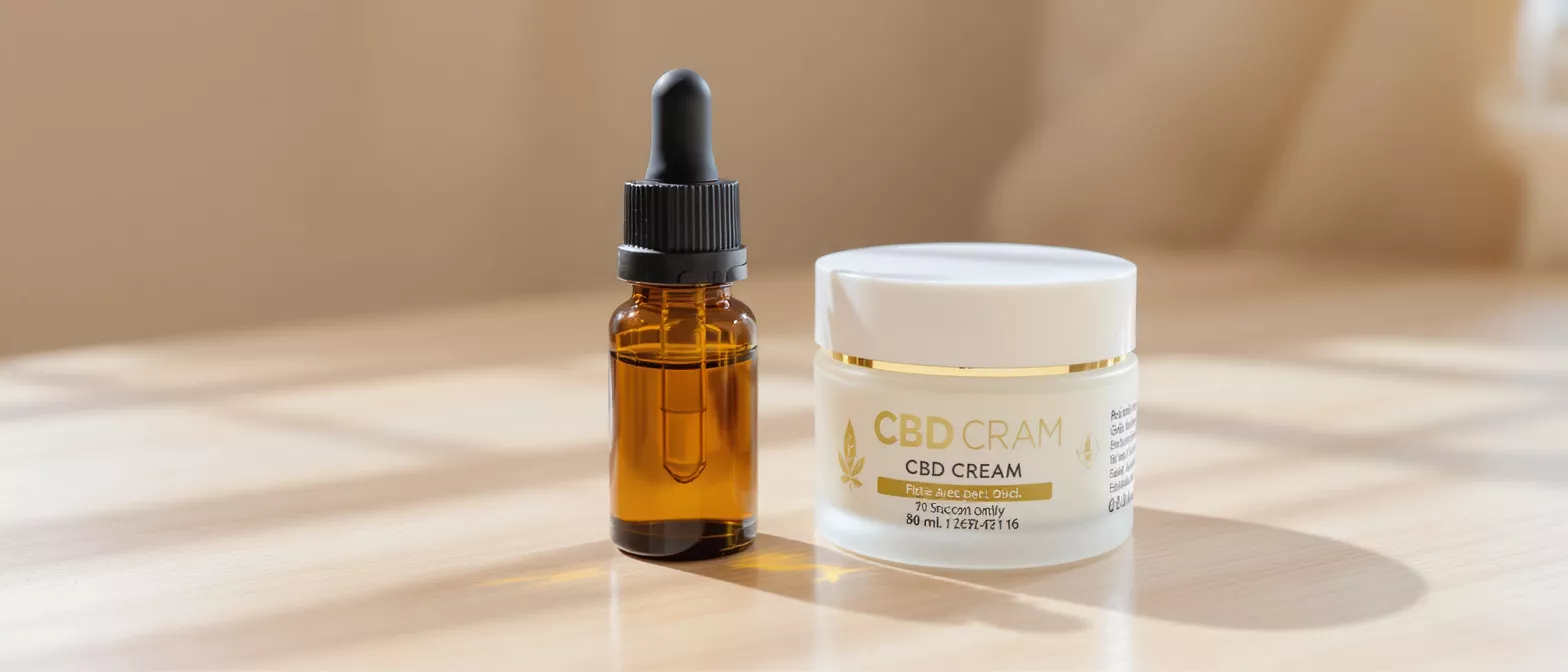
Topical CBD for nerve pain operates through a distinct pharmacological pathway than systemic administration, and understanding this distinction prevents misuse and disappointment. Transdermal penetration achieves meaningful concentrations in epidermal and dermal tissues, with some deeper penetration to subcutaneous structures depending on formulation. However, without specialized enhancement technologies, little reaches systemic circulation—meaning topical CBD won't address spinal nerve compression or central sensitization, but excels for peripheral neuropathy manifestations.
Formulation science matters enormously: Effective topical products utilize liposomal encapsulation, nanoemulsion technology, or permeation enhancers like DMSO or essential oils to push CBD past the stratum corneum barrier. Simple coconut oil suspensions may feel pleasant but achieve minimal active delivery. Quality indicators include mention of specific carrier systems, third-party verification of CBD content, and complementary ingredients like menthol (TRPM8 activation for cooling), capsaicin (desensitizing hyperactive fibers), or arnica (traditional anti-inflammatory). warming cbd muscle rubs with camphor combine particularly well with the cannabinoid's own TRPV1 modulation.
Application technique amplifies results. Clean skin thoroughly, apply to the specific dermatome (skin area served by the affected nerve) rather than generalized region, and massage vigorously to enhance blood flow. Consistent twice-daily application builds cumulative effects over 1-2 weeks better than sporadic heavy use. For conditions like postherpetic neuralgia or chemotherapy-induced peripheral neuropathy, topical CBD offers adjuvant therapy that may reduce systemic medication requirements. The science of transdermal cannabinoid delivery continues advancing, with new patch technologies promising more controlled release profiles.

CBD vs Gabapentin for Neuropathic Pain: A Natural Alternative
Gabapentin and its successor pregabalin represent first-line pharmaceutical treatment for neuropathic pain, yet significant limitations drive interest in alternatives. These gabapentinoids modulate voltage-gated calcium channels, reducing neurotransmitter release from hyperexcited neurons. Effective for many, they produce substantial side effects including dizziness, cognitive slowing, weight gain, and dependency concerns—particularly problematic for elderly patients or those requiring long-term management.
CBD's overlapping yet distinct mechanisms offer intriguing comparative possibilities. Both compounds reduce neuronal excitability, but CBD's additional anti-inflammatory, anxiolytic, and sleep-promoting effects address the multidimensional nature of chronic pain. Preclinical studies suggest combination approaches may permit gabapentin dose reduction, improving tolerability without sacrificing efficacy. Some pain specialists now advocate for CBD as a first-line supplement before escalating to prescription neuropathic agents, especially in early-stage conditions where intervention may prevent progression.
Critical distinctions remain. Gabapentin has robust regulatory approval and extensive safety data from millions of patient-years. CBD lacks equivalent large-scale randomized trial evidence for specific neuropathic indications, though its safety profile appears more favorable with no known fatal overdose potential. The responsible approach involves coordinated care—discussing CBD integration with your prescriber, monitoring for interactions (particularly with other CNS depressants), and never discontinuing prescribed medications abruptly. The emerging landscape suggests complementary rather than replacement strategies for most patients, with individual factors determining optimal balance.
CBD for Diabetic Neuropathy: Managing Burning and Tingling
Diabetic neuropathy represents the most common peripheral neuropathy worldwide, affecting approximately 50% of long-standing diabetes patients. The pathophysiology involves multiple insults: chronic hyperglycemia produces advanced glycation end-products, microvascular compromise reduces nerve perfusion, and metabolic disturbances alter polyol pathway flux. These processes create oxidative stress and inflammation that progressively damage small fiber nerves, producing the characteristic stocking-glove distribution of burning, tingling, and numbness.
CBD's multi-targeted approach aligns with this complexity: Antioxidant properties reduce reactive oxygen species directly damaging neural tissue. Anti-inflammatory action via CB2 and non-cannabinoid receptors suppresses cytokine-mediated injury. Analgesic effects through TRPV1 and sodium channel modulation address symptom intensity. Perhaps most importantly, preclinical research suggests CBD may improve microcirculation and reduce advanced glycation end-product formation—potentially addressing disease progression rather than merely symptoms. This disease-modifying potential, while unproven in human trials, distinguishes CBD from purely symptomatic treatments.
Practical management for diabetic neuropathy typically combines systemic CBD (oils or capsules for constant coverage) with topical application to most affected areas (usually feet). Blood glucose optimization remains paramount—CBD is adjunctive, not替代. Monitoring for unnoticed injuries is crucial, as numbness may mask damage requiring prompt attention. Some patients report that CBD's improvement in sleep quality and reduced pain catastrophizing indirectly enhances daytime functioning and medication adherence, creating virtuous cycles beyond direct pharmacological effects. The intersection of CBD research with diabetic neuropathy specifically remains underexplored, with dedicated clinical trials urgently needed.

CBD for Pinched Nerve: Targeted Relief Strategies
Radiculopathy—whether from herniated discs, spinal stenosis, or foraminal narrowing—produces characteristic radiating pain following specific nerve distributions. Unlike diffuse neuropathies, pinched nerve pain has clear anatomical localization, suggesting more targeted therapeutic approaches. CBD's role here is primarily adjunctive: reducing inflammatory mediators around compressed nerve roots, modulating pain signal transmission, and improving muscle relaxation that may perpetuate compression patterns.
Acute versus chronic management differs: During acute radicular flares, anti-inflammatory dosing of CBD may reduce edema around the compressed nerve, temporarily improving symptoms while structural healing proceeds. This window allows participation in physical therapy and prevents pain-avoidance behaviors that decondition supporting musculature. For chronic compression where surgery isn't indicated or desired, ongoing CBD administration provides maintenance reduction of neuroinflammation and centralized pain amplification that develops with prolonged input.
Application strategy should match pain distribution. Cervical radiculopathy into the arm may benefit from topical application along the radiating pathway combined with systemic dosing. Sciatica extending down the leg similarly responds to topical use along the posterior thigh and calf. However, CBD cannot address mechanical compression directly—reducing disc herniation or bony spur formation requires physical therapy, injection procedures, or surgical intervention when appropriate. The realistic framing is symptom management and recovery support, not cure, which maintains trust and prevents unrealistic expectations that ultimately undermine therapeutic relationships.


CBD CBG Pain Tincture 1500mg – NOW+THEN
Targeted relief where regular CBD stops short. NOW+THEN's CBD+CBG Pain tincture combines two complementary cannabinoids at a robust 1500mg — a focused, whole-body approach to persistent aches. A measured dropper delivers steady, no-high comfort that builds into your routine. The higher-strength bottle for discomfort that needs more than CBD alone.
- Synergistic Pain Relief : Two cannabinoids work together
- Anti-Inflammatory Power : Reduces swelling and pain
- Neuropathic Support : Effective for nerve pain
- Fast Acting : Sublingual absorption in minutes
- Precise Control : Adjust dose for pain levels

Pain Gummies 60mg CBD : CBG x 15 pcs (900mg) – NOW+THEN
Dual-cannabinoid comfort, in a smaller pack. NOW+THEN's Pain gummies deliver 30mg of CBD and 30mg of CBG per piece across 15 chewables — science-backed cannabinoid synergy in a sweet, no-high format. Easy to dose, easy to enjoy. The everyday gummy for taking the edge off aches without the fuss.
- Dual Pain Relief : CBD and CBG work synergistically
- Anti-Inflammatory Power : Reduces swelling and discomfort
- Neuropathic Support : Effective for nerve-related pain
- No Psychoactive Effects : THC-free formula
- Flexible Dosing : 15 pieces for customized relief
Buy CBD Nerve Pain Canada: What to Look For
The Canadian regulatory framework for CBD has evolved significantly, with current rules permitting both licensed retailer sales and, in some provinces, direct provincial online purchasing. This creates a mixed marketplace where product quality varies enormously. For neuropathic pain specifically—where consistent dosing and absence of contaminants matter greatly—discerning product selection prevents both wasted expenditure and therapeutic disappointment.
Verification priorities for neuropathy products: Third-party testing should confirm not just CBD content but also heavy metals, pesticides, and microbial contamination—particularly relevant for neuropathy patients with potentially compromised systems. Certificate of Analysis (COA) availability demonstrates manufacturer transparency. Extraction method matters: CO2 extraction preserves terpenes better than ethanol for full-spectrum products, while nanotechnology may enhance bioavailability for oral formulations. Source hemp cultivation practices influence final product quality, with organic growing reducing pesticide residue concerns.
- 🔍 Verify COA completeness: Potency, terpene profile, and contaminant screening from independent laboratories
- 📋 Check THC compliance: Ensure levels match your tolerance and legal requirements
- 🏭 Assess manufacturing standards: GMP certification, batch tracking, and facility audit history
Canadian consumers specifically benefit from provincial regulatory oversight that, while sometimes burdensome, provides additional quality safeguards compared to unregulated markets. However, cross-border online purchasing risks seizure, duty complications, and products bypassing Canadian standards. The premium charged by-compliant domestic retailers reflects testing and regulatory costs that ultimately protect consumers. For nerve pain conditions requiring weeks of consistent use to assess response, product reliability and batch consistency become paramount—cheap alternatives with variable CBD content undermine the systematic approach necessary for neurological conditions.
CBD for nerve pain represents a genuinely promising frontier in neuropathic management, supported by plausible mechanisms, emerging clinical data, and substantial patient-reported benefits. The key to successful integration lies in education, realistic expectations, and methodical personalization. Understanding your specific pain mechanism—whether peripheral neuropathy, central sensitization, or mechanical compression—guides appropriate product selection and dosing strategy. Partnering with healthcare providers knowledgeable about cannabinoid pharmacology ensures safe integration with existing therapies. As research continues expanding, patients and clinicians alike gain better tools for navigating this complex landscape. For those who've found limited relief from conventional approaches, CBD offers a legitimate avenue worth structured exploration, with the ultimate goal of improved function and quality of life rather than mere symptom suppression.

Comments
Been dealing with diabetic neuropathy in my feet for four years. The section on full spectrum vs isolate finally clarified why the cheap isolate I tried did nothing. Switched to a broad-spectrum oil with beta-caryophyllene and noticed difference within two weeks. Journal tip is gold too—actually seeing patterns I was missing.
The CBD vs gabapentin comparison was exactly what I needed. My neurologist was dismissive when I asked about trying CBD alongside my pregabalin, but now I have specific mechanism explanations to bring back. The biphasic dosing thing also explains why doubling my dose last month seemed to make things worse.
Has anyone found topicals actually helpful for sciatica? I’ve been using a cream on my lower back and hamstring but it’s hit or miss. The article says it can’t address compression directly which makes sense—my MRI shows L4-L5 herniation. Guess I need to manage expectations here.
The fibromyalgia section resonated hard. Central sensitization framing changed everything for me—stopped blaming myself for ‘not handling pain right.’ Using CBD oil morning and night plus the sleep improvements have been the best part. Still experimenting with exact mg but the systematic approach beats my previous random guessing.
Canadian buyer here—wish there was more about provincial differences in regulations. Also the COA checklist is useful but half the brands I check bury their certificates or have ones from two years ago. How recent should these actually be?
Tried going off gabapentin cold turkey to switch to CBD last year. Worst decision ever—withdrawal was brutal and my pain spiked for weeks. The article’s emphasis on coordinated care and not discontinuing prescriptions abruptly needs to be louder. CBD as adjunct not replacement, at least at first.
Microdosing throughout the day instead of big single doses—game changer for my peripheral neuropathy. Stable levels beat the roller coaster I was on. Also appreciate the honest framing that CBD doesn’t cure mechanical compression issues. Too many articles oversell this stuff.
The terpene breakdown was new info for me. Started paying attention to linalool content for nighttime use and my sleep quality improved noticeably. Would love to see a deeper dive on specific cultivars or strains if that’s applicable to hemp-derived products.