Plant-Based and Potent: A Guide to Vegan Cannabis Edibles
Discover the best vegan edibles with our complete guide.
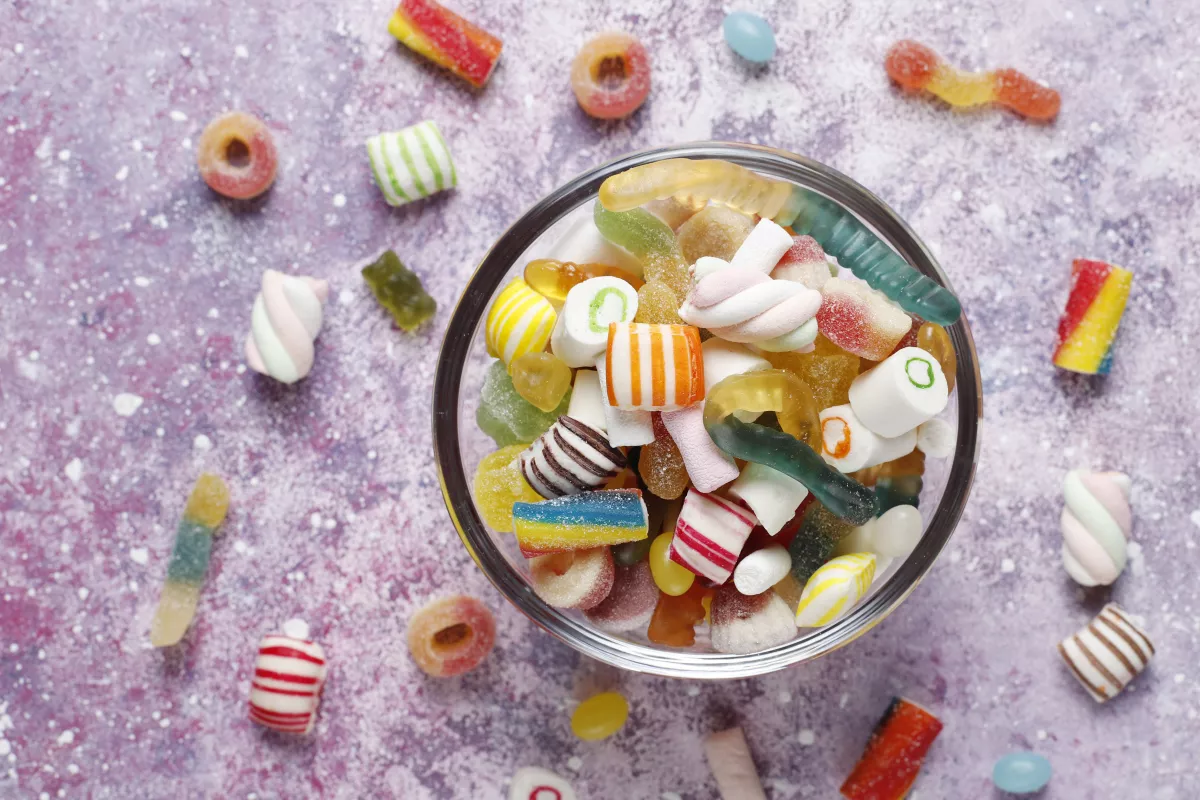
The shift toward plant-based living has reshaped grocery aisles, restaurant menus, and now the cannabis counter. Vegan cannabis edibles have moved from a niche request to a mainstream expectation, and for good reason: they deliver the same effects people seek from any infused treat without relying on gelatin, dairy, honey, or other animal-derived ingredients. Whether you follow a strict plant-based diet or simply want cleaner labels, understanding what makes an edible truly vegan helps you shop smarter and enjoy the experience with confidence.
This guide walks through how these products are made, how they affect your body, the formats available, and how to dose them responsibly. Along the way you will learn to read ingredient panels critically and separate genuine plant-based craftsmanship from clever marketing. The goal is simple: give you the knowledge to choose products that match both your values and your tolerance.
Cannabis itself is a plant, so it may seem odd that any edible would contain animal products. The catch lies in the delivery format. Gummies, chocolates, and baked goods often hide non-vegan binders and additives that most shoppers never think twice about.
What Are Vegan Cannabis Edibles?
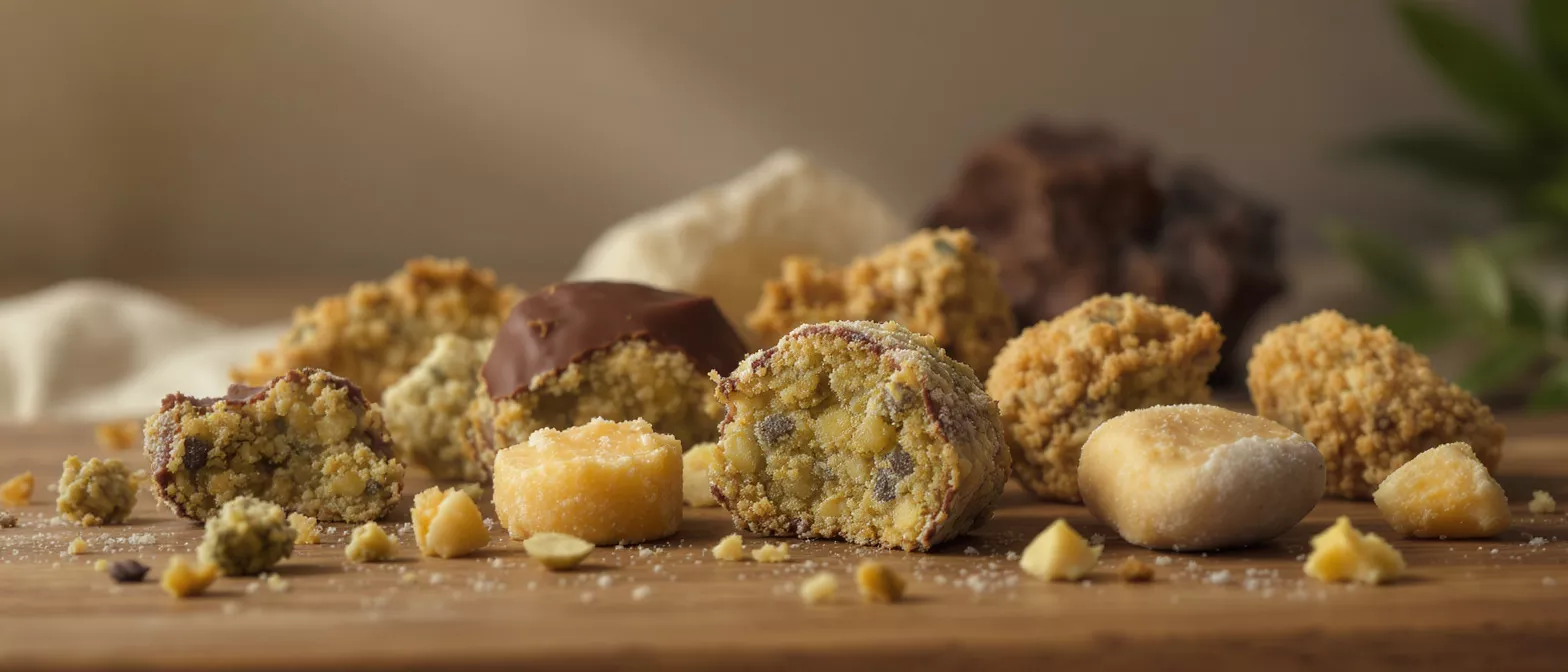
The simplest definition: a vegan cannabis edible is any infused food or candy made entirely without animal-derived ingredients. That means no gelatin from animal collagen, no dairy butter or milk solids, no honey, no beeswax glaze, and no carmine coloring sourced from insects. Instead, manufacturers turn to plant-based gelling agents, oils, and natural colorants to achieve the same texture and shelf life.
Where the hidden animal products live: the most common culprit is gelatin, the gummy industry's default thickener. To replace it, formulators use pectin from fruit, agar from seaweed, or Carrageenan, a seaweed extract that creates a firm, chewy bite. A cbd candy or THC chew labeled vegan will list one of these instead of gelatin, which is the fastest way to verify a claim at a glance.
Beyond gummies, the vegan label extends across the entire edible spectrum. A cbd chocolate can swap dairy milk for oat or coconut milk, while a cbd beverage might rely on plant emulsifiers to keep cannabinoids evenly dispersed. Even a cbd lozenge or cbd cough drops can be formulated without animal glaze, proving that nearly any format can go plant-based when a brand commits to it.
How Vegan Cannabis Edibles Work in the Body
First-pass metabolism shapes the experience. When you eat any cannabis edible, the cannabinoids travel through your digestive tract and liver before entering the bloodstream. The liver converts THC into 11-hydroxy-THC, a more potent compound that produces the longer, body-heavy effects edibles are known for. According to Harvard Health, this metabolic pathway explains why edibles take longer to kick in but last far longer than inhaled cannabis.
Once active compounds reach circulation, they interact with the endocannabinoid system, a network of receptors that helps regulate mood, appetite, sleep, and pain perception. THC binds primarily to CB1 receptors in the brain, while CBD influences the body more indirectly, including activity at the CB2 receptor found throughout the immune system. The plant-based nature of an edible does not change this pharmacology; the cannabinoids behave identically whether suspended in coconut oil or dairy butter.
What the vegan formulation can affect is digestion speed and comfort. Plant fats like coconut and avocado oil are efficient carriers for fat-soluble cannabinoids, and some people find oat- or seaweed-based products gentler on the stomach than dairy-heavy alternatives. The Mayo Clinic notes that individual digestive responses to cannabis vary widely, so onset times can differ from person to person regardless of ingredients.
Types of Vegan Cannabis Edibles to Try
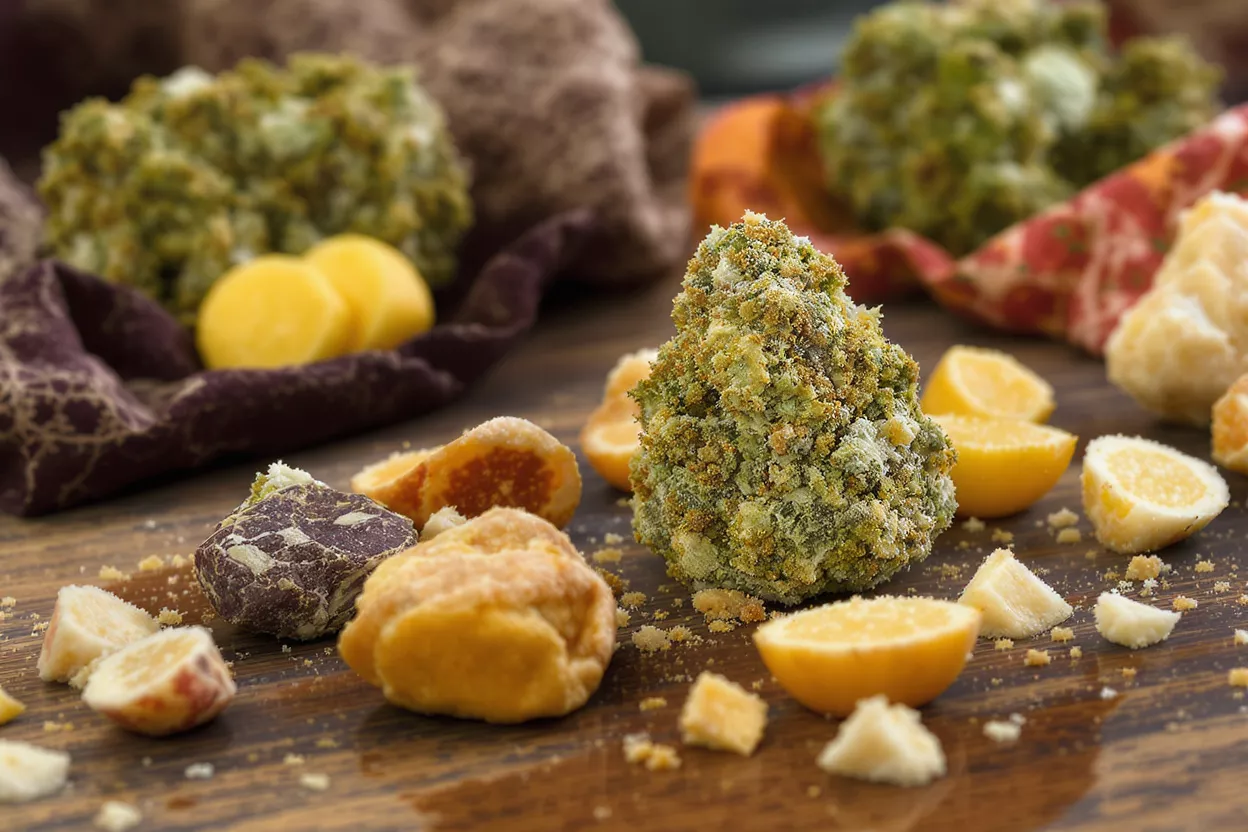
The variety of plant-based formats has exploded as demand grows. Each type offers a different onset, dosing precision, and flavor experience, so it helps to know what distinguishes them before you buy.
Gummies and chews lead the category. Pectin and agar gummies dominate dispensary shelves because they offer reliable dosing and a familiar candy format. Many brands now offer cbc gummies alongside their THC and CBD lines, giving consumers access to a fuller spectrum of cannabinoids in one chewable.
- 🍫 Chocolates: Dairy-free bars made with oat or coconut milk carry cannabinoids beautifully thanks to chocolate's natural fat content.
- 🥤 Beverages: A vegan cbd beverage uses plant emulsifiers for fast, even absorption and a discreet way to dose.
- 🍬 Hard candy and lozenges: A cbd lozenge dissolves slowly, blending sublingual and digestive absorption for a layered onset.
- 🌿 Baked goods: Cookies and brownies made with plant butter deliver classic edible effects without dairy.
- 💧 Tinctures and oils: Often inherently vegan, these let you control dose to the milligram.
For people who dislike sweets, savory and functional options keep expanding. Capsules, mints, and even a cbd candy designed to mimic traditional confections all fit comfortably within a plant-based lifestyle, and a quality low-dose vegan gummies set makes a forgiving starting point for newcomers.
Vegan Cannabis Edibles vs. Traditional Edibles
The active ingredients are identical. A 10 mg THC dose delivers the same effect whether the gummy was set with gelatin or pectin. The difference lies entirely in the supporting cast of ingredients, and that distinction matters more than many shoppers realize.
Traditional gummies rely on gelatin, which gives that signature bouncy chew but comes from animal collagen. Vegan versions use pectin or agar, producing a slightly softer or more tender texture. Some people actually prefer the cleaner bite of pectin, while gelatin loyalists notice the difference immediately. Neither is superior in potency; it is purely a matter of texture and values.
Ingredient transparency also tends to run higher with vegan brands. Because they market specifically to label-conscious consumers, plant-based producers frequently disclose sourcing, avoid artificial dyes like carmine, and use natural colorants from fruits and vegetables. The Cleveland Clinic emphasizes that knowing exactly what you ingest is a cornerstone of responsible cannabis use, and cleaner labels make that easier.
Reading Labels on Vegan Cannabis Edibles
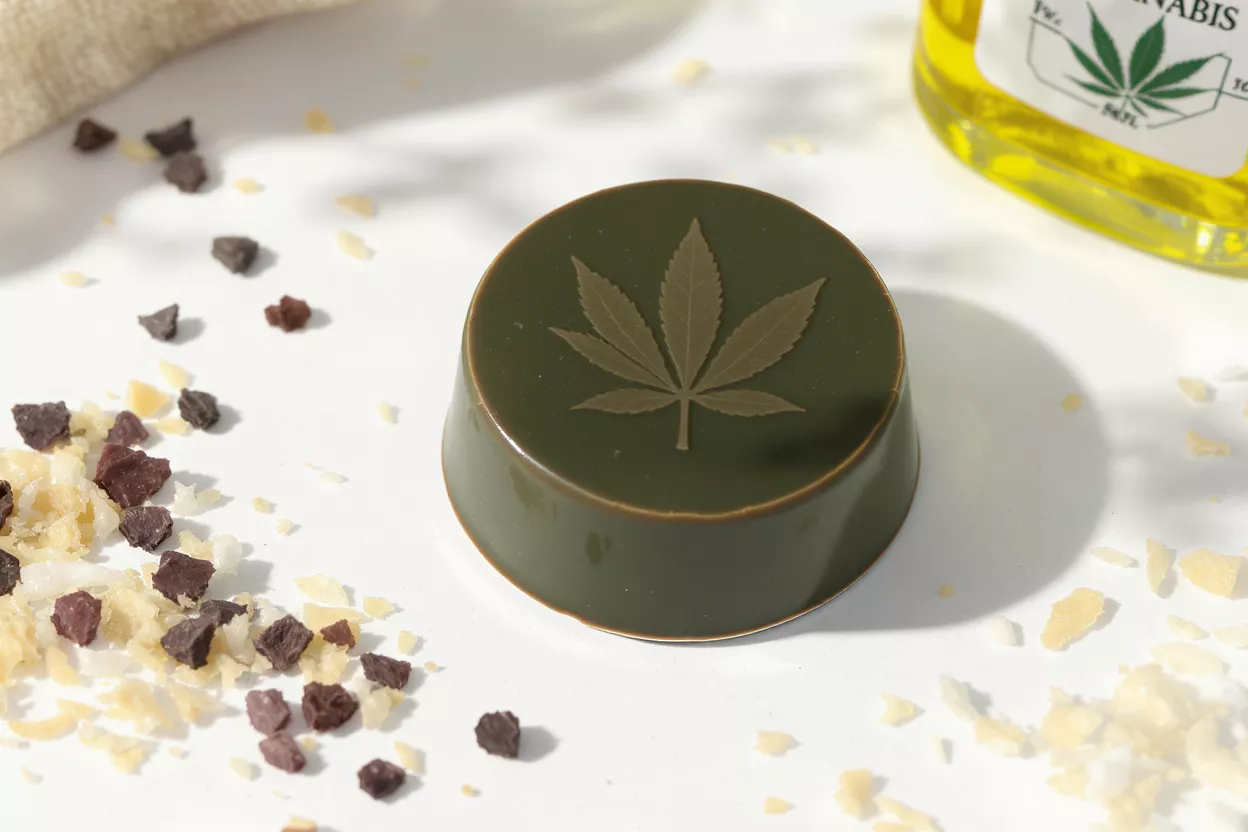
Label literacy is your best defense against misleading marketing. A product splashed with leaves and earth tones is not automatically vegan, so train your eye to scan the ingredient panel rather than the packaging art.
Watch for these sneaky non-vegan ingredients. Gelatin is the obvious one, but beeswax, carmine, shellac glaze, honey, and dairy-derived lactose hide in many candies. Confectioner's glaze in particular often comes from insect secretions, and it appears on hard candies and coated chews where you would least expect it.
- ✅ Vegan-friendly gelling agents: pectin, agar, and Carrageenan replace gelatin without compromising texture.
- 🚫 Red-flag additives: gelatin, beeswax, carmine, shellac, honey, and milk solids.
- 🔍 Carrier oils to favor: coconut, MCT, avocado, and sunflower oils are plant-based and efficient.
- 📋 Certification marks: a registered vegan logo adds verification beyond a brand's word.
When a label is ambiguous, the smartest move is to contact the manufacturer or consult a lab report. Reputable brands publish certificates of analysis that confirm cannabinoid content and screen for contaminants, and many now note vegan status directly on these documents.
A Vegan Cannabis Edibles Dosing Guide
Start low and go slow remains the golden rule. Because edibles pass through the liver, onset can take anywhere from 30 minutes to two hours, and the effects can sustain for four to eight hours. Newcomers should begin with 2.5 to 5 mg of THC and wait a full two hours before considering more. This caution prevents the common mistake of redosing too early and overwhelming yourself.
The chart below offers a general framework, though individual tolerance, metabolism, and body chemistry all influence the right dose for you.
- 🌱 Microdose (1–2.5 mg): Subtle relief and focus with minimal intoxication.
- 🙂 Low dose (2.5–5 mg): Mild euphoria, ideal for beginners and social settings.
- 😌 Standard dose (5–15 mg): Noticeable effects for experienced users seeking relaxation.
- 💤 Strong dose (15–30 mg): Intense, long-lasting effects best reserved for high tolerance.
If you accidentally take too much, the Mayo Clinic recommends staying calm, hydrating, and resting in a comfortable space, since the discomfort passes as the compound clears. A reliable precise-dose vegan tinctures bottle makes incremental dosing far easier than guessing with whole gummies.
Vegan Cannabis Edibles Benefits Worth Knowing
Cleaner ingredients align with conscious living. The most obvious benefit is ethical: no animal products means the edible fits a vegan lifestyle without compromise. For many consumers, that alignment between their cannabis routine and their broader values is reason enough to choose plant-based.
Beyond ethics, there are practical perks. Plant-based gelling agents like pectin and agar are often easier to digest than gelatin for people with sensitive stomachs, and dairy-free chocolates sidestep lactose entirely. Because vegan products tend to avoid artificial dyes and rely on fruit and vegetable colorants, the overall ingredient list is frequently shorter and more recognizable.
There is also the cannabinoid spectrum to consider. Many vegan lines emphasize full-spectrum or broad-spectrum formulas, capturing minor cannabinoids like CBC and CBG that work alongside CBD and THC in what researchers call the entourage effect. The Harvard Health commentary on cannabis underscores that whole-plant preparations may offer benefits distinct from isolated compounds, which is why a thoughtfully formulated vegan edible can feel more rounded.
Are Vegan Cannabis Edibles Safe?
Safety comes down to sourcing and dosing, not the vegan status itself. Plant-based ingredients are not inherently safer than animal-derived ones in terms of cannabis effects; the risks of overconsumption, impaired driving, and interactions with medications apply equally. What matters is buying from licensed producers who test their products and label them accurately.
Allergen awareness deserves attention even within vegan products. Coconut, soy, tree nuts, and seaweed-derived ingredients like Carrageenan can trigger reactions in sensitive individuals, so reading the full panel remains essential. The Cleveland Clinic advises consulting a healthcare provider before combining cannabis with prescription medications, regardless of how clean the ingredient list appears.
Storage and child safety round out responsible use. Keep edibles in clearly labeled, child-resistant containers away from regular snacks, because a plant-based gummy looks identical to ordinary candy. Treating these products with the same caution you would give any medication protects everyone in the household.
Making Vegan Cannabis Edibles at Home
Homemade edibles begin with proper decarboxylation. Raw cannabis must be gently heated to activate its cannabinoids, a process that converts THCA into THC. Skipping this step leaves you with weak, ineffective edibles no matter how carefully you cook. Once decarbed, the flower is infused into a plant fat to extract the cannabinoids.
Coconut oil is the home cook's favorite vegan carrier because it solidifies at room temperature and blends into both sweet and savory recipes. A simple infusion involves simmering decarbed cannabis in coconut oil on low heat, then straining out the plant material. From there you can build gummies with pectin, fold the oil into dairy-free chocolate, or bake it into cookies with plant butter.
Dosing homemade batches is the trickiest part, since potency depends on your starting material and infusion efficiency. The safest approach is to calculate a rough total, divide it across portions, and test with a small piece first. A quality kitchen scale and a silicone gummy molds kit bring consistency to the process and make portioning far more predictable.
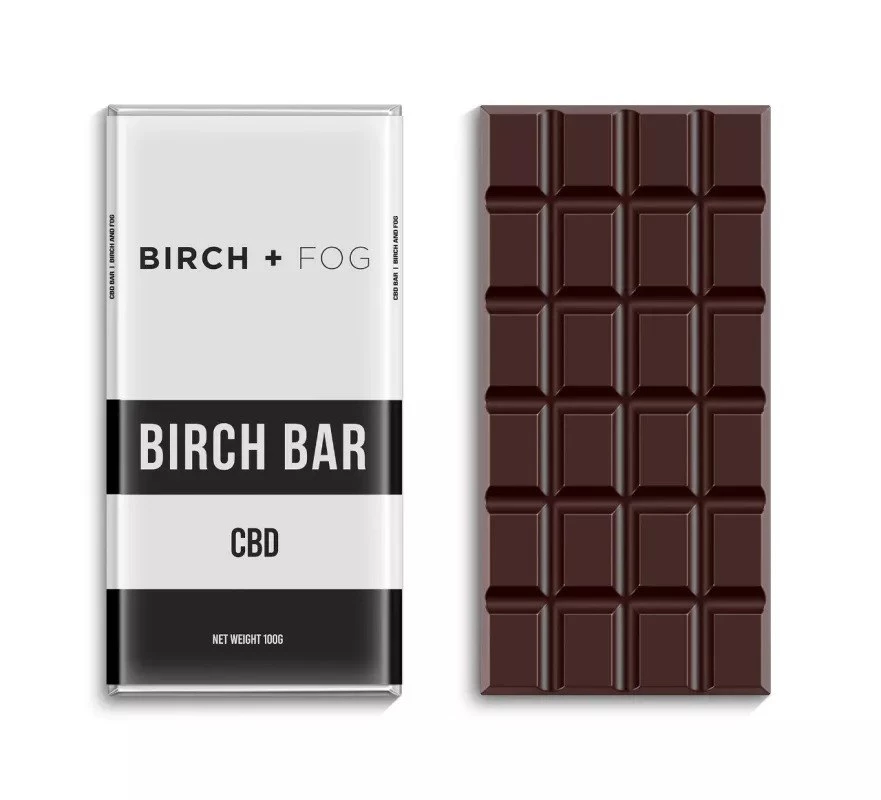
CBD Vegan Dark Chocolate Bar 500mg / 24pcs – BIRCH+FOG
Indulgence without the trade-offs. Birch+Fog's sugar-free vegan dark chocolate bar folds 500mg of CBD into twenty-four richly scored squares — no glucose spikes, no guilt, just deep cocoa and calm. Snap off a square or two to make your daily CBD feel like a reward, the bitterness of good dark chocolate amplifying the wind-down. Precise, plant-based, genuinely delicious dosing.
- Delicious Dosing : Makes daily CBD enjoyable rather than medicinal
- Anti-Inflammatory : CBD plus dark chocolate combat inflammation
- Mood Boost : Chocolate compounds enhance CBD's calming effects
- Blood Sugar Friendly : No glucose spikes or crashes
- Precise Control : Easy to adjust dose with scored squares
Choosing the Best Vegan Cannabis Edibles for You
With so many options, the best vegan cannabis edibles for you depend on your goals, tolerance, and taste. Someone seeking daytime focus will gravitate toward microdosed CBD-forward gummies, while a person chasing deep sleep might prefer a higher-THC chocolate enjoyed an hour before bed.
Match the format to your routine. Discreet, portable options like mints and a cbd lozenge suit busy days, whereas a relaxing evening pairs well with a sippable cbd beverage or a square of dairy-free chocolate. Consider onset time too: beverages and lozenges tend to act faster than dense baked goods, which can take longer to digest.
Vegan cannabis edibles prove that you never have to choose between your values and a satisfying experience. By reading labels carefully, starting with a conservative dose, and buying from transparent, lab-tested brands, you can enjoy plant-based potency with full confidence. Whether you reach for a fruit-pectin gummy, a creamy oat-milk chocolate, or a precisely dosed tincture, the plant-powered options on the market today deliver everything traditional edibles offer, minus the animal products and the guesswork.