


Can CBD Alleviate Cancer Symptoms? Research Insights Offered
Learn how CBD alleviate cancer symptoms like pain, nausea & sleep issues.
How CBD May Alleviate Cancer Symptoms
The question of whether CBD can alleviate cancer symptoms has moved from the fringes of wellness conversation into serious scientific inquiry. For patients navigating the punishing realities of cancer and its treatment, the appeal is understandable: a plant-derived compound that may ease pain, calm nausea, restore appetite, and improve sleep without the heavy sedation of some conventional medications. While CBD is not a cancer cure and should never replace oncologist-directed care, a growing body of evidence suggests it can play a meaningful supportive role in symptom management.
Cannabidiol, or CBD, is one of more than a hundred cannabinoids found in the cannabis plant. Unlike THC, it does not produce intoxication, which makes it attractive to people who want symptom relief while staying clear-headed. This distinction matters enormously for cancer patients, many of whom are already managing cognitive fog from chemotherapy, fatigue, and the emotional weight of diagnosis.
Throughout this guide we will look at what the research actually shows, how CBD interacts with the body, and which symptoms it may realistically help. We will also cover practical concerns like dosing, product selection, and safety alongside cancer treatment, so you can have an informed conversation with your healthcare team.
What Is CBD and How Does It Work in the Body
The endocannabinoid system explained: CBD exerts its effects largely through the endocannabinoid system, a regulatory network that helps maintain balance across pain perception, mood, appetite, immune function, and sleep. The body produces its own cannabinoids, and CBD appears to influence how these natural signals are processed rather than binding strongly to cannabinoid receptors the way THC does. This indirect mechanism is part of why CBD tends to be gentle and non-intoxicating.
Why CBD affects so many symptoms at once: Because the endocannabinoid system touches so many physiological processes, a single compound can influence pain, inflammation, and emotional regulation simultaneously. Research published through journals indexed by Frontiers has explored how cannabinoids modulate inflammatory pathways and neurological signaling, offering plausible biological explanations for the symptom relief many patients report.
CBD also interacts with receptors outside the classic cannabinoid system, including serotonin receptors involved in mood and nausea, and vanilloid receptors tied to pain and inflammation. This broad reach helps explain why people use CBD for such a wide range of complaints, from joint discomfort to anxiety. Compounds like THCV and supportive nutrients such as Theanine and Tocopherol are sometimes discussed alongside CBD for their complementary effects on focus and antioxidant support.
Can CBD Help With Pain Relief During Cancer Treatment
Cancer pain is complex: Pain associated with cancer comes from several sources at once, including tumor pressure on tissues and nerves, surgical recovery, and the side effects of chemotherapy and radiation. Conventional pain management often leans on opioids, which carry their own burden of tolerance, constipation, and sedation. CBD has attracted attention as a potential complement that may allow some patients to manage discomfort with a different mechanism, and many people explore a quality CBD oil for pain relief as a starting point.
Neuropathic pain, the burning or tingling nerve pain that frequently follows chemotherapy, is particularly difficult to treat with standard medications. CBD's interaction with vanilloid and serotonin receptors may help dampen this type of pain signaling, and early studies have shown promise here. Patients describe it as taking the sharp edge off rather than eliminating pain entirely, which is a realistic expectation to hold.
The anti-inflammatory properties of CBD also matter for pain rooted in swelling and tissue irritation. By influencing inflammatory pathways, CBD may reduce the underlying drivers of discomfort rather than simply masking the sensation. For localized aches, topical applications deliver cannabinoids directly to the affected area without significant systemic absorption.

CBD for Nausea, Appetite Loss, and Treatment Side Effects
Chemotherapy-induced nausea: Nausea and vomiting are among the most dreaded side effects of chemotherapy, and they can be debilitating enough to disrupt treatment schedules. Cannabinoids have a well-documented relationship with nausea relief, which is why a cannabis-derived medication is already approved in some countries for chemotherapy patients. CBD's influence on serotonin receptors in particular may help calm the signaling that triggers nausea and the urge to vomit.
Appetite and weight maintenance: Unintended weight loss and muscle wasting, known as cachexia, are serious concerns during cancer treatment. While THC is the cannabinoid most strongly associated with stimulating hunger, CBD may support appetite indirectly by easing nausea and reducing the anxiety that suppresses the desire to eat. Some patients find that a gentle, non-intoxicating option fits better into their daily routine, especially those who need to stay alert.
Beyond nausea and appetite, CBD is explored for the cascade of secondary symptoms that accompany treatment, including disrupted sleep and low mood. A thc tea or a mild thc beverage is sometimes used by patients who want a soothing ritual, though formulations vary widely and should be discussed with a care provider. The goal across all of these uses is the same: making daily life more tolerable during an exhausting process.
Best CBD Products for Cancer Symptom Support
The right CBD product depends heavily on which symptoms you are targeting and how you prefer to take it. There is no single best format; instead, different delivery methods suit different needs. Understanding the trade-offs helps you choose wisely rather than buying based on marketing alone.
Matching format to symptom: Oils and tinctures offer flexible dosing and relatively fast onset, making them a versatile foundation. Capsules and CBD pills for consistent dosing provide predictable, measured amounts that are easy to track, which appeals to patients managing multiple medications. Topicals shine for localized pain, while edibles offer long-lasting, gradual relief.
Here is a quick comparison of common CBD formats and where each tends to fit:
- 💧 Oils and tinctures: Fast, adjustable dosing placed under the tongue; ideal for fine-tuning your amount day to day.
- 💊 Capsules and pills: Pre-measured and discreet, perfect for consistent daily routines and easy tracking.
- 🧴 Topical creams and balms: Targeted relief for joint, muscle, and back pain without whole-body effects.
- 🍬 Edibles and softgels: Long-lasting, gradual relief that suits overnight symptom control.
- 💨 Inhalable options: A thc vape pen offers rapid onset for breakthrough symptoms, though it is not suited to everyone.
CBD Dosage for Pain and Cancer-Related Symptoms
Start low and go slow: There is no universal CBD dose, because individual factors like body weight, metabolism, symptom severity, and other medications all shape the ideal amount. The widely accepted approach is to begin with a low dose, often 10 to 25 milligrams, and increase gradually every few days until you reach noticeable relief. This patient titration minimizes side effects and helps you find the smallest effective dose.
Tracking your response: Keeping a simple log of dose, timing, and effects turns guesswork into a personalized plan. Note when symptoms improve, how long relief lasts, and any unwanted effects like drowsiness. Over a couple of weeks this record reveals patterns that help you and your healthcare provider refine the regimen with confidence.
Consistency often matters more than a large single dose. For ongoing symptoms, many people benefit from steady daily use that maintains stable levels in the body rather than reactive dosing only when discomfort spikes. As always, anyone undergoing cancer treatment should review their dosing plan with an oncologist, since CBD can interact with how certain drugs are metabolized.
CBD for Joint Pain and Back Pain Relief
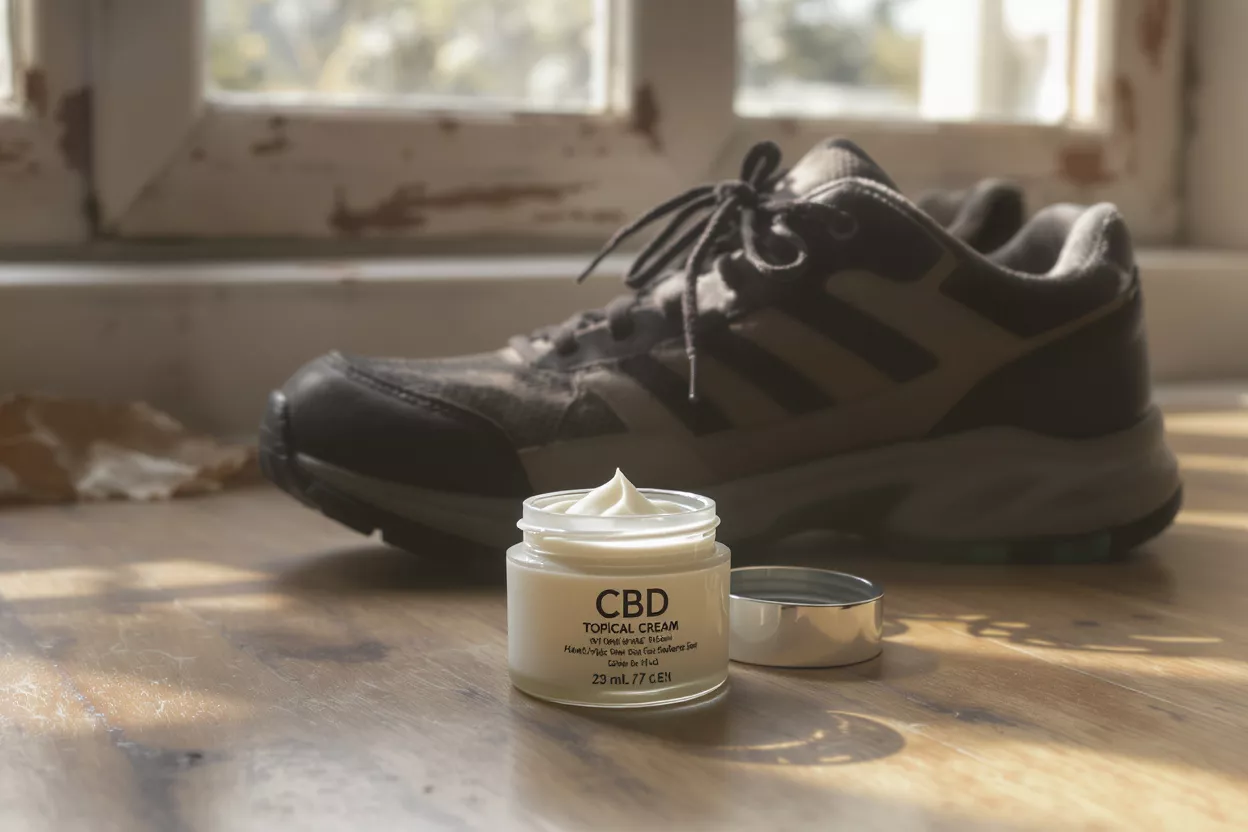
Why topicals work for localized pain: Joint pain and back pain are common both during cancer treatment and from the deconditioning that often accompanies it. A quality CBD pain cream in Canada lets you apply cannabinoids directly where they hurt, concentrating the effect on inflamed joints or strained muscles. Because absorption stays mostly local, topicals carry a low risk of systemic side effects, making them an easy entry point for new users.
Combining topical and internal use: Many people find the best results by pairing a CBD cream for back pain with an oral product like oil or capsules. The topical addresses the immediate, surface-level ache while the internal dose supports broader inflammation and pain regulation throughout the body. A dependable CBD cream for joint pain can become a reliable part of a daily comfort routine.
For back pain specifically, gentle movement, stretching, and proper rest amplify whatever relief CBD provides. No topical works in isolation; think of it as one supportive tool within a broader plan. Reapplying every few hours as needed is generally well tolerated, and the soothing ritual of massaging in a balm can itself ease tension.
Is CBD Safe to Use Alongside Cancer Treatment
The drug interaction concern: The most important safety issue is that CBD is processed by the same liver enzymes (the cytochrome P450 system) that metabolize many chemotherapy drugs and other medications. This means CBD can theoretically raise or lower the levels of certain drugs in your bloodstream, which is exactly why an open conversation with your oncologist is non-negotiable before adding it to your regimen.
Common side effects to expect: CBD is generally well tolerated, but it is not free of side effects. The most commonly reported are drowsiness, dry mouth, diarrhea, and changes in appetite. These are usually mild and dose-dependent, easing when the dose is lowered. Starting conservatively reduces the likelihood of running into them in the first place.
Quality and purity also factor heavily into safety. Unregulated products may contain contaminants, inaccurate cannabinoid amounts, or undisclosed THC, all of which complicate care. Choosing products with third-party lab testing protects you from these risks. For anyone immunocompromised by treatment, clean, verified products are not a luxury but a necessity.
CBD for Sleep, Anxiety, and Quality of Life
Breaking the anxiety-insomnia cycle: A cancer diagnosis and its treatment bring enormous psychological strain, and anxiety frequently feeds insomnia, which in turn worsens pain perception and mood. CBD's calming influence on serotonin signaling may help interrupt this cycle, allowing patients to rest more fully. Better sleep alone can dramatically improve how someone copes with everything else.
Mood and emotional resilience: Beyond sleep, many patients describe CBD as taking the edge off persistent worry without the blunting effect of stronger sedatives. Some pair it with calming nutrients like Theanine or wellness staples such as Lion’s Mane for cognitive support, building a small toolkit aimed at emotional steadiness during a difficult chapter.
Quality of life is the thread that ties all of these benefits together. Whether CBD is easing pain, settling the stomach, or quieting a racing mind, the cumulative effect can be a meaningfully more comfortable day. For people facing the marathon of cancer treatment, those incremental gains in comfort and dignity are far from trivial.

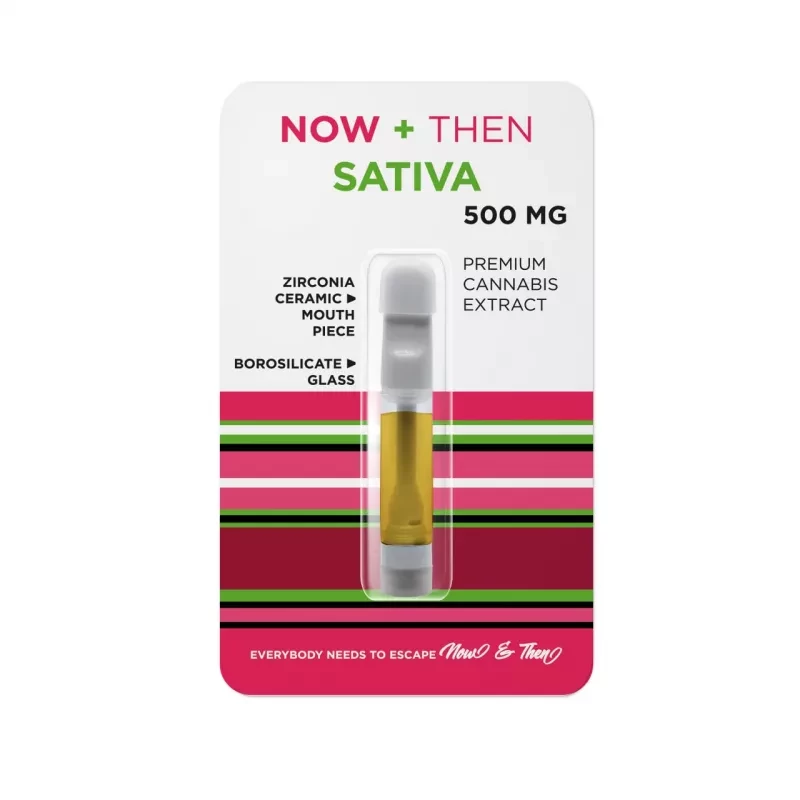

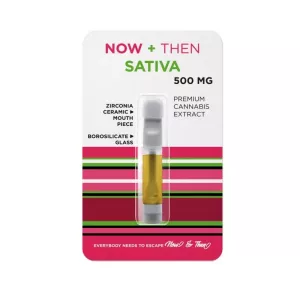
Sativa THC Cartridge 500mg – NOW+THEN
Big energy, small package. NOW+THEN's 500mg Sativa cartridge packs classic uplifting sativa into a half-gram of smooth distillate — perfect for conquering the day without committing to a full gram. Bright, motivating, and easy to pace. The compact daytime cart for an energizing lift on demand.
- Quick Energy : Immediate uplifting effects
- Mental Clarity : Clears fog, enhances focus
- Creative Spark : Stimulates innovative thinking
- Social Boost : Great for conversations and activities
- Mood Lift : Promotes positive feelings
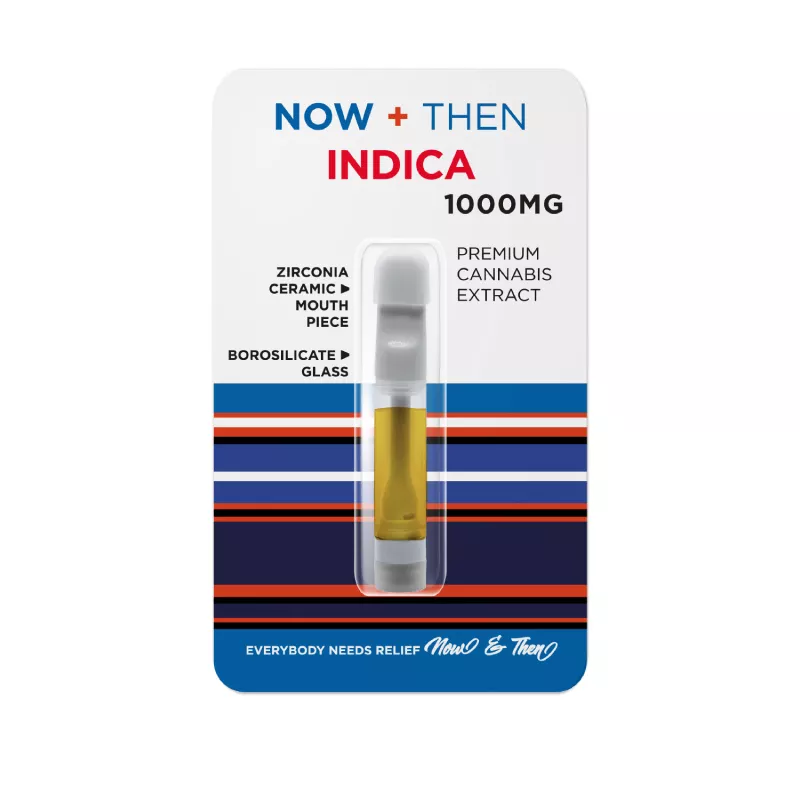
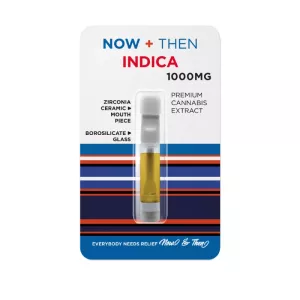
Indica THC Cartridge 1g – NOW+THEN
Evenings, on tap. NOW+THEN's 1g Indica cartridge delivers 1000mg of potent THC distillate for deep, body-settling relaxation — the easy way to unwind after a long day. Smooth, full-flavoured draws and plenty of it. The nighttime cart for melting tension and easing toward sleep.
- Deep Relaxation : Full-body melting effects
- Sleep Support : Promotes natural drowsiness
- Pain Relief : Effective for physical discomfort
- Stress Reduction : Calms racing thoughts
- Quick Onset : Feel effects in minutes
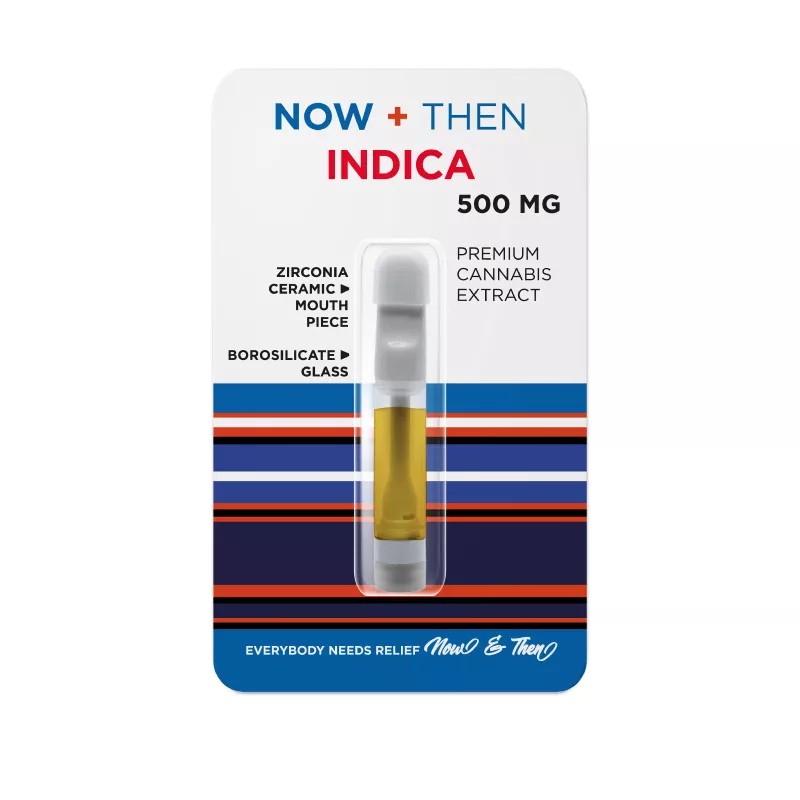
Indica THC Vape Cartridge 500mg / 1pcs – NOW+THEN
Half a gram of pure unwind. NOW+THEN's 500mg Indica cartridge brings deep, evening relaxation in a compact format — smooth distillate draws that settle the body and quiet the mind. Easy to pace and perfect for nightcaps. The go-to indica cart for winding down without overdoing it.
- Body Relaxation : Classic indica physical calm
- Mental Peace : Quiets racing thoughts
- Sleep Aid : Natural drowsiness promotion
- Pain Management : Reduces physical discomfort
- Quick Relief : Immediate onset via vapor
How to Choose Quality CBD Products in Canada
Read the certificate of analysis: The single most important habit when buying CBD is checking for a current certificate of analysis from an independent lab. This document verifies the cannabinoid content and confirms the product is free of pesticides, heavy metals, and solvents. Reputable brands make these results easy to find; if a company hides them, walk away.
Understanding spectrum types: CBD products come as full-spectrum (containing the full range of cannabinoids including trace THC), broad-spectrum (cannabinoids without THC), and isolate (pure CBD only). Full-spectrum products may benefit from the so-called entourage effect, while THC-free options suit those who must avoid it entirely. Your choice depends on your sensitivity, drug-testing situation, and personal preference.
Finally, pay attention to sourcing, extraction method, and the terpene profile, since compounds like Terpinolene contribute to both aroma and potential effects, and terpinolene effects are sometimes associated with a gently uplifting quality. Buying from established Canadian retailers with transparent practices and clear labeling ensures you get what you pay for. In short, CBD offers genuine promise as a supportive tool to help alleviate cancer symptoms, and choosing quality products thoughtfully is how you give it the best chance to help. Always anchor these decisions in conversation with your healthcare team, who can tailor recommendations to your specific treatment and needs.




Comments