

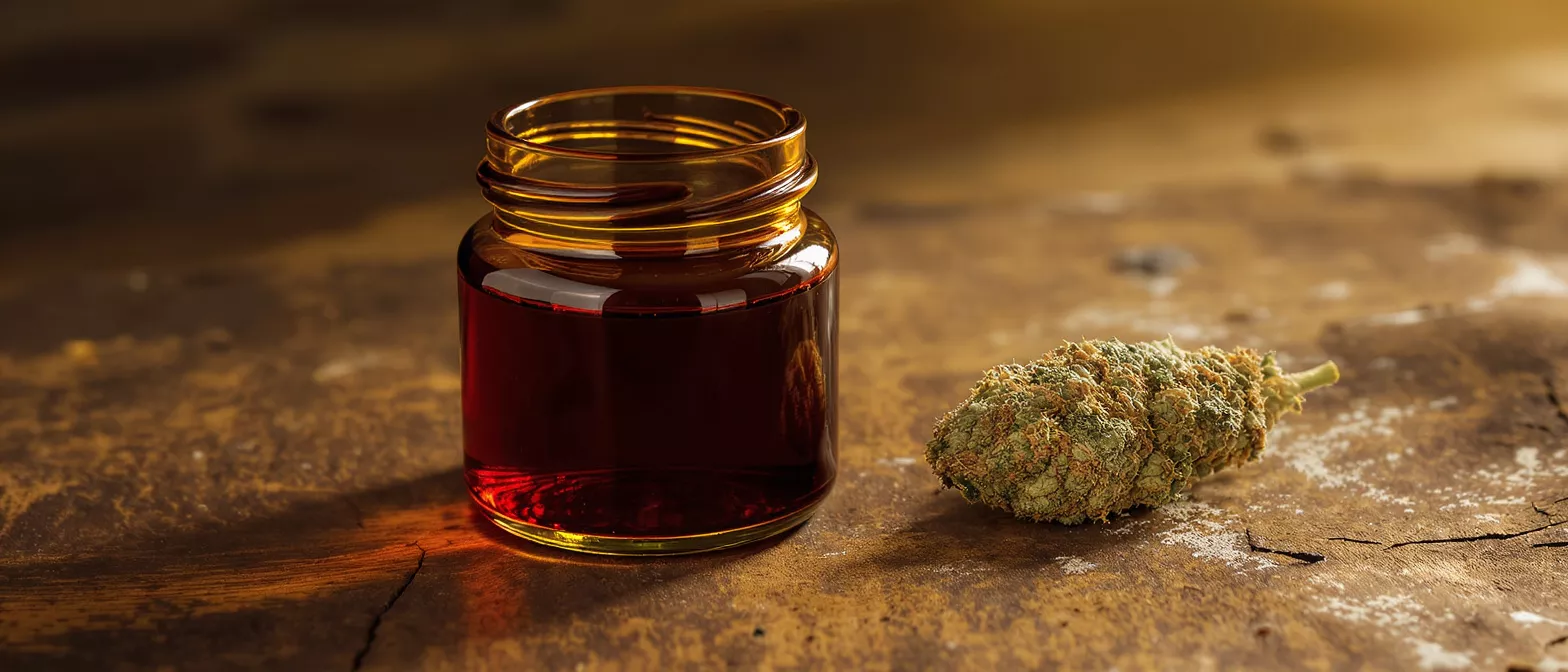
Can Rick Simpson Oil Effectively Treat Cancer? Research Insights 2026
Does Rick Simpson Oil treat cancer?
Few names in the cannabis world carry the emotional weight of Rick Simpson Oil. For patients staring down a cancer diagnosis, the promise woven into stories about this thick, dark concentrate can feel like a lifeline — and separating that hope from the actual science is exactly what this guide sets out to do. Rick Simpson Oil, often sold as Phoenix Tears, has become one of the most searched-for cannabis products in Canada, and the questions around it are as urgent as they are complicated. In the sections below we look at what RSO really is, how it interacts with the body, what the research does and does not prove, and how to approach it responsibly if you and your care team decide to explore it.
This is not a miracle-cure article. Cannabinoids are genuinely fascinating molecules with measurable effects on the human body, but the gap between a promising lab result and a proven cancer treatment is wide. Our goal is to give you an honest, well-sourced map of the territory so you can make informed decisions rather than desperate ones.
What Is Rick Simpson Oil and Where Did It Come From?
The origin story: In 2003, a Canadian engineer named Rick Simpson was diagnosed with basal cell carcinoma, a common form of skin cancer. Having read about older research linking THC to reduced tumour growth in mice, he made a concentrated cannabis oil at home, applied it topically to the growths, and later reported that they had disappeared. Whether or not that single anecdote holds up to scrutiny, it launched a global movement and gave the product its enduring nickname: Phoenix Tears.
What it actually is: Rick Simpson Oil is a full-spectrum cannabis concentrate, meaning it preserves a broad range of cannabinoids and terpenes rather than isolating a single compound. Most versions are extremely high in THC — frequently in the 60 to 90 percent range — which is what distinguishes them from lower-potency CBD oils. This full-spectrum character is closer to a whole-plant extract than to products like live rosin or a refined distillate, though all of these share the same botanical starting point.
The name Phoenix Tears has become almost interchangeable with RSO in Canada, and people searching for Phoenix Tears benefits are usually looking for the same high-THC oil. It is typically dispensed in an oral syringe, both for precise dosing and because the airtight applicator slows oxidation and preserves potency over time.
How Rick Simpson Oil Is Made
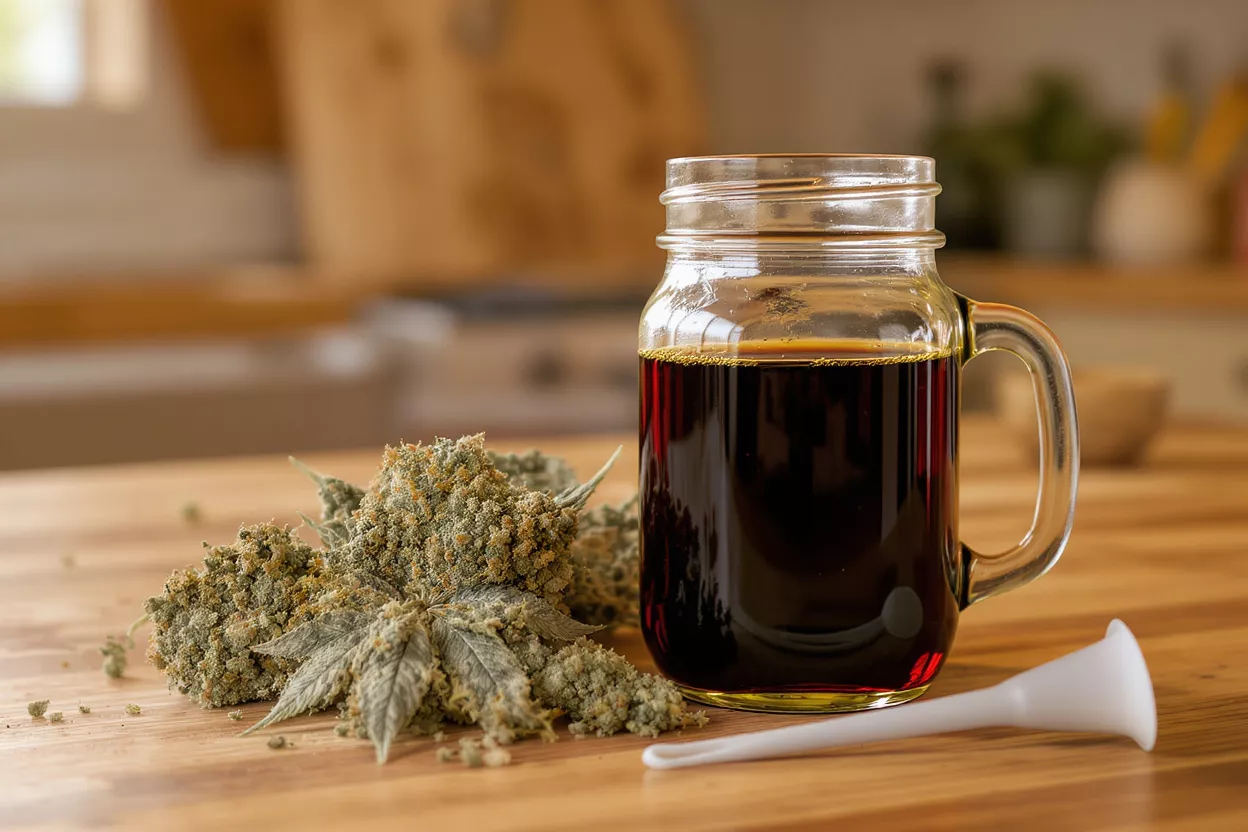
The extraction process: Traditional RSO is made by soaking cannabis flower in a solvent — most often high-proof grain alcohol, though ethanol is common in commercial production. The solvent strips the cannabinoids and terpenes from the plant material. That liquid is then separated from the spent plant matter and gently heated so the alcohol evaporates, leaving behind a thick, tar-like oil rich in active compounds.
Because the plant is a lipophilic treasure chest of fat-soluble cannabinoids, the solvent method captures far more of the active chemistry than water-based approaches like ice water hash. The finished oil is dense, dark, and potent — a little goes a long way. Producers working in a licensed facility use closed-loop equipment and lab testing to control for residual solvents and confirm cannabinoid content, which is something homemade batches simply cannot guarantee.
Why potency varies: The strength of any given batch depends on the starting strains, the moisture content of the flower, and how thoroughly the solvent is purged. According to the Mayo Clinic, THC concentration is directly tied to a product's psychoactive intensity, which is precisely why RSO demands such careful, incremental dosing. For patients who want a gentler and more predictable entry point, professionally made low-dose THC capsules remove much of the guesswork that comes with a raw oil.
How Does RSO Work Against Cancer Cells?
The theory behind RSO's anti-cancer reputation rests on how cannabinoids interact with the body's endocannabinoid system — a signalling network of receptors involved in everything from appetite and pain to cell regulation. THC and CBD both bind to or influence these receptors, and in laboratory settings that interaction appears to affect how certain cancer cells behave.
The mechanisms researchers point to: In cell and animal studies, cannabinoids have been observed to trigger several processes that could, in theory, work against tumours:
- 🔬 Apoptosis: Cannabinoids can prompt certain cancer cells to undergo programmed cell death — essentially instructing damaged cells to self-destruct.
- 🩸 Anti-angiogenesis: Some studies show cannabinoids inhibiting the growth of new blood vessels that tumours rely on to feed themselves.
- 🛡️ Immune modulation: Cannabinoids may influence how the immune system identifies and responds to abnormal cells.
- 🔥 Anti-inflammatory action: Reducing inflammation in the tumour microenvironment may slow processes that help cancer progress.
It is essential to underline that these effects have been documented primarily in petri dishes and rodent models, not in large human trials. A molecule that kills cancer cells in a lab dish does not automatically do the same thing inside a living person, where dosing, absorption, and biology are vastly more complex. This distinction is the single most important thing to understand about RSO's current standing in oncology.
What the Preclinical Research on Cannabinoids Shows
A promising body of lab work: The preclinical literature on cannabinoids and cancer is genuinely substantial. Studies in glioma (a form of brain cancer) have shown THC and CBD inducing cell death and slowing tumour growth in animal models. Research on aggressive breast cancer cell lines has demonstrated CBD limiting growth and metastasis in mice. Other work has explored cannabinoids triggering autophagy — a kind of cellular self-cleaning — in melanoma cells.
Several reviews have also suggested that cannabinoids might sensitise cancer cells to conventional treatments, potentially enhancing the effect of radiation or chemotherapy. That possibility of synergy, rather than replacement, is where many researchers see the most realistic near-term value. It positions cannabinoids as a potential complement to established care, not a stand-in for it.
Still, the honest takeaway is that preclinical success is common and does not reliably predict human outcomes. The history of oncology is littered with compounds that dazzled in the lab and disappointed in clinical trials. Reading these studies with cautious optimism — rather than treating them as proof — is the intellectually honest position.

Clinical Evidence for Rick Simpson Oil in Cancer Care
What human data exists: Clinical evidence specifically for RSO is thin, and it is important to be candid about that. Most of what exists comes from case reports and small studies rather than the large, randomised, controlled trials that establish whether a treatment truly works. One widely cited case report described a young leukemia patient whose blast cell counts dropped after cannabis oil was added to conventional chemotherapy — striking, but a single case cannot prove causation.
Where the human evidence is stronger is in symptom management rather than tumour destruction. Pharmaceutical cannabinoid products such as nabiximols and dronabinol (marketed as Marinol) have been studied for cancer-related pain, nausea, and appetite loss. Surveys of cancer patients using medical cannabis consistently report improvements in pain, appetite, and overall quality of life, even when the underlying disease is unchanged.
For patients whose primary struggle is appetite and nausea during treatment, palatable options like high-dose THC gummies can make consistent dosing far easier than choking down a bitter oil. The distinction between improving quality of life and curing disease matters enormously — and it is where the current evidence genuinely lands.
Rick Simpson Oil Side Effects and Safety Concerns
The psychoactive reality: RSO is extraordinarily high in THC, so the most immediate concern is intense psychoactivity. New users can experience overwhelming euphoria, dizziness, anxiety, impaired coordination, and memory disruption — effects that are especially destabilising for someone already weakened by illness. Starting too high is the most common and avoidable mistake people make.
Beyond the acute effects, there are meaningful safety considerations to weigh:
- 💊 Drug interactions: Cannabinoids can interact with blood thinners, sedatives, and some chemotherapy agents, altering how those drugs work.
- 🧬 Immune considerations: High-THC products may affect immune function, which warrants caution for immunocompromised patients.
- 🤰 Pregnancy and breastfeeding: THC crosses the placenta and enters breast milk, so RSO should be avoided during pregnancy and nursing.
- ⚖️ Tolerance and dependence: Sustained high-dose THC use can build tolerance and lead to withdrawal effects when stopped.
There is also the question of product quality. Unregulated homemade RSO can contain residual solvents, pesticides, or inconsistent potency. This is one area where sourcing from a regulated supplier genuinely matters — quality control is not a marketing slogan but a safety safeguard.
Rick Simpson Oil Dosing Guide for Beginners
Start low, go slow: The classic RSO protocol popularised by Rick Simpson spans roughly 90 days and escalates gradually, but the guiding principle for any beginner is caution. A common starting point is a dose about the size of half a grain of rice, taken once or twice daily, with slow increases every few days as tolerance builds. The goal is to reach a therapeutic dose over weeks — not to rush it.
Because RSO is so concentrated, precise measurement is difficult with a raw syringe, and this is where standardised formats shine. Measured products remove much of the uncertainty:
- 🌙 Take it at night: Dosing before bed lets the strongest psychoactive effects pass while you sleep, especially early on.
- 🍚 Measure conservatively: Half a grain of rice is genuinely small — resist the urge to eyeball larger amounts.
- 📈 Increase gradually: Let your body adjust for two to three days before stepping up.
- 📓 Keep a log: Recording doses and effects helps you and your clinician find the right level.
Patients who find raw oil difficult to titrate often prefer pre-measured formats, and a set of graduated-strength Phoenix Tears capsules in 10mg, 25mg, and 50mg options lets you climb a dosing ladder with real precision rather than guesswork.

Is Rick Simpson Oil Legal in Canada?
Since the Cannabis Act came into force, cannabis products including high-potency oils are legal in Canada through regulated channels. For medical use, patients can access products through licensed producers with authorisation from a healthcare provider, and RSO-style oils and capsules are available for sale through legal retailers. This is a dramatically different landscape from the years when Rick Simpson was distributing homemade oil in legal grey zones.
The important caveats: Legality does not mean everything on the market is equal. Homemade RSO made outside regulated systems remains problematic, and buying from unlicensed sources carries real risks around contamination and mislabelled potency. Cost is another barrier — medical cannabis is often not covered by public insurance, which can make sustained high-dose regimens expensive.
The practical upshot is that Canadians have legitimate, lab-tested access to Phoenix Tears oil and related products, but it pays to buy from licensed, transparent producers who publish their test results. Regulation exists precisely to protect patients who may be at their most vulnerable.
Why You Should Talk to Your Oncologist First
Cannabis is not a solo decision during cancer treatment: If you are undergoing conventional therapy, adding RSO without telling your care team can be dangerous. Cannabinoids can interact with chemotherapy drugs, pain medications, and anticoagulants, and your oncologist needs the full picture to keep you safe. A good clinician will not dismiss the conversation — many are increasingly open to cannabis as a complementary tool for symptom relief.
Your healthcare provider can help you weigh the specifics of your diagnosis, cancer type, and stage against the realistic evidence. They can also monitor for side effects, flag interactions, and adjust your plan as you go. That kind of oversight transforms RSO from a hopeful gamble into a managed part of a broader strategy.
Crucially, no responsible practitioner will suggest abandoning proven treatments like surgery, chemotherapy, or radiation in favour of cannabis oil alone. The strongest position the evidence supports is RSO as a complement to conventional care, integrated with professional guidance — never as a replacement for it.



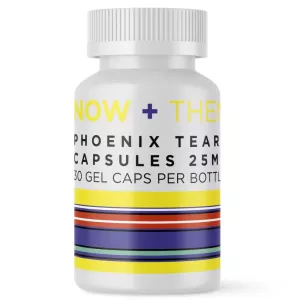
Phoenix Tears Capsules 25mg x 30pcs – NOW+THEN
Legendary RSO, finally mess-free. NOW+THEN's Phoenix Tears capsules deliver 25mg of full-spectrum Rick Simpson Oil each across 30 precise doses — the whole-plant power of RSO without the syringe or the taste. Comprehensive and consistent, they bring the entourage effect to a simple swallow-and-go format. Substantial, reliable support, one capsule at a time.
- Enhanced Relief : 25mg provides substantial effects
- Full Plant Medicine : Complete cannabinoid and terpene profile
- Versatile Support : Addresses multiple symptoms
- Consistent Dosing : Exact 25mg every capsule
- Entourage Effect : Compounds work synergistically

Phoenix Tears 30 Day Program PHASE 1 – NOW+THEN
Your introduction to the RSO journey. NOW+THEN's Phoenix Tears 30-Day Program Phase 1 eases experienced users into legendary Rick Simpson Oil through systematic, step-up dosing across 30 days. Structured, guided, and methodical, it takes the guesswork out of starting RSO. The committed beginning of a full-spectrum regimen.
- Safe Introduction : Gradual dosing prevents overwhelming effects
- Tolerance Building : Systematic increase allows adaptation
- Full Spectrum Benefits : Complete cannabinoid profile
- Structured Healing : Takes guesswork out of protocol
- Comprehensive Relief : Addresses multiple conditions

Grape High Dose Phoenix Tears THC Gummies 1000mg x 3pcs (3000mg) – KANDY KANDY
Extreme strength, handle with care. KANDY KANDY's Grape Phoenix Tears gummies deliver a colossal 1000mg of THC per piece across three grape-flavoured candies — among the most potent edibles available, with effects that last and last. Strictly for the most experienced, high-tolerance users; a fraction of one is a serious dose. Start very low and go very slow.
- Extreme-Strength Pain Support : A 1000mg dose for the highest tolerances managing severe pain
- Long Duration : A single high dose delivers especially long-lasting effects
- Cancer Support : Designed for severe medical needs
- Total Symptom Control : Addresses multiple severe conditions
- Great Value : A high dose per piece means a little goes a long way
The Future of RSO and Cannabinoid Cancer Research
Where the science needs to go: The most pressing need is for large, well-designed clinical trials that test cannabinoids in humans with defined cancer types and stages. Preclinical enthusiasm has outpaced clinical proof for two decades, and only rigorous human research can close that gap. Standardised, quality-controlled formulations are essential to make such trials meaningful and their results reproducible.
Researchers are also increasingly interested in identifying which patients might benefit most — matching tumour type and molecular characteristics to cannabinoid response. Combined with studies on how cannabinoids might enhance existing therapies, this precision approach could eventually give cannabis a defined, evidence-based role in oncology rather than an anecdotal one.
For now, Rick Simpson Oil sits in an honest middle ground: a compelling area of research and a genuinely useful tool for symptom relief, but not a proven cure. If you approach it that way — with realistic expectations, quality-tested products, careful dosing, and your medical team fully informed — you can explore its potential without gambling your health on a hope. The most powerful thing any patient can bring to this conversation is clear-eyed, well-informed judgement, and hopefully this guide has helped sharpen exactly that.




Comments