rso
Learn what RSO is, how it's made, and how to dose it safely.
What Is RSO and Where Did It Come From
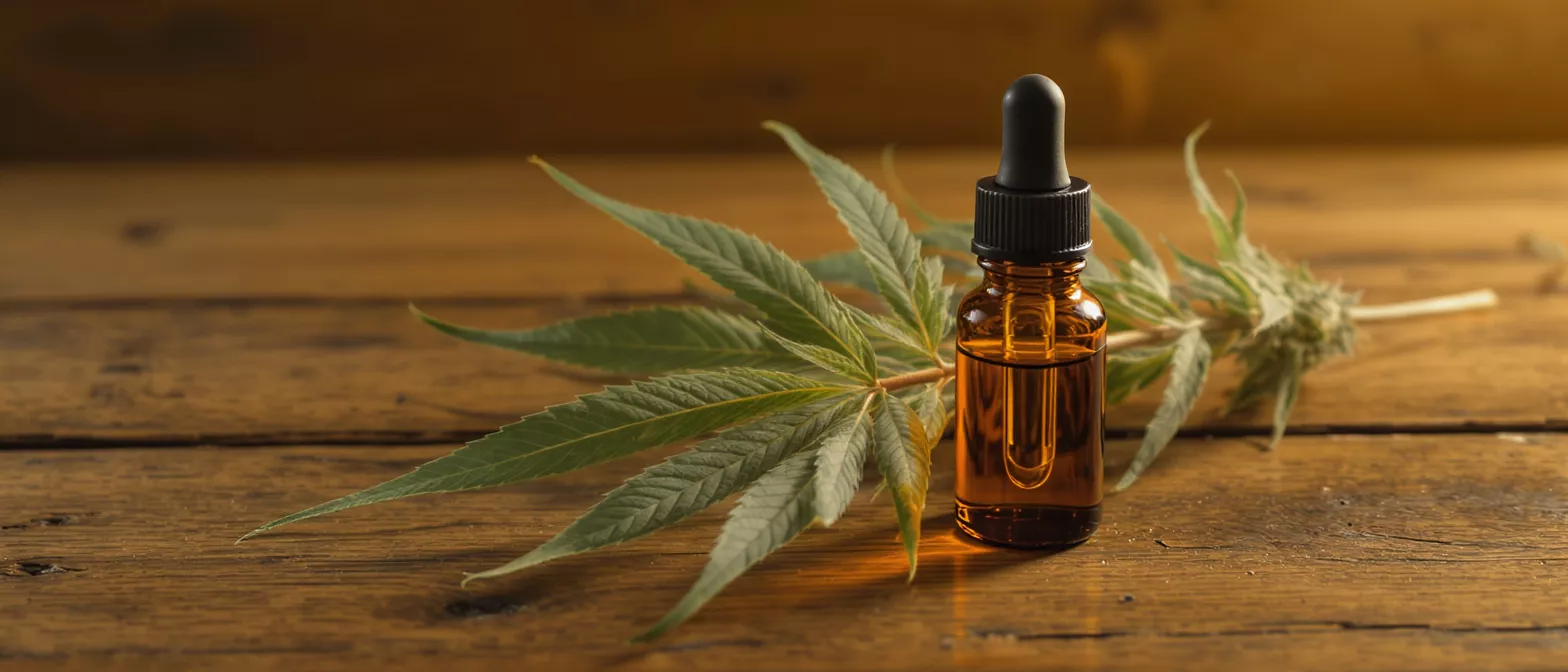
RSO, short for Rick Simpson Oil, is a thick, dark, full-spectrum cannabis concentrate that has earned a devoted following among people seeking a potent, ingestible form of cannabis extract. Unlike refined products that isolate a single compound, RSO preserves the broad chemical profile of the plant, including a heavy concentration of Delta-9 THC alongside other cannabinoids and terpenes. The result is a tar-like elixir that packs a remarkable punch in a very small dose.
The origin story behind RSO: The oil takes its name from Rick Simpson, a Canadian engineer who began producing and sharing the concentrate in the early 2000s after using it on his own skin. His method and advocacy turned RSO into a grassroots phenomenon, and the name has since become shorthand for any whole-plant cannabis oil made in a similar style. Today the term is used loosely, so two products labeled RSO can differ considerably in their cannabinoid ratios.
Why RSO still matters today: In a market crowded with diamonds, distillates, and flashy vape cartridges, RSO endures because it offers something different: an unfiltered, full-spectrum experience at a price that often beats more processed extracts. Research published by the National Center for Biotechnology Information continues to explore how whole-plant cannabis preparations interact with the body, and RSO sits squarely within that conversation as one of the most concentrated full-spectrum options available.
How RSO Is Made: The Extraction Process
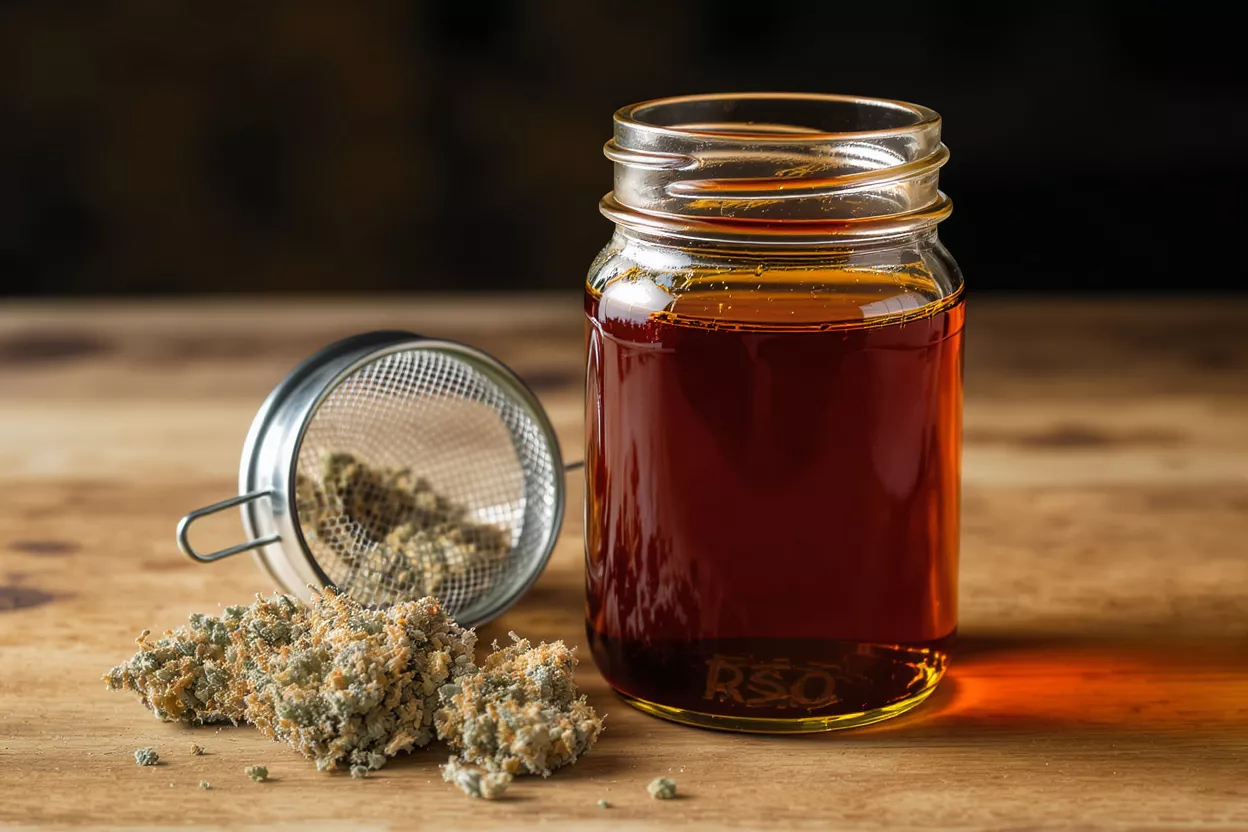
RSO is traditionally made using a solvent extraction process. Plant material is soaked in a solvent that strips the cannabinoids and terpenes from the flower, after which the solvent is evaporated away, leaving behind the concentrated oil. The classic Rick Simpson method relies on ethanol hash oil (EHO) techniques, where high-proof grain alcohol pulls the active compounds from the plant before being cooked off in a controlled setting.
The quality of the starting material matters enormously. Producers who use dank, properly cured flower tend to yield a richer, more flavorful oil, while low-grade trim produces a harsher product. Some makers incorporate dewaxing steps to remove unwanted plant fats, though purists argue that part of RSO's appeal is precisely its unrefined, whole-plant character.
Solvent choice and safety: Ethanol is the most common solvent because residual alcohol is far less concerning than residual hydrocarbons. Reputable producers test their finished oil for solvent residue, heavy metals, and pesticides. According to information compiled by the National Center for Biotechnology Information, the way a concentrate is processed has a direct influence on its final cannabinoid content and purity, which is why lab-tested oil is worth seeking out over homemade batches of unknown origin.
RSO vs Other Cannabis Concentrates
It helps to understand where RSO fits among the wider family of extracts. Cannabis concentrates range from translucent shatter and crystalline diamonds to amber distillate and gooey live resin. RSO occupies a unique corner of that spectrum because it is deliberately unrefined and intended primarily for ingestion rather than dabbing on an e-rig or domeless nail.
Here is a quick comparison to put RSO in context:
- 🛢️ RSO: Full-spectrum, dark, ingestible oil. High THC, whole-plant profile, eaten or applied rather than dabbed.
- 💎 Diamonds: Crystalline THCA structures, extremely potent, usually dabbed on an e-nail or e-rig.
- 🍯 Distillate: Refined, near-flavorless oil isolating specific cannabinoids like Delta-8 or Delta-9.
- 🧊 Live resin: Flash-frozen flower extract prized for terpene preservation and aroma.
For anyone weighing options, a quality full-spectrum cannabis oil like RSO appeals to those who want the entourage effect rather than an isolated compound. Distillates that contain Delta-8 or Delta-10 offer milder, more selective experiences, while RSO leans into the unapologetically strong territory of classic Delta-9 THC.
What Is RSO Used For
People turn to RSO for a variety of reasons, and its high potency makes it attractive to experienced users who want significant effects from a tiny amount. Because it is ingested, the effects tend to be longer-lasting and more body-centered than the head rush of inhaling, similar to a strong edible but typically faster to prepare and dose.
Common ways people use RSO: Many people take it orally, swallowing a rice-grain-sized portion or spreading it on food. Others place it under the tongue for faster onset, while some apply it topically to a localized area. The versatility is part of the draw, and the same jar can serve multiple purposes depending on the user's goals.
It's worth noting that ingesting a potent oil carries a learning curve. Eating too much can lead to an edible hangover the next morning, marked by grogginess and a foggy head. Starting low and going slow is the universal advice, and it cannot be overstated for a concentrate this strong.
How to Use RSO: Dosing and Methods
The method you choose changes how quickly RSO takes effect and how long it lasts. Oral ingestion routes the oil through your digestive system, where it is metabolized by the liver before reaching the bloodstream, producing a delayed but prolonged effect. Sublingual use, by contrast, allows some absorption through the tissues under the tongue for a quicker onset.
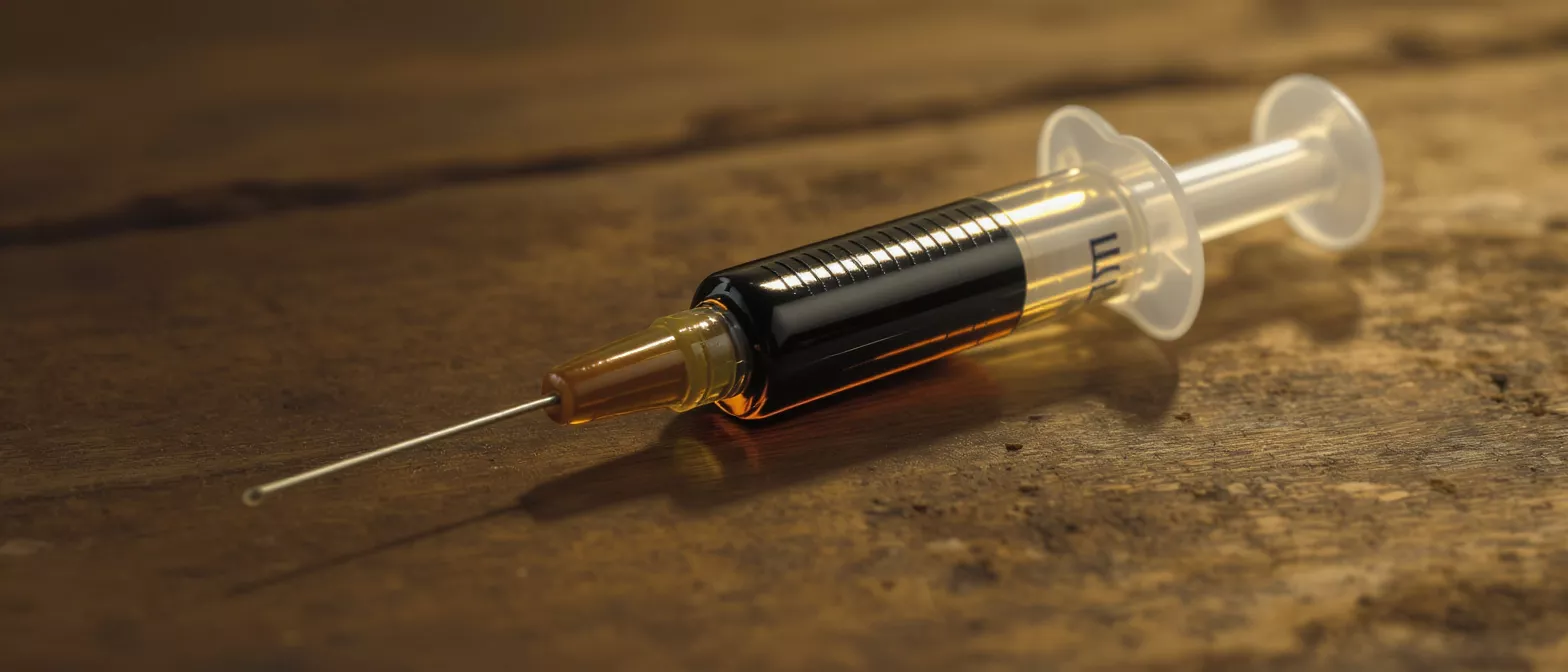
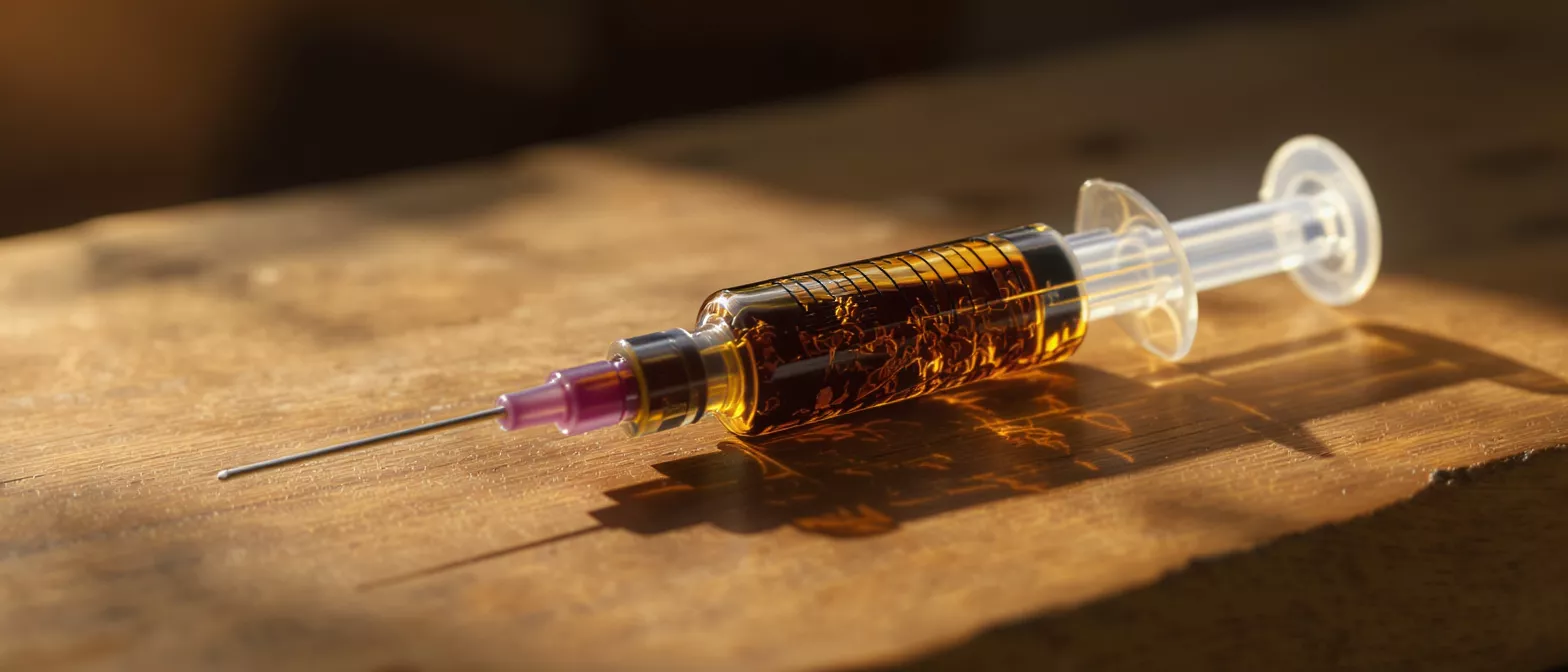
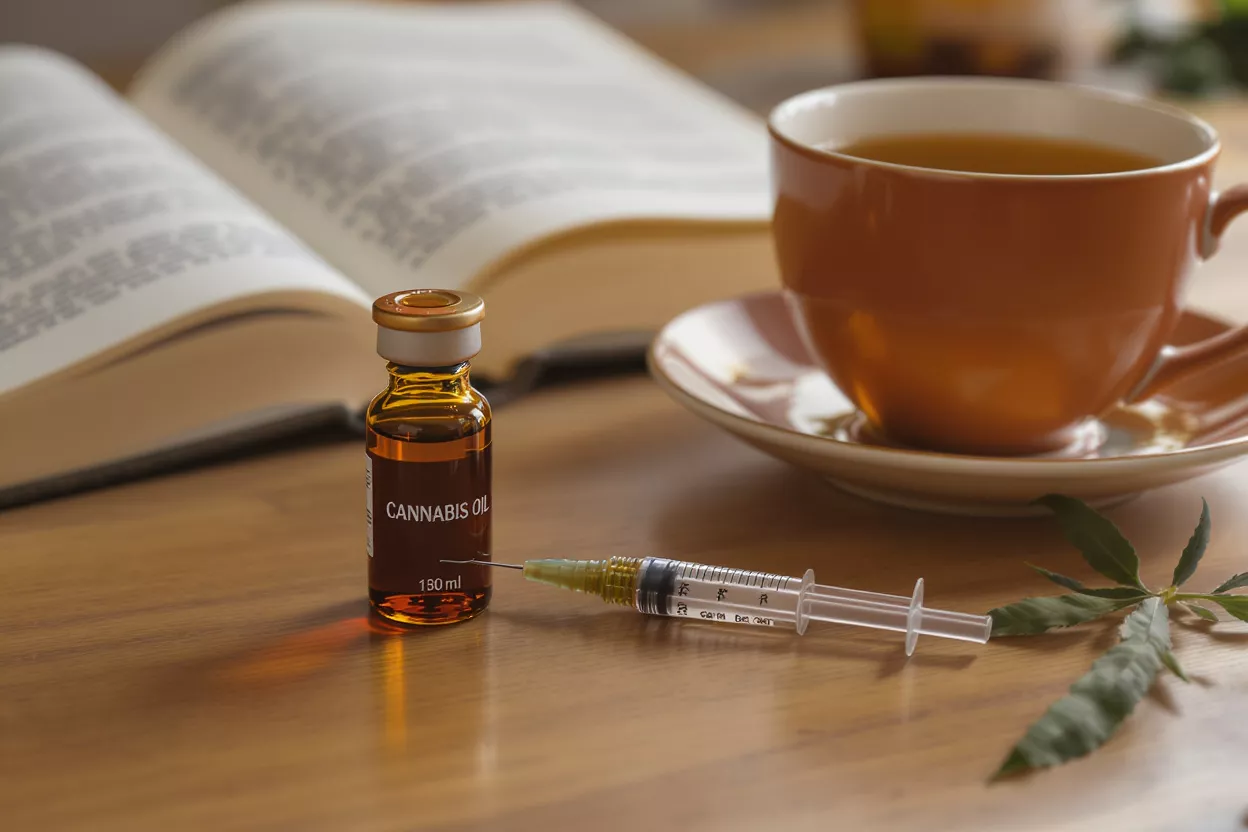
Measuring your dose accurately: Because RSO is so concentrated, precision matters. A common starting reference is a portion roughly the size of a grain of rice, but the actual THC content of that amount depends entirely on the oil's potency. A reliable oral dosing syringe makes it far easier to dispense small, repeatable amounts and track exactly how much you have consumed.
If you decide to bake RSO into food, remember that it is already decarboxylated during production, meaning it is ready to be active when eaten. This makes it convenient for infusing into a homemade edible without an additional decarb step. Just keep heat moderate, as excessive temperatures can degrade cannabinoids.
RSO Dosing Guide for Beginners
Dialing in your dose is the single most important skill for using RSO well. The temptation to take more because the first dose "didn't do anything yet" is the most common mistake, especially since oral effects can take up to two hours to peak. Patience prevents the unpleasant overshoot that ruins a first experience.
Here is a sensible progression for newcomers:
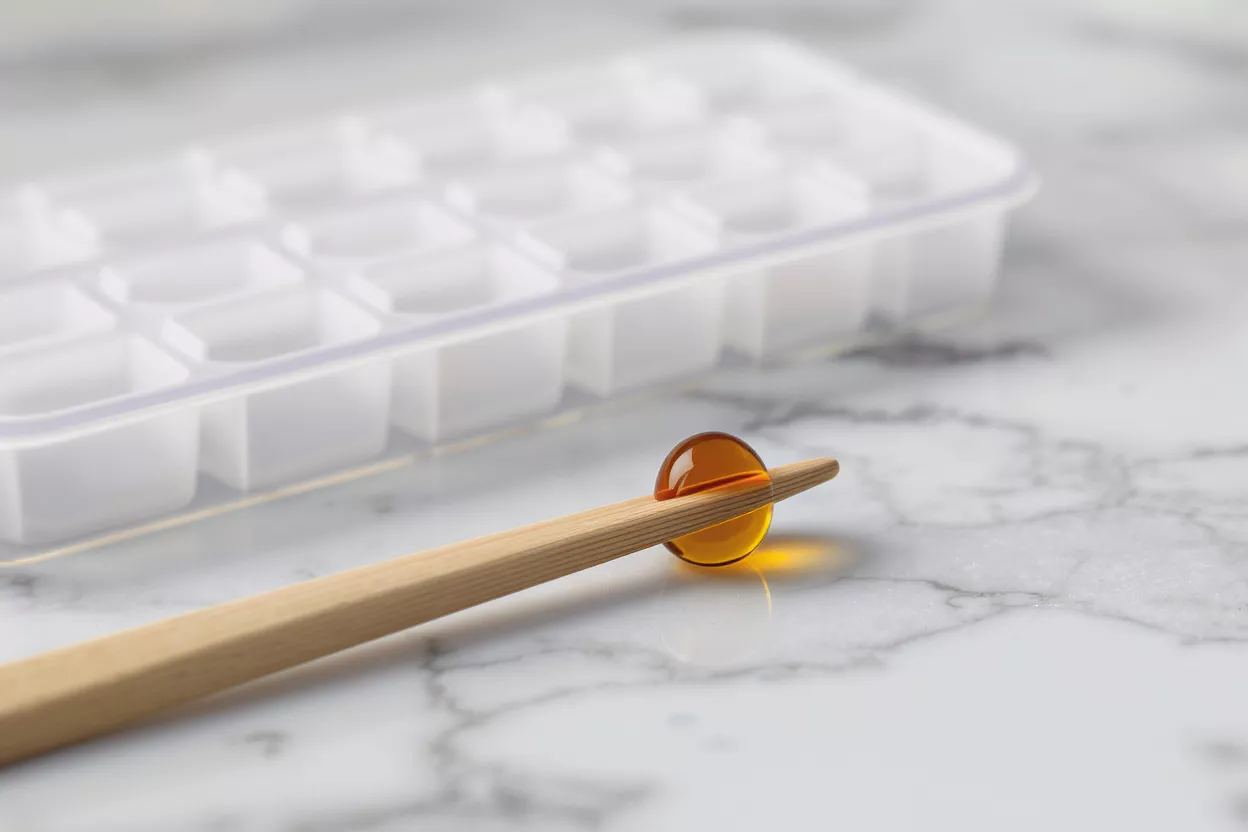
- 🌱 Week one: Start with a portion the size of half a grain of rice. Wait a full 24 hours between doses to gauge sensitivity.
- 📈 Gradual increase: If well tolerated, slowly raise the amount over days, never doubling abruptly.
- ⏳ Mind the onset: Allow up to two hours before deciding a dose was too small.
- 📓 Keep a log: Record amount, timing, and effects so you can find your personal sweet spot.
Findings summarized by the National Center for Biotechnology Information reinforce that individual response to THC varies widely based on tolerance, body chemistry, and metabolism. A dose that suits one person may overwhelm another, which is exactly why a slow, methodical approach beats chasing someone else's recommendation.
RSO Benefits People Report
The appeal of RSO rests largely on its full-spectrum nature. Because it retains a broad array of cannabinoids and terpenes rather than isolating a single molecule, users often describe a more rounded, comprehensive effect commonly attributed to the entourage effect, where compounds work together synergistically.
Why full-spectrum matters: A whole-plant oil preserves minor cannabinoids and aromatic terpenes that a stripped distillate loses. Some users find this combination more satisfying than refined products, much in the way connoisseurs prize fresh diesel-scented flower over flavorless extract. Whether you treat RSO as a daily routine or a nighttime wellness elixir, the broad profile is central to its reputation.
It is important to keep expectations grounded and evidence-based. While many people share positive anecdotal experiences, cannabis research is still developing, and individual results differ. Resources from the National Center for Biotechnology Information emphasize that more rigorous clinical study is needed before broad claims can be confirmed, so RSO is best approached with realistic, informed expectations.
Is RSO Safe to Use
Safety with RSO comes down to two things: the quality of the product and the discipline of the user. A clean, lab-tested oil from a reputable distributor minimizes the risk of contaminants like residual solvent, pesticides, or heavy metals. Homemade RSO made with improper ventilation or unverified solvents carries real hazards, both during production and consumption.
Understanding the potency risk: The biggest practical danger with RSO is its sheer strength. Taking too much won't be life-threatening, but it can produce intense discomfort, anxiety, dizziness, and a lingering edible hangover. This is why microdosing and careful measurement are not optional formalities but genuine safety practices.
Certain groups should be especially cautious. People who are pregnant, nursing, taking prescription medications, or managing serious health conditions should consult a medical professional before using any concentrated cannabis product. Drug interactions are a legitimate concern, and a high-THC oil is not something to experiment with casually if you fall into one of these categories.
How to Store RSO Properly
Proper storage keeps RSO potent and pleasant to use. Light, heat, and air are the enemies of cannabinoids, gradually degrading THC into other compounds and dulling the oil's effect over time. A cool, dark place is ideal, and many people keep their oil in an airtight glass container away from windows and heat sources.
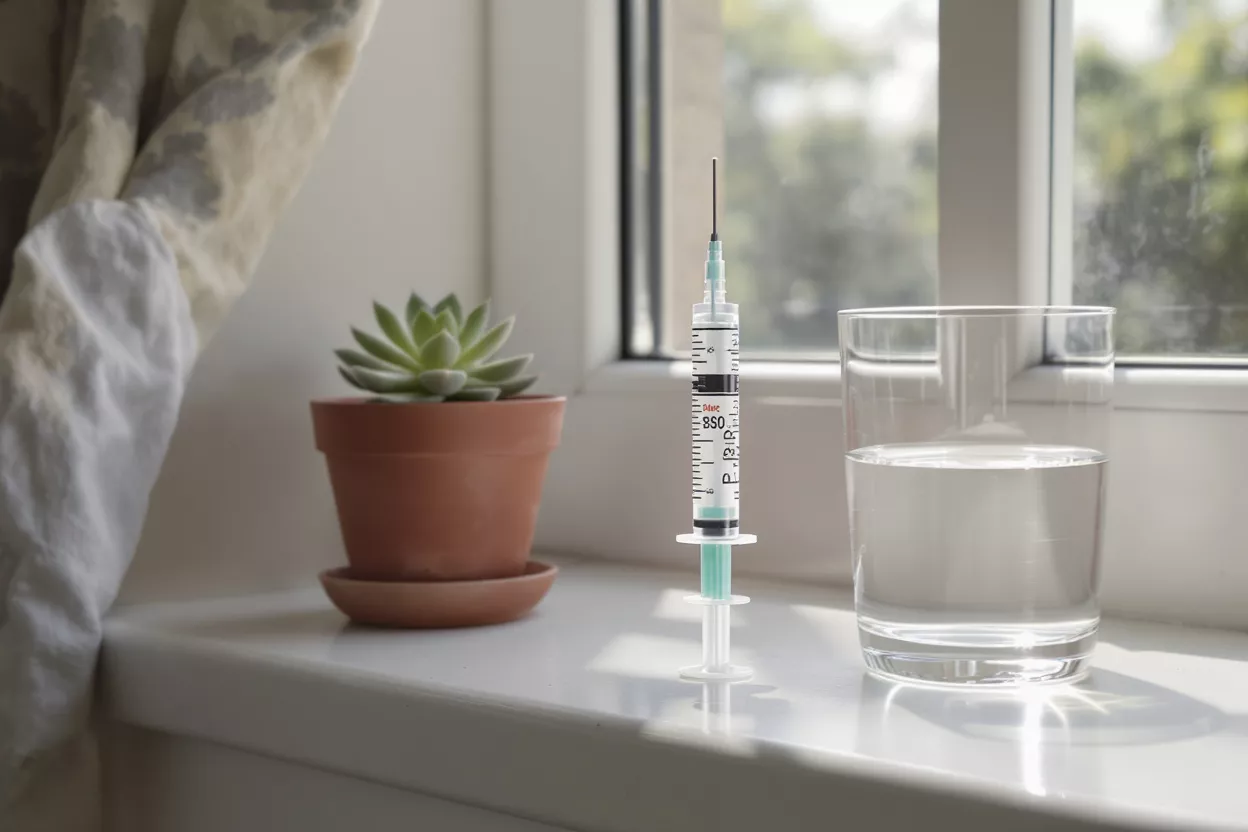
Handling the sticky texture: RSO is notoriously thick and difficult to work with at room temperature. Warming the container gently, by placing it in warm water for a few minutes, loosens the oil enough to dispense it from a syringe. Avoid microwaving or direct high heat, which can compromise the cannabinoid profile.
For longer-term storage, a refrigerator slows degradation further, though the oil will become extremely firm when chilled and require warming before use. Whatever method you choose, keep RSO clearly labeled and well out of reach of children and pets, since its concentrated potency makes accidental ingestion a serious concern.
Choosing Quality RSO and What to Look For
Not all RSO is created equal, and knowing what separates a premium product from a mediocre one protects both your wallet and your experience. Start with the source material: oil made from quality, properly cured flower will always outperform a batch made from old trim. A trustworthy distributor will be transparent about where and how their oil was produced.
Reading the lab results: Always look for a certificate of analysis from an accredited testing lab. This document confirms the cannabinoid content so you know the actual THC percentage, and it screens for residual solvents, pesticides, and microbial contamination. A producer who proudly shares lab data is signaling confidence in their process, while one who dodges the question deserves skepticism.
Finally, consider the consistency and color. High-quality RSO is typically a deep, dark amber to nearly black, thick and glossy rather than grainy or separated. Pricing that seems too good to be true often is, since genuine full-spectrum oil made from good flower carries real production costs. In short, the best RSO is a clean, tested, full-spectrum elixir from a maker who values transparency as much as potency. Approached with respect for its strength and a commitment to careful dosing, RSO remains one of the most powerful and versatile cannabis preparations you can keep on hand.