


Activated
Discover what activated cannabis is, how decarboxylation works, and why it matters.
What Does Activated Cannabis Mean
The term activated cannabis describes plant material that has undergone a chemical transformation, converting its naturally occurring acidic compounds into the active cannabinoids responsible for the effects most people associate with the plant. When cannabis grows in the field, it does not actually contain meaningful amounts of THC or CBD. Instead, it carries their precursor forms, known as cannabinoid acids, which remain largely inert until heat enters the picture.
Understanding activation is the single most important concept for anyone moving from casual consumer to informed user. It explains why eating a raw bud produces almost nothing, why a joint delivers a rush within minutes, and why a poorly made batch of edibles can leave you disappointed. The science is straightforward once you understand that the raw plant and the activated plant are, chemically speaking, two different things.
In practical terms, activation is what separates a useless handful of trim from a potent dose. Whether you smoke, vaporize, bake, or infuse, some form of heat-driven activation stands between the plant and the experience you are seeking. This guide unpacks the chemistry, the methods, and the common pitfalls so you can approach activated cannabis with confidence.
How Activated Cannabis Works Through Decarboxylation
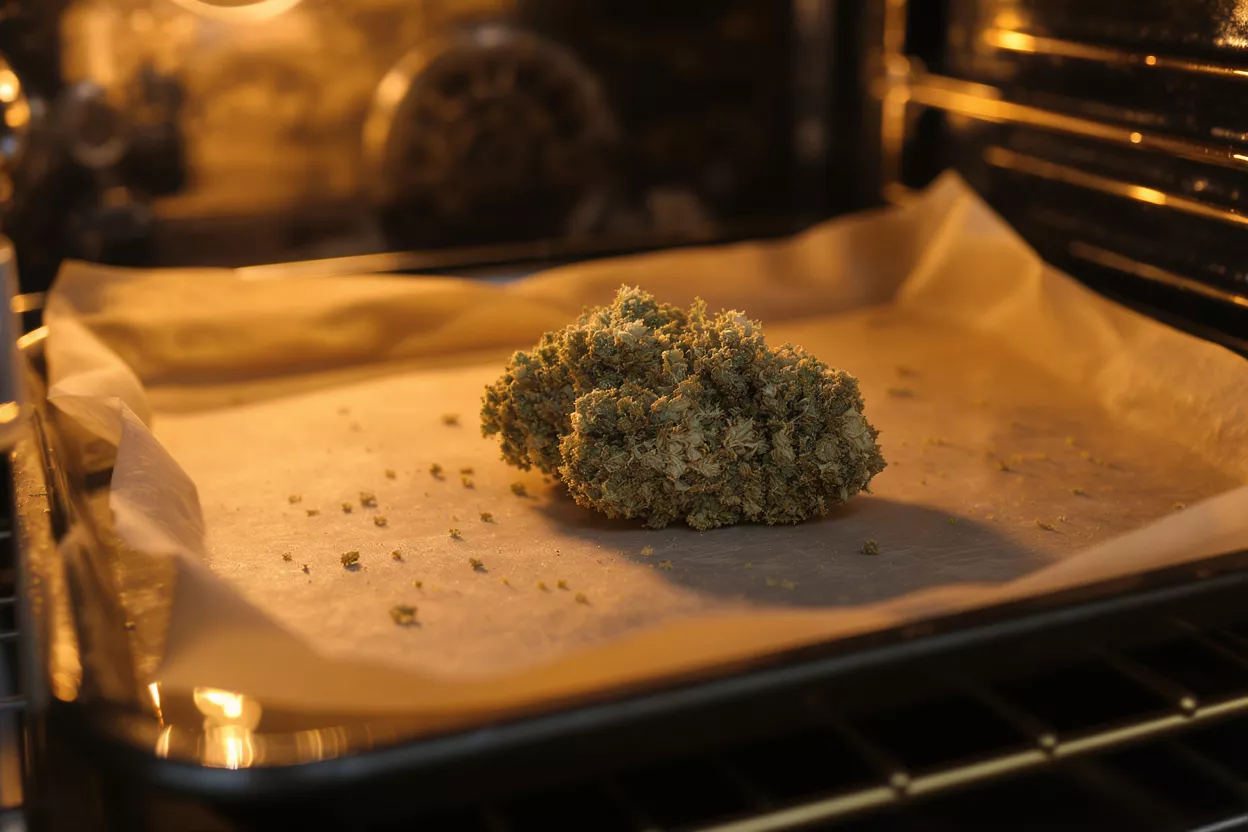
At the heart of activation sits a reaction called decarboxylation, often shortened to "decarbing." When cannabinoid acids are exposed to sustained heat, they shed a carboxyl group, releasing carbon dioxide and water vapor. What remains is the neutral, bioavailable cannabinoid your body can actually use.
The molecular handoff: Raw cannabis contains THCA and CBDA rather than the THC and CBD listed on most product labels. The extra carboxyl group on these acid forms physically prevents them from binding efficiently to the body's endocannabinoid system. Heat snaps off that group, and the molecule reshapes into a form that fits the receptors.
This is why combustion works so instantly. The flame of a lighter reaches several hundred degrees, decarboxylating the cannabinoids in a fraction of a second as the smoke forms. Vaporizing accomplishes the same thing at lower, more controlled temperatures. Edibles, by contrast, require a deliberate pre-bake because the cooking heat alone is rarely enough to fully convert the material.
Why Raw Cannabis Needs Activation
Many newcomers assume that simply chopping fresh flower into a salad or blending it into a smoothie will deliver the same results as a properly made edible. It will not. Raw cannabis is rich in cannabinoid acids that, while interesting from a wellness standpoint, do not produce the intoxicating or strongly therapeutic effects people expect.
Raw acids are not worthless: THCA and CBDA have drawn genuine research interest for their potential anti-inflammatory and neuroprotective properties, and some users juice raw leaves specifically to access these compounds without intoxication. The point is not that raw cannabis is useless, but that it is fundamentally different from its activated counterpart and should be approached with different expectations.
If your goal is the classic experience, whether that means relief, relaxation, or a recreational high, activation is non-negotiable. The acid forms must be converted, and that conversion only happens reliably through controlled heat. Skipping this step is the most common reason homemade edibles fail to do anything at all.
Temperature and Time for Activated Cannabis
Activation is a balancing act between temperature and time. Too little heat and the conversion stalls, leaving potency on the table. Too much heat and you begin to degrade the very cannabinoids you worked to create, along with the fragile terpenes that shape flavour and effect.
For home decarboxylation, most experienced cooks aim for a moderate oven temperature held steady for a set window. The goal is full conversion without scorching. Below is a general reference for the most common targets:
- 🌡️ 220–240°F (105–115°C): The sweet spot for most home decarbing, balancing conversion with terpene preservation over roughly 30 to 45 minutes.
- ⏱️ Under 30 minutes: Often leaves a significant portion of cannabinoid acids unconverted, reducing edible potency.
- 🔥 Above 300°F (150°C): Risks burning off terpenes and degrading THC into CBN, shifting the effect toward heavy sedation.
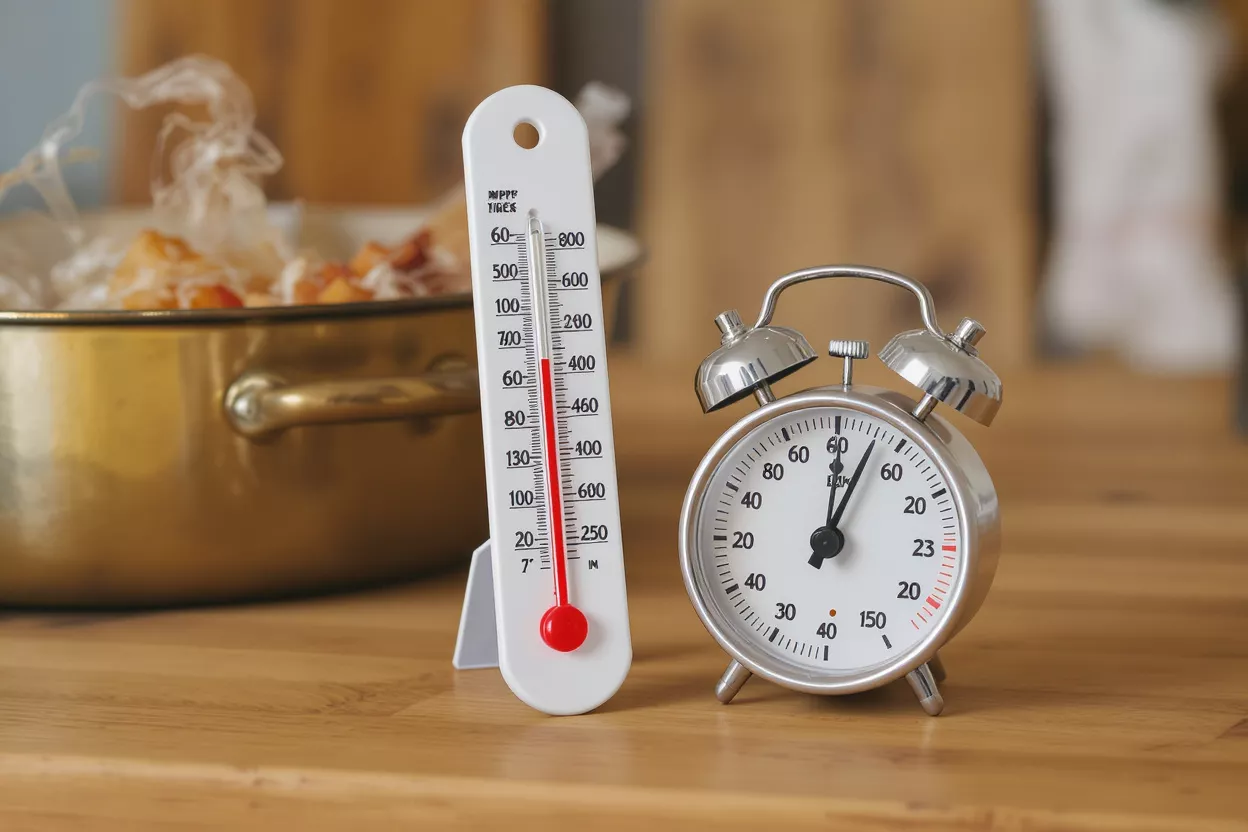
These numbers are guidelines, not gospel. Oven calibration, material density, and how finely the flower is ground all influence the outcome. A reliable oven thermometer and a little patience produce far better results than guesswork.
Types of Activated Cannabis Products
Activated cannabis appears in nearly every product category on a dispensary shelf, even if the word itself rarely makes it onto the packaging. Anything designed to be eaten, swallowed, or absorbed without combustion has already been through some form of activation before it reached you.
Pre-activated formats: Edibles, capsules, tinctures, and many topicals rely on cannabinoids that were decarboxylated during manufacturing. This is what allows them to work without any heat on your end. A gummy delivers its dose because the THC inside is already in its active form.
Concentrates occupy an interesting middle ground. Some, like distillate, are fully activated and ready to eat. Others, such as fresh-pressed rosin or certain raw extracts, may still carry acid forms and behave more like flower, requiring heat through dabbing or vaporizing to unlock their potency. Knowing which is which prevents both wasted product and unexpected results.
Activated Cannabis in Edibles and Cooking
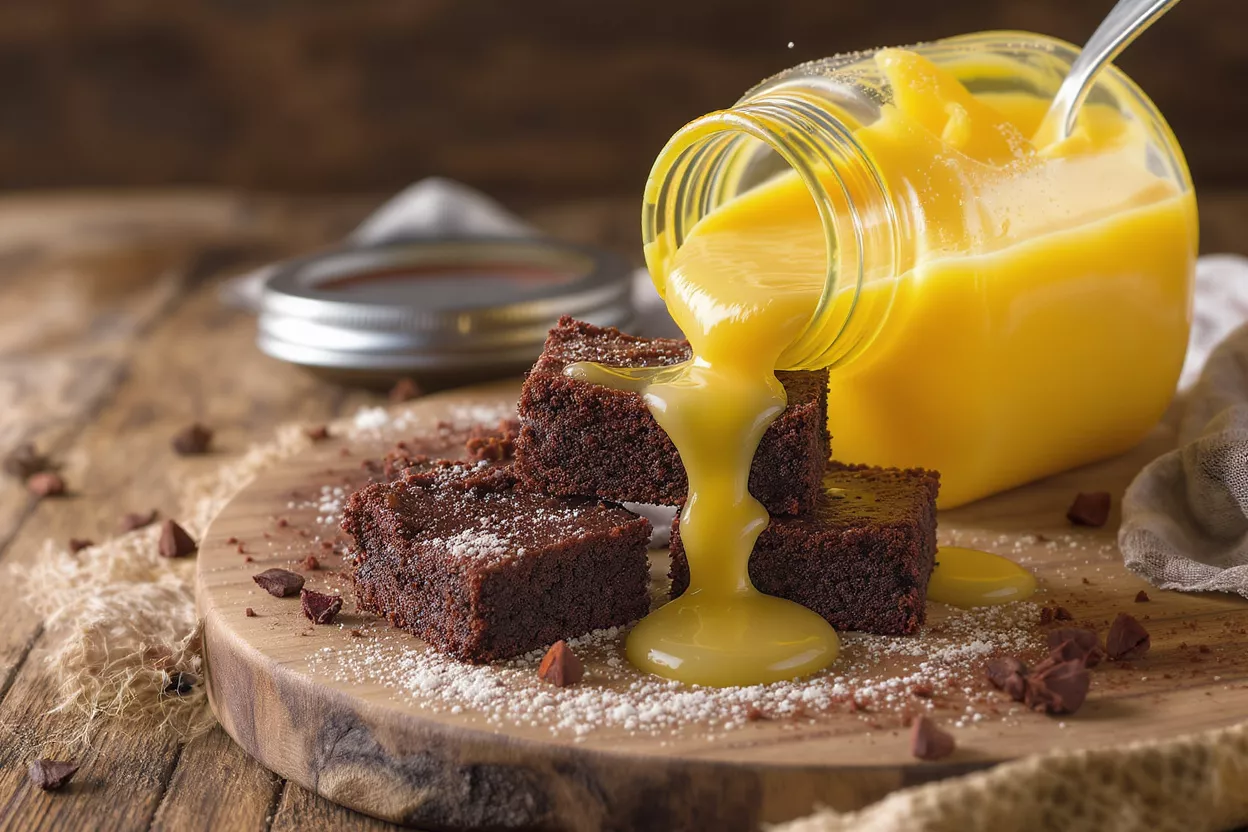
Cooking with cannabis is where activation becomes a hands-on skill rather than an abstract concept. The classic workflow involves decarbing the flower in the oven first, then infusing it into a fat such as butter or oil, since cannabinoids are fat-soluble and bind readily to lipids.
The infusion sequence matters: Decarb first, infuse second. Trying to combine the two steps in a single low-and-slow simmer can work, but it is far less predictable, and the moisture in butter or oil interferes with even decarboxylation. Separating the steps gives you control over potency and consistency.
Dosing homemade edibles is notoriously tricky because the cannabinoid content of homegrown or bulk flower is rarely lab-verified. Start low, wait at least two hours before considering more, and remember that the liver converts THC into a stronger, longer-lasting metabolite when it is eaten rather than smoked. Patience here is not optional.
Activated CBD Versus Activated THC
Activation applies to every cannabinoid acid, not just THCA. CBDA converts to CBD under the same heat-driven process, and the two follow similar conversion curves, though their effects could not be more different.
Activated THC is the intoxicating compound responsible for the euphoria and altered perception associated with cannabis. Activated CBD, by contrast, is non-intoxicating and prized for its calming, balancing qualities. Both require decarboxylation to reach their full potential, which is why a CBD-rich tincture still goes through an activation step during production.
For users blending cannabinoids, understanding that both must be activated changes how you approach formulation. A high-CBD strain juiced raw will deliver CBDA, not CBD, and the experience will differ accordingly. Matching your processing method to your desired outcome is the mark of a thoughtful user.
Activated Cannabis Benefits for Users
The central benefit of activation is simple: it makes cannabis work the way you expect. Without it, the plant's most sought-after effects remain locked away in inert acid molecules. With it, every consumption method from edibles to vaporizers performs as intended.
Beyond raw potency, controlled activation offers a measure of precision. Here are the practical advantages of properly activating your cannabis:
- ✅ Reliable potency: Full decarboxylation ensures you actually receive the dose you expect from edibles and infusions.
- 🌿 Terpene preservation: Lower, controlled temperatures protect the aromatic compounds that shape flavour and the entourage effect.
- ⚖️ Dosing consistency: Even activation produces predictable, repeatable results batch after batch.
- 💧 Versatility: Activated material can be infused into butter, oil, capsules, or tinctures for flexible consumption.
For medical users especially, consistency is everything. A predictable activation process means a predictable dose, which translates to reliable relief without the guesswork that frustrates so many people experimenting in their kitchens for the first time.
Common Mistakes When Activating Cannabis
The most frequent error is impatience: pulling material from the oven too early, before the conversion has fully completed. The result is an underpowered edible that disappoints despite using plenty of flower. Conversely, cranking the heat to speed things up burns off terpenes and can degrade THC into the sedating cannabinoid CBN.
Grinding too fine or too coarse: Material ground to a powder can scorch and lose surface terpenes, while large chunks decarb unevenly, leaving the centre under-activated. A coarse, even grind, roughly the texture you would use to roll, tends to produce the most consistent conversion.
Another overlooked mistake is ignoring oven calibration. Many home ovens run twenty or thirty degrees off their set point, which is enough to ruin a batch in either direction. A cheap standalone thermometer eliminates this variable and is worth its weight for anyone serious about consistent results.
Is Activated Cannabis Safe
Activation itself is a safe, well-understood chemical process that has been used in kitchens and labs for decades. The decarboxylation reaction releases only carbon dioxide and water vapour, neither of which poses any hazard in a home setting beyond the obvious caution around hot ovens and surfaces.
The real safety considerations relate to dosing rather than the activation process. Because activated edibles are far more potent and longer-lasting than their raw counterparts, the risk lies in overconsumption. Effects can take up to two hours to appear, which tempts impatient users into taking a second dose before the first has registered.
To stay safe, treat activated cannabis with respect: start with a low dose, label homemade products clearly, and store them well away from children and pets who might mistake them for ordinary food. Used thoughtfully, activated cannabis is a reliable and rewarding way to enjoy the plant. In short, understanding activation transforms cannabis from an unpredictable experiment into a precise, repeatable practice, and that knowledge is the foundation of every good experience, whether you smoke, vape, or cook your way to it.