


Quality control
Learn how quality control protects cannabis consumers through rigorous lab testing and compliance.
What Is Quality Control in Cannabis?
Quality control in the cannabis industry refers to the structured systems, repeatable procedures, and rigorous testing that verify a product is safe, potent, and pure before it reaches a consumer. It is not a single checkpoint but a continuous chain of verification that begins with the seed in the soil and follows the plant all the way to the sealed package on a dispensary shelf. Every stage in between carries its own risks, and quality control exists to catch problems before they become someone's health concern.
The difference between quality control and quality assurance often confuses newcomers to the field. Quality assurance is the broader philosophy and set of policies that define how a company prevents defects, while quality control is the hands-on, measurable testing that confirms those policies actually worked. A producer might have a quality assurance plan that mandates pesticide-free cultivation, but it is the quality control lab result that proves no residual chemicals slipped through. Both work together, yet they answer different questions.
Because cannabis is consumed by inhalation, ingestion, and topical application, the margin for contamination is far narrower than with many agricultural products. A trace of mould or a residual solvent that might be harmless in another context can pose a genuine risk to someone with a compromised immune system. This is why mature cannabis markets treat quality control as a non-negotiable foundation rather than an optional polish.
Why Quality Control Matters for Consumers
For the person buying a product, quality control is the invisible work that turns a leap of faith into an informed decision. When a label states a precise cannabinoid percentage, that number only carries meaning if a laboratory verified it. Without testing, potency claims would be marketing guesses, and dosing would become a gamble for anyone trying to manage their experience responsibly.
Contaminant exposure is the most serious risk that quality control guards against. Cannabis is a known bioaccumulator, meaning the plant readily draws heavy metals and other toxins out of its growing medium and concentrates them in its tissue. A grow that looks pristine to the eye can still harbour arsenic, lead, or cadmium absorbed from contaminated soil or water. Only laboratory screening reveals these invisible hazards, which is why consumers in regulated markets enjoy a level of protection that the unregulated market simply cannot match.
Consistency is the other half of the consumer benefit. Someone who finds a product that works well for sleep or pain expects the next purchase to perform the same way. Robust quality control standardises potency and composition batch after batch, so the experience you trusted last month is the experience you receive today.
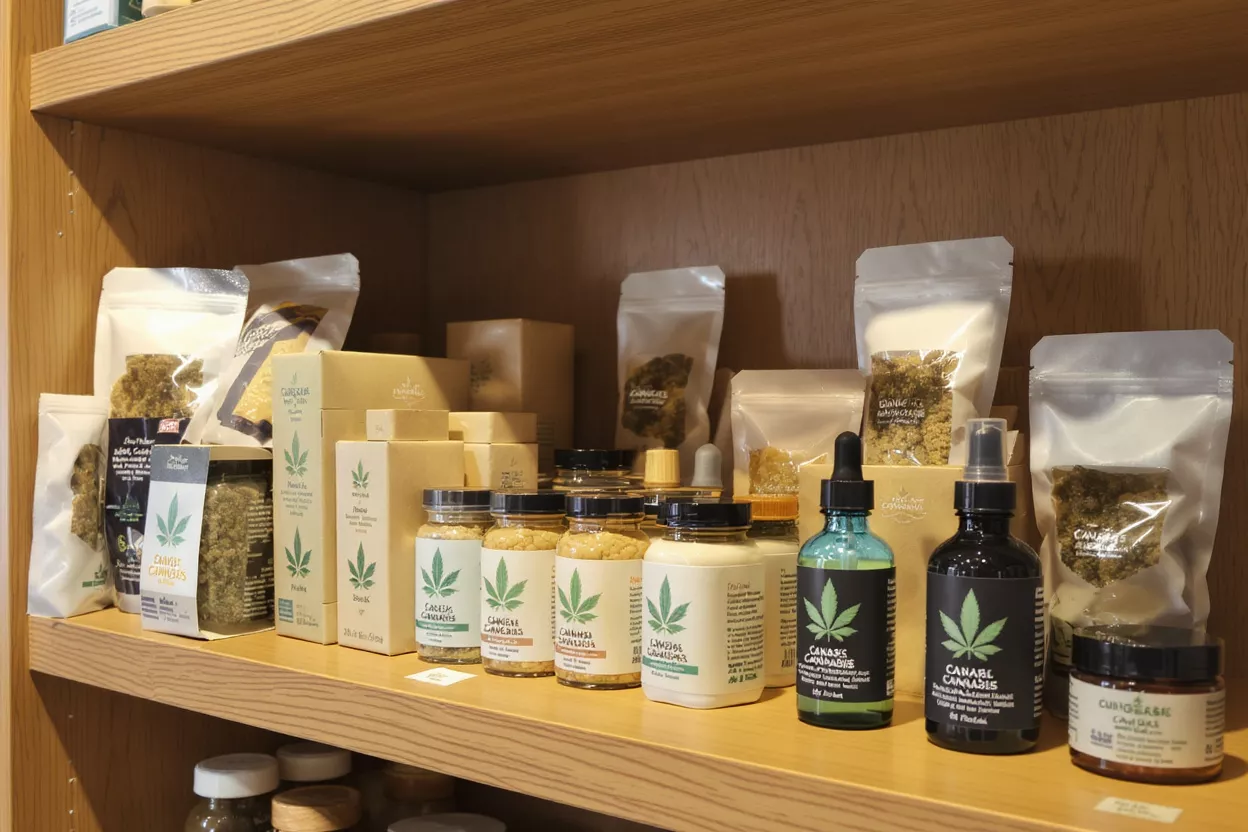
How Cannabis Quality Control Works Stage by Stage
Effective quality control is best understood as a relay race in which each stage hands a verified product to the next. A failure caught early saves an entire batch from advancing through expensive processing, while a failure missed late can force a costly recall. Producers therefore build checkpoints into every transition rather than relying on a single final test.
The journey from plant to package follows a predictable sequence, and each phase introduces its own quality questions:
- 🌱 Cultivation: monitoring soil, water, nutrients, and pest control to keep contaminants out of the plant from the start.
- 🌾 Harvest and drying: controlling temperature and humidity to prevent mould and preserve cannabinoid integrity.
- ⚗️ Extraction: verifying that solvents are fully purged and that concentrates meet potency targets.
- 🧪 Lab testing: independent analysis for potency, microbials, pesticides, heavy metals, and residual solvents.
- 📦 Packaging: confirming labels match lab data and that seals protect the product from degradation.
This staged approach means that by the time a product is sealed, it has passed through multiple independent verifications rather than a single hopeful inspection. The cumulative effect is a product whose claims are backed by a documented trail of evidence.
What Lab Testing Checks For in Cannabis
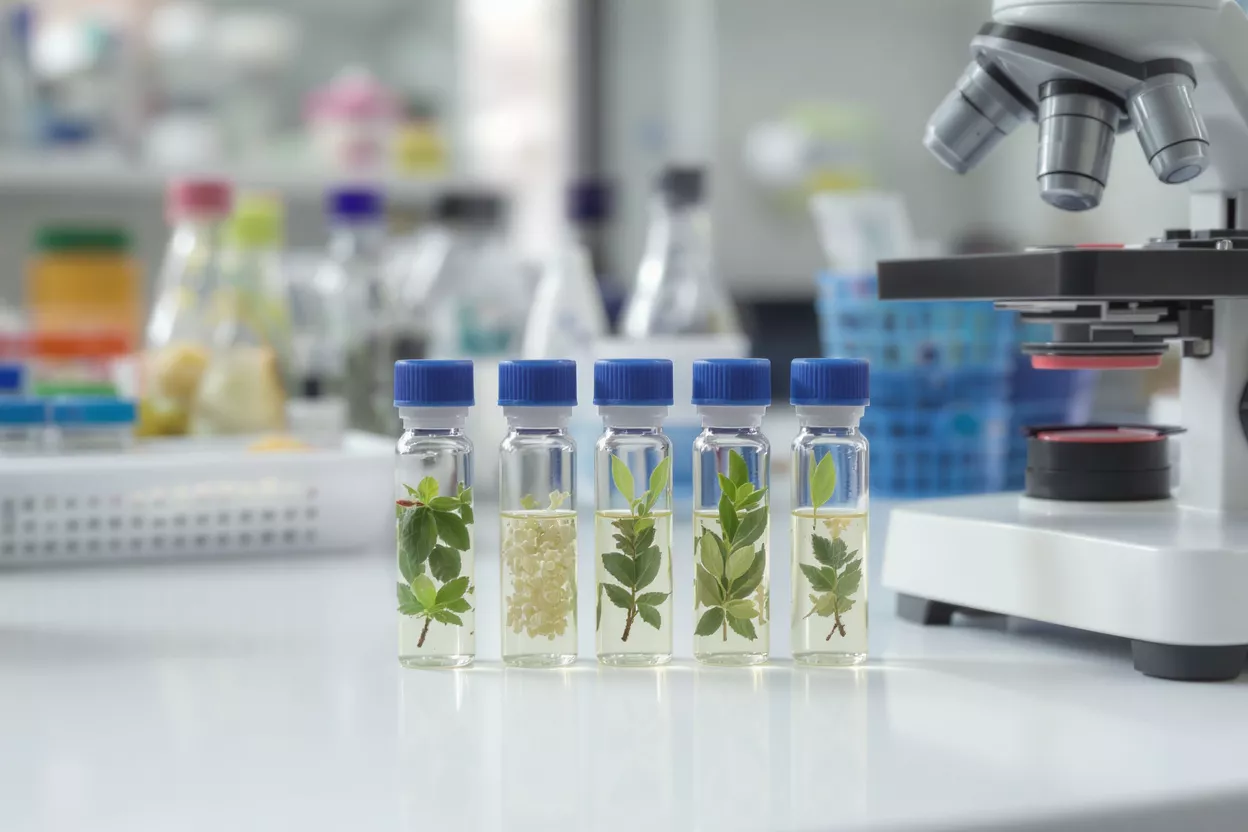
Laboratory analysis is the analytical heart of cannabis quality control, and it screens for a surprisingly broad range of factors. Modern testing labs use sophisticated instruments such as gas and liquid chromatography to separate and measure individual compounds with precision that the human senses could never approach.
Potency testing measures the concentration of THC, CBD, and other cannabinoids so that labels reflect reality. This is the data most consumers look for, but it is only one column on a comprehensive report.
Safety screening is where the deeper protection happens. A complete panel checks for several categories of contaminant, each of which can compromise a product in a different way:
- 🦠 Microbials: mould, yeast, E. coli, and salmonella that can cause infection, especially in vulnerable users.
- 🧫 Mycotoxins: toxic byproducts of certain moulds that remain dangerous even after the mould itself is gone.
- ⚙️ Heavy metals: lead, arsenic, cadmium, and mercury drawn up from soil and water.
- 🌿 Pesticides: residues from chemicals used to control pests during cultivation.
- 💨 Residual solvents: leftover butane, ethanol, or propane from the extraction process.
When a sample fails any of these thresholds, the batch cannot proceed to sale in a compliant market. This pass-or-fail gate is the mechanism that translates testing data into genuine consumer safety rather than mere information.
Quality Control During Cultivation
Quality control begins long before any product exists, in the controlled environment where the plant grows. The principle here is simple: it is far easier to prevent contamination than to remove it later. A cultivator who manages inputs carefully gives every downstream stage a cleaner starting point.
Environmental monitoring covers the variables that influence both plant health and contamination risk. Temperature, humidity, airflow, and light are tracked continuously because a humid, stagnant room is an invitation to mould, while inconsistent conditions produce inconsistent terpene and cannabinoid profiles. Skilled growers treat these readings as a daily discipline rather than an occasional check.
Input control is the other cultivation priority. The water, nutrients, and any pest-management products applied to the plant all become part of its chemistry. Because cannabis absorbs and concentrates what it is fed, growers committed to quality choose clean water sources, well-characterised nutrients, and integrated pest-management strategies that minimise or eliminate chemical residues. The reward for this diligence appears later as clean lab results and a product free of unwanted compounds.
Quality Control in Extraction and Processing
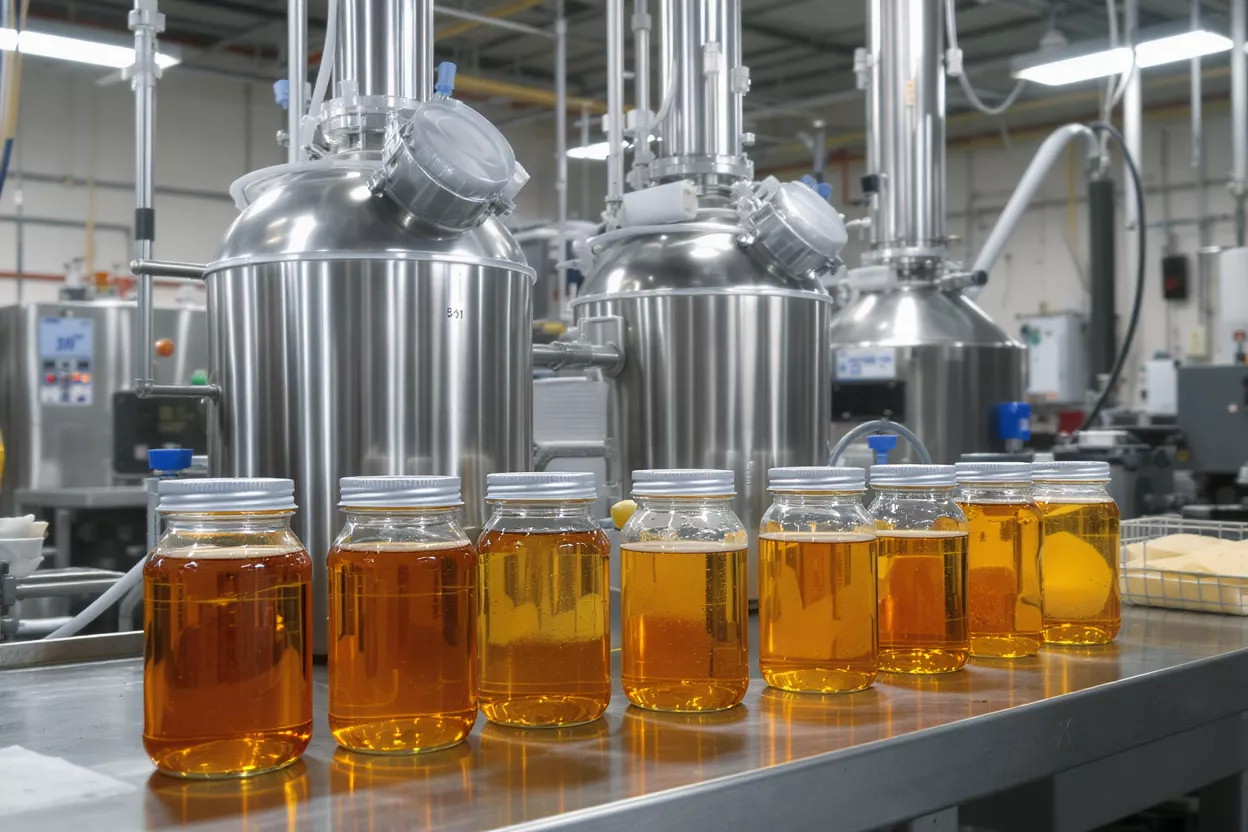
When raw flower is transformed into oils, edibles, or concentrates, quality control faces a new set of challenges. Extraction concentrates not only the desirable cannabinoids but also any contaminants present in the starting material, which means a flaw in the input becomes magnified in the output. Clean inputs and careful processing are therefore inseparable.
Solvent purging is the defining quality concern in solvent-based extraction. Methods that use butane, propane, or ethanol must remove virtually all of that solvent from the finished concentrate, and residual-solvent testing confirms the purge was complete. A poorly purged concentrate can carry harmful residues, so this test sits among the most important safety checks for processed products.
Potency and homogeneity matter just as much in finished goods, particularly edibles. A gummy or chocolate must distribute its cannabinoids evenly so that every piece delivers the dose printed on the label. Inconsistent mixing produces hot spots and weak spots, undermining the predictable dosing that makes edibles appealing in the first place. Quality control here means testing finished units, not just the bulk extract, to confirm the dose is reliable from one piece to the next.
Quality Control Standards for Packaging and Labeling
Packaging is the final quality-control frontier, and it does more than make a product look professional. The right packaging protects the cannabis inside from the very forces that degrade it, while the label translates laboratory data into the information a consumer needs to make a confident choice.
Protective packaging guards against light, oxygen, and humidity, the three agents that break down cannabinoids and terpenes over time. Ultraviolet light is especially destructive, converting potent compounds into less active ones, which is why opaque or amber containers are a quality signal rather than a stylistic choice. Airtight, child-resistant seals add both preservation and safety to the same component.
Accurate labeling is the regulatory and ethical core of packaging. A compliant label reports verified potency, lists ingredients, identifies the batch, and often links to the full test report. This information lets a consumer match the product to their needs and trace it back to its analysis if a question ever arises. When the printed numbers align with the laboratory data, the entire quality-control chain closes its loop.
How Regulations Shape Cannabis Quality Control
Regulation is the force that turns voluntary best practices into mandatory standards. In a regulated market, a producer cannot simply claim their product is clean; they must prove it through accredited testing and documented procedures that government agencies can audit. This compliance framework is what gives consumers confidence that the rules apply equally to every brand on the shelf.
Mandatory testing requirements vary between jurisdictions, but mature markets generally require screening for the same core categories of potency and contamination before a product can be sold. These thresholds are set by health authorities based on toxicological research, and a batch that exceeds any limit is barred from sale. The result is a baseline of safety that no compliant producer can fall beneath.
Traceability rules add another layer of accountability. Seed-to-sale tracking systems follow each batch through every stage, so that if a problem surfaces, regulators and producers can identify exactly where it originated and recall only the affected products. This documented chain of custody is itself a form of quality control, ensuring that no batch can quietly skip a required test or enter the market without a verified history.
How to Read a Certificate of Analysis
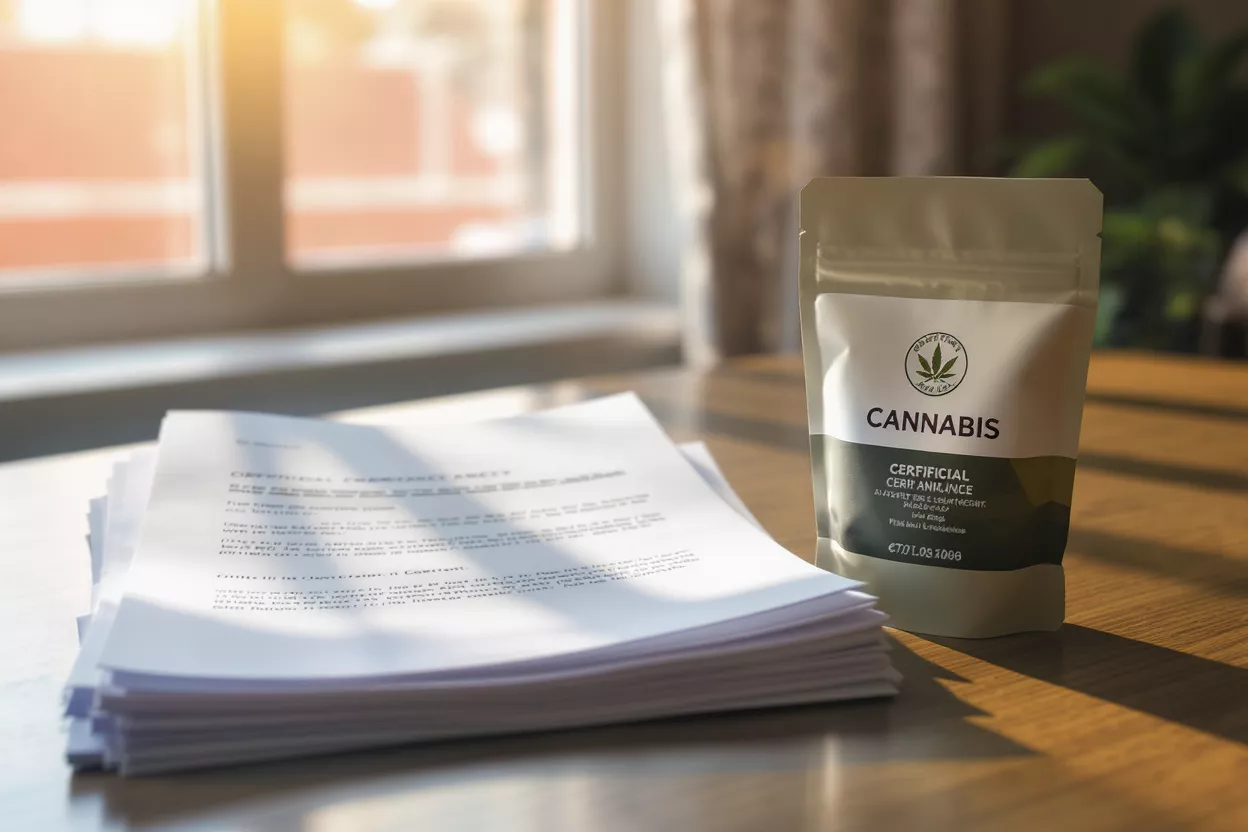
A Certificate of Analysis, usually shortened to COA, is the document where quality control becomes visible to the consumer. It is the laboratory's official report on a specific batch, and learning to read one transforms you from a passive buyer into an informed one. Reputable brands make these reports easy to find, often through a QR code or batch lookup on their website.
When you open a COA, a few key sections tell you most of what you need to know:
- 📊 Cannabinoid profile: the verified percentages of THC, CBD, and other cannabinoids in the batch.
- ✅ Pass/fail status: a clear indication that the batch met safety thresholds for each contaminant category.
- 🏷️ Batch and date: identifiers that should match the package in your hand.
- 🔬 Testing lab: the name of an accredited, independent laboratory rather than an in-house operation.
The detail that matters most is matching the batch number on the certificate to the one on your product. A COA for a different batch tells you nothing about what you actually purchased. When the numbers align and every safety category reads as a pass, you hold documented proof that the quality-control process worked as intended.
Choosing Brands With Strong Quality Control
Once you understand how quality control works, choosing a trustworthy brand becomes far more straightforward. The strongest signal is transparency: a company confident in its testing makes results easy to access rather than hiding them behind vague reassurances. If a brand cannot or will not show you a current COA, that silence is an answer in itself.
Consistency over time is the hallmark of a brand with mature quality systems. A producer with genuine controls delivers the same potency and the same clean results batch after batch, while a producer cutting corners shows variation that careful consumers eventually notice. Reading reviews and checking whether a brand's published results stay stable across batches can reveal a great deal about the rigour behind the label.
Ultimately, quality control is the quiet infrastructure that makes the modern cannabis market trustworthy. From the soil in the grow room to the seal on the package, every checkpoint exists to protect the person at the end of the chain. Understanding these processes lets you reward the producers who take them seriously and choose products with genuine confidence in their safety, potency, and purity.


Comments