

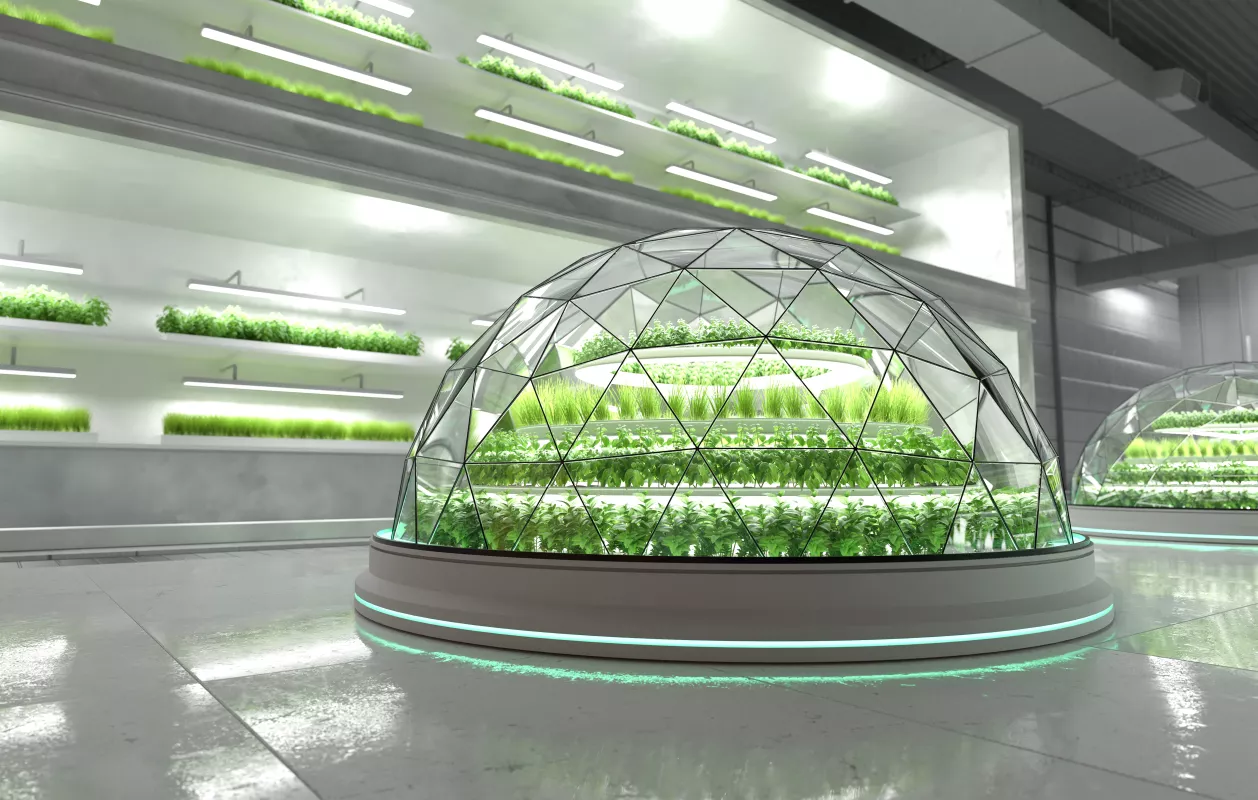
Hydroponics
Learn how hydroponics grows cannabis faster with bigger yields.
What Is Hydroponics in Cannabis Growing?
Hydroponics is the practice of growing cannabis without soil, delivering nutrients directly to the roots through a water-based mineral solution. Instead of relying on the slow, sometimes unpredictable chemistry of soil, the plant receives a precisely balanced diet that it can absorb almost immediately. The word itself derives from the Greek for "water labor," and that captures the essence of the method: water does the work that soil traditionally performs.
In a hydroponic setup, the roots are either suspended in a nutrient solution, supported by an inert medium that holds moisture, or periodically flooded and drained. Because the grower controls every variable that reaches the plant, hydroponics has become the foundation of serious indoor cannabis cultivation worldwide. Commercial facilities and dedicated hobbyists alike favor it for the consistency it brings to each harvest.
The appeal goes beyond novelty. When a cannabis plant no longer has to expend energy hunting through soil for food, it can redirect that energy toward vegetative growth and flower production. This single shift in how nutrients are delivered is responsible for the faster growth rates and higher yields that have made hydroponics synonymous with premium indoor cultivation.
How Hydroponics Systems Work
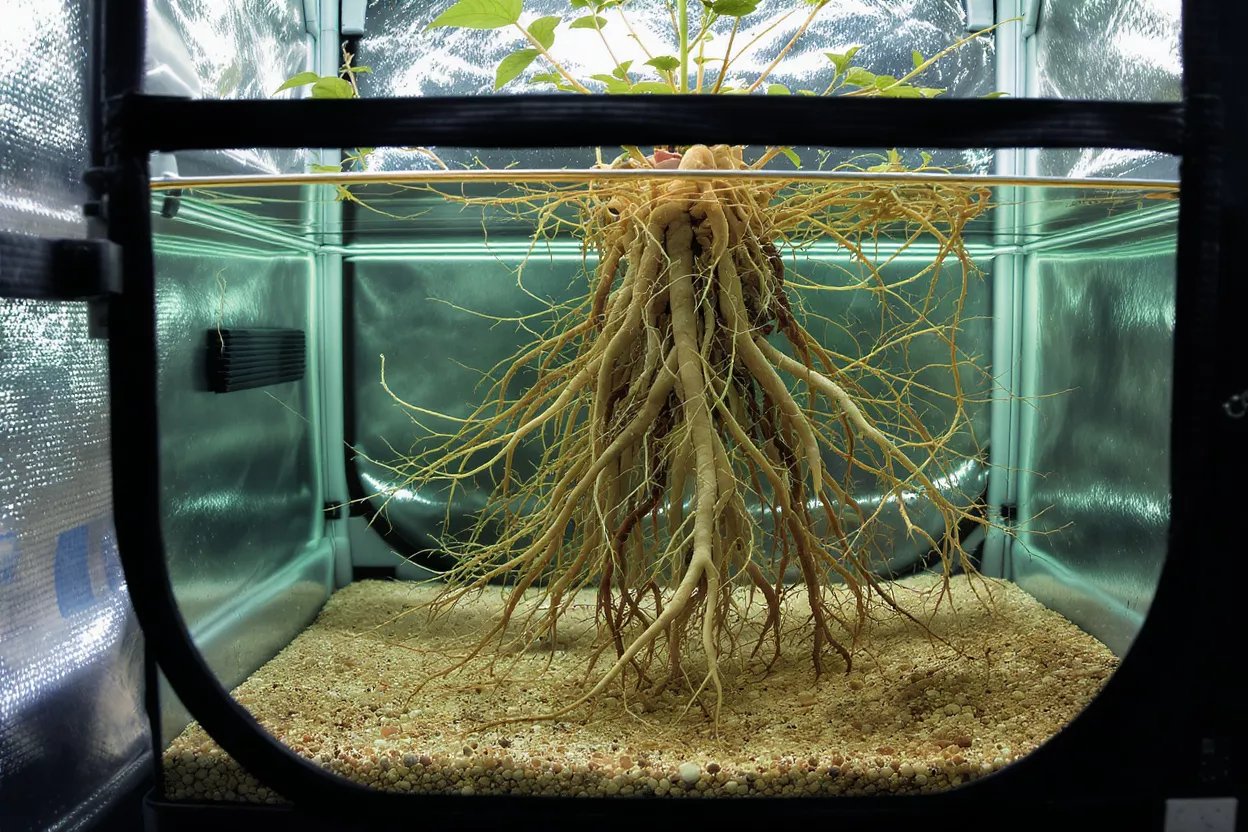
Every hydroponic system shares the same core principle: roots are kept in direct contact with oxygenated, nutrient-rich water. The plant draws dissolved minerals straight from the solution rather than breaking down organic matter. To make this work, three things must be balanced continuously — the nutrient concentration, the oxygen available to the roots, and the pH of the water.
Oxygen at the root zone is the hidden engine of any hydroponic grow. Roots submerged in still water will suffocate and rot, so growers use air pumps, air stones, or system designs that constantly expose roots to air. Healthy white roots are a sign that oxygen, water, and nutrients are in harmony. When that balance slips, the plant tells you quickly through drooping leaves or discoloration.
The grower also monitors the strength of the nutrient solution, usually measured as electrical conductivity or parts per million. This number tells you how much dissolved food the water holds. Too little and the plant starves; too much and the roots experience nutrient burn. A reservoir is topped up and refreshed on a schedule so the chemistry never drifts far from the ideal range.
Types of Hydroponics Systems for Cannabis
There is no single hydroponic method — instead, a family of designs has evolved, each with strengths suited to different growers, budgets, and goals. Understanding the main types helps you choose a system that matches your experience level and the scale you intend to grow.
Some systems are wonderfully simple and forgiving, while others reward precision with extraordinary results. Beginners often start with one of the lower-maintenance options before graduating to a method that demands more attention but delivers faster growth.
- 💧 Deep Water Culture (DWC): Roots hang directly into oxygenated nutrient water. Simple, inexpensive, and fast-growing, though sensitive to temperature swings.
- 🌊 Nutrient Film Technique (NFT): A thin film of solution flows past the roots in a sloped channel. Efficient with water but unforgiving if the pump fails.
- 🪨 Ebb and Flow: The grow tray floods periodically then drains, giving roots cycles of feeding and oxygen. Versatile and reliable.
- 💦 Drip Systems: Nutrient solution drips onto each plant's medium. Scalable and widely used in commercial operations.
- 🌫️ Aeroponics: Roots are misted with nutrient solution in open air. The most oxygen-rich method and the fastest-growing, but also the most technical.
Each approach is still genuine hydroponics because none of them relies on soil. The right choice often comes down to how much hands-on control you want versus how much automation you are willing to invest in.
Hydroponics vs Soil Growing: Key Differences
The biggest difference between hydroponics and soil is the speed of nutrient uptake. Soil acts as a buffer, slowly releasing nutrients and forgiving small mistakes. Hydroponics removes that buffer entirely, which means plants eat faster and grow faster — but errors also show up faster. This trade-off defines the decision for most growers.
Soil growing remains popular for good reason. It is more forgiving for beginners, requires less equipment, and many cultivators believe it produces a richer, more complex terpene profile and aroma. The living microbial community in quality soil supports the plant in ways that are difficult to replicate in a sterile reservoir.
Hydroponics, by contrast, trades that biological complexity for control and output. Growers who prioritize maximum yield, consistency, and rapid harvest cycles tend to favor a soilless approach. Neither method is universally superior — the right choice depends on your priorities, your space, and how much time you can devote to monitoring the grow.
Hydroponics Nutrients and Feeding Guide
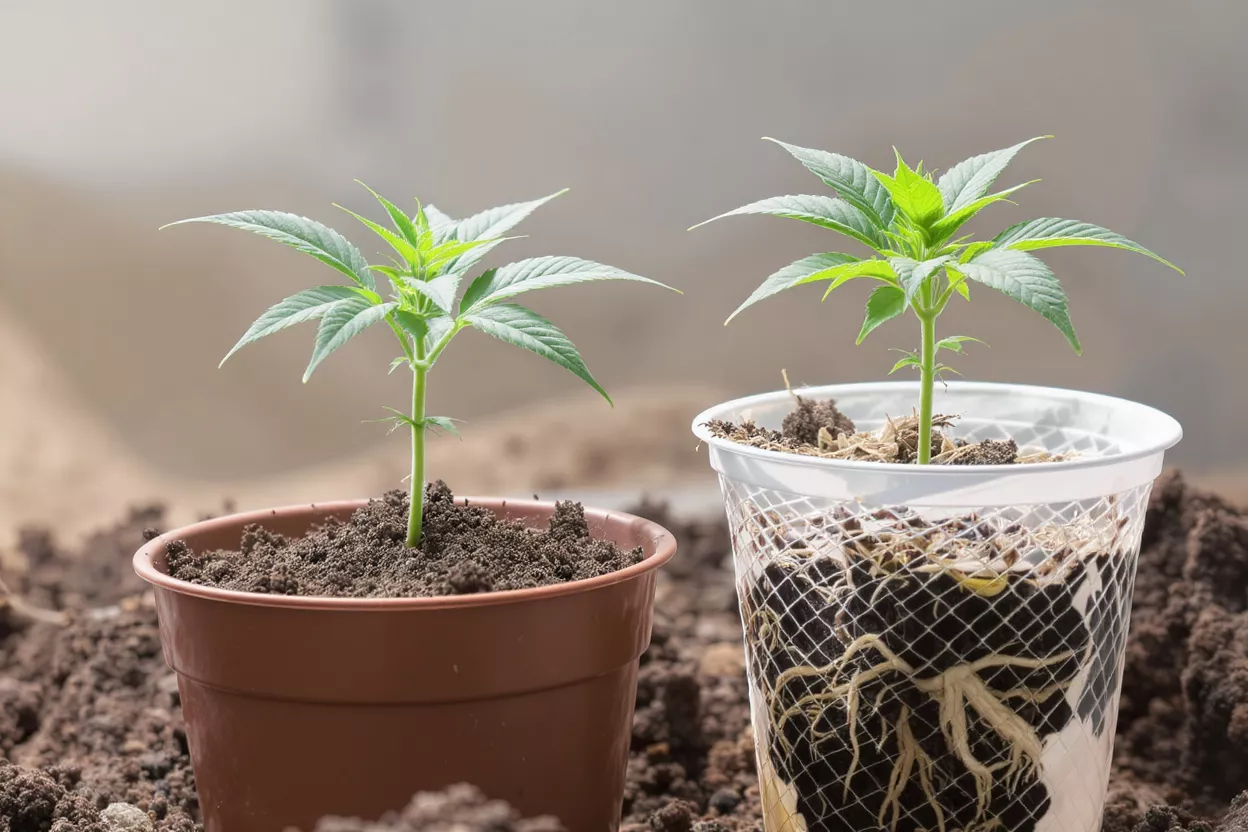
Because there is no soil to draw from, the nutrient solution becomes the plant's entire diet. Cannabis needs a full spectrum of elements, broadly divided into macronutrients — nitrogen, phosphorus, and potassium — and a range of micronutrients such as calcium, magnesium, iron, and zinc. Hydroponic nutrient lines are formulated to deliver all of these in forms the roots can absorb instantly.
Feeding changes dramatically between growth stages. During vegetative growth the plant craves nitrogen to build leaves and stems. Once flowering begins, the formula shifts toward phosphorus and potassium to fuel dense, resinous buds. Most nutrient brands sell separate vegetative and bloom formulas precisely for this reason, and following their feeding schedule is a reliable starting point.
One concept unique to hydroponics is the importance of a clean baseline. Many growers start with reverse-osmosis or filtered water so they know exactly what is in the reservoir before adding nutrients. From there, electrical conductivity readings guide how much to feed, and regular reservoir changes prevent salts from building up and locking out essential elements.
Benefits of Hydroponics for Cannabis
The advantages of hydroponics explain why it dominates serious indoor cultivation. By giving the grower control over every input, the method removes much of the guesswork that comes with soil and the natural environment. The results are measurable in both speed and quality.
- 🚀 Faster growth: Direct nutrient access means plants can grow noticeably quicker than their soil-grown counterparts.
- 📈 Higher yields: Optimized feeding and oxygenation often translate to larger, denser harvests per plant.
- 🎯 Precise control: Every variable — nutrients, pH, water, oxygen — is adjustable and measurable.
- 💧 Water efficiency: Recirculating systems use far less water than open soil growing.
- 🐛 Fewer soil pests: Removing soil eliminates many common pests and soil-borne diseases.
These benefits compound. A grower who dials in a hydroponic system can harvest more cannabis, more often, with fewer of the surprises that soil sometimes introduces. That predictability is precisely what commercial operations require to plan production reliably.
Best Growing Mediums for Hydroponics
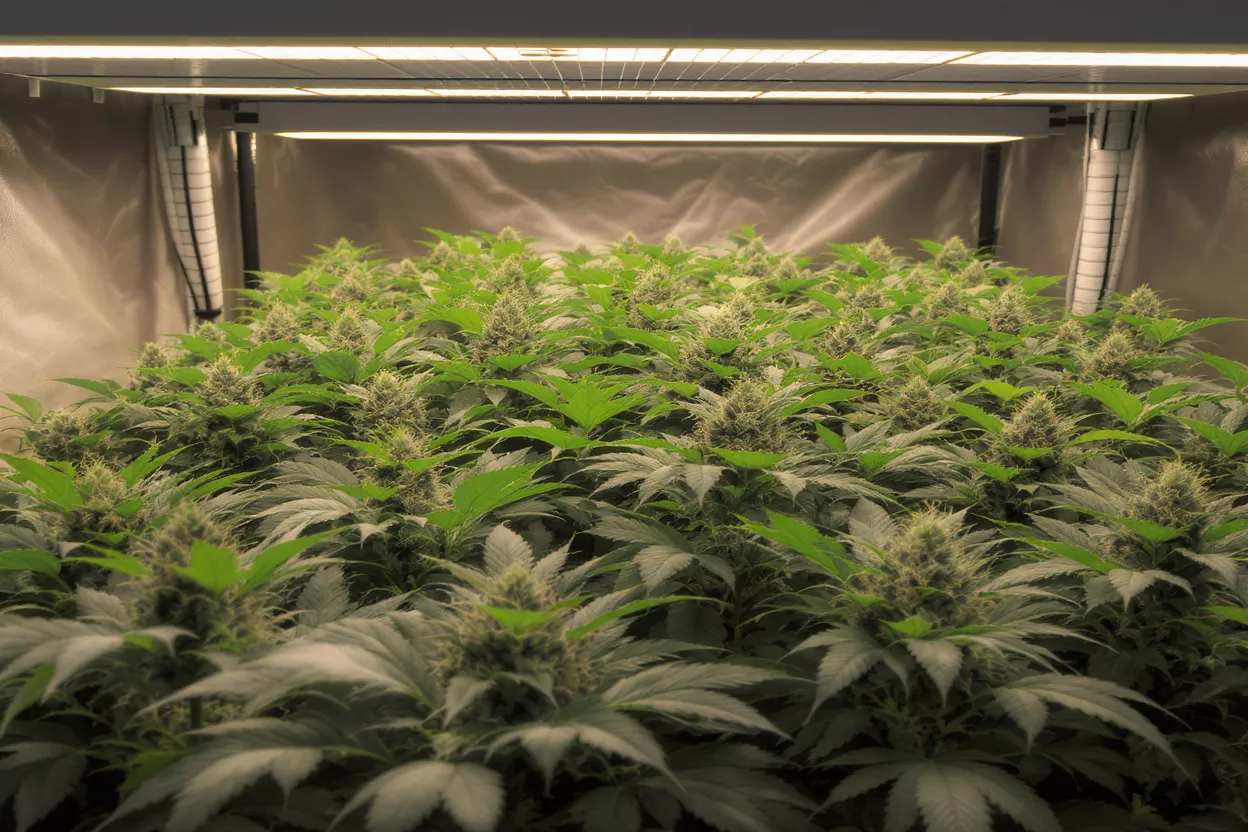
Although hydroponics means growing without soil, most systems still use an inert medium to anchor the plant and hold moisture around the roots. These mediums provide physical support without contributing nutrients of their own, leaving the grower in full control of the feed.
Rockwool is the most widely used hydroponic medium. Spun from molten rock into fibrous cubes, it retains water and air in an ideal ratio and is favored for both seedlings and full-grown plants. It must be pH-conditioned before use, but once prepared it offers reliable, repeatable results that commercial growers depend on.
Other popular choices include clay pebbles, which drain freely and add excellent oxygen to the root zone, and coco coir, a renewable fiber from coconut husks that behaves almost like soil while remaining inert. Perlite is often mixed in to improve drainage and aeration. The best medium depends on your system — flood-and-drain setups love clay pebbles, while drip systems pair beautifully with rockwool or coco.
Managing pH and Water Quality in Hydroponics
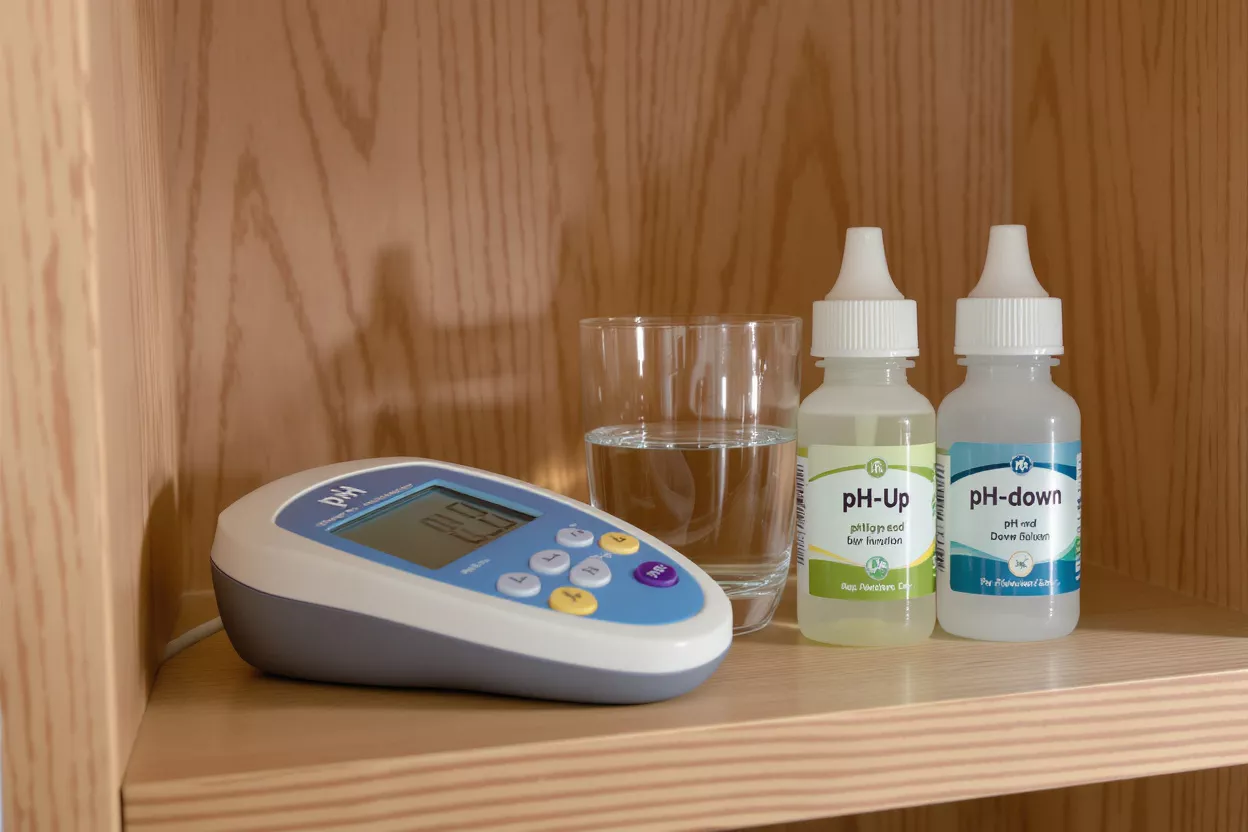
pH is arguably the single most important measurement in hydroponics. It determines whether the roots can actually absorb the nutrients floating in the water. Even a perfectly mixed solution becomes useless if the pH drifts outside the range cannabis can use, a frustrating condition known as nutrient lockout. For most hydroponic cannabis, the sweet spot sits between 5.5 and 6.5.
Checking pH is a daily ritual for committed growers. A digital pH meter, calibrated regularly, takes the guesswork out of it, and small amounts of pH up or pH down solution bring the reservoir back into range. Because the nutrient solution has so little buffering capacity compared to soil, readings can shift quickly, which is why frequent monitoring matters so much.
Water temperature and cleanliness round out the picture. Warm water holds less oxygen and encourages root pathogens, so many growers keep reservoirs cool and occasionally use beneficial supplements to protect the root zone. Clean equipment, regular reservoir changes, and attention to detail keep the whole system stable and the plants thriving.
Common Hydroponics Problems and How to Fix Them
No method is foolproof, and hydroponics has its own set of challenges. The good news is that because everything is measurable, most problems can be diagnosed and corrected quickly once you know what to look for. Catching issues early is the difference between a minor hiccup and a lost crop.
Root rot is the most feared hydroponic problem. It thrives in warm, oxygen-poor water and turns healthy white roots brown and slimy. The fix is prevention: keep water cool, maintain strong aeration, and use beneficial bacteria or other treatments to defend the root zone. Once caught early, plants often recover fully.
Nutrient issues are the other common culprit. Both deficiencies and excesses show up in the leaves — yellowing, browning tips, or curling — and almost always trace back to either an unbalanced solution or an off pH that prevents uptake. Equipment failures, such as a stalled pump in an NFT or aeroponic system, can also harm plants fast, which is why backup power and regular checks are wise investments.
- 🌡️ Root rot: Lower water temperature, boost aeration, and add beneficial microbes.
- 🍂 Nutrient lockout: Correct pH back into the 5.5–6.5 range and flush if needed.
- ⚡ Pump failure: Use backup power and inspect equipment regularly.
- 🧪 Salt buildup: Change the reservoir on schedule to prevent accumulation.
Is Hydroponics Worth It for Home Growers?
For the right grower, hydroponics is absolutely worth the investment. If you want the fastest growth, the largest yields, and complete control over your plants, a soilless system delivers in ways soil simply cannot match. The learning curve is real, but the payoff is a level of precision and productivity that keeps drawing cultivators back to the method year after year.
That said, hydroponics rewards attention. It is less forgiving than soil and demands consistent monitoring of pH, nutrients, and water quality. Beginners who enjoy tinkering and learning will thrive, while those who prefer a more hands-off approach may find a quality soil or coco setup a gentler entry point. There is no shame in starting simple and working your way up.
Ultimately, hydroponics represents the meeting point of horticulture and engineering — a system where careful inputs produce remarkable cannabis. Whether you are a hobbyist chasing your best harvest or a commercial operation planning consistent production, mastering the fundamentals of nutrient solutions, oxygenation, and pH gives you everything you need to grow thriving plants without a single handful of soil.


Comments