

Cultivation
Master cannabis cultivation from seed to harvest.
What Is Cannabis Cultivation
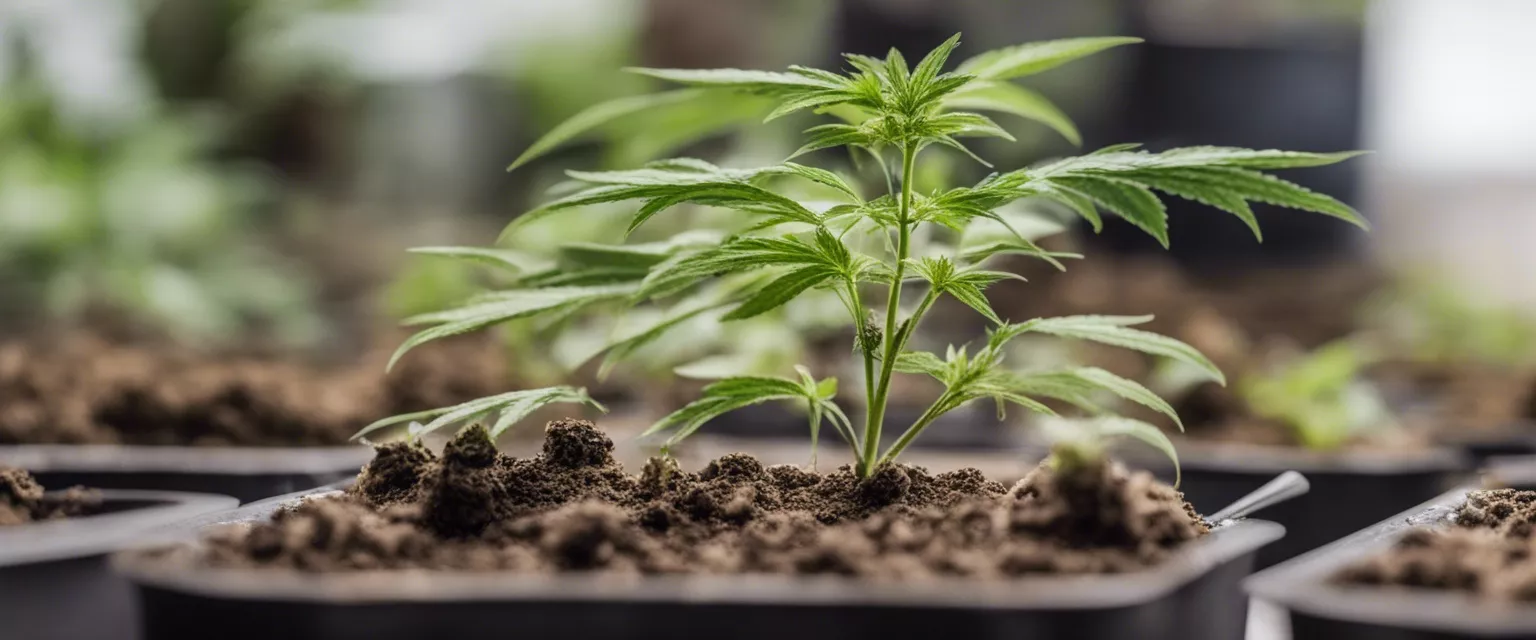
Cannabis cultivation is the practice of growing marijuana plants from seed or clone through to a finished, harvestable crop. It encompasses every decision a grower makes along the way: where the plant lives, what it eats, how much light it receives, and how its environment is controlled. At its core, cultivation is applied botany — a blend of horticultural science, environmental engineering, and patient observation that turns a tiny seed into a resin-rich flower.
The cultivation cycle is more involved than many people expect. Unlike many garden vegetables, cannabis responds dramatically to subtle shifts in light, temperature, and feeding. A plant grown under ideal conditions can produce dense, aromatic flowers loaded with cannabinoids and terpenes, while the same genetics grown carelessly may yield thin, low-potency buds.
Whether someone is a licensed commercial producer or a home grower tending a few plants, the fundamentals of cultivation remain consistent. Understanding those fundamentals — light, medium, nutrients, climate, and timing — gives any grower the foundation to produce quality cannabis reliably and to troubleshoot problems before they ruin a crop.
Indoor vs Outdoor Cultivation
One of the first and most consequential choices in cannabis cultivation is whether to grow indoors or outdoors. Each environment carries trade-offs in cost, control, yield, and the character of the final flower. Neither is universally "better" — the right choice depends on climate, budget, space, and goals.
Indoor cultivation offers total environmental control. Growers dictate the light schedule, temperature, humidity, and airflow, which allows for year-round harvests and highly consistent results. The trade-off is cost: lighting, ventilation, and climate equipment consume electricity and require upfront investment. Outdoor cultivation harnesses free sunlight and natural soil, dramatically lowering operating costs and allowing plants to grow much larger. The trade-off is exposure to weather, pests, and seasonal timing — outdoor growers typically get one harvest per year, dictated by the sun.
Many growers split the difference with greenhouses, which combine natural light with a sheltered, semi-controlled environment. The decision ultimately shapes everything downstream, from equipment budgets to the terpene profile of the finished crop.
- ☀️ Outdoor: Lowest cost, largest plants, one annual harvest, weather-dependent quality.
- 💡 Indoor: Full climate control, multiple harvests yearly, higher electricity and equipment costs.
- 🌿 Greenhouse: Hybrid approach using natural light plus partial environmental control.
How Cannabis Cultivation Works From Seed to Harvest
Cannabis cultivation follows a predictable sequence of growth stages, each with distinct needs. Knowing where a plant sits in its life cycle tells the grower how to light it, feed it, and manage its environment. The journey typically spans three to six months from start to finish, depending on genetics and method.
Germination and seedling stage mark the beginning, when a seed cracks open and sends out a taproot and first leaves. This delicate phase demands gentle moisture, mild light, and warmth. The vegetative stage follows, a period of vigorous leaf and stem growth fueled by long light hours — typically 18 hours of light per day indoors — and nitrogen-rich feeding. This is when the plant builds the structural framework that will eventually support its flowers.
The flowering stage is triggered when light shifts to a 12-hour cycle, signaling the plant to produce buds. Over the following weeks, resinous flowers swell and mature while the plant's nutrient needs shift toward phosphorus and potassium. Recognizing these transitions is the heart of successful photoperiod cultivation.
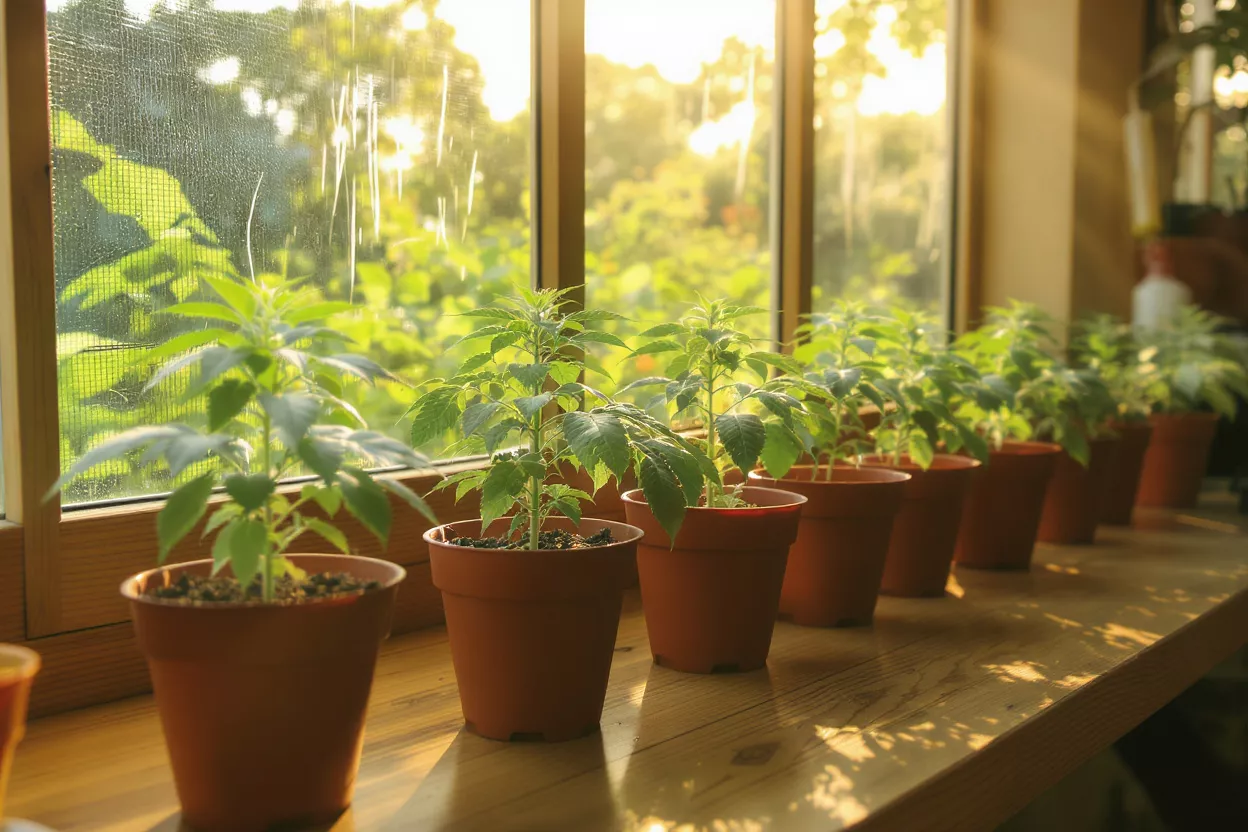
- 🌱 Germination: 3–10 days; seed sprouts a root and cotyledon leaves.
- 🍃 Vegetative: 3–8 weeks; rapid leaf and stem growth under 18 hours of light.
- 🌸 Flowering: 7–12 weeks; buds form under a 12-hour light cycle.
- ✂️ Harvest: Flowers cut, dried, and cured when trichomes reach peak maturity.
Lighting Systems for Indoor Cultivation
Light is the engine of cannabis cultivation. Indoors, the grower must supply every photon the plant uses for photosynthesis, which makes lighting one of the most important — and most debated — investments in any grow room. The type, intensity, and schedule of light directly shape yield, density, and cannabinoid production.
LED fixtures have become the modern standard for indoor cultivation thanks to their energy efficiency, low heat output, and long lifespan. They deliver a tunable spectrum that can be matched to each growth stage. High-intensity discharge lamps — including metal halide and high-pressure sodium — remain popular for their proven penetration and lower upfront cost, though they run hot and consume more power. Fluorescent and CFL lights suit seedlings and clones, where gentle, low-heat light is ideal.
Beyond fixture choice, the light schedule itself drives plant behavior. Vegetative growth thrives under long days, while the switch to a 12-hour cycle initiates flowering. Mastering this interplay between spectrum, intensity, and timing separates mediocre indoor harvests from exceptional ones.
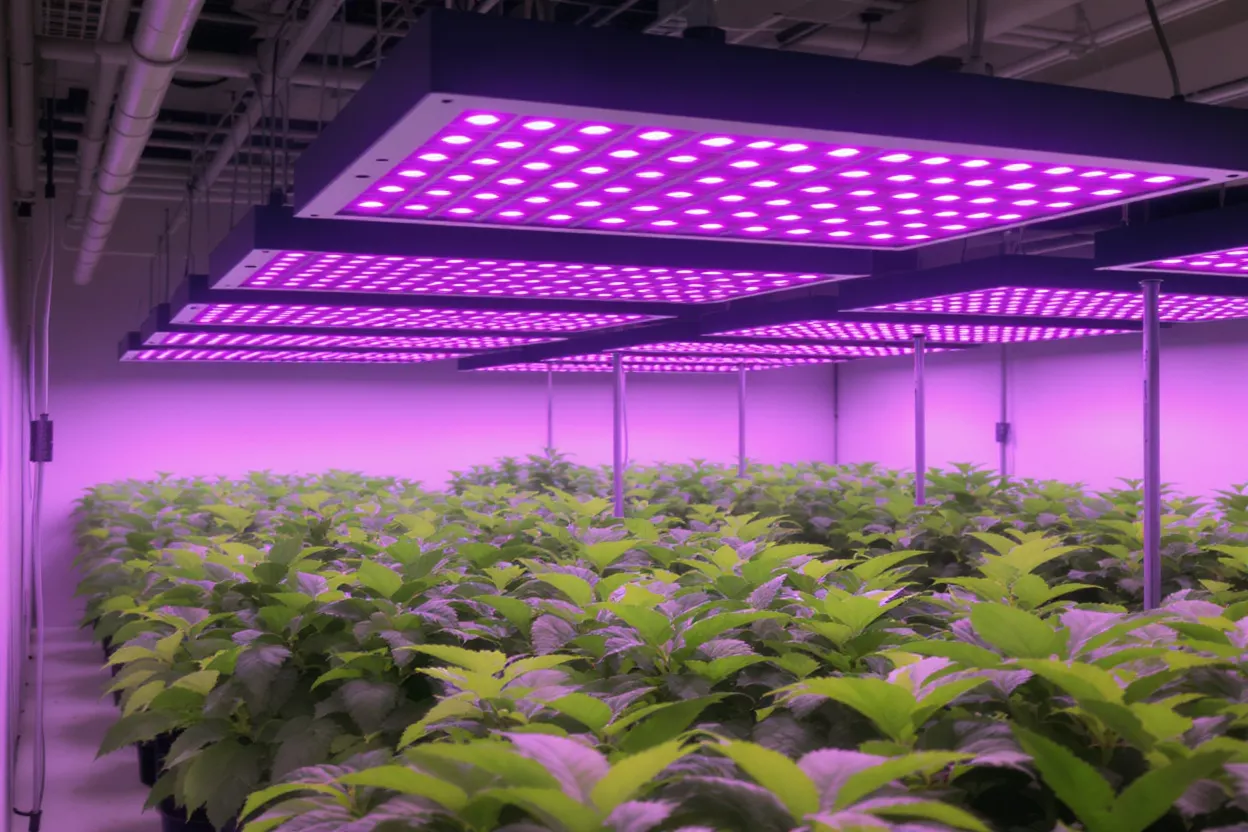
Consistency matters as much as raw power. A stable light schedule with no interruptions during the dark period prevents stress that can trigger hermaphroditism or stall flowering. Many growers automate their lighting with timers to guarantee that consistency night after night.
Soil vs Hydroponic Cultivation Methods
The growing medium — what the roots live in — is another defining choice in cultivation. The two broad camps are soil-based growing and hydroponics, where plants are fed through a soilless, water-based system. Each approach influences growth speed, flavor, and the grower's margin for error.
Soil cultivation is forgiving and beginner-friendly. Quality living soil contains a buffer of organic nutrients and beneficial microbes that feed the plant gradually, smoothing over minor mistakes in feeding. Many connoisseurs argue that organic soil produces a richer, more nuanced terpene profile. Hydroponic cultivation delivers nutrients directly to the roots in a water solution, often producing faster growth and bigger yields because the plant spends less energy searching for food.
Hydroponics demands precision: pH and nutrient concentration must be monitored closely, and a system failure can harm plants quickly. Soil is more tolerant but generally slower. Between these poles sit hybrid media like coco coir, which offers hydroponic-style responsiveness with some of soil's buffering forgiveness.
- 🪴 Soil: Forgiving, microbe-rich, prized for flavor, slower growth.
- 💧 Hydroponic: Faster growth, higher yields, demands precise pH and nutrient control.
- 🥥 Coco coir: Middle ground combining hydro responsiveness with soil-like buffering.
Nutrients and Feeding During Cultivation
Cannabis is a hungry plant, and its nutritional needs change dramatically across its life cycle. Feeding correctly is one of the most technical aspects of cultivation, and both underfeeding and overfeeding can stunt growth or burn the plant. Getting the balance right rewards the grower with vigorous, healthy flowers.
The three primary macronutrients are nitrogen, phosphorus, and potassium — the familiar N-P-K listed on every nutrient bottle. Nitrogen drives leafy vegetative growth, while phosphorus and potassium support flower development and resin production. Secondary nutrients and micronutrients such as calcium, magnesium, and iron play supporting roles, and deficiencies in any of them show up as telltale discoloration or spotting on the leaves.
Equally important is pH, which governs whether a plant can actually absorb the nutrients available to it. Cannabis prefers a slightly acidic root zone — roughly 6.0 to 6.5 in soil and 5.5 to 6.0 in hydroponics. When pH drifts out of range, plants can show deficiency symptoms even when nutrients are abundant, a frustrating trap known as nutrient lockout.
- 🌿 Nitrogen (N): Powers vegetative leaf and stem growth.
- 🌸 Phosphorus (P): Supports flowering, root development, and resin.
- 💪 Potassium (K): Strengthens overall plant health and bud density.
- ⚖️ pH balance: Keeps the root zone able to absorb every nutrient on offer.
Airflow, Humidity, and Climate Control
A healthy cannabis plant breathes. Air movement and climate control are often overlooked by new growers, yet they have an outsized impact on plant health, especially indoors where there is no natural breeze to do the work. Managing temperature, humidity, and airflow keeps plants strong and wards off some of cultivation's most damaging problems.
Airflow strengthens stems and prevents mold. A gentle, constant breeze from oscillating fans encourages sturdy growth and keeps stagnant pockets of humid air from settling around the canopy, where they would invite mold and mildew. Humidity must be tuned to the growth stage: seedlings and clones love high humidity around 65–70%, while flowering plants prefer drier air near 40–50% to protect their dense buds from bud rot.
Temperature ties the whole system together. Most cannabis thrives between roughly 20–28°C during the day, with a modest drop at night. Pairing temperature and humidity targets correctly — a measurement known as vapor pressure deficit — fine-tunes how efficiently the plant transpires and grows, separating good results from great ones.
Pest and Disease Management
Even a perfectly fed plant in ideal light can be ruined by pests or pathogens. Cultivation includes the ongoing job of protecting the crop, and the most effective approach is prevention rather than reaction. A vigilant grower catches problems while they are small and easily contained.
Common cannabis pests include spider mites, fungus gnats, aphids, and thrips, each leaving distinctive damage on leaves and roots. Integrated pest management — combining cleanliness, beneficial insects, and targeted organic treatments — keeps populations in check without dousing flowers in harsh chemicals. Fungal diseases like powdery mildew and bud rot thrive in stagnant, humid conditions, which is exactly why airflow and humidity control double as disease prevention.
Prevention starts with a clean grow space, healthy genetics, and quarantine of any new plants or clones. Regular inspection of the undersides of leaves, where many pests hide, lets a grower act before an infestation explodes. In flowering, treatment options narrow considerably, so the goal is to keep problems away long before harvest approaches.
- 🕷️ Spider mites: Tiny pests causing stippled leaves and fine webbing.
- 🦟 Fungus gnats: Larvae attack roots in overly wet soil.
- 🍄 Powdery mildew: White fungal coating thriving in humid, still air.
- 🛡️ Prevention: Cleanliness, airflow, and routine inspection beat any cure.
Harvesting, Drying, and Curing
The final phase of cultivation determines whether all the prior work pays off. Harvesting at the right moment, then drying and curing the flower properly, preserves potency, aroma, and smoothness. Rushing this stage can squander an otherwise excellent crop.
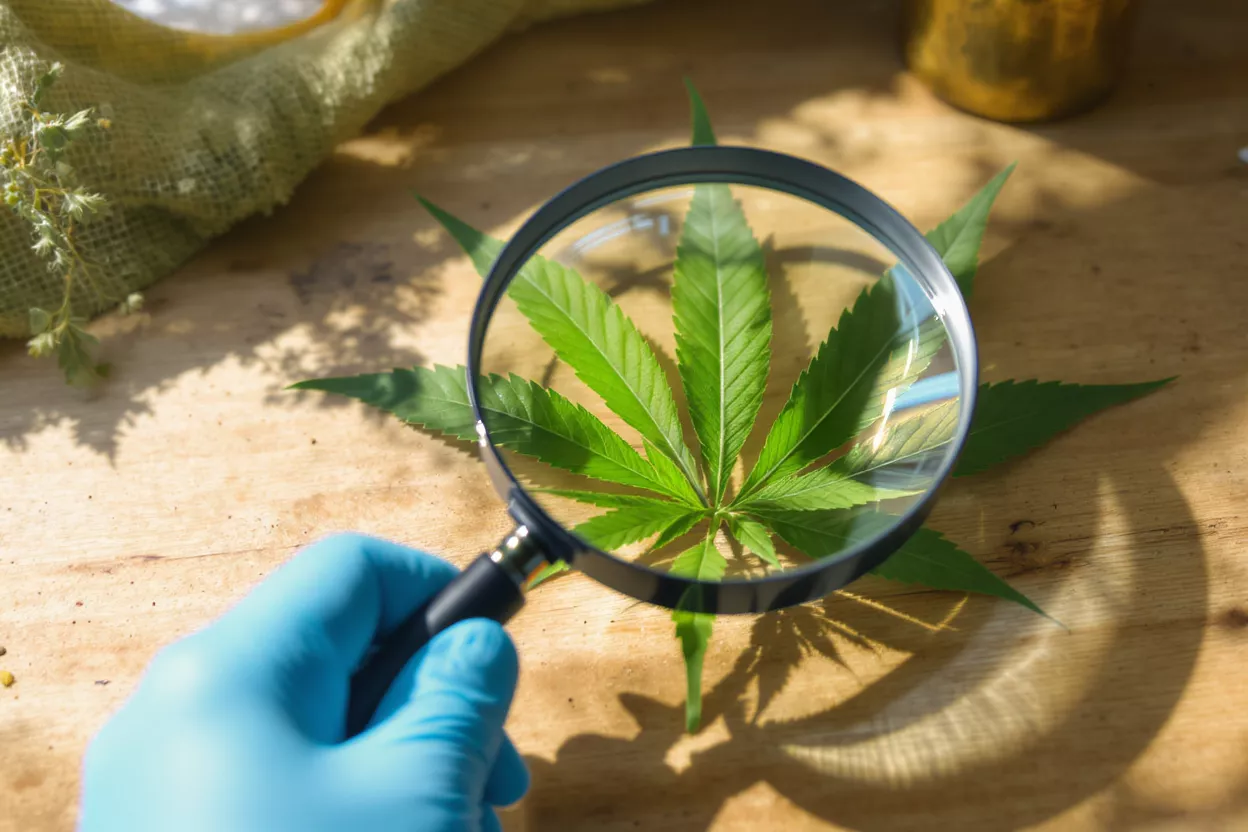
Timing the harvest hinges on the trichomes — the tiny resin glands coating the buds. Viewed under magnification, they shift from clear to milky white to amber, and most growers harvest when the majority appear milky with a touch of amber for peak potency and balanced effects. Cutting too early sacrifices yield and strength; cutting too late pushes the flower toward a more sedative profile.
Drying and curing develop the final character of the flower. After harvest, plants are dried slowly over one to two weeks in a cool, dark, ventilated space, then cured in sealed jars for several weeks. Curing allows chlorophyll to break down and harsh compounds to mellow, dramatically improving flavor, smoothness, and shelf life. Patience here is what separates artisanal flower from a rushed, hay-scented product.
Common Cultivation Mistakes to Avoid
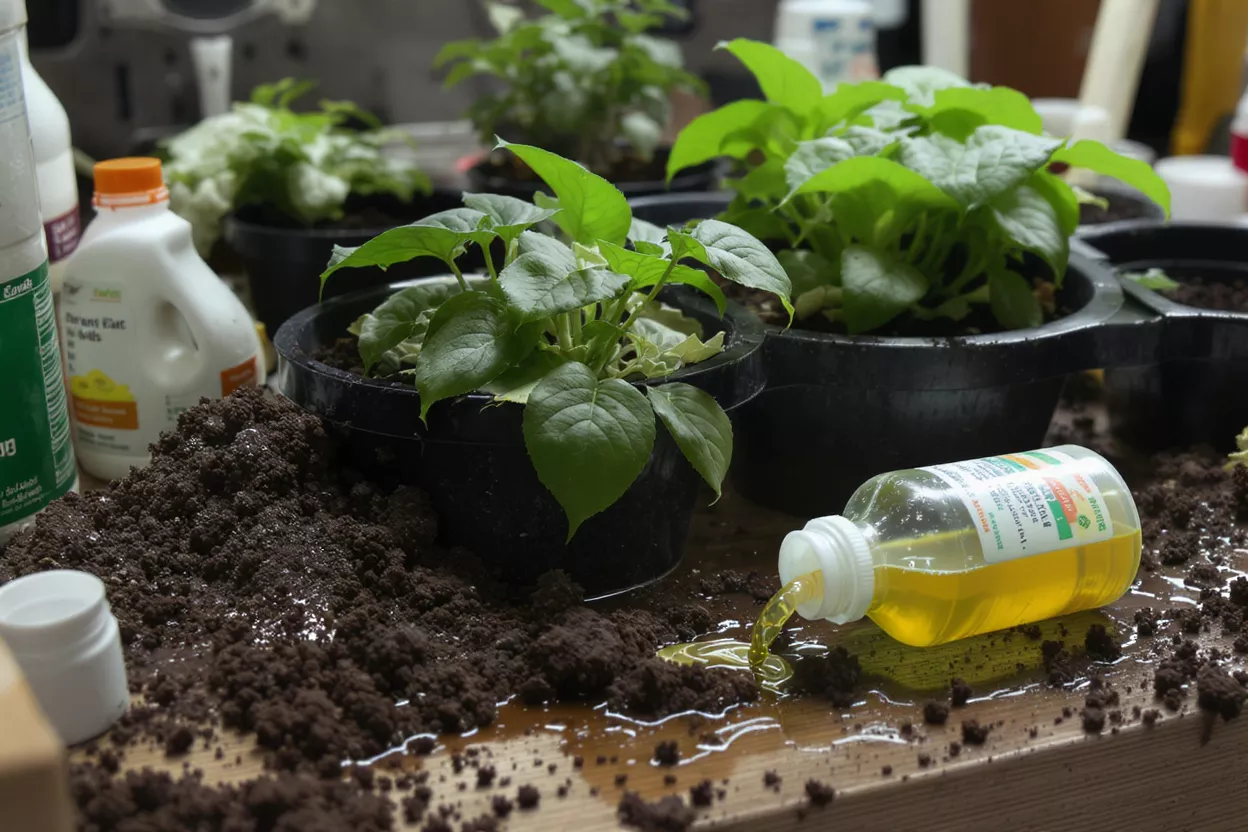
Most cultivation failures trace back to a handful of avoidable mistakes. New growers in particular tend to love their plants a little too much — overwatering and overfeeding rank among the most common ways to harm an otherwise healthy crop. Learning to read the plant and resist the urge to constantly intervene is a hallmark of an experienced grower.
Overwatering suffocates roots, which need oxygen as much as moisture; the fix is to let the medium dry appropriately between waterings. Nutrient burn from overfeeding scorches leaf tips and signals that less is often more. Many growers chase bigger yields with heavier feeding, only to damage the very plants they are trying to boost. Ignoring pH, neglecting airflow, and harvesting impatiently round out the list of frequent missteps.
Cannabis cultivation rewards observation, consistency, and restraint far more than expensive equipment or aggressive intervention. By respecting the plant's life cycle, dialing in light, medium, nutrients, and climate, and protecting the crop through to a patient cure, any grower can produce clean, potent, flavorful flower. The fundamentals covered here — from germination to curing — form a reliable foundation, and mastering them turns cultivation from a gamble into a craft worth refining season after season.

Comments