


CBD for Nerve Pain 2026: Benefits, Uses, and Effectiveness Overview
Discover how CBD for nerve pain works, what research says, and which products help most.
Nerve pain has a way of refusing to behave like other discomfort. It burns, tingles, shoots, and lingers long after an injury has healed, which is exactly why so many people exhaust conventional options before looking elsewhere. CBD for nerve pain has become one of the most searched wellness topics of the decade, and for good reason: the cannabinoid interacts with the body's own pain-regulating systems in ways that pharmaceuticals often cannot replicate. This guide breaks down what the science actually says, how different products work, and how to choose something that fits your situation without the marketing noise.
Neuropathic pain stems from damage or dysfunction in the nervous system itself rather than from tissue injury. That distinction matters because it explains why standard painkillers frequently fall short. Diabetic neuropathy, sciatica, post-shingles pain, and chemotherapy-induced nerve damage all share this frustrating quality of misfiring nerve signals. Understanding the mechanism is the first step toward understanding why a plant compound has earned serious attention from researchers and patients alike.
Throughout this overview we'll keep the focus practical. You don't need a biochemistry degree to use CBD effectively, but a working grasp of how it behaves makes every purchasing decision smarter. Let's start with the fundamentals before moving into research, product types, dosing, and safety.
What Is CBD for Nerve Pain?
CBD as a compound: Cannabidiol is one of more than a hundred cannabinoids found in the cannabis plant. Unlike THC, it produces no intoxicating high, which makes it appealing to people who want symptom relief while staying clear-headed at work or behind the wheel. When people talk about CBD for nerve pain, they're referring to using this non-psychoactive molecule to calm overactive nerve signalling and the inflammation that often accompanies it.
The interest in CBD for pain didn't emerge from nowhere. As cannabis prohibition eased across North America, researchers gained the freedom to study individual cannabinoids in isolation, and CBD quickly stood out for its broad therapeutic profile and gentle side-effect picture. According to the Cleveland Clinic, CBD shows genuine promise for several chronic pain conditions, though clinicians stress that quality and dosing vary widely between products.
Why nerve pain specifically: Neuropathic pain is notoriously resistant to over-the-counter treatments because it originates in the signalling pathway rather than at a site of injury. CBD's ability to influence those pathways—rather than simply masking a sensation—is what separates it from a basic analgesic. That mechanistic difference is the reason it has become a serious topic of conversation among people living with conditions that conventional medicine struggles to address.
How CBD for Nerve Pain Works in the Body
The endocannabinoid system: Your body produces its own cannabinoids and maintains a network of receptors known as the endocannabinoid system, or ECS. This system helps regulate pain perception, mood, sleep, and immune response. CBD doesn't bind directly to the main ECS receptors the way THC does; instead, it modulates their activity and slows the breakdown of your natural endocannabinoids, effectively amplifying signals your body already uses to keep pain in check.
Beyond the ECS, CBD interacts with receptors involved in pain and inflammation more broadly. It influences TRPV1 receptors, which govern how we perceive heat and pain, and it affects serotonin receptors that play a role in pain modulation and mood. This multi-target behaviour helps explain why some users report relief that feels different from a simple numbing effect.

Calming the inflammatory response: Nerve pain frequently involves an inflammatory component, with damaged tissue releasing signalling molecules that sensitise surrounding nerves. CBD's anti-inflammatory properties may help dial down that cascade, reducing the hypersensitivity that makes neuropathic pain so relentless. For people researching cbd oil for pain, this dual action—calming both nerve signalling and inflammation—is the core of its appeal. Many who add a full-spectrum CBD tincture to their routine notice the cumulative benefits build over a few weeks rather than arriving instantly.
What the Research Says About CBD for Pain
Clinical evidence so far: Research into CBD for nerve pain has accelerated dramatically, with studies examining everything from diabetic neuropathy to multiple sclerosis-related discomfort. While much of the strongest data involves combination products containing both CBD and THC, a growing body of work suggests CBD on its own carries meaningful anti-neuropathic and anti-inflammatory potential. Reviews of preclinical and early human trials consistently point toward CBD reducing nerve-related hypersensitivity.
It's worth being honest about the limitations. Many studies remain small, and researchers openly call for larger, longer trials to establish standardised dosing. That said, the safety profile that emerges across this literature is reassuring, and the anecdotal reports from people managing chronic conditions add real-world weight to the laboratory findings. The amino acid Theanine and compounds like Lion's Mane are sometimes paired with CBD in wellness stacks, though those combinations are still being studied.
The takeaway isn't that CBD is a miracle cure—it's that the evidence supports trying it as part of a thoughtful pain-management strategy, particularly when conventional options have disappointed. Quality matters enormously here, since unregulated products vary wildly in actual cannabinoid content.
- 🧠 Neuropathic relief: Studies suggest CBD reduces nerve hypersensitivity rather than simply masking pain.
- 🔬 Anti-inflammatory action: CBD may calm the inflammatory signalling that amplifies nerve pain.
- 📊 Growing evidence: Early trials are promising, though larger studies are still needed.
- 🌿 Favourable safety: Side effects tend to be mild compared with many prescription alternatives.
Types of CBD Products for Pain Relief
Choosing a delivery format: The way you take CBD shapes how quickly it works and how long the effects last. Oils and tinctures taken under the tongue absorb relatively quickly, while capsules and edibles take longer but provide steady, long-lasting coverage. Topicals deliver targeted relief to a specific area without entering the bloodstream in significant amounts, making them ideal for localised nerve or joint discomfort.
Each format suits a different lifestyle and pain pattern. Someone with widespread neuropathic symptoms might favour a systemic approach through oil or cbd pills for pain, whereas a person with a flaring lower back may reach for a cream they can apply exactly where it hurts. Vape options exist too, and a thc vape pen or CBD vape offers the fastest onset, though inhalation isn't for everyone.
Full-spectrum versus isolate: Full-spectrum products contain the plant's complete range of cannabinoids and terpenes, including trace THC, which many believe enhances effectiveness through the entourage effect. Broad-spectrum keeps the supporting compounds but removes THC, while isolate is pure CBD alone. Terpenes like Terpinolene and Valencene contribute aroma and may add subtle effects of their own, and terpinolene effects are an active area of curiosity among formulators.
- 💧 Oils and tinctures: Flexible dosing and moderately fast onset for whole-body relief.
- 💊 Capsules and pills: Consistent, measured doses that last for hours.
- 🧴 Topicals and creams: Targeted application for localised nerve and joint pain.
- 🍬 Edibles and gummies: Convenient and discreet, with slower but lasting effects.
Is CBD Oil for Pain Worth Trying?
Why oil remains popular: CBD oil is the format most people picture when they imagine taking cannabidiol, and its enduring popularity comes down to versatility. Placed under the tongue, it absorbs through the tissues for a relatively quick effect, and the dropper makes it simple to fine-tune your dose drop by drop. For anyone new to using cbd oil for pain, this control is invaluable while you discover what your body needs.
Oil also lends itself to a layered routine. You can take a baseline dose in the morning and a top-up in the evening, smoothing out the peaks and troughs that can come with longer-lasting capsules. Some people stir it into a warm drink, and a cup of CBD-infused thc tea has become a soothing nightly ritual for those who find that warmth eases tension alongside the cannabinoid itself.
The honest drawback is taste—natural full-spectrum oils carry an earthy, grassy flavour that not everyone enjoys, though flavoured options exist. Quality is everything: look for third-party lab results confirming cannabinoid content and screening for contaminants. A reputable lab-tested CBD oil removes the guesswork and ensures you're getting what the label promises.
CBD Cream for Back Pain and Localized Relief
How topicals work: CBD creams, balms, and salves are designed for direct application to the skin over a painful area. Rather than circulating through your whole system, the cannabinoid interacts with receptors in the skin and underlying tissue, concentrating its effect where you need it. For back pain, sciatica flares, or a specific aching joint, this targeted delivery is often exactly what people are looking for.
Searches for cbd cream for back pain and cbd pain cream canada have climbed steadily as more people discover topicals. The appeal is practical: you can apply a cream during a flare without affecting your alertness, and many formulations include complementary ingredients like menthol or arnica that provide additional cooling or soothing sensations. Antioxidants such as Tocopherol—vitamin E—often appear in these blends to support skin health.
Getting the most from a topical: Application technique matters more than people expect. Massage the product thoroughly into clean skin and give it time to absorb before covering the area with clothing. Reapply as needed, since topical effects are localised and don't build a systemic reserve the way oral products do. For stubborn lower-back tension, a generous CBD pain relief cream applied morning and night can become a dependable part of your routine.
CBD Dosage for Pain: How Much Should You Take?
Start low and go slow: There's no universal cbd dosage for pain because the right amount depends on your body weight, metabolism, the severity of your symptoms, and the product's concentration. The widely recommended approach is to begin with a modest dose—often 10 to 20 milligrams per day—and increase gradually every few days until you find the level that delivers relief without unwanted effects.
Keeping a simple journal helps enormously. Note your dose, the time you took it, and how you felt over the following hours. Patterns emerge quickly, and within a couple of weeks most people identify a sweet spot. Because CBD has a wide therapeutic window, the risk of taking slightly too much is generally limited to mild drowsiness or an upset stomach rather than anything dangerous.
Remember that different formats call for different dosing logic. Sublingual oil works faster, so you can adjust within an hour or two, while edibles and capsules need more patience because they pass through digestion first. If you take other medications, a quick conversation with your doctor about potential interactions is a sensible precaution before settling on a routine.
CBD for Joint Pain and Inflammation
Where nerve and joint pain overlap: Many people researching CBD for nerve pain also contend with joint discomfort, and the two often travel together. Inflammatory joint conditions can compress or irritate nearby nerves, blurring the line between a joint problem and a neuropathic one. CBD's anti-inflammatory properties make it a logical candidate for tackling both at once, which is part of why cbd for joint pain has become such a common search.
A combined strategy frequently works best. Using an oral product for systemic, whole-body coverage alongside a topical applied directly to an inflamed knee or wrist lets you address pain on two fronts. The systemic dose helps modulate the broader inflammatory and nerve-signalling environment, while the cream concentrates relief exactly where mobility suffers most.
Consistency tends to outperform sporadic use for joint-related discomfort. Inflammation builds and recedes over time, so maintaining steady cannabinoid levels gives your body a continuous baseline rather than chasing each flare after it arrives. Pairing CBD with gentle movement, adequate sleep, and supportive nutrition compounds the benefit considerably.
Are CBD Products Safe for Nerve Pain?
The safety picture: CBD carries a reassuring safety profile, with major health reviews consistently describing it as well tolerated in most people. The most common side effects—drowsiness, dry mouth, changes in appetite, or mild digestive upset—are generally minor and often fade as your body adjusts. Compared with the long list of risks attached to many prescription pain medications, this gentleness is a significant part of CBD's appeal.
The most important safety consideration is drug interactions. CBD is processed by the same liver enzymes that metabolise many common medications, which means it can alter how those drugs behave in your system. If you take blood thinners, seizure medication, or anything with a grapefruit warning on the label, talk to a healthcare provider before starting. This isn't a reason to avoid CBD—it's simply a reason to use it thoughtfully.
Product quality is the other half of the safety equation. Because the supplement market is loosely regulated, contaminants and inaccurate labelling are real risks with unvetted brands. Always choose products backed by third-party lab testing, and avoid anything that makes outlandish curative claims. A trustworthy company will share its certificates of analysis openly and let the testing speak for itself.


Pumpkin Spice Latte CBD Chocolate Bar 500mg / 24pcs – BIRCH+FOG
Autumn's favourite flavour, dosed for calm. Twenty-four squares of Belgian milk chocolate deliver authentic pumpkin-spice-latte warmth alongside 500mg of CBD — about 21mg per piece. It's the cozy ritual upgraded: a square with your afternoon coffee or under an evening blanket, comfort flavour and gentle ease arriving together. Familiar, seasonal, and precisely portioned for whatever unwind the day calls for.
- Stress Relief : 500mg CBD provides powerful anxiety and stress reduction
- Mood Enhancement : Comfort flavors combined with CBD create natural mood boost
- Pain Management : Anti-inflammatory properties help with chronic pain relief
- Portion Control : Pre-marked squares make dosing accurate and consistent
- Comfort Factor : Familiar flavors provide emotional comfort beyond CBD benefits
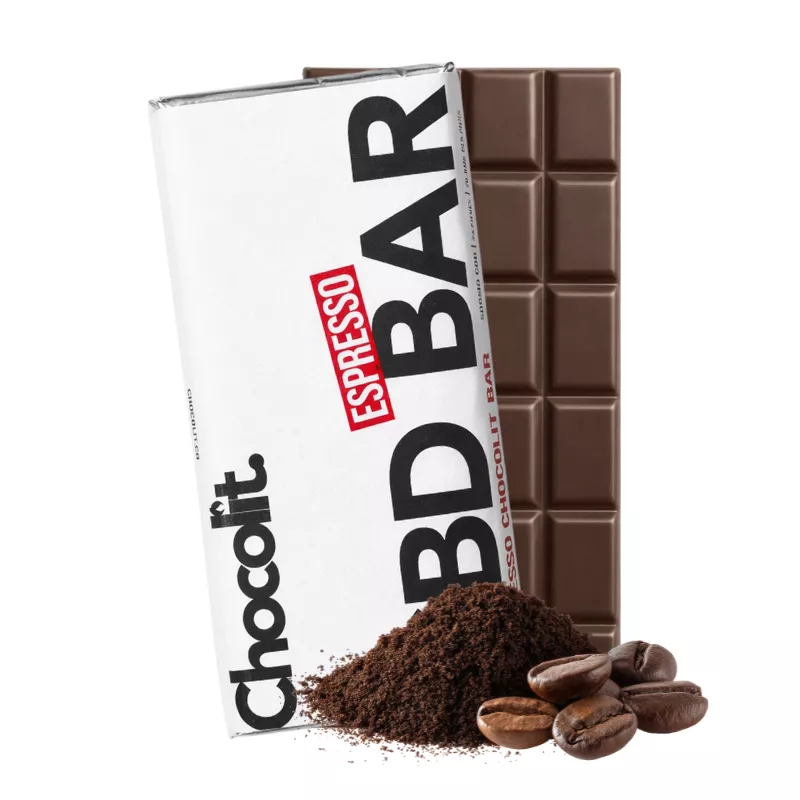
Espresso CBD Vegan Dark Chocolate 500mg / 24pcs – Chocolit
Bold coffee, quiet calm. Chocolit's Espresso CBD bar infuses vegan dark chocolate with rich espresso essence and 500mg of CBD across 24 squares — deep, roasty, and soothing, with no high. A square takes the edge off a stressful afternoon or eases the evening wind-down. Sophisticated, plant-based indulgence that calms instead of buzzes.
- Daily Stress Management: High-potency 500mg formulation provides sustained relief from modern life pressures and anxiety-inducing situations.
- Anti-Inflammatory Support: CBD's natural properties may help reduce exercise-induced inflammation and support faster muscle recovery.
- Mood Stabilization: Dark chocolate's natural mood-enhancing compounds work synergistically with CBD to promote emotional balance and mental clarity.
- Sleep Quality Enhancement : Perfect evening ritual that supports natural sleep cycles without morning grogginess
- Digestive Wellness: Gentle on the stomach with prebiotic benefits from dark chocolate, supporting gut health alongside cannabinoid absorption.
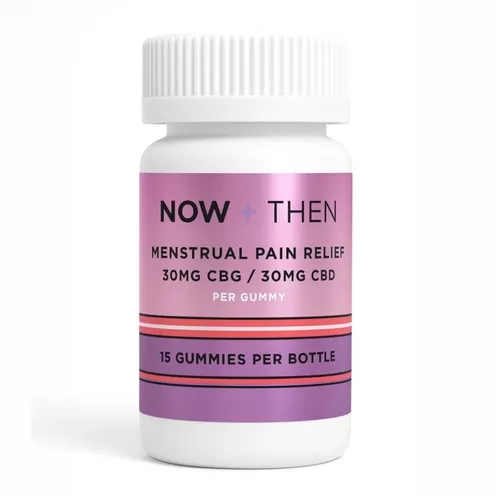
Menstrual Pain Relief Gummies 30mg CBD : CBG x 15 pcs (450mg) – NOW+THEN
Period relief, reimagined. NOW+THEN's Menstrual gummies pair 30mg of CBD with 30mg of CBG in each tropical-flavoured piece — a dual-cannabinoid approach to the cramps and tension that come with that time of the month. No high, just steady, comforting support in a chewable you'll actually look forward to. Fifteen sweet, soothing bites for tougher days.
- Pain Receptor Modulation: CBG directly influences endocannabinoid receptors responsible for pain signaling in reproductive tissues
- Inflammatory Response Management: CBD reduces prostaglandin production that causes uterine contractions and cramping intensity
- Nervous System Regulation: Cannabinoid interaction with GABA pathways promotes relaxation and anxiety reduction
- Circulatory Enhancement: Improved blood flow reduces tissue hypoxia that contributes to menstrual pain severity
- Endocrine System Support: Natural compounds help regulate hormonal fluctuations without disrupting natural cycles
Choosing the Right CBD Product in 2026
What to prioritise: With the market more crowded than ever, knowing how to evaluate a product cuts through the clutter. Start with transparency: a brand worth your money publishes detailed lab reports, lists exact cannabinoid concentrations, and explains where its hemp is grown. Sun-grown, organically cultivated hemp is generally preferable, and clear sourcing signals a company that takes quality seriously.
Match the product to your pain pattern rather than the marketing. If your nerve pain is widespread, lean toward a quality oil or capsule for systemic coverage; if it's concentrated in one area, a topical makes more sense. Many people end up combining formats, and a thoughtful broad-spectrum CBD capsule can anchor a routine that also includes a cream for flare-ups. Consider concentration too—higher-strength products often offer better value per milligram even if the upfront price looks steeper.
Finally, give any new product a fair trial. CBD frequently works best when levels build steadily, so commit to consistent daily use for two to four weeks before judging the results. Track your symptoms, adjust your dose methodically, and remember that finding the right fit is a process rather than an instant fix. With patience and attention to quality, CBD can become a genuinely valuable tool for managing the stubborn, frustrating reality of nerve pain.
Nerve pain rarely yields to a single solution, but CBD offers a research-backed, well-tolerated option that addresses the problem from multiple angles—calming overactive signalling, easing inflammation, and doing so without the heavy side-effect burden of many alternatives. Whether you start with an oil, a cream, or a combination, the keys are quality, consistency, and a willingness to fine-tune. Approach it as part of a broader wellness strategy, lean on third-party testing, and you'll be well positioned to find the relief that has stayed out of reach for too long.






Comments