Full-spectrum vs. broad-spectrum CBD
Discover the key differences in full-spectrum vs broad-spectrum CBD.
Walk into any dispensary or browse an online shop and you will quickly run into a fork in the road: the debate of full-spectrum vs broad-spectrum CBD. These two terms describe how a hemp extract is built, what compounds it carries, and ultimately how it might feel when you use it. For newcomers and seasoned users alike, the distinction matters because it shapes everything from potency to whether a trace of THC shows up in your bottle. This guide breaks down each format in plain language, weighs the science, and helps you choose the extract that fits your goals.
Cannabis is a remarkably complex plant. Beyond cannabidiol itself, hemp produces dozens of minor cannabinoids, aromatic terpenes, and other plant molecules that each play a subtle role. How a manufacturer preserves or removes those compounds is the entire crux of the full-spectrum versus broad-spectrum conversation. Understanding the difference puts you in control rather than leaving you guessing at the checkout page.
What Is Full-Spectrum CBD?
Full-spectrum CBD is an extract that keeps the whole chemical profile of the hemp plant intact. That means cannabidiol sits alongside minor cannabinoids like CBN and CBG, a full bouquet of terpenes such as valencene and myrcene, flavonoids, and a legally limited amount of THC. Nothing is intentionally stripped out, so the bottle reflects the plant as nature assembled it. Many enthusiasts describe this as the closest you can get to consuming raw hemp without lighting up a spliff.
Why people choose full-spectrum: The appeal is the synergy between compounds. Researchers studying cannabis chemistry, as documented by Analytical Cannabis, suggest that cannabinoids and terpenes may work better together than in isolation. For someone seeking the most plant-faithful experience, a full-spectrum CBD oil delivers the broadest range of active molecules in a single dose.
The trade-off is the THC content. Although capped at 0.3% by weight in hemp-derived products, that fraction is enough to concern anyone facing routine drug screening. The amount is far too low to cause intoxication, but it is detectable, and sensitivity to it varies from person to person.
What Is Broad-Spectrum CBD?
Broad-spectrum CBD occupies the middle ground. It retains the supporting cast of minor cannabinoids, terpenes, and flavonoids found in full-spectrum extracts, but the THC is removed through additional processing. In effect, you keep most of the plant's complexity while erasing the one compound many users want to avoid. Think of it as full-spectrum with the THC carefully filtered out.
Who benefits most from broad-spectrum: Professionals subject to workplace testing, parents, athletes, and the simply cautious gravitate toward this format. It offers a richer profile than pure isolate yet sidesteps the THC question entirely. For a wake and bake routine that needs to keep you sharp and screening-safe, broad-spectrum is a sensible default.
Because removing THC requires extra steps, the terpene and cannabinoid balance can shift slightly during manufacturing. A well-made broad-spectrum product reintroduces or preserves key terpenes like valencene to keep the aromatic and potential synergistic value as close to whole-plant as possible.
Full-Spectrum vs Broad-Spectrum CBD: Key Differences
When you line up full-spectrum vs broad-spectrum CBD side by side, the differences come down to three variables: THC presence, compound completeness, and intended use case. Everything else is marketing language layered on top of those fundamentals. Getting clear on these axes makes the choice almost mechanical.
Here is a quick comparison to anchor the distinction in your mind before we dig into the deeper science:
- 🌿 Full-spectrum: All cannabinoids including up to 0.3% THC, full terpene and flavonoid profile, strongest entourage potential.
- 🍃 Broad-spectrum: Most cannabinoids and terpenes, THC removed, near-complete synergy without the intoxicant.
- 💧 Isolate: Pure CBD only, no other compounds, zero entourage effect, fully flavorless.
- 🔬 Testing: Only full-spectrum carries a measurable THC risk on a drug screen.
Notice that isolate sits at the far end as a useful reference point. It is the simplest possible product, but stripping everything away also removes the supporting compounds that may amplify cannabidiol's effects. The full-spectrum and broad-spectrum formats both aim to retain that supporting cast in different measures.
How the Entourage Effect Works
The entourage effect is the theory that hemp's many compounds produce a greater combined result than any single molecule on its own. Cannabidiol delivers its effects, but terpenes, flavonoids, and minor cannabinoids may modulate, extend, or smooth those effects in ways isolated CBD cannot match. This concept is the single biggest reason people lean toward full or broad-spectrum over isolate.
Terpenes do more than smell good: Compounds like valencene contribute citrus aromatics, while others lend earthy or piney notes reminiscent of a classic Thai stick. Beyond aroma, terpenes are thought to influence how cannabinoids interact with the body. Pairing CBD with a calming amino acid like theanine, or botanicals such as valerian, follows the same logic of complementary compounds working in concert.
The science is still maturing. While early laboratory work supports the idea of cannabinoid-terpene synergy, robust human trials remain limited. That uncertainty is worth keeping in mind: the entourage effect is a compelling, plausible model rather than a settled fact. Choosing a broad-spectrum CBD tincture lets you explore that synergy while keeping THC out of the equation.
Does Full-Spectrum CBD Contain THC?
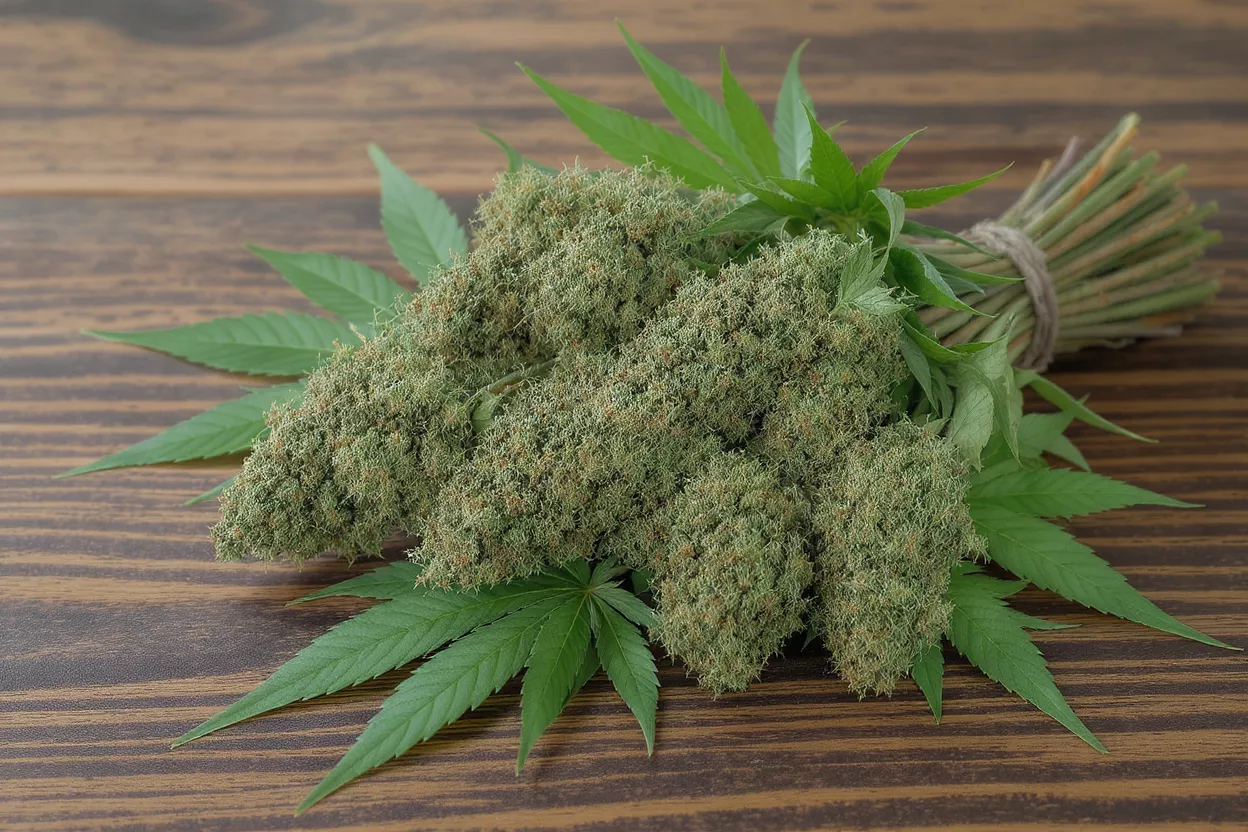
Yes, full-spectrum CBD contains THC by definition, but the amount is tightly capped. Hemp-derived products in North America must contain no more than 0.3% THC by dry weight. At that concentration, the psychoactive impact is negligible for the overwhelming majority of users. You will not feel high from a standard serving of compliant full-spectrum oil.
The drug-test question: The catch is detectability. Even trace THC can accumulate in fat tissue with regular daily use, and a sensitive screen may flag it. This is not about the dramatic potency of zaza-grade flower or a concentrated thc shatter bar; it is about cumulative micro-amounts. If your livelihood depends on passing tests, broad-spectrum or isolate removes the risk entirely.
It is also worth distinguishing hemp-derived full-spectrum from cannabis-derived extracts you might find at a 710 dab session. The latter can carry far higher THC levels and very different legal status. Full-spectrum hemp CBD lives in a regulated lane where the THC ceiling is fixed and verifiable through lab reporting.
How CBD Extracts Are Made
Most premium CBD begins with CO2 or ethanol extraction, which pulls cannabinoids and terpenes out of raw hemp biomass. The crude oil that results is then refined through a series of steps that determine whether the final product becomes full-spectrum, broad-spectrum, or isolate. Each stage of purification trades complexity for precision.
Winterization is a key step in this process, using cold temperatures to separate waxes and lipids from the desirable compounds. Further distillation and chromatography can selectively remove THC for broad-spectrum products. Stabilizers such as xanthan gum may appear in certain finished formulations like gummies to control texture, while natural pigments such as xanthophyll occasionally color plant-based products.
Here is how the major production paths compare once extraction is complete:
- 🧪 Full-spectrum path: Extract, winterize, gently distill, preserve the natural THC and terpene profile.
- ⚗️ Broad-spectrum path: Extract, winterize, distill, then chromatographically strip THC while retaining other compounds.
- 💎 Isolate path: Extract and refine repeatedly until only crystalline CBD remains.

Which CBD Spectrum Is Right for You?
Choosing between full-spectrum vs broad-spectrum CBD ultimately depends on your priorities. If you want the most complete plant experience and have no concerns about trace THC, full-spectrum is the natural pick. If you value the supporting compounds but cannot risk any THC exposure, broad-spectrum was practically designed for you.
Match the format to your lifestyle: Consider your testing situation, your sensitivity to cannabinoids, and how you intend to use the product. Someone applying a topical 2025 formula to a sore joint has different needs than someone taking daily drops for general wellness. The delivery method and the spectrum work together to shape your experience.
Start low and adjust slowly regardless of which you choose. A CBD wellness starter kit that includes graduated dosing makes it easier to find your personal sweet spot without overcommitting to one strength. Patience pays off more than chasing a large dose on day one.
Full-Spectrum vs Broad-Spectrum CBD for Sleep and Stress
For sleep and stress, the spectrum debate becomes especially interesting. The minor cannabinoid CBN, often present in fuller extracts, is widely associated with restfulness, and full-spectrum products tend to carry more of these supporting molecules. The small THC fraction may also contribute to the relaxing profile some users report at bedtime.
Broad-spectrum still offers a compelling option for evening use, particularly when paired with sleep-friendly botanicals. Many formulations blend CBD with theanine or valerian root to encourage calm without any THC at all. This stacking approach lets you build a routine that suits your body while staying screening-safe through the workweek.
Stress management often favors consistency over intensity. Rather than a heavy dose, a modest daily serving taken at the same time each day tends to produce steadier results. Whether you reach for a tincture before bed or a capsule with your morning coffee, the spectrum you choose simply tunes the supporting cast around the cannabidiol doing the heavy lifting.
Are Full-Spectrum and Broad-Spectrum CBD Safe?
Both formats are generally well tolerated by healthy adults. CBD itself has a favorable safety profile, with most reported side effects being mild, such as drowsiness, dry mouth, or minor digestive upset. Quality matters far more than spectrum when it comes to safety, since contaminants and inaccurate labeling are the real risks in an underregulated market.
What to verify before buying: Always look for a current certificate of analysis from an independent lab. This document confirms the cannabinoid content, verifies the THC level, and screens for pesticides, heavy metals, and residual solvents. Without it, you are trusting marketing copy over verified data.
Drug interactions deserve attention too. CBD can affect how the liver metabolizes certain medications, so anyone on prescription drugs should consult a physician before starting. This is not a reason for alarm, simply a sensible precaution that applies equally to full-spectrum and broad-spectrum products.
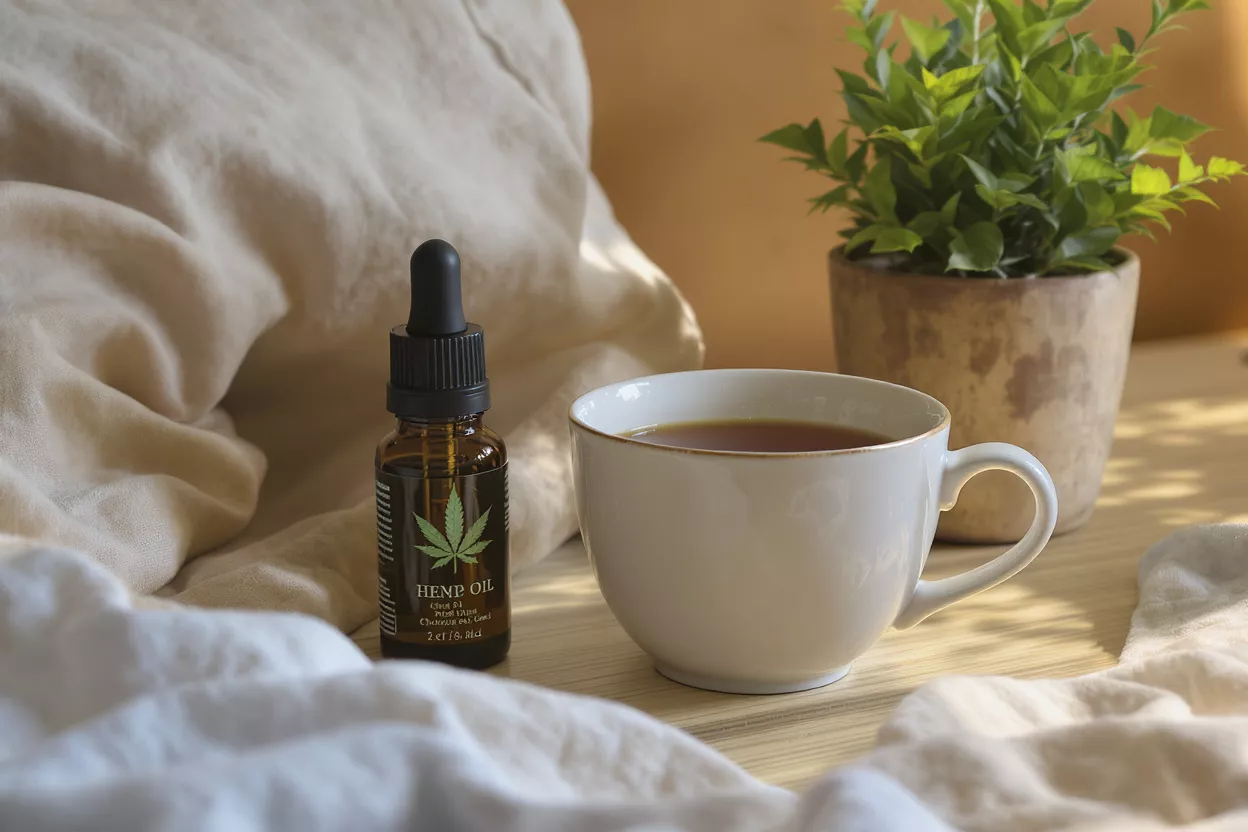


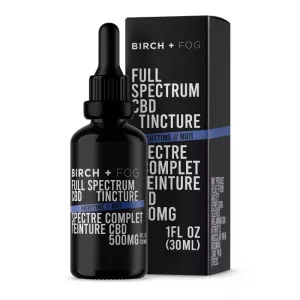
Full Spectrum CBD Tincture Nighttime 500mg – BIRCH+FOG
A gentle on-ramp to better evenings. This 500mg full-spectrum tincture leans on the plant's natural entourage to quiet a busy mind and ease you toward sleep — without the heavy, over-sedated morning after. Low and forgiving, it's the ideal first nighttime CBD: a few drops after dinner to soften the day's edges and settle into a calmer wind-down.
- Gentle Sedation : Promotes sleep without heavy drowsiness
- Stress Relief : Calms end-of-day anxiety naturally
- Easy Introduction : Perfect first CBD sleep product
- Flexible Use : Works for sleep or daytime calm
- Natural Rhythm : Supports healthy sleep patterns
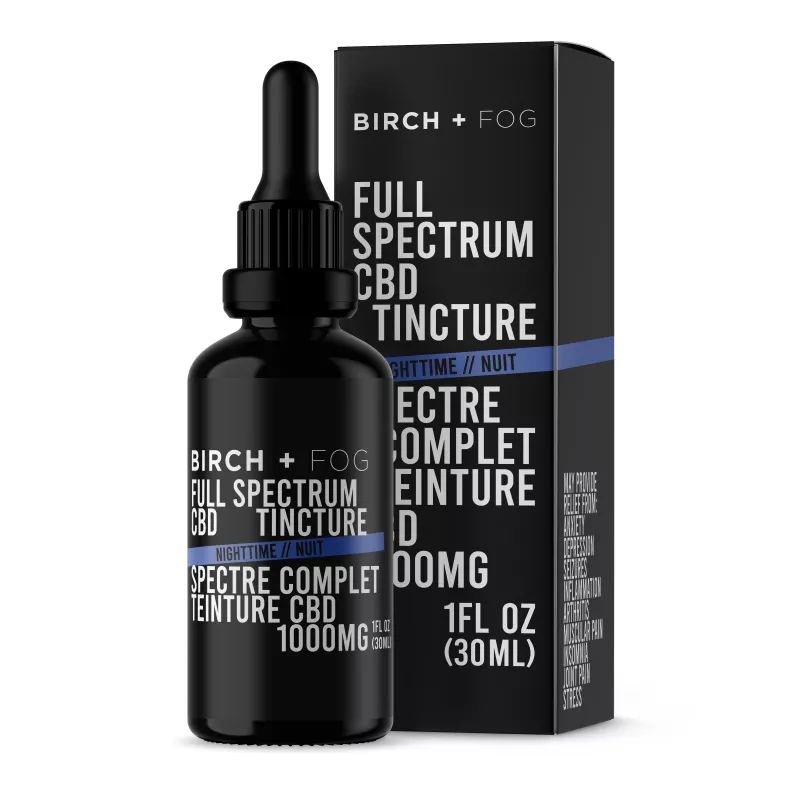
Full Spectrum CBD Tincture Nighttime 1000mg – BIRCH+FOG
For nights when your thoughts won't clock out. Birch+Fog's 1000mg full-spectrum nighttime tincture blends potent cannabinoids with sleep-friendly compounds to loosen physical tension and hush the mental chatter that keeps you staring at the ceiling. A dropper before bed helps you drift down into deeper, steadier sleep — and wake clear rather than groggy.
- Deep Sleep : Achieve restorative REM and deep sleep cycles
- Anxiety Relief : Quiet racing thoughts that prevent rest
- Physical Relaxation : Release muscle tension and restlessness
- Natural Rhythm : Support healthy circadian patterns
- Morning Clarity : Wake refreshed without grogginess
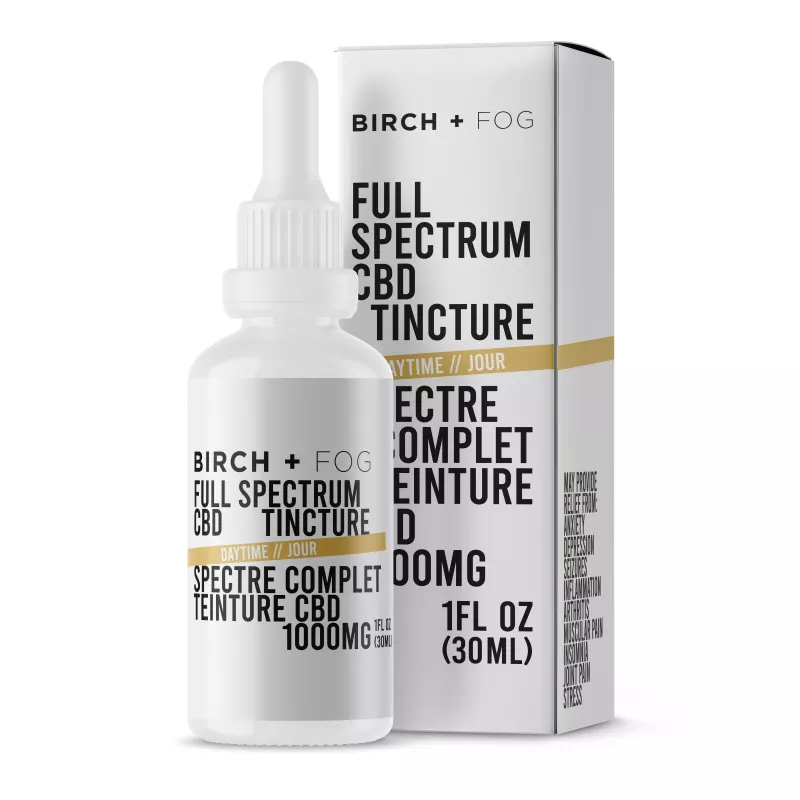
Full Spectrum CBD Tincture Daytime 1000mg – BIRCH+FOG
Clear-headed calm with a focus boost. This 1000mg daytime tincture pairs full-spectrum CBD with CBG, the cannabinoid prized for mental clarity, so stress eases while concentration sharpens. A dropper in the morning settles the nerves without the drowsiness — steady energy, clean attention, and room to think through whatever the day stacks up.
- Enhanced Focus : CBG promotes mental clarity and concentration
- Sustained Energy : Natural lift without caffeine crash
- Anxiety Management : Stay calm during stressful situations
- Creative Flow : Unlock innovative thinking and problem-solving
- Physical Balance : Reduce tension while maintaining alertness
How to Read a CBD Product Label
A CBD label tells you almost everything you need to know once you understand the shorthand. The spectrum designation, total cannabinoid content, serving size, and batch number are the essentials. Anything vague or missing is a red flag worth heeding before you spend a dollar.
Look for the spectrum stated explicitly, the milligrams of CBD per serving rather than just per bottle, and a QR code or batch number linking to lab results. Compatibility details matter for vape-based products too, where a 510 thread cartridge or the right adapters determine whether your hardware even works. Legacy cannabis culture around 420 and dab rigs has its own vocabulary, but for CBD wellness the label fundamentals stay refreshingly simple.
Pulling it all together, the full-spectrum vs broad-spectrum CBD decision is less about which is objectively better and more about which fits your life. Full-spectrum delivers the complete plant with a trace of THC and the strongest entourage potential, while broad-spectrum offers nearly that same richness with the THC removed for total peace of mind. Read the lab report, start with a modest dose, and let your own response guide you toward the format that earns a permanent place in your routine.