THC-infused oil options
Discover the best THC oil options for wellness, dosing, and daily use.
What Are THC Oil Options and How Do They Work
THC oil options have quietly become one of the most versatile ways to bring cannabis into a daily wellness routine. Unlike a quick spliff or a flame-lit Thai stick, an oil delivers cannabinoids in a measured, consumable format that you can dose to the drop. At their core, these products combine extracted tetrahydrocannabinol with a carrier oil, creating a liquid that the body can absorb either under the tongue or through the digestive tract. The result is a flexible, smoke-free format that appeals to newcomers and seasoned consumers alike.
How THC oil enters the body depends entirely on how you take it. Hold a few drops under the tongue and the cannabinoids slip into the bloodstream through the sublingual tissue, producing effects within fifteen to forty-five minutes. Swallow that same dose and it travels through the liver first, where THC converts into a more potent metabolite, slowing onset but extending duration. Understanding this distinction is the foundation for using any oil intelligently rather than guessing at outcomes.
The cannabinoids in these oils interact with the endocannabinoid system, a network of receptors that helps regulate mood, appetite, sleep, and pain signaling. THC binds primarily to CB1 receptors concentrated in the brain and central nervous system, which explains both its psychoactive character and its therapeutic reach. Research compiled by Analytical Cannabis continues to map how these molecular interactions translate into the effects people actually feel.
Types of THC Oil Options Explained
Not all THC oils are built the same way, and the differences matter more than the labels suggest. The broadest division falls between full-spectrum, broad-spectrum, and isolate-based formulas. Full-spectrum oils retain the complete profile of the plant, including minor cannabinoids and aromatic terpenes like Valencene, which lend a citrus-forward character and may contribute to the so-called entourage effect. Broad-spectrum removes detectable THC in some formulations, while isolate oils strip everything down to a single cannabinoid.
Carrier oil choice shapes the experience as much as the extract itself. MCT coconut oil dominates the market because it absorbs efficiently and carries a neutral taste, but hemp seed, olive, and avocado oils each bring their own texture and nutrient profile. Some manufacturers add Theanine or a touch of Valerian to evening-focused blends, pairing the relaxing reputation of THC with botanicals long associated with calm. These additions are why reading an ingredient panel closely pays off.
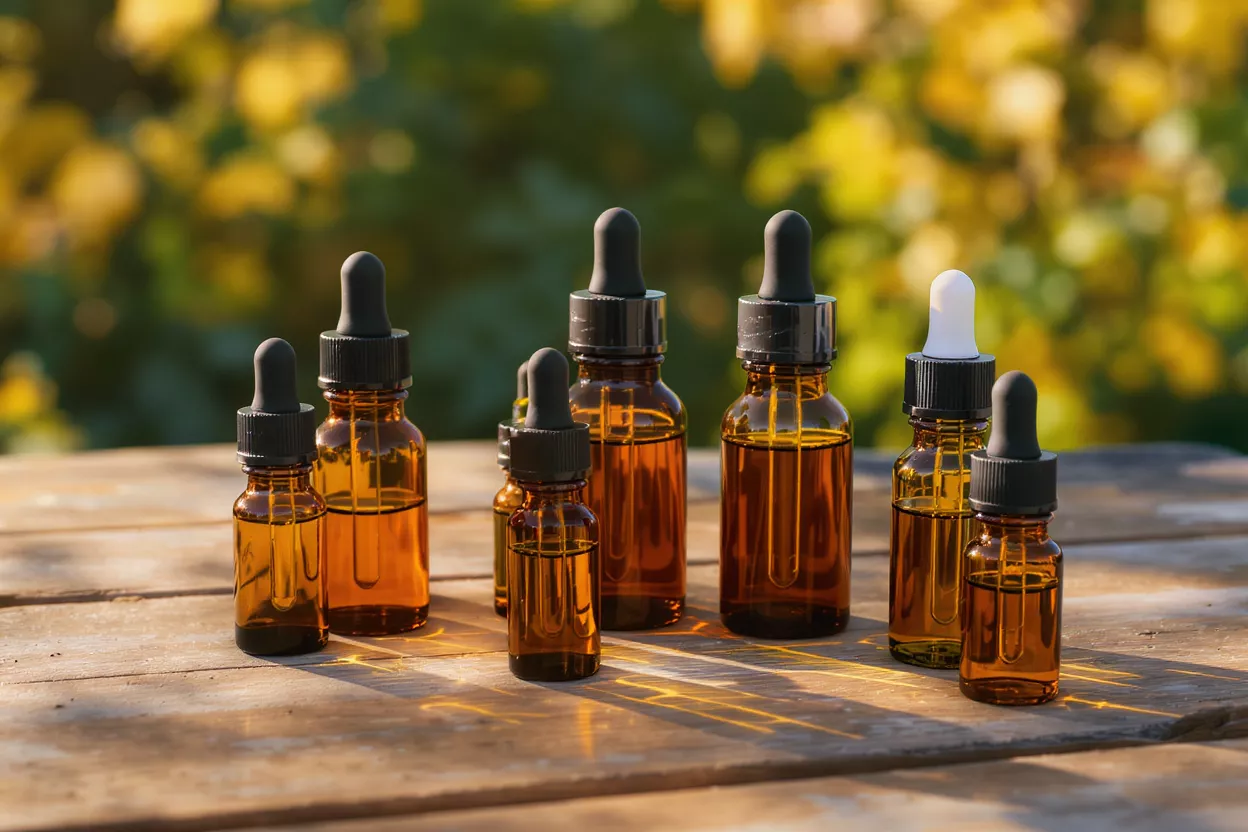
Terpene content is where personality enters the bottle. A morning-oriented oil might lean on bright, energizing compounds suited to a wake and bake ritual, while a nighttime formula might emphasize sedating notes. For those exploring concentrates beyond liquids, a full-spectrum THC tincture offers a middle path between potency and control. The chart below summarizes the most common categories you will encounter on a shelf.
- 🌿 Full-spectrum: complete cannabinoid and terpene profile, strongest entourage potential.
- 💧 Broad-spectrum: minor cannabinoids retained, THC reduced in some blends.
- 🔬 Isolate: pure THC in a carrier, no plant compounds, precise and predictable.
- 🌙 Botanical blends: oils enhanced with Theanine, Valerian, or other calming additions.
Best THC Oil Options for Beginners
Stepping into cannabis oil for the first time can feel overwhelming, but the safest entry point is almost always a low-concentration sublingual tincture. Beginners benefit from formulas labeled clearly in milligrams per milliliter, because that number is the only honest way to track a dose. A bottle delivering five milligrams per dropperful gives a new user the room to start small and climb slowly, a principle every responsible guide repeats for good reason.
Why sublingual oils suit newcomers comes down to control and reversibility of approach. Because you can take a single drop and wait, there is no commitment to a fixed serving the way a pre-dosed edible demands. This makes it far easier to find a personal threshold without overshooting. The 420 community has long championed this slow-titration method, and it remains the most reliable way to build a comfortable relationship with THC.
Flavor and format also influence how pleasant those early experiences feel. Many first-timers prefer mildly flavored oils that mask the grassy bite of raw extract, and a gentle low-dose evening tincture can ease the transition into restful sleep without overwhelming a fresh tolerance. Starting with intention rather than ambition is the through-line of every successful introduction.
How THC Oil Options Are Made
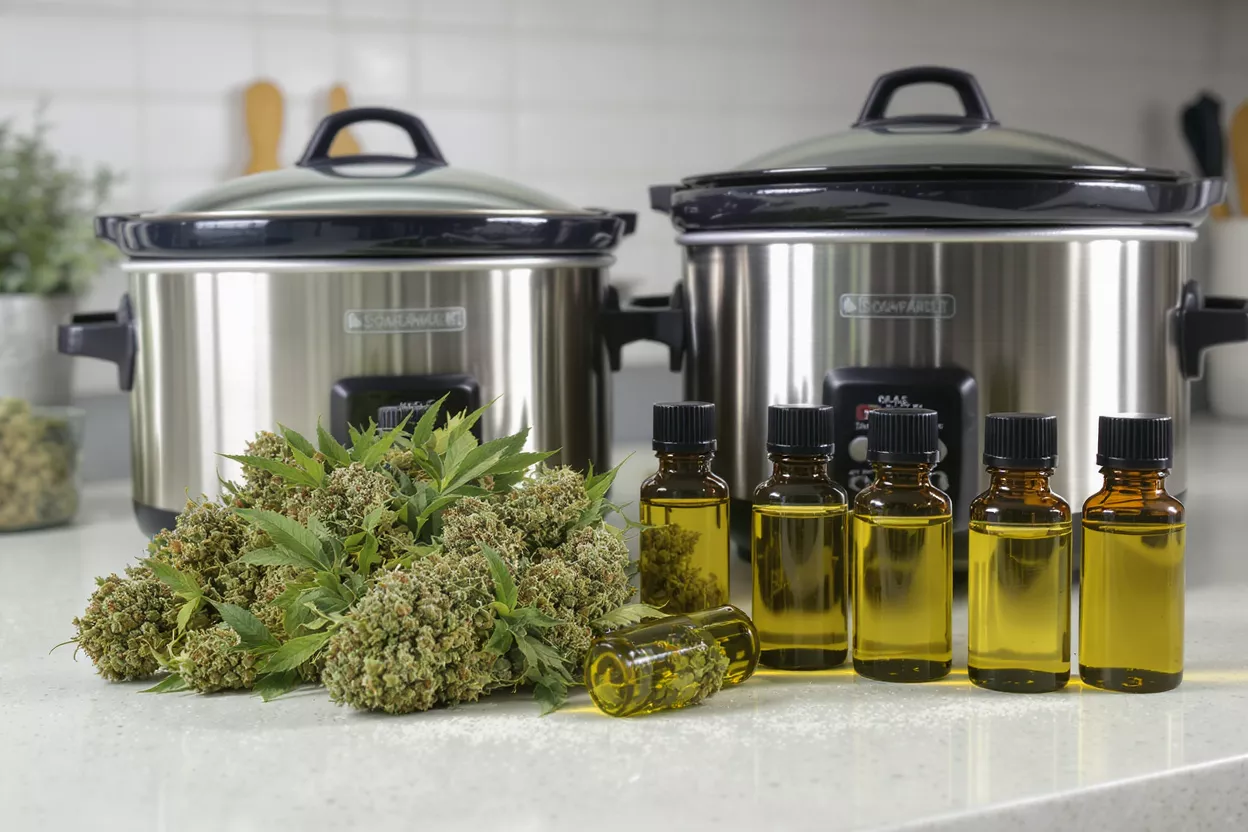
The journey from flower to finished oil involves more chemistry than most consumers realize. Production begins with extraction, the process of pulling cannabinoids out of plant material using solvents like CO2 or ethanol. CO2 extraction is prized for its cleanliness and tunability, allowing producers to capture specific compounds while leaving unwanted material behind. The crude extract that emerges is potent but raw, and far from ready for a bottle.
Winterization removes the unwanted fats and waxes that cloud an extract and dull its flavor. By chilling the concentrate in alcohol and filtering out the solidified lipids, producers refine the oil into a cleaner, more stable product. This same attention to purity distinguishes premium thc shatter bar concentrates from rougher preparations. Refinement steps like these are what separate a smooth, consistent oil from a harsh one.
Decarboxylation is the final transformation that makes oil active. Heating the extract converts the inert acidic cannabinoids in raw cannabis into the THC that actually produces effects, ensuring that every drop delivers what the label promises. Some producers stabilize their formulas with food-grade thickeners such as Xanthan gum to keep ingredients evenly suspended. The science behind these steps has matured dramatically over the past decade.
THC Oil Options Dosing Guide
Dosing is where the real craft of using THC oil lives, and it rewards patience over enthusiasm. The universal starting point is "start low, go slow," which in practice means beginning with two to five milligrams and waiting a full two hours before considering more. Because sublingual and swallowed doses behave differently, knowing your absorption route is essential to predicting how a given amount will feel.
Reading a dropper accurately separates confident users from anxious ones. A standard one-milliliter dropper is usually marked in fractions, so if a bottle contains three hundred milligrams across thirty milliliters, each full dropper holds ten milligrams and a quarter dropper holds roughly two and a half. Mapping the math once means never guessing again. The list below offers a general framework for orienting yourself.
- 🟢 Microdose (1–3 mg): subtle relief, minimal intoxication, ideal for daytime function.
- 🟡 Standard (5–10 mg): noticeable relaxation, common for evening wind-down.
- 🟠 Strong (15–25 mg): pronounced effects, suited to experienced tolerance.
- 🔴 Heavy (25 mg+): intense and long-lasting, reserved for seasoned users only.
Individual chemistry, body weight, metabolism, and tolerance all shift these ranges, so treat any chart as a starting map rather than a fixed rule. A consumer chasing the 710 dab culture will have a very different baseline than someone trying oil for the first time. Keeping a simple dosing journal turns guesswork into genuine self-knowledge over a few weeks.
THC Oil Options Benefits for Wellness
The appeal of THC oil extends well beyond recreation into a genuine wellness territory that keeps drawing new users. Many people turn to oils for help with sleep, reaching for an evening dose the way others might reach for chamomile or a Valerian supplement. The measured, smoke-free format fits naturally into a nighttime routine, and the absence of combustion means no harshness on the lungs or throat.
Pain and inflammation management remains one of the most cited reasons people explore cannabis oil. THC's interaction with CB1 receptors can dampen pain signaling, and many users pair an oral oil with a topical 2025 formulation for layered, targeted relief. While research is ongoing, the volume of anecdotal reports has pushed serious scientific attention toward these applications.
Mood and stress relief round out the most common motivations. A modest dose can soften the edges of a stressful day, and pairing THC with calming compounds like Theanine may smooth its character into something gentler. For consumers seeking that balance, a balanced CBD and THC oil often delivers relaxation without the racing intensity that pure high-THC formulas can sometimes produce.
Are THC Oil Options Safe to Use
Safety with THC oil comes down to sourcing, dosing, and self-awareness rather than any single magic factor. The most important step a consumer can take is buying from producers who publish third-party lab results, because a certificate of analysis confirms both potency and the absence of pesticides, heavy metals, and residual solvents. An unlabeled oil from an unknown source is the single biggest risk in this category.
Side effects are usually mild and dose-dependent, which is exactly why slow titration matters so much. Dry mouth, drowsiness, and momentary anxiety from overshooting a dose are the most common complaints, and all of them resolve with time and hydration. Pushing past your comfortable threshold, often by impatiently redosing before the first amount has peaked, causes the majority of unpleasant experiences.
Certain groups should approach with extra caution or avoid THC altogether. People who are pregnant, nursing, taking interacting medications, or managing certain heart conditions should consult a physician first. Used thoughtfully by healthy adults, however, THC oil carries a well-documented safety profile, and avoiding novelty products like vaguely marketed Zaza blends in favor of transparent brands keeps risk low.
How to Use THC Oil Options Day to Day
Integrating THC oil into daily life is more about rhythm than rules. The sublingual method remains the gold standard for everyday use: place your dose under the tongue, hold it for sixty to ninety seconds, and let the tissue do the absorbing before swallowing. This approach blends a reasonably fast onset with reliable effects, making it ideal for both planned and spontaneous use.
Adding oil to food and drink opens a flexible second avenue for those who dislike the taste of raw extract. Stirring a dose into a smoothie, coffee, or salad dressing turns the oil into an edible, which means a slower onset and longer duration. Just remember that fat helps absorption, so blending oil into something with a little richness improves consistency. This is the same logic that makes a buttered morning toast a popular vehicle.
Timing transforms how the same oil serves you. A microdose with breakfast can support focus and ease, while a fuller dose an hour before bed leans into relaxation. Many enthusiasts keep their oil alongside their other 510 thread gear and adapters, treating it as one tool in a broader cannabis toolkit rather than a standalone solution. Consistency of timing builds the most predictable results.
Choosing the Right THC Oil Options for You
With shelves crowded by competing bottles, choosing well means matching a product to your actual goals. Start by defining what you want: better sleep, daytime calm, pain relief, or simple relaxation. That intention narrows the field instantly, steering you toward a high-THC nighttime formula or a balanced daytime blend rather than leaving you adrift among generic options.
Reading the label like a pro is the most valuable skill a shopper can develop. Look for total cannabinoid content in milligrams, the carrier oil used, the extraction method, and a batch number that ties to a lab report. Transparency here is a proxy for quality everywhere else. Brands that hide these details rarely deserve your trust, no matter how polished the marketing looks.
Price per milligram, not price per bottle, is the honest way to compare value across products. A larger bottle often costs more upfront but less per dose, while concentrated formulas justify a higher price with greater potency. Weigh these factors against verified reviews, and you will consistently land on oils that deliver real value rather than hype.
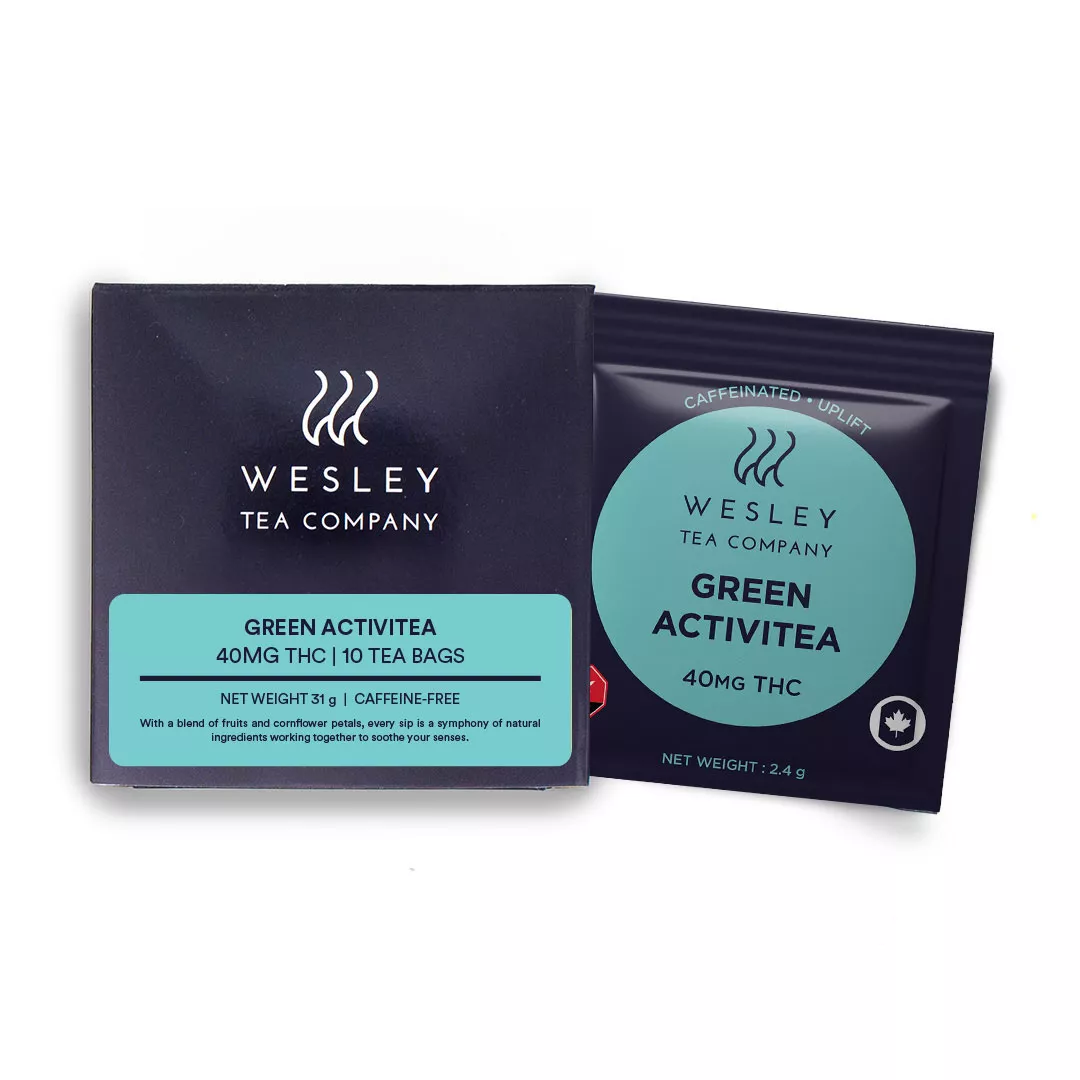

ACTIVITEA THC Green Tea 40mg / 1 Tea Bag – Wesley
Tea time, elevated. Wesley's ACTIVITEA pairs antioxidant-rich green tea with a precise 40mg of THC and a touch of MCT, for a smooth, sophisticated lift that arrives the civilized way — by the cupful. Toasted, mellow, and easy to dose, it's a refined alternative to the usual edible: brew, sip, and let a measured glow unfold over a slow afternoon.
- Metabolic Enhancement : Green tea catechins boost fat oxidation while providing sustained energy without jitters or crashes
- Digestive Optimization : Brown rice fiber promotes healthy gut bacteria while delivering slow-release carbohydrates for stable blood sugar
- Therapeutic Synergy : Cannabis leaf terpenes enhance THC effects through entourage interactions that amplify mood stabilization
- Cognitive Fuel : MCT oil crosses blood-brain barrier rapidly, providing immediate mental clarity alongside improved cannabinoid uptake
- Consistent Potency : THC distillate purification removes plant matter variability, ensuring predictable psychoactive responses across batches
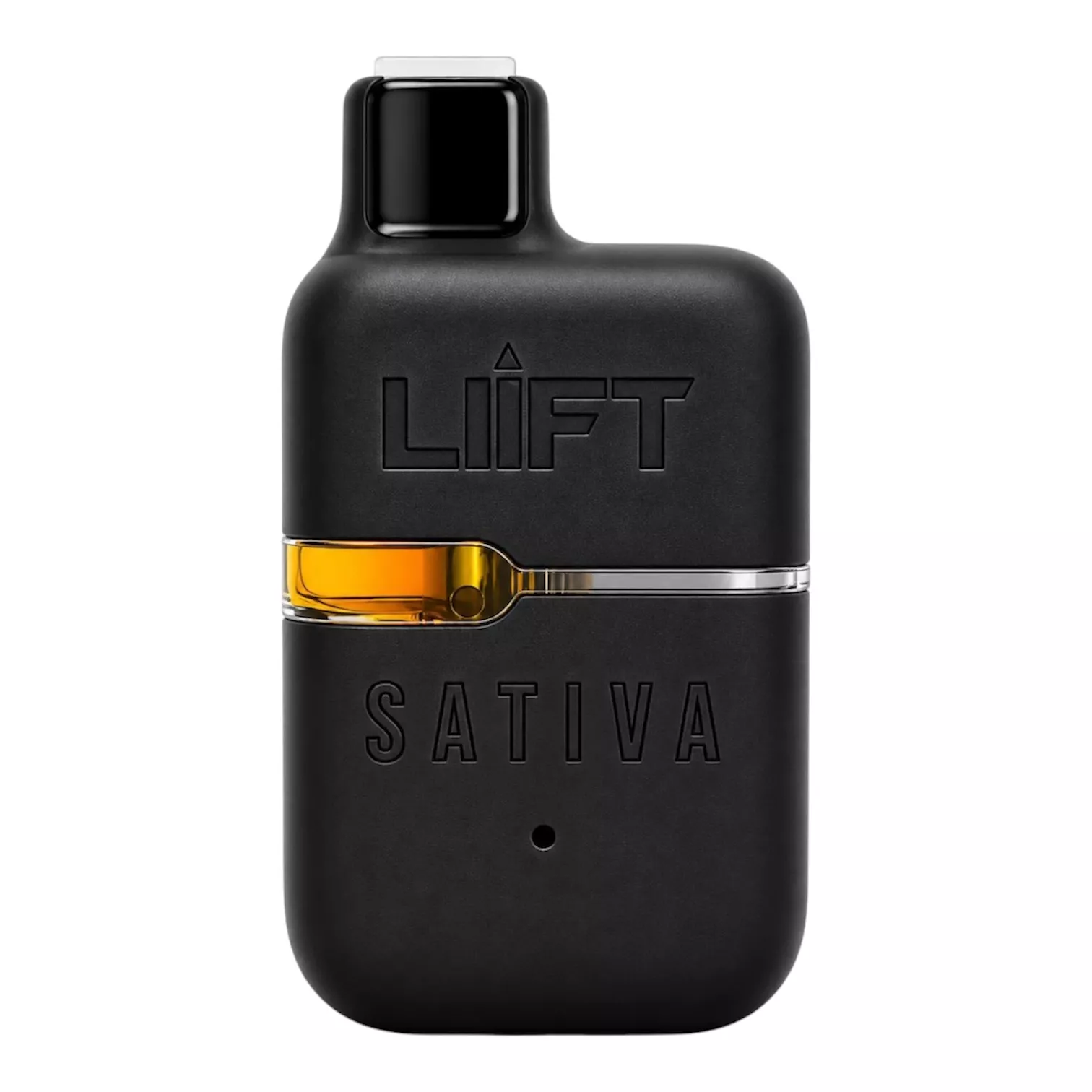
Sativa Mango Thc Vape Pen 1g – Liift
Brighten your day in a single draw. LIIFT's Sativa Mango pen holds a full gram of premium sativa THC oil in a sleek, button-free bar — just inhale and the tropical mango lift kicks in fast. Heady, social, and creatively loose, it's the daytime go-to, with Type-C recharging so you finish every last drop. No buttons, no waste, no fuss.
- Effortless Activation : The button-free draw means a perfect hit every time with zero learning curve
- Uplifting Energy : Sativa effects spark the mind toward focus during any daytime session
- Social Spark : Buzzy, head-forward character keeps conversation flowing at gatherings
- Creative Flow : Bright oil helps loosen ideas and boost everyday inspiration
- Zero Waste Charging : Type-C recharging lets you finish the entire gram of oil
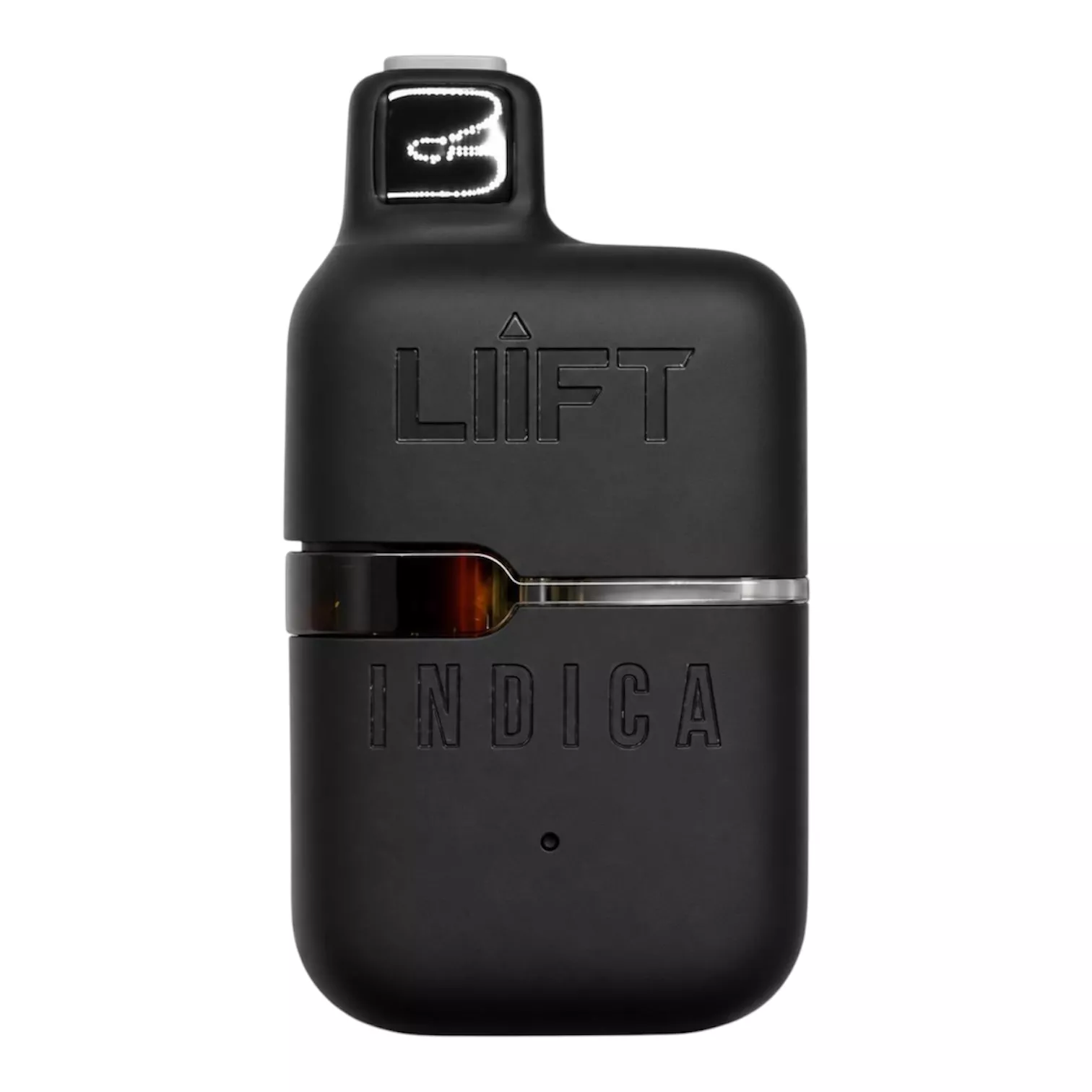
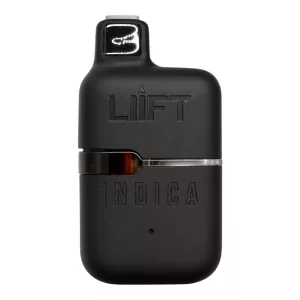
Indica Raspberry Thc Vape Pen 1g – Liift
Liift's Indica Raspberry pen reimagines the evening wind-down as a single, effortless draw. One full gram of premium indica THC oil sits in a sleek, button-free bar — no settings, no learning curve, just inhale and let the day loosen its grip. The raspberry note is bright and natural, carried by cannabis-derived terpenes rather than added sweeteners, and the indica lineage leans toward calm and stillness. It's built for the hours after the work is done: dim the lights, find the couch, and let a couple of slow draws carry you toward rest.
- Button-free draw — just inhale, no settings or guesswork
- A full gram of premium indica THC oil for a long-lasting pen
- Raspberry flavour from cannabis-derived terpenes, not added sugar
- Indica profile leans toward calm, easy evenings
- Type-C rechargeable bar in a slim, pocket-ready format
THC Oil Options Storage and Shelf Life
How you store THC oil determines whether it stays potent for months or degrades within weeks. The three enemies of any cannabis extract are light, heat, and air, all of which accelerate the breakdown of cannabinoids into less effective compounds. A cool, dark cupboard away from the stove and any sunlit window is the simplest and most effective preservation strategy available to most households.
Proper sealing preserves potency by limiting oxidation, the slow chemical process that dulls an oil over time. Always tighten the cap fully after use and keep the bottle upright to avoid residue collecting around the dropper. Most quality oils, when stored correctly, retain their strength for one to two years, though flavor and minor compounds like Xanthophyll pigments may shift slightly before the THC itself meaningfully fades.
THC oil has earned its place as one of the most adaptable formats in modern cannabis, bridging precise dosing, smoke-free convenience, and genuine wellness potential. From understanding extraction and winterization to mastering the dropper and storing your bottle wisely, the knowledge in this guide turns a confusing shelf into a clear set of choices. Approach these options with patience and curiosity, lean on transparent brands and lab results, and your THC oil will reward you with consistent, comfortable, and genuinely useful results for the long haul.