Metabolite
Learn what a metabolite is in cannabis, how THC breaks down in your body, and why it matters for drug tests.
What Is a Metabolite in Cannabis
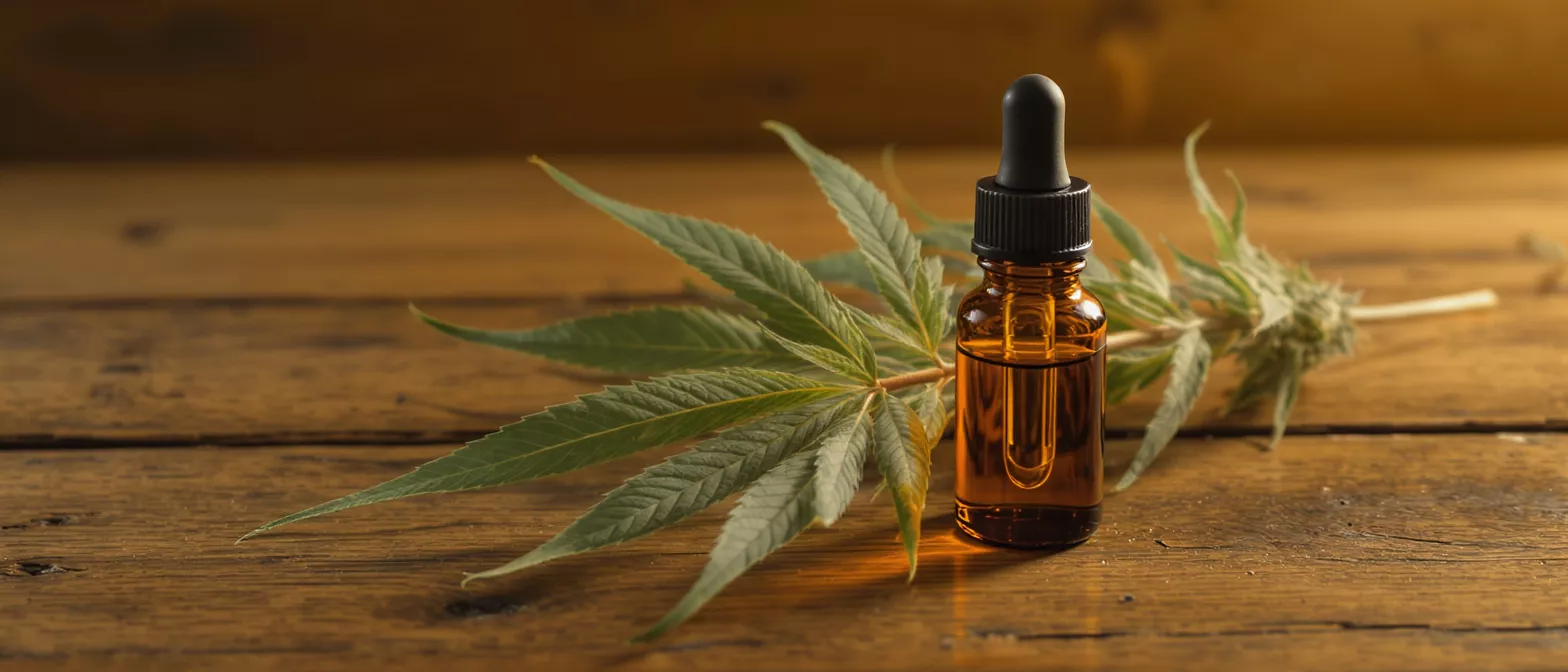
A metabolite is any substance produced when your body breaks down a compound it has absorbed. In the context of cannabis, a metabolite cannabis discussion almost always begins with what happens after THC or CBD enters your bloodstream. The original molecule rarely stays intact for long. Enzymes in the liver and other tissues chemically transform it into new compounds, and those transformed compounds are the metabolites.
Understanding metabolites matters because they are not biologically inert byproducts. Some metabolites are more potent than the parent compound, some are completely inactive, and some are the specific markers that drug tests are designed to detect. When you understand the difference, you understand why edibles feel different from inhaled cannabis and why a urine screen can flag use that happened weeks ago.
Why the distinction is practical: The effects you feel, the duration of those effects, and the way cannabis shows up on a laboratory panel are all governed by metabolism rather than by the raw plant material. Metabolites are the bridge between consuming a cannabinoid and the physiological experience that follows.
How Cannabis Metabolites Form in the Body
Metabolite formation is a function of metabolism, the collection of chemical reactions your body uses to process foreign substances. When cannabinoids reach the liver, a family of enzymes called cytochrome P450 begins modifying them. These enzymes add or remove chemical groups, changing the molecule's shape, solubility, and biological activity in a stepwise sequence.
Two broad phases of processing: Scientists describe metabolism in two phases. Phase I reactions, driven heavily by cytochrome P450 enzymes, introduce or expose reactive chemical groups through oxidation, reduction, or hydrolysis. Phase II reactions then attach larger water-soluble molecules to those groups, a process called conjugation, which prepares the metabolite for elimination through urine or bile.
The route of consumption dramatically shapes which metabolites appear and in what quantity. Inhaled cannabis sends cannabinoids directly into the bloodstream through the lungs, partially bypassing the first pass through the liver. Oral cannabis travels through the digestive tract and liver before reaching circulation, producing a much larger share of secondary metabolites. This single difference explains a great deal about how the same dose can feel entirely unlike itself depending on how it is taken.
Primary Metabolic Pathways Explained
The dominant pathway for THC begins with hydroxylation, where an enzyme adds a hydroxyl group to the molecule. This converts delta-9-THC into 11-hydroxy-THC, a more polar and often more potent compound. From there, further oxidation produces 11-nor-9-carboxy-THC, commonly written as THC-COOH, which is inactive but extremely important for testing.
The enzymes doing the heavy lifting: Two cytochrome P450 enzymes, CYP2C9 and CYP3A4, handle most THC conversion. Genetic variation in these enzymes is one reason individuals respond so differently to identical doses. A person carrying a slower CYP2C9 variant may experience stronger, longer-lasting effects simply because they convert and clear THC at a different rate.
Below is a simplified map of the main THC pathway and what each product means for the user.
- 🌿 Delta-9-THC: the parent psychoactive compound that enters the bloodstream first.
- ⚡ 11-Hydroxy-THC: an active metabolite that can be more potent than the parent and crosses into the brain readily.
- 🧪 THC-COOH: an inactive metabolite that lingers in the body and is the primary target of urine drug screens.

Active vs Inactive Cannabis Metabolites
Not all metabolites influence how you feel. The crucial divide is between active metabolites, which still interact with cannabinoid receptors and produce effects, and inactive metabolites, which no longer bind meaningfully and simply await elimination.
Why active metabolites matter for dosing: 11-hydroxy-THC is the textbook example of an active metabolite that changes the user experience. Because oral consumption produces large amounts of it, edibles tend to deliver a more intense and prolonged effect than the milligram count alone would suggest. Anyone calibrating an edible dose is, whether they know it or not, accounting for metabolite activity.
Inactive metabolites are not without consequence either. THC-COOH causes no high, yet because it is fat-soluble and slowly released, it remains detectable far longer than the active compounds. The metabolite that does nothing to your perception is precisely the one a laboratory looks for, which is one of the great ironies of cannabis pharmacology.
What Is 11-Hydroxy-THC
11-Hydroxy-THC deserves its own discussion because it sits at the center of why edibles behave the way they do. When THC passes through the liver after oral consumption, a substantial portion is converted into this metabolite before it ever reaches general circulation, a phenomenon known as first-pass metabolism.
Potency and the blood-brain barrier: Research suggests 11-hydroxy-THC crosses the blood-brain barrier efficiently and may bind cannabinoid receptors with comparable or greater affinity than delta-9-THC itself. This helps explain anecdotal reports that edibles produce a heavier, more body-centered experience than smoking the equivalent amount.
Onset and duration consequences: Because the metabolite must be generated by the liver, edible effects arrive slowly, often after thirty to ninety minutes, and then persist for hours. The delay is a frequent cause of overconsumption, as users mistake slow onset for low potency and redose before the metabolite has fully formed. Patience is the most reliable safeguard against an uncomfortable edible experience.
How CBD Metabolites Differ From THC
CBD follows its own metabolic route and produces a distinct set of metabolites. Like THC, it is processed largely by cytochrome P450 enzymes, but the products of that processing do not produce intoxication. The principal metabolite, 7-hydroxy-CBD, retains biological activity and is thought to contribute to some of CBD's effects, while further oxidation yields 7-carboxy-CBD.
One of the most practically important features of CBD metabolism is its effect on other drugs. CBD inhibits several cytochrome P450 enzymes, meaning it can slow the breakdown of medications that rely on the same pathways. This is the mechanism behind the well-documented interaction between high-dose CBD and certain anti-seizure and blood-thinning drugs.
Why this matters for combined use: Because CBD and THC share enzymatic machinery, taking them together can alter how each is metabolized. CBD may modestly slow THC clearance, subtly shifting the balance of metabolites a person produces. For anyone using full-spectrum products, the metabolite picture is a blend rather than a single clean pathway.
Cannabis Metabolites and Drug Testing
Drug tests do not generally look for active THC, because it clears the bloodstream relatively quickly. Instead, they target THC-COOH, the inactive carboxy metabolite that accumulates in fatty tissue and is released slowly over time. This is why a positive test reflects past use rather than current impairment.
What different test types measure: The detection window depends heavily on the sample type. Each method targets metabolites in a different bodily compartment, and each has its own strengths and blind spots.
- 💧 Urine: the most common screen, detecting THC-COOH for days to weeks depending on frequency of use.
- 🩸 Blood: detects active THC and metabolites over a shorter window, more reflective of recent consumption.
- 👄 Saliva: picks up recent use within hours to a day or two, favored for roadside testing.
- 💇 Hair: retains metabolite traces for months, offering the longest historical record.
A frequent misunderstanding is that detecting THC-COOH proves someone was impaired at the moment of testing. It does not. Because the metabolite lingers long after effects fade, its presence confirms exposure but says little about whether a person was actually under the influence when the sample was taken.
How Long Do Cannabis Metabolites Stay in Your System
There is no single answer to how long metabolites persist, because the timeline is shaped by biology and behavior together. An occasional user may clear detectable THC-COOH within a few days, while a daily consumer can test positive for a month or longer after stopping. The fat-soluble nature of the metabolite is the central reason for this wide range.
The role of fat storage: THC-COOH binds readily to adipose tissue and is released back into circulation gradually. This slow leaching means the metabolite has a long effective half-life in chronic users, far longer than the parent compound. Exercise and weight change can even cause temporary upticks in measured levels as stored metabolites mobilize.
Frequency of use is the single biggest variable. Each session adds to the body's reservoir, and heavy users build up a store that takes considerable time to deplete. This cumulative effect is why detection windows quoted for occasional users badly underestimate clearance time for regular consumers.
Therapeutic Implications of Metabolites
For patients, metabolites are not an academic curiosity but a factor in how treatment works. The conversion of THC into the more potent 11-hydroxy form means oral medications can deliver strong, sustained relief, which is valuable for chronic pain or sleep but demands careful titration to avoid unwanted intensity.
Drug interactions deserve attention: Because cannabinoids are processed by the same enzymes as many pharmaceuticals, metabolite formation can be a two-way street. Cannabis may alter the clearance of other drugs, and other drugs may alter the clearance of cannabis. Patients on complex medication regimens should treat this as a genuine clinical consideration and consult a prescriber.
Personalized response and genetics: Variation in cytochrome P450 genes means two patients on identical doses can have very different metabolite profiles and outcomes. This is part of why cannabis medicine leans so heavily on starting low and adjusting slowly. The metabolite a given body produces, and how quickly, is as individual as a fingerprint.
Factors That Affect Metabolite Levels
Many variables converge to determine how much of any metabolite a person produces and how long it lingers. Some are fixed traits and others are within a user's control, but together they account for the striking individual differences seen in both effects and testing outcomes.
Body composition plays a major role because fat-soluble metabolites accumulate in adipose tissue. Hydration, metabolic rate, liver health, and concurrent medications all nudge the picture in one direction or another. Even the specific product matters, since full-spectrum extracts introduce additional cannabinoids that compete for the same enzymes.
The practical takeaway is that metabolite cannabis behavior is never a fixed number but a range shaped by who you are and how you consume. Understanding the metabolite stage of cannabis use clarifies almost every downstream question, from why edibles hit harder to why a test can flag use long after the experience has faded. Whether your interest is therapeutic, recreational, or simply scientific, the metabolite is where the plant truly meets the body, and grasping it turns confusing experiences into predictable ones.