


Acidic
Discover what acidic cannabis really means, how acidic cannabinoids work, and why they matter for wellness.
What Does Acidic Cannabis Mean
When people encounter the term acidic cannabis, they often assume it refers to pH or sourness. In reality, the word describes a specific chemical state of the plant's compounds. Fresh, raw cannabis does not naturally contain the familiar cannabinoids like THC or CBD in their active forms. Instead, it produces their acidic precursors—molecules carrying an extra carboxylic acid group attached to their chemical structure. This subtle distinction shapes everything from how cannabis affects you to how it must be prepared before use.
The "acidic" label comes directly from the carboxylic acid group (–COOH) present on these raw molecules. THCA, CBDA, and CGDA are all examples of these acidic forms. Until the plant material is heated, dried, or aged, the cannabinoids remain locked in this acidic state, behaving very differently from the activated compounds most consumers expect.
Understanding acidic cannabis matters because it explains why eating raw flower won't make you intoxicated, why cooking matters, and why a growing number of wellness enthusiasts are interested in juicing fresh leaves. It is foundational knowledge for anyone serious about cannabis chemistry.
How Acidic Cannabinoids Work in the Plant
The biosynthetic pathway begins with a single precursor. Inside the trichomes of a living cannabis plant, enzymes convert geranyl pyrophosphate and olivetolic acid into CBGA—often called the "mother cannabinoid." Every major acidic cannabinoid traces its origin back to this foundational molecule.
From CBGA, specialized enzymes branch off in different directions. THCA synthase converts CBGA into THCA, while CBDA synthase produces CBDA, and CBCA synthase yields CBCA. The plant's genetics determine which enzymes dominate, which is why some cultivars test high in THCA and others in CBDA.
These acidic compounds serve a biological purpose for the plant itself. Researchers believe they help protect cannabis against UV radiation, deter herbivores, and provide some defense against pathogens. The intoxicating and therapeutic properties humans seek are essentially a byproduct of the plant's own survival chemistry.
Types of Acidic Cannabinoids Explained
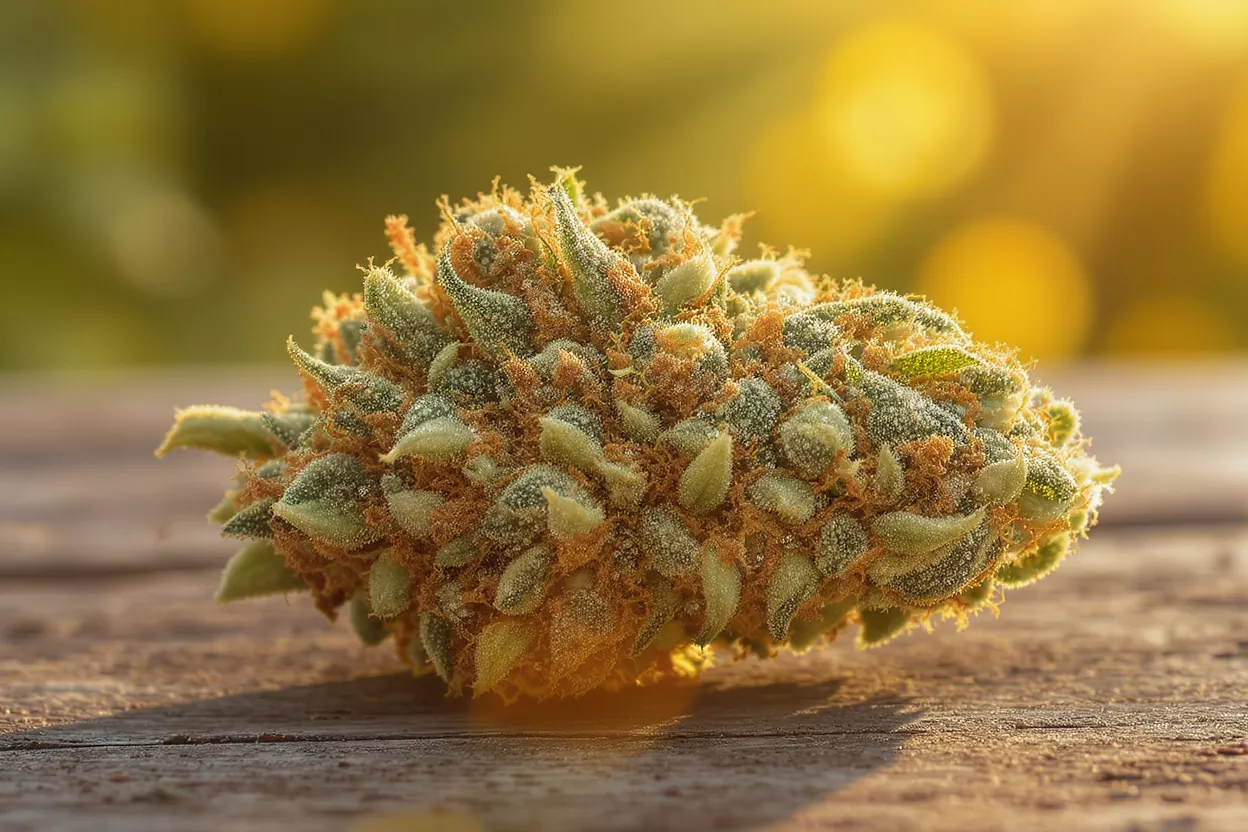
The cannabis plant produces a surprising variety of acidic cannabinoids, each with its own emerging research profile. While THCA and CBDA receive the most attention, the broader family includes several compounds worth knowing.
- 🌱 THCA: The acidic precursor to THC, non-intoxicating in its raw form and currently studied for anti-inflammatory and neuroprotective potential.
- 🌿 CBDA: The acidic form of CBD, researched for possible anti-nausea and anti-anxiety properties at the receptor level.
- 🍃 CBGA: The "mother" cannabinoid from which the others are synthesized, increasingly studied on its own merits.
- 🌾 CBCA: The acidic precursor to CBC, a lesser-known compound contributing to the plant's overall profile.
- 🌸 THCVA: A varinic acidic cannabinoid found in certain cultivars, the precursor to THCV.
Concentration varies dramatically by cultivar and maturity. A plant harvested at peak ripeness will carry different ratios of these acidic compounds than one harvested early. Drying and curing further shift these proportions as some acidic molecules slowly begin converting to their activated counterparts.
This diversity is part of what makes the plant so chemically complex. Each acidic cannabinoid interacts with the body differently, and our scientific understanding of compounds beyond THCA and CBDA remains in its early stages.
Acidic Cannabis vs Activated Cannabis
The most important practical distinction in cannabis chemistry is the difference between acidic and activated forms. An acidic cannabinoid like THCA does not bind efficiently to the CB1 receptors in your brain, which is why consuming raw cannabis produces no intoxication regardless of how much THCA it contains.
Activation transforms the molecule's behavior. When THCA loses its carboxylic acid group through heat, it becomes THC—a compound that fits neatly into your endocannabinoid receptors and produces the characteristic high. The same principle applies to CBDA converting into CBD, though CBD is non-intoxicating in either form.
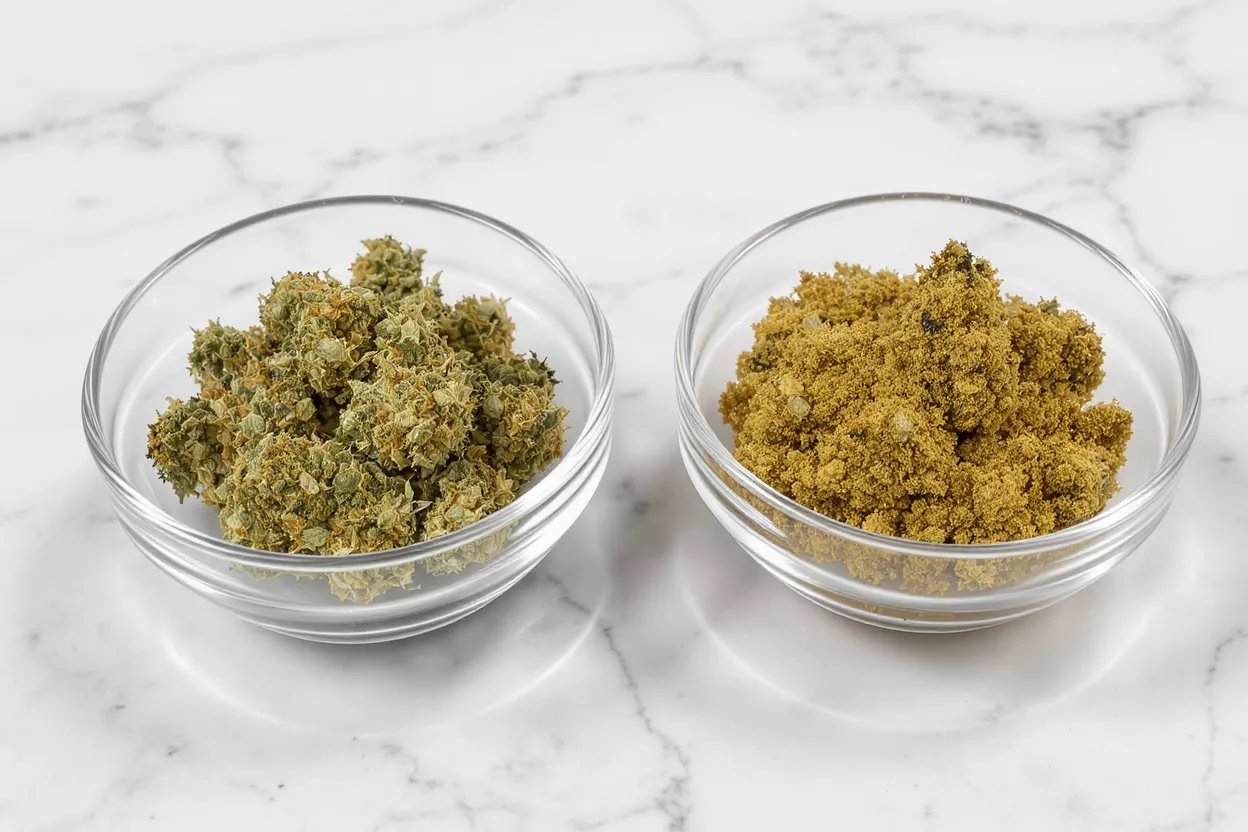
This is why smoking, vaping, or baking cannabis works while eating it raw does not produce the same effects. The lighter's flame, the vaporizer's heat, and the oven's temperature all accomplish the same chemical task: stripping away the acid group and unlocking the activated cannabinoid.
What Is Decarboxylation and Why It Matters
Decarboxylation is the chemical heart of cannabis activation. The term describes the reaction in which an acidic cannabinoid loses its carboxyl group as carbon dioxide and water vapor, converting into its activated form. This is the single most important process for anyone making edibles, tinctures, or concentrates at home.
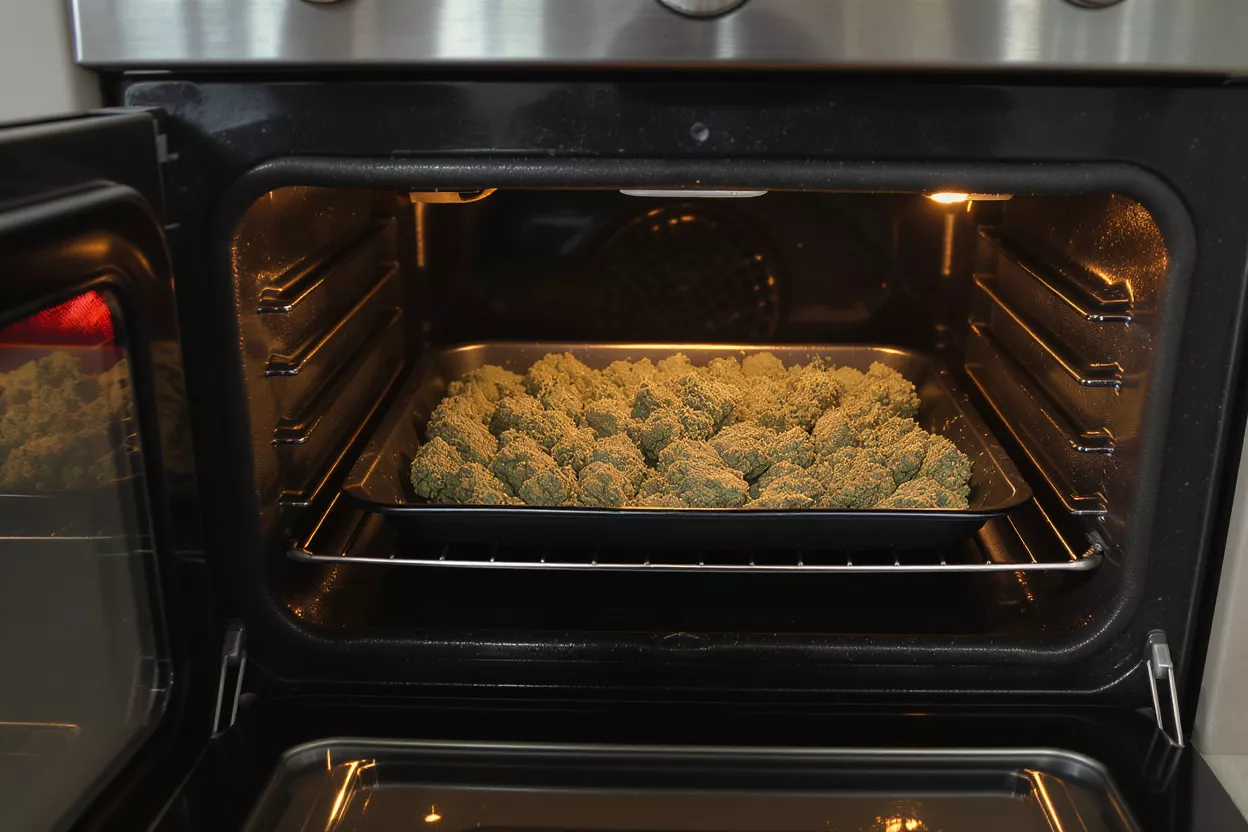
Heat and time drive decarboxylation. A common approach involves heating ground flower in an oven around 110°C (230°F) for 30 to 45 minutes, allowing the acidic THCA to convert into active THC without scorching the delicate terpenes. Lower temperatures preserve flavor but require longer times; higher temperatures work faster but risk degrading the cannabinoids.
- 🔥 Temperature: Too high degrades cannabinoids and burns off terpenes; too low leaves conversion incomplete.
- ⏱️ Time: Longer durations at moderate heat ensure thorough activation across all plant material.
- 💨 Moisture: Dry material decarboxylates more evenly than fresh, high-moisture flower.
- 🌡️ Even heating: Spreading material thinly prevents hot spots and inconsistent activation.
Smoking and vaping accomplish decarboxylation instantly through their high heat. Edible makers, however, must deliberately decarboxylate their material first, or the resulting product will contain mostly inactive acidic cannabinoids and produce little effect.
Acidic Cannabinoid Benefits and Research
For decades, acidic cannabinoids were dismissed as inactive precursors with no real value. Recent research has dramatically reversed that view, revealing that compounds like THCA and CBDA may offer therapeutic potential entirely distinct from their activated forms.
THCA research focuses on inflammation and neuroprotection. Preliminary studies suggest THCA may possess anti-inflammatory properties and could play a role in protecting nerve cells, though human clinical trials remain limited. Because it does not produce intoxication, THCA appeals to people seeking potential benefits without psychoactive effects.
CBDA shows promise in receptor-level studies. Laboratory research indicates CBDA may interact with serotonin receptors more effectively than CBD in certain contexts, drawing interest for possible anti-nausea and mood-related applications. It is important to emphasize that this research is early-stage and not a substitute for medical advice.
The takeaway is that "acidic" no longer means "useless." As analytical chemistry advances and more cultivars are studied, the acidic cannabinoid family continues to reveal new layers of complexity that researchers are only beginning to map.
How to Preserve Acidic Cannabinoids
If you specifically want to retain acidic cannabinoids rather than activate them, preservation becomes the goal. Heat, light, and time are the enemies of the acidic state, slowly nudging these molecules toward their activated forms.
Cool, dark storage slows conversion. Keeping fresh cannabis in a refrigerator or freezer dramatically reduces the rate at which acidic cannabinoids decarboxylate. This is essential for anyone preparing raw cannabinoid preparations or experimenting with juicing.
Avoiding heat entirely is the most reliable method. That means no oven, no direct sunlight, and no warm cabinets. Even prolonged room-temperature storage gradually shifts the acidic profile, which is why freshness is so prized among raw cannabis enthusiasts.
Acidic Cannabis in Raw Juicing
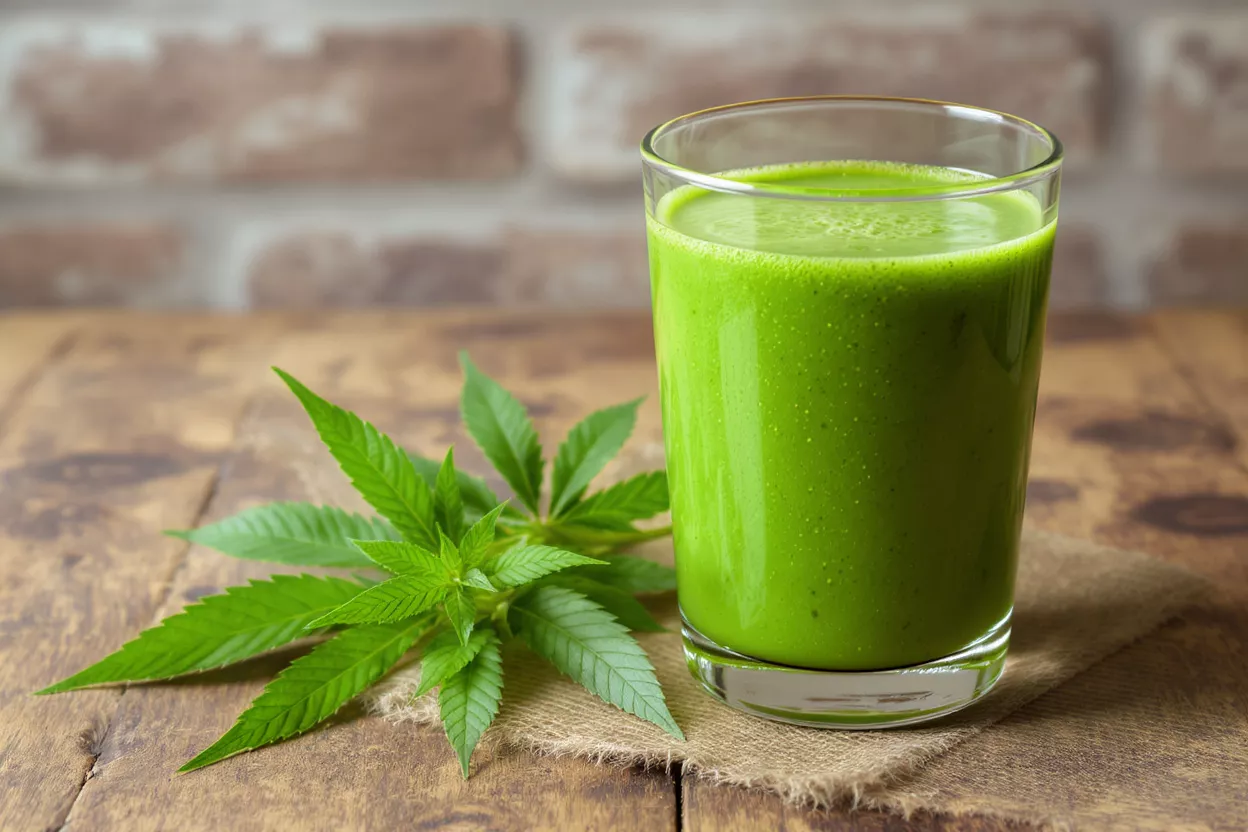
Raw juicing has become the signature use case for acidic cannabis. By blending fresh, undried leaves and flowers, enthusiasts consume large quantities of THCA and CBDA without any intoxication. The appeal lies in accessing the plant's acidic compounds in their most natural, unheated state.
Because raw juicing avoids decarboxylation entirely, it allows for much higher consumption of acidic cannabinoids than a typical activated dose would tolerate. Proponents treat fresh cannabis as a leafy green vegetable, incorporating it into smoothies and juices alongside other produce.
The practice does require access to fresh, living plant material, which is not always practical. Still, it represents one of the clearest demonstrations of why the acidic state matters: it unlocks an entirely different way of relating to the cannabis plant.
Are Acidic Cannabinoids Psychoactive
One of the most common questions about acidic cannabis is whether it can get you high. The straightforward answer is no—acidic cannabinoids like THCA are non-intoxicating in their raw form because their molecular shape prevents efficient binding to CB1 receptors.
The catch lies in accidental activation. If raw cannabis is exposed to heat at any point—even unintentionally through warm storage or light cooking—some THCA will convert to THC, introducing psychoactive potential. This is why true non-psychoactive consumption requires careful temperature control.
It is worth noting that CBDA and other non-THC acidic cannabinoids carry no intoxication risk regardless of activation, since their activated forms like CBD are also non-intoxicating. The psychoactivity question therefore applies almost entirely to the THCA-to-THC conversion pathway.
Acidic Cannabis Key Takeaways
The concept of acidic cannabis reshapes how we understand the plant from the inside out. Far from being a minor technicality, the acidic state defines whether a cannabinoid is intoxicating, how it must be prepared, and what therapeutic avenues it might offer. Recognizing the difference between THCA and THC, or CBDA and CBD, is the foundation of cannabis literacy.
As research continues to expand, acidic cannabinoids are shedding their reputation as inert precursors and emerging as compounds of genuine interest in their own right. Whether you are decarboxylating flower for edibles or juicing fresh leaves for their raw acidic content, understanding this chemistry empowers smarter, more intentional choices.
Ultimately, "acidic" is not a flaw or a limitation—it is simply the plant's natural starting point. Heat unlocks one set of possibilities, while preservation unlocks another. Knowing how to move between these two states is what separates casual consumers from those who truly understand the chemistry of cannabis.