THC vs. CBD edibles
Explore CBD vs THC edibles side by side — effects, dosing, and benefits explained.
Walk into any dispensary or browse an online menu and you'll quickly run into the central question of modern cannabis shopping: when it comes to CBD vs THC edibles, which one actually belongs in your cart? Both are eaten rather than smoked, both interact with the same internal signaling network, and both arrive in nearly identical-looking gummies, chocolates, and chews. Yet the experiences they deliver sit on opposite ends of the spectrum. Understanding that difference is the single most useful thing a newcomer—or even a seasoned consumer—can learn before their next purchase.
This guide breaks down how these two compounds differ in chemistry, effect, dosing, and ideal use case. Whether you're chasing daytime calm without a head change or looking for something that genuinely shifts your evening into low gear, knowing what separates these products turns guesswork into confident, repeatable choices. Let's unpack everything that matters.
What Are CBD vs THC Edibles?
The short definition: edibles are food or drink products infused with extracted cannabinoids. THC edibles deliver tetrahydrocannabinol, the compound responsible for the classic intoxicating "high." CBD edibles deliver cannabidiol, a non-intoxicating compound prized for a calmer, clearer kind of relief. The same gummy shape can hold either—or both—so the label, not the look, tells you what you're getting.
Both compounds come from the same cannabis plant, separated and purified during extraction. Some manufacturers further refine their oil through winterization, a chilling process that strips away fats and waxes to leave a cleaner concentrate. That purified extract is then measured, blended into a recipe, and portioned so each piece carries a consistent dose.
Why the distinction matters: people often assume any cannabis edible will get them high. It won't. A pure CBD chew can be eaten at your desk with no impairment, while a single strong THC gummy can sideline your afternoon. According to the Mayo Clinic, CBD and THC act on the body through different mechanisms, which is exactly why their effects feel so distinct despite sharing a plant of origin.
How CBD vs THC Edibles Work in the Body
When you eat a cannabis edible, the compounds don't take the express lane that smoking offers. Instead they travel through your digestive tract and pass through the liver, where THC is converted into a more potent metabolite. This is why edibles feel stronger and last far longer than inhaled cannabis—and why patience is non-negotiable. Onset typically runs 45 minutes to two hours.
The endocannabinoid system is the stage: both compounds interact with a network of receptors spread throughout your brain, organs, and immune cells. THC binds tightly to receptors in the brain, producing intoxication. CBD takes a gentler, indirect approach, nudging the system without locking onto those same receptors, which is why it doesn't impair you the way THC does.
The liver-first journey also explains the dramatic difference between a wake and bake habit built around quick-hitting flower and the slow, rolling arc of an edible. Where a Spliff or Thai stick delivers near-instant feedback, a gummy demands you wait. Eat more before the first dose lands and you risk an uncomfortable overshoot—a mistake that humbles even experienced users. For those new to ingestibles, a low-dose CBD calm gummies option offers a forgiving way to learn how your own body responds.
Types of CBD vs THC Edibles You'll Find
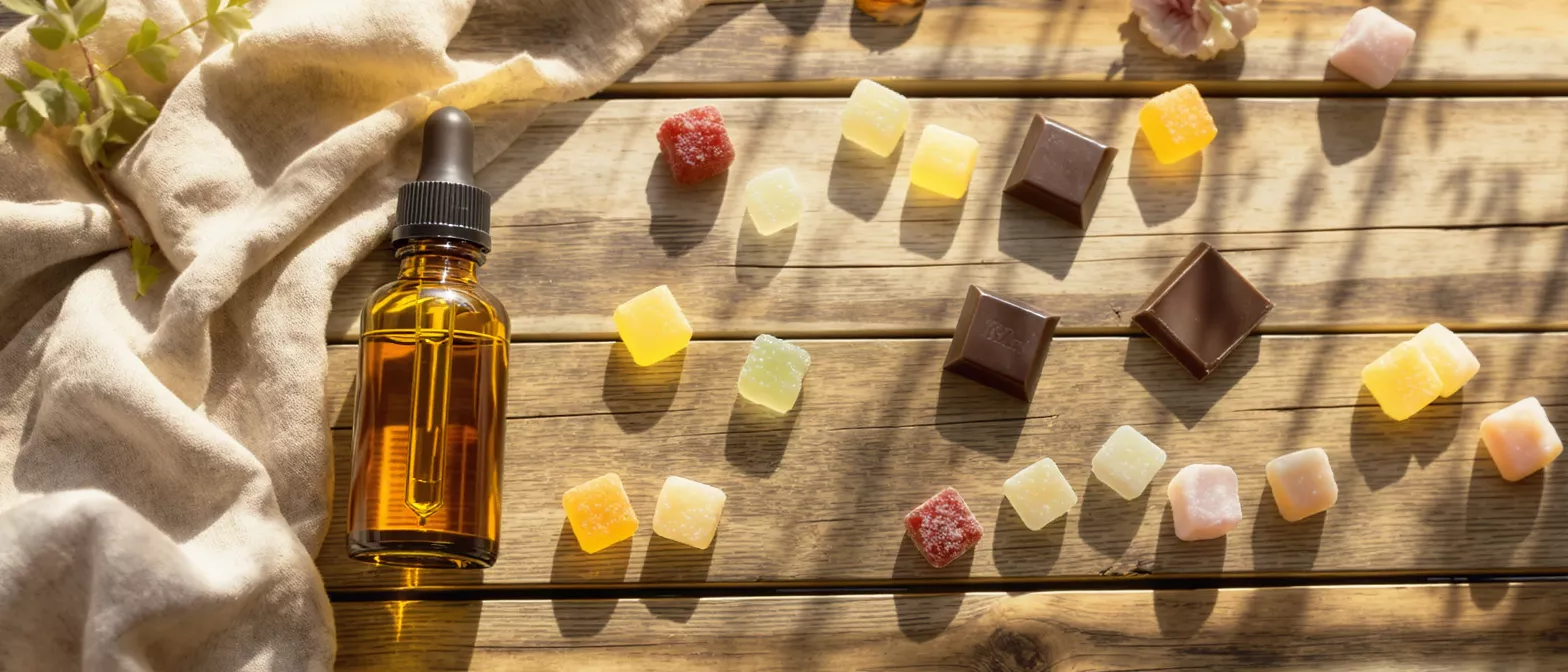
The edible category has exploded well beyond the humble gummy. Chocolates, hard candies, mints, baked goods, beverages, and even savory snacks now line shelves. What unites them is the infused extract; what separates them is ratio, format, and the supporting ingredients that shape both flavor and effect.
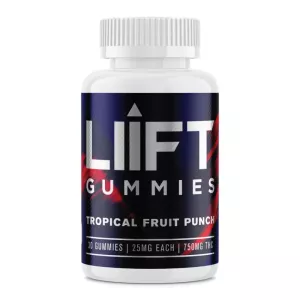
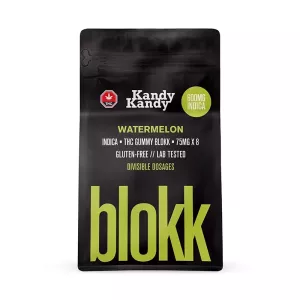
Ratio products are worth knowing: many of the most popular edibles blend both cannabinoids in a stated ratio—1:1, 2:1 CBD to THC, and so on. These aim for a balanced experience where CBD softens the intensity of THC. If a Zaza-grade, top shelf 2025 THC gummy feels like too much on its own, a balanced ratio chew can deliver gentle effects with far less risk of overwhelm.
Here's a quick map of the common formats and what each tends to offer:
- 🍬 Gummies and chews: the most popular entry point—precise dosing, long shelf life, and easy-to-split pieces.
- 🍫 Chocolates: rich flavor that masks any earthy cannabis taste; fat content can speed absorption slightly.
- 🥤 Beverages: faster onset for some, since liquids begin absorbing in the mouth; often lighter doses.
- 🍯 Tinctures and honeys: versatile, mixable, and dose-adjustable drop by drop.
- 🍪 Baked goods: nostalgic and effective, though dosing can be less precise than measured candy.
Texture matters too. Ingredients like xanthan gum stabilize gummies and stop the active oil from separating, while a chewy taffy relies on different binders entirely. These behind-the-scenes details affect consistency far more than most shoppers realize.
CBD vs THC Edibles: What Do the Effects Feel Like?
This is where the two diverge most dramatically. THC edibles produce euphoria, altered perception of time, heightened appetite, and—at higher doses—couch-lock and sedation. The experience is unmistakable and, for many, deeply enjoyable when dosed correctly. CBD edibles produce no high at all; instead, users describe a quiet easing of tension, a softening of stress, and a clearer baseline.
The entourage idea explains the gray area: minor compounds like terpenes shape the overall feel. Valencene lends a bright citrus character, while terpenes paired with the amino acid theanine—familiar to green-tea drinkers—can lean toward focused calm. Some products even borrow from the supplement world, adding valerian for its traditional ties to relaxation. These supporting players nudge an edible's character in subtle but real ways.
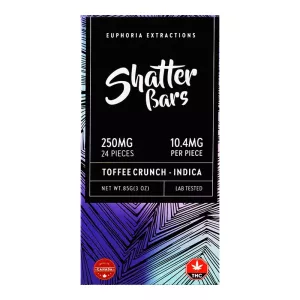
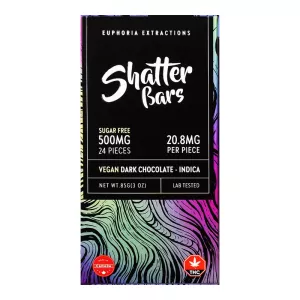
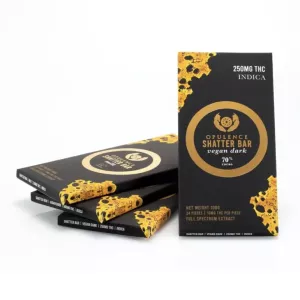
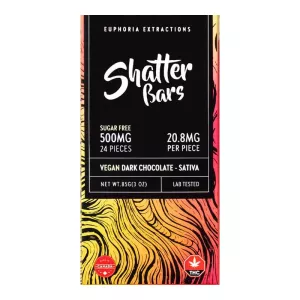
Because THC's onset is delayed, the most common rookie error is impatience. People eat a second piece at the 45-minute mark, then both doses crash in together. The compound thc shatter bar concentrates and dense infused chocolates make this especially easy to overdo. A measured low-dose THC chews approach keeps the experience pleasant rather than punishing.

CBD vs THC Edibles Benefits Compared
Both cannabinoids carry distinct appeal, and the "better" choice depends entirely on your goal. THC's benefits cluster around its psychoactivity—mood elevation, appetite stimulation, and a deep sense of physical ease. CBD's appeal lies in showing up without the trade-off of impairment, making it the choice for people who want to stay clear-headed.
Here's how their commonly reported benefits stack up side by side:
- 😌 CBD edibles: non-intoxicating, daytime-friendly, favored for everyday tension and a steady baseline.
- 🌙 THC edibles: euphoric, deeply relaxing, popular for evening wind-down and appetite support.
- ⚖️ Balanced ratios: a middle path—some lift from THC, smoothed by CBD's tempering influence.
- 🎯 Targeted use: a daytime topical 2025 formula or oral CBD for focus; THC reserved for off-hours.
It's worth noting that effects are individual. The same gummy that mellows one person might energize another, because body chemistry, tolerance, and even what you ate that day all play a role. Starting low and tracking your response beats chasing someone else's ideal dose.
CBD vs THC Edibles Dosing Guide
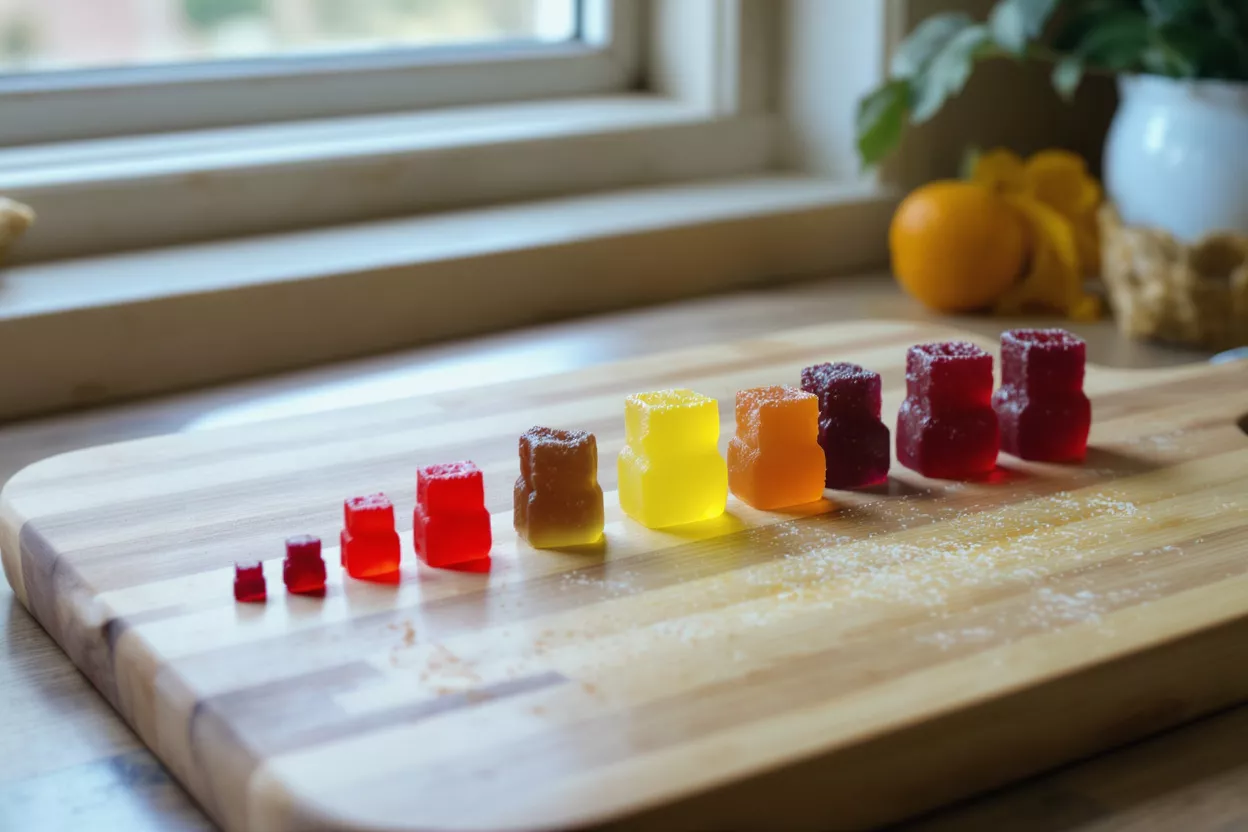
Start low and go slow is the golden rule: for THC edibles, beginners should consider 2.5 mg as a starting point and never exceed 5 mg until they understand their reaction. Wait a full two hours before redosing. CBD has a wider comfort range—many products land between 10 mg and 25 mg per serving—because there's no intoxication to overshoot.
The single biggest dosing mistake is treating an edible like a snack. A 510 thread vape gives near-instant feedback you can titrate puff by puff; an edible does not. Eat one piece, set a timer, and resist the urge to reach for another. This discipline is the difference between a smooth evening and a long, anxious one.
Use this quick reference as a starting framework rather than a prescription:
- 🟢 Microdose (1–2.5 mg THC): subtle mood lift, minimal impairment—ideal for first-timers.
- 🟡 Standard (2.5–10 mg THC): noticeable euphoria and relaxation for most occasional users.
- 🟠 Strong (10–25 mg THC): for seasoned, higher-tolerance consumers only.
- 🔵 CBD (10–25 mg): a comfortable everyday range with a generous safety margin.
If you've blended both, remember the CBD won't cancel the THC—it tempers the intensity but the high remains. Plan your dose around the THC number first. A reliable balanced ratio gummies product makes this calculus easier by stating both figures clearly on the label.
Are CBD vs THC Edibles Safe?
For healthy adults, both CBD and THC edibles have a strong safety profile when used responsibly. There's no known lethal dose of cannabis, but that doesn't mean overconsumption is pleasant—too much THC can trigger anxiety, rapid heart rate, and temporary disorientation. These effects fade with time, but they're a powerful argument for patience and modest dosing.
Drug interactions deserve attention: CBD in particular can affect how your liver processes certain medications, which is why anyone on prescription drugs should consult a healthcare provider first. Pregnancy, breastfeeding, and underlying heart conditions are also reasons to seek professional guidance before trying any cannabinoid product.
Storage and labeling round out the safety picture. Keep edibles in childproof containers and well away from kids and pets—a chocolate bar reads as candy to a curious child. Buy only from sources that publish lab results, since accurate dosing depends on honest testing. Quality producers verify potency and screen for residual solvents and contaminants left over from extraction.
Choosing Between CBD vs THC Edibles
Your ideal pick comes down to a simple question: do you want to feel altered, or do you want relief without the head change? If clarity and function are the priority—working, parenting, driving later—CBD is the obvious answer. If you're settling in for the evening and want genuine euphoria, THC earns its place.
Lifestyle is the real deciding factor: a busy professional might keep CBD chews for the workday and reserve a THC gummy for Friday night. Someone managing persistent evening restlessness might lean entirely toward THC or a balanced ratio. There's no universal right answer, only the right answer for your routine and your tolerance.
Consider these quick decision cues before you buy: choose CBD when you need to stay sharp; choose THC when impairment is acceptable and welcome; choose a balanced ratio when you want some lift with a softer edge. And always match the format to your life—discreet mints for travel, a measured gummy for home. A little planning turns the 420 ritual into something intentional rather than accidental.
CBD vs THC Edibles for Sleep and Relaxation
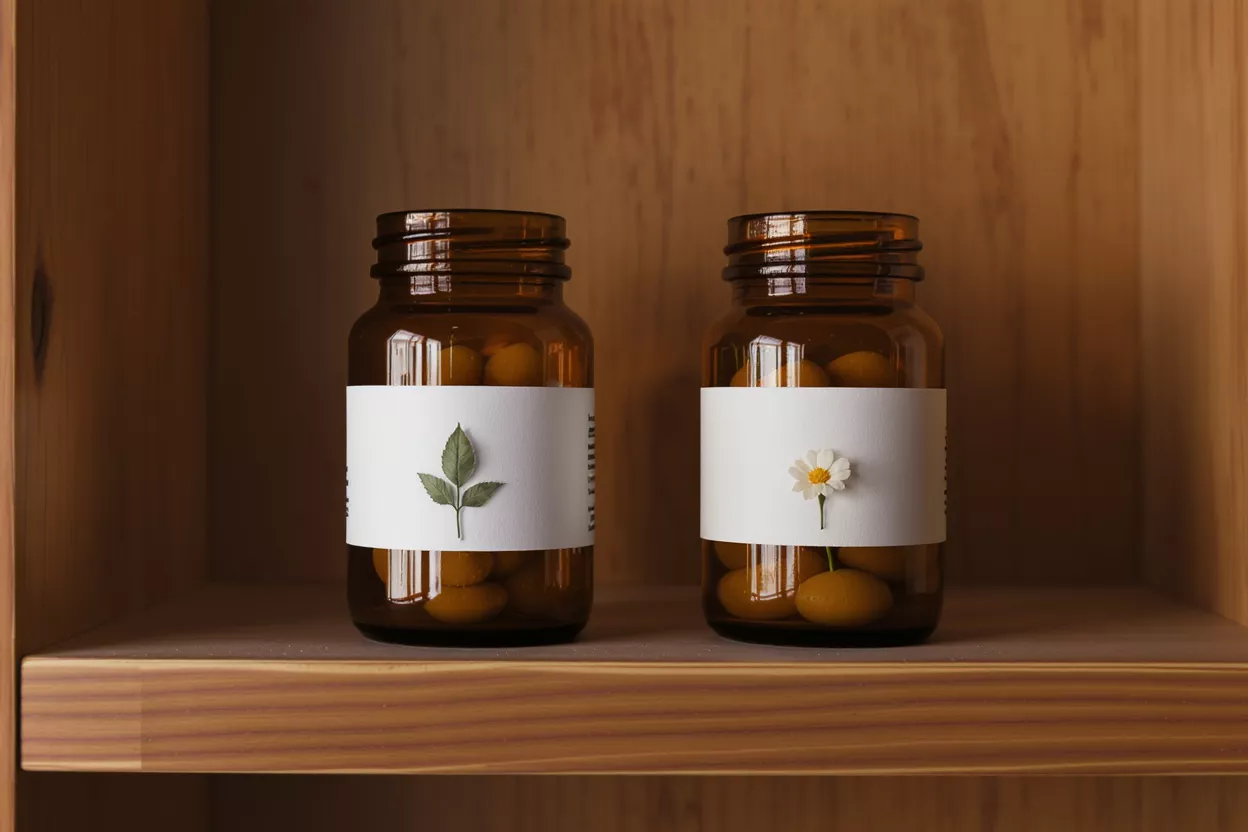
Sleep is one of the most common reasons people reach for edibles, and here the two compounds play different roles. THC's sedating qualities can shorten the time it takes to fall asleep, making a modest evening dose appealing for restless nights. CBD's contribution is subtler—easing the mental churn that keeps people staring at the ceiling rather than knocking them out directly.
Timing makes or breaks the result: because edibles take up to two hours to peak, take your sleep dose well before bedtime, not as your head hits the pillow. A gummy swallowed too late can leave you alert at the wrong moment and groggy come morning. Treat the edible like a slow ritual—almost a wake and bake in reverse, easing you down instead of up.
Many sleep-focused formulas layer in supportive ingredients: a touch of valerian, calming terpenes, or theanine for that tea-like serenity. These additions don't transform the product but can round out the experience. Whatever you choose, consistency helps—your body responds more predictably when bedtime dosing becomes a steady habit rather than a scramble.


Pain Gummies 60mg CBD : CBG x 30 pcs (1800mg) – NOW+THEN
Serious relief, seriously tasty. NOW+THEN's Pain gummies pair 30mg of CBD with 30mg of CBG in each of 30 pieces — a dual-cannabinoid approach to everyday aches in a chewable you'll actually enjoy. No high, just steady, comprehensive comfort. The flavourful daily option for managing discomfort the gentle way.
- Synergistic Relief : CBD and CBG enhance each other's effects
- Powerful Anti-Inflammatory : Double cannabinoid action
- Nerve Pain Support : CBG specifically targets neuropathy
- Non-Intoxicating : Zero THC for anytime use
- Month Supply : Consistent daily management
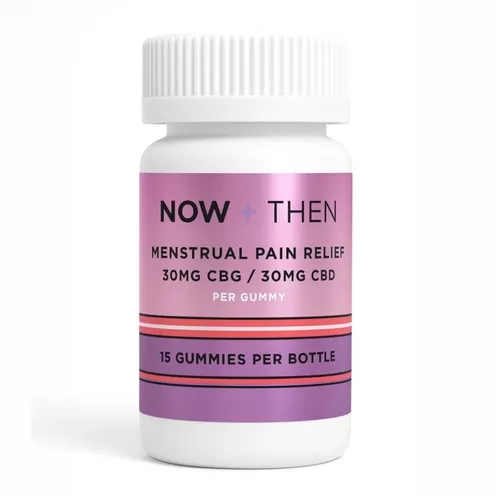
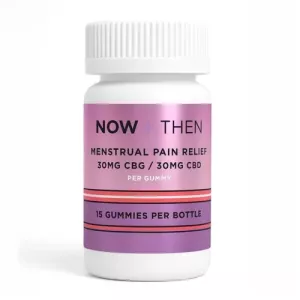
Menstrual Pain Relief Gummies 30mg CBD : CBG x 15 pcs (450mg) – NOW+THEN
Period relief, reimagined. NOW+THEN's Menstrual gummies pair 30mg of CBD with 30mg of CBG in each tropical-flavoured piece — a dual-cannabinoid approach to the cramps and tension that come with that time of the month. No high, just steady, comforting support in a chewable you'll actually look forward to. Fifteen sweet, soothing bites for tougher days.
- Pain Receptor Modulation: CBG directly influences endocannabinoid receptors responsible for pain signaling in reproductive tissues
- Inflammatory Response Management: CBD reduces prostaglandin production that causes uterine contractions and cramping intensity
- Nervous System Regulation: Cannabinoid interaction with GABA pathways promotes relaxation and anxiety reduction
- Circulatory Enhancement: Improved blood flow reduces tissue hypoxia that contributes to menstrual pain severity
- Endocrine System Support: Natural compounds help regulate hormonal fluctuations without disrupting natural cycles

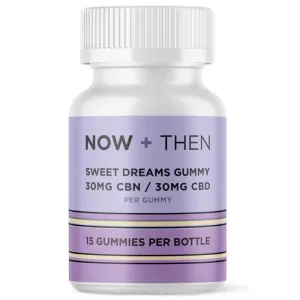
Sleep Gummies 60mg CBD : CBN x 15 pcs (900mg) – NOW+THEN
Sweeter nights, smaller pack. NOW+THEN's Sleep gummies deliver 30mg of CBD and 30mg of CBN per piece across 15 chewables — a scientifically balanced nudge toward deeper rest. One before bed and let the calm settle in. The easygoing, no-high way to turn bedtime into a ritual.
- Natural Sleep Induction : CBN specifically promotes drowsiness
- Anxiety Reduction : CBD calms racing bedtime thoughts
- Deep Sleep Support : Improves sleep quality and duration
- Plant-Based : Made with natural cannabinoids
- Morning Clarity : No grogginess or hangover effects
CBD vs THC Edibles: Common Questions Answered
Will CBD edibles get me high? No. Pure CBD is non-intoxicating, so a CBD-only gummy delivers calm without any mental impairment. Only THC produces the classic high, and only products containing meaningful THC will alter how you feel. If a label lists only CBD, you can eat it and carry on with your day.
How long do effects last? Edibles outlast every other delivery method. THC edibles commonly run four to eight hours, with residual effects lingering longer at higher doses. CBD edibles tend to feel shorter and gentler. Plan your evening accordingly—an edible eaten at nine o'clock may still have you in its grip at midnight.
For anyone just starting out, the smartest move is to begin with a clearly labeled, lab-tested product and the lowest sensible dose. A gentle CBD wellness gummies option is a low-stakes way to learn how edibles treat you before stepping up to anything stronger. Whether you ultimately favor CBD's clarity, THC's euphoria, or a balanced ratio that splits the difference, the winning strategy is the same: respect the onset, mind the dose, and let your own experience guide the next purchase. That patient, informed approach turns the CBD vs THC edibles question from a gamble into a personal recipe you'll refine over time.