


Phoenix Tears 2026: Rising from the Ashes – Benefits and Uses
Discover what phoenix tears cannabis oil is, how it works, and how to dose it safely.
Few cannabis products carry the mythology of Phoenix Tears. Named for the idea of rising renewed from the ashes, this thick, dark, resin-like oil has become shorthand for the most concentrated form of medicinal cannabis you can buy. Whether you know it as Phoenix Tears, Rick Simpson Oil, or fully extracted cannabis oil, the reputation is the same: a potent, whole-plant extract that patients turn to when they want cannabis at its most undiluted. This guide breaks down what the oil actually is, where it came from, how people use it, and what the evidence genuinely supports — separating the durable facts from the wishful thinking.
What Are Phoenix Tears?
The short definition: Phoenix Tears is a highly concentrated cannabis oil made by soaking plant material in a solvent — usually food-grade alcohol — to strip out the cannabinoids and terpenes, then evaporating the solvent away. What remains is a dense, tar-like extract loaded with THC and a full spectrum of minor compounds. Because the alcohol is boiled off, it is not technically a tincture, even though it can be dosed in similar ways.
The "fully extracted" part matters. Unlike a distillate that isolates one or two cannabinoids, Phoenix Tears aims to preserve the plant's whole chemical profile — the reason many users associate it with the entourage effect, where cannabinoids and terpenes work together rather than in isolation. This lipophilic oil binds readily to fats, which shapes how it is absorbed and why it pairs well with a meal.
You will hear the terms Phoenix Tears, RSO, and Rick Simpson Oil used interchangeably, and for practical purposes they describe the same thing. The differences come down to sourcing, extraction quality, and cannabinoid ratios rather than any fundamental change in the product itself.
Who Is Rick Simpson Behind Phoenix Tears?
The origin story: Rick Simpson is a Canadian medical cannabis activist who developed the oil in 2003 after a skin cancer diagnosis. He reported applying the concentrated oil topically to affected areas and observing the lesions recede. Convinced of its value, he began producing the extract and sharing both the oil and the recipe freely, which is how the name Rick Simpson Oil entered the cannabis vocabulary.
Simpson's advocacy turned a homemade preparation into a global phenomenon. His decision to publish the method rather than commercialize it meant the oil spread through patient communities long before any dispensary sold it. That grassroots history is a big part of why Phoenix Tears feels less like a branded product and more like folk medicine that eventually went mainstream.

It is worth keeping expectations grounded. Simpson's accounts are anecdotal, and while his story is compelling, personal testimony is not the same as clinical proof. Resources like Verywell Health stress that individual reports, however sincere, need controlled research behind them before they become medical fact. The honest position is that his work opened important questions that science is still working to answer.
How Do Phoenix Tears Work in the Body?
It all runs through the endocannabinoid system. The human body has a network of receptors — chiefly CB1 in the nervous system and CB2 in immune tissue — that respond to cannabinoids. THC, the dominant compound in most Phoenix Tears, binds to these receptors and influences pain signaling, appetite, mood, and inflammation. Because the oil is so concentrated, even a rice-grain-sized dose delivers a substantial amount of active cannabinoid.
How you take it changes the timeline. Swallowed oil passes through the liver, where THC converts to a longer-lasting metabolite, producing slower onset but effects that can stretch for hours. Held under the tongue, some cannabinoids absorb through the mucous membranes for a quicker start. This split behavior is why dosing method is as important as dose size.
The extract's chemistry also explains its texture and handling. Cannabinoids are lipophilic and not hydrophilic, meaning they dissolve in fat rather than water — which is why the oil is sticky, why it mixes into food easily, and why absorption improves when taken alongside something fatty. Understanding that basic property makes the whole product far less mysterious.
How to Use Phoenix Tears and RSO
There are three common routes, and each suits a different goal. The right choice depends on what you are trying to address and how quickly you want results.
- 💧 Oral or sublingual: Place a measured amount under the tongue or swallow it directly, often inside a capsule. This is the most popular route for whole-body effects, with duration frequently outlasting inhaled cannabis.
- 🌿 Topical: Rub the oil directly onto skin for localized concerns. No carrier is strictly required, and many users apply it much the way Rick Simpson originally described.
- 💨 Vaporization: Possible but trickier, since the raw extract is thick. A concentrate-capable device or thinning with food-grade vegetable glycerin makes it workable.
For daily, low-fuss use, many people prefer pre-measured formats. A quality full-spectrum THC capsule removes the guesswork of eyeballing a sticky syringe and delivers a consistent dose every time — a meaningful advantage when precision matters.

Topical application deserves a note of realism. It can be soothing for surface concerns and is easy to try, but skin absorption is limited and results vary widely between individuals. Treat it as a complementary approach rather than a guaranteed fix, and give any routine time before judging it.
Phoenix Tears Dosing Guide: Start Low, Go Slow
Respect the potency. Phoenix Tears is among the strongest cannabis products available, and its high THC concentration means a beginner dose is genuinely tiny — often compared to half a grain of rice. Starting there and increasing gradually over days or weeks lets your tolerance build without unpleasant, overwhelming psychoactive effects.
The classic Rick Simpson protocol ramps up over roughly 90 days, moving from micro-doses to multiple larger doses daily. Structured programs mirror this logic, easing new users in before scaling to therapeutic amounts. The point of the gradual curve is comfort and sustainability, not speed.
- 🌱 Week one: Begin with a dose about the size of half a grain of rice, ideally before bed since drowsiness is common early on.
- 📈 Building up: Increase slowly every few days as tolerance allows, splitting doses across the day rather than taking one large amount.
- 🍽️ With food: Take the oil with a fatty meal to improve absorption and smooth out onset.
- 📓 Track it: Keep a simple log of dose, timing, and how you felt so you can fine-tune with a healthcare professional.
If daily titration feels intimidating, a graduated Phoenix Tears program that steps you through set increments takes much of the anxiety out of the process, especially for anyone new to high-potency extracts.
What Are the Benefits of Phoenix Tears?
Pain relief leads the list. The most consistently reported benefit is help with chronic and neuropathic pain. Many users turn to concentrated cannabis oil as a complement to — or in some cases a way to reduce reliance on — conventional analgesics, though this should always happen under medical guidance rather than on your own.
Beyond pain, patients describe support for sleep, appetite, nausea, and general relaxation. These effects align well with THC's known interaction with the endocannabinoid system, and they are a large part of why people undergoing demanding treatments explore the oil for quality-of-life reasons.

The cancer conversation is where care is most needed. Some laboratory studies have observed cannabinoids affecting cancer cells through mechanisms like slowing proliferation, limiting blood supply to tumors, and triggering programmed cell death. These are preliminary findings in cells and animals, not evidence that the oil cures cancer in people. Phoenix Tears should be considered a possible supportive or complementary option, never a replacement for oncology care.
Are Phoenix Tears Safe to Use?
Potency is the main safety concern. Because the oil is so concentrated, the most common issue is accidental over-consumption, which can bring intense psychoactive effects, anxiety, drowsiness, or dizziness. These effects are uncomfortable rather than dangerous, and they fade as the THC clears, but they underline why cautious dosing matters so much.
Drug interactions are a real consideration. THC can interact with sedatives, blood thinners, and other medications, so anyone on a prescription regimen — particularly cancer patients — should consult their doctor before starting. Cannabis is also not appropriate during pregnancy or breastfeeding.
Product quality feeds directly into safety. Poorly made extracts can carry residual solvents, pesticides, or heavy metals from contaminated plant material. Choosing oil from a licensed facility with published third-party lab results is the single most effective way to protect yourself from those risks.
How Are Quality Phoenix Tears Made?
It starts with clean input and clean solvent. High-grade Phoenix Tears begins with quality cannabis — often grown with careful cultivation methods such as controlled hydroponics or low-stress training (LST) to maximize resin — and uses food-grade alcohol as the extraction solvent. The alcohol pulls the cannabinoids from the plant, and the mixture is then gently heated to evaporate every trace of solvent.
The purge step is where good producers earn their reputation. Removing 100% of residual solvent is what separates a safe medicinal extract from a crude one. Reputable makers verify this with laboratory testing rather than asking you to take their word for it, and they store the finished oil to protect potency over its shelf life.
- 🔬 Lab verification: Look for publicly available third-party results confirming cannabinoid content and the absence of contaminants.
- 🌾 Source transparency: Quality brands are open about where and how their cannabis is grown.
- ✅ Solvent purity: Only food-grade solvents belong in a product meant for ingestion.
- 📅 Freshness: Well-made oil holds peak potency for months when stored properly.
If you want to skip the syringe entirely, a nutrient-rich RSO capsule blend pairs fully extracted cannabis oil with supporting botanicals for a cleaner daily-use experience — handy for anyone who dislikes measuring the raw oil by hand.
Best Phoenix Tears Products for Daily Wellness
Match the format to your routine. Traditional oil in a syringe gives maximum control and is the format of choice for structured programs, since you can titrate to the milligram. Capsules trade a little of that flexibility for convenience, delivering a fixed dose in a form that travels easily and requires no cleanup.
Dose strength is the other variable. Lower-strength capsules around 10mg suit newcomers and gentle daily wellness, mid-range 25mg options help with relaxation and unwinding, and high-strength 50mg formats serve experienced users who need substantial relief. Gummies offer a flavored alternative for those who find the raw oil's taste off-putting, though they lean toward higher-potency, experienced-user territory.
Whatever you choose, consistency beats intensity. Incorporating a measured amount into a steady daily rhythm — alongside good sleep, sensible nutrition, and movement — tends to produce better results than sporadic large doses. Track how you respond and adjust in partnership with a healthcare provider rather than chasing a bigger dose for its own sake.


Orange High Dose Phoenix Tears Vegan THC Gummies 300mg x 3pcs (900mg) – KANDY KANDY
Phoenix Tears strength, citrus-bright. KANDY KANDY's Orange Phoenix Tears gummies deliver a powerful 300mg of THC per piece across three orange-flavoured candies — high-dose potency that lasts all day or all night. Strictly for the most experienced, high-tolerance users; even a fraction is a serious dose. Start very low and go very slow.
- Maximum Relief : Powerful enough for the most severe symptoms
- High Potency : Phoenix Tears reputation in edible form
- Extended Duration : All-day or all-night relief
- Vegan Power : Plant-based formula for everyone
- High-Tolerance Strength : A potent option for experienced, high-tolerance users

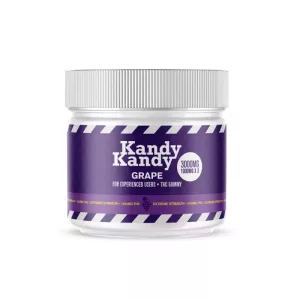
Grape High Dose Phoenix Tears THC Gummies 1000mg x 3pcs (3000mg) – KANDY KANDY
Extreme strength, handle with care. KANDY KANDY's Grape Phoenix Tears gummies deliver a colossal 1000mg of THC per piece across three grape-flavoured candies — among the most potent edibles available, with effects that last and last. Strictly for the most experienced, high-tolerance users; a fraction of one is a serious dose. Start very low and go very slow.
- Extreme-Strength Pain Support : A 1000mg dose for the highest tolerances managing severe pain
- Long Duration : A single high dose delivers especially long-lasting effects
- Cancer Support : Designed for severe medical needs
- Total Symptom Control : Addresses multiple severe conditions
- Great Value : A high dose per piece means a little goes a long way

Phoenix Tears Vegan Glass Dispenser 1g – NOW+THEN
Legendary RSO, with surgical control. NOW+THEN's Phoenix Tears dispenser holds 1000mg of vegan full-spectrum Rick Simpson Oil in a medical-grade glass syringe — measure precise doses of the whole-plant extract, exactly as you intend. Potent and versatile, it's RSO the controlled way. For experienced users who want the real thing, precisely.
- Precise Dosing : Control therapeutic amounts exactly
- Full Spectrum Relief : All cannabinoids working together
- Legendary Effects : The oil that inspired a movement
- Vegan Friendly : Ethical therapeutic option
- Versatile Medicine : Multiple application methods
The Future of Phoenix Tears in Cannabis Medicine
Research is the missing piece — and it is coming. As legalization spreads and stigma fades, more controlled clinical trials are examining cannabinoids for pain, nausea, and other conditions. That growing evidence base will eventually tell us where Phoenix Tears genuinely helps and where the hype outran the data, replacing anecdote with something firmer.
Standardization is the next frontier. Today's extracts vary in cannabinoid ratios, purity, and quality; a maturing industry points toward consistent formulations, clearer labeling, and possibly personalized blends tailored to individual needs and tolerances. Better regulation would make dosing more predictable and safer for everyone.
Integration with conventional care may be the biggest shift of all. As physicians grow more comfortable with the science, cannabis-based options like Phoenix Tears could move from the margins into supportive roles within mainstream treatment plans, discussed openly between patient and doctor rather than pursued quietly on the side.
Phoenix Tears has traveled a remarkable path from one man's kitchen experiment to a widely recognized concentrated cannabis oil. Its appeal is real: a whole-plant, high-potency extract that many people find genuinely helpful for pain, sleep, appetite, and overall comfort. Just as real is the need for caution — respect the potency, start low, insist on lab-tested quality, and keep a healthcare professional in the loop, especially if you are managing a serious illness. Approached with that mix of openness and realism, Phoenix Tears can be a thoughtful addition to a modern wellness routine, and its future in cannabis medicine looks brighter with every new study.






Comments