

Capsule
Discover how a cannabis capsule delivers precise THC and CBD doses in pill form.
What Is a Cannabis Capsule
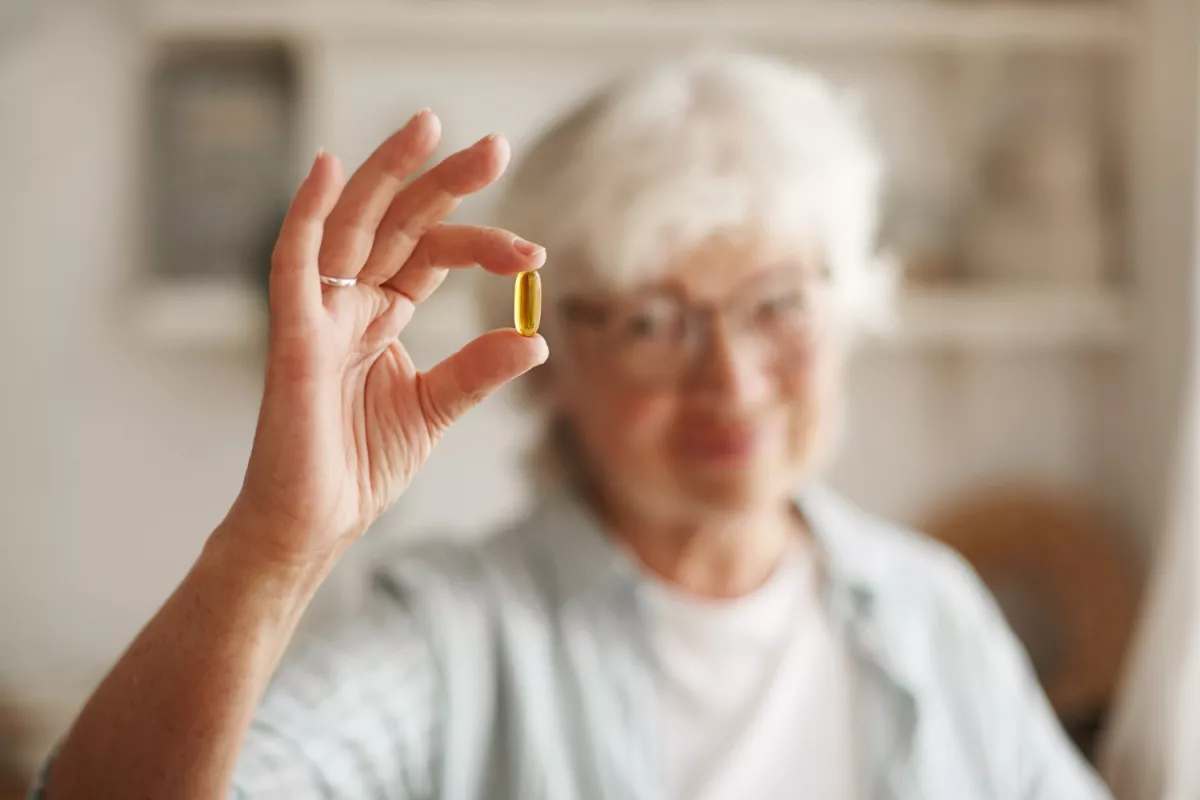
A cannabis capsule is a pre-measured dose of cannabinoids sealed inside a swallowable shell, designed to deliver a precise amount of THC, CBD, or both with each pill. If you have ever taken a vitamin or a fish-oil softgel, you already understand the format. The difference is what sits inside: instead of omega-3s, the capsule holds cannabis oil, dry extract, decarboxylated flower powder, or a cannabinoid concentrate suspended in a carrier such as coconut or MCT oil.
The appeal of this format comes down to consistency and discretion. There is no smoke, no odor, no measuring of tinctures, and no guesswork about how many milligrams you are consuming. Each capsule is labelled with a specific potency, which makes it one of the most reproducible ways to take cannabis. For people managing a wellness routine or a medical condition, that predictability matters more than almost anything else.
Why capsules have grown so popular: as legal markets matured, demand shifted from novelty products toward formats that fit into everyday life. A capsule looks and behaves like any other supplement in a medicine cabinet, which removes much of the stigma and the learning curve. It travels well, it does not require any accessories, and it lets a new user start with a clearly defined dose rather than improvising. That combination of familiarity and precision is exactly why the capsule has become a staple of modern edible product lines.
How Cannabis Capsules Work in the Body
When you swallow a cannabis capsule, it travels to the stomach and small intestine where the shell dissolves and the cannabinoids are absorbed. From there, they pass through the liver before entering general circulation. This first pass through the liver is the single most important factor that defines how capsules feel compared to inhaled cannabis, because the liver chemically transforms the cannabinoids before they ever reach the brain.
The 11-hydroxy-THC effect: when THC is metabolized by the liver, it converts into 11-hydroxy-THC, a compound that is more potent and longer-lasting than the THC you inhale. This is why an oral dose can feel stronger and last several hours longer than the same number of milligrams smoked. It also explains why patience is essential, a topic the dosing section covers in detail.
Onset and duration: because the capsule has to be digested before anything happens, effects typically begin between 45 minutes and two hours after swallowing. Once they arrive, they tend to last four to eight hours, with the peak somewhere in the middle. The exact timing depends on your metabolism, whether you have eaten, and the carrier oil used in the formulation. Taking a capsule with a small amount of dietary fat can improve absorption because cannabinoids are fat-soluble.
Types of Cannabis Capsules and Their Fillings
Not all capsules are built the same way, and the filling inside determines both the experience and the shelf life. Understanding the categories helps you match a product to your goals, whether you want a fast-dissolving softgel of oil or a dry powder of full-spectrum extract.
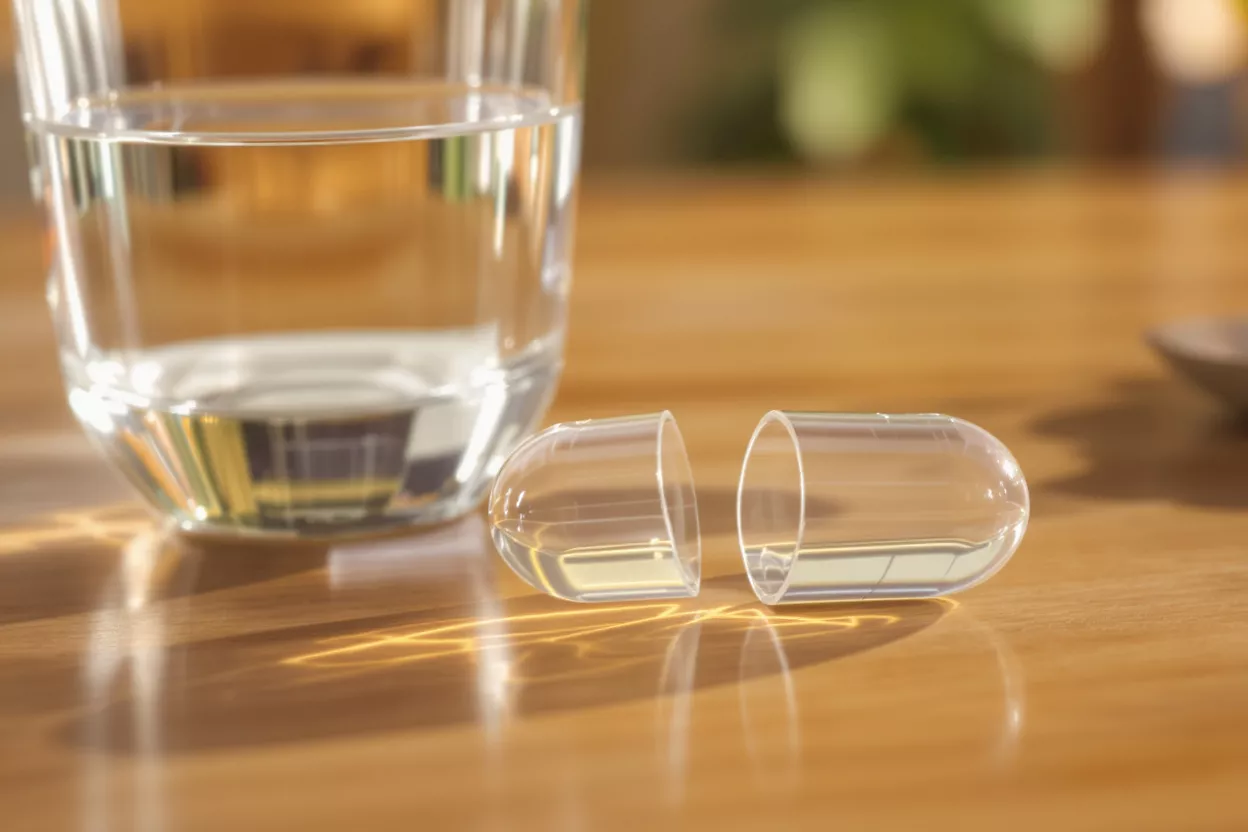
The most common distinction is between softgels and two-piece capsules. Softgels seal a liquid such as cannabis-infused oil inside a single flexible shell, which protects the contents from air and light. Two-piece capsules slide together around a dry fill and are easier to manufacture in small batches, though they offer slightly less protection from oxidation.
- 💧 Oil-filled softgels: cannabinoids suspended in MCT, coconut, or olive oil, prized for smooth absorption and a long, stable shelf life.
- 🌿 Decarboxylated flower powder: finely milled, heat-activated cannabis offering a full-spectrum profile that includes terpenes and minor cannabinoids.
- 🧪 Distillate or isolate fills: highly refined extracts that allow exact, predictable cannabinoid ratios with minimal plant taste.
- ⚖️ Balanced THC:CBD blends: formulations designed around specific ratios such as 1:1 or 1:2 for targeted effects.
Full-spectrum versus isolate: a full-spectrum capsule preserves the broader chemistry of the plant, including terpenes and trace cannabinoids that may contribute to the so-called entourage effect. An isolate-based capsule strips everything down to a single cannabinoid, which appeals to anyone who wants pure CBD or THC with no other compounds present. Neither is universally better; the right choice depends on what you are trying to achieve.
Cannabis Capsule Dosing Guide for Beginners
Dosing is where capsules truly shine, because every pill carries a known quantity. For someone new to oral cannabis, the standard guidance is to start low and go slow. A beginner dose often sits around 2.5 to 5 milligrams of THC, and many products are formulated specifically at these low strengths so that newcomers can find their comfort zone without overshooting.
The golden rule of oral cannabis: wait at least two hours before taking a second capsule. Because onset is delayed, the most common mistake is assuming the first dose did not work and taking more, only to be overwhelmed when both doses peak together. Treat the two-hour mark as non-negotiable until you know exactly how your body responds to a given product.
- 🌱 Microdose (1–2.5 mg THC): subtle relief with little to no intoxication, ideal for daytime use or first-time exploration.
- 🙂 Low dose (2.5–5 mg): mild euphoria and noticeable relief, a comfortable starting point for most newcomers.
- 😌 Moderate dose (5–15 mg): stronger effects suited to experienced users seeking meaningful relief.
- 💪 High dose (15 mg and up): reserved for seasoned consumers or those with high tolerance and specific therapeutic needs.
If you are pairing a capsule with CBD, remember that CBD can soften the intensity of THC for some people. A balanced ratio product may feel gentler than a pure THC capsule at the same milligram strength, which is worth keeping in mind as you calibrate.
Capsules vs Other Edibles: What Is the Difference
Capsules belong to the broader edible family, yet they behave differently from gummies, chocolates, and baked goods in a few meaningful ways. The most obvious difference is taste: a capsule is swallowed whole, so there is no cannabis flavor and no sugar, which makes it attractive to anyone avoiding sweets or sensitive to the grassy taste of infused candy.
Absorption pathway matters: many sweet edibles begin releasing cannabinoids in the mouth and digestive tract as you chew and swallow, while a capsule delivers its full payload further down the digestive system. In practice this can make capsule onset a touch slower and more uniform, since nothing is absorbed sublingually before swallowing. The trade-off is reliability, because the dose is locked inside a sealed shell rather than spread across a piece of food.
Precision and portability: a gummy is easy to over-eat and its dose can vary slightly from piece to piece, whereas a capsule is identical every time. Capsules also avoid melting in a warm bag, they carry no obvious cannabis branding, and they fit neatly into a daily pill organizer alongside other supplements. For routine, scheduled use, that consistency gives capsules an edge over snack-style alternatives.
Benefits of Cannabis Capsules
The strongest case for capsules is the combination of accuracy and convenience. Each dose is measured to the milligram, which removes the trial and error that makes other formats frustrating for medical users. That precision is especially valuable for anyone tracking their intake for a chronic condition, where consistency from day to day directly affects how well a routine works.
Discretion is the second major draw. A capsule produces no smoke, no smell, and no visual cue that it contains cannabis, so it can be taken anywhere a normal supplement would be. This makes the format friendly to people who want the benefits of cannabis without announcing it to everyone around them or disrupting a workplace or travel setting.
- 🎯 Exact dosing: every capsule contains the same labelled potency, eliminating guesswork.
- 🚭 No smoke or odor: gentle on the lungs and completely discreet.
- ⏳ Long-lasting relief: oral metabolism delivers effects that can stretch across most of a day.
- ✈️ Travel-friendly: no accessories, no mess, and easy to organize alongside daily vitamins.
Capsules also extend the shelf life of cannabis compared to raw flower, since the cannabinoids are sealed away from light and air. A well-made oil softgel can remain stable for many months, making capsules a practical choice for people who dose infrequently and do not want their product degrading between uses.
Are Cannabis Capsules Safe to Take Daily
For most healthy adults, taking a cannabis capsule as part of a daily routine is considered low-risk when doses are kept reasonable and products come from a tested, regulated source. Because the dose is fixed, capsules actually reduce one of the biggest risks of oral cannabis, which is accidental overconsumption from poorly measured homemade edibles.
What to watch for: the same delayed onset that makes capsules pleasant can lead to over-dosing if you are impatient, so the two-hour rule remains the most important safety habit. Side effects of taking too much are uncomfortable rather than dangerous, and typically include drowsiness, dry mouth, and temporary anxiety that fades as the dose wears off.
When to consult a professional: anyone taking prescription medication, pregnant or breastfeeding, or managing a serious health condition should speak with a healthcare provider before adding cannabis capsules to a daily regimen. Cannabinoids can interact with certain drugs metabolized by the liver, and a clinician can help you weigh that against your other medications. Used thoughtfully and within sensible limits, daily capsule use is a sustainable habit for many people.
How to Store Cannabis Capsules Properly
Proper storage keeps capsules potent and safe for as long as possible. The enemies of cannabinoids are heat, light, oxygen, and humidity, so the ideal home for your capsules is a cool, dark, dry place such as a cupboard away from the stove or any sunny window. The original child-resistant container is usually the best vessel, since it is designed to limit exposure.
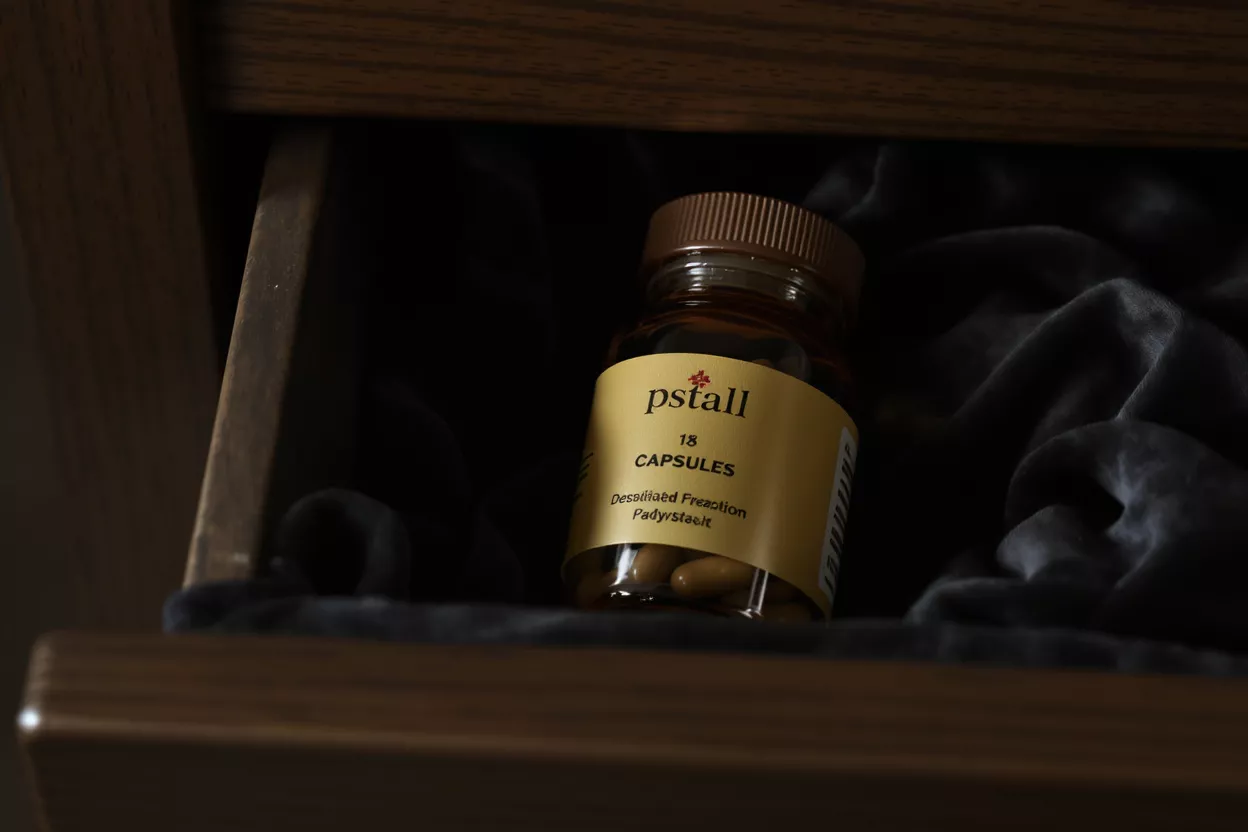
Avoid the temptation to store capsules in a bathroom, where shower steam introduces humidity that can degrade the shell over time. A bedroom drawer or kitchen cabinet on an interior wall stays more stable. If you live in a hot climate, the refrigerator is acceptable, though you should keep the capsules in an airtight container to prevent condensation from forming when you move them in and out.
Keeping them away from children and pets: because capsules look exactly like ordinary supplements, they must be stored well out of reach and clearly separated from family medications. The discreet appearance that adults appreciate is precisely why a curious child or pet could mistake them for something harmless, so a locked or high cabinet is a sensible precaution in any household.
Choosing the Right Capsule for Your Needs
With so many products on the shelf, picking the right capsule comes down to matching the formulation to your goal. Start by deciding what you want from the experience: pure relief without intoxication points toward CBD-dominant capsules, while recreational or stronger therapeutic effects point toward THC or balanced blends. Your tolerance and experience level then dictate the milligram strength you should begin with.
Reading the label like an expert: a trustworthy capsule lists its cannabinoid content per pill, the carrier oil, and ideally a batch number tied to third-party lab results. Lab testing confirms the potency is accurate and that the product is free of pesticides, solvents, and heavy metals. If a product hides its testing or vaguely lists only total cannabinoids without a per-capsule figure, treat that as a reason to look elsewhere.
Consider the carrier and the format too. Oil-based softgels generally absorb a little better thanks to their fat content, while vegan two-piece capsules suit anyone avoiding gelatin. If you want the broad plant profile, seek a full-spectrum option; if you need a single clean cannabinoid, an isolate formulation will serve you better.
Common Cannabis Capsule Questions Answered
How long does it take a capsule to kick in? Expect anywhere from 45 minutes to two hours, depending on your metabolism and whether you have eaten. Taking a capsule with a meal that contains some fat can speed and smooth the onset because cannabinoids are fat-soluble and absorb alongside dietary fats.
Can I cut a capsule in half to lower the dose? With liquid softgels this is messy and not recommended, since the oil will leak. If you need a smaller dose, buy a lower-strength product rather than splitting a pill. Many brands make microdose and low-dose capsules precisely so you never have to guess or divide a dose.
Will a cannabis capsule show up on a drug test? Yes. A THC capsule introduces the same cannabinoids that any other cannabis product does, and these can be detected by standard cannabinoid screenings for days or weeks after use. The capsule format offers no advantage here, so plan accordingly if you are subject to testing.
Cannabis capsules bring the precision of pharmaceutical-style dosing to a plant that has historically been measured by eye. They offer a discreet, smoke-free, and remarkably consistent way to take cannabinoids, whether your goal is daytime relief, restful sleep, or a steady therapeutic routine. By starting low, respecting the delayed onset, storing your product carefully, and choosing lab-tested formulations, you can make capsules one of the most reliable and approachable tools in your cannabis routine.

Comments