

Rick Simpson Oil – The Ultimate 2026 Guide
Discover everything about Rick Simpson Oil — dosing, benefits, legality in Canada, and where to buy RSO safely.
Few names in the cannabis world carry as much weight as Rick Simpson Oil. Often abbreviated as RSO, this thick, tar-like concentrate has been embraced by patients, caregivers, and the wider cannabis community as a potential tool against serious illness. Yet for all its reputation, real understanding of what Rick Simpson Oil actually is, how it works, and where the science stands remains surprisingly thin. This guide cuts through the folklore to give you a grounded, practical look at RSO in 2026 — what the evidence supports, what remains anecdotal, and how to approach it responsibly.
Whether you are a cancer patient exploring complementary options, a caregiver researching on behalf of a loved one, or simply curious about one of the most talked-about cannabis extracts on the planet, the goal here is clarity. RSO is powerful, and power demands respect. Understanding dosing, sourcing, and the difference between hope and hype is essential before anyone considers making it part of a wellness routine.
What Is Rick Simpson Oil?
Rick Simpson Oil is a highly concentrated cannabis extract distinguished by its extraordinarily high THC content, frequently exceeding 60 to 90 percent. Unlike lighter oils designed for microdosing or flavor, RSO is a full-spectrum product — meaning it preserves a broad range of cannabinoids, terpenes, and plant compounds rather than isolating a single molecule. This full-spectrum character is central to its appeal, since many users believe the combined compounds produce a stronger effect than any one cannabinoid alone.
What RSO is made from: Traditional Rick Simpson Oil begins with indica-dominant cannabis flower, chosen for its heavy body effects and sedating profile. The plant material is washed in a solvent that pulls the lipophilic cannabinoids out of the plant, since these compounds bind readily to fats and alcohols rather than water. The solvent is then evaporated away, leaving behind the dark, viscous oil that defines RSO. Because THC is fat-soluble, the finished product is dense with active compounds in a small volume.
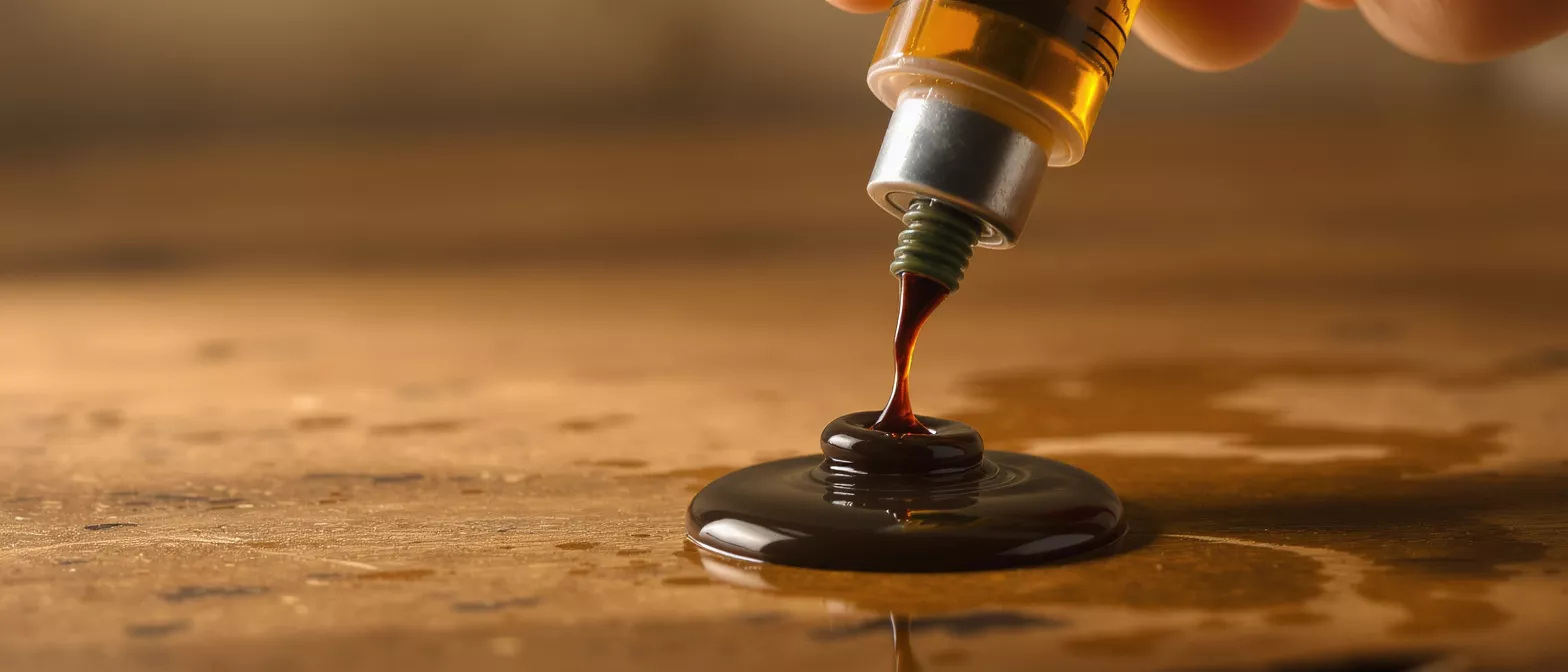
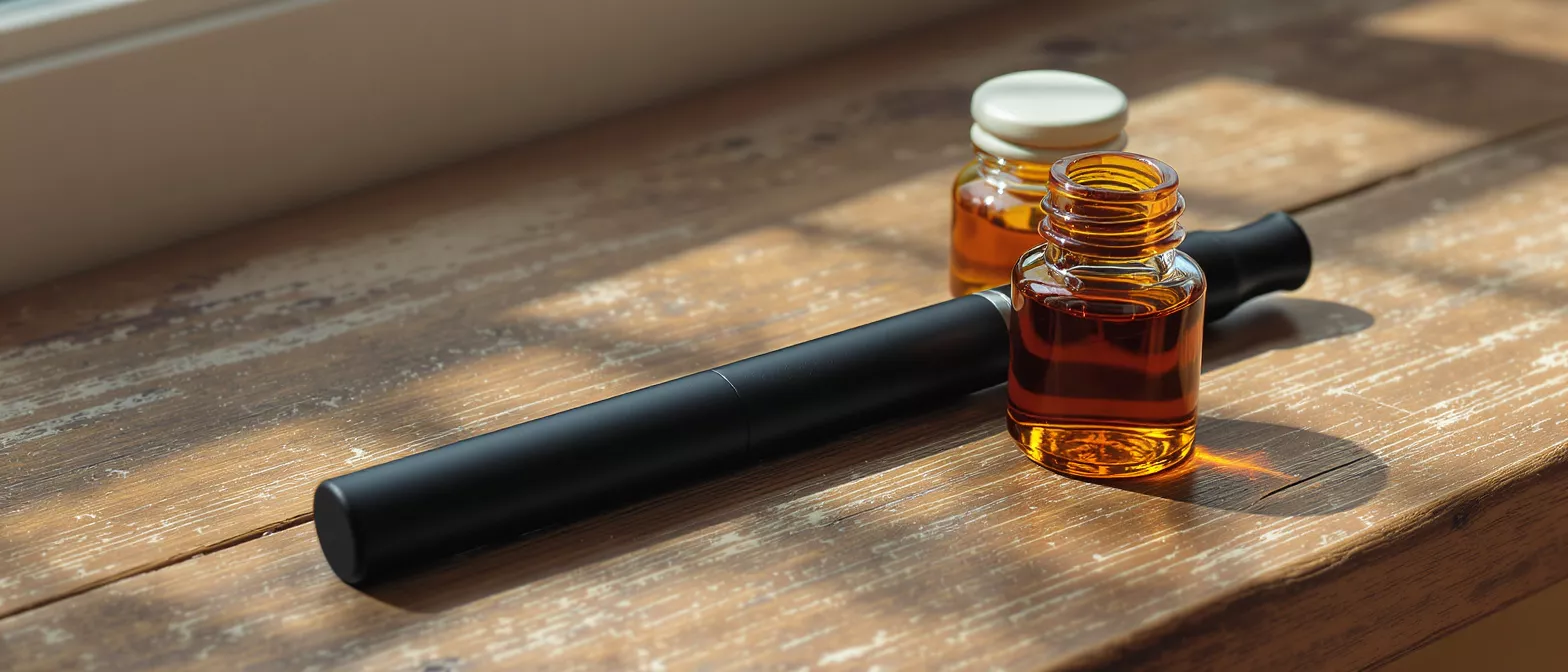
Why the color and texture matter: Genuine RSO is nearly black, thick, and sticky — a visual signature of decarboxylated, full-spectrum extract. That decarboxylation step converts raw cannabinoid acids into their active forms, which is what makes RSO potent when swallowed. A lighter, thinner oil often signals a different product entirely, so appearance offers a rough first check of authenticity. According to Everyday Health, concentrated cannabis extracts like this can carry THC levels dramatically higher than smoked flower, which is why measured dosing is non-negotiable.
Rick Simpson Oil for Cancer: What the Research Says
The reputation of Rick Simpson Oil is inseparable from cancer. Simpson himself popularized the oil after claiming it cleared his own skin cancer, and countless anecdotal accounts have followed. It is important to separate these stories from established clinical evidence, because the gap between the two remains wide. As of now, no large-scale human trials have confirmed that RSO cures cancer or reliably shrinks tumors.
What preliminary studies suggest: Laboratory and animal research has shown that certain cannabinoids can influence cancer cell behavior in isolated settings — slowing growth, encouraging cell death, and reducing the blood supply tumors depend on. A frequently cited 2013 case study documented reduced leukemic cell activity in a single terminal patient using cannabis extract, with no serious adverse effects reported. These findings are genuinely intriguing, but a petri dish and a living human body are very different environments, and single cases cannot establish efficacy.
Where RSO shows clearer value: The stronger case for RSO in cancer care is symptom management rather than cure. Many patients report meaningful relief from pain, nausea, poor appetite, and insomnia — burdens that often accompany both cancer and its treatments. For someone struggling to eat or sleep during chemotherapy, that quality-of-life improvement is not trivial. Anyone considering RSO alongside conventional treatment should involve their oncology team, since cannabinoids can interact with other medications and treatment plans.
Rick Simpson Oil Dosage Guide
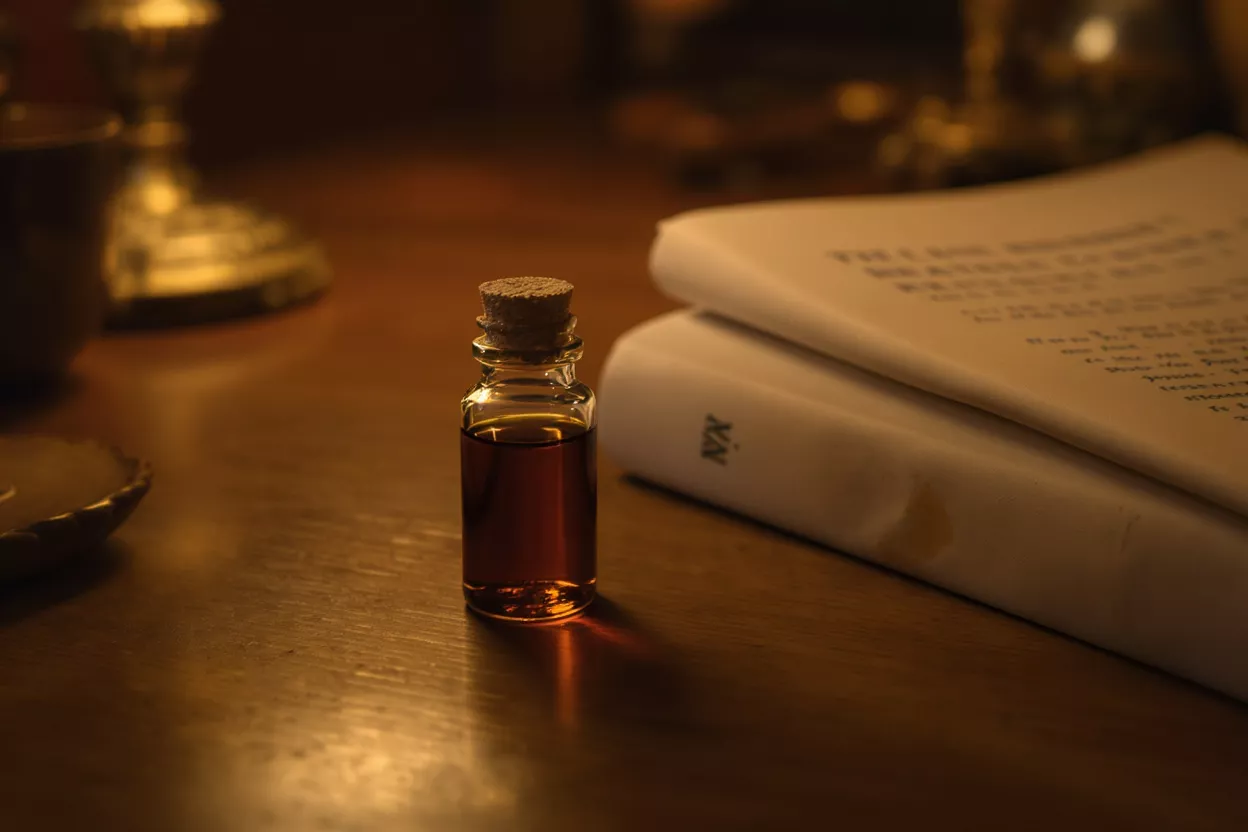
Dosing is where most newcomers stumble, and getting it wrong is the fastest route to an unpleasant experience. Because RSO is so concentrated, the difference between a therapeutic amount and an overwhelming one can be a matter of a rice grain. The universally recommended approach is to start absurdly small and build up with patience over weeks, never days.
The standard titration schedule: Most protocols begin with a dose roughly half the size of a grain of rice, taken three times daily. Every four days or so, the dose is gradually increased, allowing the body to adapt to rising THC exposure. The often-cited target is one gram of RSO per day, reached over a span of four to five weeks, then maintained through a longer protocol. This slow ramp is designed to minimize the disorientation and heavy sedation that a large THC dose produces in an unprepared body.
Precision here genuinely matters. An oral syringe marked in small increments lets you measure down to a fraction of a gram, which is far more reliable than eyeballing a smear on a fingertip. Keeping a simple journal of dose, timing, and effects helps you find your personal ceiling without overshooting it. For those who find raw oil difficult to manage, pre-measured RSO capsules remove much of the guesswork while preserving the same titration logic.
How to Make Rick Simpson Oil at Home
Rick Simpson always shared his method freely, and many people still make RSO themselves. It can be done, but it demands respect for the solvents involved and a genuine commitment to following the process exactly. Shortcuts here do not just waste material — they can produce oil contaminated with residual solvent, which defeats the entire purpose of a clean medicine.
The classic recipe starts with roughly one pound of dried indica flower and a food-grade solvent such as high-proof ethanol or 99 percent isopropyl alcohol, which yields around three to four grams of finished oil. The plant matter is soaked and stirred in the solvent to dissolve the cannabinoids, then strained through a filter. A second wash improves extraction efficiency. The liquid is then gently heated to evaporate the solvent completely, a step that also drives decarboxylation.
The safety non-negotiables: The evaporation stage is the dangerous part. Alcohol vapor is flammable, so this must happen in a well-ventilated space with zero open flames, sparks, or ignition sources nearby. A rice cooker on low heat is the traditional tool because it holds gentle, steady temperatures. Many patients now prefer commercially produced RSO made with CO2 extraction instead, which eliminates flammable solvents and any risk of residual chemicals in the final product.

Rick Simpson Oil vs CBD Oil
RSO and CBD oil are frequently confused, but they occupy very different corners of the cannabis world. The core distinction comes down to the cannabinoid that dominates each one, and that single difference cascades into everything from legality to how you feel after taking it.
- 🌿 Source plant: RSO is made from high-THC marijuana strains, while most CBD oil is extracted from hemp, which is naturally low in THC.
- 🧠 Psychoactivity: RSO is strongly intoxicating due to its THC load; CBD oil produces no high and keeps the head clear.
- 💤 Typical use: RSO is often chosen for deep pain relief, appetite, and sleep, whereas CBD leans toward anxiety and inflammation.
- ⚖️ Legal footing: CBD from hemp is broadly available, while high-THC RSO is tightly regulated wherever it is sold.
For some patients the two are not competitors but partners. CBD can temper the intensity of THC, softening the anxious edge that high doses sometimes bring, while still contributing its own anti-inflammatory effects. This complementary relationship is why some people run both together, adjusting the ratio until they find a balance that suits them. As with everything RSO-related, starting with microdoses of each and observing how they combine is the sensible path.
Because both are lipophilic extracts, they are also both best absorbed alongside a little dietary fat — a small practical detail that improves consistency regardless of which one you choose. Understanding that neither is inherently superior, only different, helps set realistic expectations.
Rick Simpson Oil Benefits Beyond Cancer
While cancer dominates the RSO conversation, the anecdotal reports extend well beyond it. Users have described relief across a broad spectrum of chronic and degenerative conditions, and while controlled trials remain scarce, the sheer volume of consistent testimonials is hard to dismiss entirely. The plausible mechanisms — anti-inflammatory and neuroprotective activity from the cannabinoid and terpene profile — give these accounts at least a theoretical footing.
Conditions people commonly cite: Beyond cancer symptom management, patients report using RSO for arthritis and other inflammatory conditions, autoimmune disorders, and chronic pain that resists conventional treatment. Others turn to it for sleep, describing the heavy indica-derived sedation as genuinely useful for stubborn insomnia. For patients seeking a gentler entry point, low-dose Phoenix Tears capsules offer a measured way to explore these effects without the intensity of full-strength oil.
Mental health applications: A notable share of anecdotal reports focus on anxiety, depression, and PTSD. The evidence here is especially mixed, since high THC doses can worsen anxiety in some people even as they relieve it in others. This variability is exactly why individualized, cautious dosing matters so much — what soothes one person may unsettle another. The honest summary is that RSO appears promising across many categories, but promise is not proof, and rigorous research is still catching up to the demand.

How to Use Rick Simpson Oil
There is no single correct way to take Rick Simpson Oil — the right method depends on your goals, your tolerance, and how quickly you want effects. Each route of administration changes both the onset and the duration, so it helps to understand the tradeoffs before settling into a routine.
- 👅 Sublingual: Placing oil under the tongue and holding it allows some absorption directly into the bloodstream for a relatively faster onset.
- 💊 Oral or capsule: Swallowed as capsules or in food, RSO produces slower but longer-lasting effects as it processes through digestion.
- 🧴 Topical: Applied to the skin as a salve or cream, it targets localized areas without the same systemic intoxication.
- 🔥 Added to flower: A small amount can be added to cannabis flower for inhaled delivery when a faster, shorter effect is wanted.
Whichever method you choose, the golden rule never changes: start at the lowest possible dose and increase slowly. Oral and capsule routes in particular demand extra patience, because the delayed onset tempts people into taking more before the first dose has fully kicked in — a common and avoidable mistake. Well-made THC capsules solve this neatly by delivering a known, repeatable amount every time, which removes much of the uncertainty.
Working with a knowledgeable physician to build a personalized protocol is strongly advised, especially for anyone managing a serious condition or taking other medications. A clinician can help you weigh interactions and set realistic milestones rather than leaving you to improvise alone.
Is Rick Simpson Oil Legal in Canada?
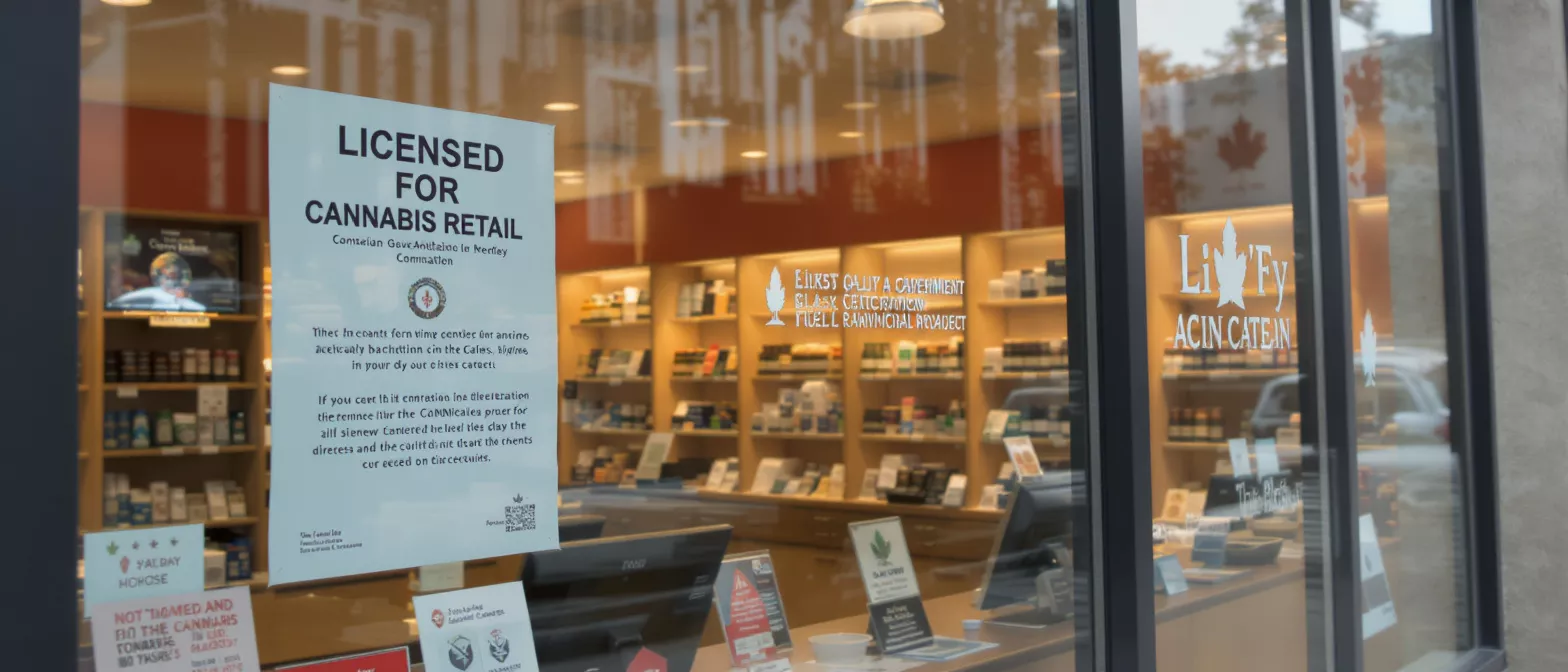
Legality is one of the most confusing aspects of RSO, because it shifts dramatically depending on where you stand. In Canada, the landscape is more favorable than in many places, though it is far from a free-for-all. Understanding the framework helps you avoid both legal risk and low-quality product.
- 🍁 Medical cannabis has been legal in Canada since 2001 for approved conditions.
- 📜 Recreational cannabis for adults was federally legalized in October 2018.
- 🏛️ Each province sets its own rules on sales, potency limits, public use, and home growing.
- 🚫 Transporting cannabis products across international borders remains illegal.
Even with legal access, patients often encounter a practical hurdle: provincial potency caps on concentrates. Because authentic RSO is defined partly by its very high THC content, some regulated products sold as RSO-style extracts are formulated to stay within legal limits, which means they may be milder than the classic full-strength oil. This is not a defect so much as a compliance reality, and it explains why product labels and lab results deserve careful reading.
The broader trend is one of expanding access and improving quality control. Licensed producers using standardized extraction and third-party testing have made it far easier to obtain clean, consistent oil than in the underground era. For Canadians, the message is straightforward: legal channels exist, and they are almost always the safer choice.

Who Was Rick Simpson and Why Does His Oil Matter?
The oil carries a real person's name, and his story explains much about why RSO occupies such a passionate place in cannabis culture. Rick Simpson, a Canadian, came to cannabis after a workplace accident left him with lingering symptoms that he found were eased by the plant. Later, when he developed skin cancers on his arm, he applied a homemade cannabis extract and reported that the lesions disappeared — the event that launched his lifelong advocacy.
Simpson never treated his oil as a business. He gave it away and published his method openly, insisting he sought no profit and no personal credit for any recoveries. That stance also brought him into direct conflict with the law. He was raided and arrested more than once in Canada for cultivation and possession, and although he was only giving the oil away rather than selling it, he faced fines and eventually stopped producing it himself around 2009.
Where things stand today: Simpson relocated to Europe and, according to his family, suffered a stroke in 2018 from which he has been recovering. He has continued to advocate for the medicinal potential of cannabis through his writing and public appearances. It is worth noting that RSO is not a trademarked product — Simpson explained the method rather than selling a branded item, which is why reputable modern producers describe their oil as following his documented full-spectrum, high-THC process rather than claiming his personal endorsement.

Moon Pink Rolling Papers 50ct – BIRCH+FOG
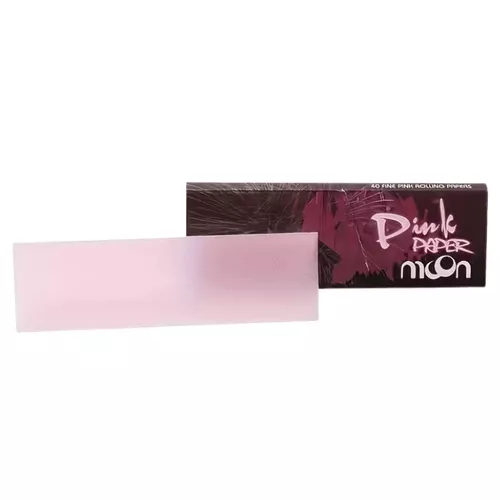
Roll in style with Birch+Fog's Moon collection. These vibrant pink papers are spun ultra-thin from quality material with a natural Gum Arabic strip, so they seal clean and burn slow and even — no harsh aftertaste, no fuss. Fifty sheets to a booklet means you're always stocked. A small, colourful upgrade that makes every roll feel a little more considered.
Moon Blue Rolling Papers 50ct – BIRCH+FOG
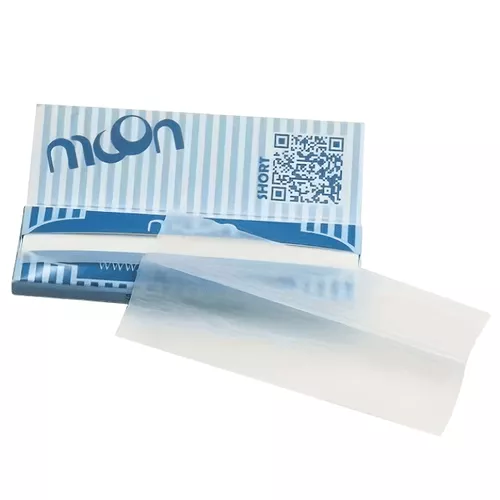
Quality you can feel in every roll. Birch+Fog's Moon blue papers come fifty extra-wide sheets to a booklet (77x44mm), uncoated and ultra-thin with a natural Gum Arabic adhesive for a clean, slow, even burn. Built for the smoker who sweats the details, they seal smoothly and let the flavour come through. A simple essential, done properly.
Phoenix Tears 60 Day Program PHASE 2 – NOW+THEN
The committed next step in the RSO journey. NOW+THEN's Phoenix Tears 60-Day Program Phase 2 is a structured, progressive regimen that advances to full-strength dosing for dedicated, experienced users. Guided, methodical, and serious, it's RSO with a roadmap — for those ready to follow the protocol all the way through.
- Therapeutic Dosing : Reaches levels needed for serious conditions
- Continued Progression : Builds on Phase 1 tolerance
- Deep Healing : Addresses chronic and severe symptoms
- Full Spectrum Power : Maximum entourage effect
- Systematic Approach : Structured for safety and efficacy
Buying Quality Rick Simpson Oil Safely
Because RSO is so concentrated, the quality of what you buy matters enormously. A contaminated or mislabeled oil is not a minor inconvenience when you are consuming it in a medical context. The single most important habit any buyer can develop is demanding transparency from the source.
What to verify before you buy: Reputable producers submit their oil for third-party laboratory testing and make those results easy to find. Those reports should confirm cannabinoid and terpene levels, screen for residual solvents left over from extraction, and check for pesticides and other contaminants. Oil produced in a licensed facility using CO2 extraction avoids the residual-solvent concern entirely, which is one reason many patients now prefer it over homemade alternatives. Established Canadian suppliers such as BIRCH+FOG build their offerings around exactly this kind of verified, contaminant-free process.
Red flags and smart shopping: Be cautious with unregulated online vendors who advertise RSO without any lab documentation, since quality and safety cannot be confirmed on trust alone. Check reviews, confirm credentials, and read the lab reports rather than the marketing. For those who value convenience and precise dosing, structured Phoenix Tears programs pair verified oil with a built-in titration schedule, which is especially helpful for first-time users navigating a serious health journey.
Rick Simpson Oil sits at a fascinating intersection of hope, folklore, and emerging science. The honest picture is neither the miracle cure of internet legend nor a worthless placebo — it is a potent, full-spectrum cannabis extract with genuine value for symptom relief and real, ongoing questions about its broader claims. Approach it with patience, dose it with care, source it from tested and reputable producers, and involve a knowledgeable physician in your decisions. Do those things, and RSO becomes a tool you can use wisely rather than a gamble you take blindly.


Comments