Uses for cannabis oils 2026
Discover the top cannabis oils uses for sleep, pain, and daily wellness in 2026.
The conversation around cannabis oil uses has matured dramatically as we move into 2026, shifting away from novelty and toward genuine, evidence-informed wellness practice. What was once a fringe curiosity now sits comfortably on bedside tables, in gym bags, and tucked into medicine cabinets across the country. Whether you are exploring oils for the first time or refining a routine you started years ago, understanding how these concentrated extracts actually fit into daily life is the difference between guesswork and a deliberate, rewarding experience.
Cannabis oils occupy a unique space in the market because they are versatile, discreet, and precise. Unlike a quick spliff or a wake and bake session, an oil lets you measure exactly what you take, when you take it, and how it integrates with the rest of your day. That precision is precisely why so many people are reaching for tinctures and concentrates as their entry point into plant-based wellness.
This guide walks through the most practical, well-supported uses for cannabis oils, how they work, the formats available, and how to use them responsibly. The goal is not to sell you on a trend but to give you a reference worth bookmarking.
What Are Cannabis Oil Uses in 2026
Cannabis oil uses span a remarkably broad spectrum, from targeted symptom relief to gentle daily maintenance. At its simplest, a cannabis oil is a concentrated liquid extract that carries cannabinoids such as THC and CBD, suspended in a carrier like MCT or hemp seed oil. The way you choose to deploy that extract — under the tongue, in food, or on the skin — defines its use.
Wellness versus therapeutic applications: Some people use oils to address specific concerns like restless nights, post-workout soreness, or stress that tightens the shoulders by mid-afternoon. Others fold a small daily dose into their routine the way they might take a multivitamin, aiming for steady, subtle support rather than a noticeable shift. Both approaches are valid, and the same bottle often serves both purposes depending on dose and timing.
Why oils over other formats: The appeal of oils comes down to control and consistency. A measured dropper delivers a predictable amount every time, which matters far more than the romance of a top shelf 2025 flower or the ritual of grinding and rolling. For anyone who values knowing precisely what they are taking, a well-made tincture is hard to beat.
How Cannabis Oils Work in the Body
Cannabis oils interact with the endocannabinoid system, a network of receptors that helps regulate sleep, mood, appetite, pain perception, and immune response. When you take an oil, the cannabinoids it contains bind to or influence these receptors, nudging the body toward balance. This is the foundational mechanism behind nearly every reported benefit.
Sublingual absorption explained: Holding oil under the tongue for sixty to ninety seconds allows cannabinoids to absorb directly through the thin tissue into the bloodstream, bypassing the slower digestive route. This is why sublingual dosing tends to take effect within fifteen to forty-five minutes, faster than an edible but gentler than inhalation. According to Verywell Health, this delivery method also offers more predictable absorption than swallowing the oil outright.
The supporting compounds in full-spectrum oils matter just as much as the headline cannabinoids. Terpenes like valencene contribute aroma and may shape the overall effect, while minor cannabinoids and the amino acid theanine — often paired with cannabis in calming blends — can round out the experience. This interplay, sometimes called the entourage effect, is why a thoughtfully formulated oil often feels more complete than an isolated compound.
Types of Cannabis Oils Explained
Not all cannabis oils are built the same, and knowing the categories helps you match a product to your goal. The extraction method, cannabinoid profile, and carrier all influence how an oil behaves. Some are designed for daytime clarity, others for deep evening calm.
Here is a quick breakdown of the most common types you will encounter:
- 🌿 Full-spectrum oils: Contain the complete range of cannabinoids and terpenes, including trace THC, for the richest entourage effect.
- 💧 Broad-spectrum oils: Keep the supporting compounds but remove detectable THC, ideal for those avoiding it entirely.
- 🔬 Isolate oils: Deliver a single purified cannabinoid, offering precision without the surrounding plant compounds.
- 🌙 Sleep-formulated blends: Pair cannabinoids with valerian, theanine, or melatonin for nighttime use.
- 🏃 Topical 2025 formulations: Designed for the skin rather than ingestion, targeting localized areas directly.
Choosing by extraction quality: Processes like winterization remove fats and waxes to yield a cleaner, more refined final product, while the carrier oil affects taste and absorption speed. A reputable producer will be transparent about both. For newcomers, a balanced full-spectrum wellness tincture often makes the most sense because it covers the widest range of potential benefits without demanding deep technical knowledge.
Cannabis Oil Uses for Sleep and Relaxation
One of the most popular cannabis oil uses is supporting better sleep. Restless nights affect a huge portion of adults, and many find that a measured evening dose helps quiet the mental chatter that keeps them staring at the ceiling. The calming properties of certain cannabinoids and terpenes make oils a natural fit for a wind-down routine.
Building an evening routine: Timing matters as much as dose. Taking an oil thirty to sixty minutes before bed gives the cannabinoids time to take effect as you settle in. Pairing it with a screen-free buffer, dim lighting, and a consistent bedtime amplifies the benefit far more than the oil alone ever could.
Ingredients like valerian and theanine frequently appear in sleep-focused blends because they complement cannabis without sedating you into grogginess. Some users describe the effect as the gentle off-switch they had been missing — a noticeable contrast to the heavy knockout of stronger sedatives. A thoughtfully dosed nighttime calming oil can become a cornerstone of better rest when used consistently.
Cannabis Oil Uses for Pain and Inflammation
Pain management is among the most researched and widely reported cannabis oil uses. Whether the discomfort comes from intense exercise, aging joints, or chronic conditions, many people turn to oils as part of a broader relief strategy. The anti-inflammatory potential of cannabinoids is a key reason for this interest.
Ingested versus topical relief: For widespread or internal discomfort, a sublingual oil delivers system-wide support. For a specific sore knee or stiff shoulder, a topical formulation applied directly to the area can target relief where you need it most. Many people use both in tandem, addressing the issue from inside and out.
It is worth noting that cannabis oils are best viewed as one tool among several rather than a cure-all. They tend to work most effectively alongside movement, stretching, hydration, and rest. Some athletes incorporate a measured dose into their recovery alongside other supplements, treating it as part of a deliberate post-exertion ritual rather than a quick fix.
Cannabis Oil Uses for Everyday Wellness
Beyond targeting specific symptoms, cannabis oils have carved out a meaningful role in general wellness routines. Many users take a small daily dose not to treat anything in particular but to support an overall sense of balance, much like they might use adaptogens or omega supplements.
Stress and mood support: Modern life delivers a steady drip of low-grade stress, and a modest dose of cannabis oil can take the sharp edges off without clouding your focus. The key is restraint — a little goes a long way, and the goal is steadiness rather than intoxication. This is where micro-dosing shines.
Some people also explore oils for appetite support, digestive comfort, or simply as a more intentional alternative to that afternoon coffee. The versatility is the point. Unlike a fixed-purpose product, a quality oil bends to fit whatever role your routine needs it to play, and a reliable daily wellness drop rewards consistency over intensity.
How to Dose Cannabis Oils Correctly
Dosing is where most newcomers stumble, and getting it right transforms the entire experience. The golden rule is to start low and go slow, giving your body time to respond before adjusting. Cannabis affects everyone differently based on body chemistry, tolerance, and the specific product.
Use this simple framework to find your sweet spot:
- 🟢 Start small: Begin with a low dose, often a quarter or half dropper, especially if you are new to oils.
- ⏳ Wait and observe: Give sublingual oils up to forty-five minutes before deciding whether to take more.
- 📈 Adjust gradually: Increase in small increments across separate sessions rather than all at once.
- 📓 Track your results: Note the dose, timing, and effect so you can refine your routine over time.
- 🔁 Stay consistent: Some benefits, especially wellness ones, build with regular use rather than appearing instantly.
Reading the label correctly: Understanding total cannabinoid content versus per-dropper content prevents accidental over- or under-dosing. A bottle labeled with milligrams per milliliter lets you calculate your dose precisely. When in doubt, the smallest effective amount is always the wisest starting point.
Best Cannabis Oils for Beginners
If you are just stepping into the world of cannabis oils, the sheer variety can feel overwhelming. The best starting point is usually a balanced, clearly labeled oil with a moderate cannabinoid ratio and a clean carrier. Simplicity beats complexity when you are learning how your body responds.
What to look for in a first oil: Prioritize third-party lab testing, transparent ingredient lists, and a reputable producer. A clear certificate of analysis tells you exactly what is in the bottle, free of contaminants and accurately dosed. Avoid products that hide behind vague marketing or refuse to share their testing results.
Beginners often do best with a versatile tincture rather than a niche, hyper-specialized formula. Save the targeted sleep blends and high-potency concentrates for once you understand your baseline. A gentle, balanced oil teaches you how cannabis feels in your system, which makes every future choice — from a thc shatter bar to a specialty topical — far more informed.
Are Cannabis Oils Safe to Use
Safety is a reasonable concern, and the honest answer is that cannabis oils are generally well-tolerated when used responsibly and sourced from reputable producers. Most reported side effects are mild — dry mouth, slight drowsiness, or a temporary dip in alertness — and tend to fade as your body adjusts.
Who should be cautious: People taking prescription medications, those who are pregnant or nursing, and anyone with a serious health condition should consult a healthcare provider before starting. Cannabinoids can interact with certain medications, so professional guidance is worth the extra step rather than guessing on your own.
Quality sourcing is the single biggest safety factor within your control. A clean, lab-tested oil that has been properly processed and stored carries far less risk than an unregulated product of unknown origin. Storing your oil away from heat and light, sealed tightly, preserves both its potency and its safety over time.
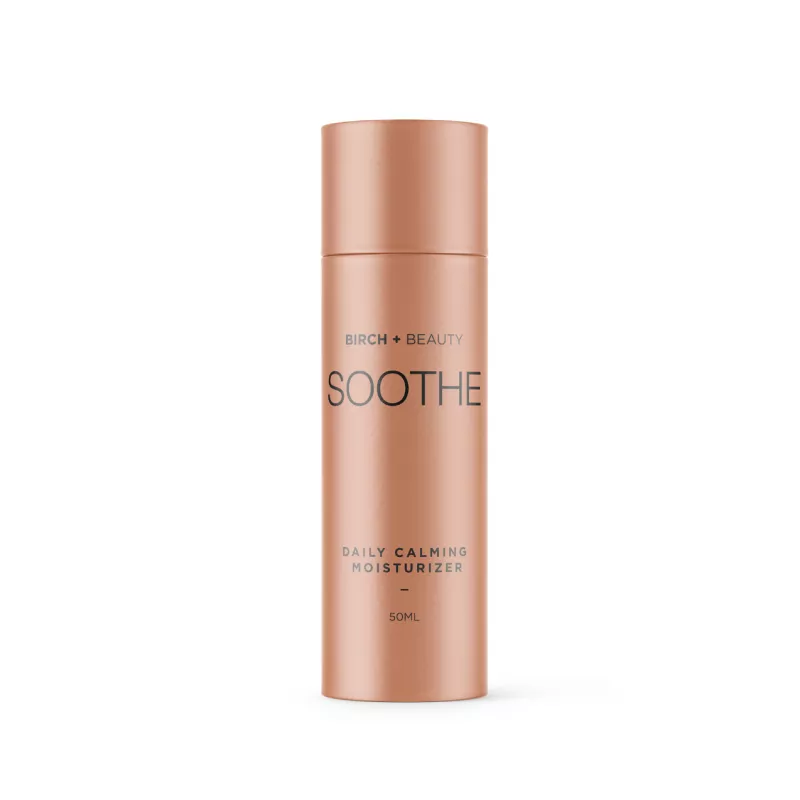

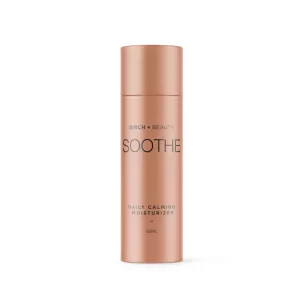
Soothe Daily Calming CBD Moisturizer 500mg – BIRCH+BEAUTY
A peace treaty for reactive skin. Birch+Beauty's Soothe moisturizer brings 500mg of CBD together with ceramides, colloidal oatmeal, and centella to calm redness and rebuild a stressed skin barrier. Gentle and deeply comforting, it's the daily balm for sensitive, easily-irritated complexions — instant comfort now, steadier, calmer skin over time.
- Inflammation Control : 500mg CBD dramatically reduces redness and irritation at the cellular level
- Barrier Repair : Ceramides rebuild compromised skin barriers for long-term resilience
- Instant Comfort : Colloidal oatmeal provides immediate relief from itching and burning
- Healing Acceleration : Centella asiatica speeds recovery from irritation and prevents scarring
- Sensitivity Shield : Creates protective layer against environmental triggers and allergens

Calm CBD Capsules 25mg x 30pcs – BIRCH+FOG
Steady calm in a swallow-and-go capsule. Each of these 30 capsules carries 25mg of pure CBD that gets to work in minutes, not hours, softening racing thoughts and tight shoulders when stress takes the wheel. No measuring, no dropper, no taste — just consistent, even relief you can keep in your bag and reach for the moment the day starts to spin.
- Anxiety Relief : Calms racing thoughts within 30 minutes
- Stress Reduction : Lowers cortisol and tension naturally
- Mental Clarity : Reduces anxiety without mental fog
- Physical Relaxation : Eases muscle tension and restlessness
- Sleep Support : Promotes relaxation without sedation

Blue Raspberry CBD Gummies 30mg x 15pcs (450mg) – BIRCH+FOG
Candy-store nostalgia with a wellness upgrade. Each Birch+Fog gummy wraps 30mg of pure CBD isolate in bright, authentic blue-raspberry sweetness — zero THC, maximum flavour. The consistent dose calms racing thoughts and eases everyday tension in a form you'll actually look forward to, fifteen pieces to a pack. Professional-grade relief that lands like a guilty pleasure.
- Anxiety Management : 30mg therapeutic dose calms racing thoughts and social tension
- Physical Comfort : Anti-inflammatory properties ease muscle soreness and joint stiffness
- Mental Clarity : Reduces overwhelm and scattered thinking without sedation
- Recovery Support : Ideal post-exercise inflammation management in convenient form
- Sleep Optimization : Evening use promotes natural rest cycles and deeper sleep
Cannabis Oil Uses FAQ and Final Thoughts
How long until cannabis oil takes effect: Sublingual oils generally work within fifteen to forty-five minutes, while oils added to food behave more like edibles and can take up to two hours. Inhaled and 510 thread vape formats act fastest, but oils strike a comfortable middle ground between speed and longevity.
Will cannabis oil make me high: It depends entirely on the THC content. High-CBD or THC-free oils produce little to no intoxication, while THC-rich oils can be psychoactive at higher doses. Reading the label and starting low keeps you firmly in control of the experience, whether you want a subtle lift or none at all.
Cannabis oil uses have grown from a niche curiosity into a genuinely practical category of wellness tools, and that growth shows no sign of slowing in 2026. From sleep and pain support to everyday balance, the versatility of a well-made oil is its greatest strength. Approach it with patience, prioritize quality and accurate dosing, and treat it as one thoughtful component of a broader healthy routine — and you will be well positioned to get the most out of everything these remarkable extracts have to offer.