


Cannabinoid Profile
Discover what a cannabinoid profile reveals about your cannabis.
What Is a Cannabinoid Profile in Cannabis?
A cannabinoid profile in cannabis is the complete breakdown of the active chemical compounds—the cannabinoids—present in a given flower, extract, or finished product. Rather than reducing a strain to a single THC percentage, the profile captures the full cast of characters working together: the dominant cannabinoids, the minor ones present in trace amounts, and the ratios between them. This fingerprint is what truly distinguishes one plant from another.
The cannabis plant produces more than a hundred distinct cannabinoids, though only a handful appear in meaningful concentrations. When a lab analyzes a sample, it quantifies each of these compounds and presents them as percentages or milligrams. That collection of numbers is the cannabinoid profile, and learning to read it transforms how you understand and select cannabis.
Why a single THC number is misleading: Two products can both advertise 20% THC yet deliver completely different experiences. One might contain measurable CBD and a rich array of minor cannabinoids, while the other is almost purely THC. The profile reveals these distinctions that a headline potency figure hides, giving you a far more honest picture of what to expect.
How Cannabinoid Profiles Are Measured
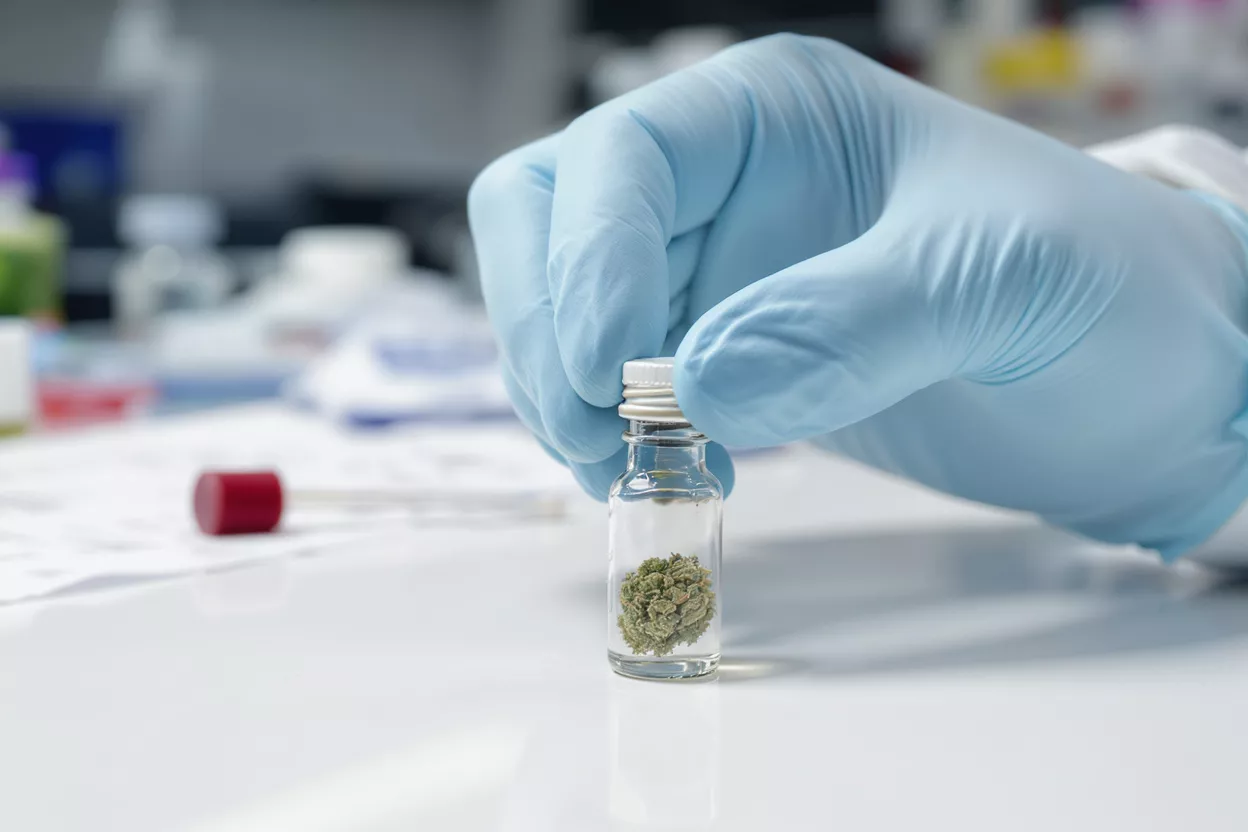
Cannabinoid profiles are determined through laboratory testing, most commonly using high-performance liquid chromatography (HPLC). This technique separates the individual compounds in a sample and measures the concentration of each one. HPLC is preferred for cannabinoid analysis because it does not apply heat that would otherwise convert acidic cannabinoids into their active forms, allowing labs to report both raw and activated values accurately.
Decarboxylation and why raw values matter: Fresh cannabis contains cannabinoids in their acidic forms, such as THCA and CBDA, which are not intoxicating until heated. Decarboxylation converts these into THC and CBD when you smoke, vape, or cook the flower. A thorough lab report lists both the acidic and neutral forms, then calculates a "total" value that estimates the potency after this conversion takes place.
Testing methodology also shapes the numbers you see on a label. Sample preparation, calibration standards, and the specific list of cannabinoids a lab screens for all influence the final profile. Reputable producers work with accredited laboratories and publish a certificate of analysis so consumers can verify what they are buying rather than trusting marketing claims alone.
Major Cannabinoids in a Cannabis Profile
The two cannabinoids most people recognize—and the ones that dominate the majority of profiles—are THC and CBD. THC is the primary psychoactive compound responsible for the euphoric, intoxicating effects associated with cannabis. CBD, by contrast, is non-intoxicating and is widely studied for its calming and balancing influence, often tempering the intensity of THC when both are present.
Most commercial cannabis falls into recognizable categories based on the ratio between these two dominant cannabinoids. Understanding where a product sits on this spectrum is the fastest way to predict the general character of the experience before you ever look at the minor compounds.
- 🌿 THC-dominant: High THC with little to no CBD, producing strong psychoactive effects favored for recreational use and certain symptom relief.
- ⚖️ Balanced: Roughly equal THC and CBD, offering moderate euphoria softened by CBD's modulating presence.
- 🌼 CBD-dominant: High CBD with minimal THC, prized by those seeking therapeutic benefit without significant intoxication.
Within each category there is enormous variation. A THC-dominant flower at 18% behaves differently from one at 28%, and a balanced product with a 1:1 ratio feels distinct from a 2:1 or 4:1 formulation. The major cannabinoid content forms the backbone of the profile, but it is only the beginning of the full story.
Minor Cannabinoids That Shape the Experience
Beyond THC and CBD lies a supporting cast of minor cannabinoids that appear in smaller concentrations yet meaningfully influence how a product feels. These compounds are gaining attention from researchers and consumers alike as the conversation moves beyond simple potency toward a more nuanced understanding of the whole plant.
The compounds worth knowing: Each minor cannabinoid contributes its own potential character, and modern lab reports increasingly quantify them so you can seek out specific profiles. A few have become especially prominent in product development and research discussions.
- 💤 CBN: CBN forms as THC ages and is often associated with sedating, restful qualities sought in nighttime products.
- 🧘 CBG: CBG is considered the "mother cannabinoid" because others synthesize from it, and it is studied for non-intoxicating wellness applications.
- ⚡ THCV: A compound researched for its distinct, sometimes energizing character that differs noticeably from standard THC.
- 🌱 CBC: A lesser-known cannabinoid believed to work synergistically alongside its more abundant counterparts.
While these compounds rarely exceed a percent or two of the total profile, their presence helps explain why two strains with identical THC levels can produce noticeably different experiences. As testing becomes more granular, the minor cannabinoid portion of the profile is becoming a genuine selling point rather than an afterthought.
How a Cannabinoid Profile Affects Effects
The effects you feel from cannabis arise not from any single compound but from how the entire cannabinoid profile interacts within your body. This collaborative dynamic is often called the entourage effect, the theory that cannabinoids and other plant compounds work together to produce results greater than the sum of their isolated parts.
How ratios steer the outcome: The relationship between THC and CBD is the clearest example of profile-driven effects. CBD can blunt some of the anxiety or racing thoughts that high doses of THC sometimes trigger, which is why many people find balanced products more comfortable than pure THC. The ratio, not just the raw amounts, governs the texture of the experience.
Minor cannabinoids add further dimension. A profile rich in CBN may lean toward relaxation and sleepiness, while one featuring THCV might feel clearer and more uplifting. This is why experienced consumers learn to read the whole profile rather than chasing the highest THC number—the supporting compounds often determine whether a session feels right for the moment.
Cannabinoid Profile vs Terpene Profile
A complete picture of any cannabis product requires looking at both its cannabinoid profile and its terpene profile. While cannabinoids are the active compounds that bind to receptors in your body, terpenes are the aromatic molecules responsible for cannabis's vast range of scents and flavors—citrus, pine, earth, diesel, and more.
Terpenes do more than smell pleasant. Many researchers believe they contribute to the entourage effect, subtly shaping the way cannabinoids are experienced. A strain heavy in the terpene myrcene may feel more sedating, while one rich in limonene might feel brighter, even when their cannabinoid profiles are similar.
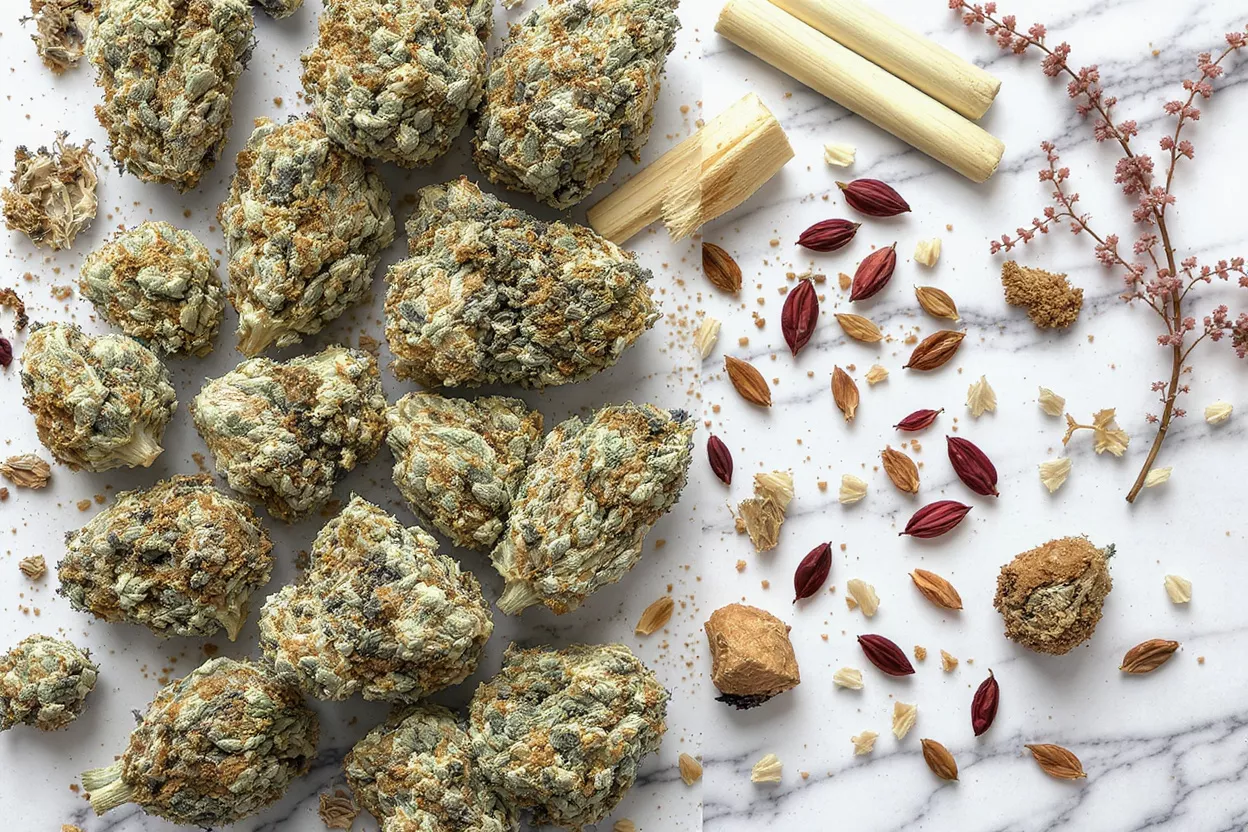
Thinking of these two profiles together explains why strain names and indica-versus-sativa labels are imperfect guides. The cannabinoid profile tells you the potency and balance of active compounds, while the terpene profile hints at the aromatic and experiential nuance layered on top. Reading both gives you a far more reliable forecast than any marketing category.
Reading a Cannabis COA and Lab Report
A certificate of analysis, or COA, is the document where a cannabinoid profile lives. Issued by an independent laboratory, it lists every cannabinoid tested, its concentration, and usually a total potency figure. Learning to interpret a COA turns you from a passive shopper into an informed consumer who can verify quality and content.
What to look for first: Start with the total THC and total CBD values, which account for decarboxylation and reflect what you will actually experience. Then scan the list of minor cannabinoids to see whether the product offers a diverse profile or is concentrated in just one or two compounds. The date and the name of the testing lab matter too, confirming the results are current and credible.
A trustworthy COA also reports on safety, including screening for pesticides, residual solvents, heavy metals, and microbial contaminants. While these are not part of the cannabinoid profile itself, they belong on the same document and signal that a producer takes quality seriously. Always favor products whose lab results are easy to find and clearly presented.
- 🔬 Total cannabinoids: The combined percentage gives a quick sense of overall potency and richness.
- 📋 Batch and date: Confirms the report matches the specific product in your hand.
- ✅ Accredited lab: Results from a recognized, independent facility carry far more weight.
Choosing Products by Cannabinoid Profile
Once you understand what a cannabinoid profile reveals, choosing products becomes a deliberate process rather than guesswork. Instead of grabbing whatever shows the highest THC, you can match a profile to your specific goals—whether that is gentle daytime relief, restful sleep, or robust recreational effects.
Matching profile to intention: If you want minimal intoxication, look for CBD-dominant or high-ratio CBD:THC products. For balanced enjoyment, seek out a 1:1 profile. When you want to wind down for the evening, a profile noting meaningful CBN content may suit you better than a pure high-THC option. The profile lets you shop with purpose.
Tolerance and experience also factor in. Newcomers generally do well starting with lower THC and supportive CBD, while seasoned consumers may seek out potent, terpene-rich, cannabinoid-diverse offerings. Whatever your preference, the profile gives you the data to make a confident, repeatable choice rather than relying on trial and error.
Why Cannabinoid Profiles Matter for Medical Use
For medical cannabis patients, the cannabinoid profile is arguably the single most important piece of product information. Different conditions and symptoms may respond better to specific cannabinoid combinations, and consistency from batch to batch is essential when cannabis is part of a deliberate wellness routine rather than casual use.
Consistency and dosing precision: A patient who finds relief with a particular CBD:THC ratio needs to reproduce that profile reliably. Detailed cannabinoid profiles allow careful dosing and help patients and clinicians track which combinations work. This precision is impossible when products are described only by vague strain names or a lone potency number.
Research into the therapeutic potential of individual cannabinoids continues to expand, and profiles let patients act on emerging findings. As studies clarify the roles of compounds like CBD, CBG, and CBN, having access to a transparent, detailed cannabinoid profile means medical users can pursue the formulations most likely to serve their needs. Always consult a healthcare professional when using cannabis for medical purposes.
Common Questions About Cannabinoid Profiles
Does a higher THC profile mean better quality? Not necessarily. High THC indicates potency, but quality also depends on the balance of other cannabinoids, terpene content, growing practices, and how well the product suits your goals. A diverse, well-rounded profile often delivers a more satisfying experience than raw potency alone.
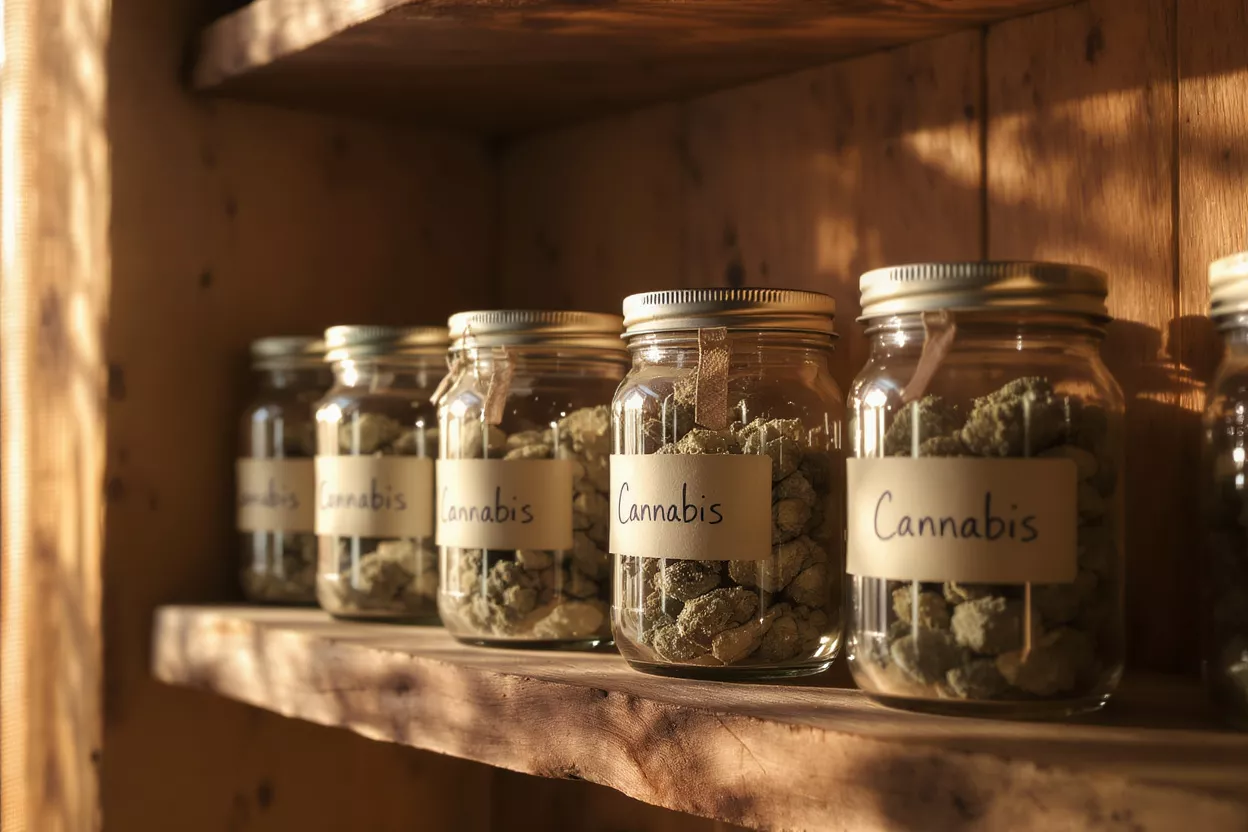
Can a cannabinoid profile change over time? Yes. As cannabis ages, THC gradually converts to CBN, shifting the profile toward more sedating qualities. Heat, light, and improper storage accelerate this change, which is why proper storage in a cool, dark place helps preserve the intended profile.

Understanding a cannabinoid profile is the key that unlocks genuinely informed cannabis choices. By looking past a single THC percentage to the full spectrum of major and minor cannabinoids, their ratios, and the accompanying terpenes, you gain a reliable forecast of how a product will perform. Whether you are a curious newcomer or a dedicated medical user, learning to read the cannabinoid profile cannabis labs provide transforms shopping from guesswork into a confident, repeatable practice grounded in real data.