

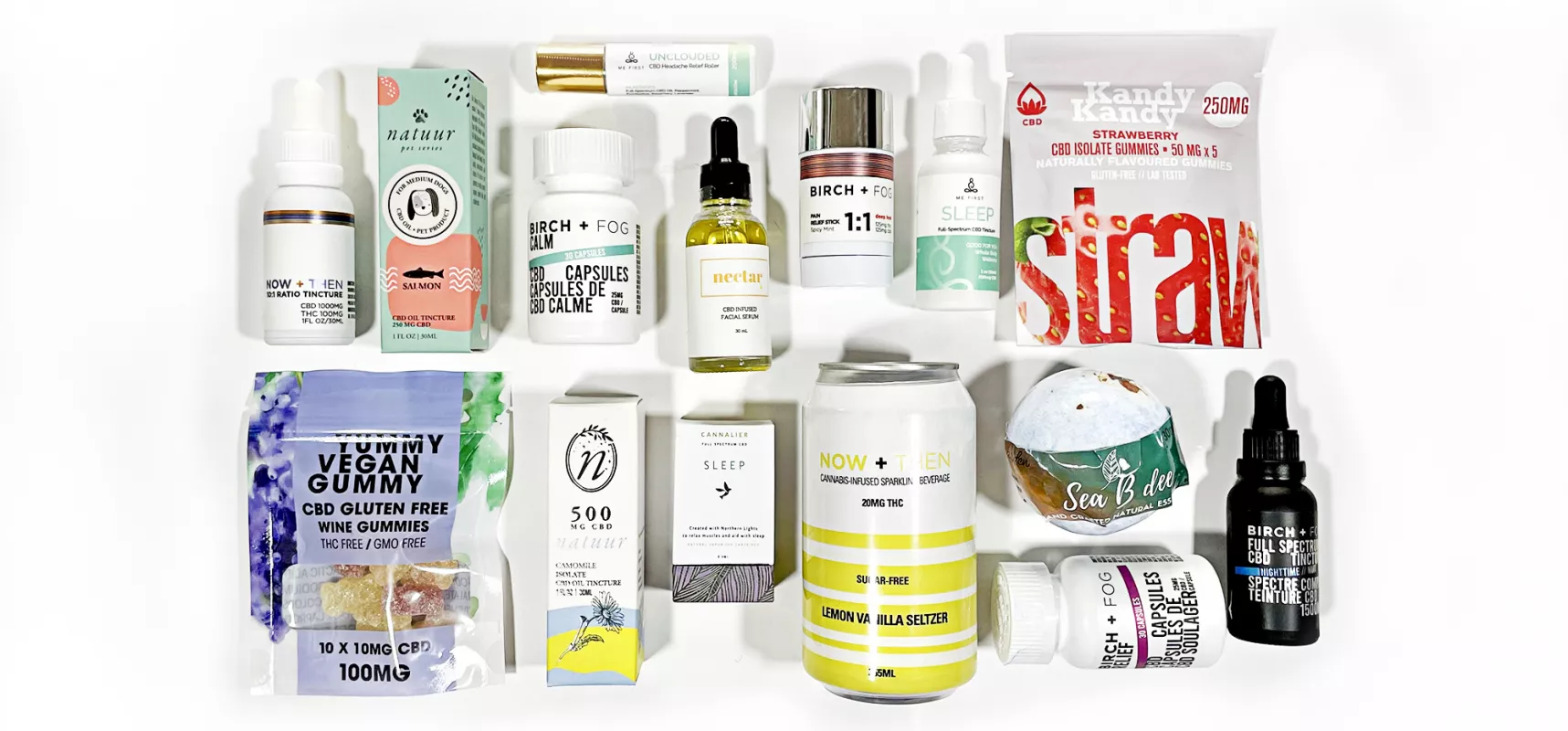
What Are the Best CBD Products Today? A Comprehensive Guide 2026
Discover the best CBD products for sleep, anxiety & pain.
What Are the Best CBD Products Right Now?
Finding the best CBD products in a crowded marketplace can feel overwhelming, especially when every brand promises miracles and the science keeps evolving. The truth is that the right CBD product depends entirely on your goals, your body chemistry, and the quality standards behind what you buy. Cannabidiol has matured from a fringe wellness curiosity into a category backed by genuine clinical interest, and the products worth your money are the ones built on transparency, accurate dosing, and clean extraction.
This guide cuts through the marketing noise to give you a practical framework. Rather than ranking arbitrary brands, we focus on what actually separates an excellent product from a mediocre one: the type of extract, the carrier oil, third-party lab verification, and how well a format suits its intended use. Whether you are chasing better sleep, calmer days, or relief from stubborn aches, understanding these fundamentals turns guesswork into informed choice.
Why product type matters more than brand loyalty: A tincture and a topical can contain identical CBD, yet behave entirely differently once they meet your body. The carrier matters too — a PEG-based vape liquid and an MCT-oil tincture deliver cannabidiol through completely separate pathways. Throughout this guide we will weigh formats against real-world needs so you can match a product to your situation instead of chasing whichever bottle has the loudest packaging.
How CBD Oil Products Work in the Body
CBD interacts with the endocannabinoid system, a network of receptors that helps regulate mood, pain perception, appetite, and sleep. Unlike THC, cannabidiol does not bind strongly to CB1 receptors, which is why it produces no intoxicating high. Instead, it influences these receptors indirectly and modulates the activity of enzymes and signaling molecules, nudging the body toward balance rather than overriding it.
The two concepts that explain why one product feels different from another are pharmacokinetics and pharmacodynamics. Pharmacokinetics describes how CBD is absorbed, distributed, metabolized, and cleared — essentially what your body does to the compound. Pharmacodynamics describes what the compound does to your body once it arrives. According to research catalogued by the National Center for Biotechnology Information, the route of administration dramatically changes both timing and intensity of effect.
Bioavailability is the number that actually matters: Bioavailability refers to the percentage of CBD that reaches your bloodstream intact. Swallowed capsules pass through the liver first, which can slash availability to single digits, while sublingual tinctures held under the tongue absorb through mucous membranes and skip that first-pass loss. Inhaled CBD acts fastest of all but fades quickest. Knowing this helps you understand why a fast-acting CBD tincture suits acute moments while a capsule favors steady all-day support.
Types of CBD Products Explained
CBD products fall into three extract categories, and this distinction shapes everything about the experience. Full-spectrum contains the complete profile of cannabinoids and terpenes, including trace THC under the legal limit. Broad-spectrum, sometimes called narrow-spectrum when terpene profiles are deliberately trimmed, keeps the supporting compounds but removes THC. CBD isolate is pure cannabidiol with nothing else along for the ride.
The reason full-spectrum often outperforms isolate comes down to the entourage effect, where cannabinoids and aromatic terpenes like ocimene and phellandrene work together more effectively than any single compound alone. These phenolic compounds and terpenes are not filler; they shape how the formula feels and how long it lasts. That synergy is why many seasoned users gravitate toward whole-plant formulas.
- 🌿 Full-spectrum: All cannabinoids plus terpenes and trace THC — strongest entourage effect, ideal for experienced users.
- 💧 Broad-spectrum: THC removed but other compounds intact — a balanced middle path for the THC-cautious.
- 🔬 Isolate: Pure CBD, zero THC, no taste — best for high-dose precision and those subject to drug testing.
- 🐾 Pet formulas: Lower concentrations and flavorless carriers tailored for animals.
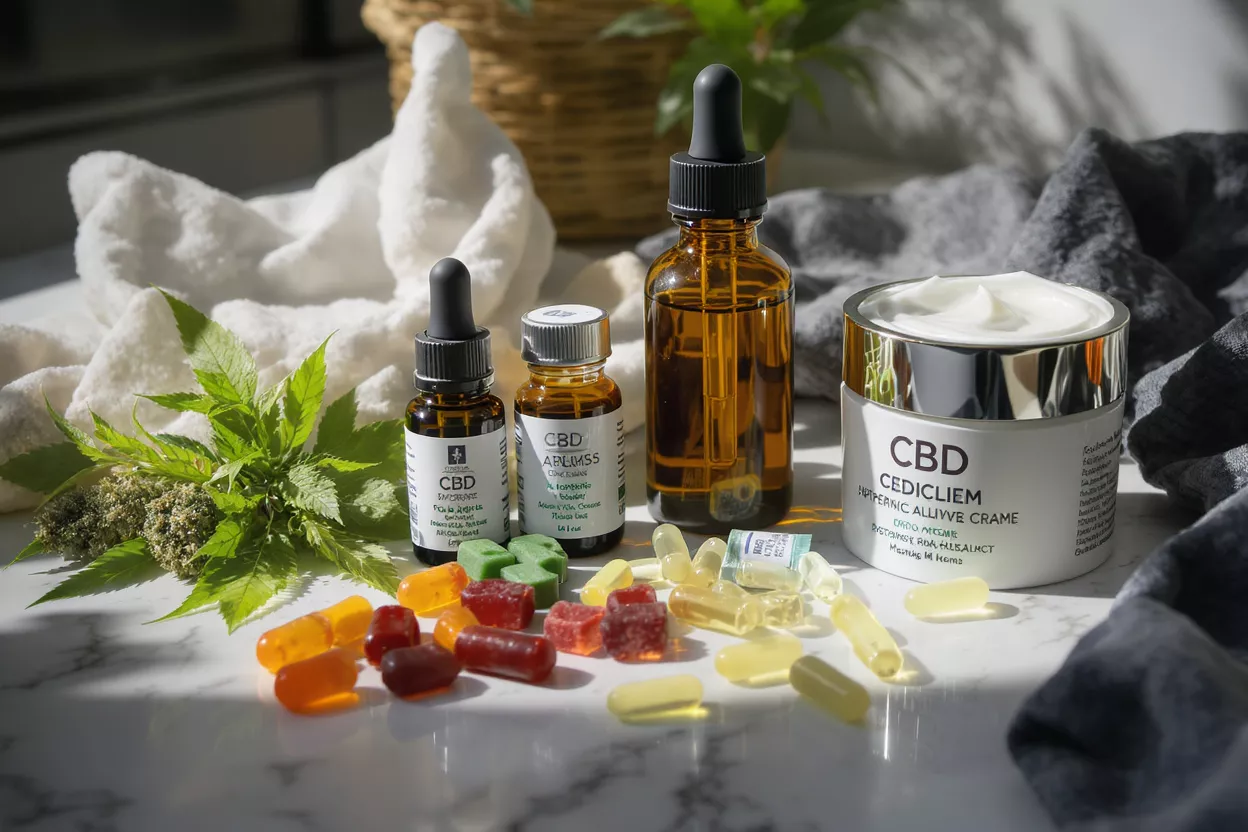
Format is the second decision. Tinctures, softgels, gummies, topicals, and vapes each deliver CBD through a different pathway and timeline. A broad-spectrum CBD softgel offers discreet, premeasured convenience, while topicals target a specific joint without entering general circulation. The extraction method matters too — CO2 extraction is the gold standard, whereas older open blasting techniques and PHO-style hydrocarbon methods carry more residual-solvent risk if not properly purged.
Best CBD Products for Anxiety and Stress
For anxiety, the goal is steady, predictable absorption rather than a sharp spike. Sublingual tinctures shine here because you can titrate the dose drop by drop and feel effects within fifteen to thirty minutes. Many people find that a consistent low-to-moderate daily dose smooths out the baseline tension that builds across a stressful week, rather than waiting for a panic moment and reacting.
Full-spectrum and broad-spectrum formulas tend to suit anxiety better than isolate because supporting terpenes contribute to the calming profile. Research compiled by health bodies suggests cannabidiol may influence serotonin signaling, which is one mechanism behind its reported anti-anxiety effects, though individual response varies widely. Start low, stay consistent, and give any new routine at least a week before judging it.
Pairing CBD with adaptogens and nootropics: A growing trend blends CBD with functional mushrooms like Lion's Mane for a combined mood-and-focus approach. These stacks are not magic, but for some people the pairing of cognitive support with cannabidiol's calming edge produces a smoother headspace than either alone. If you explore this route, choose products that disclose exact milligram amounts of each ingredient rather than vague proprietary blends.
Best CBD Products for Sleep
Sleep formulas usually layer CBD with sleep-supporting ingredients such as melatonin, magnesium, or sedating terpenes. The logic is sound: CBD may ease the racing thoughts and physical tension that keep people awake, while the companion ingredients address the timing of the sleep cycle directly. For sleep, a slightly higher evening dose and a slow-release format like a softgel or gummy often work better than a fast-fading inhalation.
Timing is everything with sleep products. Because edibles pass through digestion, a CBD gummy taken an hour before bed lines up its peak with the moment you actually want to drift off. The National Center for Biotechnology Information has indexed studies exploring cannabidiol's relationship with sleep architecture, and the early signals are encouraging even if more rigorous trials are needed.
- 🌙 CBD + melatonin gummies: Best for trouble falling asleep — melatonin cues the cycle, CBD calms the body.
- 😴 Higher-potency softgels: Suited to staying asleep through the night with steady release.
- 🍵 Tinctures before bed: Flexible dosing for those who want to fine-tune their evening amount.
- 🌿 Terpene-rich full-spectrum: Myrcene and linalool add a naturally relaxing dimension.
If you find a basic CBD product is not quite enough, a dedicated CBD sleep gummy with melatonin often bridges the gap. Just avoid stacking multiple sleep aids at once until you understand how each affects you individually.

Best CBD Products for Pain and Inflammation
Pain management splits into two strategies: systemic relief and localized relief. Systemic relief, achieved through tinctures or capsules, sends CBD throughout the body and suits widespread or internal discomfort. Localized relief comes from topicals — balms, creams, and roll-ons applied directly to a sore knee, wrist, or lower back, where cannabidiol interacts with receptors in the skin without flooding your whole system.
For inflammatory and muscular pain, many people layer both approaches: a daily tincture for baseline support plus a topical for flare-ups. Full-spectrum formulas again tend to perform well thanks to the combined action of multiple cannabinoids. The carrier and concentration matter enormously here — a thin, weak balm will disappoint, so look for products that list a clear milligram count per container rather than vague potency claims.
Topicals versus transdermal patches: A standard topical works on the surface and the tissue just beneath it, ideal for joint and muscle soreness. A transdermal patch is engineered to push cannabinoids through the skin into the bloodstream for sustained, hours-long systemic delivery. For all-day background relief, a CBD muscle and joint balm applied to a problem area can be remarkably practical, while patches suit those who want set-and-forget consistency.
CBD Dosing Guide for Beginners
The golden rule of CBD dosing is to start low and go slow. A sensible beginning point is between ten and twenty milligrams once daily, held steady for several days before any increase. Because the endocannabinoid system responds individually, the dose that transforms one person's sleep may do nothing for another, and chasing someone else's number is a common beginner mistake.
Body weight, metabolism, the condition you are addressing, and whether you take CBD on an empty or full stomach all shift the effective dose. Taking a tincture with a little fat improves absorption, since cannabidiol is fat-soluble. Keep a simple log of dose, timing, and effect for the first couple of weeks — patterns emerge quickly and the data beats guesswork every time.
- 📝 Week one: Begin at 10–20 mg daily and hold the dose steady to establish a baseline.
- 📈 Week two: If needed, increase by 5–10 mg and reassess how you feel.
- ⏱️ Mind the timing: Match format to need — sublingual for fast onset, edibles for longer duration.
- 🍽️ Take with food: A small amount of dietary fat meaningfully boosts absorption.
Remember that more is not always better. Some research suggests CBD has a bell-shaped response curve, where moderate doses outperform very high ones for certain effects. If a higher dose stops helping, scaling back rather than up is often the smarter move.
Are CBD Products Safe to Use?
CBD is widely regarded as well tolerated, with most side effects being mild — dry mouth, slight drowsiness, or changes in appetite are the usual suspects. The World Health Organization has noted cannabidiol's generally favorable safety profile, and serious adverse events are uncommon at typical wellness doses. That said, "natural" does not mean "risk-free," and informed use beats blind faith.
The most important safety consideration is drug interactions. CBD can affect how the liver metabolizes certain medications by influencing the same enzymes that process them, a pharmacodynamics concern relevant to blood thinners, some seizure medications, and other prescriptions. Anyone on regular medication should consult a doctor before starting CBD, especially products labeled with a grapefruit warning, which signals that same metabolic pathway.
Why third-party lab testing is non-negotiable: The single biggest safety variable is product quality. A reputable certificate of analysis confirms the CBD content matches the label and screens for pesticides, heavy metals, and residual solvents — the kind left behind by sloppy open blasting or unpurged hydrocarbon extraction. Never buy from a brand that cannot produce a current, batch-specific lab report; transparency here is the clearest signal of a trustworthy maker.
How to Choose Quality CBD Products
Choosing well comes down to a short checklist that filters out most of the weak players. First, verify the extract type and confirm it matches your goals. Second, demand a third-party certificate of analysis and actually read it. Third, check the carrier oil and additional ingredients — clean MCT or hemp seed oil is preferable to questionable fillers, and you want to know exactly what a PEG or propylene glycol base means in a vape product.
Sourcing tells you a lot about a brand's values. Hemp grown with regenerative or permaculture practices on clean soil produces a better starting material, since the plant readily absorbs whatever is in the ground. Brands that volunteer their farming and extraction details are usually the ones doing it right, while vague "premium quality" language with no specifics is a red flag.
- ✅ Lab report: Batch-specific, current, and screening for contaminants — not just potency.
- 🌱 Clean sourcing: Transparent farming, ideally organic or regenerative practices.
- 🏷️ Clear labeling: Exact milligrams of CBD per serving and per container, no vague "blend" claims.
- 💬 Honest support: A brand that answers questions about extraction and dosing openly.
Price deserves a sober look too. Bargain-basement CBD frequently means low concentration, poor extraction, or cut corners on testing, while the most expensive option is not automatically the best. Calculate cost per milligram rather than cost per bottle, and you will quickly see which products offer genuine value versus those riding on packaging alone.
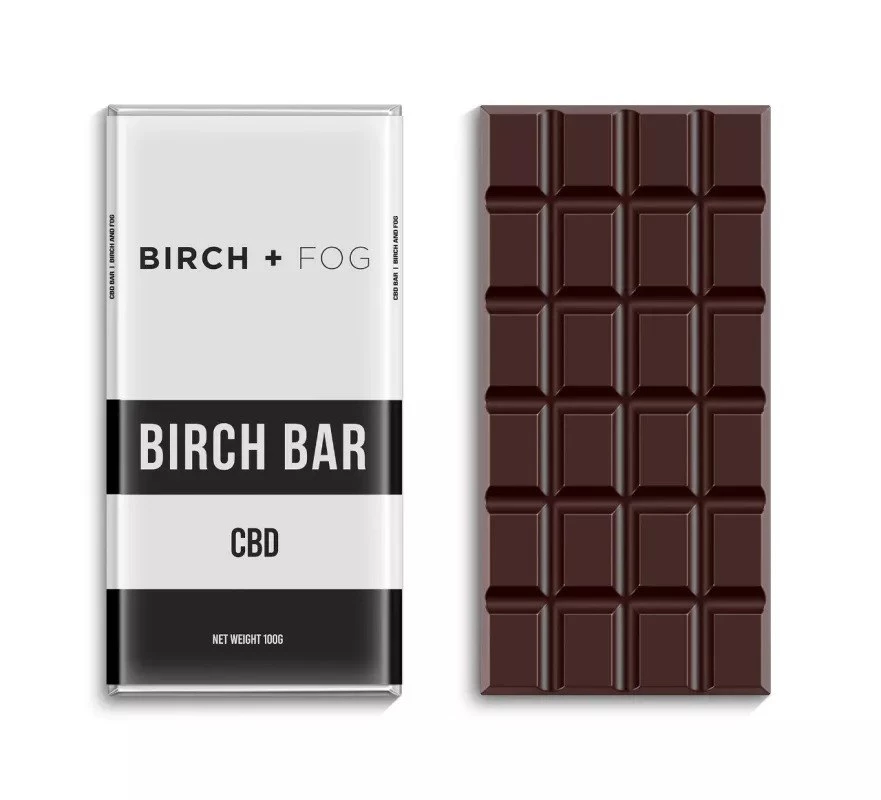

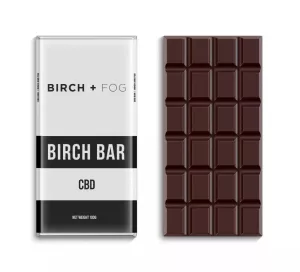
Classic Milk CBD Chocolate Bar 500mg / 24pcs – BIRCH+FOG
Comfort in its most classic form. This Belgian milk chocolate bar carries 500mg of pure CBD across twenty-four squares — roughly 21mg each — so calm arrives wrapped in something familiar and creamy. Break off one square to take the edge off, or a few for a deeper evening unwind. Smooth, indulgent, and flexible enough to dose exactly to the moment.
- Anxiety Relief : 500mg provides powerful calming effects for stress and anxiety
- Pain Management : High CBD content effectively reduces inflammation and chronic pain
- Sleep Support : Evening doses promote deeper, more restorative sleep
- Mood Stabilization : Regular use helps maintain emotional balance throughout the day
- Versatile Dosing : 24 squares allow micro-dosing to mega-dosing flexibility

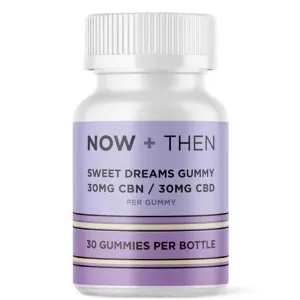
Pain Gummies 60mg CBD : CBG x 30 pcs (1800mg) – NOW+THEN
Serious relief, seriously tasty. NOW+THEN's Pain gummies pair 30mg of CBD with 30mg of CBG in each of 30 pieces — a dual-cannabinoid approach to everyday aches in a chewable you'll actually enjoy. No high, just steady, comprehensive comfort. The flavourful daily option for managing discomfort the gentle way.
- Synergistic Relief : CBD and CBG enhance each other's effects
- Powerful Anti-Inflammatory : Double cannabinoid action
- Nerve Pain Support : CBG specifically targets neuropathy
- Non-Intoxicating : Zero THC for anytime use
- Month Supply : Consistent daily management

Full Spectrum CBD Tincture 1000mg – Natuur
The whole plant, in one steady bottle. Natuur's 1000mg full-spectrum tincture preserves CBD alongside the minor cannabinoids and terpenes that work together as the entourage effect — comprehensive, balanced everyday support. A dropper under the tongue eases tension and everyday aches without a high. A versatile mainstay for those who want the complete hemp profile.
- Entourage Effect : All compounds enhance each other
- Comprehensive Relief : Addresses multiple symptoms
- Anti-Inflammatory : Multiple cannabinoids reduce swelling
- Natural Synergy : Works with body's systems
- Versatile Support : Good for various conditions
CBD Natural Health Product Trends in 2025
The CBD natural health product space is maturing fast, and the headline trend is precision. Consumers increasingly want minor cannabinoids — CBG, CBN, CBC — formulated for specific outcomes rather than generic "wellness." Targeted formulas pairing CBD with these compounds, or with adaptogens and functional mushrooms, reflect a shift from broad claims toward evidence-aware, goal-specific products.
Sustainability is the second defining theme. Permaculture-style hemp farming, recyclable packaging, and water-based or solventless extraction are becoming selling points rather than afterthoughts. As the science deepens, brands that invest in clean processing and honest pharmacokinetics-informed formulation are pulling ahead of those still relying on hype and vague marijuana-adjacent buzzwords.
Pulling it all together, the best CBD product for you is the one matched to a clear goal, backed by a verifiable lab report, and delivered in a format that suits how and when you need it. Start low, track your response, prioritize transparency over packaging, and treat any new routine as an experiment rather than a guarantee. With those principles, navigating the CBD market shifts from confusing to genuinely empowering — and the products worth keeping reveal themselves quickly.




Comments