Carrier
Learn what carrier cannabis is and how carrier oils boost cannabinoid absorption.
What Is a Carrier in Cannabis?
The term carrier cannabis refers to the base substance that delivers cannabinoids into your body in a usable, absorbable form. On their own, compounds like THC and CBD are fat-loving molecules that resist mixing with water and absorb poorly when taken raw. A carrier solves this problem by acting as a vehicle that dissolves, stabilizes, and transports those active compounds wherever they need to go.
Think of a carrier as the courier of the cannabis world. The cannabinoids are the package, and the carrier is the delivery system that ensures the package arrives intact and ready to be used by your cells. Without an effective carrier, even a high-potency extract may deliver only a fraction of its intended effect.
Why carriers matter more than most consumers realize: The carrier you choose influences how fast a product works, how long effects last, how a tincture tastes, and how much of the active dose your body actually absorbs. Two products with identical milligrams of cannabinoids can perform very differently depending on the carrier formulation behind them.
How Carrier Oils Work in Cannabis Products
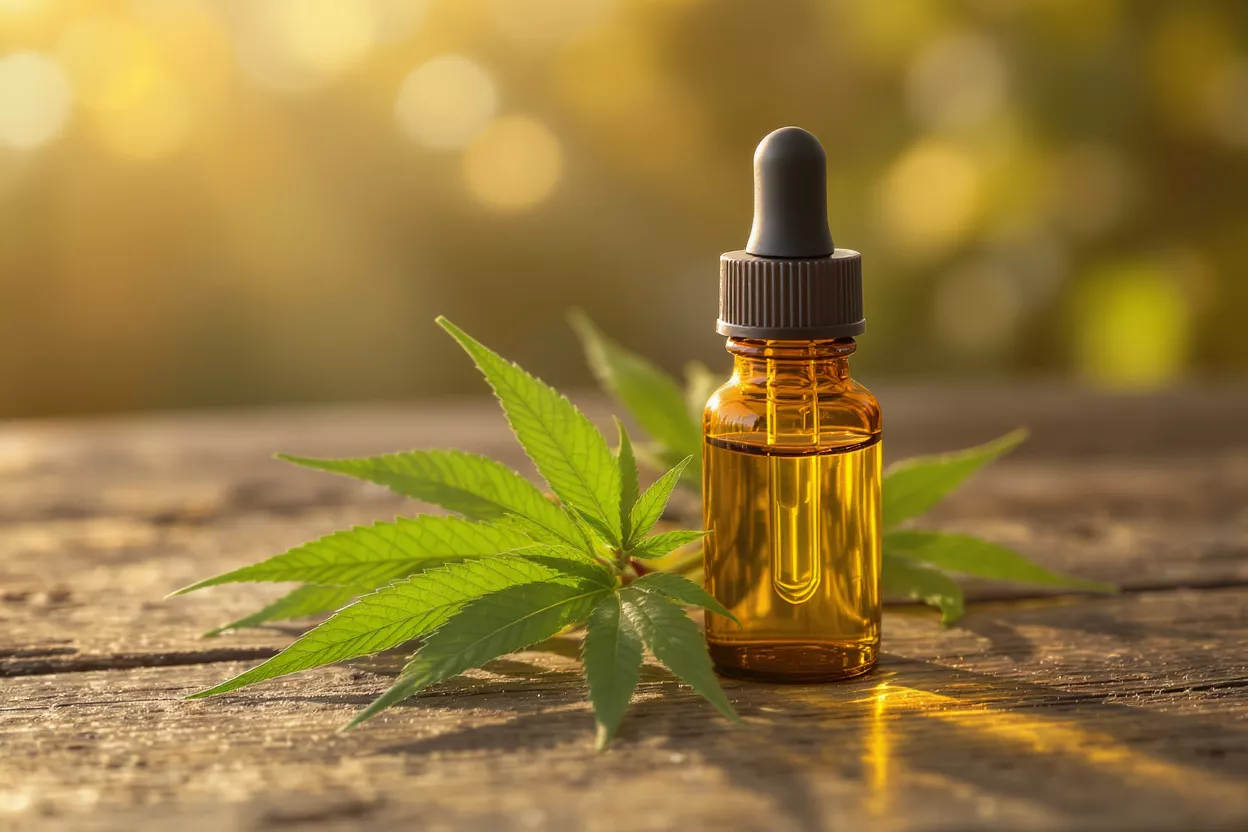
Cannabinoids are lipophilic, meaning they bind readily to fats and oils. Carrier oils take advantage of this chemistry by dissolving cannabinoids into a stable solution that your digestive system can process alongside dietary fat. When you consume a cannabis oil, the fat in the carrier triggers the same absorption pathways your body uses for any fatty meal.
The role of dietary fat in absorption: Once a fat-bound cannabinoid reaches the small intestine, it is packaged into structures called chylomicrons and routed through the lymphatic system. This partially bypasses first-pass metabolism in the liver, allowing more of the active compound to reach circulation. This is why taking an oil-based product with a meal often produces stronger, more consistent effects.
The carrier also acts as a preservative and a dosing tool. By suspending cannabinoids evenly throughout the liquid, a good carrier ensures every dropper delivers a predictable amount. This consistency is essential for anyone using cannabis for wellness routines where reliable dosing matters.
Types of Cannabis Carrier Systems
Carrier systems fall into a few broad families, each with distinct strengths. Manufacturers select a carrier based on the product format, the desired onset speed, taste considerations, and the target consumer. Understanding these categories helps you read a label with a more critical eye.
The most common carrier systems you will encounter include the following:
- 🫒 Oil-based carriers: MCT coconut oil, hemp seed oil, and olive oil that dissolve cannabinoids in fat for tinctures and softgels.
- 💧 Water-soluble carriers: Nano-emulsified or liposomal systems that allow cannabinoids to mix into beverages and fast-acting drinks.
- 🧈 Lipid carriers for edibles: Butter, cocoa butter, and culinary oils that bind cannabinoids into baked goods and confections.
- 🌬️ Vapor carriers: Thinning agents and natural terpenes used in vape formulations to aid aerosolization.
Each system answers a different need. A patient who wants rapid relief may prefer a water-soluble formulation, while someone building a long-lasting nighttime routine may favor an oil-based softgel that releases slowly through digestion.
Oil-Based Carriers Explained
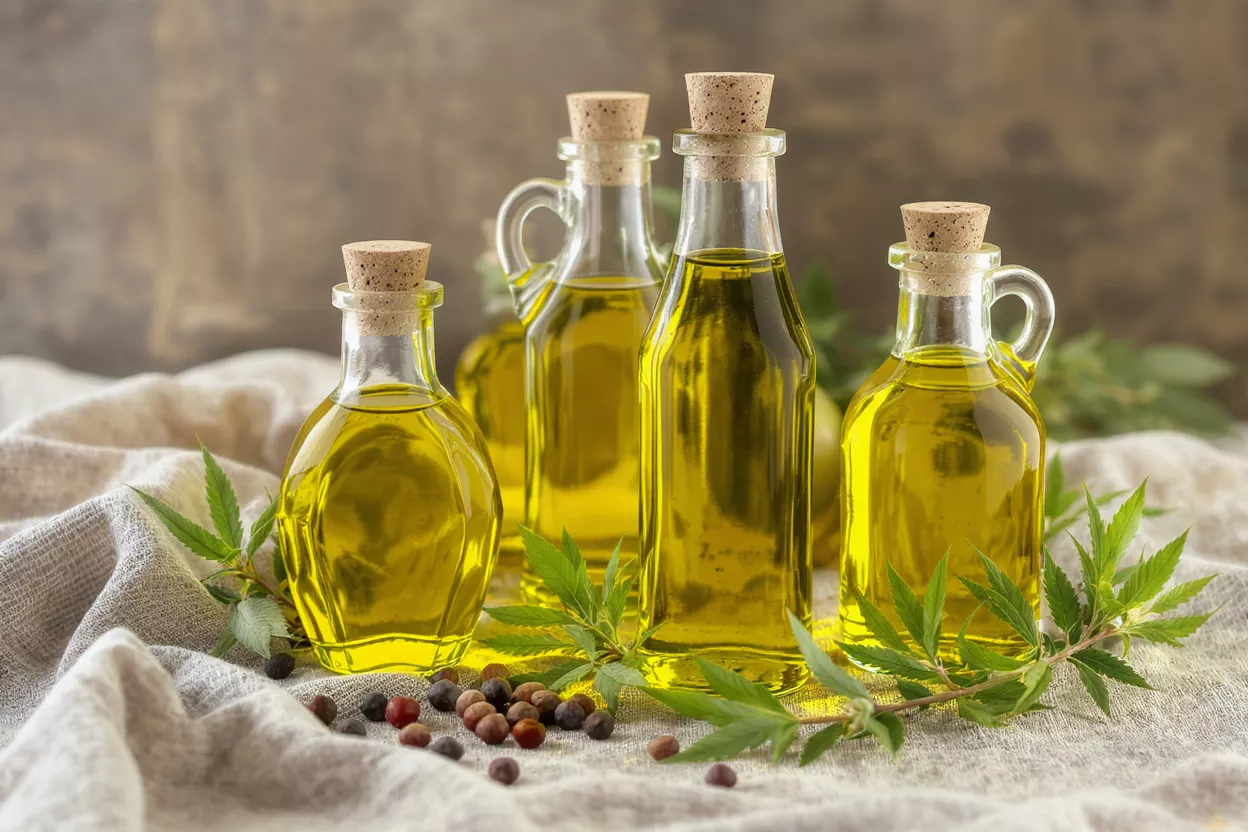
Oil-based carriers remain the gold standard for tinctures and capsules because of their stability and proven absorption profile. Among them, MCT oil derived from coconut is the most popular due to its neutral taste, long shelf life, and rapid metabolism into usable energy.
MCT oil versus other carrier oils: Medium-chain triglycerides are absorbed more efficiently than long-chain fats, which means they can shuttle cannabinoids into the bloodstream slightly faster than heavier oils. Olive oil offers heart-healthy compounds and a familiar flavor but is thicker and can carry a distinct taste. Hemp seed oil appeals to consumers who want a full plant experience and added omega fatty acids.
Shelf stability is another reason oil carriers dominate the market. Properly stored away from heat and light, an oil-based extract can retain potency for a year or more, making it a practical choice for both producers and consumers who do not finish a bottle quickly.
Water-Soluble Carrier Cannabis Formulations
Water-soluble carrier cannabis technology represents one of the most significant advances in modern product design. Because cannabinoids naturally repel water, scientists use nano-emulsification to break the oil into microscopic droplets coated with emulsifiers, allowing them to disperse evenly in water-based liquids.
Why nano-emulsions absorb faster: Shrinking cannabinoid droplets to the nanometer scale dramatically increases their surface area, giving digestive enzymes and mucous membranes far more contact points. The result is faster onset, sometimes within fifteen to thirty minutes, and higher overall absorption compared with traditional oils.
These carriers power the growing market for cannabis beverages, dissolvable powders, and fast-acting tinctures. The tradeoff is that nano-emulsions can be more sensitive to temperature and time, so they may have a shorter optimal window than a simple oil. Still, for consumers who prize speed and mixability, water-soluble systems are difficult to beat.

How Carriers Affect Cannabis Bioavailability
Bioavailability describes the percentage of an ingested compound that actually reaches your bloodstream and produces an effect. This single metric is where carriers prove their value, because the same dose of cannabinoid can deliver wildly different results depending on how it is carried into the body.
Raw, unformulated cannabinoids taken orally often suffer from poor bioavailability, sometimes as low as six percent, because they are degraded by stomach acid and heavily processed by the liver. A well-designed carrier protects the active compounds and routes them through more efficient absorption pathways.
Key factors a carrier influences include the following:
- ⏱️ Onset time: Water-soluble carriers act in minutes, while oil-based carriers build effects gradually over an hour or more.
- 📈 Absorption rate: Nano-emulsified and lipid-rich carriers can multiply the fraction of cannabinoids your body uses.
- ⏳ Duration: Slower oil-based digestion tends to produce longer-lasting effects ideal for sustained relief.
- 🎯 Consistency: A uniform carrier ensures each dose delivers a predictable, repeatable result.
Choosing the Right Carrier Cannabis Product
Selecting the right carrier cannabis product comes down to matching the formulation to your goals. There is no universally superior carrier, only the carrier that best fits a particular need, lifestyle, and tolerance for taste or texture.
Match the carrier to your timing needs: If you want relief that arrives quickly, a water-soluble beverage or fast-acting tincture is the logical pick. If you need steady, long-lasting effects, an oil-based softgel taken with a meal will serve you better. Daytime users often prefer rapid onset, while nighttime users lean toward slow, durable formulations.
Consider taste, diet, and allergies: Coconut-derived MCT may be unsuitable for those with coconut sensitivities, while olive and hemp seed oils carry their own flavors. Vegans should confirm that softgel casings are plant-based, and anyone watching fat intake should note that oil carriers add a small amount of dietary fat to each dose.
Reading a product label closely is the simplest way to make a confident choice. A transparent brand will list the exact carrier, its source, and ideally third-party lab results confirming potency and purity.
Are Cannabis Carriers Safe?
The vast majority of carriers used in cannabis products are common food-grade ingredients with long histories of safe consumption. MCT oil, olive oil, hemp seed oil, and culinary butters are staples found in kitchens worldwide, and their safety profiles are well established.
Where caution genuinely matters: The carrier itself is rarely the concern, but the context of use can be. Inhalable products deserve extra scrutiny, since some thinning agents that are safe to eat are not safe to heat and inhale. Reputable vape brands avoid problematic diluents and rely on natural terpenes instead.
Allergies and individual sensitivities are the other practical consideration. Anyone reacting to coconut, soy lecithin emulsifiers, or specific oils should read ingredient panels carefully. When in doubt, choosing products backed by third-party testing offers the strongest assurance of quality and safety.
Carrier Cannabis in Edibles and Tinctures
In edibles and edibles products, the carrier does double duty as both a delivery vehicle and a culinary ingredient. When you infuse butter or coconut oil with decarboxylated cannabis, that fat becomes the carrier that binds the cannabinoids and distributes them throughout a recipe.
Why even infusion depends on the carrier: A well-blended fat carrier ensures that each gummy, brownie, or chocolate contains a roughly equal dose. Poor mixing produces hot spots where some pieces are far stronger than others, which is why commercial manufacturers invest heavily in precise carrier emulsification.
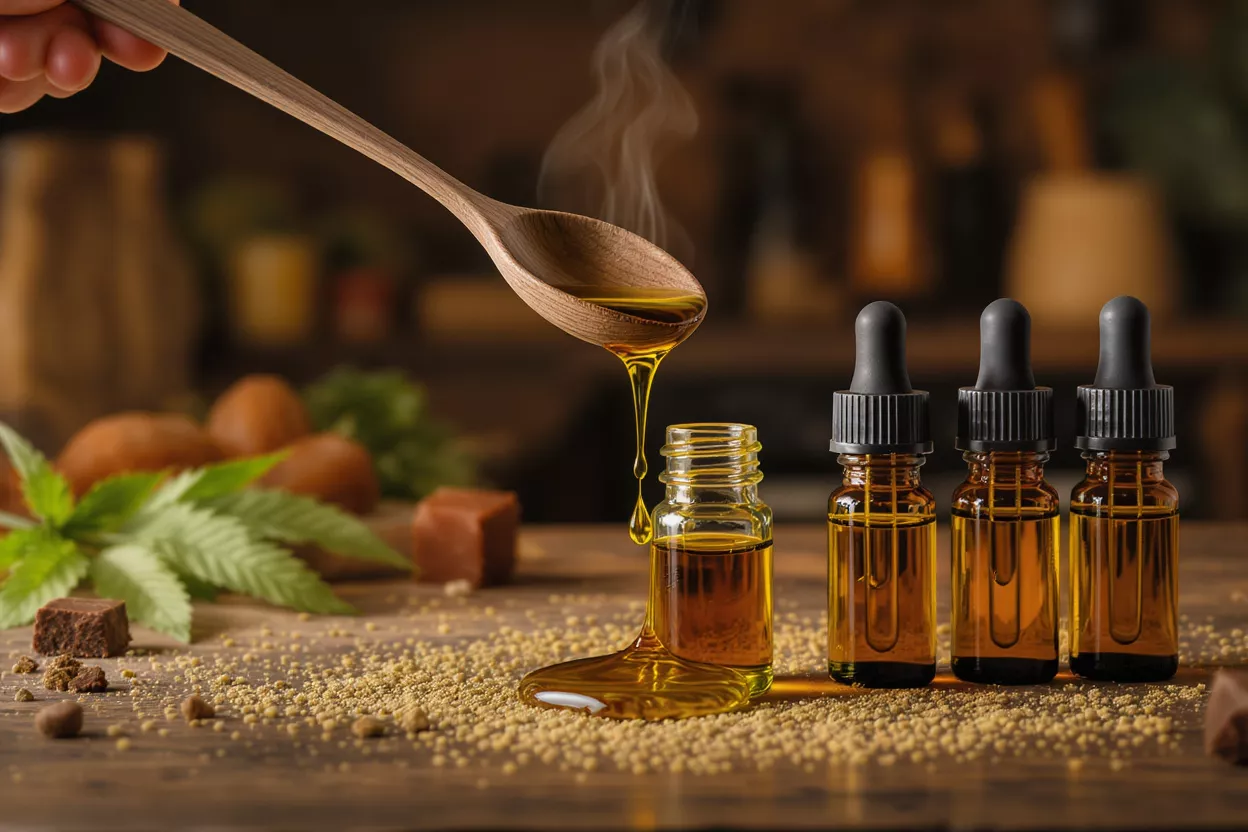
Tinctures rely on the same principle in liquid form. A high-quality tincture suspends cannabinoids in an oil or water-soluble carrier so that each calibrated dropper delivers a consistent dose. Holding a tincture under the tongue allows some absorption through the oral tissues, while the swallowed portion is processed through digestion, giving these products a versatile dual-action profile.
Carrier Cannabis FAQs and Key Takeaways
Understanding carriers transforms how you evaluate any cannabis product. Rather than focusing solely on cannabinoid milligrams, a savvy consumer asks what carrier delivers those compounds and how that choice shapes the experience. The carrier is the bridge between potential and effect.
Quick answers to common carrier questions: A carrier does not get you high on its own; it simply transports the active cannabinoids. Oil-based carriers generally last longer in effect, while water-soluble carriers act faster. And yes, taking an oil-based product with a fatty meal can meaningfully improve how much your body absorbs.
As cannabis science matures, carrier technology continues to evolve, with researchers refining nano-emulsions and exploring novel delivery systems for even greater precision. For now, the practical takeaway is simple: choose a transparent brand, match the carrier to your timing and lifestyle needs, and pay as much attention to the delivery system as you do to the dose. The right carrier cannabis formulation is what turns a good extract into a genuinely effective product.