


What is Best for Pain Relief 2026: CBD or THC? A Detailed Comparison
CBD or THC for pain?
If you are weighing CBD or THC for pain relief in 2026, you are not alone. These two cannabinoids dominate the wellness conversation, yet they work in genuinely different ways and suit different kinds of discomfort. Understanding what separates them is the first step toward choosing a product that actually helps your back, your joints, or your daily aches rather than simply following a trend. This guide breaks down how each compound interacts with the body, which delivery methods make sense for specific situations, and how to dose sensibly so you spend your money on relief that works.
CBD or THC: What Is the Difference for Pain?
The intoxication question is the most obvious divide. THC is the cannabinoid responsible for the classic cannabis high, while CBD produces no euphoria at all. For pain sufferers this matters enormously: you can take CBD before work, before driving, or before caring for children without any cognitive impairment. THC, by contrast, alters perception and is better reserved for evenings or situations where you do not need to be sharp.
Both compounds engage the endocannabinoid system, a network of receptors that helps regulate mood, sleep, inflammation, and pain signalling. THC binds directly to CB1 receptors in the brain and nervous system, which is why it changes how you feel pain so noticeably. CBD works more indirectly, nudging the system toward balance and influencing receptors tied to inflammation and serotonin without locking onto CB1 in the same forceful way.
The practical takeaway is that CBD and THC are not competitors so much as different tools. Many people find that the question of CBD or THC is best answered by combining them, using each for the moments it suits. Research published by Frontiers continues to explore how these cannabinoids modulate pain pathways, and the emerging picture favours nuance over a single winner.
How Does CBD for Pain Actually Work?
CBD targets inflammation more than the pain signal itself. When you use CBD for pain, much of the benefit comes from calming the inflammatory response that drives swelling and tenderness in joints and muscles. This makes it particularly useful for chronic, grinding discomfort rather than sudden acute injury, where its effects build gradually over days of consistent use.
CBD also influences serotonin receptors, which helps explain why many users report a softening of the anxiety and tension that so often accompany long-term pain. Persistent discomfort wears the nervous system down, and a compound that eases both the physical and the emotional load can break that feedback loop. Theanine and other calming compounds are sometimes paired with CBD for this reason.
Consistency is the secret most newcomers miss. CBD oil for pain rarely delivers a dramatic first-dose result; instead it accumulates, with the endocannabinoid system responding more efficiently after a week or two of steady use. Treating it like a daily supplement rather than an on-demand painkiller is the mindset that produces the best outcomes.
Is THC Better Than CBD for Pain Relief?
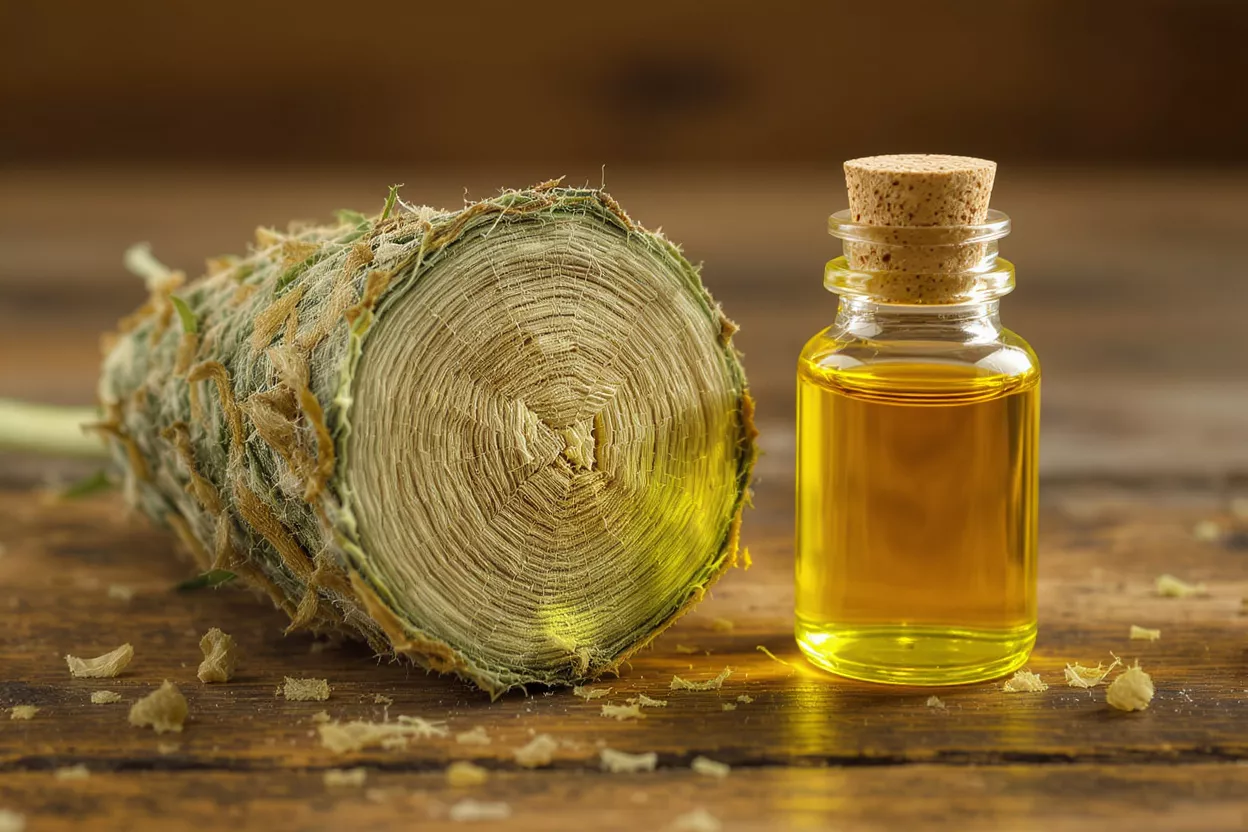
THC is often more powerful for acute and severe pain. Because it binds directly to receptors in the central nervous system, THC can blunt intense pain signals quickly, which is why it is frequently chosen for severe conditions, nerve pain, and cancer-related discomfort. The trade-off is intoxication, and finding the dose that relieves pain without overwhelming you takes patience.
For many people the most effective answer is not THC alone but a balanced ratio of the two cannabinoids working together. CBD appears to soften some of THC's less desirable effects, including anxiety and racing thoughts, while THC adds the heavier analgesic punch that CBD alone cannot match. A 1:1 balanced THC and CBD tincture is a popular starting point for those exploring this synergy.
This cooperative effect, sometimes called the entourage effect, extends to the plant's terpenes as well. Compounds like terpinolene contribute subtle effects of their own, and a sun-grown, top shelf 2025 flower rich in a full terpene profile can feel meaningfully different from an isolated extract. THCV, a lesser-known cannabinoid, is also gaining attention for its distinct properties.
Best CBD for Back Pain and Joint Pain
Back pain responds well to a layered approach. Because back pain often combines muscular tension, inflammation, and nerve involvement, the best CBD for back pain frequently pairs an internal product with a topical one. An oil taken daily addresses systemic inflammation, while a cream rubbed directly into the lower back targets the specific sore region.
For joint pain, particularly the kind tied to arthritis, CBD's anti-inflammatory action is the main draw. CBD for joint pain works best when applied consistently to the affected joints and supported by an oral dose that keeps inflammation in check throughout the body. Many users with stiff hands, knees, or hips find a CBD joint relief cream becomes part of their morning routine.
Quality matters more than marketing. Look for products with third-party lab testing, a clear cannabinoid content per dose, and transparent sourcing. A cheap product with vague labelling may contain far less active CBD than it claims, which is the most common reason people conclude CBD does not work for them.
CBD Pain Cream Canada vs Oils and Pills
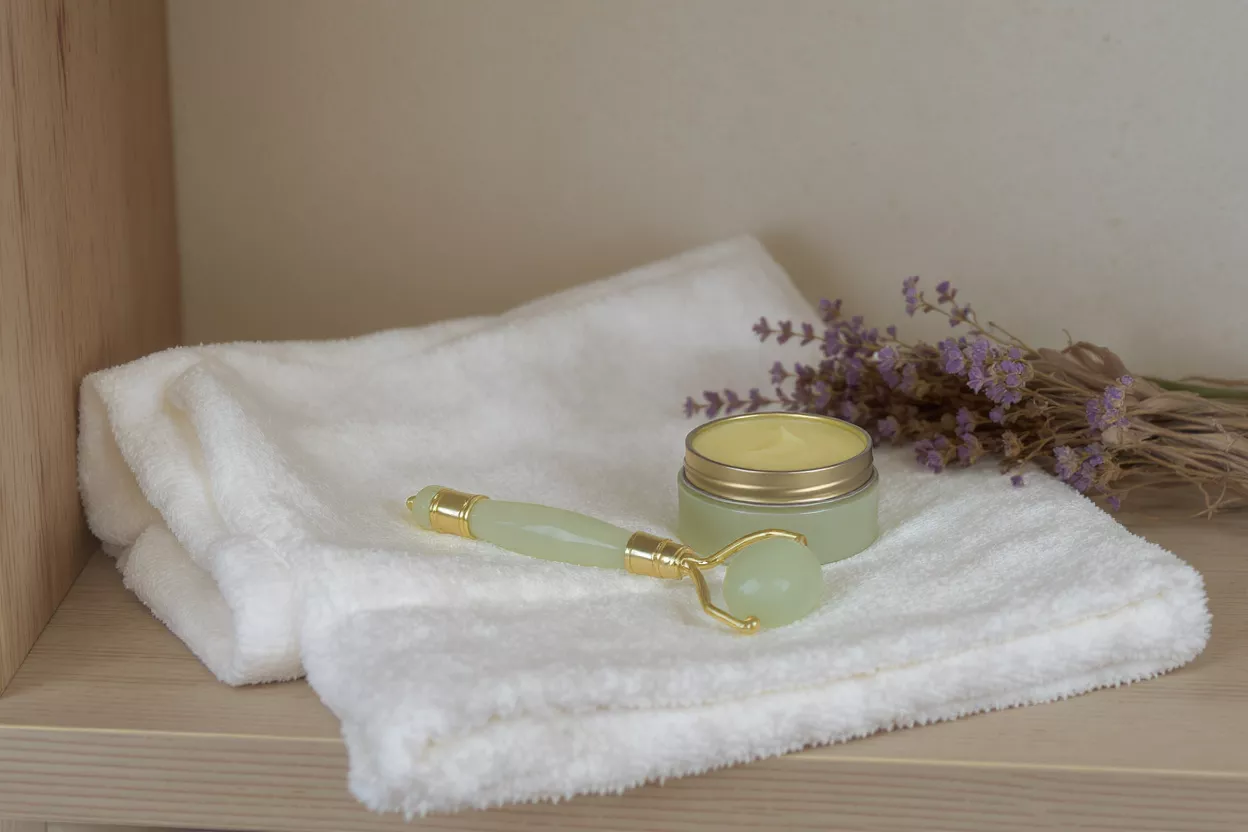
Topicals deliver targeted, localised relief. A CBD pain cream in Canada is applied directly to the skin over a sore area, where it works on local receptors without entering the bloodstream in meaningful amounts. This makes creams ideal for a specific aching knee or shoulder, and because there is no systemic absorption, there is no risk of intoxication even with THC-containing topicals.
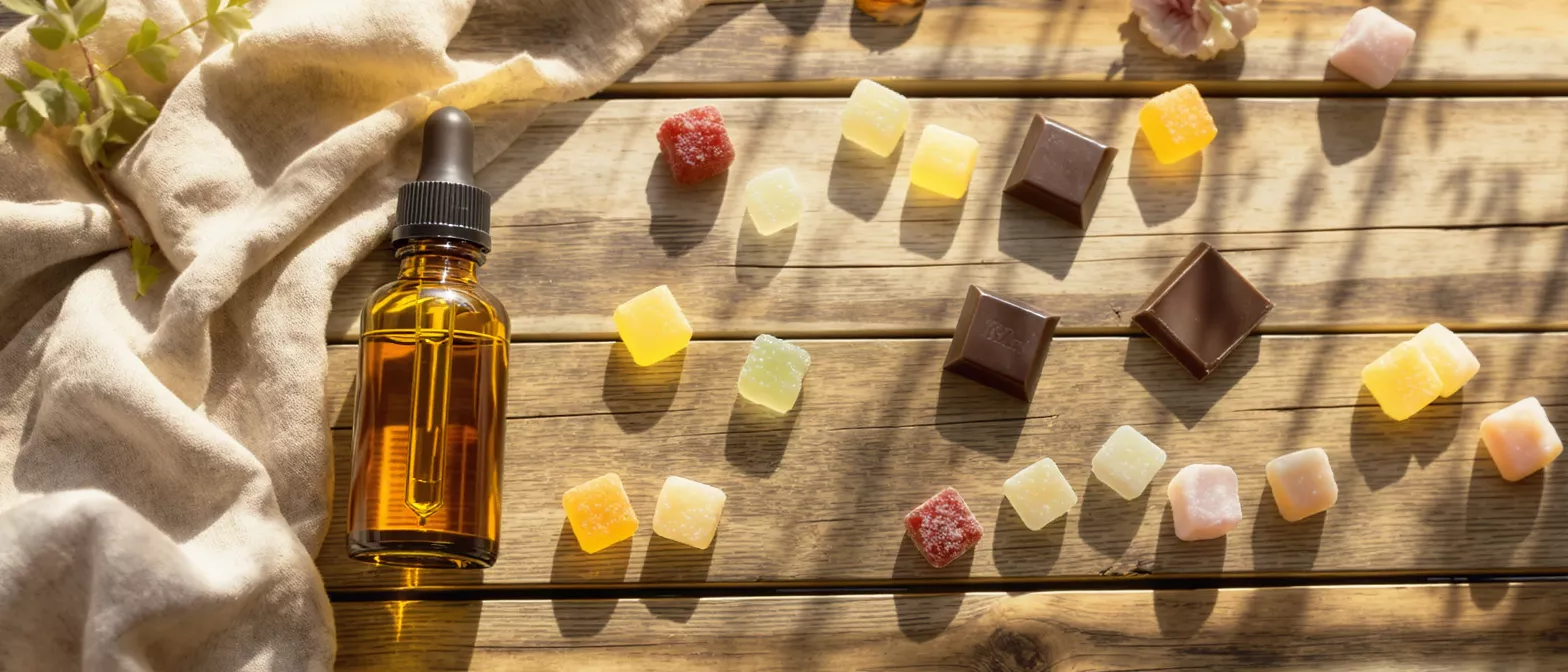
Oils and tinctures, taken under the tongue, offer a middle path between speed and duration. They absorb within fifteen to forty-five minutes and provide whole-body relief that lasts several hours, making CBD oil for pain a versatile daily option. Capsules and CBD pills for pain take longer to kick in because they pass through digestion, but they deliver a long, even effect and the convenience of a pre-measured dose.
- 🎯 Creams and balms: best for pinpointed joint or muscle pain, no intoxication, fast local relief.
- 💧 Oils and tinctures: flexible dosing, whole-body effect, onset in under an hour.
- 💊 Capsules and pills: pre-measured, long-lasting, convenient but slower to start.
- 🍵 THC tea and beverages: a gentle, drinkable option for evening relief and relaxation.
Many people combine formats, using a cream for flare-ups and an oil or capsule for baseline control. There is no single best delivery method, only the one that matches your pain pattern and lifestyle.
CBD Dosage for Pain: How Much Should You Take?
Start low and go slow is the golden rule. A sensible CBD dosage for pain begins around 10 to 20 milligrams per day, held steady for several days before any increase. This cautious approach lets you find the smallest effective dose, which saves money and reduces the chance of side effects like drowsiness or a dry mouth.
Body weight, the severity of your pain, and your individual metabolism all shape the right amount, so published charts are starting points rather than prescriptions. If 20 milligrams brings no relief after a week, step up gradually to 40 or even 60 milligrams, paying attention to how your body responds at each level. Keeping a simple log of dose and effect removes the guesswork.
- 📋 Week one: establish a baseline at 10–20 mg daily, taken at the same time each day.
- 📈 Week two: if needed, increase by 10–15 mg and hold to assess the new level.
- ✅ Ongoing: settle at the lowest dose that delivers reliable relief, adjusting only as your needs change.
THC dosing demands extra caution because of its psychoactive effects. A starting dose of 2.5 milligrams is wise, and combining a small amount of THC with a larger CBD dose often delivers strong relief while keeping intoxication mild and manageable.
Types of CBD Pain Relief Products
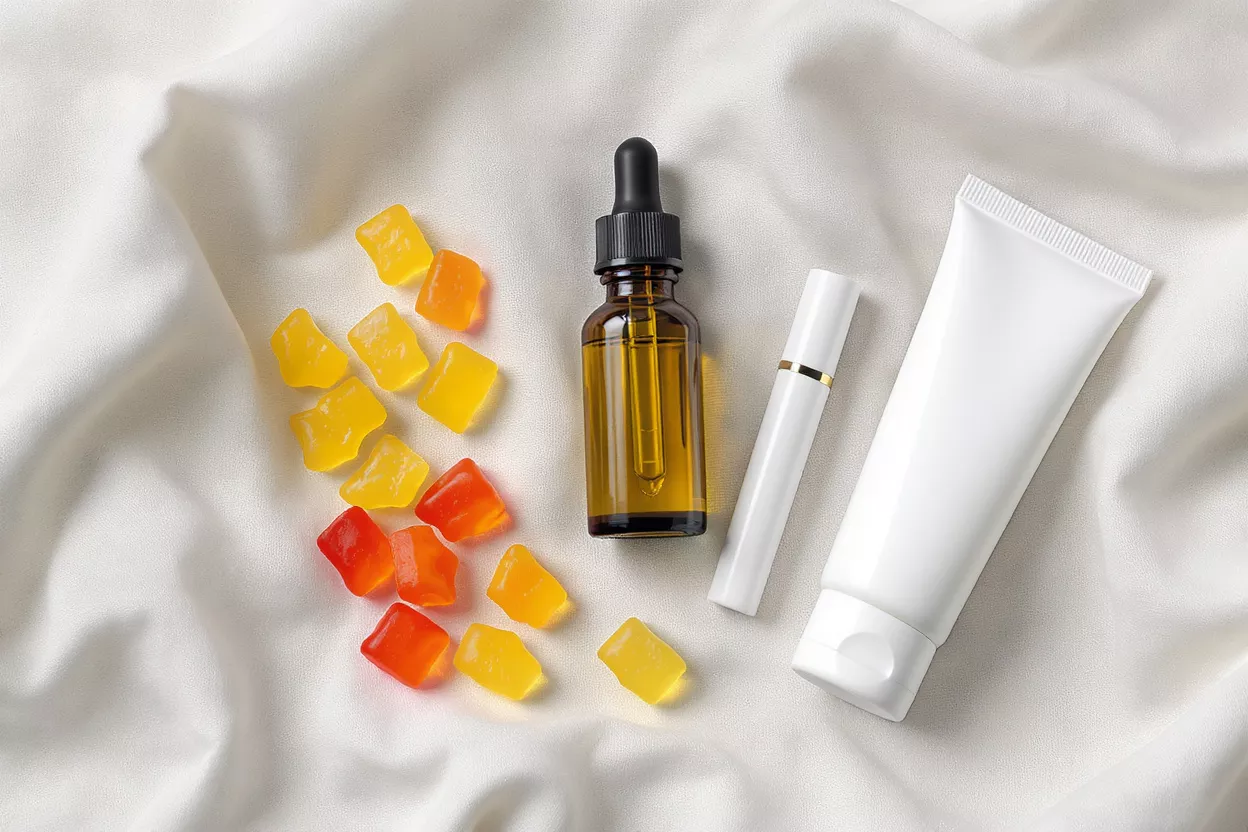
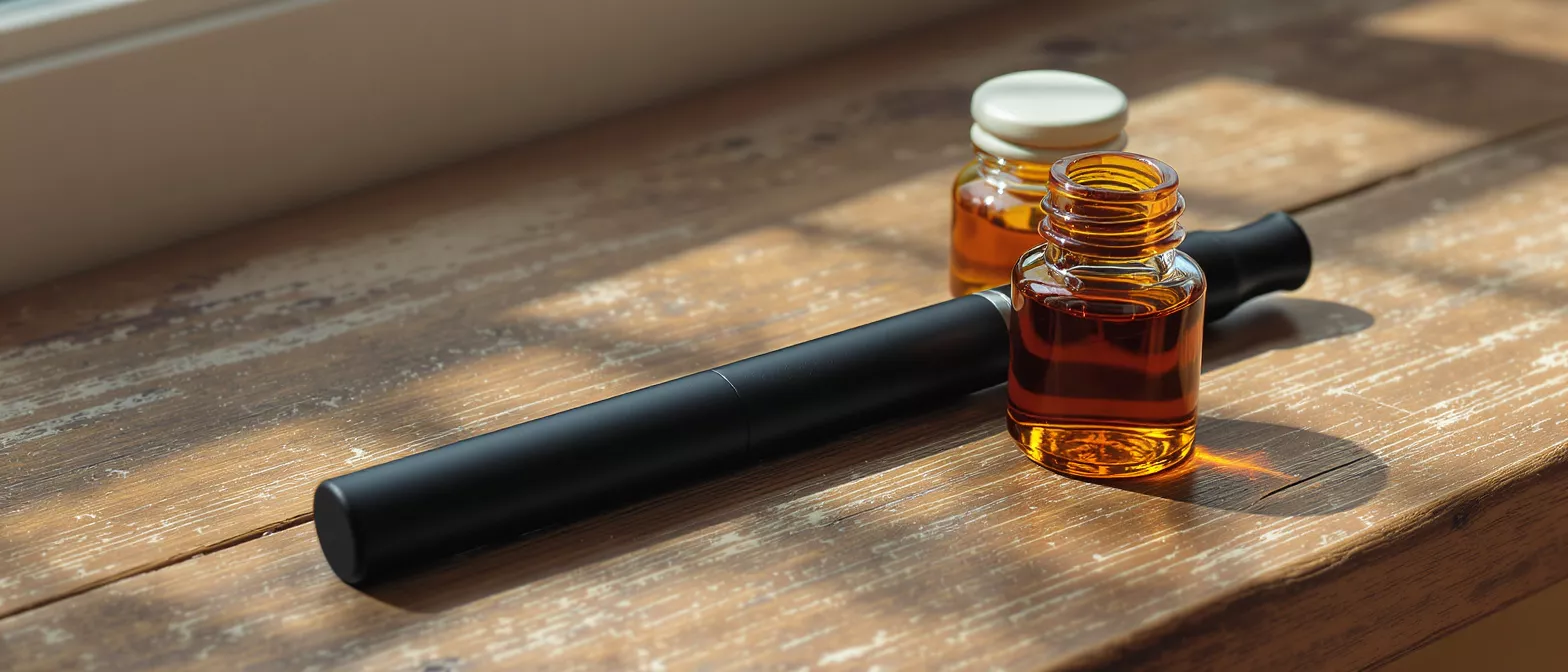
The product landscape has expanded dramatically. Beyond the familiar oils and creams, the market now offers an inventive range of formats designed for different lifestyles. A thc vape pen delivers near-instant relief for breakthrough pain, while a thc beverage or thc tea provides a slower, social, and discreet way to unwind in the evening.
Edibles and infused treats remain hugely popular for their long duration and ease of use. From taffy and gummies to a thc shatter bar built around concentrated extract, these products suit people who want a measured dose without inhaling anything. Concentrates such as shatter and the occasional resin hit appeal to experienced users seeking potency, though they are far stronger than a beginner needs.
Novelty formats keep emerging too, from a thc lipstick to functional blends that pair cannabinoids with mushrooms like Lion's Mane for focus or added Theanine for calm. For a clean, simple daily option, many people still prefer a straightforward full-spectrum CBD oil that fits easily into an existing routine.
Are CBD and THC Safe for Everyday Pain?
Both cannabinoids carry a strong safety profile. CBD is generally well tolerated even at high doses, with the most common side effects being mild drowsiness, dry mouth, or slight digestive upset. Serious adverse events are rare, which is part of why so many people feel comfortable using it daily over long periods.
The most important safety consideration with CBD is drug interactions. CBD can affect how the liver metabolises certain medications, particularly blood thinners and some heart drugs, so anyone on prescription medication should speak with a doctor before starting. This is not a reason for alarm, simply a sensible precaution worth taking seriously.
THC's risks are mostly tied to its psychoactive effect: temporary anxiety, impaired coordination, and an inability to drive safely. Used responsibly at appropriate doses, it remains safe for most adults, but it is not suited to every situation. Starting low, avoiding driving, and respecting the onset time of edibles keep the experience positive.
CBD or THC for Specific Pain Conditions
Different conditions favour different cannabinoids. Inflammatory conditions like arthritis often respond beautifully to CBD's anti-inflammatory action, sometimes with only a small amount of THC added for extra relief. Nerve pain, which can be stubborn and severe, frequently benefits from THC's direct action on the nervous system.
Muscular and tension pain, the kind that builds from poor posture or overwork, responds well to topicals and balanced products that relax both body and mind. Migraine sufferers report mixed but often encouraging results, with some finding that a low, balanced dose heads off an attack before it takes hold. Keeping a record of what helps each type of pain turns trial and error into a personal map.
For sleep-disrupting pain, an evening THC product can serve double duty, easing discomfort while promoting rest. A relaxing thc tea or a measured edible taken an hour before bed lets the effects build as you wind down, and pairing it with calming compounds can deepen the effect. The key is matching the cannabinoid and format to the specific way your pain behaves.


Milk Chocolate Bar 250mg / 24pcs – Opulence
Cannabis, the way chocolate was meant to be. Opulence's Milk Chocolate bar delivers 250mg of THC across 24 creamy squares — about 10mg each — in smooth, classic milk chocolate. Familiar and approachable, with effects that come on as easily as the flavour goes down. The beginner-friendly everyday bar for a relaxed, comfortable lift.
- Comfort Factor : Familiar taste eases consumption anxiety
- Smooth Experience : Creamy texture aids onset timing
- Beginner Friendly : Approachable flavor profile and dosing
- Consistent Effects : Classic confection, reliable experience
- Universal Appeal : Loved by most taste preferences

CBD Isolate Tincture 500mg – Natuur
Pure CBD, kept simple. Natuur's 500mg isolate tincture delivers crystalline cannabidiol with zero THC and virtually no taste — a clean, starter-strength bottle for beginners and drug-tested professionals alike. Tasteless enough to mix into anything, predictable enough to trust. CBD at its most straightforward, with no complications.
- Pure CBD Benefits : Isolated cannabidiol effects
- Drug Test Safe : Absolutely zero THC
- Gentle Introduction : Perfect starter strength
- Versatile Use : Tasteless for easy mixing
- Predictable Relief : Consistent effects

Cookies And Cream THC Chocolate Bar 500mg / 24pcs – Chocolit
The munchie that ends all munchies. Chocolit's Cookies and Cream bar folds real cookie pieces into creamy chocolate carrying 500mg of THC across 24 squares — getting elevated and satisfying the craving in one clever bite. Smooth, nostalgic, and easy to portion, it's a relaxed evening or a shared good time, scored square by square.
- Euphoric High : Creates happy, uplifted mental state
- Appetite Satisfaction : Preemptively addresses munchies
- Relaxation : Promotes calm without sedation
- Social Enhancement : Great for sharing and gatherings
- Pain Relief : THC provides physical comfort
Choosing Your Pain Relief Approach for 2026
The smartest strategy is personal and patient. There is no universal answer to whether CBD or THC is best for pain, because the right choice depends on the type of pain, your daily responsibilities, and how your body responds. Most successful users build a small toolkit rather than relying on a single product, reaching for the right format at the right moment.
A practical approach for 2026 might look like this: a daily CBD oil or capsule for baseline inflammation, a topical cream for localised flare-ups, and a low-dose THC option reserved for severe pain or evening relief. Starting low, staying consistent, and tracking your results will teach you more than any chart, and adjusting gradually keeps you in control of both effect and cost.
Ultimately, the best pain relief is the one you will actually stick with. Quality products, sensible dosing, and a willingness to experiment thoughtfully turn cannabinoids from a hopeful gamble into a dependable part of your wellness routine. Whether you lean toward CBD, THC, or a careful blend of both, an informed and measured approach is what delivers lasting comfort.



Comments