

THC
Learn everything about THC — how it works, its effects, dosing tips, and top strains.
What Is THC (Tetrahydrocannabinol)?
THC (tetrahydrocannabinol) is the primary psychoactive compound in cannabis, responsible for the euphoric "high" that has shaped the plant's cultural and medical history. As the most abundant intoxicating cannabinoid in most modern strains, it sits at the center of nearly every conversation about how cannabis affects the mind and body.
The discovery of THC reshaped cannabis science. Israeli chemist Raphael Mechoulam first isolated and described tetrahydrocannabinol in 1964, a breakthrough that opened the door to decades of research into how the plant interacts with human physiology. Before that moment, scientists knew cannabis produced psychoactive effects but couldn't pinpoint the molecule responsible.
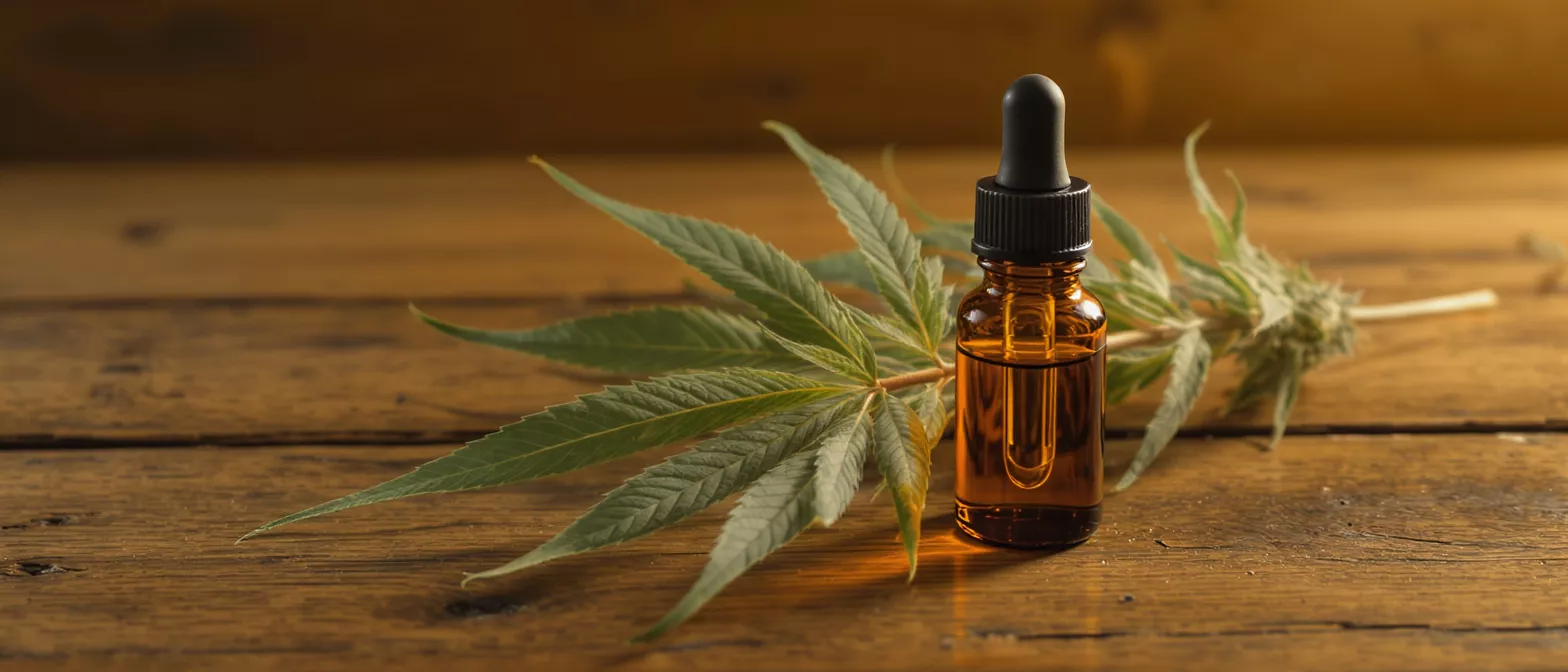
Chemically, THC is a 21-carbon terpenophenolic compound that the cannabis plant produces in its resinous trichomes. In the living plant it exists largely as THCA, a non-intoxicating acid that converts to active THC only when exposed to heat through a process called decarboxylation. This is why raw cannabis won't get you high, but smoked, vaporized, or baked cannabis will.
How Does THC Work in the Body?
THC works by mimicking your body's own cannabinoids. The human body contains an endocannabinoid system, a vast signaling network that helps regulate mood, appetite, pain, memory, and sleep. THC slips into this system because its molecular shape closely resembles anandamide, a natural neurotransmitter sometimes called the "bliss molecule."
The compound binds primarily to CB1 receptors concentrated in the brain and central nervous system. When THC activates these receptors, it triggers the cascade of effects users recognize as being high: altered perception, elevated mood, and changes in how the brain processes sensory input. It also interacts to a lesser degree with CB2 receptors found largely in immune tissue.
Onset and duration depend heavily on how you consume it. Inhaled THC reaches the bloodstream within minutes because it crosses directly from the lungs into circulation. Edibles take a far different path, passing through the liver where THC converts into 11-hydroxy-THC, a more potent metabolite that produces a longer, often stronger experience. This metabolic difference explains why edibles can catch newcomers off guard.
Types of THC and Cannabinoid Variants
Most people think of THC as a single substance, but tetrahydrocannabinol actually describes a family of closely related molecules. The version responsible for classic cannabis effects is delta-9-THC, the dominant and most studied form. In recent years, however, several other variants have entered the spotlight.
Delta-8 and delta-9 differ by a single bond. Delta-8-THC carries its double bond on a different carbon atom, producing a milder, often clearer-headed high. Many users describe it as less anxious than delta-9, though research remains limited. Its rise has been driven largely by legal gray areas rather than deep scientific study.
- 🧬 Delta-9-THC: The classic psychoactive cannabinoid found in most cannabis flower and the benchmark for potency.
- 🌱 Delta-8-THC: A milder isomer, frequently synthesized from hemp-derived CBD, offering a gentler experience.
- ⚡ THCV: A structurally distinct cannabinoid that may suppress appetite and produce energizing, short-lived effects.
- 🔬 THCA: The raw, non-intoxicating acid precursor that becomes THC only after decarboxylation.
Understanding these variants matters because product labels increasingly list specific cannabinoids. Knowing the difference between THCA in raw flower and active delta-9 in a finished edible helps you predict exactly what an experience will feel like.
What Are the Effects of THC?
The effects of THC span a wide spectrum, shaped by dose, individual tolerance, strain chemistry, and even mindset. At moderate doses, most people experience euphoria, relaxation, heightened sensory awareness, and an increased appetite often called "the munchies." Tasks like listening to music or eating familiar food can feel surprisingly novel.
Psychoactive effects are only part of the picture. Beyond the recognizable high, THC produces measurable physical changes: reddened eyes, dry mouth, increased heart rate, and reduced intraocular pressure. These effects stem directly from cannabinoid receptors located throughout the body, not just the brain, which is why THC influences so many systems at once.
Not every effect is welcome. Higher doses or sensitive individuals may experience anxiety, paranoia, dizziness, or short-term memory impairment. The presence of other compounds in the plant, especially CBD and aromatic terpenes, can meaningfully soften or shape how THC feels through what researchers call the entourage effect.
THC Content by Strain and Product
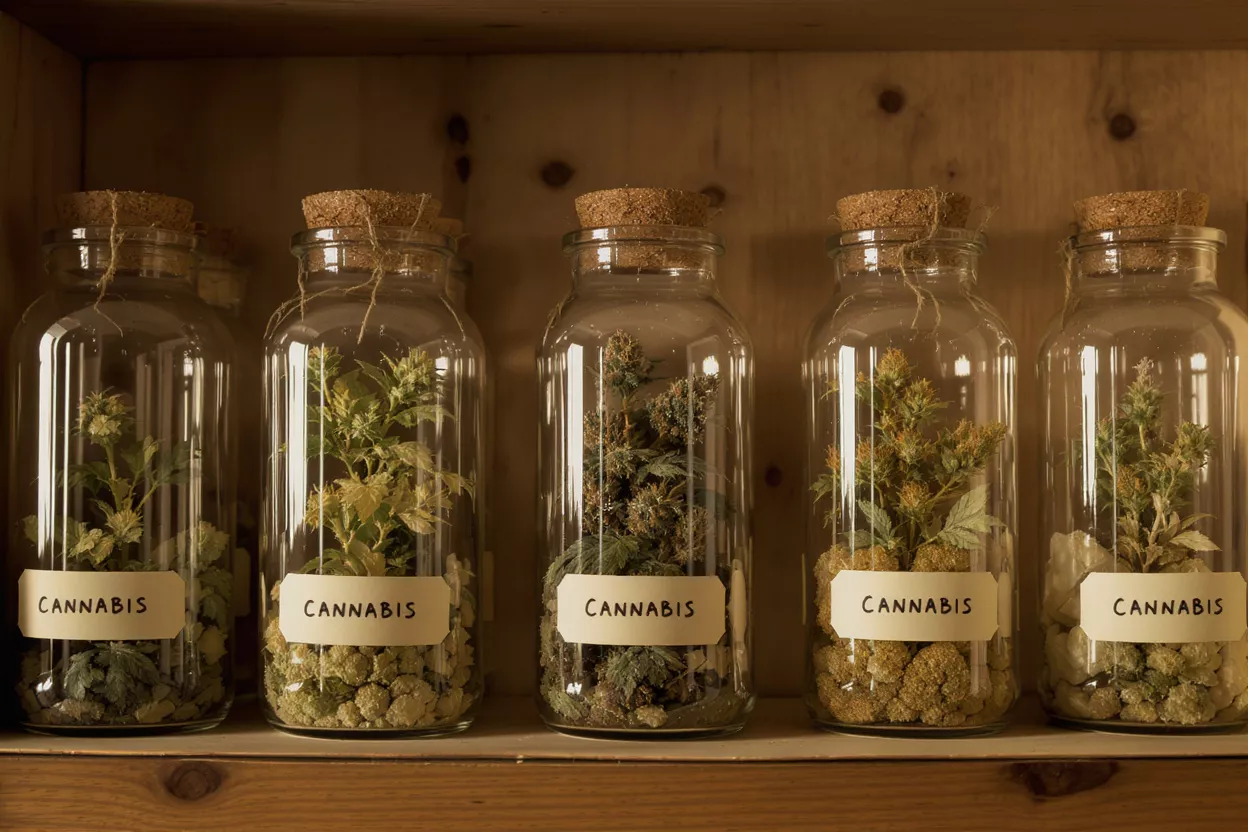
THC content varies dramatically across cannabis strains and products, ranging from gentle to genuinely intense. Decades of selective breeding have pushed potency far beyond what existed a generation ago, when flower averaging eight percent THC was considered strong. Today, many premium strains test well above twenty percent.
Flower potency has climbed steadily for decades. Modern indica and sativa cultivars commonly test between fifteen and twenty-five percent THC, with some boutique strains exceeding thirty percent. Concentrates climb higher still, often reaching seventy to ninety percent in products like shatter, wax, and distillate.
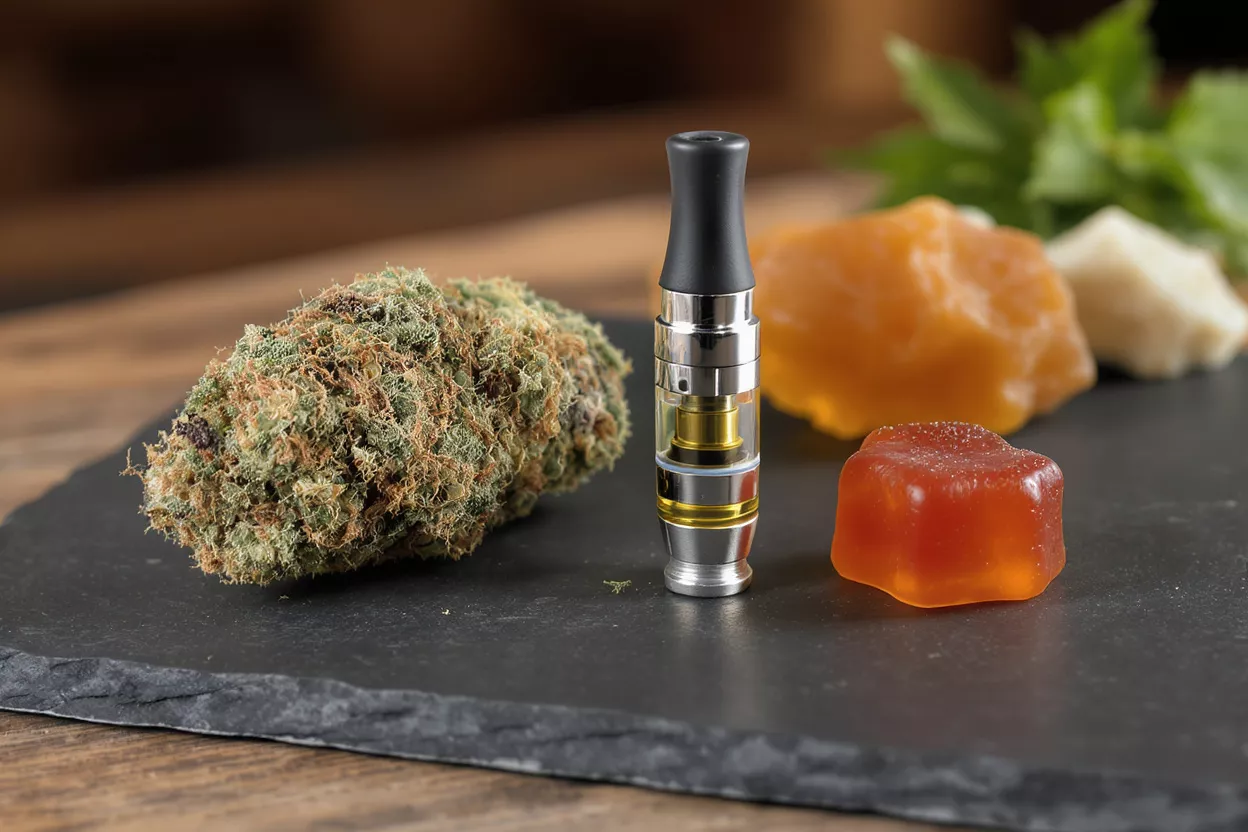
Product format reshapes how that THC percentage translates into real experience. A high number on a flower jar means something very different from the same number on a concentrate, because consumption method, dose size, and absorption all change the equation.
- 🌸 Flower: Typically 15–25% THC, the most traditional and widely consumed format.
- 💧 Concentrates: 60–90% THC, including shatter, rosin, and distillate for experienced users.
- 🍬 Edibles: Measured in milligrams per serving, usually 5–10mg for a standard dose.
- 🌿 Tinctures: Precisely dosed liquids offering flexible, smoke-free control over intake.
THC Consumption Methods Compared
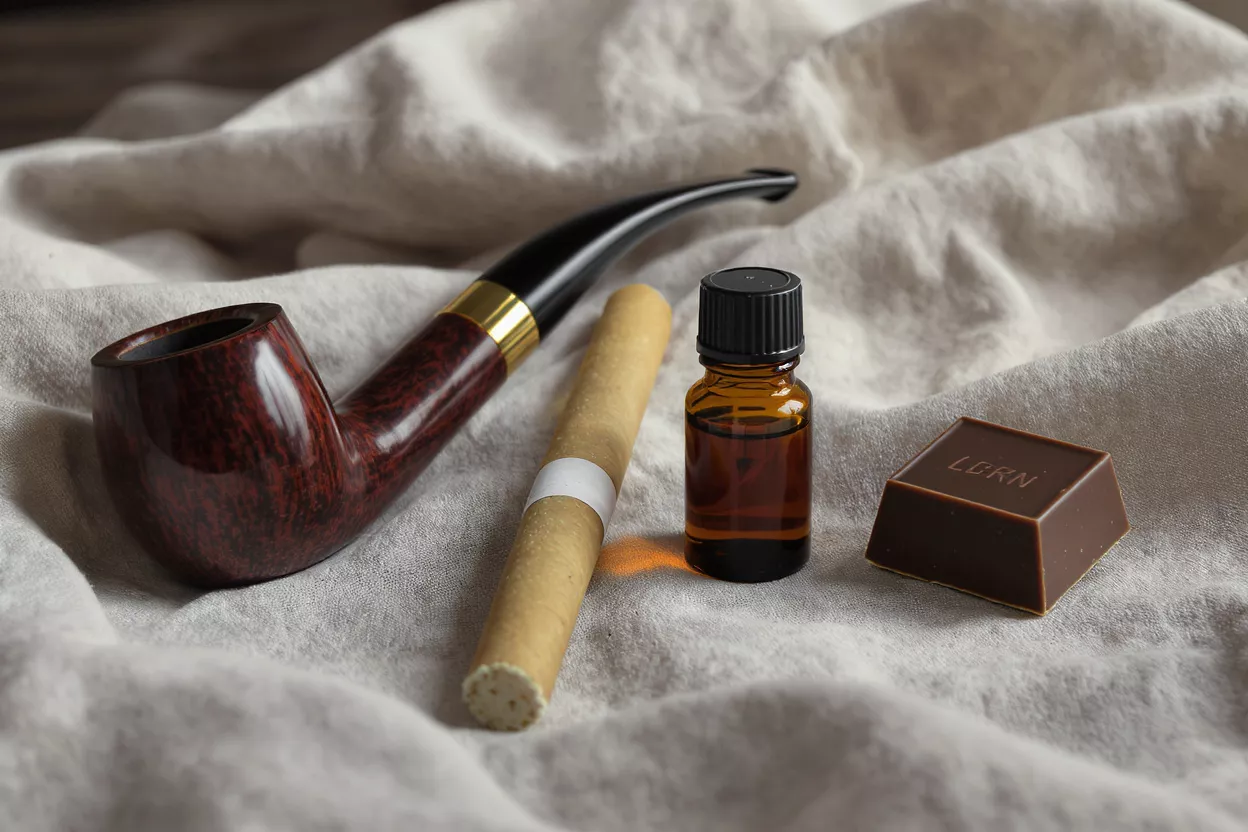
How you consume THC fundamentally changes the experience, from how quickly effects arrive to how long they last. Choosing the right method depends on your goals, your tolerance, and how much control you want over dosing.
Inhalation delivers the fastest onset. Smoking and vaporizing send THC into the bloodstream through the lungs within minutes, making effects easy to titrate in real time. This rapid feedback is why many experienced users prefer inhalation, though it carries the respiratory considerations that come with combustion.
Edibles trade speed for staying power. Oral consumption can take thirty minutes to two hours to take effect, but the resulting experience often lasts four to eight hours. Because the liver converts THC into a stronger metabolite, edibles can feel far more intense than an equivalent inhaled dose, which is precisely why patience matters.
Sublingual tinctures and topicals round out the spectrum. Tinctures placed under the tongue absorb faster than edibles while still avoiding smoke, and topicals deliver localized relief without producing any psychoactive high at all, making them appealing for targeted discomfort.
THC Benefits and Therapeutic Uses
Beyond recreation, THC carries a growing body of evidence supporting genuine therapeutic value. Researchers and clinicians have studied its role in managing several conditions, and certain THC-based medications now hold formal regulatory approval in various countries.
Pain relief is among THC's best-documented benefits. By modulating how the nervous system processes pain signals, THC can ease chronic and neuropathic discomfort that often resists conventional treatment. Many patients turn to it when standard analgesics fall short or produce unwelcome side effects of their own.
THC also shows real promise for nausea and appetite. Pharmaceutical THC has long been prescribed to counter chemotherapy-induced nausea and to stimulate appetite in patients facing wasting conditions. Its influence on the body's signaling systems makes it uniquely suited to these challenges.
- 💊 Chronic pain: May reduce neuropathic and inflammatory pain that resists standard medication.
- 🤢 Nausea relief: Counters chemotherapy-induced nausea and stimulates appetite during treatment.
- 😴 Sleep support: Helps some users fall asleep faster, particularly with indica-leaning strains.
- 🧘 Muscle relaxation: Eases spasticity associated with conditions like multiple sclerosis.
Is THC Safe? Understanding the Risks
THC has a remarkably strong safety profile compared to many common substances, with no documented cases of fatal overdose from cannabis alone. That said, safe does not mean risk-free, and responsible use requires understanding where the genuine concerns lie.
Short-term risks are mostly uncomfortable, not dangerous. Overconsumption can trigger anxiety, paranoia, rapid heartbeat, dizziness, and temporary disorientation. These effects pass as THC clears the system, but they can feel alarming, especially for inexperienced users who took too much too fast.
Long-term and population-specific concerns deserve attention. Heavy, frequent use can lead to tolerance and, in some individuals, cannabis use disorder. Adolescents whose brains are still developing face greater risk from regular use, and people with a personal or family history of psychotic disorders should approach THC with particular caution. Pregnant individuals are advised to avoid it entirely.
THC Dosing Guide for Beginners
Finding the right THC dose is the single most important skill for a positive experience, and it starts with humility. The old adage "start low and go slow" exists for good reason: tolerance varies enormously between individuals, and you can always take more, but you cannot take less once it's in your system.
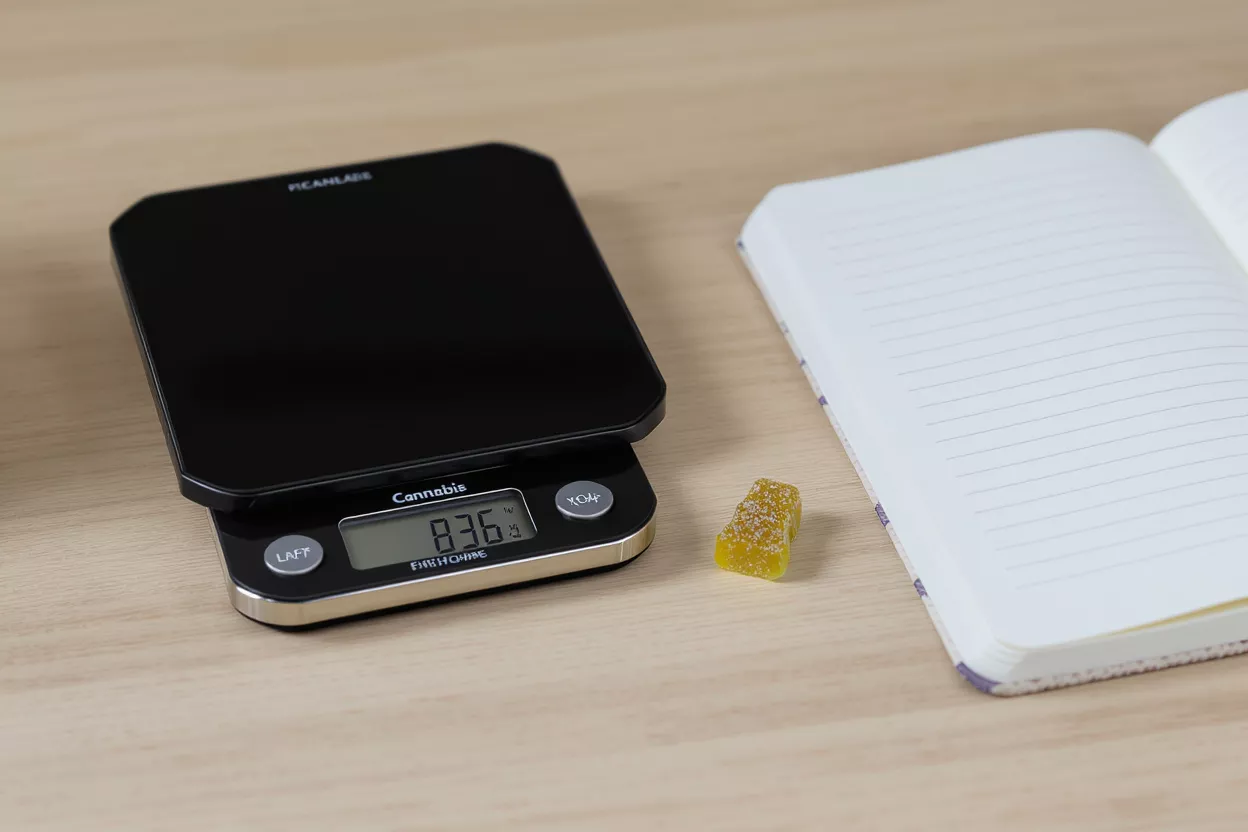
Edible dosing demands the most caution. A standard beginner dose sits around 2.5 to 5 milligrams of THC, well below the 10mg that often appears as a single package serving. Because edibles take up to two hours to fully kick in, waiting before redosing prevents the classic mistake of stacking doses and ending up overwhelmed.
Inhaled methods offer easier real-time control. With smoking or vaporizing, you can take one or two inhalations, wait fifteen minutes, and gauge the effect before continuing. This natural feedback loop makes inhalation more forgiving for those still learning their personal threshold and how different strains affect them.
THC and the Law: What to Know
The legal status of THC varies enormously around the world and even between regions of the same country. Cannabis is fully legal for adult use in Canada and a growing number of U.S. states, while many jurisdictions still maintain strict prohibition or permit only medical access under tight regulation.
The hemp-versus-cannabis distinction shapes much of the law. In many places, plants containing less than 0.3 percent delta-9-THC are classified as hemp and regulated differently from higher-THC cannabis. This single percentage threshold has created the legal foundation for the entire hemp-derived cannabinoid market, including many delta-8 products.
Anyone using or purchasing THC products should understand their local regulations, since possession limits, purchase age, and permitted formats differ widely. THC, tetrahydrocannabinol in its full name, remains the molecule that defines the line between hemp and intoxicating cannabis across nearly every legal framework on earth.
From its discovery in 1964 to its central role in modern medicine and culture, THC remains the most consequential cannabinoid the plant produces. Understanding how it works, how it's consumed, what it offers therapeutically, and where its genuine risks lie empowers you to make informed, confident choices. Whether your interest is wellness, relief, or simple curiosity, a clear grasp of tetrahydrocannabinol is the foundation for engaging with cannabis responsibly.

Comments