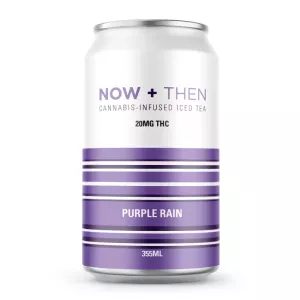
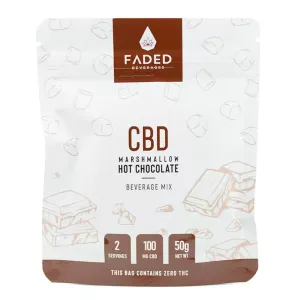
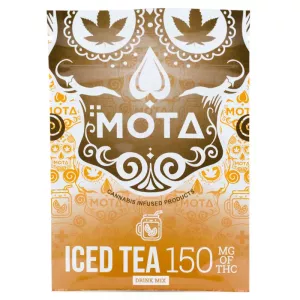
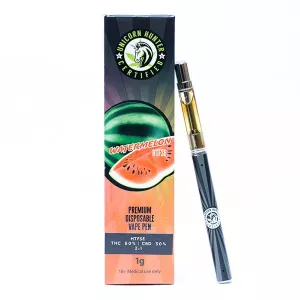
Tea
Experience Premium: Curated Tea

Expertly selected for discerning wellness

Don't forget to check out the Weekly Deals from BIRCH+FOG!

White cup on a saucer against a soft gradient background.

Tea

Discover premium cannabis tea blends with THC and CBD.

Showing 1–9 of 9 results

Premium Cannabis Tea — Your Guide to Herbal Wellness

Tea represents one of humanity's oldest wellness rituals, and cannabis tea brings this ancient practice into the modern therapeutic landscape. Whether you're seeking gentle relaxation after a long day, looking for natural sleep support, or exploring cannabinoids for wellness, cannabis-infused teas offer a familiar and approachable entry point. Unlike smoking or vaping, tea provides a gentle, sustained experience that honors both tradition and innovation in cannabis consumption.

What Is Cannabis Tea and How Does It Work

Cannabis tea combines traditional herbal brewing with cannabinoid therapy, creating beverages that deliver both therapeutic compounds and the ritual comfort of tea drinking. Unlike edibles that require digestion, quality cannabis teas often include terpenes and botanical extracts that begin working through sublingual absorption, offering faster onset than traditional cannabis foods. The warm liquid also helps your body process the cannabinoids more efficiently, creating a smoother, more predictable experience that appeals to both newcomers and experienced users seeking gentle effects.

Types of Cannabis Tea — THC, CBD, and Herbal Blends

The cannabis tea landscape offers distinct options tailored to different wellness goals and preferences. THC-dominant teas provide psychoactive effects ranging from mild euphoria to deep relaxation, making them ideal for evening unwinding or creative sessions. CBD-focused blends deliver therapeutic benefits without intoxication, perfect for daytime wellness routines or those sensitive to THC. Ratio teas combine both cannabinoids for balanced effects, while herbal blends incorporate traditional wellness botanicals like chamomile, lavender, or ginger to create synergistic therapeutic experiences that honor both cannabis and herbalism traditions.

  • 🌿 Evening Relaxation Blends: THC-dominant with calming herbs like chamomile and lemon balm
  • ☀️ Daytime Wellness Teas: CBD-rich formulations with energizing botanicals like green tea or mint
  • ⚖️ Balanced Ratio Teas: Equal THC:CBD ratios for therapeutic effects without heavy sedation
  • 🌙 Sleep-Focused Formulas: High-THC blends with melatonin-supporting herbs like passionflower
  • 🔥 Digestive Support Teas: Cannabis combined with ginger, fennel, and other stomach-soothing botanicals

Cannabis Tea Benefits for Wellness and Relaxation

Extended duration distinguishes cannabis tea from other consumption methods, with effects typically lasting 4-8 hours compared to the 1-2 hour window of inhalation methods. This makes tea particularly valuable for managing chronic conditions, supporting sleep through the entire night, or maintaining steady wellness benefits throughout your day. The gentle onset also reduces anxiety that some people experience with faster-acting cannabis products, while the hydration and warmth provide additional comfort benefits that complement the cannabinoid effects perfectly.

How to Choose Quality Cannabis Tea

Quality cannabis tea starts with premium source materials and thoughtful formulation that respects both cannabis potency and herbal tradition. Reputable manufacturers provide clear dosage information and use cannabis extracts rather than raw flower, ensuring consistent potency and better flavor integration. Look for organic certification on both cannabis and botanical ingredients, as tea steeping extracts everything — including any pesticides or contaminants. The best cannabis teas balance cannabinoid content with complementary herbs that enhance rather than mask the natural flavors, creating beverages you'll actually enjoy drinking rather than enduring for the effects.

Cannabis Tea Dosing Guide for Beginners

Cannabis tea dosing follows edible guidelines since both work through digestion, but onset times can vary based on whether you're sipping slowly or drinking quickly. Beginners should start with 2.5-5mg of THC and wait 60-90 minutes before considering additional servings, as the warm liquid can sometimes create faster absorption than expected. For CBD teas, doses of 10-25mg are common starting points, with many people finding their sweet spot between 20-40mg for therapeutic benefits. Keep a tea journal tracking dosage, timing, and effects to dial in your perfect serving size.

  1. 🎯 Start Low: Begin with half a tea bag or 2.5mg THC equivalent
  2. Wait Patiently: Allow 60-90 minutes for full effects before redosing
  3. 📝 Track Your Experience: Note timing, dosage, and effects in a wellness journal
  4. 📈 Increase Gradually: Add 2.5mg increments until you find your ideal dose
  5. 🍯 Consider Enhancers: A small amount of fat like coconut oil can improve absorption

Best Time to Drink Cannabis Tea

The timing of cannabis tea consumption dramatically affects both the experience and therapeutic value, making intention as important as dosage. Evening tea sessions work best for THC-dominant blends, allowing the longer duration to support relaxation and sleep without interfering with daily responsibilities. CBD teas integrate beautifully into morning or afternoon wellness routines, providing steady therapeutic support without intoxication. Weekend mornings offer perfect opportunities to explore new blends or higher doses, giving you the full day to understand how different formulations affect your unique body chemistry and wellness goals.

How to Brew Perfect Cannabis Tea

Proper brewing technique maximizes both flavor and cannabinoid extraction while creating the ritual experience that makes tea drinking so therapeutic. Water temperature matters — use near-boiling water (195-205°F) for full extraction, but avoid rolling boils that can degrade delicate terpenes. Steep times of 5-7 minutes allow complete cannabinoid release, though you can adjust based on desired strength and flavor preferences. Adding a small amount of fat like coconut oil, butter, or whole milk can significantly improve cannabinoid bioavailability, though many modern cannabis teas are formulated for water-soluble absorption without additional fats required.

Are Cannabis Teas Safe — What You Need to Know

Cannabis tea safety mirrors general edible safety considerations with the added benefit of familiar tea-drinking rituals that encourage mindful consumption. The longer onset time requires patience to avoid accidental overconsumption, while the extended duration means planning ahead for when effects will wear off. Drug interactions remain possible, particularly with blood thinners, seizure medications, or sedatives, so consult healthcare providers if you're taking prescription medications. Start with single-ingredient cannabis teas before exploring complex herbal blends to identify any individual sensitivities to specific botanicals or cannabinoids, ensuring your tea practice supports rather than complicates your wellness journey.

Cannabis tea represents a perfect marriage of ancient wellness wisdom and modern therapeutic innovation, offering a gentle, approachable path to cannabinoid benefits that honors both tradition and science. Whether you're seeking evening relaxation, daily wellness support, or simply a new way to enjoy cannabis, quality tea blends provide sustained effects in a familiar, comforting format that integrates seamlessly into healthy lifestyle routines.


Frequently Asked Questions

How long does cannabis tea take to work?

Cannabis tea typically takes 30-90 minutes to produce noticeable effects, similar to other edibles. The warm liquid may speed absorption slightly compared to solid edibles, but onset varies based on individual metabolism, stomach contents, and tea formulation.

What's the difference between THC and CBD tea?

THC tea produces psychoactive effects including euphoria and relaxation, while CBD tea offers therapeutic benefits without intoxication. Many users choose THC teas for evening relaxation and CBD teas for daytime wellness support.

How much cannabis tea should beginners drink?

Beginners should start with 2.5-5mg of THC or 10-25mg of CBD, waiting 60-90 minutes before considering additional servings. Start with half a tea bag if dosage isn't clearly marked, and increase gradually based on your response.

Can you drink cannabis tea every day?

CBD tea can generally be consumed daily as part of a wellness routine. THC tea frequency depends on tolerance, lifestyle, and therapeutic needs. Many people use THC teas 2-3 times weekly for evening relaxation without developing significant tolerance.

Does cannabis tea help with sleep?

Cannabis tea, particularly THC-dominant evening blends with calming herbs, can support better sleep quality. The 4-8 hour duration helps maintain relaxation throughout the night, though individual responses vary based on dosage and personal sleep patterns.

What herbs are commonly mixed with cannabis in tea?

Popular cannabis tea herbs include chamomile for relaxation, lavender for calming effects, ginger for digestion, lemon balm for stress relief, and passionflower for sleep support. These botanicals create synergistic effects with cannabinoids.

Is cannabis tea stronger than other edibles?

Cannabis tea potency depends on the specific product formulation rather than the delivery method. However, the warm liquid may enhance absorption slightly, and the steeping process can affect cannabinoid extraction from the tea materials.

Can cannabis tea cause side effects?

Cannabis tea can cause similar side effects to other cannabis products, including dry mouth, drowsiness, or anxiety if consumed in high doses. The gentle onset and familiar tea format often reduce anxiety compared to faster-acting consumption methods.

Popular Categories

Canada's #1 Online Cannabis Dispensary: Over 600 Premium Products with Daily Deals

Learn More About Tea

Tea Overview

Cannabis-infused teas represent one of the most gentle and approachable ways to experience the therapeutic benefits of cannabis. Unlike smoking or vaping, tea provides a slower, longer-lasting effect that feels natural and familiar to most people. At BIRCH+FOG, our carefully curated selection of cannabis teas offers everything from energizing morning blends to soothing bedtime formulations, each designed to enhance your wellness routine without overwhelming your day.

What Are Cannabis Teas and Why Choose Them

Traditional Tea Meets Modern Cannabis: Cannabis teas combine time-honored herbal brewing traditions with precisely dosed THC or CBD, creating beverages that deliver therapeutic effects through familiar, comforting rituals. These products typically feature premium tea bases like green tea, chamomile, or raspberry blends, infused with measured amounts of cannabis extract to ensure consistent dosing in every cup. The process transforms the often-intimidating world of cannabis into something as simple and accessible as your morning cup of tea. Unlike many other edible formats, tea allows you to control your consumption naturally — you can sip slowly, gauge effects gradually, and stop whenever you feel you've reached your desired state.

How Tea Infusions Work in Your Body

Gentle Onset and Extended Relief: When you consume cannabis through tea, the active compounds are absorbed through your digestive system, creating effects that typically begin within 30-90 minutes and can last 4-8 hours. This slower absorption rate means you experience a more gradual, controllable high compared to smoking, making it ideal for people who want sustained relief from pain, anxiety, or sleep issues without sudden intensity peaks. The warm liquid also aids absorption and can provide additional comfort for digestive concerns or throat irritation. Because tea is consumed slowly over several minutes, rather than all at once like a gummy or chocolate, you have more opportunity to monitor your body's response and adjust your intake accordingly.

Best Tea Products for Beginners Starting Cannabis

Starting with cannabis tea requires choosing products specifically designed for newcomers, with doses typically ranging from 5-10mg THC per serving. Look for teas that combine THC with CBD for a more balanced, manageable experience, or consider CBD-dominant blends if you want therapeutic benefits without psychoactive effects. Many beginners find success with evening teas that incorporate natural sleep aids like chamomile or lavender, as the relaxing environment naturally complements the cannabis effects. For those concerned about dietary restrictions, vegan and sugar-free options ensure everyone can participate in this gentle introduction to cannabis wellness.

Tea Dosing Guide Understanding Milligrams

Understanding dosing becomes crucial for safe, enjoyable tea experiences, with most products clearly stating their THC or CBD content per tea bag or serving. New users should start with 2.5-5mg THC, while experienced consumers might prefer 10-40mg doses for more pronounced effects. The key differences in tea dosing include:

  • 🍃 Micro-Dose (1-2.5mg): Barely perceptible effects, ideal for daily wellness without impairment
  • 💚 Low Dose (2.5-5mg): Mild relaxation and stress relief while maintaining full functionality
  • 🌱 Standard Dose (5-15mg): Noticeable therapeutic effects with manageable psychoactive properties
  • 🔥 High Dose (20mg+): Strong effects intended for experienced users or serious medical conditions

Remember that you can always brew a second cup, but you cannot undo overconsumption, so patience becomes your most valuable tool when exploring cannabis teas.

Are Tea Edibles Safe for Daily Use

Long-Term Considerations and Daily Integration: Cannabis teas generally offer excellent safety profiles for regular use, especially when consumed in moderate doses and sourced from reputable manufacturers who provide consistent potency testing. Daily tea consumption allows your body to maintain steady cannabinoid levels, potentially providing more consistent relief for chronic conditions compared to sporadic high-dose treatments. However, regular users should monitor their tolerance levels and consider occasional breaks to maintain effectiveness. Cherry Bedtime Vegan THC Gummy Bears - Indica 10mg x 15pcs (150mg) - KANDY KANDY $20.00 Most quality tea products use natural ingredients and avoid artificial additives, making them suitable for daily wellness routines when used responsibly. The gentle nature of tea consumption also reduces the risk of overconsumption compared to other edible formats, as the slower drinking pace naturally encourages mindful dosing and body awareness.

Tea Types & Varieties

Understanding tea varieties opens up a world of flavor profiles, brewing techniques, and therapeutic benefits that extend far beyond the basic tea bag experience. From delicate white teas to robust black varieties, each category offers distinct characteristics shaped by processing methods, oxidation levels, and regional growing conditions that influence everything from caffeine content to taste complexity.

What Are the Main Tea Varieties

Traditional tea categories stem from the Camellia sinensis plant, with processing methods determining the final product rather than different plant species. The six primary classifications — white, green, yellow, oolong, black, and dark (pu-erh) — represent a spectrum of oxidation levels that create dramatically different drinking experiences. White teas undergo minimal processing with natural air-drying, preserving delicate floral notes and subtle sweetness. Green teas are quickly heated to halt oxidation, maintaining fresh, grassy flavors and higher antioxidant levels. Black teas receive full oxidation, developing rich, malty characteristics that pair beautifully with milk or stand strong on their own.

How White and Green Teas Differ

Processing timing creates the fundamental distinction between these lighter tea categories, though both preserve more of the leaf's original compounds compared to heavily processed varieties. White tea production involves simply withering and drying young buds and leaves, often picked during specific seasonal windows when the plants show silvery-white hairs. This minimal intervention results in extremely delicate flavors with natural sweetness and subtle complexity that unfolds slowly across multiple steepings. Green tea processing includes a crucial heating step — either pan-firing in Chinese traditions or steaming in Japanese methods — that immediately stops enzymatic oxidation while preserving the leaf's green color and fresh, vegetal characteristics that can range from nutty and toasted to marine and umami-rich.

Black Tea Types for Bold Flavor

Full oxidation transforms tea leaves into the robust, malty varieties that form the backbone of traditional afternoon blends and breakfast teas worldwide. Regional black teas each carry distinctive terroir signatures — Assam delivers bold, brisk flavors with natural maltiness perfect for milk tea preparations, while Ceylon varieties offer bright, citrusy notes with crisp finishes that shine in both hot and iced applications. Earl Grey and English Breakfast represent successful flavor marriages where bergamot oil or careful blending creates consistent profiles that have defined tea culture across generations, proving how traditional varieties can be enhanced while respecting their foundational character.

Oolong and Pu-erh Specialty Categories

Partial oxidation places oolong teas in the fascinating middle ground between green and black varieties, creating complex flavor profiles that can shift dramatically based on specific processing techniques and oxidation percentages. Light oolongs maintain floral, green characteristics while developing subtle fruit notes, whereas darker oolongs approach black tea intensity while retaining distinctive roasted or honey-like sweetness. Pu-erh represents an entirely different approach through post-fermentation aging that can continue for decades, developing deep, earthy flavors with smooth, almost wine-like complexity that improves over time and commands serious collector attention among tea enthusiasts who appreciate its unique microbial transformation process.

Herbal Tea Blends Beyond Traditional Leaves

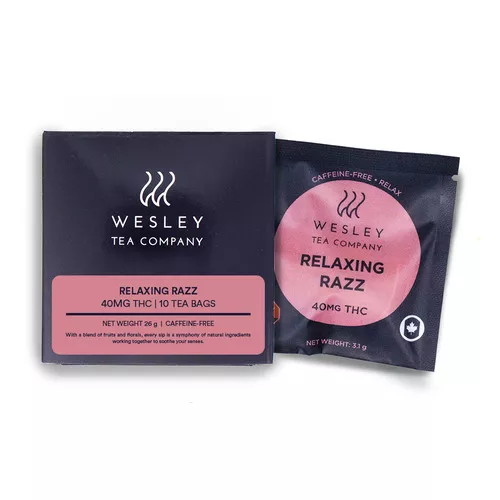
Herbal infusions expand the tea universe beyond Camellia sinensis into therapeutic botanicals that offer caffeine-free alternatives with targeted wellness benefits. Contemporary herbal blending incorporates both traditional medicinal plants and modern functional ingredients — chamomile and lavender provide natural relaxation support, while ginger and peppermint aid digestion and offer warming or cooling sensations respectively. Modern wellness-focused teas like Relaxing Razz THC Raspberry 40mg / 1 Tea Bag - Wesley $4.00 demonstrate how traditional botanical knowledge meets contemporary cannabis integration, creating new categories that bridge herbal medicine traditions with current therapeutic innovation:

  • 🌿 Calming Blends: Chamomile, passionflower, and lemon balm for evening relaxation
  • 🫖 Digestive Support: Ginger, fennel, and peppermint for post-meal comfort
  • 🌺 Floral Infusions: Rose petals, hibiscus, and elderflower for antioxidant benefits
  • 🍃 Adaptogenic Blends: Ashwagandha, rhodiola, and holy basil for stress management

The beauty of exploring tea varieties lies in discovering how processing, origin, and blending create endless possibilities for both daily enjoyment and specific wellness goals. Whether you're drawn to the subtle elegance of white tea meditation sessions or the bold energy of black tea morning rituals, understanding these foundational categories helps you navigate the vast world of tea with confidence and curiosity that deepens with every cup.

Tea Benefits & Effects

Tea's remarkable effects extend far beyond simple hydration, offering a natural pathway to enhanced wellness through centuries-proven botanical compounds. Whether you're seeking gentle energy without jitters, deep relaxation after stressful days, or improved sleep quality, different tea varieties deliver distinct benefits that align with your body's natural rhythms and needs.

What Are Tea's Health Benefits

Antioxidant Protection: Tea leaves contain powerful polyphenols and catechins that neutralize harmful free radicals, supporting cellular health and potentially reducing inflammation throughout your body. Metabolic Support: Regular tea consumption has been linked to improved cardiovascular function, better blood sugar regulation, and enhanced immune system response, making it a cornerstone of preventive wellness routines across cultures.

How Tea Affects Energy and Focus

Unlike coffee's rapid caffeine spike, tea provides sustained energy through the unique compound L-theanine, which works synergistically with caffeine to promote alert calmness without the crash. This amino acid creates a smooth, focused state that enhances productivity while maintaining mental clarity throughout your day. For those exploring cannabis-enhanced experiences, options like the energizing Mimosa Sativa THC Vape Pen 1g - NOW+THEN $30.00 can complement tea's natural uplift for special occasions.

Tea for Stress Relief and Relaxation

Cortisol Regulation: Herbal teas containing chamomile, lavender, and lemon balm actively help reduce stress hormone levels while promoting the production of calming neurotransmitters like GABA. The simple ritual of brewing and sipping tea creates mindful moments that interrupt stress cycles, allowing your nervous system to reset and restore balance naturally.

Best Tea Types for Sleep and Recovery

Evening teas work through multiple pathways to prepare your body for restorative sleep, with compounds that gently lower core body temperature and activate parasympathetic nervous system responses. The most effective sleep-supporting teas include:

  • 🌙 Chamomile: Contains apigenin, which binds to brain receptors that promote sleepiness and reduce anxiety
  • 🌿 Passionflower: Increases GABA production for deeper relaxation and improved sleep quality
  • 💜 Lavender blends: Provide aromatherapeutic benefits that calm racing thoughts and tension
  • 🍃 Valerian root combinations: Act as natural sedatives without morning grogginess

Are Tea Effects Safe for Daily Use

Gentle Tolerance Profile: Most people can safely enjoy 3-4 cups of tea daily without adverse effects, as tea's caffeine content remains moderate compared to coffee, typically ranging from 25-50mg per cup versus coffee's 95mg average. Timing Considerations: The key to maximizing benefits lies in strategic consumption—energizing teas work best in morning and early afternoon hours, while caffeine-free herbal varieties support evening relaxation without disrupting sleep cycles, making tea a versatile tool for wellness throughout your entire day.

Tea's multifaceted benefits create a foundation for holistic wellness that adapts to your changing needs throughout the day. By understanding how different varieties affect your energy, stress levels, and sleep quality, you can craft a personalized tea routine that naturally supports your health goals while providing moments of mindful pleasure in our increasingly busy world.

Tea Brewing & Preparation

Proper tea brewing transforms simple leaves into liquid meditation, but the difference between exceptional and ordinary lies entirely in technique. Whether you're steeping traditional loose-leaf varieties or exploring cannabis-infused tea options, understanding temperature, timing, and preparation methods ensures every cup delivers its full potential for flavor and effect.

How to Brew the Perfect Cup of Tea

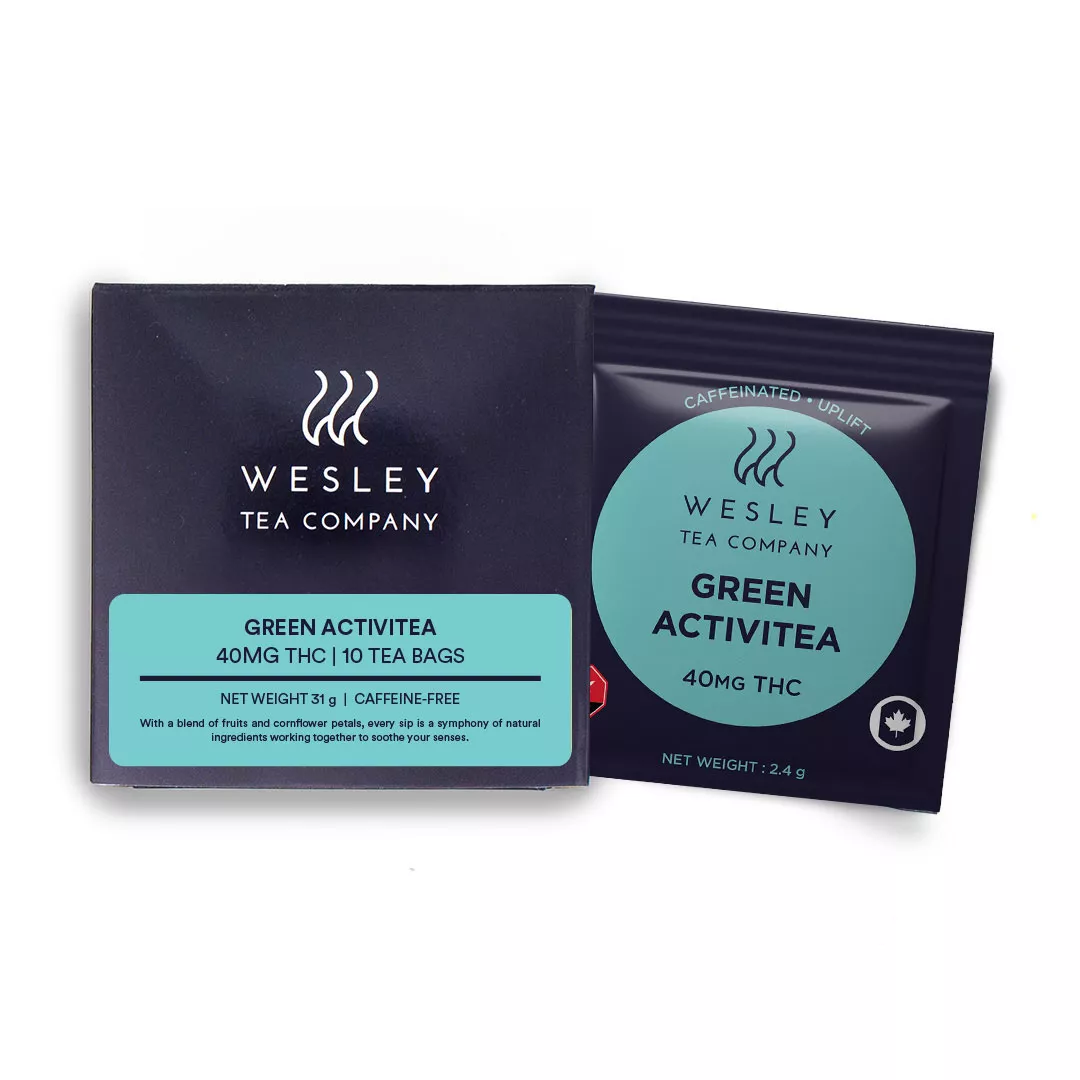
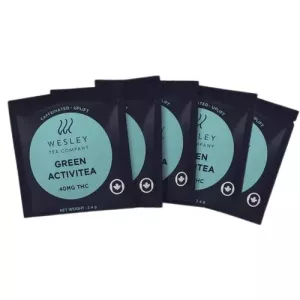
Water quality serves as your foundation — filtered water eliminates chlorine and mineral interference that can mask delicate tea flavors or create bitter notes. The perfect cup begins with measuring one teaspoon of loose tea or one tea bag per cup of water, though cannabis-infused options like ACTIVITEA THC Green Tea 200mg 5 Pack Tea Bags - Wesley $18.00 typically come pre-portioned for optimal dosing. Start by warming your teapot or cup with hot water, then discard this warming water before adding your tea and the properly heated brewing water, allowing the leaves to expand and release their full spectrum of flavors and beneficial compounds.

What Temperature Should Tea Be Brewed At

Temperature precision determines whether your tea tastes like liquid wisdom or bitter regret, with each variety requiring its specific heat range for optimal extraction. Black teas demand full rolling boils at 212°F to unlock their robust tannins, while green teas reveal their grassy sweetness at cooler 175-185°F temperatures that preserve delicate antioxidants without burning them into astringency. White teas perform best around 160-175°F, oolongs prefer 185-200°F depending on their oxidation level, and herbal blends generally handle full boiling water since they lack the tannins that create bitterness in true tea leaves.

Best Steeping Times for Different Tea Types

Timing your steep prevents over-extraction that turns nectar into punishment, with each tea type operating on its own internal clock for peak flavor development. Delicate teas like white and green varieties reach perfection in 2-3 minutes, while robust black teas can handle 3-5 minute steeps that fully develop their bold character without crossing into harsh territory.

  • 🫖 Green Tea: 2-3 minutes for bright, grassy notes
  • 🍃 White Tea: 3-4 minutes for subtle sweetness
  • Black Tea: 3-5 minutes for full-bodied richness
  • 🌸 Oolong Tea: 3-7 minutes depending on oxidation level
  • 🌿 Herbal Blends: 5-7 minutes for complete extraction
  • 💚 Cannabis Tea: 5-10 minutes for full cannabinoid release

How Tea Equipment Affects Flavor

Your brewing vessel shapes flavor as much as leaf quality, with material choices influencing heat retention, mineral interaction, and aromatic development throughout the steeping process. Glass and ceramic teapots maintain pure flavors without interference, while clay vessels like unglazed yixing pots gradually season over time to enhance specific tea types through mineral absorption and micro-porosity that allows controlled oxidation. Metal infusers with fine mesh prevent leaf particles from escaping while allowing proper water circulation, though avoid prolonged contact with reactive metals that can impart unwanted metallic notes to delicate teas.

Common Tea Brewing Mistakes to Avoid

Oversteeping ranks as the cardinal sin that transforms promising tea into bitter disappointment, often accompanied by using boiling water on heat-sensitive varieties that require gentler treatment for their delicate compounds to shine. Never squeeze tea bags or press loose leaves during removal, as this forces out harsh tannins that create astringency rather than the smooth, balanced flavors you're seeking. Proper brewing respects both the tea's natural character and your personal preferences, creating a ritual that enhances both the beverage and the moment of preparation.

What Makes Quality Tea Worth Your Investment

Quality and freshness transform tea from a simple beverage into a therapeutic experience that delivers both flavor and wellness benefits. Whether you're exploring traditional botanicals or cannabis-infused blends, understanding what separates exceptional tea from mediocre options helps you make informed choices that maximize both taste and therapeutic potential.

How Tea Freshness Affects Your Experience

Peak potency timing determines everything: Fresh tea retains maximum concentrations of beneficial compounds like terpenes, cannabinoids, and natural antioxidants that degrade over time. Most premium teas deliver optimal effects within 18-24 months of harvest, while infused varieties maintain therapeutic potency for shorter periods due to active compound sensitivity. The difference between fresh and stale tea isn't just flavor—it's the complete absence of the therapeutic benefits you're seeking.

What Are the Signs of Premium Tea Quality

Visual and aromatic indicators reveal quality immediately: Premium tea displays vibrant, consistent coloration without dust, stems, or broken pieces that indicate rough handling or inferior processing. The aroma should be pronounced and complex—earthy, floral, or citrusy depending on the variety—never musty or flat. When Kingpin Mango Diesel Sativa Prerolls 1.5g / 3pcs – Westcoast Smoke Co. $20.00 demonstrates precision engineering in cannabis products, the same attention to detail applies to quality tea selection where every element from leaf integrity to terpene preservation matters.

How Proper Storage Preserves Tea Potency

Temperature control and light protection maintain therapeutic compounds that make quality tea worth the investment. Store tea in airtight containers away from heat sources, direct sunlight, and moisture that accelerate degradation of delicate oils and active ingredients. The ideal storage environment mimics professional-grade conditions: cool, dark, and dry spaces that preserve both traditional botanicals and specialized wellness blends.

  • 🌡️ Temperature consistency: Room temperature or slightly cooler prevents compound breakdown
  • 💧 Moisture control: Humidity below 50% prevents mold and preserves texture
  • 🌙 Light protection: Dark containers shield UV-sensitive compounds
  • 🔒 Airtight sealing: Prevents oxidation and aroma loss
  • 📅 Rotation system: Use oldest stock first to maintain peak freshness

What Tea Processing Methods Ensure Maximum Benefits

Extraction and infusion techniques preserve therapeutic integrity: Premium tea processing minimizes heat exposure and chemical treatments that destroy beneficial compounds, opting instead for gentle methods that maintain the full spectrum of natural properties. Whether dealing with traditional botanicals or specialized wellness formulations like SLEEP Functional Mushroom Lavender Chamomile Dark Chocolate 30g / 6pcs - Wisely $6.99, the processing approach determines whether the final product delivers intended benefits or becomes an expensive disappointment with diminished potency.

Are Organic Tea Sources Worth the Investment

Organic certification ensures tea production without synthetic pesticides, herbicides, or chemical fertilizers that can interfere with natural compound profiles and introduce unwanted residues. While organic options typically cost more, they provide cleaner therapeutic experiences and support sustainable farming practices that maintain soil health for long-term tea quality. The investment pays dividends in both immediate wellness benefits and supporting production methods that prioritize purity over profit margins.

Quality tea represents an investment in your daily wellness routine that compounds over time through consistent therapeutic benefits and enhanced sensory experiences. By prioritizing freshness indicators, proper storage methods, and organic sources, you ensure every cup delivers the full spectrum of intended benefits rather than settling for degraded compounds and diminished effects that waste both money and wellness potential.

Tea Selection Guide

Finding the perfect tea involves more than just picking a flavor you like. Whether you're seeking relaxation, energy, pain relief, or digestive support, understanding how different teas align with your goals will help you make informed choices that deliver the experience you're looking for.

What Tea Should I Choose for My Goals

Relaxation and sleep teas typically feature indica-dominant formulations or calming botanicals like chamomile and lavender, making them ideal for evening wind-down routines. Energy and focus blends often incorporate sativa elements or traditional stimulating herbs like green tea, delivering gentle uplift without the jitters of coffee. When you're dealing with digestive discomfort, specially formulated tummy teas combine therapeutic ratios with soothing herbs like ginger and peppermint to address gut health while providing balanced effects. The key is matching the tea's cannabinoid profile and botanical blend to your specific wellness objectives.

How Tea Potency Affects Your Experience

Tea potency significantly impacts both onset time and duration of effects, with most cannabis teas ranging from 20mg to 40mg per serving. Higher potency options deliver more pronounced therapeutic benefits but require careful timing and dosing, especially for newcomers to cannabis beverages. The liquid format allows for faster absorption compared to solid edibles, typically taking effect within 30-60 minutes rather than the traditional 1-2 hours. Understanding these timing differences helps you plan your tea consumption around daily activities and ensures you don't accidentally overdo it by drinking multiple cups too quickly.

Best Tea Options for First-Time Users

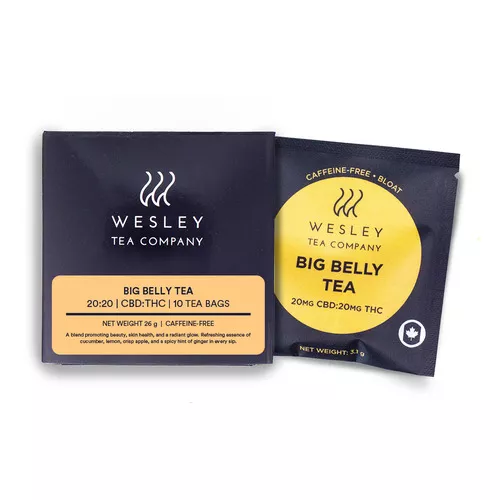
New cannabis tea drinkers should start with lower-potency options and balanced ratios that provide gentle introduction to cannabinoid effects. Ratio teas with equal CBD and THC offer therapeutic benefits while minimizing the risk of overwhelming psychoactive effects, making them perfect for testing your tolerance. Consider starting with Tummy Tea Ratio CBD : THC 20:20mg / 1 Tea Bag - Wesley $4.00 if digestive wellness is your primary concern, as the 1:1 ratio provides balanced effects alongside stomach-soothing botanicals. Always begin with half a cup, wait at least two hours before consuming more, and keep a tea journal to track which formulations work best for your body chemistry.

Choosing Tea for Specific Medical Benefits

Medical cannabis tea selection requires matching specific cannabinoid profiles to your therapeutic needs, with different ratios providing distinct benefits for various conditions. Pain management often benefits from higher THC concentrations, while anxiety and inflammation may respond better to CBD-dominant or balanced formulations. The ritual of tea preparation itself becomes part of the therapeutic process, creating mindful moments that enhance the medicinal experience beyond just the active compounds. Consider factors like your current medications, tolerance level, and daily schedule when selecting medical teas, as consistency in timing and dosing often proves crucial for sustained therapeutic benefits.

When to Drink Different Tea Types Throughout the Day

Strategic timing maximizes tea effectiveness while minimizing disruption to your natural rhythms and responsibilities. Morning and afternoon cannabis teas should focus on energizing sativa blends or functional mushroom varieties that support productivity without sedation, while evening selections can embrace relaxing indica formulations or calming herbal blends. Here's how to structure your daily tea consumption for optimal results:

  • 🌅 Morning (6-10 AM): Light sativa or green tea blends for gentle energy without overwhelming effects
  • ☀️ Afternoon (12-4 PM): Balanced ratios or functional varieties for sustained wellness support
  • 🌙 Evening (6-9 PM): Indica-dominant or herbal sleep blends to prepare for restful nights
  • 💤 Bedtime (9+ PM): Strongest relaxation formulas reserved for serious sleep support

Remember that cannabis tea effects can last 4-8 hours, so timing your last cup appropriately ensures you wake up refreshed rather than groggy. The beauty of tea lies in its versatility – you can adjust strength by steeping time, dilute with additional hot water, or combine different varieties to create custom blends that perfectly match your evolving needs throughout each day.

Top 10 Tea Essentials

Creating the perfect cup of tea is an art that combines tradition with precision. Whether you're a seasoned tea enthusiast or just beginning your journey into the world of premium loose leaf blends, having the right essentials makes all the difference. These ten must-have items will elevate your brewing experience from simple beverage preparation to a mindful daily ritual that honors tea's ancient heritage.

10. Airtight Loose Leaf Storage

Proper storage is the foundation of maintaining your tea's freshness and flavor profile. Quality loose leaf teas need protection from light, air, moisture, and strong odors to preserve their delicate essential oils and complex flavor compounds. Airtight containers made from opaque materials create the ideal environment for long-term storage.

Look for containers with vacuum seals or tight-fitting lids that create a complete barrier against oxidation. Small individual tins work perfectly for daily-use teas, while larger containers suit bulk storage. The key is keeping each tea variety separate to prevent flavor contamination between different types and blends.

9. Temperature-Controlled Kettle

Different tea varieties require specific water temperatures to unlock their optimal flavor profiles without extracting bitter compounds. A temperature-controlled kettle eliminates the guesswork and ensures consistency in every cup you brew. Electric kettles with preset temperature options make it easy to achieve the perfect heat for delicate white teas, robust black varieties, or anything in between.

Variable temperature settings typically range from 160°F for light whites to 212°F for bold blacks and herbal blends. This precision prevents over-extraction that leads to astringency while ensuring full flavor development. The investment in temperature control pays dividends in consistently superior brewing results.

8. Fine Mesh Strainer

A high-quality fine mesh strainer is essential for achieving clean, sediment-free tea without compromising flavor extraction. The mesh should be fine enough to catch the smallest leaf particles while allowing the tea liquor to flow freely. Stainless steel construction offers durability and easy cleaning, while the right size ensures it fits comfortably over your favorite cups and teapots.

Double-layer mesh strainers provide extra filtration for particularly fine-cut leaves or broken grades. Some strainers include integrated drip bowls to catch excess liquid, keeping your brewing area tidy. This simple tool transforms loose leaf brewing from a potentially messy experience into an elegant, controlled process.

7. Digital Steeping Timer

Timing is crucial in tea brewing, as even thirty seconds can dramatically affect the final cup's flavor balance. A dedicated steeping timer helps you develop consistency and allows you to experiment with timing variations to find your personal preference for each tea type. Digital timers offer precision and multiple countdown options for brewing several cups simultaneously.

Many tea timers include preset programs for different tea categories, taking the guesswork out of optimal steeping times. Whether you prefer a light three-minute white tea or a robust five-minute black blend, consistent timing ensures reproducible results. This precision tool is especially valuable when exploring new teas and developing your palate.

6. Ceramic or Glass Teapot

The material of your teapot significantly impacts flavor development and heat retention during steeping. Ceramic and glass teapots are ideal for most tea types because they don't impart any flavors to the brewing liquid while maintaining stable temperatures throughout the steeping process. These materials also make it easy to observe the tea's color development and leaf expansion.

Size matters when selecting a teapot – choose one that matches your typical serving needs without being too large for smaller batches. A well-designed spout ensures smooth, controlled pouring, while a comfortable handle provides safe handling of hot liquids. Quality ceramic teapots often improve with use as they develop a subtle patina that enhances future brews.

5. Bamboo Tea Scoop

Traditional bamboo tea scoops provide the perfect tool for measuring loose leaf tea while honoring the ceremonial aspects of tea culture. Bamboo's natural properties make it ideal for handling delicate leaves without breaking or crushing them, preserving the leaves' integrity until they reach hot water. The organic material also won't impart any unwanted flavors or odors to your precious teas.

A proper tea scoop holds approximately one teaspoon of most loose leaf varieties, though denser teas may require slight adjustments. The curved shape allows for precise portioning while the long handle keeps your hands away from hot brewing vessels. This simple tool connects modern tea lovers with centuries of brewing tradition.

4. Double-Walled Tea Cups

Double-walled tea cups maintain optimal drinking temperature while protecting your hands from heat, allowing you to fully savor your tea's aroma and flavor evolution as it cools. The insulation layer keeps hot teas warm longer and prevents condensation with iced varieties. Glass versions offer the additional benefit of showcasing the tea's beautiful color and clarity.

The right size cup enhances the drinking experience – smaller cups encourage mindful sipping and multiple pours from a single brewing session, while larger cups suit those who prefer extended sipping sessions. Look for cups with comfortable grips and stable bases that won't tip easily during use.

3. Instant-Read Brewing Thermometer

An instant-read thermometer provides the precision needed to achieve optimal extraction temperatures for different tea varieties. While temperature-controlled kettles are convenient, a good thermometer allows you to verify and fine-tune temperatures, especially when using traditional kettles or when ambient conditions affect water cooling rates.

Digital thermometers with quick response times make it easy to check temperatures without significant heat loss during measurement. Some models include memory functions to recall optimal temperatures for your favorite teas, while others offer preset alerts for common brewing temperatures. This tool becomes indispensable for serious tea enthusiasts seeking perfect extraction.

2. Filtered or Spring Water

Water quality dramatically affects tea flavor since it comprises 99% of your finished cup. Municipal tap water often contains chlorine, minerals, or other compounds that can mask or alter delicate tea flavors. Filtered or quality spring water provides a neutral base that allows tea's true character to shine through without interference from unwanted tastes or odors.

The ideal brewing water has low mineral content and neutral pH, though some minerals are necessary for proper flavor extraction. Distilled water can produce flat-tasting tea, while hard water may create bitter notes or prevent full flavor development. Investing in quality water is one of the simplest ways to dramatically improve your tea brewing results.

1. High-Quality Loose Leaf Tea

The foundation of exceptional tea lies in selecting premium loose leaf varieties that showcase the art of careful cultivation, processing, and storage. Quality leaves produce complex flavor profiles, beautiful aromatics, and satisfying drinking experiences that transform tea from a simple beverage into a moment of daily luxury. Fresh, whole leaves provide multiple infusions and reveal new flavor notes with each steeping.

When exploring different tea options, consider starting with single-origin varieties to understand how terroir affects flavor, then branch into blends that combine complementary elements. Quality loose leaf teas offer better value than tea bags since they can be steeped multiple times, with each infusion revealing different aspects of the tea's character.

These ten essentials work together to create a complete tea brewing system that honors both tradition and modern precision. Start with the basics and gradually build your collection as your appreciation for tea deepens. Remember that the best equipment enhances good tea but can never substitute for quality leaves and mindful brewing practices. Each element contributes to transforming simple leaf and water into moments of daily tranquility and flavor exploration. 🍃