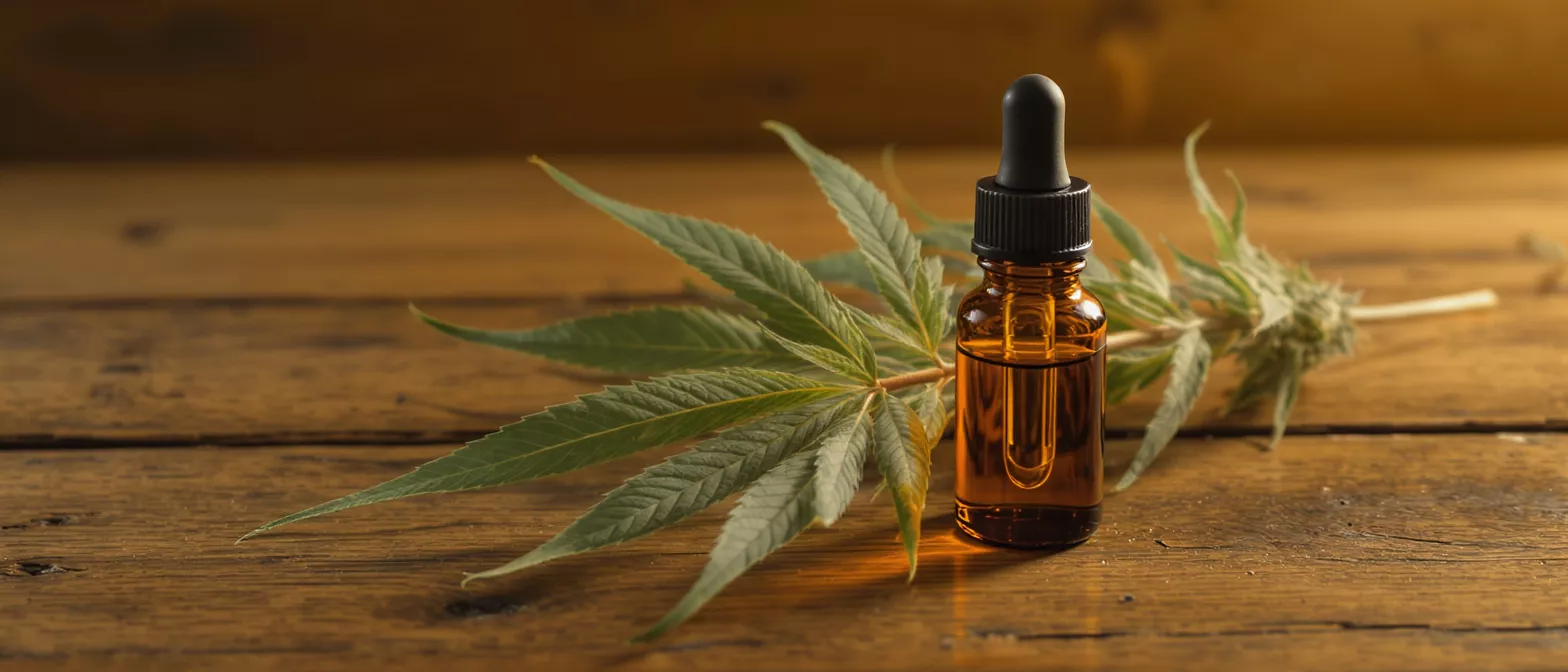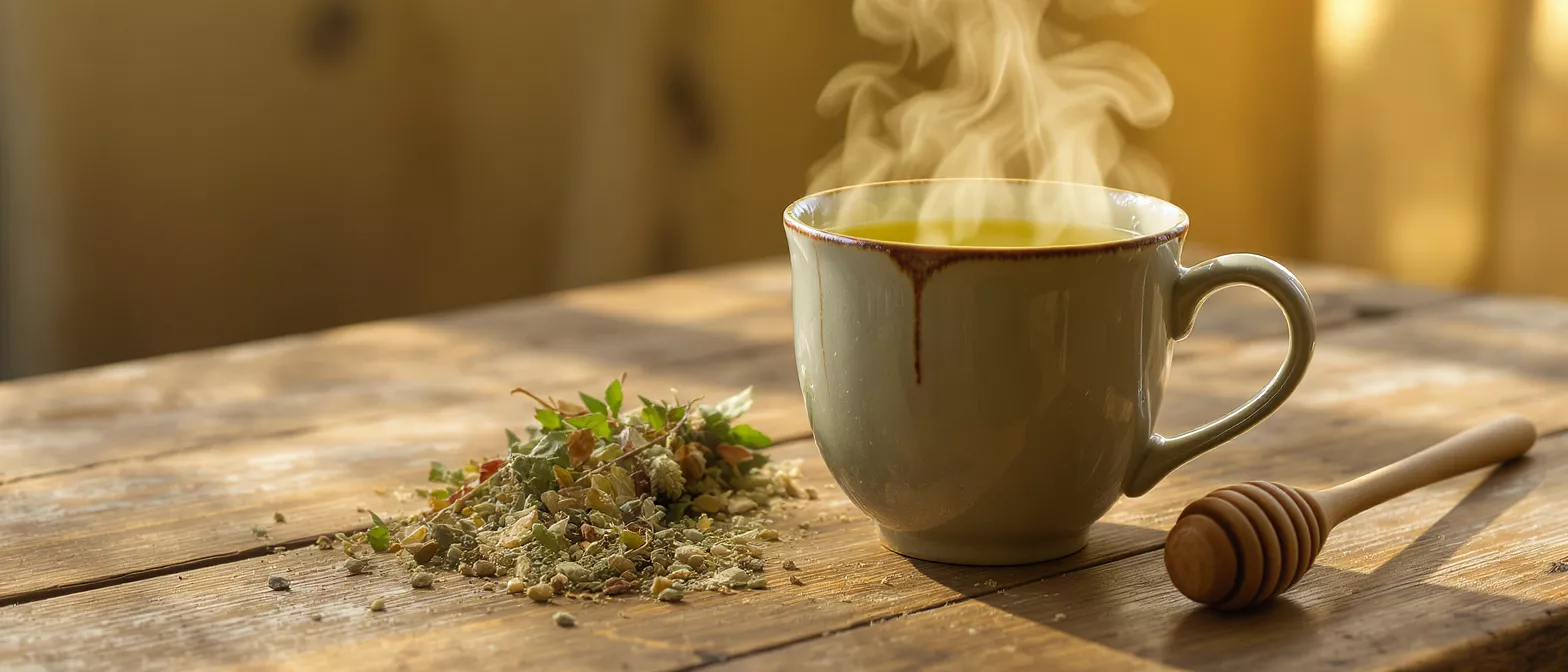
cannabis tea
Learn how cannabis tea works, how to brew it at home, and how to dose safely.
Cannabis tea is one of the oldest and most approachable ways to enjoy the plant, blending the ritual of a warm cup with the gentle, long-lasting effects of cannabinoids. For people who would rather sip than smoke, brewing cannabis tea offers a calm, deliberate experience that fits neatly into an evening wind-down or a quiet morning routine. This guide walks through what cannabis tea actually is, how it behaves in the body, and how to make a reliable cup at home without guesswork.
Unlike a quick puff from a cbd vape pen, drinking cannabis tea sends cannabinoids through your digestive system, which changes both the timing and the texture of the effects. Understanding that difference is the key to a satisfying experience rather than a confusing one. Below, we cover everything from chemistry to dosing to safety, so you can brew with confidence.
What Is Cannabis Tea and How Does It Work
The basic definition: Cannabis tea is any hot or cold infusion made by steeping cannabis flower, leaves, stems, or concentrate in liquid. The goal is to transfer cannabinoids such as THC, CBD, CBG, and CBN, along with aromatic terpenes, from the plant material into a drinkable form. Some recipes use raw plant matter, while others use decarboxylated flower to unlock psychoactive effects.
Why water alone is not enough: Cannabinoids are fat-soluble, not water-soluble, which is why a plain water steep produces a weak, mostly non-intoxicating brew rich in raw acids like CBGA and CBLA. To pull active compounds into the cup effectively, most recipes add a fat such as butter, coconut oil, or whole milk. This fat acts as a carrier, binding to the cannabinoids and carrying them into your system.
The history of cannabis-infused drinks stretches back centuries, with traditional preparations like bhang in South Asia combining ground cannabis with milk, spices, and sweeteners. Modern home brewers borrow the same principle, pairing fat with heat to create a balanced, sippable infusion. Research published by Frontiers continues to explore how cannabinoids interact with the body when consumed orally versus inhaled.
How Cannabis Tea Affects the Body
Onset takes patience: When you drink cannabis tea, the cannabinoids travel through your stomach and liver before reaching your bloodstream. This first-pass metabolism means effects typically appear 30 to 90 minutes after your first sip, far slower than smoking a chillum or hitting a carb cap rig. The delay is the single most common reason new drinkers accidentally over-consume.
Effects last longer: Because the liver converts THC into a more potent metabolite called 11-hydroxy-THC, the effects of cannabis tea tend to be stronger and considerably longer-lasting than inhaled methods, often stretching four to eight hours. Many people find this extended, body-centered relaxation ideal for evenings, sleep support, or sustained comfort.
Individual response varies widely based on metabolism, tolerance, body weight, and whether you drink the tea on a full or empty stomach. A meal rich in healthy fats can increase absorption, while drinking on an empty stomach may produce a faster but sometimes more intense onset. Keeping a simple log of dose and timing helps you learn your own rhythm.
Types of Cannabis Tea You Can Brew
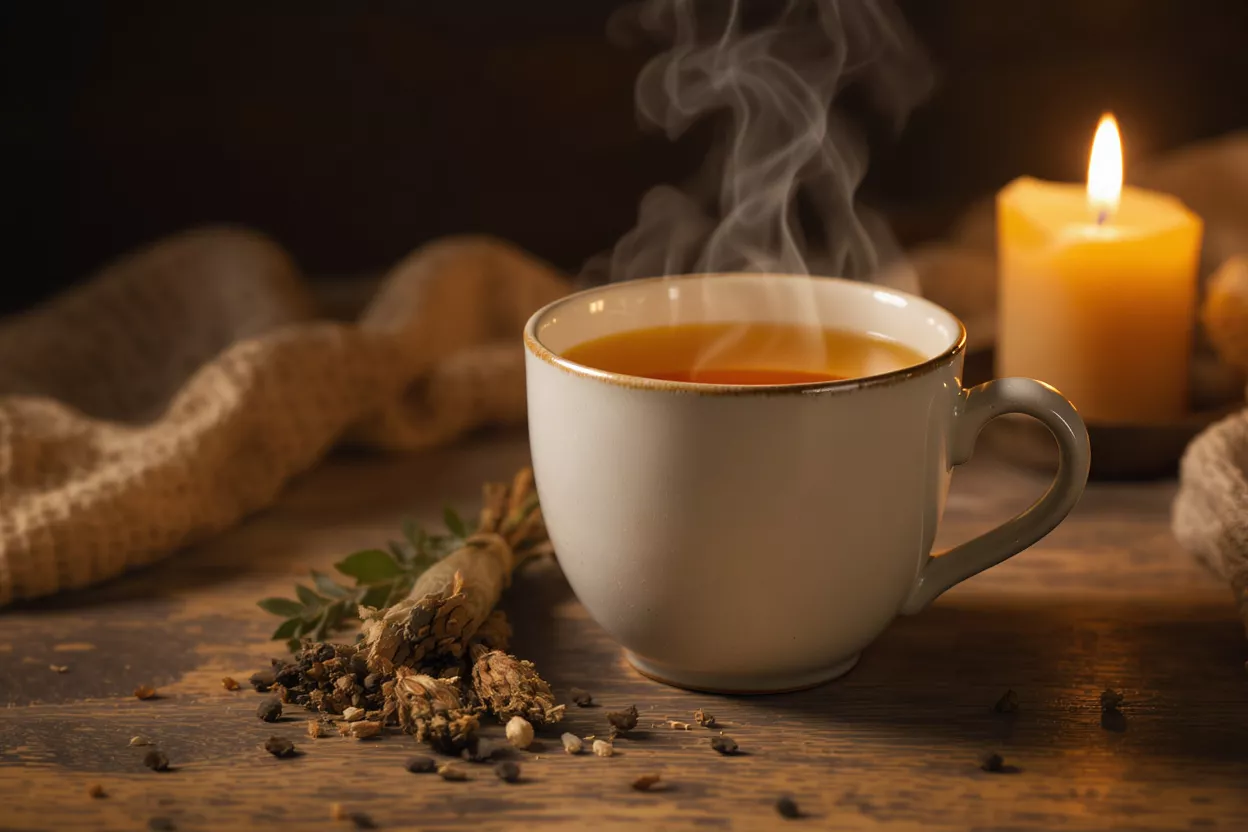
Cannabis tea is not a single recipe but a family of preparations, each with its own character. The version you choose depends on whether you want psychoactive effects, gentle wellness support, or simply a flavorful cup that captures the plant's aroma. Choosing the right base is half the experience.
Common styles worth knowing: Many home brewers start with a creamy, milk-based infusion before exploring lighter options that lean on a quality CBD tea blend for a clear-headed, daytime-friendly cup.
- 🍵 Bhang-style milk tea: Decarbed cannabis simmered in whole milk with spices like cardamom and ginger for a rich, traditional brew.
- 🌿 Raw cannabis tea: Fresh, undecarbed leaves steeped for cannabinoid acids like CBGA and CBLA, valued by those avoiding intoxication.
- 🍯 CBD herbal blend: Hemp flower paired with chamomile or peppermint and a fat source for a calming, low-THC cup.
- 🌞 Cold-brew cannabis tea: A slow, refrigerated steep using a fat-based tincture for a refreshing summer option.
- 🔥 Toddy-style spiced tea: Warm infusion with honey, lemon, and a touch of butter for cold evenings.
Stems and trim, sometimes nicknamed cheeba in older slang, can be repurposed into a mild tea rather than discarded, though potency will be unpredictable. For consistent results, most brewers prefer measured flower or a standardized tincture over loose plant scraps.
How to Make Cannabis Tea at Home
Start with the right ingredients: A reliable cup of cannabis tea needs three things: decarboxylated cannabis, a fat source, and a flavor base such as black tea, herbal tea, or fresh spices. The fat is non-negotiable if you want noticeable effects, since it acts as the vehicle that ferries cannabinoids into your body.
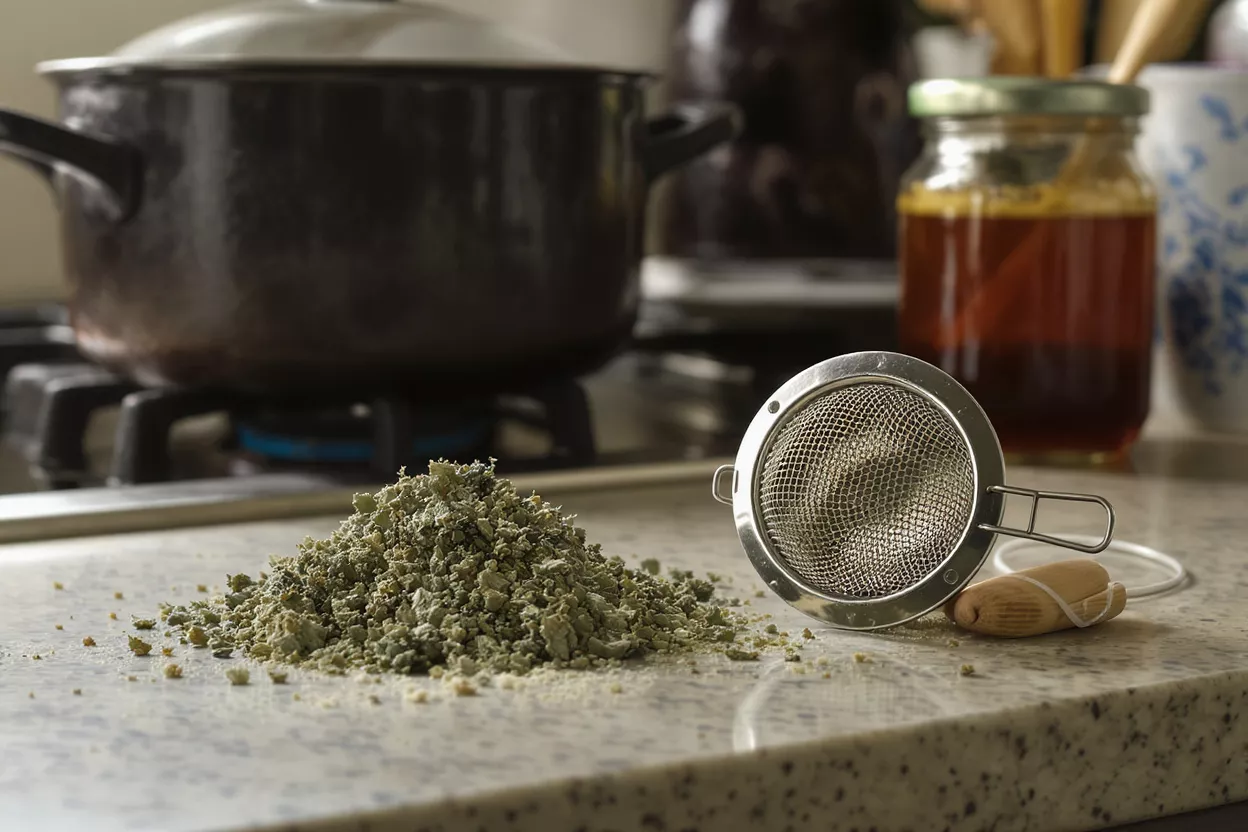
The basic method is straightforward. Decarb your flower, then simmer it gently with your fat and water for 15 to 30 minutes, stirring occasionally. Strain through a fine mesh or cheesecloth to remove plant material, then add your tea bag, sweetener, and any spices. A pinch of capsaicin-rich spice or fresh ginger can add warmth and round out the flavor.
A simple step sequence: Keeping the process consistent is what turns a hit-or-miss experiment into a dependable ritual. For those who want to skip the kitchen work entirely, a ready-made cannabis-infused beverage offers the same comfort without measuring.
- 🌡️ Decarb: Bake ground flower at roughly 240°F for 30 to 40 minutes to activate cannabinoids.
- 🧈 Add fat: Simmer decarbed flower with butter, coconut oil, or whole milk to bind the compounds.
- ⏲️ Steep: Keep at a low simmer for 15 to 30 minutes, never a hard boil.
- 🫗 Strain: Filter out plant matter through cheesecloth or a fine sieve.
- 🍯 Finish: Add tea, honey, lemon, or spices to taste and serve warm.
Why Decarboxylation Matters for Cannabis Tea
Heat unlocks potency: Decarboxylation is the chemical process that converts non-intoxicating acids into active cannabinoids. Raw flower is loaded with THCA and CBDA; gentle, sustained heat removes a carbon dioxide molecule and transforms them into THC and CBD. Without this step, your cannabis tea will be mild and largely non-psychoactive.
The timing and temperature are a balancing act. Too little heat and your cannabinoids stay locked in acid form; too much and you risk degrading THC into CBN, the cannabinoid associated with drowsiness. A careful decarb at a moderate temperature preserves the profile you actually want, while a rushed, overly hot one can leave the brew flat. Studies summarized by Frontiers have examined how heat alters cannabinoid structures over time.
If you intentionally want a sleepier, more sedating cup, a slightly longer decarb that nudges some THC toward CBN can be useful. This is the same logic behind some bedtime blends. The act of warming and transforming the plant is sometimes playfully described as baptizing the flower, a nod to how heat fundamentally changes its character before it ever reaches your cup.
Cannabis Tea Dosing Guide for Beginners
Start low and go slow: Because edibles and drinkables hit harder and later than smoking, dosing cannabis tea demands patience. Beginners should start with a low dose, around 2 to 5 milligrams of THC, and wait a full two hours before considering more. The slow onset tricks many first-timers into a second cup too soon.
Measuring potency in a homemade brew is admittedly imprecise, which is why many people prefer infusions made from a labeled tincture with known milligrams per dropper. If you are working with flower, estimating total THC content and dividing by servings gives a rough baseline, but expect variation from cup to cup.
For reference, here is a general starting framework many drinkers find useful:
- 🌱 Microdose (1–2.5 mg): Subtle relaxation with minimal intoxication, ideal for daytime calm.
- ☕ Low dose (2.5–5 mg): Mild euphoria and body ease, a sensible starting point for most.
- 🌗 Moderate dose (5–15 mg): Noticeable effects best reserved for experienced drinkers.
- 🌙 High dose (15 mg+): Strong, long-lasting effects suited only to high-tolerance users.
Cannabis Tea Benefits People Search For
A smoke-free alternative: One of the biggest draws of cannabis tea is that it avoids combustion entirely. There is no smoke to inhale, no cannon-sized clouds, and none of the throat irritation that comes with cigarette style pre rolls or a chillum. For anyone protective of their lungs, sipping is a gentle path to the plant's effects.
Long-lasting comfort: Thanks to liver metabolism, the relief from a cup of tea tends to outlast inhaled methods, which many people value for evening relaxation or sustained physical ease. The ritual itself, warm and unhurried, can be as soothing as the cannabinoids. According to reviews published by Frontiers, oral cannabinoid delivery produces a distinct pharmacological profile compared to inhalation.
Beyond the physical, the act of brewing offers a mindful pause in a busy day. Many drinkers pair their evening cup with a broader self-care routine that might include a CBD body oil for full-body relaxation. The combination of warmth, aroma, and gentle effects makes cannabis tea a comforting close to the day.

CBD vs THC Cannabis Tea: What to Choose
Knowing the difference: THC is the intoxicating cannabinoid responsible for the classic high, while CBD is non-intoxicating and prized for its calming, clear-headed qualities. A THC-forward cannabis tea suits those seeking euphoria and deep relaxation; a CBD-dominant cup appeals to people who want to stay functional while still feeling at ease.
Many of the most balanced cups blend both, leaning on the entourage effect where cannabinoids and terpenes work together. Minor cannabinoids like CBG, CBL, and CBN each contribute their own subtle notes, while terpenes shape the experience further. Cedrene, for instance, lends a woody aroma, and the calming character of cedrene terpene effects can complement a relaxing evening blend.
Your choice ultimately depends on your goal and tolerance. A daytime cup might lean heavily CBD with just a whisper of THC, while a nightcap could flip that ratio. Experimenting with proportions, while keeping doses modest, is the best way to discover your personal sweet spot.
Are Cannabis Tea Drinks Safe to Consume
Generally well-tolerated: For healthy adults, cannabis tea is considered a low-risk way to consume cannabinoids, with no combustion byproducts and a self-limiting nature since it takes effort to brew. The main risk is over-consumption from the delayed onset, which is uncomfortable but not dangerous. Patience is your best safeguard.
Who should be cautious: People taking prescription medications should be mindful, since cannabinoids can interact with the same liver enzymes that process many drugs. Pregnant or nursing individuals, and anyone with a history of cardiovascular issues, should consult a healthcare provider first. Research compiled by Frontiers highlights the importance of considering drug interactions with oral cannabis.
Practical safety also means storage and labeling. Keep your tea and any infused ingredients clearly marked and well out of reach of children and pets, since an innocent-looking warm beverage gives no visual warning of its potency. Treat infused tea with the same care you would any other edible.
Cannabis Tea Storage and Brewing Tips
Keep it fresh: Brewed cannabis tea is best enjoyed fresh, but you can refrigerate leftovers in a sealed container for up to two or three days. Because the active compounds are bound to fat, give the container a gentle shake before reheating, since separation is normal. Avoid boiling on reheat, which can degrade cannabinoids.
Flavor refinements make a real difference. A splash of milk or cream smooths the grassy edge of cannabis, while honey and lemon brighten the cup. Warming spices like cinnamon, cardamom, or a hint of capsaicin add depth, and fresh ginger pairs especially well with the plant's earthy profile. Think of your base tea as the canvas and the cannabis as one bold ingredient among many.
Finally, consistency comes from notes. Record your strain, dose, decarb time, and steep length so you can replicate a great cup or adjust a disappointing one. Cannabis tea rewards the patient experimenter, and with a little practice you will dial in a brew that fits your taste and your tolerance perfectly. With the right technique, a simple cup becomes a dependable, comforting ritual you can return to again and again.