

Badder/Batter
Learn about Badder/Batter cannabis concentrates—creamy texture, 70-90% THC, rich terpenes.
Badder/Batter Cannabis Concentrates
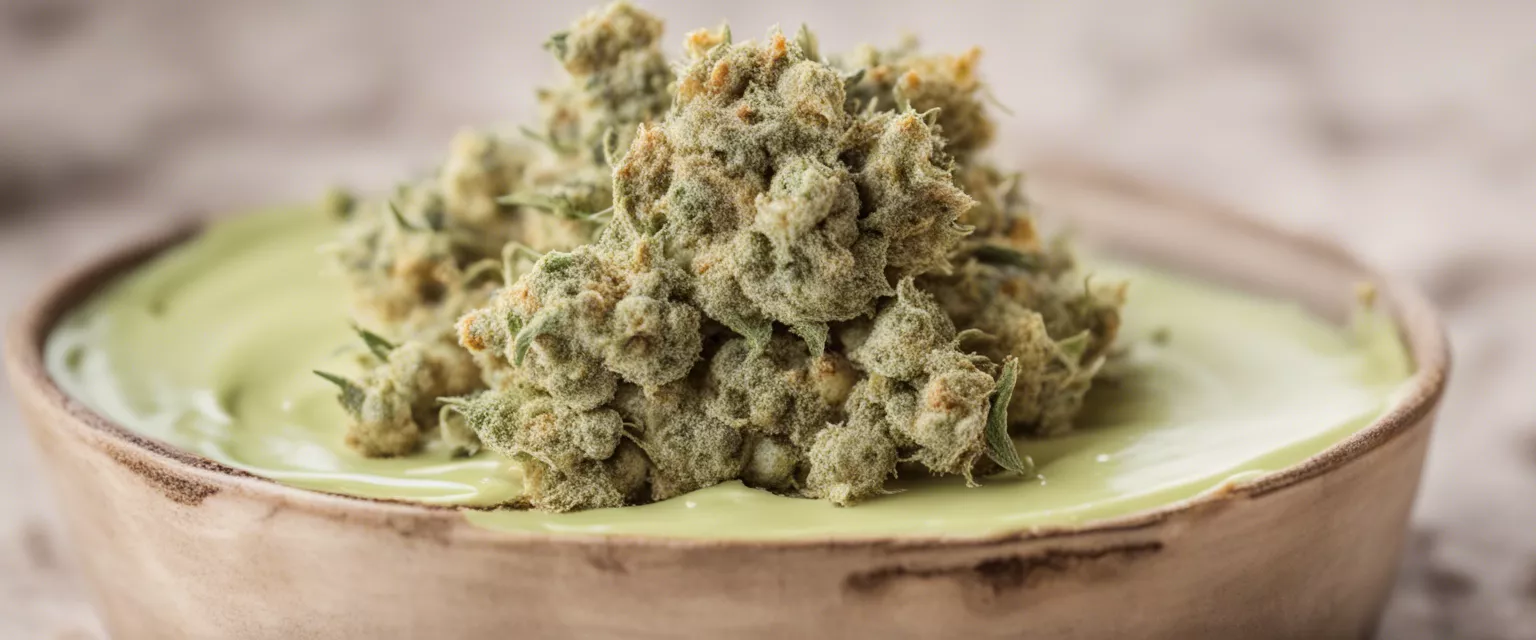
Badder and batter represent distinctive cannabis concentrate consistencies characterized by their creamy, malleable texture resembling cake batter or budder, achieved through specific post-extraction processing techniques that incorporate air and agitation to create a homogeneous, whipped appearance. These concentrates maintain high cannabinoid potencies typically ranging from 70-90% THC while preserving significant terpene content that contributes to their characteristic aroma and flavor profiles. The naming convention reflects the visual and tactile similarity to culinary products, with "badder" and "batter" used interchangeably depending on regional preferences and specific consistency variations.
The molecular structure of badder/batter results from controlled nucleation and crystallization processes that create microscopic cannabinoid crystals suspended within a terpene-rich matrix, producing the signature opaque appearance and smooth texture. This physical state represents an optimal balance between stability and workability, as the concentrate maintains its form at room temperature while remaining easy to manipulate with dabbing tools. The production process intentionally disrupts the formation of large THCA crystals that would create a sugary or crystalline texture, instead promoting uniform distribution of cannabinoids throughout the extract.
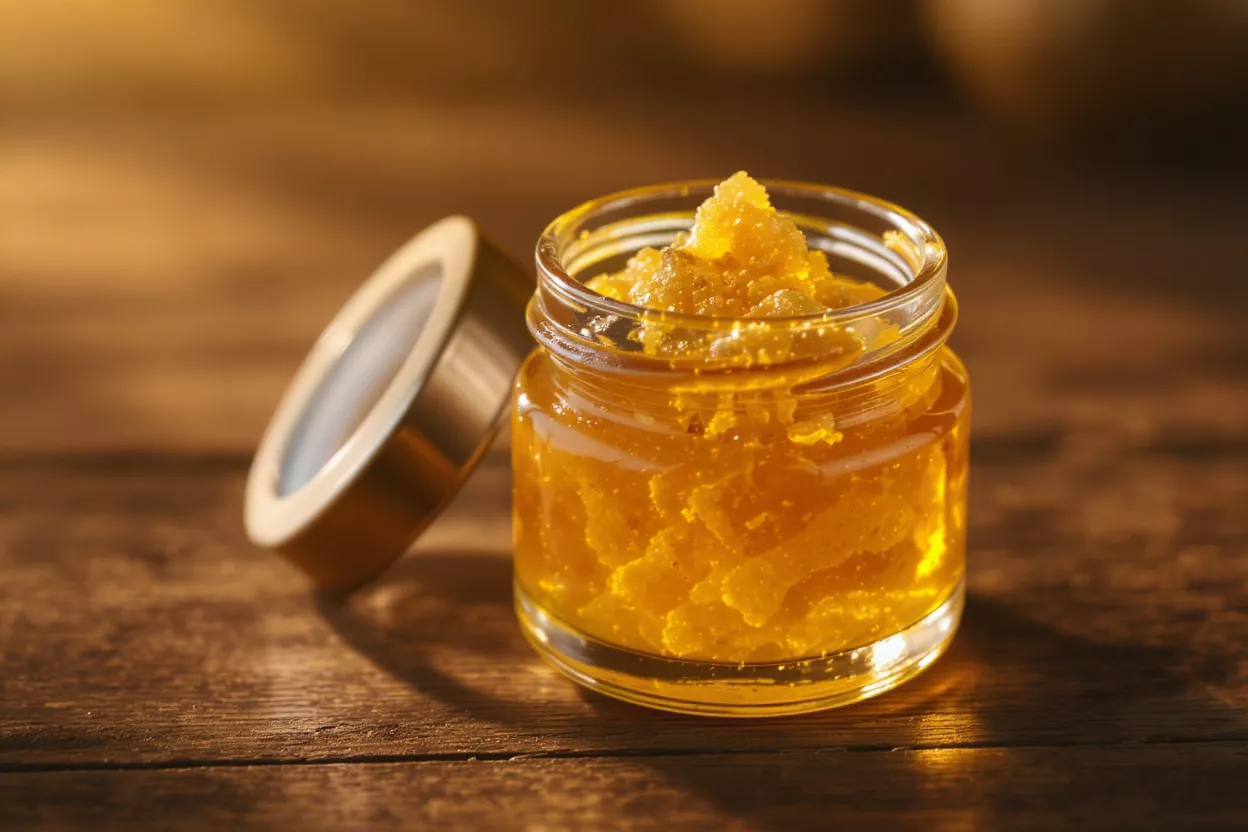
Consumer preference for badder/batter consistencies stems from their user-friendly handling characteristics and reliable vaporization properties compared to more challenging textures like shatter or crystalline extracts. The creamy consistency allows for easy portioning and application to dabbing surfaces without the brittleness of shatter or the runniness of sauce. This accessibility, combined with potent effects and flavorful terpene profiles, positions badder/batter as a premium concentrate category appealing to both novice and experienced consumers seeking consistent, high-quality dabbing experiences.
Understanding Badder Consistency
Production Techniques
Whipping methodology forms the cornerstone of badder/batter production, involving mechanical agitation of extracted cannabis oil during specific temperature and atmospheric conditions to achieve desired consistency. The process typically begins with high-quality hydrocarbon extract (BHO or PHO) that undergoes initial purging to remove residual solvents while maintaining a viscous, workable state. Technicians introduce controlled agitation using specialized tools or automated equipment, incorporating air into the extract while promoting nucleation sites for crystallization. Temperature control during whipping proves critical, with optimal ranges between 85-110°F balancing viscosity for effective mixing without degrading heat-sensitive compounds.
Nucleation control differentiates badder/batter from other concentrate consistencies by managing crystal formation size and distribution throughout the extract matrix. Technicians manipulate variables including temperature fluctuations, agitation speed, and atmospheric pressure to promote formation of numerous small crystals rather than large crystalline structures. The introduction of microscopic air bubbles during whipping provides additional nucleation sites, contributing to the opaque appearance and smooth texture. Some processors introduce seed crystals or employ ultrasonic agitation to achieve more consistent nucleation patterns across batches.
Purging protocols for badder/batter require careful balance between thorough solvent removal and preservation of volatile terpenes that contribute to flavor and consistency. Initial purging under vacuum at moderate temperatures removes bulk solvents while maintaining extract viscosity suitable for whipping. Secondary purging continues during the agitation process, with mechanical action facilitating residual solvent release. Final purging stages may employ slightly elevated temperatures or extended vacuum exposure to achieve residual solvent levels below regulatory limits while preserving the whipped consistency. Advanced operations utilize residual solvent analyzers to verify complete purging without over-processing.
Badder's creamy body comes from deliberate processing, not the starting extract:
- 🌀 Mechanical whipping at 85–110°F
- ❄️ Controlled nucleation to form many tiny crystals
- 🫧 Air worked in for the opaque, whipped texture
- 💨 Staged vacuum purging that pulls solvent while sparing terpenes
Chemical Composition
Cannabinoid profiles in badder/batter typically reflect the starting material's chemistry while showing some modifications from processing conditions. THCA predominates in products derived from fresh or properly cured flower, with decarboxylation during processing converting variable portions to delta-9 THC. The whipping process promotes even distribution of cannabinoids throughout the matrix, preventing segregation that might occur in other consistencies. Minor cannabinoids including CBG, CBC, and CBN remain present at levels proportional to the source material, contributing to entourage effects. Some processors intentionally blend extracts from multiple cultivars to achieve specific cannabinoid ratios in final badder products.
Terpene retention in badder/batter exceeds that of shatter or crystalline extracts due to the lower processing temperatures and shorter heat exposure during production. The creamy matrix effectively encapsulates volatile terpenes, reducing evaporative losses during storage. Typical terpene content ranges from 5-15% by weight, with monoterpenes like limonene and pinene showing better retention than more volatile compounds. The whipping process can cause some terpene loss through increased surface area exposure, requiring careful technique to balance consistency development with flavor preservation. Advanced operations employ terpene recovery systems to capture and reintroduce volatiles lost during processing.
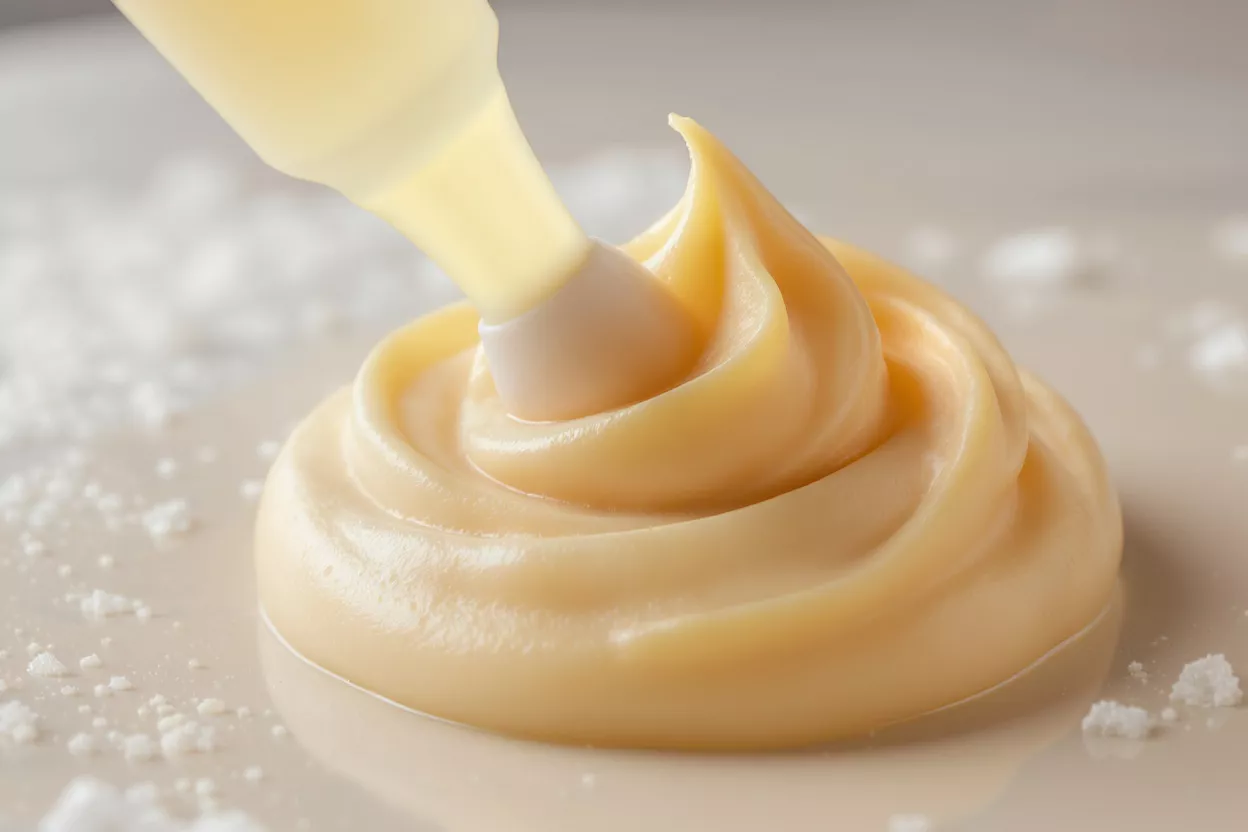
Lipid content plays a crucial role in badder/batter texture, with residual plant waxes and lipids contributing to the creamy consistency and stability. Unlike fully winterized extracts, badder/batter intentionally retains certain lipid fractions that aid in texture formation and terpene retention. These lipids act as emulsifiers, helping maintain homogeneous distribution of cannabinoids and terpenes throughout the product. Excessive lipid content can lead to separation or degradation over time, requiring careful balance during extraction and processing. Some producers perform partial winterization to remove only the heaviest waxes while preserving beneficial lighter lipids.
Consumption Methods
Dabbing techniques for badder/batter optimize vaporization efficiency while preserving flavor through temperature control and appropriate dosing. The creamy consistency allows easy collection on dab tools, with most users preferring flat-tipped implements that can scoop and retain the concentrate during transfer to heated surfaces. Optimal dabbing temperatures range from 450-550°F for badder/batter, lower than required for harder consistencies due to efficient heat transfer through the homogeneous matrix. Low-temperature dabbing preserves terpene profiles while ensuring complete vaporization of cannabinoids. Electronic nails with precise temperature control prove particularly suitable for badder/batter consumption.
Vaporizer compatibility varies with badder/batter's unique consistency, requiring devices designed for concentrate use with appropriate heating chambers or coil configurations. Load-as-you-go wax pens accommodate badder/batter well, with ceramic or quartz chambers providing even heating without combustion. Some cartridge systems accept badder/batter when mixed with appropriate thinning agents, though this dilutes potency and may alter effects. Portable electronic rigs designed for concentrates offer optimal badder/batter experiences with water filtration and temperature control. Users should avoid devices intended for dry herb, as these lack appropriate heating elements for concentrate vaporization.
Storage considerations for badder/batter focus on maintaining consistency while preventing degradation of cannabinoids and terpenes over time. Airtight, light-proof containers prevent oxidation and terpene loss, with glass or food-grade silicone providing inert storage surfaces. Refrigeration can extend shelf life but may cause consistency changes, requiring return to room temperature before use. Excessive heat causes badder/batter to become runny and promotes decarboxylation, while freezing can lead to texture changes and terpene separation. Proper storage maintains quality for several months, though peak flavor and potency occur within weeks of production.
Quality Assessment
Visual characteristics indicating high-quality badder/batter include uniform opaque appearance with consistent coloration throughout the product mass. Premium badder displays light golden to amber hues without dark spots or variations suggesting contamination or degradation. The surface should appear smooth and creamy without visible separation, pooling, or crystallization. Consistency remains stable across temperature variations within normal storage ranges. High-quality products maintain their whipped appearance without collapsing or separating during storage. Color intensity often correlates with processing quality, with lighter colors generally indicating gentler extraction and processing conditions.
Aromatic profiles provide immediate quality indicators, with premium badder/batter exhibiting strong, strain-specific terpene expressions without solvent or off-odors. The concentrated nature amplifies both desirable and undesirable aromatic compounds, making olfactory assessment particularly revealing. Quality products present clear, defined scents matching their source cultivar's profile, whether fruity, fuel-like, or earthy. Chemical or harsh notes suggest incomplete purging or degradation. The aroma should remain consistent throughout the product mass without variations indicating separation or uneven processing. Terpene complexity differentiates premium from commodity products.
Laboratory testing requirements for badder/batter encompass standard cannabis concentrate analyses with particular attention to residual solvent content and homogeneity. Potency testing verifies cannabinoid concentrations match product claims while identifying any degradation products. Residual solvent analysis ensures compliance with regulatory limits, particularly important given the extended processing involved in badder production. Microbial testing screens for contamination potentially introduced during whipping and handling. Heavy metals and pesticide testing verify clean source material and processing. Homogeneity testing from multiple sample points ensures consistent distribution of cannabinoids throughout the batch.
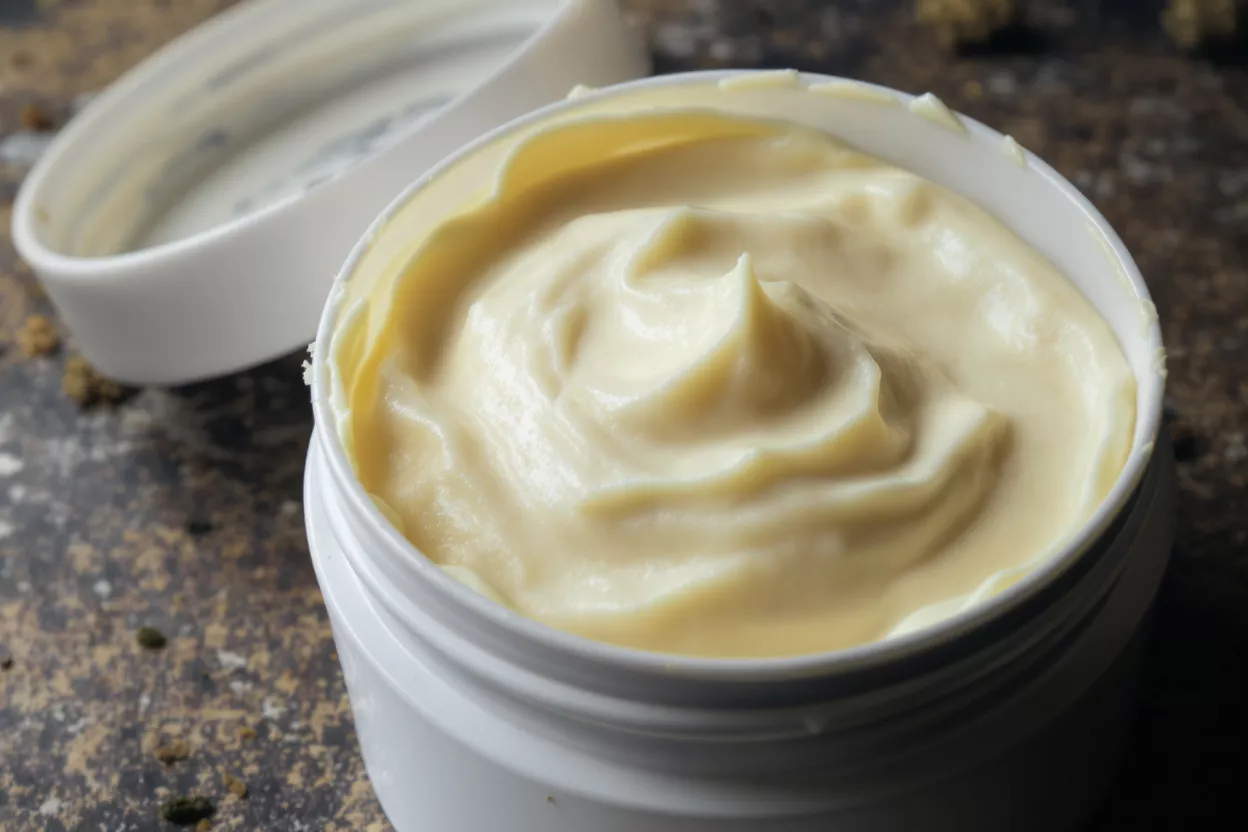
Premium badder reads well to the eye and nose before it's ever dabbed:
- 🎨 A uniform, opaque light-gold to amber colour
- 🧈 A smooth, creamy body with no separation or pooling
- 👃 A strong, strain-specific terpene aroma
- 🚫 No solvent, chemical, or off-notes
Market Position
Consumer demographics for badder/batter show strong appeal among intermediate to advanced concentrate users seeking premium experiences with manageable handling characteristics. The consistency attracts users transitioning from flower or basic concentrates to more potent options, offering high potency without the intimidation factor of crystalline extracts or terp sauce. Medical patients appreciate consistent dosing enabled by the uniform texture and stable consistency. Flavor enthusiasts favor badder/batter for superior terpene retention compared to shatter. Price positioning typically places badder/batter in the premium concentrate tier, reflecting processing complexity and quality expectations.
Regional preferences influence badder/batter popularity, with certain markets showing stronger adoption based on local extraction traditions and consumer education. West Coast markets with established concentrate cultures show high badder/batter demand, particularly in areas emphasizing terpene preservation and artisanal processing. Emerging markets sometimes prefer more stable consistencies like shatter until consumer education promotes appreciation for badder's unique properties. International markets where concentrates remain novel often skip directly to premium options like badder/batter as consumers seek optimal experiences. Naming conventions vary regionally, with "budder" sometimes used interchangeably.
Competitive landscape positioning places badder/batter among premium concentrate options competing with live resin, rosin, and sauce products for market share. Differentiation relies on consistency advantages and balanced potency-flavor profiles appealing to broad user bases. Production scalability gives badder/batter cost advantages over solventless options while maintaining premium positioning. Marketing emphasizes approachable luxury, combining high quality with user-friendly characteristics. Brand development opportunities exist for processors mastering consistent quality and unique flavor profiles. The category shows steady growth as concentrate consumption mainstream with more sophisticated consumer preferences.
Future Developments
Processing innovations continue advancing badder/batter production efficiency and quality through automation and precise environmental control systems. Automated whipping systems with programmable parameters ensure batch-to-batch consistency while reducing labor costs. In-line monitoring systems track viscosity and optical properties during processing, enabling real-time adjustments. Ultrasonic-assisted nucleation offers precise crystal size control without mechanical agitation. Closed-loop terpene recovery and reintroduction systems minimize flavor loss during processing. Advanced purging technologies combining temperature, pressure, and agitation optimize residual solvent removal. These innovations support scaled production while maintaining artisanal quality standards.
Formulation advances explore badder/batter products with enhanced properties through selective extraction and post-processing modifications. Strain-specific extraction protocols optimize terpene and minor cannabinoid retention for distinctive products. Blending technologies enable creation of consistent signature products from varying source materials. Stability enhancers derived from cannabis compounds extend shelf life without synthetic additives. Nano-emulsification techniques create water-compatible badder formulations for beverage applications. Encapsulation technologies protect volatile compounds while maintaining characteristic texture. These developments expand badder/batter applications beyond traditional dabbing.
Market evolution trends suggest continued premiumization of badder/batter products with emphasis on terroir, vintage characteristics, and limited releases. Single-source products highlighting specific cultivation practices gain traction among connoisseurs. Collaborative products between cultivators and extractors emphasize complete supply chain quality. Organic and regenerative cultivation practices influence premium positioning. Blockchain verification of source material and processing parameters appeals to quality-conscious consumers. Educational initiatives help consumers understand and appreciate badder/batter's unique properties. The category matures from novel consistency to established premium concentrate option with diverse sub-categories serving specific consumer preferences and consumption occasions.


Comments