

Solventless
Learn how solventless extraction uses ice, heat & pressure for pure cannabis.
What Is Solventless Cannabis Extraction?
Solventless cannabis extraction is a family of mechanical techniques that separates the plant's resin using nothing more than water, ice, heat, and pressure. Instead of dissolving cannabinoids into butane, propane, or ethanol, a solventless approach relies on agitation and filtration to knock the trichome heads loose from plant material and collect them. The finished concentrate captures the full character of the original flower without any chemical residue left to purge away.
The concept is essentially a refinement of very old craft. Hashish has been hand-rubbed and sieved from dried cannabis for centuries, long before laboratory solvents arrived on the scene. Modern solventless methods layer precision onto that tradition with temperature control, graduated micron screens, and consistent press force, producing extracts that can rival or surpass their chemically processed counterparts in both flavor and clarity.
What pulls so many consumers and producers toward this category is the promise of a genuinely cleaner product. Because no flammable or toxic solvent ever touches the material, there is no evaporation step required to chase off residual chemistry. As GoodRx notes, awareness around what actually ends up in inhaled or ingested products keeps climbing, and solventless extraction answers that demand for transparency head-on.
How Solventless Extraction Works
The mechanics of separation hinge on one goal: detach the trichome glands from the flower without crushing or melting them prematurely. Cannabis resin sits inside tiny mushroom-shaped structures on the surface of buds and sugar leaves. When chilled and agitated in cold water, these glands turn brittle and snap off cleanly, allowing them to be caught across a stack of fine mesh filters. Heat-and-pressure methods take a different path, coaxing the resin out of the plant matter directly.
Why temperature does the heavy lifting becomes obvious once you watch a wash or a press in action. Cold preserves the delicate terpene profile and keeps trichomes intact during water-based methods, while controlled heat in rosin pressing liquefies resin just enough to flow without scorching the volatile aromatics. Terpenes like nerolidol, which lend floral and woody notes, are especially fragile, so dialing in the right temperature window shapes the entire finished aroma.
Producers chasing the best results often start with fresh-frozen flower, harvested at peak ripeness and frozen immediately to lock in moisture and terpene density. This raw material never fully dries out and never sheds its most volatile compounds, which is why it yields the most expressive solventless extracts. For anyone exploring the category, a quality live rosin concentrate shows exactly what careful temperature management can preserve.
Types of Solventless Concentrates
The solventless world spans a surprising range of textures, potencies, and production styles. Each type reflects a different balance of effort, yield, and purity, and getting familiar with the landscape helps you shop with real confidence rather than guesswork.
- 🧊 Bubble hash: Made by agitating cannabis in ice water and filtering through micron screens, ranging from sandy to creamy depending on grade.
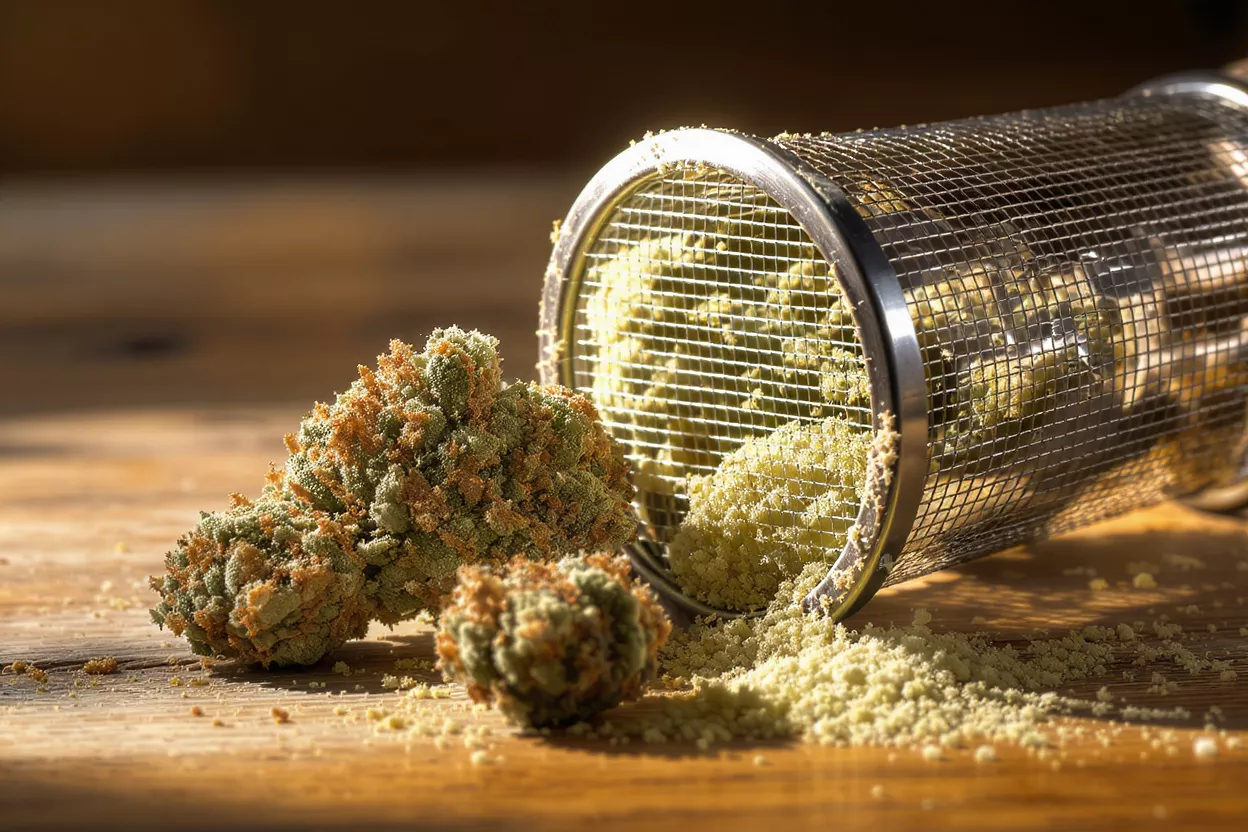
- 💨 Dry sift (kief): Trichomes sieved from dried flower with fine mesh, producing a powdery concentrate that can be pressed into traditional hash.
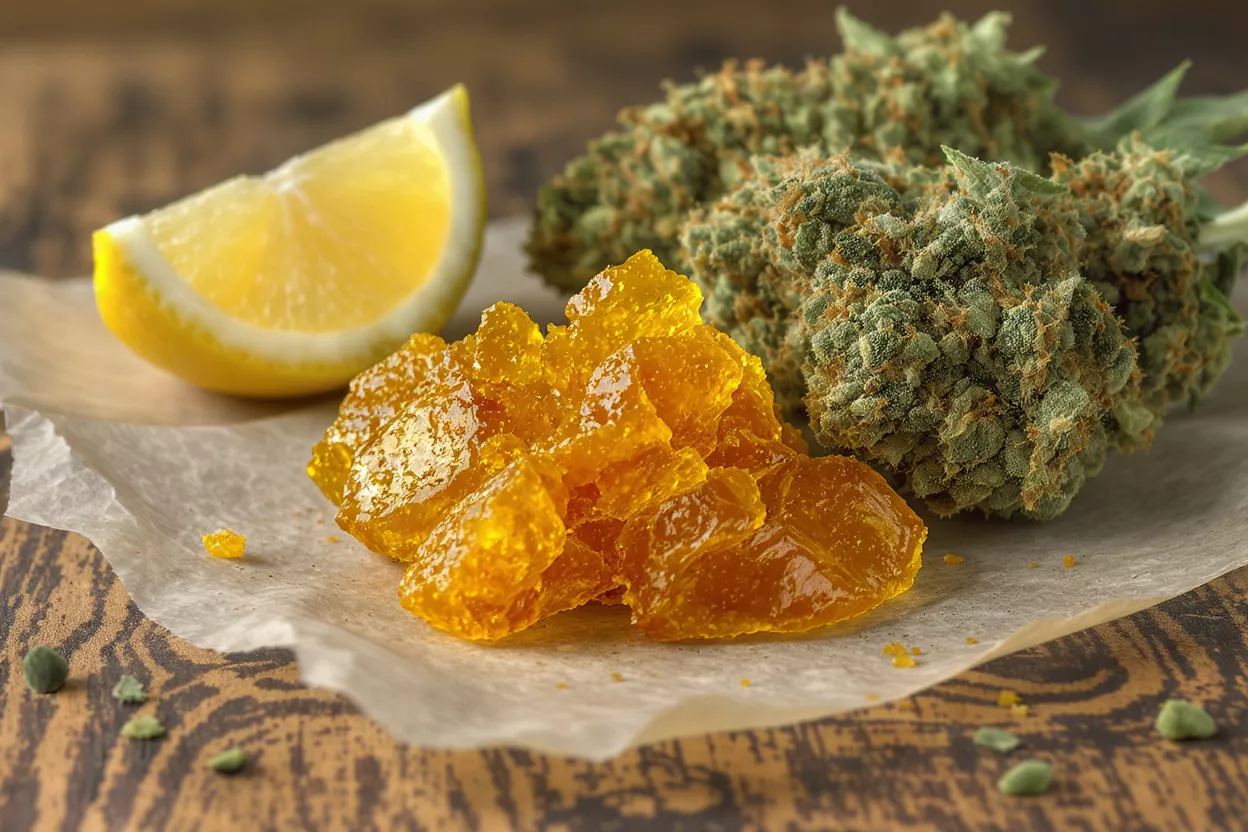
- 🌡️ Rosin: Resin squeezed from flower, hash, or kief under heat and pressure, prized for its glassy clarity and full flavor.
- 🍯 Jelly hash: A blend of bubble hash and rosin for a malleable, high-potency texture.
- 🕳️ Hash hole prerolls: Infused prerolls with a core of concentrate running through the center for an elevated burn.
Beyond these staples, you will run into specialized fractions labeled HTFSE and HCFSE, shorthand for high-terpene and high-cannabinoid full-spectrum extracts respectively. The names describe what dominates the concentrate, with one emphasizing aromatic richness and the other raw potency. Although these fractions are most often discussed in a solvent context, careful solventless pressing can isolate strikingly similar profiles.
Jelly hash deserves a special nod as a craft favorite, marrying the melt of rosin with the body of washed hash. It captures how solventless producers blend techniques to engineer a specific experience rather than settling for a single default output. The creativity in this corner of the market easily rivals anything happening in chemically extracted products.
Solventless vs Solvent-Based Extraction
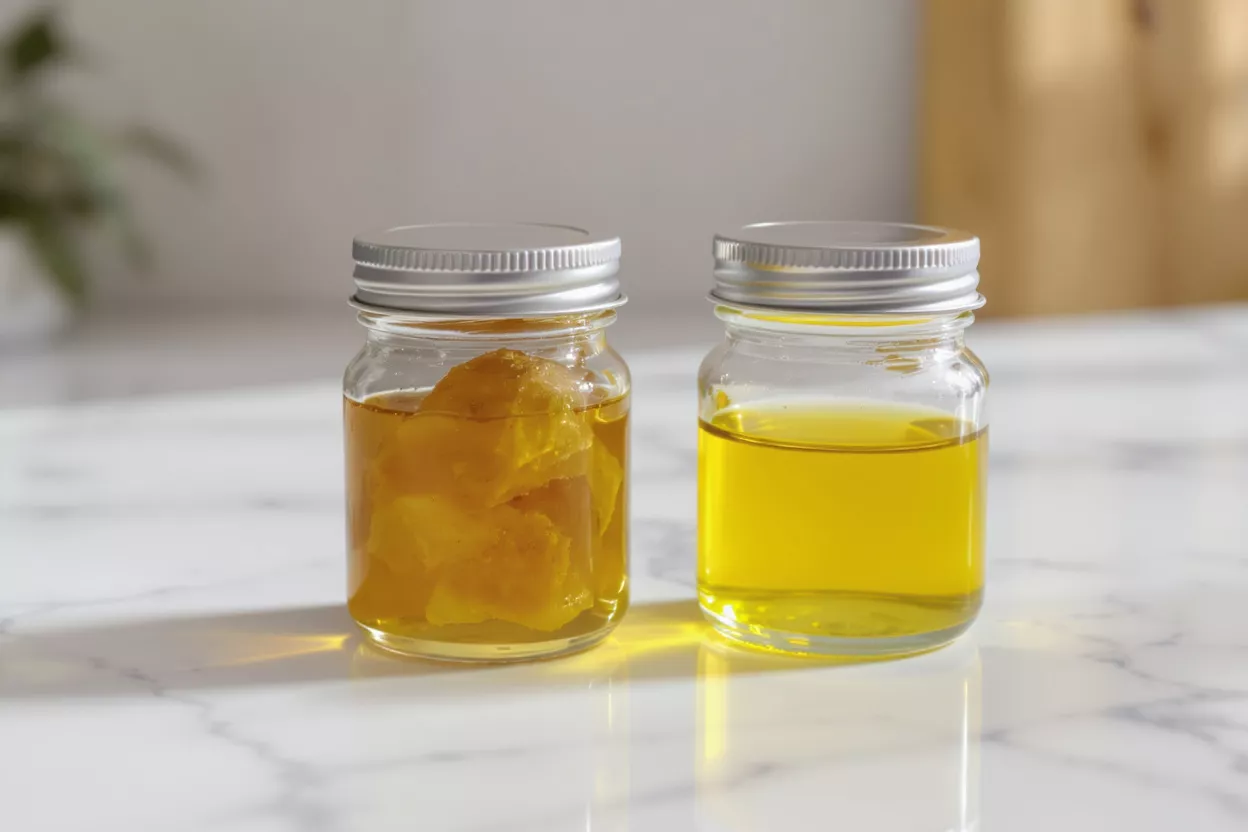
The fundamental divide comes down to what actually separates the resin from the plant. Solvent-based methods dissolve cannabinoids and terpenes into a liquid chemical, then evaporate that liquid away to leave concentrated oil behind. Solventless methods never introduce a foreign substance at all, leaning entirely on physical force. That single distinction ripples outward into flavor, safety, and the kind of equipment a producer needs.
Solvent-based extraction can hit extremely high yields and produce ultra-refined isolates, but it demands careful purging to remove residual chemistry and often requires explosion-proof closed-loop systems. A poorly purged product may hold trace solvent, which is exactly the worry that pushes many consumers toward mechanically processed alternatives. Outlets like GoodRx highlight how purity and ingredient transparency increasingly steer purchasing decisions across wellness categories.
- ✅ Purity: Solventless leaves zero chemical residue, while solvent-based requires verification of residual levels.
- 🌿 Flavor: Mechanical methods preserve native terpenes for a truer taste of the cultivar.
- ⚙️ Equipment: Solventless needs presses or wash vessels; solvent-based needs closed-loop chemical systems.
- 📈 Yield: Solvent-based often extracts more total material, while solventless prioritizes quality over quantity.
Neither approach wins for every use case. Distillates and isolates made with solvents enable precise formulation in edibles and vapes, including products built on nano cbd technology for faster absorption. Yet for connoisseurs chasing the most authentic expression of a given strain, solventless remains the benchmark everyone else measures against.
Solventless Rosin Pressing Guide
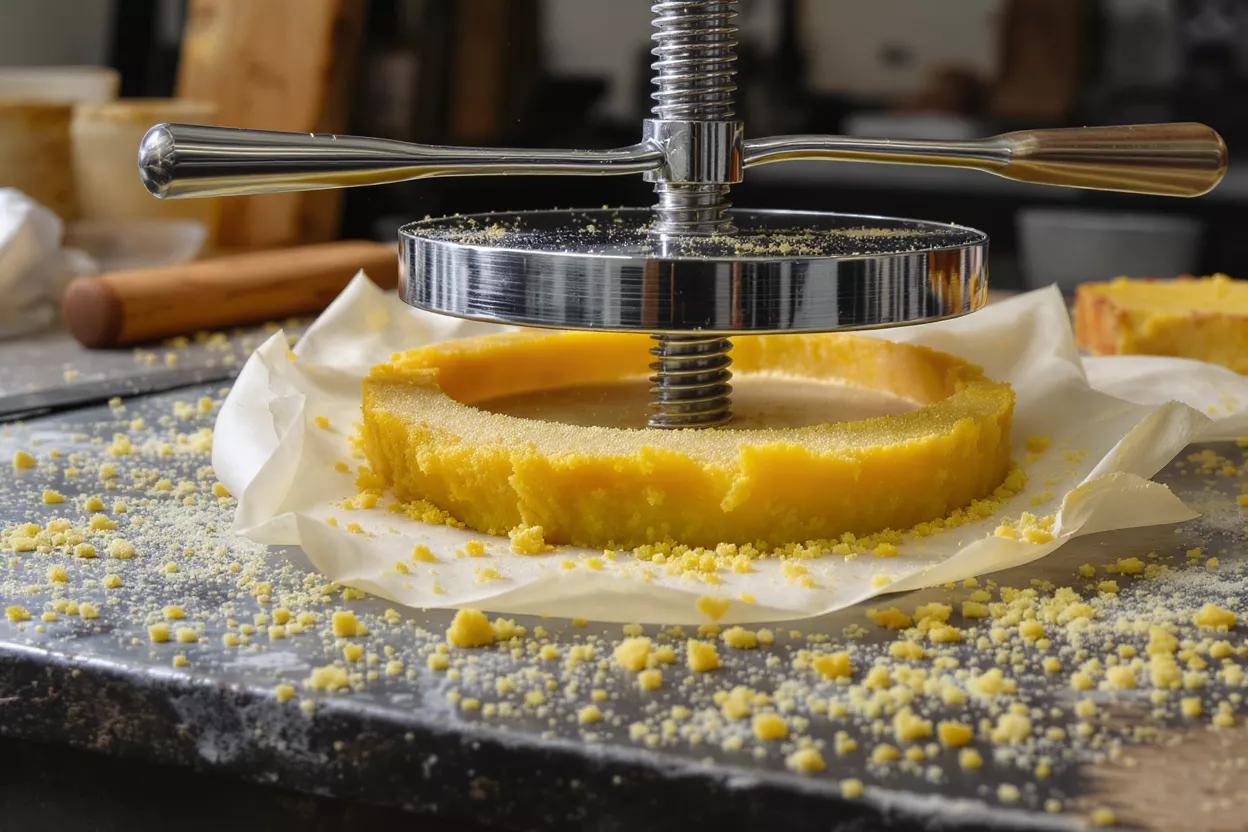
Rosin pressing has democratized solventless extraction, putting craft-quality concentrate within reach of home enthusiasts and small producers alike. The process needs only heat, pressure, and parchment paper, yet the variables involved reward patience and a willingness to experiment.
How temperature shapes your rosin is the first lesson any presser learns. Lower temperatures, roughly 160 to 190 degrees Fahrenheit, yield a stable, budder-like consistency with peak terpene retention. Higher temperatures in the 200 to 220 range increase yield and produce a runnier, shatter-like result, but they can scorch delicate aromatics. The sweet spot depends on your starting material and the texture you are after.
Balancing pressure and timing works hand in hand with heat. Gradual application of force lets resin flow evenly without blowing out the bag, while press times typically run one to three minutes. Experienced pressers watch for the resin to stop flowing as their signal to release. For consistent results, many enthusiasts upgrade to a quality rosin press machine that holds even plate temperature and applies controlled hydraulic force.
Starting material quality cannot be overstated. Pressing premium flower or washed bubble hash yields dramatically better rosin than tired trim. The old adage holds truer here than almost anywhere: you cannot extract a quality that was never in the plant to begin with.
Why Micron Screens Matter in Solventless Hash
The micron screen sits at the heart of water-based solventless extraction, acting as the precise filter that sorts trichome heads by size. Measured in microns, these mesh screens come in graduated sets that capture different fractions of resin as the wash flows down through them.
Choosing the right screen size directly determines the purity and grade of the finished hash. A typical washing setup runs bags from 220 microns down to 25 microns, with the prized full-melt fractions usually settling in the 73 to 120 micron band where mature trichome heads collect. Coarser screens catch plant debris while finer screens trap immature glands and contaminants, so that middle range yields the cleanest product.
Understanding the micron screen also demystifies the quality grading you see at retail. A six-star bubble hash, the highest grade, melts completely and leaves no residue because it consists almost entirely of intact trichome heads gathered through optimal screen sizes. Lower grades hold more plant matter and char rather than melt. This grading transparency lets you match a full-melt bubble hash to dabbing while reserving lesser grades for infused edibles or topping a bowl.
Solventless Benefits for Flavor and Purity
The appeal of solventless concentrates rests on tangible advantages rather than marketing gloss. Each benefit traces straight back to the simple fact that no foreign chemistry ever enters the equation in the first place.
Flavor fidelity stands as the most celebrated payoff. Because mechanical methods preserve the native terpene profile, including delicate compounds like nerolidol, the finished extract tastes remarkably close to the living plant. Solvent processing can strip or alter these volatile aromatics, whereas a careful cold-water wash or low-temperature press captures them intact. Connoisseurs frequently describe solventless dabs as the nearest thing to inhaling the fresh flower itself.
Lower contaminant risk follows naturally from the absence of chemical inputs. There is no residual butane to purge, no ethanol to evaporate, and no chance of trace solvent making its way into your lungs. The primary safety considerations shift instead toward proper drying and storage to prevent issues like mold growth, which is a function of moisture rather than extraction chemistry. Health resources such as GoodRx consistently underline the value of knowing exactly what is in the products you consume.
Whole-plant expression rounds out the picture. Full-spectrum solventless extracts retain the natural ratio of cannabinoids and terpenes present in the source flower, supporting the entourage effect that many users find more satisfying than isolated compounds. This holistic profile is what sets mechanically extracted concentrates apart from heavily refined distillates.
Are Solventless Extracts Safe to Use?
Safety questions naturally surface with any concentrated cannabis product, and solventless extracts carry a distinct risk profile worth understanding clearly. The encouraging part is that the central hazard of solvent-based products, namely residual chemistry, is eliminated entirely by definition here.
The contamination concerns that remain are agricultural and procedural rather than chemical. Pesticides on poorly grown flower will concentrate right alongside the resin, so starting with clean, tested cannabis is essential. Likewise, improperly dried or stored hash can develop mold or mycotoxin, which is why moisture control during the curing of washed hash matters so much for safety.
For medical patients, solventless options can be especially appealing. Those navigating medical marijuana programs, or weighing pharmaceutical alternatives, often prioritize products with the cleanest possible ingredient profiles. While solventless concentrates are not inherently more potent or therapeutic than other forms, their transparency resonates strongly with health-conscious users. Anyone using cannabis medicinally should consult their care team and reference resources like GoodRx when comparing options.
Solventless Storage and Moisture Control
Proper storage preserves the quality and safety of solventless concentrates far longer than careless handling allows. Because these extracts hold onto volatile terpenes and, in the case of washed hash, some residual moisture, environmental conditions directly affect how long they stay at their best.
Temperature and light control form the backbone of good storage. Heat degrades cannabinoids and evaporates terpenes, while ultraviolet light accelerates chemical breakdown. Keeping concentrates in airtight containers in a cool, dark place, or even refrigerated for long-term keeping, slows this degradation dramatically and protects the flavor you paid for.
Striking the right moisture balance matters most for water-washed hash. Hash that holds too much moisture invites mold and mycotoxin development, while hash dried too aggressively loses terpenes and turns brittle. Skilled producers cure washed hash slowly under controlled humidity, much the way fine flower is cured, to hit the ideal middle ground. Raw solventless concentrates rely entirely on careful environmental control for shelf stability, with no added stabilizers to lean on.
Choosing Quality Solventless Products
Navigating the solventless market gets far easier once you know which signals point to genuine quality. The category attracts skilled artisans alongside opportunists, so a discerning eye protects both your wallet and your experience.
Lab testing and transparency separate trustworthy producers from the rest. Reputable solventless brands provide certificates of analysis showing cannabinoid content, terpene profiles, and screening for pesticides and microbial contaminants. Even with no solvents to test for, this documentation confirms the agricultural cleanliness and potency of what you are buying.
Visual and aromatic cues reveal a great deal too. High-quality bubble hash and rosin show vibrant color, from blonde to amber, and carry a powerful, true-to-strain aroma rich in compounds like nerolidol. Dull, dark, or vegetal-smelling concentrates often signal poor starting material or careless processing. Trust your senses alongside the paperwork, since the two together tell a fuller story than either alone.
Solventless cannabis represents a thoughtful return to extraction fundamentals, trading chemical shortcuts for the patient application of water, heat, and pressure. The payoff arrives in concentrates of exceptional flavor, purity, and whole-plant character that honor the original cultivar. Whether you are pressing rosin at home, washing bubble hash through a stack of micron screens, or simply choosing a clean concentrate at the counter, understanding these methods empowers smarter, more satisfying decisions. As consumer demand for transparency keeps climbing, the solventless category stands poised to remain a cornerstone of quality-focused cannabis culture for years to come.


Comments