

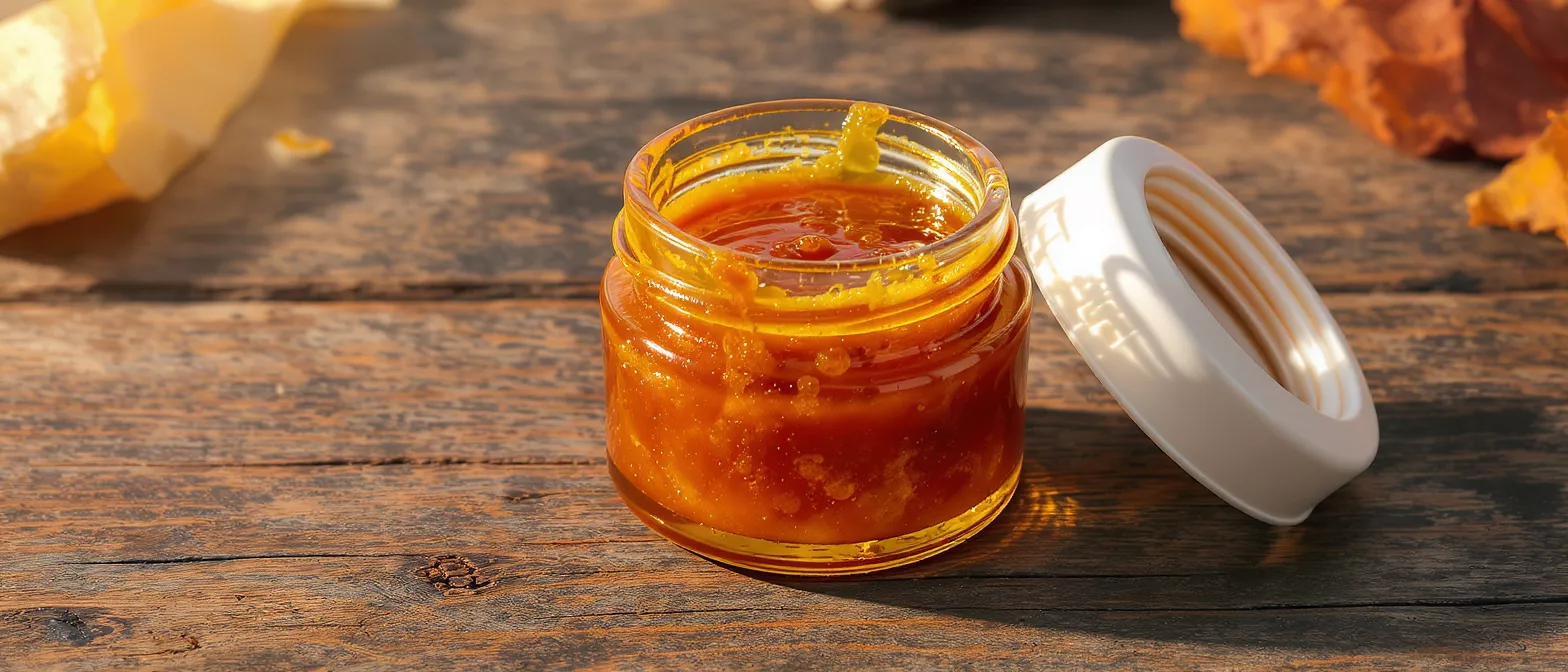
Live resin
Discover what live resin is, how it's made from fresh frozen cannabis, and why it tastes so vivid.
What Is Live Resin and Why It Matters
Live resin is a cannabis concentrate that captures the living character of the plant more faithfully than almost any other extract. The defining trait is its starting material: instead of dried and cured flower, live resin is made from cannabis that gets frozen within hours of harvest. That single decision preserves a fragile chemistry that traditional processing tends to lose, and it is the reason this concentrate tastes and smells so vividly like the plant it came from.
The word "live" points directly to that fresh-frozen input. When cannabis is dried and cured the conventional way, a meaningful share of its delicate terpenes evaporate or chemically degrade. Flash-freezing the biomass arrests that decay, holding the plant's aromatic profile close to where it stood at the moment of harvest.
Why connoisseurs reach for live resin: The draw is fidelity rather than novelty. A well-crafted live resin tastes the way a strain smelled in the room where it grew — bright, layered, and unmistakably itself. For consumers who care about nuance over a bare potency number, that loyalty to the source plant makes live resin one of the most satisfying categories in the entire concentrate world.
How Is Live Resin Made From Fresh Frozen Cannabis
Live resin production lives or dies on two variables: timing and temperature. Plants are flash-frozen within hours of being cut, usually with dry ice or commercial freezers, so the trichomes and the oils they hold never get the chance to break down. That frozen biomass then moves through a solvent-based extraction, most often using chilled hydrocarbons such as butane or propane to pull the good stuff out of the plant.
Why cold extraction matters so much: Keeping every stage of the process cold is the single thing that separates live resin from other solvent concentrates. Low temperatures shield the terpenes from being cooked off during processing, which is exactly why the finished product carries such a pronounced, true-to-strain scent. Once extraction wraps, the solvent is purged in a vacuum oven, and what remains can take on a range of textures depending on technique.
The real craft lies in the balance. A producer has to purge thoroughly enough to clear residual solvent while protecting the heat-sensitive terpenes that justify the product's existence. Getting that equilibrium right is much of what divides a serious extractor from a careless one.
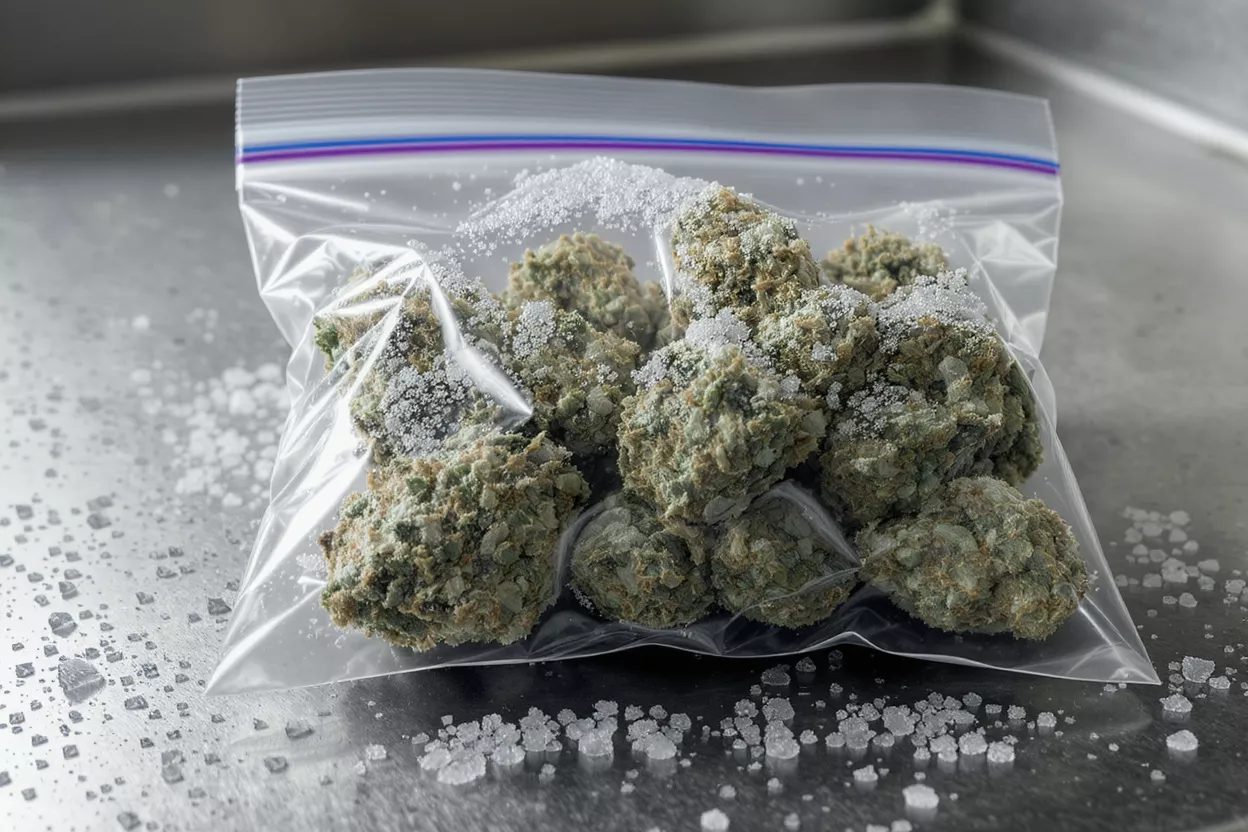
The path from plant to jar follows a fairly consistent sequence across reputable producers:
- ❄️ Flash freezing: Plants are frozen within hours of cutting to trap volatile compounds before they escape.
- 🧊 Cold extraction: Chilled hydrocarbon solvents draw cannabinoids and terpenes from the frozen material.
- 🌀 Solvent purging: Vacuum ovens remove residual solvent at controlled, low temperatures.
- 🫙 Final processing: The concentrate is whipped, pressed, or left to crystallize into its finished texture.
Live Resin vs Other Cannabis Concentrates
Placing live resin within the wider concentrate landscape clarifies why it commands the attention, and often the price premium, that it does. Most concentrates split into two camps: those built from dried, cured flower and those built from fresh-frozen material. Live resin belongs firmly to the latter, alongside live rosin, while products like shatter and traditional wax usually begin from cured input.
The most meaningful line between them is terpene preservation. Cured-flower concentrates can absolutely be excellent, but the drying stage inevitably bleeds away some of the volatile aromatics. Live resin sidesteps that loss almost entirely, which is why it reliably delivers a more aromatic, flavor-forward experience than its cured cousins.
Here is how live resin measures up against several common concentrate types:
- 🌿 Live resin vs shatter: Live resin keeps far more terpenes; shatter is more stable and glass-like but noticeably flatter in flavor.
- 💧 Live resin vs distillate: Distillate is nearly pure cannabinoids stripped of terpenes, while live resin celebrates the full aromatic spectrum.
- 🔥 Live resin vs live rosin: Both start from fresh-frozen material, but rosin is solventless while live resin relies on hydrocarbon extraction.
- 🍯 Live resin vs wax: Cured-flower wax lacks the bright, plant-true terpene punch live resin brings to the table.
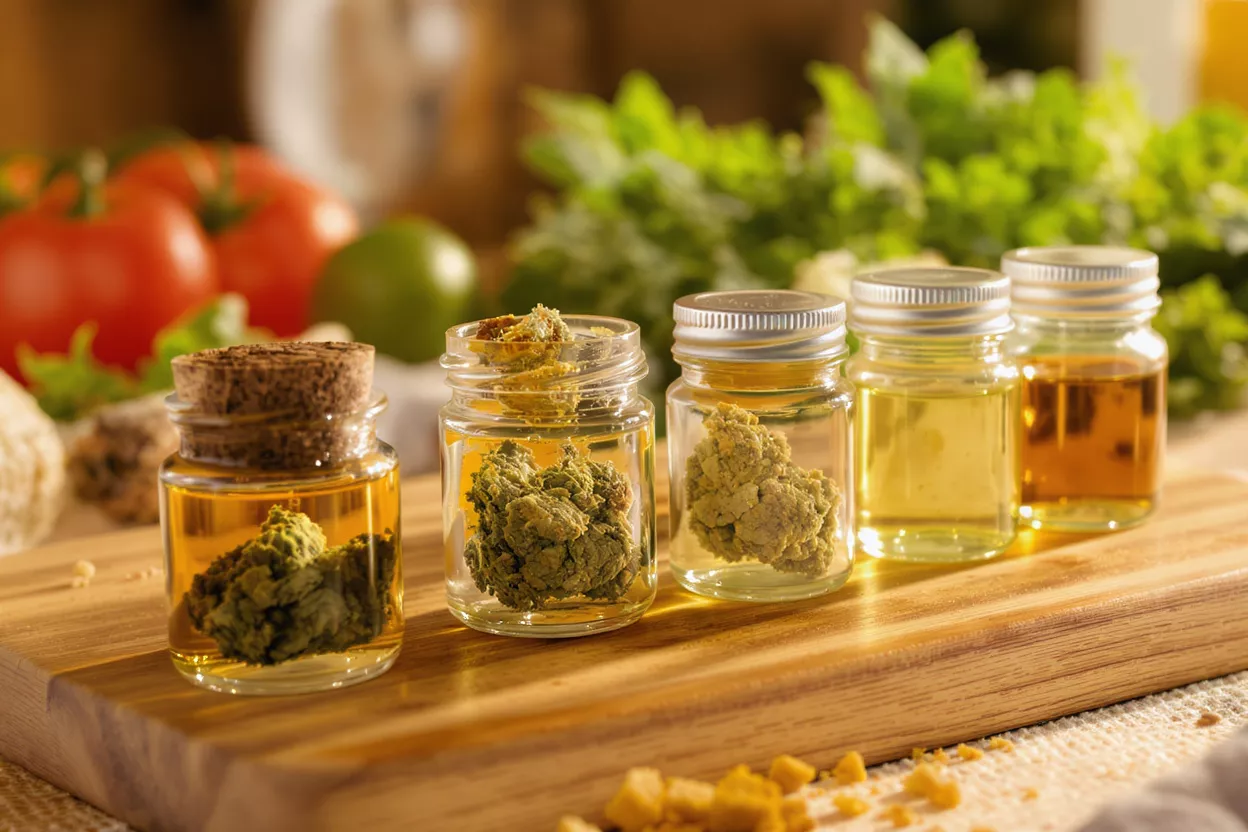
Types of Live Resin Textures Explained
One of the more enjoyable parts of exploring live resin is discovering how many textures it can take. The same starting material can be coaxed into dramatically different consistencies depending on how it is agitated, the temperature at which it cures, and the ratio of cannabinoids to terpenes in a given batch. These textures are more than cosmetic — they often hint at terpene content and shape how the concentrate handles on a dab tool.
Reading texture as a quality cue: As a rough rule, looser and saucier textures point to higher terpene content, since terpenes keep a concentrate fluid. Firmer, more solid forms tend to signal greater cannabinoid crystallization. Neither is objectively better; the right pick depends on your preference and the kind of experience you are after.
These are the consistencies you are most likely to meet when shopping for live resin:
- 🍮 Sauce: A runny, terpene-rich texture often studded with cannabinoid crystals suspended in liquid terpenes.
- 🧈 Badder/budder: A creamy, whipped consistency that is easy to scoop and handle.
- 💎 Sugar: A grainy, crystalline texture resembling wet sugar, balancing potency and flavor.
- 🥞 Jam: A thick, spreadable form that sits somewhere between sauce and badder.
Why Live Resin Terpenes Make the Difference
If a single factor explains the devotion live resin inspires, it is the terpenes. These aromatic compounds drive the scents and flavors we connect with cannabis — the citrus of a lemony sativa, the earthy gas of a classic kush, the sweet berry of a dessert hybrid. By freezing the plant before those delicate molecules can slip away, live resin captures a terpene profile that lands remarkably close to the living flower.
Flavor is only part of the story. Many enthusiasts point to the possible importance of the entourage effect, the idea that cannabinoids and terpenes work in concert to shape the overall experience. Because live resin retains so much of the plant's native chemistry, it offers one of the most complete expressions of a strain's full bouquet you can find in concentrate form.
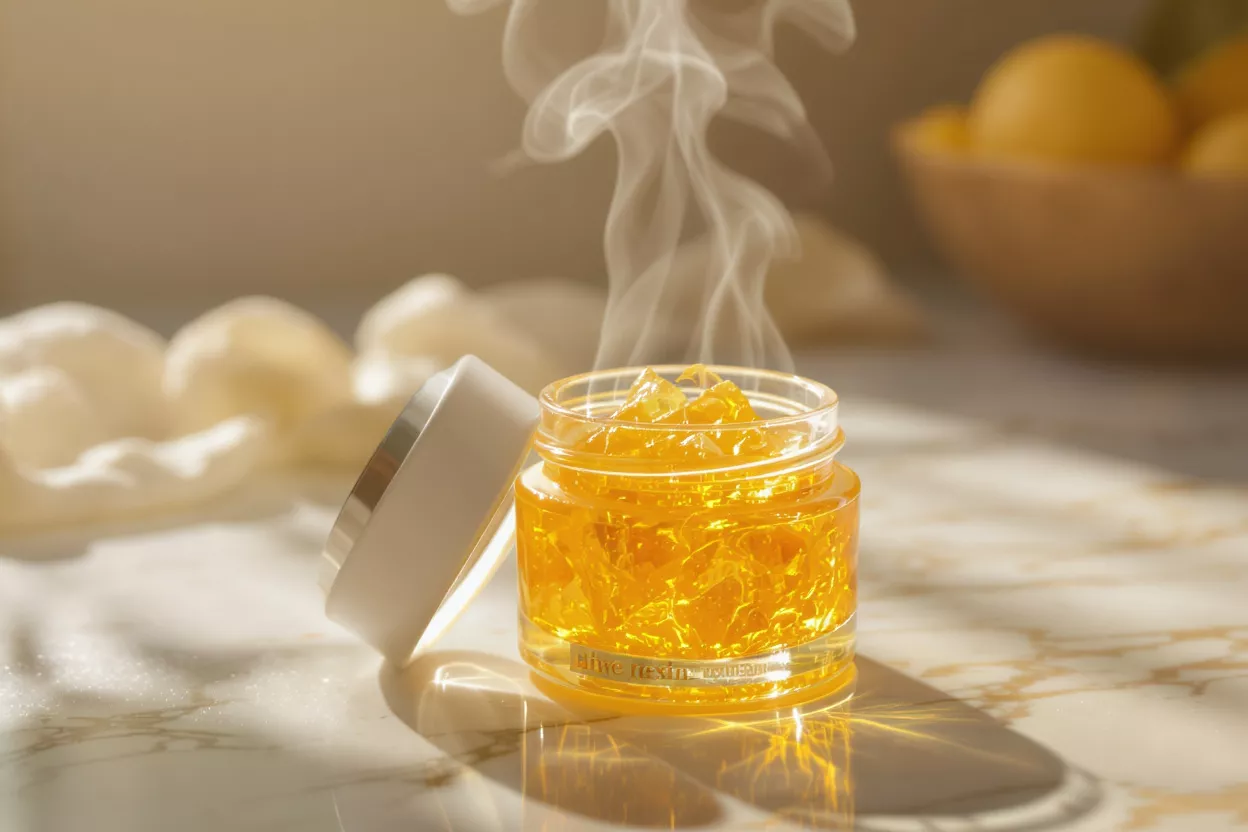
Common terpenes you might pick out in a quality live resin include myrcene's musky earthiness, limonene's bright citrus, pinene's fresh forest sharpness, and caryophyllene's peppery warmth. The interplay among these compounds is precisely what gives each strain's live resin its distinct personality and rewards taking your time with it.
Live Resin Potency and Cannabinoid Content
Although live resin earns its reputation on flavor, it is no lightweight on strength. Most live resin products test somewhere between 65 and 90 percent total cannabinoids, putting them solidly among the more potent options on the shelf. The exact numbers shift with the starting strain and the extraction method, but a robust THC content is the rule rather than the exception.
Potency wrapped in a full terpene load: What makes live resin compelling is that its strength arrives packaged with the whole aromatic spectrum. Highly refined products like distillate can post higher raw cannabinoid figures, but they hit those numbers by stripping everything else away. Live resin instead pairs serious potency with the aromatic complexity that defines the character of the experience.
For anyone exploring past THC, plenty of live resin products also feature secondary cannabinoids such as CBD and minor cannabinoids that add their own subtle notes to the profile. Reading a product's lab results is the surest way to understand exactly what you are getting before you buy.
How to Use Live Resin: Dabbing and Vaping
Live resin is a flexible concentrate that suits several methods of consumption, though most people reach for it through dabbing or vaporization. Dabbing means heating a nail or banger on a dab rig and applying a small amount of concentrate to the hot surface, where it vaporizes instantly into a flavorful, potent cloud. Because live resin carries so many terpenes, lower temperatures are essential to preserve its delicate flavors.
The case for low-temperature dabs: Dabbing live resin too hot scorches the very terpenes you paid for. A cooler dab, generally in the 500 to 600 degree Fahrenheit range, lets those aromatic compounds shine without burning them off. Many enthusiasts use an electronic nail or a temperature-controlled device to dial in their preferred setting with precision.
Beyond dabbing, live resin shows up regularly in vape cartridges and disposables, offering a more discreet and convenient way to enjoy its flavor on the go. It can also be layered on top of flower in a bowl or joint for an added boost of potency and aroma.
Live Resin Benefits Worth Knowing
The benefits of live resin reach well past raw potency, which is precisely why it has earned such a passionate following. For anyone who values the sensory side of cannabis — the taste, the aroma, the fine distinctions between strains — live resin delivers in ways few other products manage.
The standout advantages that pull people toward this concentrate include:
- 👃 Superior aroma: Captures the true-to-strain scent of the living plant better than cured concentrates.
- 😋 Rich flavor: Full terpene preservation delivers layered, complex taste on every dab.
- ⚡ Strong potency: High cannabinoid content satisfies experienced consumers.
- 🎨 Strain expression: Showcases the unique character of each cultivar faithfully.
For the flavor chaser, these qualities add up to something that feels genuinely artisanal. Where some concentrates chase raw strength above all else, live resin treats cannabis more like a fine wine or craft spirit, where nuance, terroir, and complexity are the entire point of the exercise.
How to Choose Quality Live Resin
Not all live resin is created equal, and learning to recognize quality can sharpen your experience considerably. Start with the source material — premium live resin begins with carefully grown, properly frozen flower from a single strain or a deliberate blend, never trim scraps or low-grade biomass.
Reading the signs of a great batch: Aroma is your most dependable guide. A strong live resin should announce itself with a powerful, complex bouquet the instant you crack the jar. Color usually runs from light gold to amber, and overly dark concentrates can hint at degraded material or sloppy extraction. Lab testing for potency and residual solvents is non-negotiable for any product worth your money.
Keep these markers in mind when you size up a live resin product before purchase:
- 🏆 Strong aroma: A vibrant, complex scent signals well-preserved terpenes.
- 🌟 Light color: Gold to amber hues suggest fresh material and clean extraction.
- 🔬 Lab tested: Verified cannabinoid and terpene data alongside a clean residual solvent screen.
- 🌱 Single-strain sourcing: Whole-plant fresh-frozen input rather than mixed trim.
Storing Live Resin to Keep It Fresh
Because live resin owes its magic to volatile terpenes, careful storage is essential to keep it tasting its best. Heat, light, and air are the three enemies of any concentrate, and live resin is especially exposed given how much of its value lives in those fragile aromatic compounds. Leaving it on a sunny windowsill can dull a stellar product within days.
The best approach is to keep live resin in an airtight container, ideally silicone or glass, stored somewhere cool and dark. Many dedicated enthusiasts refrigerate their concentrates to slow terpene degradation, though it pays to let a cold concentrate warm to a slightly-below-room temperature before handling so it does not turn brittle and unworkable.
In short, live resin stands among the most expressive and rewarding categories in the world of cannabis concentrates. By starting with fresh-frozen plant material and guarding its delicate terpenes through every stage of cold extraction, it produces an experience that stays remarkably true to the living plant. Whether you are drawn to its bold flavors, its impressive potency, or its faithful strain expression, understanding how live resin is made, how to use it, and how to store it ensures you get the most from every aromatic dab.

Comments