


Cartridge
Learn how a cannabis cartridge works, which oil types suit you best, and what to look for in hardware.
What Is a Cartridge in Cannabis Vaping
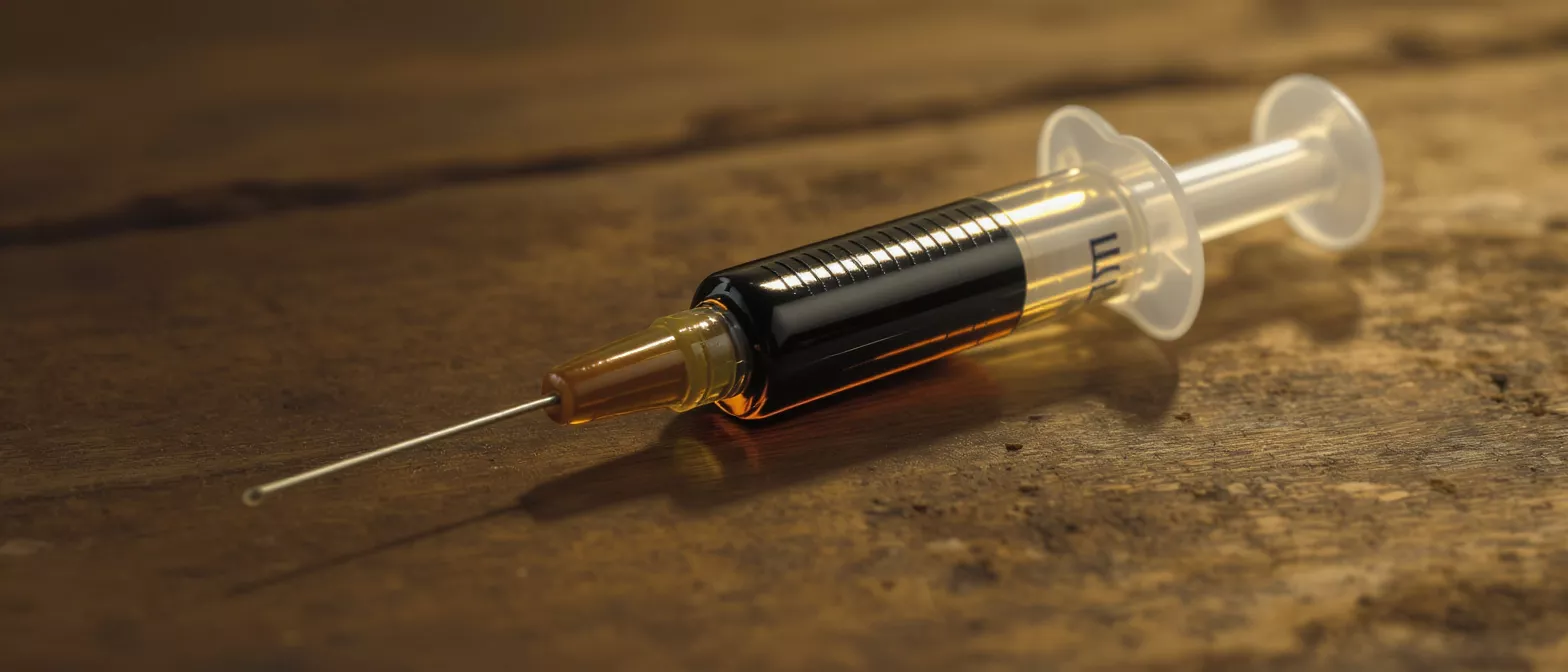
A cartridge is a small, prefilled tank of concentrated cannabis oil engineered to thread onto a compatible battery and produce vapor the moment you draw on it. There is no grinding, no packing, and no mess, which is exactly why so many people treat the cartridge as their introduction to vaping. You attach it, inhale, and the hardware handles everything else. That simplicity has earned the format a permanent place beside flower and edibles in the modern market.
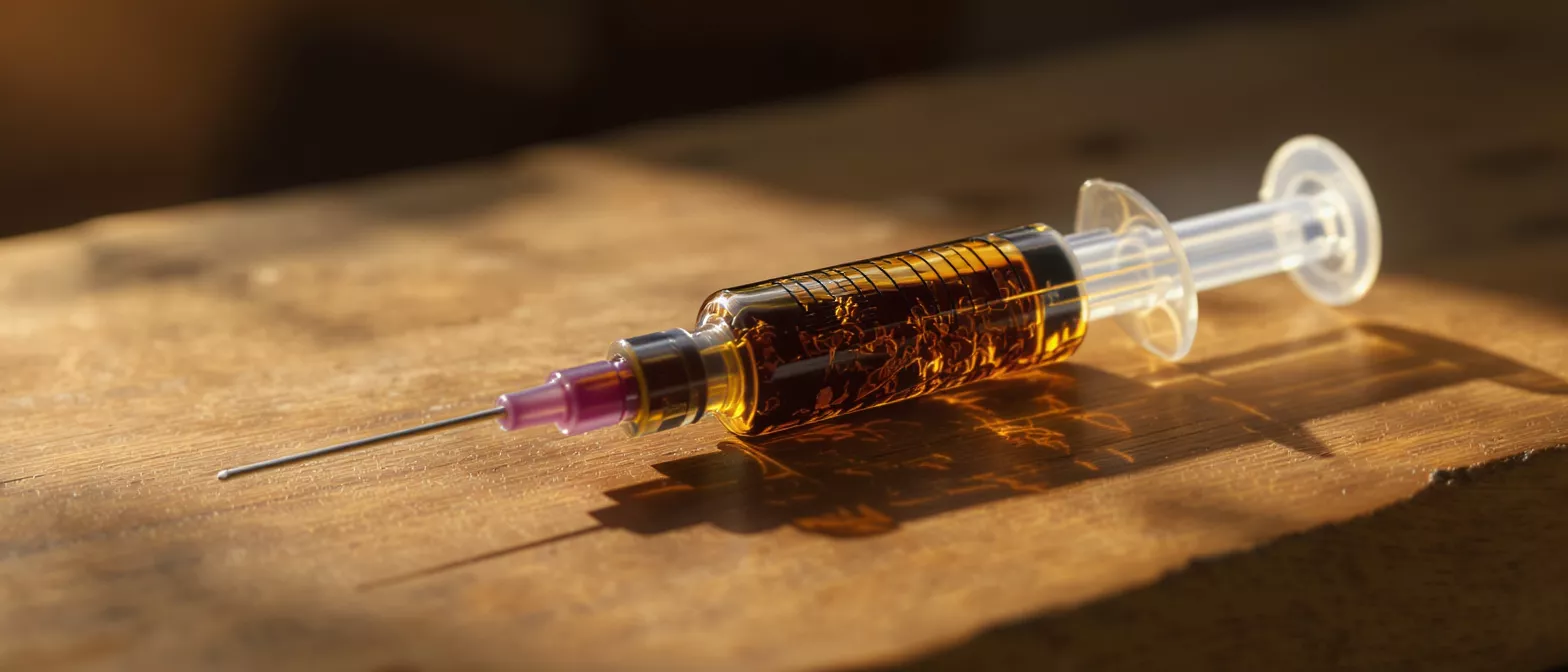
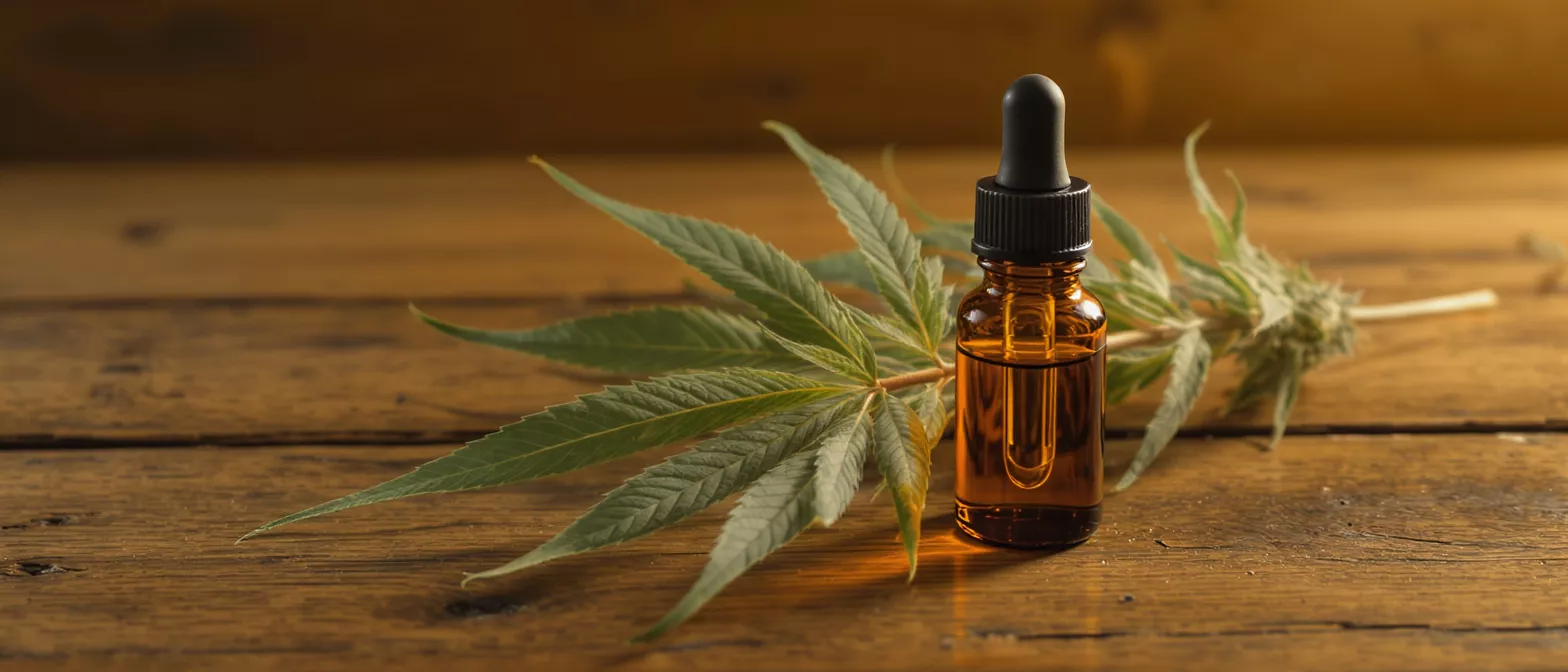
The oil that fills a cartridge is the result of extraction, a process that pulls cannabinoids and aromatic compounds out of the plant and refines them into a potent, pourable liquid. Depending on the technique, that oil might be a crystal-clear distillate, a fragrant live resin, or a clean CO2 extract. Each carries its own balance of strength and flavor, which is why shoppers tend to compare a few styles before committing to a favorite.
It helps to picture a cartridge as the cannabis answer to an ink cartridge: a sealed, self-contained unit built to slot neatly into its hardware. The plant material is usually grown in a licensed facility, harvested, and processed under controlled conditions long before the oil reaches the tank. That chain of custody matters because the quality of the starting genetics and the care taken during extraction shape everything you eventually taste and feel.
How a Cartridge Works With Your Battery
The heating coil does the real work: Inside every cartridge sits a tiny coil, often called an atomizer, wrapped around a wick or a ceramic core. When you press the button or pull on the device, the battery feeds current to that coil and heats the oil just enough to convert it into inhalable vapor without combustion. Because nothing actually burns, vaping sidesteps much of the smoke and tar that come with lighting flower, which is why many people find it easier on the throat.
Airflow and wicking matter more than expected: The oil travels from the reservoir through small intake ports toward the coil, where capillary action keeps the wick saturated. If the oil is too viscous or the channels are poorly cut, you get weak draws and clogging; when everything is balanced, each pull arrives smooth and even. Manufacturers pour genuine engineering effort into these channels, and a well-built cartridge feels noticeably different from a bargain-bin one.
Temperature plays a quiet but decisive role. Lower heat protects delicate terpenes and delivers a cooler, more flavorful vapor, while higher heat produces bigger clouds at the expense of aroma. Research summarized by Harvard Health notes that heating compounds at lower temperatures can reduce the formation of certain irritants, which is why many enthusiasts prefer variable-voltage batteries that let them settle on a sweet spot.
Types of Cartridge Oil Explained
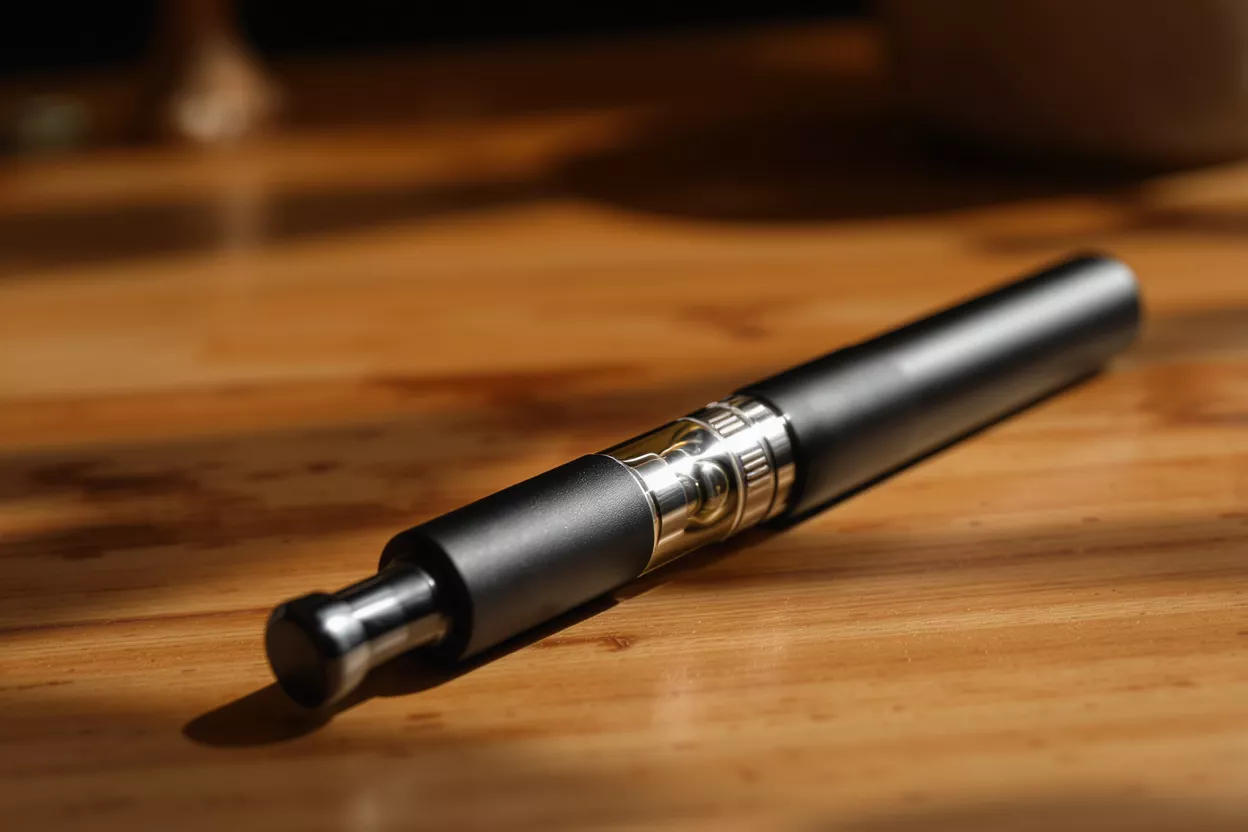
Not all cartridge oil is made the same way, and the extraction method is the single biggest factor in how a product performs. Distillate is the most common base: it is refined down to nearly pure cannabinoids, making it intensely potent but flavorless on its own, so producers often reintroduce terpenes for taste. That stripped-down approach yields consistent strength from one batch to the next, which appeals to anyone who values predictability above all.
Live resin and other full-spectrum extracts follow the opposite philosophy. By preserving the plant's natural chemistry, including aromatic molecules like humulene and eucalyptol, these oils try to recreate the experience of fresh flower. High-terpene full-spectrum extract, often shortened to HTFSE, and its cannabinoid-rich sibling HCFSE sit at the premium tier here, prized for capturing both flavor and the wider entourage of compounds. If a richer sensory experience is what you are after, a live resin cartridge is usually worth the extra cost.
Here is a quick comparison of the main oil styles you will run into:
- 💧 Distillate: Maximum potency with a neutral flavor unless terpenes are added back, and remarkably consistent batch to batch.
- 🌿 Live resin: Flash-frozen plant material locks in terpenes for a bold, true-to-flower taste.
- 🔬 CO2 extract: A solvent-free process using pressurized carbon dioxide, producing clean and aromatic oil.
- 💎 HTFSE/HCFSE: Premium full-spectrum extracts rich in terpenes or cannabinoids respectively.
What Is a 510-Thread Cartridge
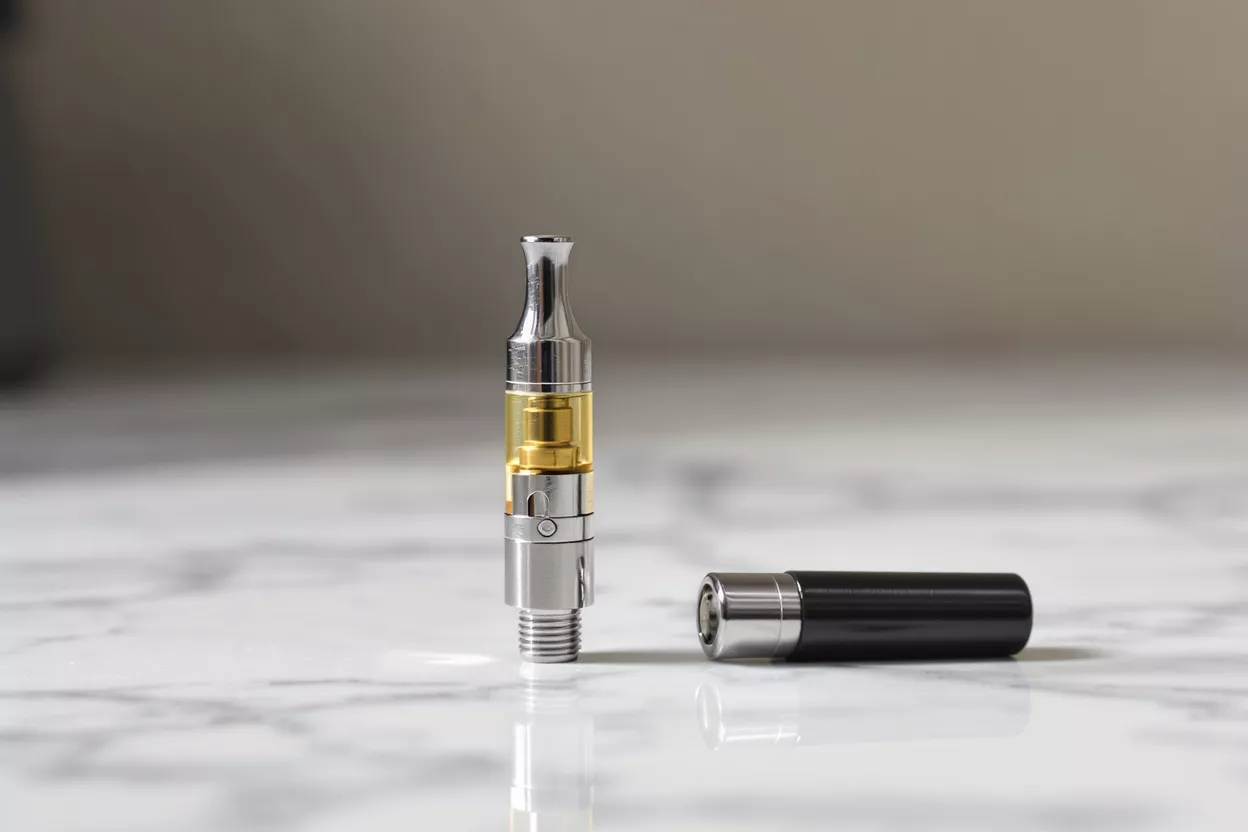
The industry-standard connection: The term "510-thread" describes the universal screw fitting that joins a cartridge to its battery, named for its ten threads measuring half a millimeter each. This standardization is a quiet gift to consumers, because a cartridge from one brand will almost always seat properly on a battery from another. You are rarely locked into a single ecosystem, which keeps your choices open and your spending in check.
Because the 510 format is so widespread, the accessory market built around it is enormous. You can find slim pen-style batteries, palm-sized boxes with adjustable voltage, and discreet models that conceal the cartridge entirely. That flexibility lets you match the hardware to your lifestyle, whether you care most about pocketability or about fine control over your vapor.
Even so, not every cartridge is a true 510 unit. Some companies build proprietary pods that fit only their own devices, trading universal compatibility for a sleeker, more integrated design. Neither path is wrong, but knowing the difference saves frustration at the counter. If versatility is a priority, a dependable 510-thread vape battery pairs with the widest range of carts available.
Best Cartridge for Flavor and Terpenes
Flavor in a cartridge comes almost entirely from terpenes, the aromatic oils responsible for every strain's signature scent. Compounds like humulene lend earthy, hoppy notes, eucalyptol brings a cool minty edge, and floral-leaning molecules add a touch of sweetness. When a cartridge tastes flat, the cause is almost always that those fragile compounds were lost during processing or cooked away by excessive heat.
Why live resin wins on taste: The freshest-tasting cartridges nearly always begin with flash-frozen flower, which traps the volatile terpenes before they have a chance to evaporate. That is the core advantage of live resin over standard distillate. According to Harvard Health, the same aromatic compounds that define a plant's smell also help shape its perceived effects, so chasing flavor is not pure indulgence; it can influence your whole experience.
Temperature discipline is the other half of the equation. Even a terpene-rich oil turns harsh if you run the battery too hot, because heat past a certain threshold scorches those molecules. Starting at a low voltage and working upward lets you find the point where flavor peaks just before bitterness creeps in. Many seasoned users treat the first low-heat pull of the day as the truest taste of the strain.
THC vs CBD Cartridge Differences
The most fundamental decision when buying a cartridge is the cannabinoid profile inside it. A THC cartridge delivers the intoxicating, euphoric effects most people associate with cannabis, while a CBD cartridge offers a non-intoxicating experience often sought for calm and physical ease. Many products now blend the two in deliberate ratios, letting you tune the intensity to your comfort level.
Understanding the contrast helps you shop with intention rather than guesswork:
- 🌙 THC carts: Produce a noticeable high; best suited to evening relaxation or experienced users seeking strong effects.
- ☀️ CBD carts: No intoxication; favored for daytime use, focus, and a clear head.
- ⚖️ Balanced blends: Combine both cannabinoids so the CBD can soften the edges of the THC.
Your body chemistry and tolerance matter enormously here, and there is no universal correct dose. Newcomers are wise to start with a single small puff and wait several minutes before deciding whether to take another. Because vapor onset is quick, you can gauge your reaction without the long delay that comes with edibles, which makes a cartridge a forgiving format for finding your personal threshold.
How to Store a Cartridge Properly
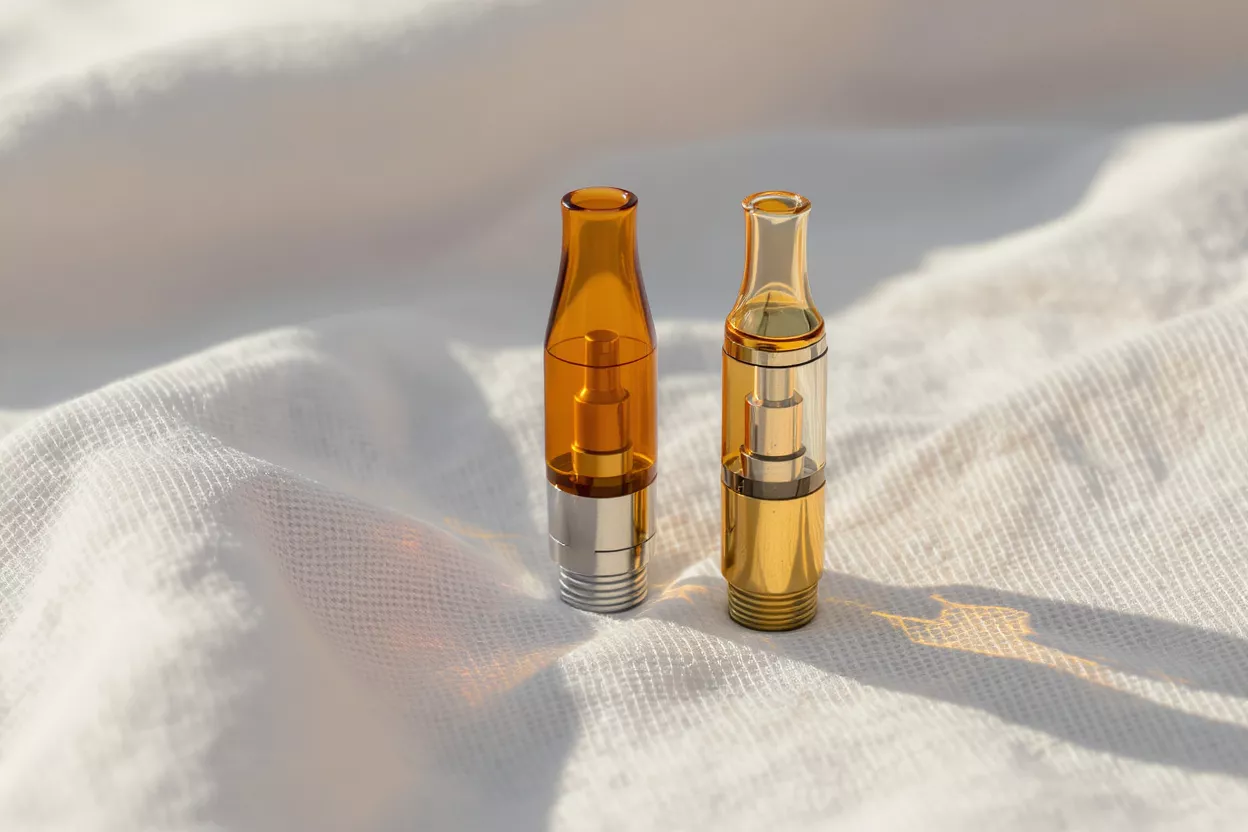
Heat and light are the enemies: Cannabis oil degrades when exposed to high temperatures and direct sunlight, both of which break down cannabinoids and drive off terpenes over time. Tucking a cartridge into a cool, dark drawer instead of leaving it in a hot car or on a sunny windowsill dramatically extends its useful life and protects the flavor you paid for. Treat it the way you would a good bottle of olive oil.
Orientation matters as well. Standing a cartridge upright with the mouthpiece facing up keeps the oil settled near the coil and helps prevent the wick from drying out or air bubbles from forming. If a cart clogs after lying on its side, a few minutes upright at room temperature often restores normal airflow without any other fuss.
Temperature swings create their own headaches. Cold thickens the oil and makes draws difficult, while excessive heat thins it to the point of leaking. Letting a chilled cartridge return to room temperature before use solves most cold-weather clogs, and gently warming the tank in your hand can coax a stubborn draw back to life. A protective vape cartridge storage case keeps your carts upright and shielded from both extremes.
Cartridge Hardware and Coil Quality
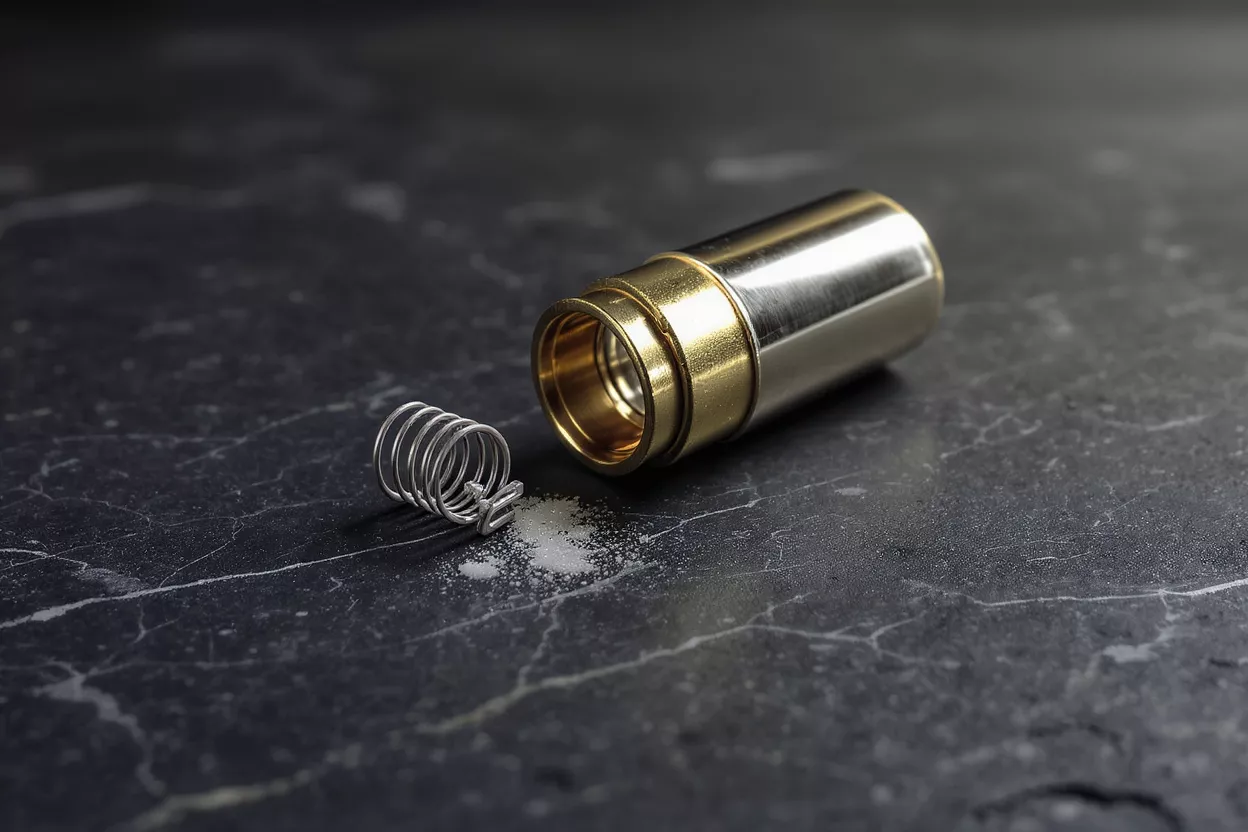
The physical construction of a cartridge shapes your experience as much as the oil inside it. Older designs leaned on cotton wicks, which could impart a faint taste and degrade with use. Modern premium carts increasingly favor ceramic coils, prized for heating evenly and delivering cleaner flavor without the burnt notes that plagued earlier hardware.
Materials worth looking for: Quality cartridges use medical-grade or borosilicate glass tanks rather than plastic, which can react with terpenes and cloud over time. The mouthpiece, the seals, and the metal contacts all matter; cheaper components can leak, clog, or even let contaminants into the vapor. As Harvard Health has noted in discussions of vaping safety, the hardware itself is a meaningful variable, not just the substance being vaporized.
Reputable producers also tune the oil's formulation so it flows correctly through the chosen hardware. Some add a small amount of food-safe stabilizers to keep the consistency smooth, though the best live resin carts achieve that naturally through their full-spectrum chemistry. Matching well-made hardware to a well-made oil is what separates a forgettable cartridge from one you reach for again and again.
Are Vape Cartridges Safe to Use
Safety with cartridges comes down largely to sourcing. Products from a licensed facility undergo testing for potency, pesticides, residual solvents, and heavy metals, which is the single most important safeguard a consumer can rely on. The well-publicized vaping injuries of recent years were overwhelmingly tied to unregulated, illicit-market cartridges cut with risky additives, not lab-tested legal products.
That history is worth understanding rather than fearing. Reputable legal cartridges avoid the diluents and thickening agents that caused harm in the unregulated market, and their lab results are usually available for anyone to review. Verified testing is your best protection, and it is the reason buying from established, transparent sources is more than a matter of preference.
No inhaled product is entirely free of risk, and anyone with respiratory concerns should approach vaping thoughtfully and consider speaking with a healthcare provider. The honest position is that vaping lab-tested oil removes many of the variables that make unregulated products dangerous, while still being a method of inhalation that deserves respect. Informed, moderate use of tested products is the sensible middle ground.
Choosing a Cartridge for Your Needs
Selecting the right cartridge becomes straightforward once you know what you value. If consistency and potency top your list, a quality distillate cart delivers reliable strength at a friendly price. If flavor and a fuller experience matter more, live resin or another full-spectrum extract earns its premium. Your ideal pick is simply the one that matches your priorities rather than whatever happens to be trending.
Consider how and when you plan to vape, too. A discreet, low-profile battery suits someone who prizes subtlety, while a variable-voltage device rewards the user who likes to fine-tune flavor and vapor. Pairing your cartridge with the right hardware is just as important as choosing the oil, since even a superb cart underperforms on a mismatched or underpowered battery.
In the end, the cartridge format earns its popularity through a rare combination of convenience, potency, and clean operation. Whether you gravitate toward a potent distillate, a flavorful live resin, or a balanced THC and CBD blend, the essentials stay the same: buy from tested sources, store your carts properly, and match them to good hardware. Master those few habits and a cartridge becomes one of the most reliable and enjoyable ways to experience cannabis.

Comments