Propylene
Learn how propylene glycol works in cannabis vapes and tinctures.
What Is Propylene in Cannabis Products?
When people talk about propylene in the context of cannabis, they are almost always referring to propylene glycol, a clear, colorless, and nearly odorless synthetic liquid that has become a workhorse ingredient across the modern cannabis industry. Understanding propylene cannabis formulations matters because this single compound shapes how vape cartridges flow, how tinctures dissolve, and how consistent your dosing feels from one session to the next. Its versatility is the reason it appears in so many products, even when consumers never see it called out by name.
Propylene glycol belongs to a family of compounds known as diols, meaning it carries two hydroxyl groups on its molecular backbone. That structure gives it a remarkable ability to bind water, dissolve oils, and remain stable across a wide temperature range. In cannabis manufacturing, those properties translate into a carrier that can suspend active compounds evenly and deliver them reliably, which is exactly what formulators need when precision matters.
Why propylene shows up so often: The compound is inexpensive, food-grade versions are widely regulated, and it plays well with the oily nature of cannabis concentrate material. Manufacturers reach for it because it solves practical problems at scale, not because it adds any intoxicating effect of its own. It is a delivery tool, plain and simple.
How Propylene Glycol Works in Vapes
Inside a vape cartridge, propylene glycol serves as a thinning agent that reduces the viscosity of thick cannabis oils. Pure distillate and many extracts are far too dense to wick properly through the small openings of a vaporizer coil. Adding a measured amount of propylene allows the oil to move smoothly toward the heating element, producing consistent vapor instead of clogs and dry hits.
The compound also has a relatively low boiling point compared to cannabinoids, which means it vaporizes readily at the temperatures most vape devices reach. This produces the visible cloud many users associate with a satisfying draw. Because it carries flavor compounds efficiently, propylene tends to deliver a crisper terpene profile than thicker carriers, letting the natural taste of the strain come through.
Throat hit and sensation: Many vapers notice that propylene glycol creates a sharper throat sensation than other carriers. For some this mimics the familiar feel of smoking, while others find it harsh at higher concentrations. Formulators balance this by blending carriers, adjusting the ratio to achieve a smoother or more pronounced draw depending on the intended experience.
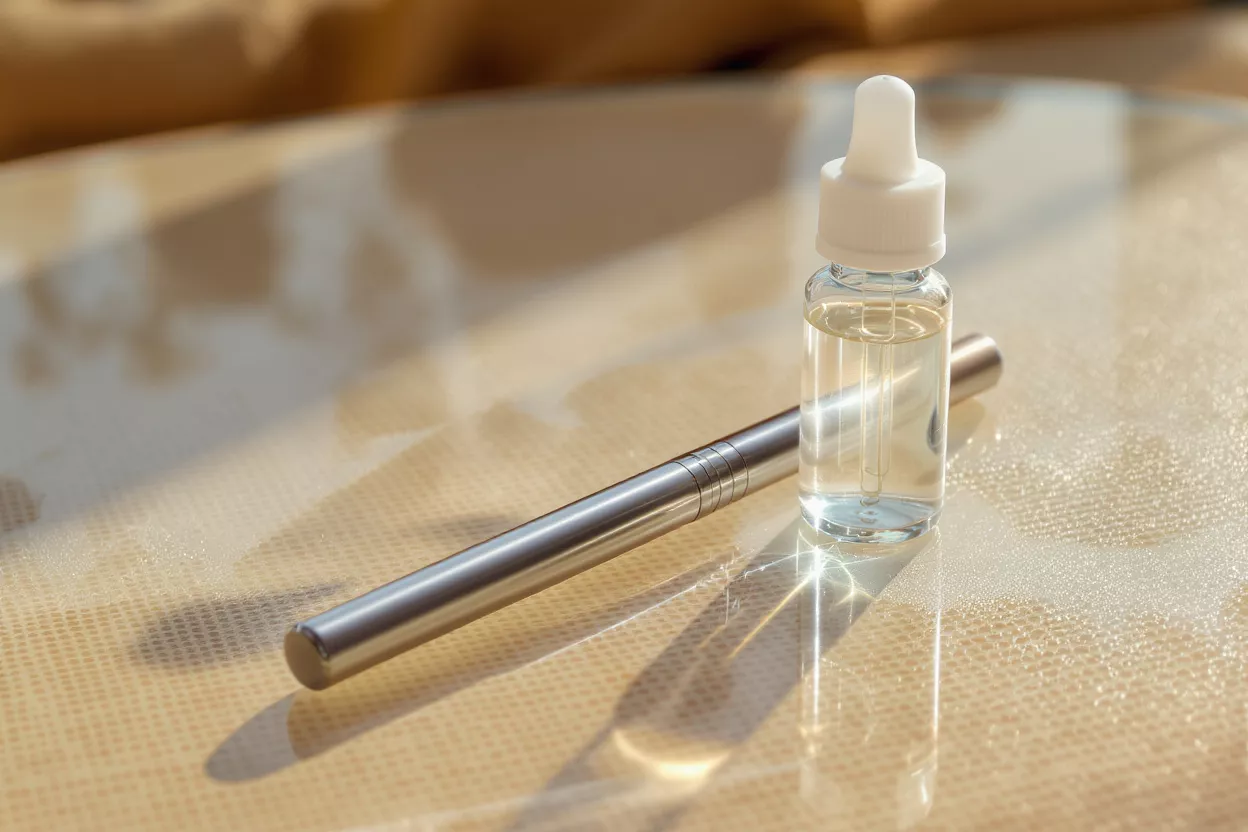
Types of Propylene Carriers and Alternatives
Propylene glycol is rarely the only option on a formulator's bench. The cannabis industry uses a small family of carrier liquids, each with distinct handling characteristics, and understanding the differences helps explain why a given product feels the way it does. The choice of carrier influences vapor density, flavor clarity, and shelf stability.
Here is how the most common cannabis carrier agents compare at a glance:
- 💧 Propylene Glycol (PG): Thin, excellent flavor carrier, sharper throat hit, vaporizes at lower temperatures.
- 🌿 Vegetable Glycerin (VG): Thicker, sweeter, produces bigger clouds, gentler on the throat.
- 🥥 MCT Oil: Coconut-derived, popular in tinctures, neutral flavor, not ideal for high-heat inhalation.
- 🌱 Terpene-Based Carriers: Use natural plant terpenes to thin oil while reinforcing strain flavor.
Blended formulations: Many premium products combine PG and VG in ratios such as 50/50 or 70/30 to balance flavor against cloud production. By tuning these ratios, manufacturers can dial in a specific feel, which is why two cartridges with identical cannabinoid content can deliver noticeably different experiences.
Propylene in Cannabis Extraction and Processing
Beyond the cartridge, propylene plays a supporting role in several stages of cannabis processing. While solvents like ethanol and CO2 dominate the actual extraction step, propylene glycol frequently enters the picture afterward, during formulation and dilution, when raw concentrate is transformed into a finished consumer product.
Its hygroscopic nature, meaning it attracts and holds moisture, makes propylene useful for keeping certain preparations stable and preventing crystallization. In tincture production, it acts as a co-solvent alongside ethanol or glycerin, helping cannabinoids and terpenes stay evenly suspended rather than separating into layers over time. This stability is part of what gives a quality tincture its reliable dosing.
Topical and edible applications: Propylene glycol also appears in some cannabis-infused topicals and edibles, where it serves as a humectant and dispersing agent. In creams it helps active ingredients penetrate the skin, and in certain liquid edibles it keeps the cannabinoid load mixed throughout the product so each dose stays consistent from the first serving to the last.
Is Propylene Glycol Safe to Inhale?
Safety is the question consumers ask most often, and it deserves a careful, honest answer. Propylene glycol holds GRAS status, meaning it is Generally Recognized As Safe by food safety regulators for ingestion and topical use. It appears in countless foods, medicines, and cosmetics that people consume daily without concern. Ingestion safety, however, is not the same as inhalation safety.
When propylene glycol is heated and inhaled, the picture becomes more nuanced. Research suggests that at moderate vaping temperatures it remains relatively stable, but excessive heat can degrade any carrier into byproducts that are less desirable, including trace aldehydes. This is why temperature control on your device matters, and why running a coil hot to chase bigger clouds is rarely a good idea.
For most adult consumers, products containing properly formulated, pharmaceutical-grade propylene glycol present a low risk when used as directed. Still, a minority of people report throat irritation or mild sensitivity. Anyone who notices persistent discomfort can switch to a VG-dominant or terpene-based product, and those with specific health concerns should consult a healthcare professional before vaping any carrier.
Propylene Glycol vs Vegetable Glycerin
The PG versus VG debate is one of the most common discussions among vape users, and it applies just as much to cannabis products as it does to nicotine ones. Each carrier brings a different set of trade-offs, and neither is objectively superior; the right choice depends entirely on what you value in a session.
These are the practical differences that matter most when comparing the two carriers:
- 👃 Flavor clarity: PG carries terpene flavor more faithfully, while VG adds a slight sweetness of its own.
- ☁️ Vapor volume: VG produces thicker, more visible clouds; PG yields a thinner vapor.
- 🔥 Throat feel: PG delivers a stronger throat hit, VG feels smoother and softer.
- 🌡️ Viscosity: PG is thin and wicks fast, VG is thick and can be harder on smaller coils.
- 💧 Moisture: VG can feel drying over long sessions, prompting some users to stay hydrated.
Choosing what suits you: If flavor fidelity and a smoking-like sensation appeal to you, a PG-forward blend is worth trying. If cloud production and a gentle draw matter more, lean toward VG. Many people land on a balanced blend, enjoying the best aspects of both carriers without committing fully to either.
Propylene Cannabis Quality Standards
Not all propylene glycol is created equal, and the grade used in a cannabis product makes a meaningful difference. The highest-quality formulations rely on USP or pharmaceutical-grade propylene glycol, which undergoes rigorous purification and testing to remove contaminants. Industrial-grade material has no place in anything meant for human consumption.
Reputable manufacturers back their carrier choices with third-party laboratory testing, verifying both the purity of the propylene and the absence of harmful residuals in the finished product. A certificate of analysis, often abbreviated as a COA, gives consumers a window into what they are actually inhaling or ingesting, and learning to read one is among the most empowering habits a cannabis user can develop.
What testing should confirm: A thorough COA verifies cannabinoid potency, screens for pesticides and heavy metals, and confirms that any residual solvents fall below safe thresholds. When a brand provides this documentation openly, it signals a commitment to transparency that distinguishes premium products from anonymous, untested alternatives.
How to Read Propylene on Product Labels
Label literacy turns a confused shopper into a confident one. Propylene glycol may appear under several names on an ingredient list, including PG, propane-1,2-diol, or simply propylene glycol. Recognizing these terms lets you understand exactly what carrier a product uses before you buy, rather than guessing after the fact.
Pay attention to the order ingredients are listed, since most labels arrange them by quantity from highest to lowest. If propylene glycol appears near the top, it represents a significant portion of the formulation. A product that lists only cannabis oil and natural terpenes, by contrast, has taken a carrier-free or terpene-based approach to thinning.
Questions worth asking: Before purchasing, look for the carrier type, the grade of that carrier, and whether testing documentation is available. A trustworthy retailer or budtender should be able to answer all three without hesitation. If those answers are vague or unavailable, treat that as a signal to look elsewhere for a product with clearer sourcing.
Propylene Cannabis Market Trends
The role of propylene glycol in cannabis has shifted noticeably over the past several years. Early vape products leaned heavily on cutting agents to stretch concentrate and reduce costs, but rising consumer awareness has driven the market toward cleaner, more transparent formulations. Today's buyers increasingly ask what is in their cartridge, and brands have responded accordingly.
One major trend is the move toward live resin and rosin carts that use a strain's own terpenes as the thinning agent, reducing or eliminating the need for added carriers entirely. These full-spectrum products command premium prices precisely because they promise a more natural experience. At the same time, propylene glycol remains popular in budget-friendly and flavor-focused lines where its performance and low cost are hard to beat.
Regulatory influence: Tightening regulations in legal markets have also reshaped carrier choices. Many jurisdictions now mandate disclosure of all ingredients and ban certain additives outright, pushing manufacturers toward carriers with established safety records. Propylene glycol, with its long regulatory history in food and pharmaceuticals, fits comfortably within these stricter frameworks.
The Future of Propylene in Cannabis Formulation
Looking ahead, propylene glycol is likely to remain a fixture in cannabis formulation even as the industry experiments with alternatives. Its combination of low cost, strong flavor delivery, and regulatory acceptance gives it staying power that few competing carriers can match. The conversation is shifting from whether to use it toward how to use it most responsibly.
Innovation is happening at the margins, with researchers exploring novel carrier blends, water-soluble cannabinoid technologies, and nanoemulsions that may eventually reduce reliance on traditional carriers altogether. As these technologies mature, consumers can expect more choice and greater precision in how active compounds are delivered, whether through a vaporizer, a tincture, or an edible.
To summarize, propylene cannabis formulations rest on a well-understood, versatile compound that solves real manufacturing challenges while remaining broadly safe when produced to pharmaceutical standards. The smartest approach for any consumer is to favor tested, transparently labeled products, understand the trade-offs between carriers, and choose the formulation that best matches personal preferences. Armed with that knowledge, you can navigate the shelf with confidence and enjoy cannabis products that deliver exactly what they promise.