

Atomizer
Discover how an atomizer turns cannabis oil into smooth vapor.
What Is an Atomizer in a Cannabis Vape
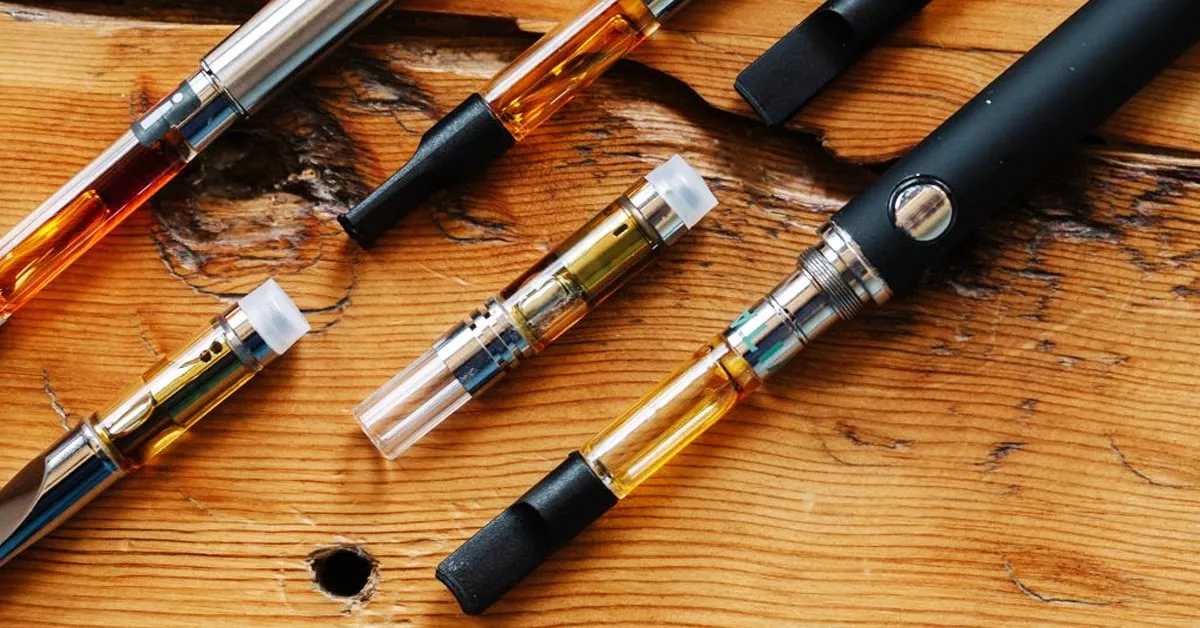
The atomizer is the working core of nearly every cannabis vaporizer, the compact component responsible for turning liquid oil or solid concentrate into the vapor you inhale. Strip away the battery and the mouthpiece, and the atomizer is what remains essential. Anyone who has ever wondered why one vape tastes clean while another tastes scorched is really asking a question about the atomizer, because this single part governs flavor, vapor density, and how faithfully your extract reaches your lungs.
The name traces back to the act of reducing a substance into fine, suspended particles. In a vaping context, the atomizer heats THC or CBD oil to a temperature high enough to generate an aerosol yet deliberately below the point of combustion. That threshold is the entire reason vaporization exists as a category: heating without burning preserves the fragile terpenes and cannabinoids that open flame would otherwise destroy in a flash of smoke.
Where the part lives inside your device: Electrical current flows from the battery into the atomizer's heating coil, which warms a chamber or saturated wick holding your extract. As you draw, the resulting vapor rises through the mouthpiece. Whether you favor a slim disposable, a refillable 510-thread cartridge, or a dedicated dab rig, this same fundamental principle drives the experience.
How Does a Cannabis Atomizer Work
The mechanics behind an atomizer are refreshingly straightforward. When you activate the device, electricity passes through a resistance coil that heats almost instantly, transferring thermal energy directly to the cannabis oil or concentrate pressed against it. As the extract climbs to its vaporization point, it shifts from liquid or semi-solid into a breathable aerosol without ever igniting. That controlled phase change is the difference between a smooth draw and acrid smoke.
The job the wick performs: Many atomizers rely on a wicking system, usually cotton or silica, to pull extract from a reservoir to the coil at a measured pace. Some formulations include lecithin, which behaves as an emulsifier and helps oil migrate evenly through the wick. Balance is everything here. Too little oil reaching the coil produces a dry, burnt hit, while too much floods the chamber and causes spitting or leaking.
Temperature control rounds out the picture. Because the vaporization range for most cannabis oils sits comfortably below combustion, a well-built atomizer delivers active compounds without the tar and combustion byproducts associated with smoke. The Mayo Clinic is clear that sidestepping combustion does not render inhalation entirely risk-free, but it does meaningfully alter the chemistry of what enters your lungs.
Types of Atomizers for Cannabis Oils and Concentrates
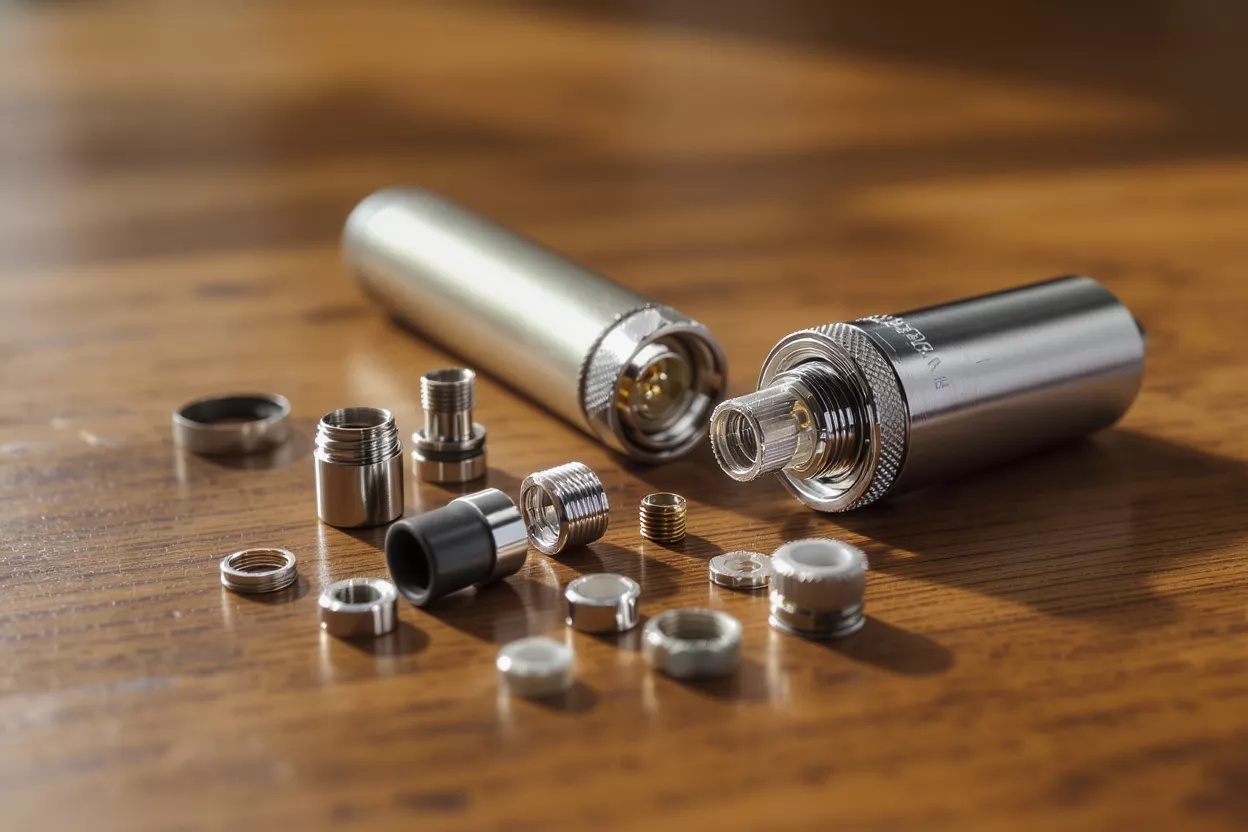
Atomizers are not interchangeable, and the type you select quietly shapes your entire session. Broadly, cannabis atomizers sort into a handful of categories defined by what they are engineered to vaporize and how they manage heat. Matching the hardware to the extract you reach for most often is the single smartest decision a vaper can make.
If you gravitate toward thicker concentrates like shatter, budder, or a slab cut from a fresh honeycomb disc, a wickless ceramic or quartz atomizer tends to serve you best. Thin distillate oils, by contrast, perform beautifully in standard wicked cartridges. Fans of flavorful solventless products will notice that a quality ceramic concentrate atomizer preserves the terpene profile far more faithfully than older metal-coil designs ever could.
Here is how the most common atomizer types stack up against one another:
- 🔥 Wicked oil atomizers: Built for thin distillates and standard vape juice, relying on cotton or silica to feed the coil at a steady rate.
- 🪨 Quartz dab atomizers: Heat fast and deliver remarkably clean flavor, ideal for HTFSE, HCFSE, and other premium extracts.
- 🧱 Ceramic atomizers: Heat evenly and hold warmth well, making them a strong choice for thick oils and full-flavor sessions.
- 🔧 Rebuildable atomizers: Let experienced users swap coils and wicks to fine-tune performance to personal taste.
Atomizer Coils and Wicking Materials Explained
The coil is where the genuine work unfolds. Wound from resistance wire, it converts electrical energy into heat almost instantaneously. Coil resistance, measured in ohms, dictates both how hot the atomizer runs and how much vapor it generates. Lower resistance generally translates to more heat and bigger clouds, while higher resistance yields a cooler, more flavor-forward draw that many connoisseurs prefer.
Why wicking material deserves attention: Cotton earns praise for delivering clean, unadulterated flavor, though it degrades with use, whereas silica withstands higher temperatures and endures longer. Certain premium atomizers abandon wicks altogether, employing a ceramic plate or bucket that cradles concentrate directly against the heating element. This wickless approach has a devoted following among extract enthusiasts who want nothing standing between their oil and the coil.
What causes coils to wear out: Every heating cycle deposits a little residue on the coil and wick. Across dozens of sessions that buildup carbonizes, dulling flavor and choking vapor output. Reputable extract producers often suggest coil replacement intervals, and honoring those guidelines keeps each draw tasting as intended. Both sticky terpene oils and water-attracting residues contribute to the gunk, which is precisely why a maintenance habit rewards you over time.
Atomizer vs Cartridge: What Is the Difference
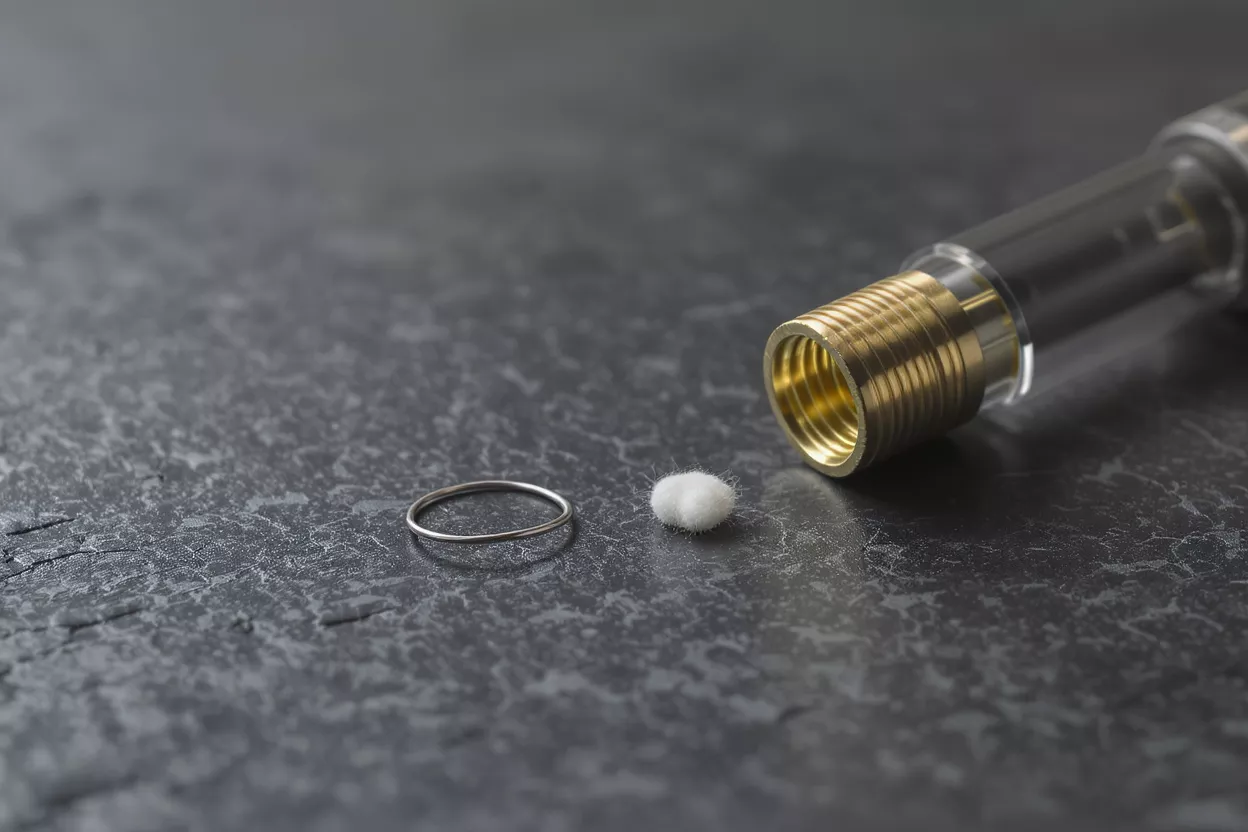
People routinely treat the words atomizer and cartridge as synonyms, yet they describe different things. A cartridge is the complete pre-filled tank, encompassing the oil reservoir, the mouthpiece, and the atomizer nestled inside it. The atomizer is strictly the heating component within that cartridge. In other words, every cartridge contains an atomizer, but not every atomizer arrives pre-filled.
This distinction starts to matter the moment you shop. A standalone atomizer, frequently sold for dab pen setups or rebuildable rigs, lets you load your own concentrate, whether that is jelly hash, a dab of head stash, or premium rosin. A pre-filled cartridge instead prioritizes convenience and consistency, arriving with the extract already measured and sealed for effortless use.
Here is a quick comparison that clarifies how these pieces relate:
- 🛢️ Cartridge: A sealed, pre-filled unit with the atomizer already integrated; simply attach it and inhale.
- ⚙️ Standalone atomizer: An empty heating chamber you load yourself with oil or concentrate.
- 🔄 Rebuildable atomizer: A customizable component on which you install your own coils and wicks.
- 💧 Disposable atomizer: A single-use heating element designed to be replaced rather than cleaned.
Best Atomizer for Concentrates and Extracts
Identifying the best atomizer for concentrates ultimately hinges on the texture and quality of what you are vaporizing. Premium solventless extracts deserve hardware engineered to protect their delicate aromatics, while everyday distillate oils prove considerably more forgiving. The atomizer you choose should reflect both the product in your hand and the priorities you bring to each session.
For high-terpene extracts: Products such as HTFSE and HCFSE carry intricate flavor profiles dense with compounds like humulene and an array of aromatic terpenes. A low-temperature quartz or ceramic atomizer safeguards these nuances, where a searing metal coil would incinerate them in an instant. Plenty of connoisseurs invest in a dedicated low-temp quartz dab pen specifically to do justice to these premium products.
For thicker hash products: Concentrates like jelly hash or a slab from a hash hole demand an atomizer that handles dense, sticky material without clogging. Ceramic bucket-style atomizers excel in this role because they hold the concentrate within a chamber rather than depending on a wick. Even heat distribution melts the material gradually, yielding rich, full-bodied vapor. Humulene-heavy strains in particular tend to shine through this gentler heating approach.
Atomizer Temperature and Vapor Quality Guide
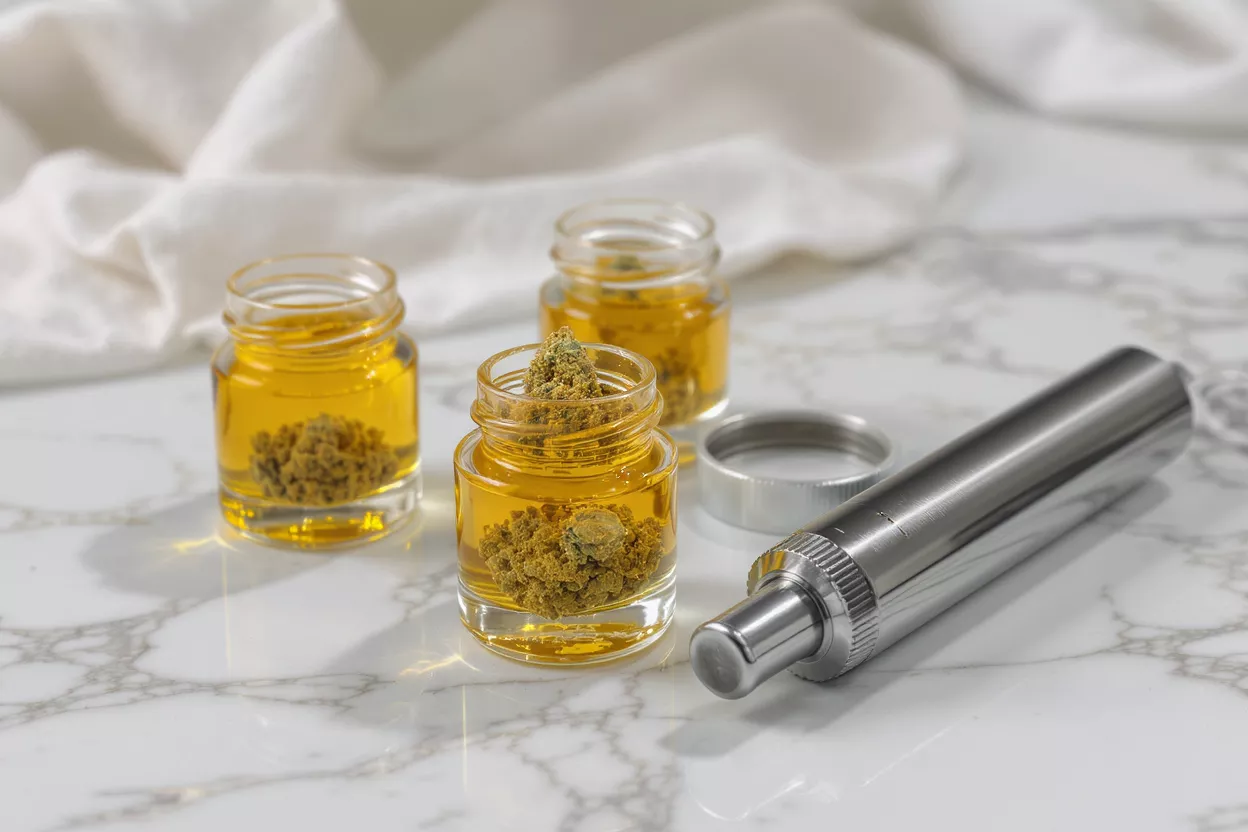
Temperature is the most powerful lever you control over vapor quality. Run an atomizer too cool and you forfeit vapor volume; push it too hot and you scorch terpenes, producing a harsh, bitter draw nobody enjoys. The sweet spot shifts depending on the extract, but the majority of cannabis oils reward moderate heat that maximizes flavor while keeping vapor smooth and gentle on the throat.
Lower temperatures highlight taste and a clear-headed experience, since the lightest terpenes vaporize first and reach you uncorrupted. Crank the heat higher and you release heavier compounds alongside denser clouds, though you trade away a measure of flavor fidelity in the process. The Mayo Clinic notes that the temperature at which any substance is heated influences the chemistry of the resulting aerosol, which is why dialing in your atomizer matters well beyond mere taste.
Here is a general temperature framework that many users find practical:
- 🌡️ Low heat (315–380°F): Maximum flavor and lighter vapor, the best window for terpene-rich extracts.
- 🔥 Medium heat (380–430°F): A balanced blend of flavor and vapor volume, the everyday sweet spot.
- 💨 High heat (430–480°F): Dense clouds and stronger effects, accompanied by some loss of nuance.
How to Clean and Maintain an Atomizer
A clean atomizer tastes better, lasts longer, and performs more dependably than a neglected one. Resin and carbonized residue accumulate with every session, steadily muting flavor and restricting airflow until even great extract tastes flat. Routine cleaning is the simplest, cheapest way to extend the working life of your hardware and keep each draw crisp.
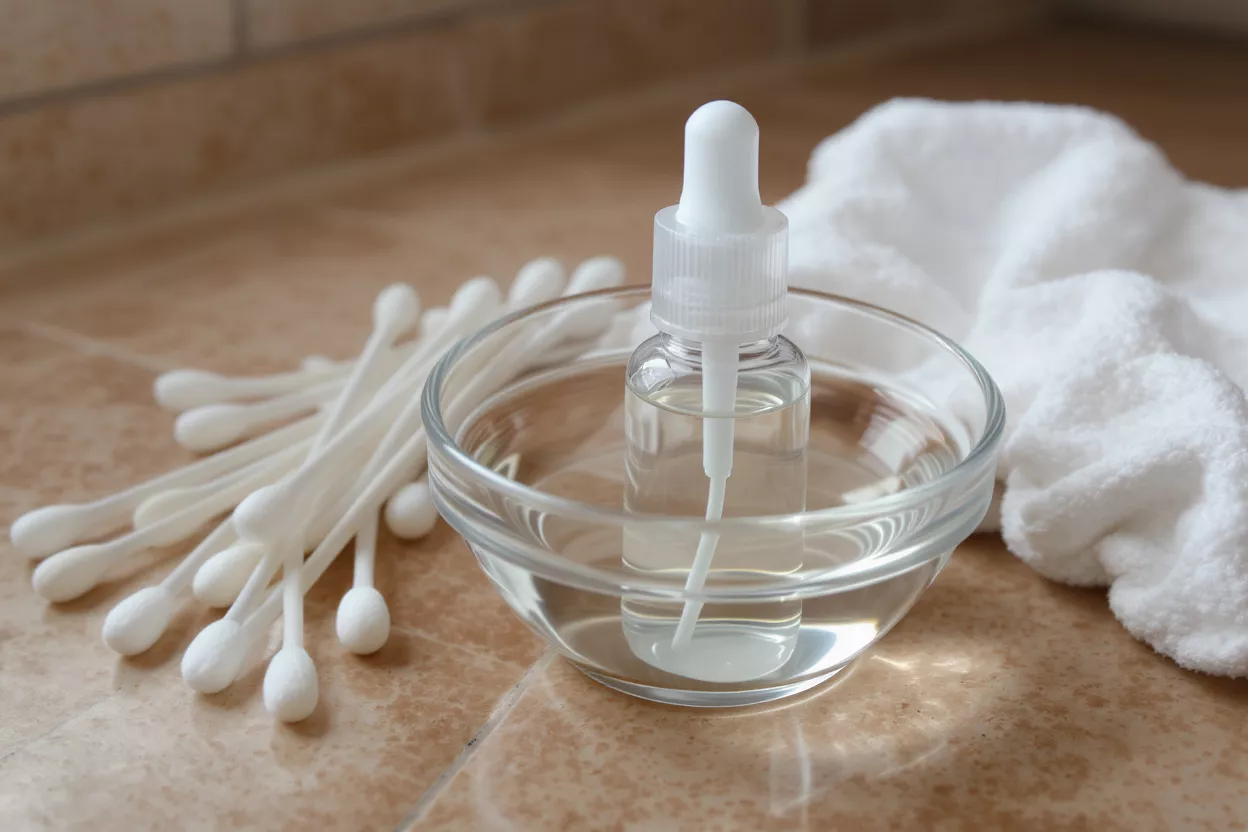
For wickless ceramic and quartz atomizers: A gentle burn-off followed by a cotton swab dipped in isopropyl alcohol lifts away most residue. Allow the component to dry completely before reuse, because trapped alcohol ruins a draw and is genuinely unpleasant to inhale. Steer clear of aggressive scraping, which can mar the heating surface and shorten the atomizer's usable lifespan.
Wicked atomizers prove trickier because the cotton or silica gradually saturates with oil. Once a wick darkens and the flavor turns acrid, replacement is the only honest fix. Soaking offers some relief for certain rebuildable designs, but most disposable atomizer heads are simply swapped out for fresh ones. Keeping your extracts free of unnecessary fillers also reduces the residue that gums up coils in the first place, so quality oil pays dividends in maintenance too.
Are Cannabis Atomizers Safe to Use
Atomizer safety is a fair and important question, and the candid answer is that quality and materials make all the difference. A thoughtfully engineered atomizer from a reputable manufacturer uses food-grade and medical-grade components, while cheap, poorly assembled hardware can introduce heavy metals or off-gas at elevated temperatures. Where your gear comes from is not a trivial detail.
Why material quality is paramount: The finest atomizers rely on ceramic, quartz, or medical-grade stainless steel for any part that contacts heated vapor. Avoid devices built with mystery solder, low-grade wicks, or unverified coils of unknown origin. Hardware tied to regulated supply chains typically meets stricter manufacturing standards, which is one reason discerning users favor it. For everyday vapers, a trusted medical-grade vaporizer kit delivers similar peace of mind.
The danger of dry hits and overheating: Running an atomizer dry or pushing it past sensible temperatures can generate undesirable byproducts. The Mayo Clinic has cautioned that vaping is not without risk, and overheated hardware only compounds that. Keeping the atomizer properly saturated, working within appropriate temperatures, and replacing worn components are the practical habits that keep your vapor as clean as your extract allows.
Choosing the Right Atomizer for Your Needs
The ideal atomizer is the one tuned to your habits, your favorite extracts, and your appetite for maintenance. A casual user who prizes convenience may never need anything beyond a sealed cartridge, while a concentrate enthusiast will relish the granular control of a rebuildable quartz setup. There is no universal best, only the best fit for the way you actually vape.
Weigh how frequently you vape, which textures you favor, and whether you value flavor purity over sheer cloud volume. If you chase the delicate aromatics of solventless products, lean toward low-temperature ceramic or quartz. If convenience governs your day, a reliable pre-filled cartridge with a quality built-in atomizer keeps everything effortless. Either direction, understanding the component behind your vapor empowers genuinely smarter purchases.
In the end, the atomizer is a modest piece of hardware with an outsized influence on your experience. From the wicking material to the coil resistance to the temperature you select, every detail shapes the flavor, potency, and smoothness of each draw. Treat the atomizer as the precision instrument it truly is, keep it clean, pair it with quality extracts, and it will repay you with consistent, satisfying vapor session after session.
Comments