


Recreational
Discover what recreational cannabis means, who can buy it, and what products are available.
What Is Recreational Cannabis?
Recreational cannabis describes the legal, regulated sale of psychoactive marijuana products to adults who do not need a medical reason to purchase them. In jurisdictions where adult-use markets exist, anyone meeting the minimum age requirement can walk into a licensed store and buy flower, edibles, or concentrates the same way they might buy a bottle of wine. This stands in contrast to the prohibition era, when any possession carried criminal penalties regardless of intent.
The term "adult-use" is often preferred by regulators because it sidesteps the casual connotation of "recreational" and emphasizes the legal threshold that defines these markets: adulthood. Whether you call it recreational or adult-use, the meaning is the same — cannabis purchased for personal enjoyment, relaxation, or social experience rather than to treat a documented condition.
At the heart of every recreational product is THC, the compound responsible for the characteristic high. Modern recreational markets test and label products for potency, giving consumers a level of transparency that the illicit market never offered. This regulatory backbone is what separates a recreational purchase from a back-alley transaction.
How Recreational Cannabis Differs From Medical
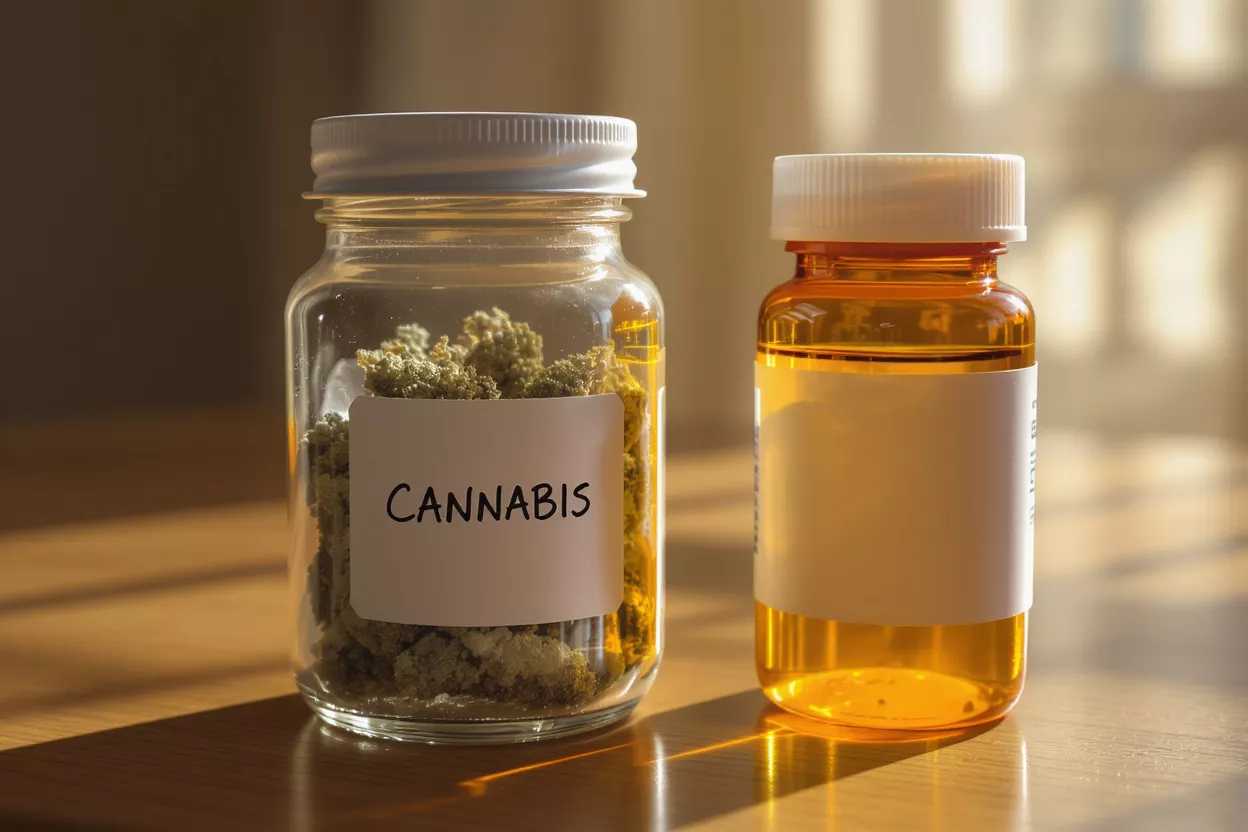
The line between recreational and medical cannabis is sometimes blurry, since both come from the same plant and contain the same active compounds. The practical difference lies in access, taxation, and intent. Medical patients typically register with a state program, obtain a physician's recommendation, and may qualify for higher possession limits and lower tax rates.
Tax structure is one of the clearest distinctions. Recreational purchases often carry excise taxes that can add 15 to 35 percent to the final price, while medical patients are frequently exempt or pay a reduced rate. For high-volume consumers managing chronic conditions, those savings add up quickly, which is why many people maintain a medical card even in states with legal adult-use sales.
Product formulation also diverges. Medical menus tend to emphasize high-CBD ratios, precise dosing, and therapeutic delivery formats like tinctures and capsules. Recreational shelves lean toward potency, novel flavors, and convenience formats designed for enjoyment rather than symptom management.
Recreational Cannabis Laws by Region
No two recreational markets are governed identically, and the patchwork of regulations reflects how recently this industry emerged from prohibition. In the United States, cannabis remains federally illegal, so every legal market exists at the state level with its own rules on licensing, potency caps, packaging, and home cultivation.
Canada took a national approach in 2018, becoming the first G7 country to legalize recreational cannabis from coast to coast. Provinces control retail distribution, which means the buying experience in Ontario differs from British Columbia, but the underlying legal framework is uniform. This contrasts sharply with the fragmented American system where crossing a state line can turn a legal product into contraband.
Key regulatory variables you will encounter across regions include the following:
- 🛒 Purchase limits: Most markets cap single-day purchases, commonly around 28 grams of flower or its equivalent in concentrates and edibles.
- 🏠 Home cultivation: Some jurisdictions permit a handful of plants per household; others prohibit growing entirely.
- 💵 Tax rates: Excise and sales taxes vary dramatically, shaping both price and the survival of the illicit market.
- 📦 Packaging rules: Child-resistant, opaque, and clearly labeled packaging is nearly universal in legal markets.
Who Can Buy Recreational Cannabis?
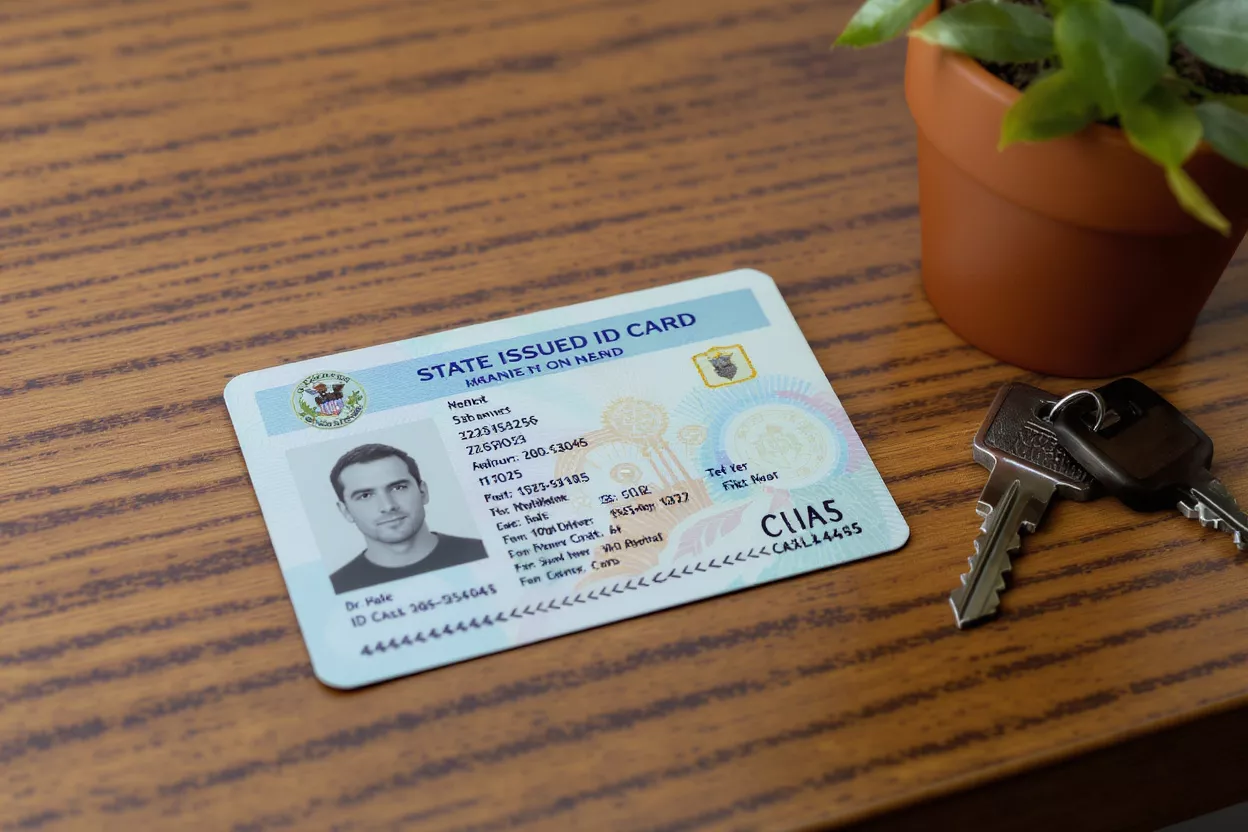
The defining gatekeeper of any recreational market is age. In most U.S. states with adult-use sales, the minimum age is 21, mirroring alcohol regulations. In Canada, the threshold is 18 or 19 depending on the province. Valid government-issued identification is checked at the door of every licensed dispensary, often before you are even allowed onto the sales floor.
Beyond age, recreational purchases generally require no documentation, no medical history, and no registration. This open access is the core appeal of recreational legalization — it removes the bureaucratic friction that defines medical programs and treats adult cannabis use as a matter of personal choice.
Residency is rarely a barrier in recreational markets. Unlike medical programs that often serve only in-state patients, adult-use stores typically welcome visitors and tourists, provided they meet the age requirement and consume responsibly within the local jurisdiction's rules.
Types of Recreational Cannabis Products
The recreational shelf has evolved far beyond dried flower. Today's adult-use consumer can choose from a deep catalog of formats, each delivering cannabinoids in a distinct way with its own onset time and experience. Understanding the categories helps newcomers navigate a menu that can feel overwhelming at first.
Flower remains the foundation of recreational sales, prized for its immediacy and the ritual of grinding and rolling. Strains are usually sorted by lineage into Indica, Sativa, and hybrid categories, giving buyers a rough map of what to expect from a given variety.
The most popular recreational product categories include:
- 🌿 Flower and pre-rolls: Classic smokable cannabis offering fast onset and full control over dosing.
- 🍬 Edibles: Gummies, chocolates, and beverages with delayed but long-lasting effects.
- 💨 Vapes: Discreet cartridges and disposables delivering concentrated vapor.
- 🔬 Concentrates: Wax, shatter, and rosin for experienced users seeking high potency.
- 🧴 Topicals: Lotions and balms applied to the skin, typically without intoxicating effects.
How Recreational Dispensaries Work
A licensed recreational dispensary operates under far more scrutiny than the average retail store. Security cameras, seed-to-sale tracking, and strict inventory controls are mandated to ensure every gram is accounted for. From the moment you enter, the experience is structured around compliance and consumer safety.
The intake process usually begins with ID verification. A staff member or security guard confirms your age before granting access to the retail area. Once inside, knowledgeable budtenders guide you through the menu, answering questions about potency, effects, and consumption methods to help you make an informed choice.
Payment can be its own adventure. Because federal banking restrictions complicate card processing in the United States, many dispensaries operate on a cash basis or use specialized debit systems. Canadian and other fully legal markets face fewer hurdles, allowing standard card transactions much like any other retailer. 💳

Recreational Cannabis Benefits and Appeal
The appeal of recreational cannabis extends well beyond the high itself. For many adults, it offers a legal alternative to alcohol — one that delivers relaxation without a hangover and with a different, often gentler, behavioral profile. Social acceptance has grown rapidly as legalization spreads and stigma fades.
Legalization carries broad societal benefits that reach far beyond the individual consumer. Regulated markets generate substantial tax revenue, create thousands of jobs, and redirect resources away from the criminal justice system. Funds collected from recreational sales frequently support schools, infrastructure, and social equity programs.
On a personal level, the predictability of a tested, labeled product is its own reward. Consumers know exactly how much THC they are getting, can choose strains tailored to a desired mood, and avoid the contamination risks that plague unregulated supply. That transparency transforms cannabis from a gamble into a considered choice.
Is Recreational Cannabis Safe?
Safety in recreational cannabis hinges on two things: the integrity of the product and the behavior of the consumer. Legal markets mandate laboratory testing for pesticides, heavy metals, mold, and potency, giving adult-use buyers a baseline of safety the illicit market simply cannot match. Reading the certificate of analysis, when available, is a habit worth cultivating.
Responsible consumption is the consumer's half of the equation. Overconsumption rarely poses life-threatening danger, but it can produce intense anxiety, paranoia, or discomfort, especially with edibles whose delayed onset tempts impatient users to take a second dose too soon. Driving under the influence remains illegal everywhere and genuinely dangerous.
Certain populations should approach recreational cannabis with extra caution. Pregnant individuals, adolescents, and people with a personal or family history of psychosis face elevated risks. When in doubt, consulting a healthcare provider before regular use is the prudent path, even in a recreational context.
Recreational Cannabis Dosing for Beginners
The golden rule of recreational dosing is simple and time-tested: start low and go slow. Tolerance varies enormously between individuals, and a dose that barely registers for a seasoned consumer can overwhelm a newcomer. Patience prevents the most common bad experiences.
Edibles demand the most discipline. A standard beginner dose is 2.5 to 5 milligrams of THC, and because effects can take 30 to 120 minutes to appear, the cardinal mistake is redosing too early. Wait at least two hours before considering more. Inhaled products act within minutes, making them easier to titrate by taking a single puff and waiting.
A simple framework for finding your comfortable dose:
- 🌱 First-timers: 1–2.5 mg THC for edibles, or a single small inhalation.
- 📈 Building tolerance: 2.5–5 mg as your body adapts over several sessions.
- ⏳ Always wait: Give edibles two full hours before deciding whether to take more.
- 🥤 Stay grounded: Keep water and a snack nearby, and choose a comfortable, familiar setting.
The Future of Recreational Cannabis
The trajectory of recreational cannabis points toward broader legalization and deeper normalization. Each year more jurisdictions open adult-use markets, and the political momentum that once seemed unthinkable now feels inevitable in much of North America and beyond. Federal reform in the United States remains the most consequential unresolved question.
Product innovation is accelerating alongside legal expansion. Fast-acting nano-emulsified edibles, precisely dosed beverages, and minor cannabinoid formulations are reshaping what recreational consumers expect from the shelf. As cultivation and extraction techniques mature, quality continues to rise while prices gradually stabilize.
Recreational cannabis has moved from the margins of society into a regulated, multibillion-dollar industry in a remarkably short span. For adults who meet the age requirement, it offers tested products, transparent labeling, and legal access to an experience humans have sought for millennia. Whether you are a curious first-timer or a returning enthusiast, understanding how these markets work — from dosing to law to product selection — is the key to enjoying recreational cannabis safely and responsibly.


Comments