

Caryophyllene
Discover how caryophyllene works in cannabis and your body.
What Is Caryophyllene?
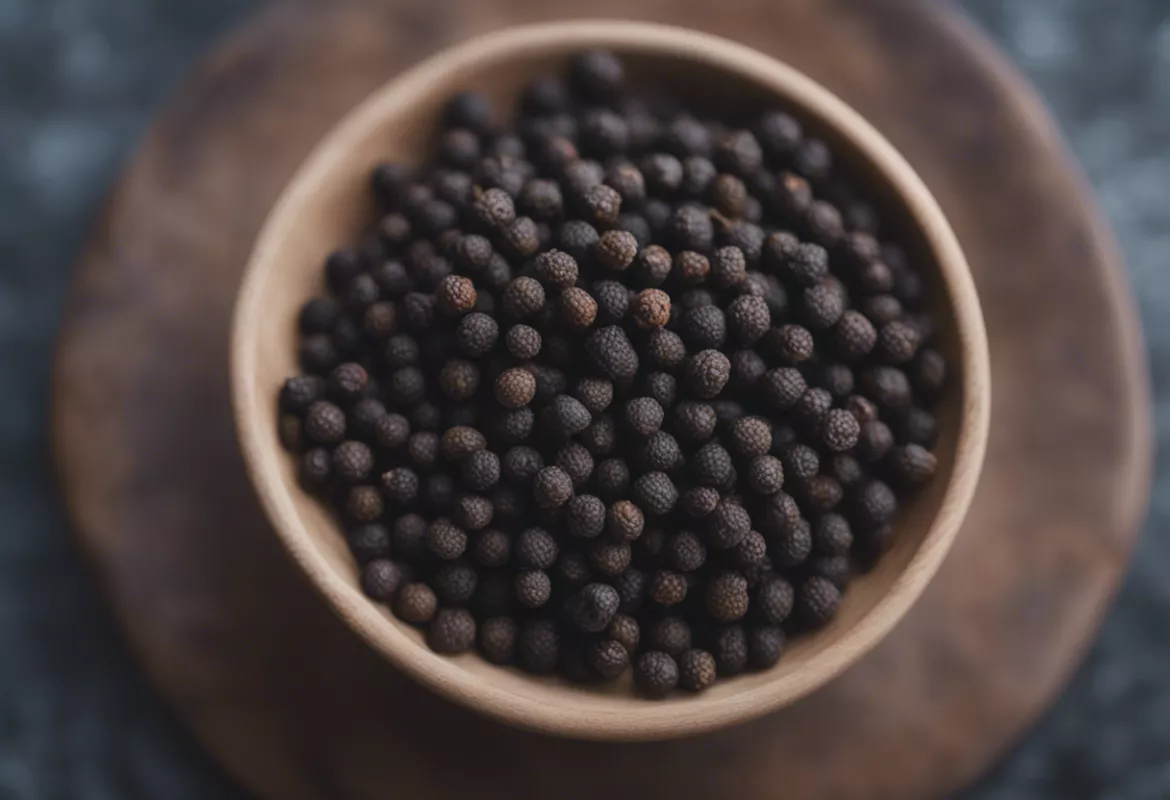
Caryophyllene is the peppery, spicy terpene responsible for the warm bite you notice when you crack open black pepper or sniff a clove. In cannabis, it shows up as one of the most abundant and recognizable aromatic compounds, lending certain strains their unmistakable spicy, woody character. Chemically known as beta-caryophyllene (BCP), it belongs to a family of terpenes that shape both the smell and the therapeutic profile of a given cultivar.
What sets Caryophyllene apart from most aromatic plant compounds is its molecular structure. It is a sesquiterpene, meaning it is built from three isoprene units rather than two, and it contains a rare cyclobutane ring. That structural quirk is more than chemistry trivia — it is the reason this terpene behaves so differently from its peers once it enters the body.
If you have ever wondered why some cannabis tastes distinctly peppery while other strains lean citrus or floral, the answer often comes down to how much Caryophyllene the plant produced. It is a dominant terpene in many popular cultivars, and its presence is a reliable signal that a strain may carry the warming, grounding qualities many consumers seek.
How Does Caryophyllene Work in the Body?
Caryophyllene is unique among terpenes because it does not just influence aroma and flavour — it directly interacts with the body's endocannabinoid system. This is exceptionally rare. Most terpenes contribute to effects indirectly, by modulating how cannabinoids behave, but Caryophyllene engages receptors on its own.
When you consume a Caryophyllene-rich product, the molecule travels through the bloodstream and connects with specialized receptor sites scattered throughout your immune system and peripheral tissues. This interaction is what gives the terpene its reputation as a functional compound rather than a purely sensory one.
The practical takeaway is that Caryophyllene blurs the line between terpene and cannabinoid. Researchers sometimes describe it as a "dietary cannabinoid" precisely because it engages the same signalling pathways that compounds like CBD influence, yet it occurs throughout the everyday food supply.
Why Caryophyllene Binds to CB2 Receptors
The CB2 receptor is the key to understanding Caryophyllene. The endocannabinoid system has two primary receptor types: CB1, concentrated in the brain and central nervous system, and CB2, found largely in immune cells and peripheral tissues. Caryophyllene selectively binds to CB2 receptors and leaves CB1 untouched.
This selectivity matters enormously. CB1 activation is associated with the intoxicating, psychoactive effects of THC. Because Caryophyllene ignores CB1 entirely, it can engage the endocannabinoid system and deliver potential therapeutic effects without producing any high. You get receptor-level activity with a clear head.
The compounds that activate CB2 in particular tend to influence the following processes:
- 🌿 Immune modulation: CB2 receptors sit on immune cells, so activating them can dial inflammatory signalling up or down.
- 🔥 Inflammation control: Reduced inflammatory cytokine production has been observed in laboratory studies.
- 💪 Tissue repair: CB2 signalling is implicated in healing and recovery pathways throughout the body.
- 🧠 Pain signalling: Peripheral pain pathways respond to CB2 activity, offering a non-intoxicating route to relief.
Caryophyllene Anti-Inflammatory Benefits
The anti-inflammatory potential of Caryophyllene is its most studied quality. Because the terpene activates CB2 receptors embedded in immune tissue, it can influence the cascade of signals that drives inflammation. Preclinical research has repeatedly linked beta-caryophyllene to reduced markers of inflammation in animal models.
Inflammation underlies a remarkable range of chronic conditions, from arthritis to metabolic disorders. While human clinical trials are still catching up to the promising animal data, the mechanism is well characterized, and it explains why peppery, Caryophyllene-rich strains are so often associated with soothing, recuperative effects.
It is worth keeping expectations grounded. Caryophyllene is not a cure, and the strongest evidence so far comes from controlled laboratory settings rather than large human studies. Still, the consistency of those findings makes it one of the most scientifically interesting terpenes in the cannabis plant.
Caryophyllene for Pain and Anxiety
Beyond inflammation, Caryophyllene shows promise for pain and mood. Its CB2 activity intersects with peripheral pain pathways, which is why many people reach for spicy, grounding strains when managing discomfort. Animal studies have suggested it may reduce both inflammatory and neuropathic pain responses.
Emerging research also points to anxiolytic and antidepressant-like effects. In rodent models, Caryophyllene administration has been associated with reduced anxiety-related behaviour, possibly through that same CB2 pathway and its downstream effect on stress signalling. The terpene's grounding, calming reputation among consumers tracks with these early findings.
For everyday users, this combination of qualities is why Caryophyllene often appears in strains marketed for relaxation and relief rather than energy or euphoria. It tends to complement the body-focused effects of certain cannabinoids rather than sharpen mental stimulation.
Where Is Caryophyllene Found Besides Cannabis?
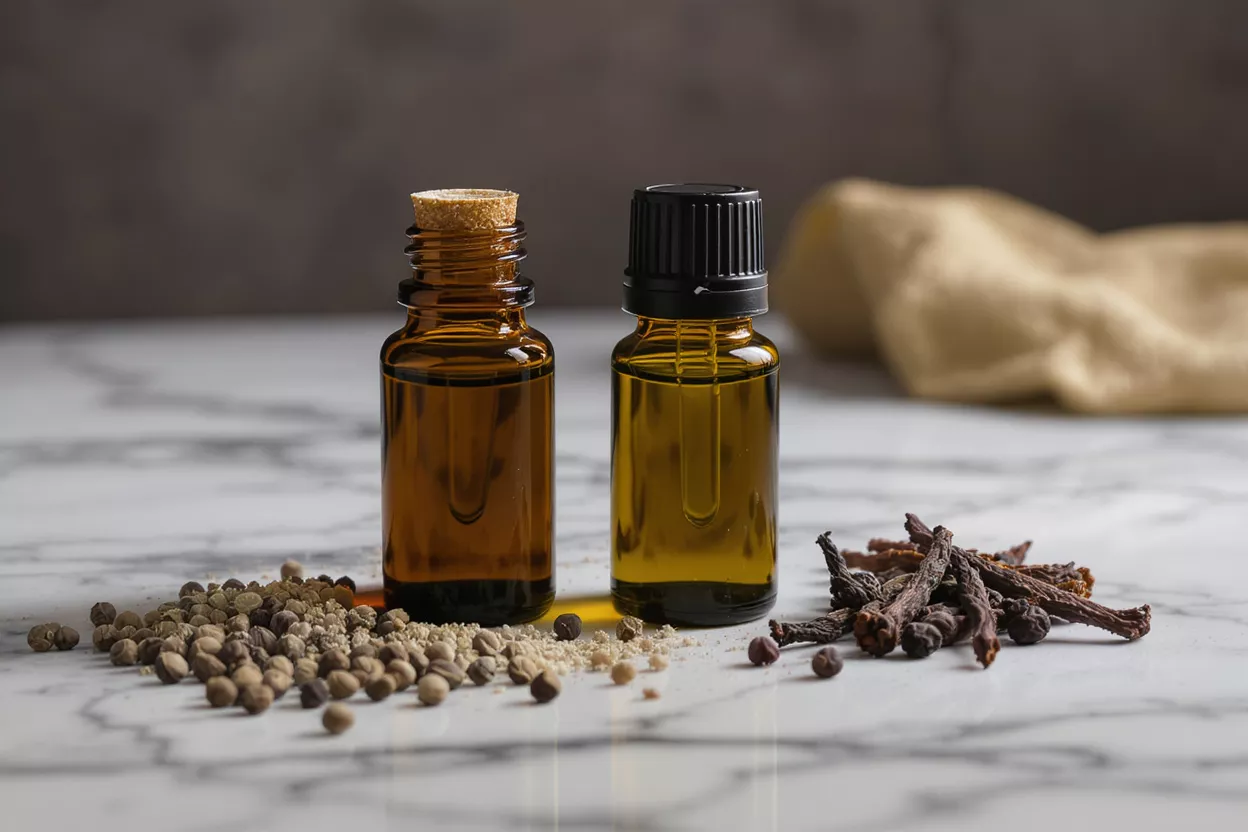
Caryophyllene is one of the most widespread terpenes in nature. Long before it was studied in cannabis, it was a familiar component of the kitchen spice rack. Its peppery signature appears across a surprising number of common foods and herbs, which means most people have been consuming it their entire lives.
Some of the richest dietary sources of Caryophyllene include:
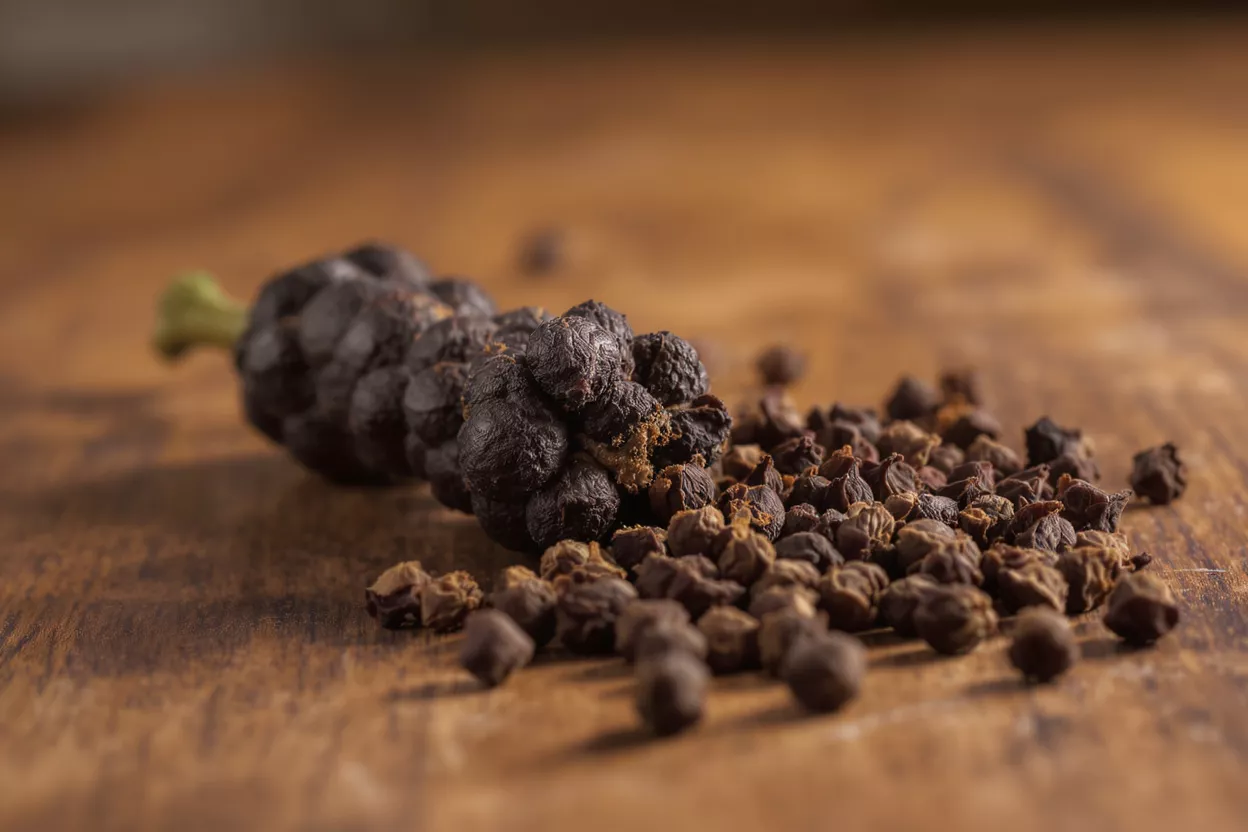
- 🌶️ Black pepper: The classic source, and the reason the terpene carries such a sharp, spicy bite.
- 🌿 Cloves: Warm and aromatic, cloves are densely packed with the compound.
- 🍃 Basil and oregano: These culinary herbs contribute Caryophyllene to countless savoury dishes.
- 🌹 Rosemary and hops: Both add the terpene's woody, spicy note to food and beverages.
- 🍂 Cinnamon: Part of what gives cinnamon its warming complexity.
This ubiquity is reassuring from a safety standpoint. A terpene that appears throughout the global food supply, consumed daily by billions of people, carries a long track record of being well tolerated in ordinary dietary amounts.
Caryophyllene-Rich Cannabis Strains
Certain cultivars are famous for their Caryophyllene content. If you enjoy a spicy, peppery, slightly fuel-like aroma in your cannabis, there is a good chance the strain leans heavily on this terpene. Lab testing on flower will usually list it among the dominant compounds in these cultivars.
Strains frequently associated with high Caryophyllene levels include classics like GSC, Original Glue, Bubba Kush, and Sour Diesel. The terpene often appears alongside myrcene and limonene, creating layered aromatic profiles that balance spice with earth and citrus.
When shopping, the most reliable approach is to read the terpene panel on a certificate of analysis rather than relying on strain names alone. Growing conditions and phenotype variation mean two batches of the same strain can differ significantly in their Caryophyllene concentration.
Caryophyllene and the Entourage Effect
Caryophyllene is a cornerstone of the entourage effect. This is the theory that cannabis compounds work better together than in isolation, with terpenes and cannabinoids modulating one another's behaviour. Because Caryophyllene engages CB2 receptors directly, it brings a uniquely active role to that synergy.
While THC and CBD do much of the heavy lifting, terpenes like Caryophyllene appear to shape and refine the overall experience. Its CB2 activity may complement the anti-inflammatory and pain-relieving properties of cannabinoids, producing effects greater than any single compound could deliver alone.
This is the strongest argument for choosing full-spectrum products over isolates. When you preserve the complete chemical profile of the plant, you keep Caryophyllene in the mix, allowing it to contribute its receptor-level activity to the broader therapeutic picture.
Is Caryophyllene Safe to Consume?
Caryophyllene enjoys an excellent safety profile. It is recognized as a food additive and flavouring agent and has been consumed safely in the human diet for generations through ordinary foods like pepper and cloves. Regulatory bodies have long classified it as safe in the quantities found in food.
As with any compound, dose and context matter. The amounts present in cannabis and food are modest and well tolerated, but concentrated terpene extracts should always be handled and diluted appropriately. Undiluted terpenes are potent and can irritate skin and mucous membranes if used carelessly.
Anyone managing a medical condition or taking medication should speak with a healthcare provider before using concentrated terpene products. While Caryophyllene is gentle in dietary amounts, individual responses vary, and professional guidance is always the safest path.
How to Preserve Caryophyllene in Cannabis
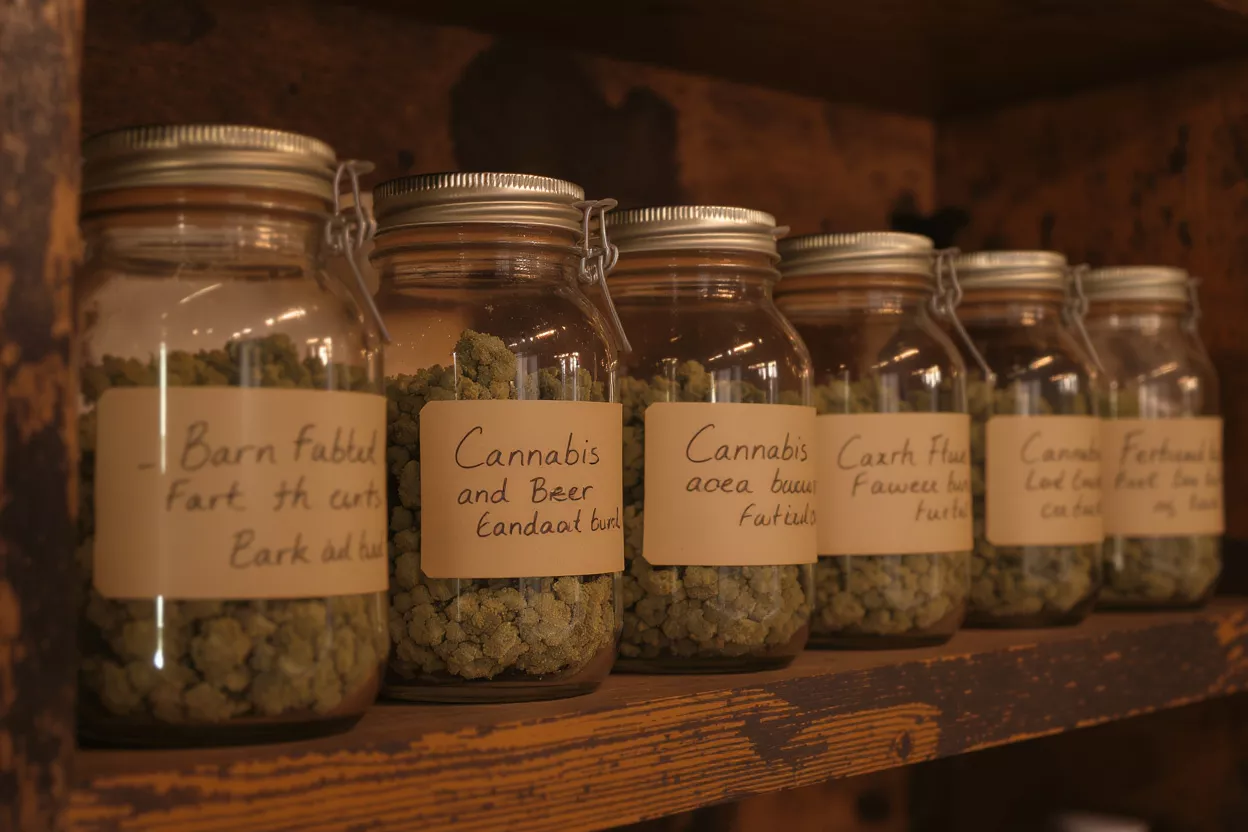
Terpenes are volatile, and Caryophyllene is no exception. Heat, light, and oxygen all degrade these delicate aromatic molecules over time, which means improper storage can strip your cannabis of its peppery character and the benefits that come with it. Protecting your flower preserves both flavour and function.
A few simple storage habits go a long way toward keeping Caryophyllene intact:
- 🌡️ Keep it cool: Store cannabis in a cool, dark place away from heat sources that accelerate terpene loss.
- 🫙 Use airtight glass: Sealed glass jars limit oxygen exposure far better than plastic bags.
- ☀️ Block light: UV light breaks down terpenes quickly, so opaque or amber containers are ideal.
- 💧 Control humidity: A humidity pack keeps flower from drying out and losing its aromatic compounds.
Caryophyllene stands out as one of the most compelling compounds in the entire cannabis plant. It is the rare terpene that delivers a distinctive peppery aroma while engaging the body's CB2 receptors directly, offering non-intoxicating potential for inflammation, pain, and stress. Found everywhere from black pepper to your favourite spicy strain, it bridges the kitchen and the cannabis dispensary in a way no other terpene quite manages. Whether you are chasing flavour, the entourage effect, or genuine therapeutic value, understanding Caryophyllene helps you choose products that work in harmony with your body.




Comments