

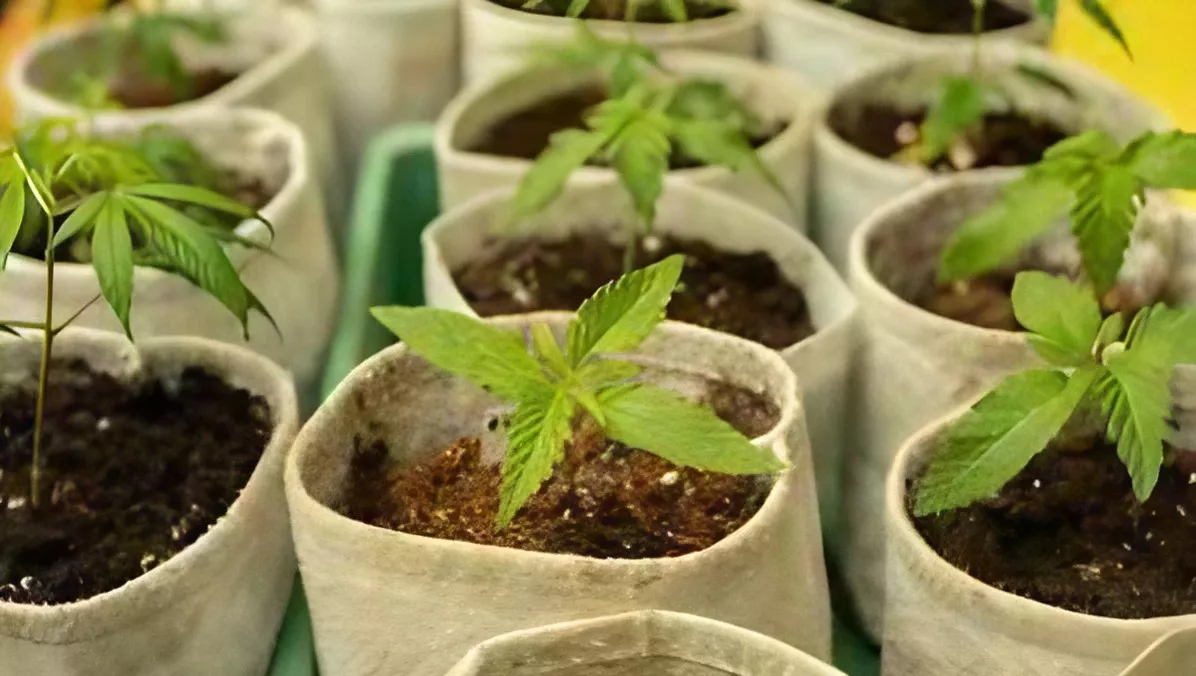
Clone
Learn how a cannabis clone creates genetically identical plants from cuttings.
What Is a Cannabis Clone
A clone is a cutting taken from a living cannabis plant and rooted to grow into a brand-new plant that is genetically identical to its parent. Instead of starting from a seed and gambling on the genetic mix of two parents, a grower snips a healthy branch, encourages it to develop its own roots, and ends up with an exact copy of the plant they already know and trust. This single technique sits at the heart of how commercial gardens and serious home growers maintain consistency from one harvest to the next.
The plant a clone is taken from is called the "mother." Because the cutting carries the same DNA as the mother, it will express the same cannabinoid profile, terpene character, growth pattern, and resistance traits. If your mother produces dense, frosty buds with a sharp citrus nose, every successful clone has the potential to do the same under similar conditions.
Cloning is one of the oldest forms of plant propagation, used for grapes, fruit trees, and ornamentals long before it became a staple of the cannabis world. What makes it especially valuable for cannabis is the plant's tendency toward genetic variability from seed — even seeds from a single batch can differ noticeably. Cloning removes that lottery entirely and locks in a known quantity.
How Cannabis Cloning Works
The biology behind rooting: Cannabis stems contain undifferentiated cells capable of becoming roots when given the right signals. When you cut a branch and place it in a moist, humid environment, the plant redirects its energy toward survival. Auxins — natural plant hormones that concentrate at cut sites — trigger the formation of root primordia, the tiny structures that eventually push out into a full root system.
The cutting has no roots at first, so it cannot draw water in the usual way. Instead it absorbs moisture through its leaves and stem while it works on building roots. This is why humidity and gentle conditions matter so much during the first week — the clone is essentially keeping itself alive on borrowed time until it can feed itself.
Most growers speed this process along with a rooting hormone, either gel or powder, applied to the fresh cut. These products supply concentrated auxins and often include a light fungicide to protect the vulnerable wound. With the right setup, roots typically appear within seven to fourteen days, though some strains root faster than others.
Clone vs Seed: Which Is Better
The choice between a clone and a seed shapes everything that follows in a grow. Each path has clear strengths, and the right answer depends on your goals, your space, and how much you value predictability versus genetic exploration.
Speed and predictability favor clones. A clone is already a mature, sexed plant — it skips the seedling stage and arrives knowing it is female. Seeds need to germinate, prove their sex, and survive a fragile early phase before they catch up. For growers who want a tight, repeatable cycle, the clone wins on time alone.
Vigor and resilience favor seeds. A seed-grown plant develops a taproot and tends to be hardier, with a fresh genetic slate free of any pests or diseases the mother may have carried. Seeds also unlock new genetics and the chance to discover a standout phenotype worth turning into your next mother.
- 🌱 Clones: identical genetics, guaranteed female, faster to harvest, no germination guesswork.
- 🌰 Seeds: stronger root structure, no inherited pests, genetic diversity, easier to ship and store.
- ⏱️ Time saved with clones: roughly two to four weeks compared to starting from seed.
- 🔬 Best for breeders: seeds, because new combinations only come from sexual reproduction.
Choosing a Mother Plant for Clones
The quality of your clones can never exceed the quality of the mother. Choosing the right mother plant is the single most important decision in a cloning program, because every cutting inherits both her virtues and her flaws. A weak, stressed, or diseased mother produces weak, stressed clones.
What makes a strong mother: Look for vigorous growth, sturdy stems, tight node spacing, and obvious resistance to pests and mold. Many growers only commit to a mother after growing a plant out fully at least once, so they know exactly what its flowers, potency, and aroma deliver before dedicating space to keeping it alive long-term.
A dedicated mother is kept in a permanent vegetative stage under long light cycles so it never flowers. Held in veg, a single healthy mother can supply dozens of cuttings every few weeks for months or even years, giving you an endless source of identical plants without ever touching a seed packet.
How to Take a Clone Cutting
Taking a clean cutting is a quick procedure, but small details make the difference between a clone that thrives and one that wilts and rots. Work with sanitized tools and a calm hand, and the cutting will reward you.
Selecting the right branch: Choose a healthy lower or side branch with at least a few nodes. Cuttings from the lower part of a plant tend to root more readily because they carry higher concentrations of rooting hormones. Aim for a cutting roughly four to six inches long with sturdy, healthy growth.
Making the cut: Use a sterilized blade or scalpel to slice the stem at a 45-degree angle just below a node. The angled cut increases the surface area available for root formation and prevents the stem from sealing flat against the rooting medium. Immediately dip the fresh cut in rooting hormone and place it into your chosen medium so the wound never has time to dry out.
- 🔪 Sterilize: wipe blades and surfaces with alcohol to prevent infection.
- 📏 Measure: select a four-to-six-inch branch with two or three nodes.
- 📐 Cut: slice at 45 degrees just below a node.
- ✂️ Trim: remove lower leaves and snip large fan leaves in half to reduce water loss.
- 🧪 Dip: coat the cut end in rooting gel or powder immediately.
Rooting Clones Step by Step
Once your cutting is in its medium, the goal for the next two weeks is steady humidity, gentle light, and patience. This is the most fragile stage of a clone's life, and resisting the urge to fuss over it constantly is half the battle.
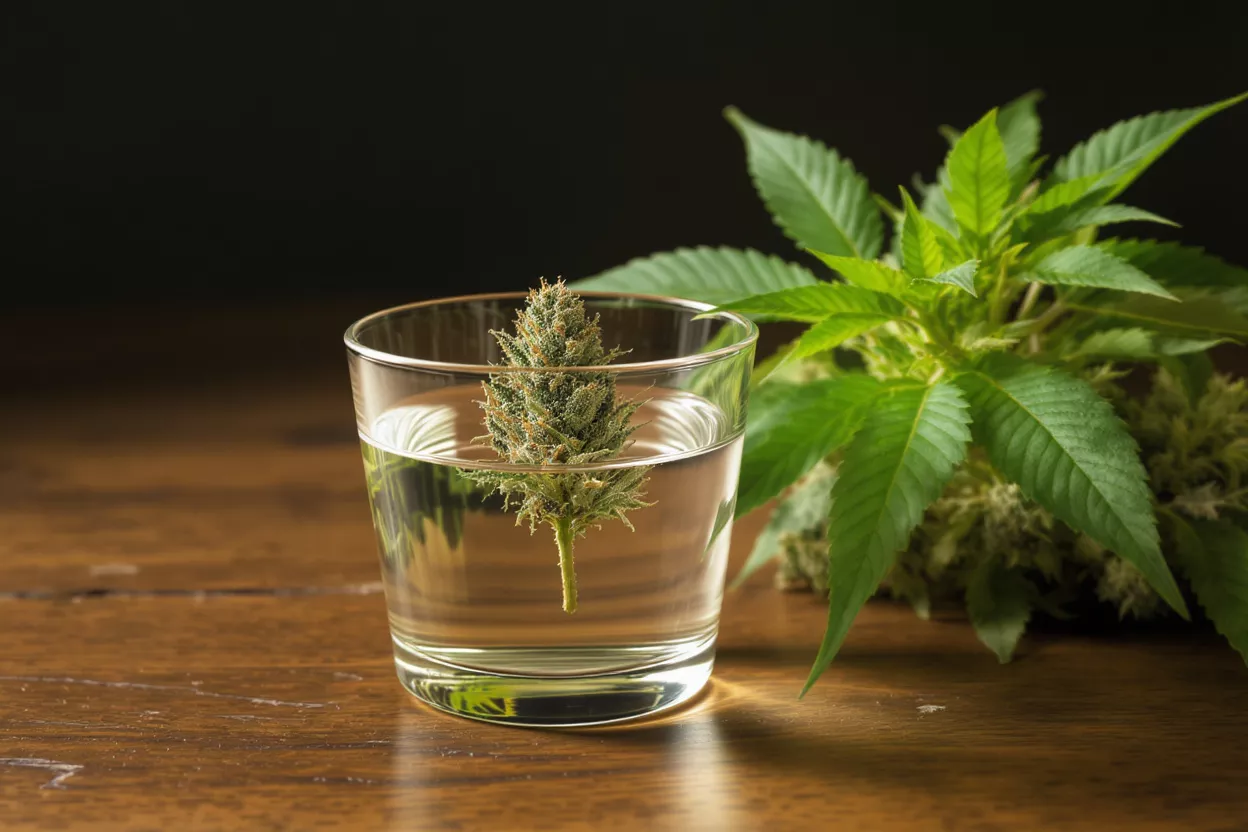
Choosing a rooting medium: Clones root well in several mediums, including rockwool cubes, peat plugs, coco coir, or even a glass of water. Each holds moisture and supports the cutting while roots form. Many growers favor rockwool or peat plugs because they make transplanting into the final container clean and stress-free.
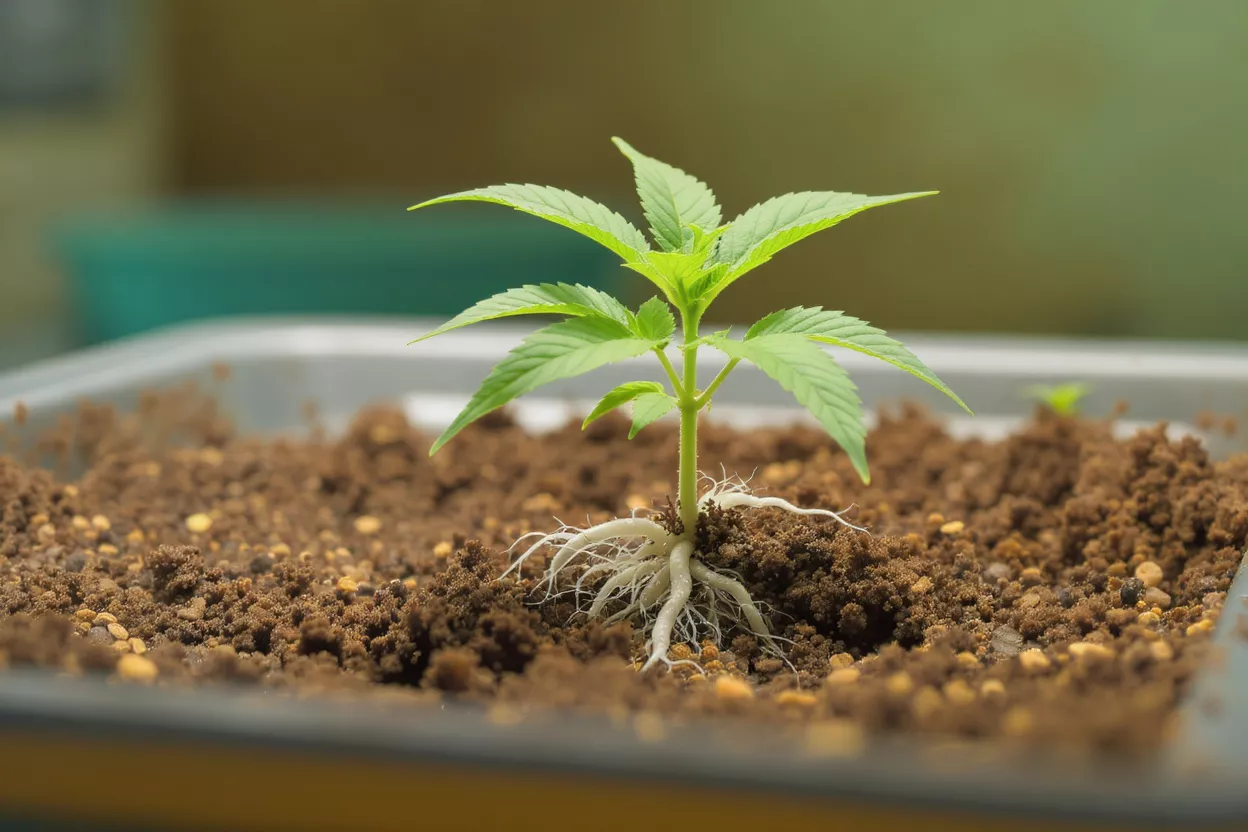
Place your cuttings under a humidity dome to keep moisture high and provide soft, indirect light — gentle fluorescent or low-intensity LED works far better than harsh, direct light at this stage. Keep the medium damp but never waterlogged, mist as needed, and crack the dome a little more each day toward the end of the first week to acclimate the clones to normal humidity. When white roots emerge through the medium, the clone is ready to move on.
Common Clone Problems and Fixes
Even careful growers lose a few clones, and most failures trace back to a handful of predictable causes. Knowing the warning signs early lets you correct course before a whole batch is lost.
Wilting and yellowing: A little droop in the first day or two is normal as the cutting adjusts. Persistent severe wilting usually points to humidity that is too low or a medium that is too dry. Slight yellowing of older leaves is acceptable while the clone diverts energy to roots, but rapid yellowing across the whole cutting suggests stress or overwatering.
Rot and damping off: Mushy, brown stems at the base mean fungal infection has set in, almost always from a medium kept too wet or tools that were not sterile. Discard affected clones, improve airflow, and ease back on moisture. Stem rot rarely recovers, so prevention through cleanliness beats any cure.
If clones simply refuse to root after three weeks, the cause is often a mother that was overfed with nitrogen, light that was too intense, or cuttings taken from old, woody growth. Taking fresh cuttings from softer, healthier branches and dialing back the light usually solves a stubborn batch.
Benefits of Growing From Clones
The advantages of clones go well beyond simply saving the cost of seeds. For anyone aiming at consistency, cloning is the foundation of a reliable, repeatable garden.
Perfect consistency harvest after harvest: Because every clone is genetically identical, a garden full of clones grows at the same rate, finishes at the same time, and produces uniform flower. This predictability is invaluable for dialing in feeding, lighting, and harvest timing without constant surprises from plant to plant.
Cloning also preserves a prized phenotype indefinitely. When a grower finds a standout plant — exceptional potency, a rare terpene profile, or unusual resilience — cloning is the only way to keep that exact expression alive across generations. A great phenotype found from seed exists only once unless it is cloned.
- 💰 Cost savings: one mother eliminates the recurring expense of buying seeds.
- 📅 Faster cycles: skip germination and seedling stages entirely.
- 🎯 Known sex: every clone is female, so no wasted space on males.
- 🧬 Trait preservation: lock in a favorite phenotype for years.
Are Cannabis Clones Legal and Safe
The legality of clones depends entirely on your local laws, and it often differs from the rules around seeds. In some regulated markets, licensed dispensaries and nurseries sell clones directly to home growers, while in other regions any propagation of live cannabis plants is tightly restricted. Always confirm your local plant-count limits and propagation rules before bringing clones into your space.
The real safety concern is pests and disease. A clone is a living plant, and it can carry hitchhikers — spider mites, aphids, powdery mildew, or root pathogens — straight into a clean garden. An infested clone from an unknown source can compromise an entire grow before you notice the problem.
For that reason, quarantine every incoming clone for one to two weeks away from your main garden, inspect both sides of the leaves closely, and consider a preventive treatment before introducing it. Sourcing clones from a reputable, clean supplier dramatically reduces this risk and is well worth the extra care.
Caring for Clones After Transplant
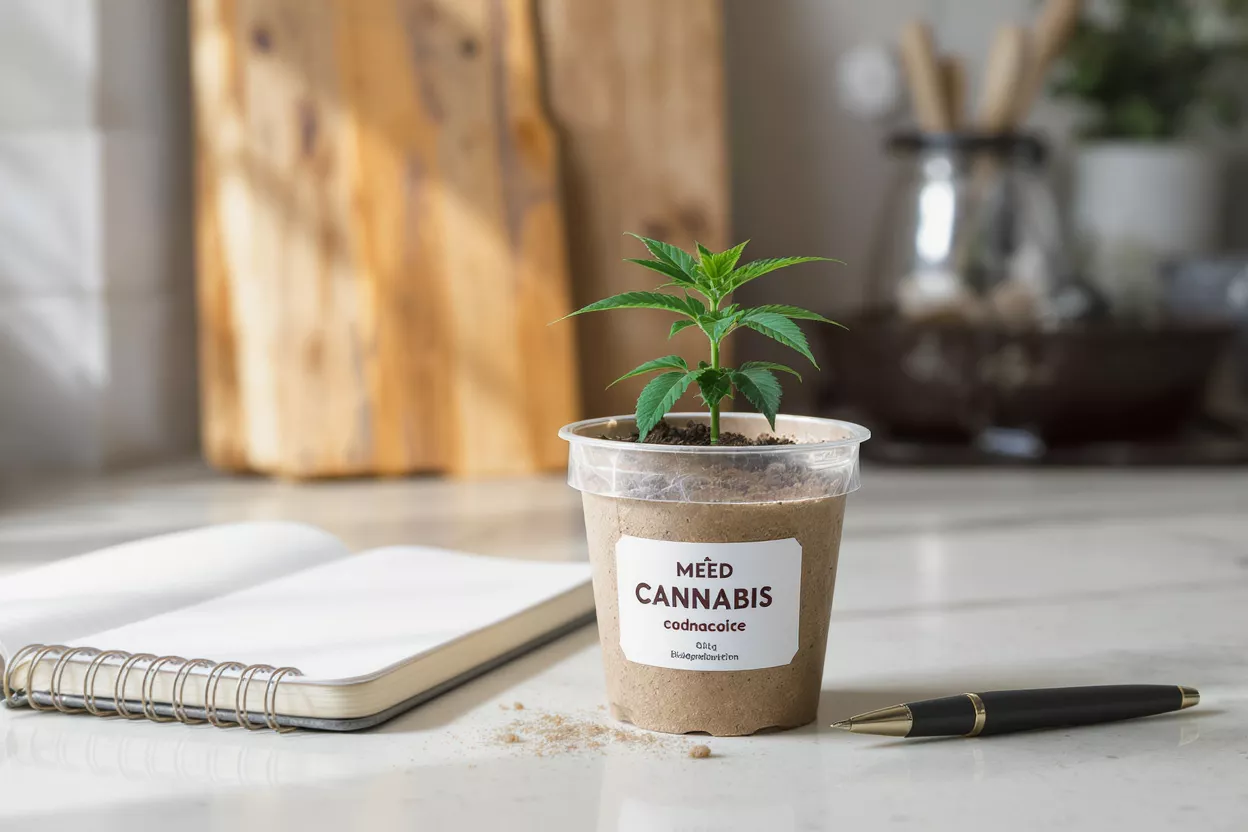
Once a clone has a healthy white root system, it is ready to transplant into its growing container and enter the vegetative stage in earnest. The transition deserves a gentle touch, because a clone that just built its first roots is still more delicate than an established plant.
Easing into stronger light and feed: Move freshly transplanted clones gradually toward fuller light intensity rather than blasting them immediately. Start with a light, diluted nutrient solution, since the young root system can be easily burned by full-strength feeding. Watch the leaves for cues — vibrant new growth means the clone has settled in and is ready to grow.
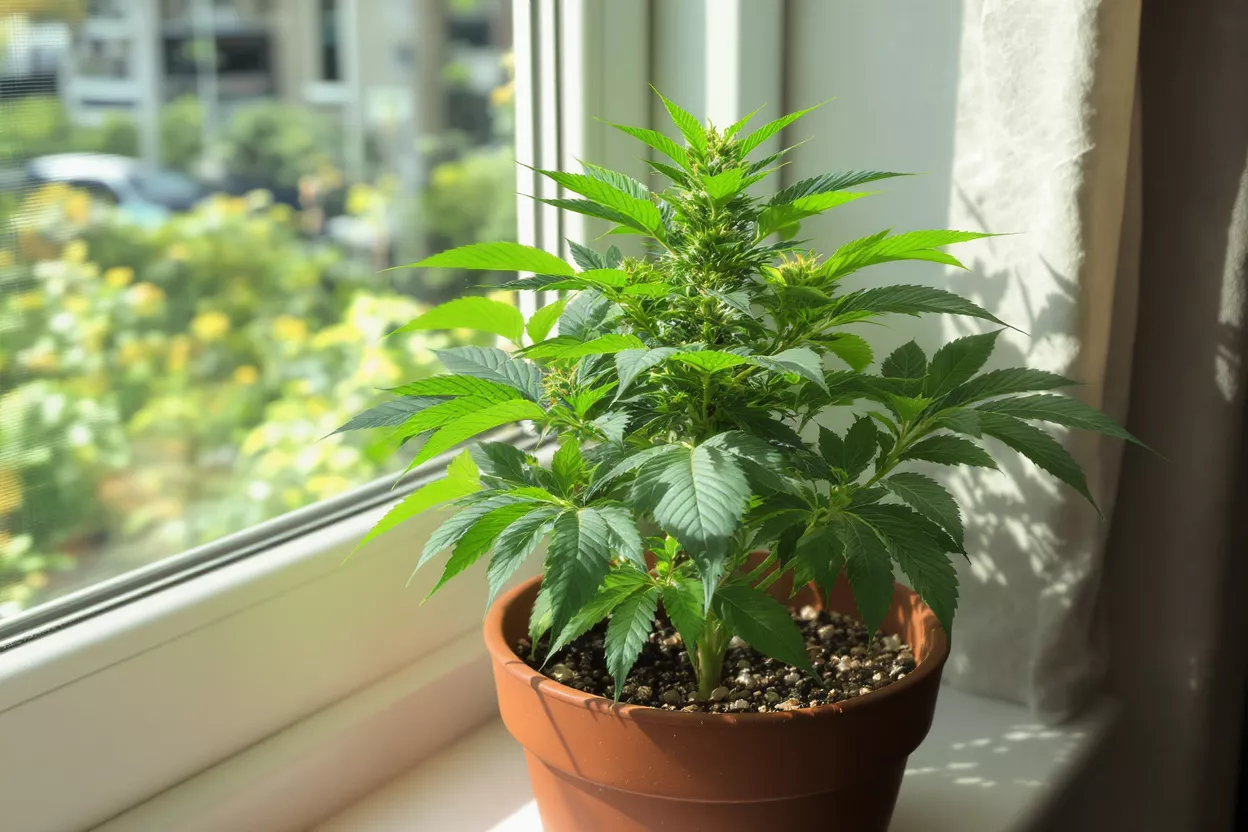
From here the former clone behaves like any other vegetative plant, building structure under long light cycles until you decide to flip it into flowering. Many growers take fresh cuttings from these plants too, perpetuating a single genetic line through endless cycles.
Cloning is one of the most empowering skills a cannabis grower can learn. It transforms a single exceptional plant into an unlimited supply of identical copies, removes the uncertainty of seeds, and shortens the path from cutting to harvest. With clean tools, a healthy mother, steady humidity, and a little patience, anyone can master propagation and build a garden defined by consistency, quality, and the genetics they love most.




Comments