

Hybrid
Discover what hybrid cannabis strains are, how they're made, and what effects to expect.
What Are Hybrid Cannabis Strains
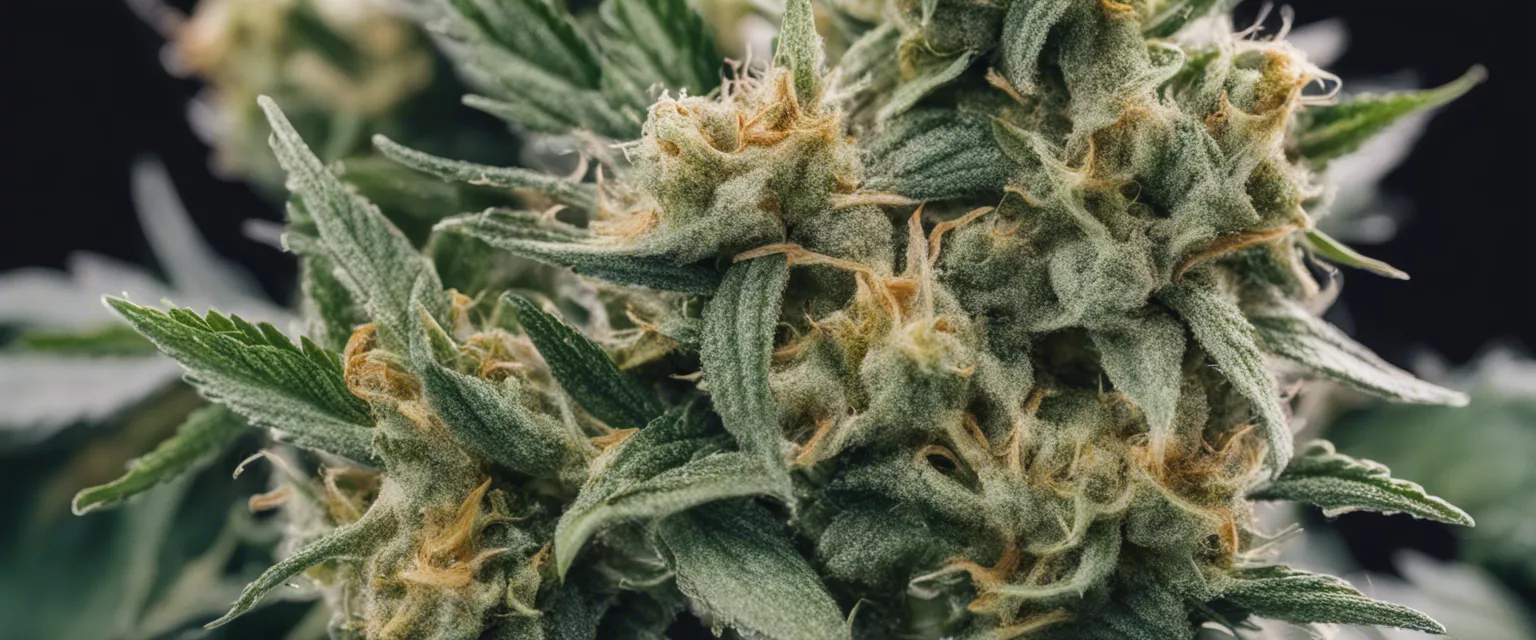
A Hybrid cannabis strain is the genetic product of crossing two or more distinct varieties, most often blending the lineage of Indica and Sativa plants. The goal of this deliberate crossbreeding is to combine the most desirable traits of each parent, whether that means the relaxing body sensations associated with one lineage or the energetic, cerebral lift associated with another. In practice, the overwhelming majority of cannabis available on the modern market is some form of Hybrid.
The term has become so common that purely "100% Indica" or "100% Sativa" plants are increasingly rare outside of carefully preserved landrace collections. Decades of breeding, both in legal and underground markets, have intertwined cannabis genetics to the point where nearly every strain carries some mixed ancestry. When a dispensary labels a product as Hybrid, they are usually signaling that the effects fall somewhere between deep relaxation and stimulating focus.
Understanding the Hybrid category is the foundation for making smart decisions about which cannabis products suit your needs. Rather than relying on broad Indica or Sativa labels, savvy consumers learn to read a strain's specific lineage, cannabinoid profile, and dominant aromas to predict how it will feel.
How Hybrid Genetics Are Created
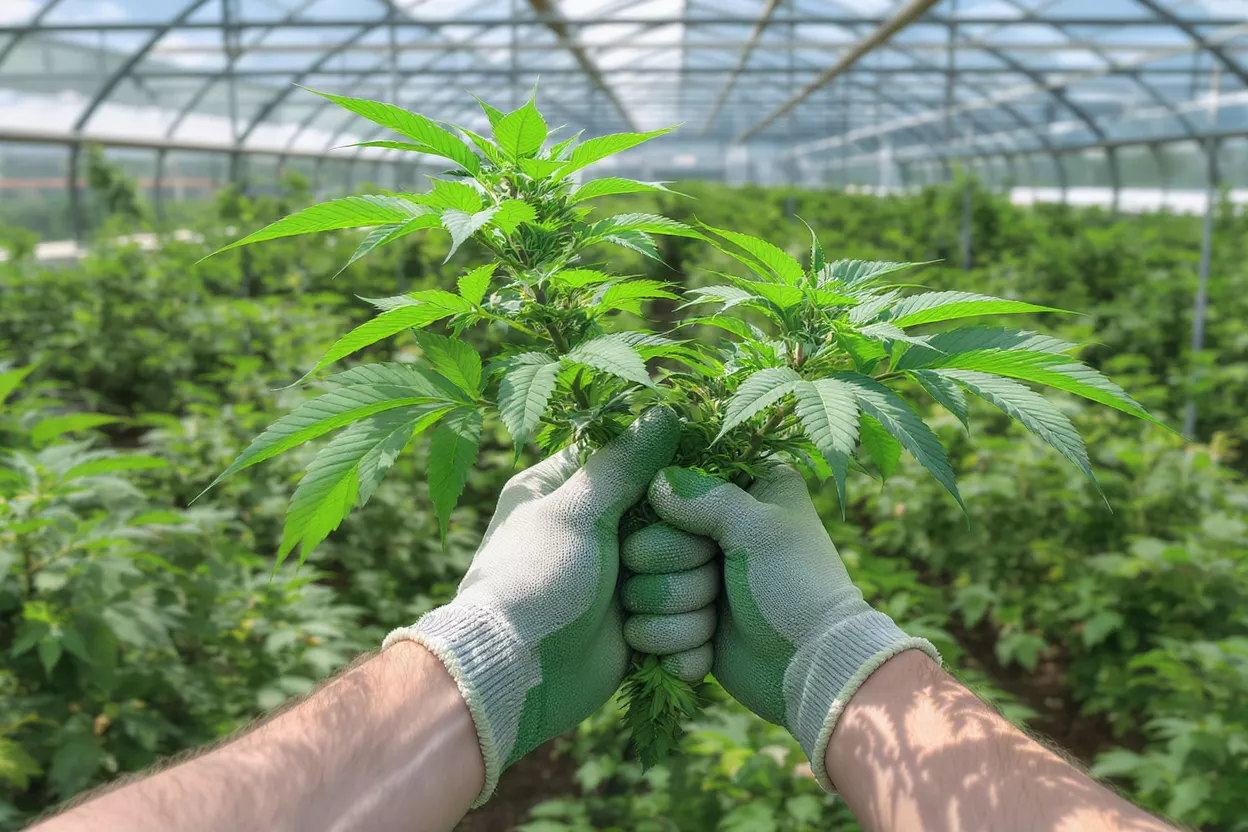
Selective breeding is the engine behind every Hybrid. Breeders choose a male and female plant with complementary characteristics, pollinate the female, and then grow out the resulting seeds to evaluate which offspring express the desired blend of traits. This process can take many generations of careful selection before a stable, reliable Hybrid emerges that consistently passes its qualities to the next crop.
Stabilizing a new strain is the most demanding part of the work. The first cross between two parents, known as the F1 generation, often shows wide variation from plant to plant. Breeders backcross promising specimens with their parents and select for uniformity over successive generations until the genetics "breed true." Only then can a Hybrid be marketed with confidence that buyers will receive a predictable experience.
Modern breeders also lean on phenotype hunting, where a large batch of seeds is grown out and the single best-performing plant is cloned and preserved. This cloned mother becomes the source of an entire genetic line, ensuring that every plant carries identical traits.
Types of Hybrid Strains Explained
Not all Hybrid strains are created equal, and the industry has developed a useful vocabulary to describe where a given variety falls on the spectrum. These categories help consumers anticipate effects before they ever open the jar.
- 🌿 Indica-dominant Hybrid: Leans toward relaxing, sedating body effects while retaining a touch of cerebral clarity from its Sativa heritage.
- ⚡ Sativa-dominant Hybrid: Favors energizing, uplifting, and creative mental stimulation with a mild physical calming undertone.
- ⚖️ Balanced Hybrid: Roughly 50/50 genetics designed to deliver mind and body effects in near-equal measure.
- 🧬 Polyhybrid: The result of crossing two existing Hybrids, producing complex genetics with traits from four or more ancestral strains.
These labels are rooted in genetic percentages that breeders track, but the lived experience also depends heavily on the plant's terpene content. Two Hybrids with identical Indica-to-Sativa ratios can feel surprisingly different if their aromatic compounds diverge.
Because the category is so broad, treating "Hybrid" as a single uniform experience is a mistake. The most useful approach is to read the specific ratio and lineage of each product rather than relying on the umbrella term alone.
Indica-Dominant vs Sativa-Dominant Hybrids
The dominance ratio is the single most informative detail on a Hybrid label. An Indica-dominant Hybrid such as a 70/30 split will generally produce a heavier, more relaxing experience suited to evenings, while a Sativa-dominant Hybrid with the inverse ratio tends to feel brighter and more functional during the day.
That said, ratios are only part of the story. The entourage effect describes how cannabinoids and terpenes work together to shape the overall sensation. A Sativa-dominant strain rich in the sedating terpene myrcene may feel more relaxing than its ratio suggests, defying simple expectations.
For most people, choosing between Indica-dominant and Sativa-dominant Hybrids comes down to time of day and intended activity. Daytime tasks, social settings, and creative work tend to pair well with Sativa-leaning genetics, whereas winding down, easing tension, and preparing for sleep favor Indica-leaning options.
What Effects Do Hybrid Strains Produce
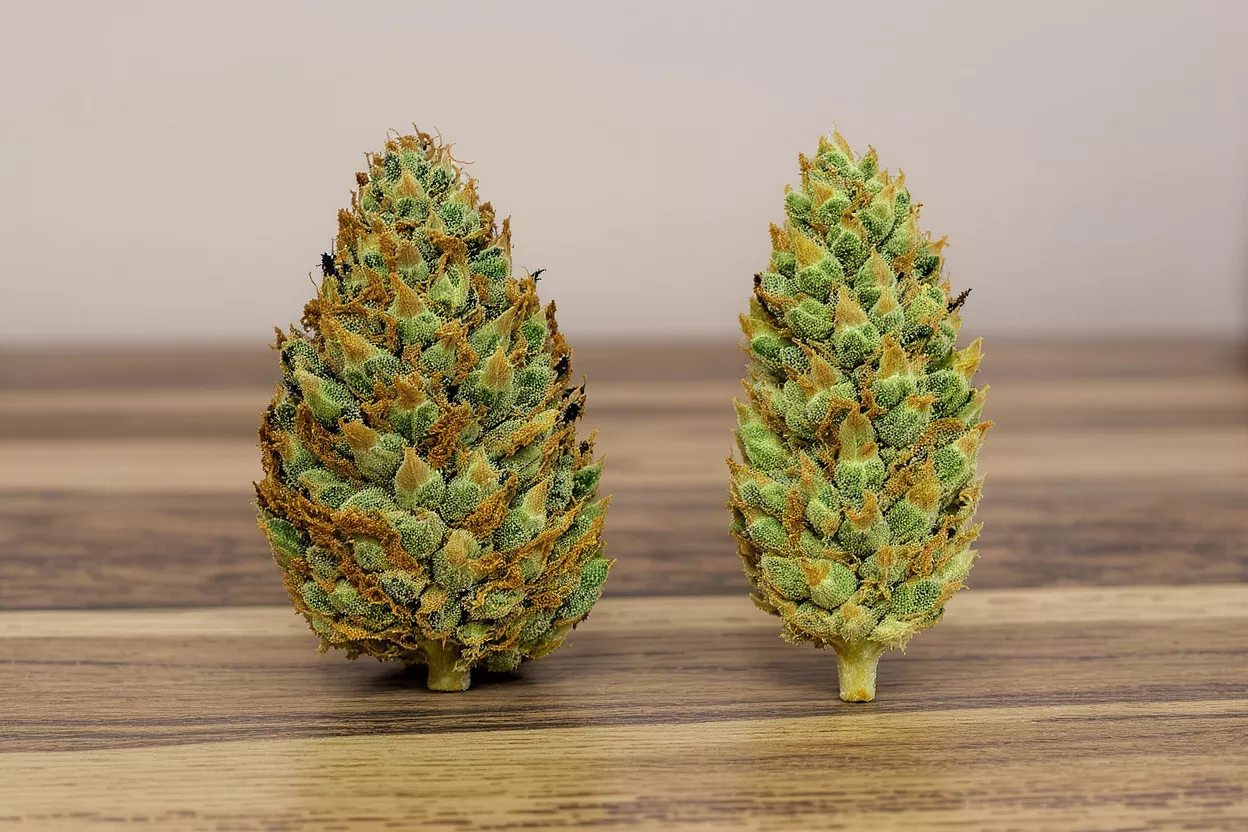
The defining appeal of a well-bred Hybrid is its capacity to deliver a blended experience that neither pure lineage can match on its own. Depending on the specific cross, you might feel a gentle wave of physical ease layered beneath a clear, sociable head space, or an energetic mental spark grounded by just enough body relaxation to keep you comfortable.
Effects are driven primarily by the ratio of THC to CBD, along with the supporting cast of terpenes. A high-THC balanced Hybrid will feel potent and euphoric, while a Hybrid bred for higher CBD content offers a calmer, clearer experience with less intoxication.
Individual physiology matters enormously as well. Body weight, tolerance, metabolism, and even mood on a given day all influence how a Hybrid lands. The same strain can feel deeply relaxing to one person and pleasantly energizing to another, which is why personal experimentation remains the most reliable guide.
Hybrid Strains Benefits for Daily Use
Versatility is the standout benefit of the Hybrid category. Because breeders can dial in nearly any combination of effects, there is a Hybrid suited to almost every situation, from a focused morning routine to a relaxing evening on the couch. This adaptability is precisely why Hybrids dominate dispensary shelves.
For those exploring cannabis for wellness rather than pure recreation, Hybrids offer a way to target specific outcomes without committing fully to the extremes of either lineage. A balanced Hybrid can take the edge off daytime tension without the heavy sedation of a pure Indica, making it easier to stay productive.
- 🌅 Daytime function: Sativa-leaning Hybrids support focus and energy without the racing edge of a pure Sativa.
- 🌙 Evening calm: Indica-leaning Hybrids ease tension while preserving enough clarity for conversation.
- 🎨 Creative flow: Balanced genetics can unlock inspiration while keeping the body relaxed and comfortable.
- 😴 Restful wind-down: Higher-myrcene Hybrids help quiet a busy mind before sleep.
The practical takeaway is that a thoughtfully chosen Hybrid can serve as a single versatile option rather than forcing you to keep separate Indica and Sativa products on hand for different moments.
Popular Balanced Hybrid Strains to Know
Some Hybrid strains have earned legendary status for their consistent effects and broad appeal. Familiarizing yourself with a few benchmark varieties gives you a reference point for evaluating new products you encounter.
Blue Dream remains a perennial favorite. This Sativa-dominant Hybrid pairs a gentle cerebral lift with full-body relaxation, making it a go-to for daytime use that does not overwhelm. Its sweet berry aroma comes from a terpene profile rich in myrcene and pinene.
Girl Scout Cookies, often shortened to GSC, leans the other direction. This Indica-dominant Hybrid delivers a potent, euphoric experience backed by deep physical relaxation, with a sweet and earthy aroma that has spawned countless descendants throughout the modern market.
Other widely recognized Hybrids include OG Kush, a foundational strain in countless lineages, and Wedding Cake, prized for its dessert-like flavor and balanced effects. Encountering these names on a menu signals a well-documented genetic background you can research before buying.
How to Choose the Right Hybrid for You
Selecting the ideal Hybrid starts with honest reflection on what you want from the experience. Clarify whether you are seeking energy, relaxation, creative stimulation, or relief from physical discomfort, and let that goal guide your search through the Hybrid spectrum.
Read the lab results, not just the label. A product's certificate of analysis reveals its precise THC and CBD percentages along with its dominant terpenes. This data tells you far more about the likely experience than the broad "Hybrid" designation printed on the front of the package.
Start with a low dose whenever you try an unfamiliar Hybrid, especially one with high THC content. You can always consume more, but you cannot undo an overwhelming dose, so patience early on protects the quality of your experience and builds reliable personal knowledge.
Are Hybrid Strains Good for Beginners
Balanced Hybrids are among the friendliest entry points for newcomers to cannabis. Because they avoid the extremes of heavy sedation or intense cerebral stimulation, a moderate, well-balanced Hybrid offers a gentle introduction that helps new consumers learn how their body responds.
Beginners benefit most from Hybrids with moderate THC and a meaningful amount of CBD, since CBD can soften the more intense edges of THC. This combination tends to produce a manageable, pleasant experience that reduces the risk of the anxiety some people feel with very potent products.
The golden rule for anyone new to cannabis is to start low and go slow. Choosing a balanced Hybrid, beginning with a small amount, and waiting to gauge the full effect before consuming more sets the stage for a positive, controlled first encounter with the plant.
The Future of Hybrid Cannabis Breeding
The science of Hybrid breeding is advancing rapidly as legalization expands access to research and genetic tools. Breeders are increasingly targeting specific terpene profiles and minor cannabinoids rather than chasing ever-higher THC numbers, signaling a more sophisticated and nuanced future for the category.
Genetic testing is reshaping how strains are developed. DNA analysis now allows breeders to verify lineage, identify desirable traits early, and protect distinctive genetics, bringing a new level of precision to a craft that once relied largely on intuition and patient observation.
As consumer education deepens, demand is shifting toward Hybrids engineered for particular effects and flavor experiences rather than raw potency alone. This maturation promises a market where each Hybrid is purpose-built, giving consumers an ever-expanding palette of carefully crafted options to explore.
In summary, the Hybrid represents the dominant reality of modern cannabis: a deliberate blend of Indica and Sativa genetics engineered to deliver tailored experiences. By understanding how these strains are created, learning to read their ratios and terpene profiles, and starting with a measured approach, you can navigate the vast Hybrid landscape with confidence and find varieties that genuinely fit your lifestyle.




Comments