

Strain
Discover what makes each cannabis strain unique — from genetics to terpenes.
What Is a Cannabis Strain
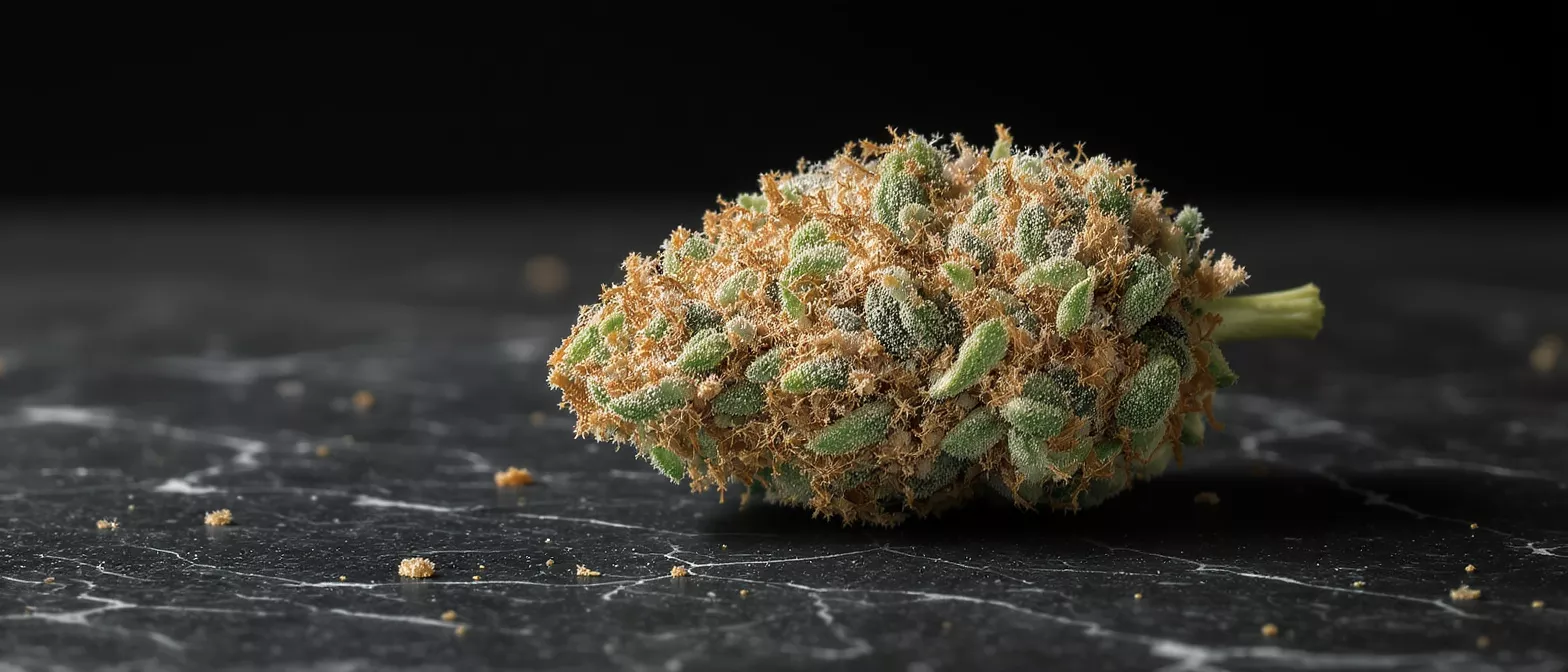
A cannabis strain is a specific cultivated variety of the plant, bred and selected to express a distinct combination of traits: physical appearance, growth habit, cannabinoid content, terpene composition, aroma, flavour, and the character of its effects. When someone asks for a particular strain at a dispensary, they are really asking for a predictable bundle of these characteristics — a kind of shorthand for what to expect from the flower in front of them.
The word itself borrows from botany and microbiology, where "strain" describes a genetic subtype within a species. In cannabis culture, the term has become the everyday label for everything from heirloom landraces grown for generations in a single region to modern designer crosses engineered in a breeder's tent. Each named strain represents a point on a vast genetic map, and understanding that map helps you make sense of why two products labelled "the same" can still feel noticeably different.
It is worth noting that botanists increasingly prefer the word cultivar — short for "cultivated variety" — as the more technically accurate term. In practice, though, "strain" remains the language consumers, growers, and budtenders actually use, and the two are functionally interchangeable in conversation.
How Cannabis Strain Genetics Work
Where strain traits come from: Every characteristic you experience in a flower — its colour, density, smell, and effect — is encoded in the plant's genetics and then shaped by how it was grown. Breeders create new strains by crossing two parent plants, combining desirable traits from each. The offspring inherit a shuffled mix of genes, and the breeder selects the most promising plants to carry forward, repeating the process over multiple generations until the line "stabilises" and reliably produces consistent results.
Genetics set the ceiling, but environment determines how close a plant gets to it. Two clones of the same strain — genetically identical — can produce different cannabinoid and terpene levels depending on light, temperature, soil, nutrients, and harvest timing. This interaction between nature and cultivation is why a strain grown by an expert can outperform the same strain grown carelessly.
Stabilising a strain takes patience. A breeder may need five to seven generations of selective breeding before a cross produces offspring uniform enough to sell under a single name. Unstable or "unworked" crosses, by contrast, can throw wildly different plants from the same seed pack — one reason seed-grown gardens often show more variation than those grown from clones.
Indica, Sativa, and Hybrid Strain Types
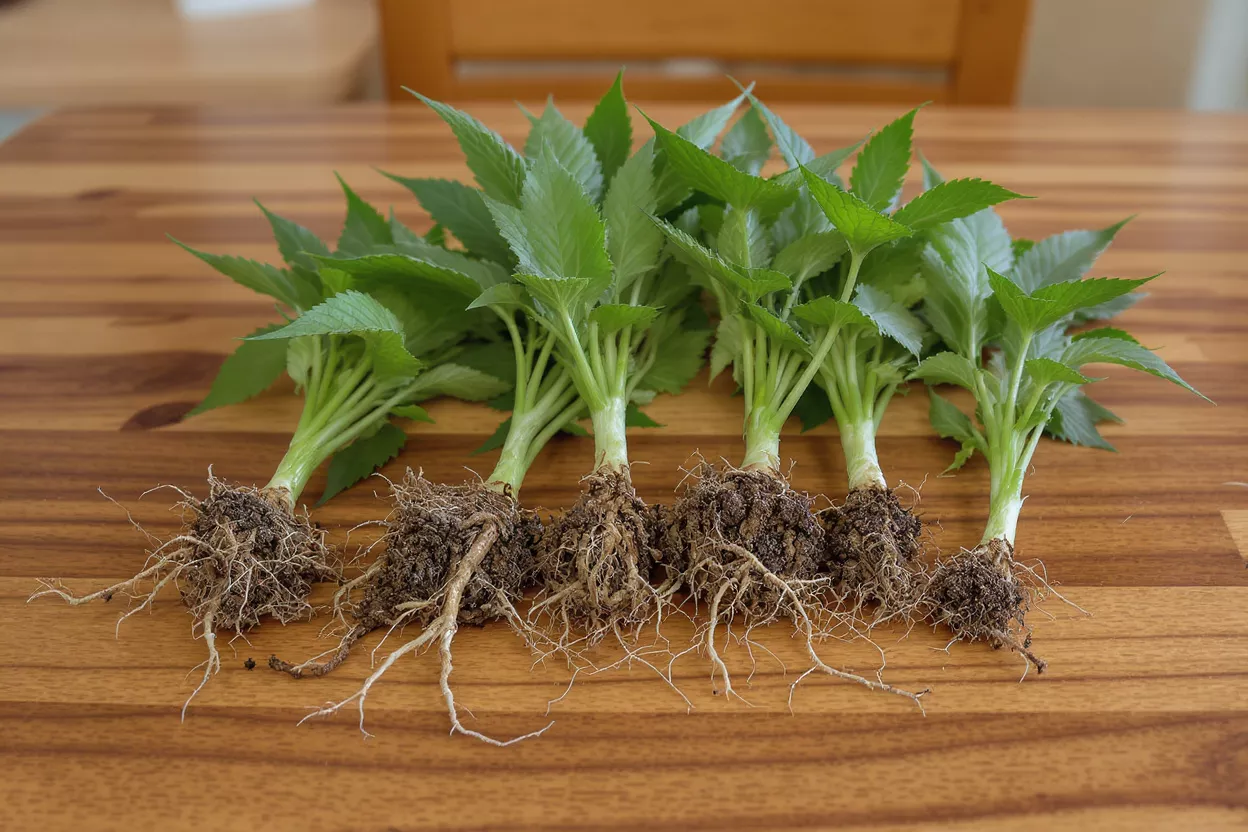
The most familiar way to classify a strain is the three-way split between indica, sativa, and hybrid. These labels originally described the plant's physical form and geographic origin: indica plants tend to be short, bushy, and broad-leafed, suited to cooler mountainous climates, while sativa plants grow tall and lanky with narrow leaves, adapted to warmer equatorial regions.
What the labels promise versus deliver: Over time, these botanical categories picked up a second meaning as a guide to effect — indica as relaxing and "body-heavy," sativa as energising and "heady." This is a useful starting point, but it oversimplifies. The effect of any given strain is driven more by its specific cannabinoid and terpene chemistry than by whether it sits on the indica or sativa branch of the family tree.
Most modern strains are hybrids — deliberate crosses that blend indica and sativa heritage. Breeders describe them by their dominant lean:
- 🌙 Indica-dominant: Leans toward relaxation, often chosen for evening use, sleep support, and physical ease.
- ☀️ Sativa-dominant: Leans toward stimulation, frequently favoured for daytime focus, creativity, and social settings.
- ⚖️ Balanced hybrid: A roughly even mix designed to offer the middle ground between the two extremes.
How to Read a Strain Lineage
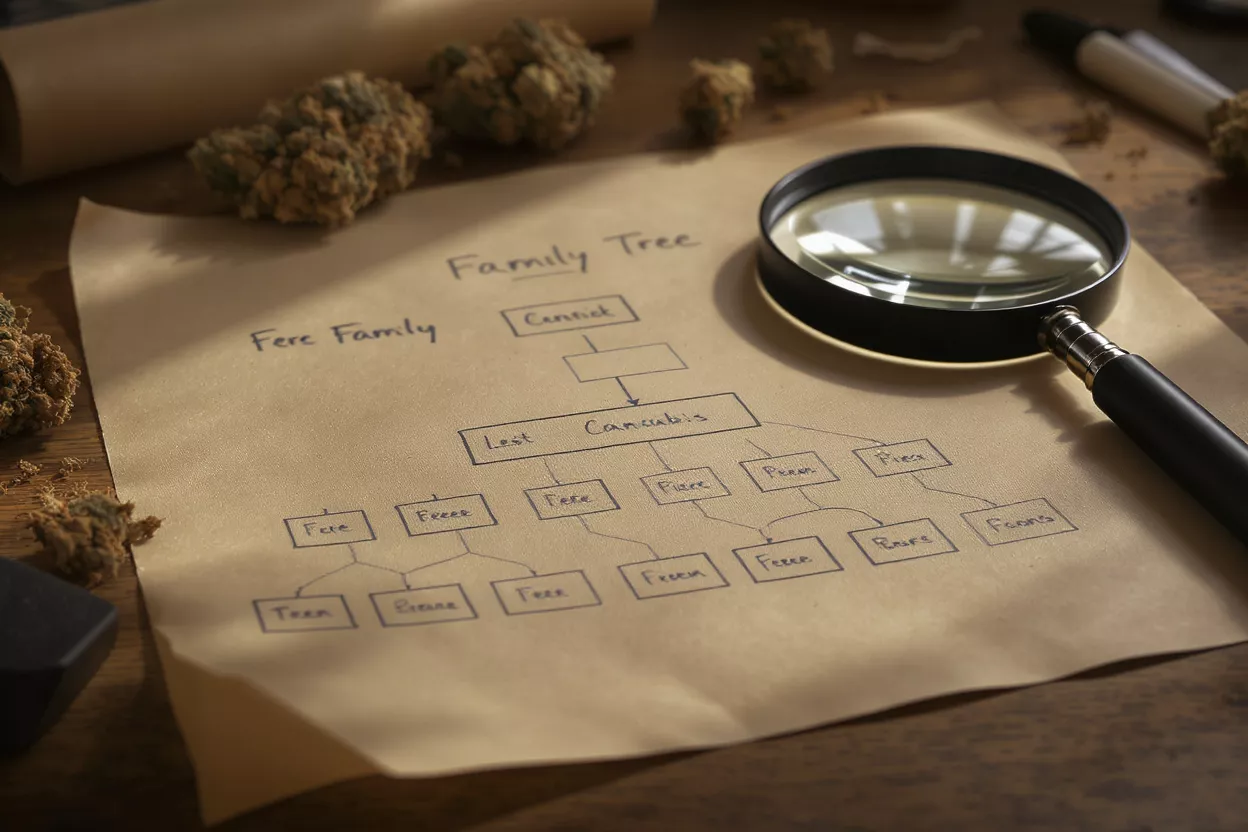
Decoding the family tree: A strain's lineage is its genetic ancestry — the parent strains that were crossed to create it. Lineage is usually written with an "×" symbol, as in "Blue Dream = Blueberry × Haze," telling you the new strain inherited traits from both a sweet, fruity indica and an uplifting, hazy sativa. Reading lineage gives you clues about what to expect before you ever open the jar.
Some strains trace back to landraces — pure, region-specific varieties like Afghani, Thai, or Durban Poison that developed in isolation over centuries. These landraces form the foundation of nearly every modern hybrid, and breeders prize them for their stable, distinctive genetics. A strain with strong landrace ancestry often carries a more predictable, classic profile.
Lineage also explains why related strains share family resemblances. The OG Kush and Sour Diesel families, for example, have spawned countless descendants that echo their parents' aromas and effects. When you find a strain you love, exploring its relatives is one of the most reliable ways to discover others you will enjoy.
What Makes Each Strain Different
Two strains can share the same indica or sativa label and still feel like completely different experiences. The differences come down to a handful of measurable factors that, together, define a strain's identity. Understanding these helps you compare options on more than just a catchy name.
The traits that define a strain: When you evaluate any cultivar, these are the variables doing the real work:
- 🧬 Cannabinoid ratio: The balance of THC, CBD, and minor cannabinoids that shapes potency and character.
- 🌿 Terpene profile: The aromatic compounds that drive smell, flavour, and a strain's subtler effects.
- 👁️ Appearance: Bud structure, colour, and trichome coverage that signal quality and type.
- 🌱 Growth traits: Flowering time, yield, and resilience that matter to cultivators.
- 💨 Effect curve: How quickly effects arrive, how intense they feel, and how long they last.
No single factor tells the whole story. A high-THC strain with a calming terpene profile may feel gentler than a moderate-THC strain stacked with stimulating terpenes. Learning to read the full picture, rather than fixating on potency numbers alone, is the mark of an experienced consumer.
Cannabinoid Profiles Across Strains
Reading the numbers on a label: The cannabinoid profile is the percentage breakdown of active compounds in a strain, with THC and CBD being the two headline figures. THC drives the intoxicating effects most associated with cannabis, while CBD is non-intoxicating and often sought for its calming, balancing qualities. The ratio between them is one of the most important things to check before choosing a strain.
Strains generally fall into a few cannabinoid categories: THC-dominant strains for those seeking strong psychoactive effects, CBD-dominant strains for wellness use without significant intoxication, and balanced strains that deliver moderate amounts of both. The rising interest in minor cannabinoids like CBG and CBN has also pushed breeders to develop specialty strains rich in these less common compounds.
Potency has climbed dramatically over the decades. Where flower from the 1990s often tested in the single digits for THC, many modern strains exceed 20% and some push past 30%. Higher numbers are not automatically better — for many people, a moderate, well-balanced strain delivers a more comfortable and functional experience than chasing the highest THC figure on the shelf.

Terpenes and Strain Aromas
Why strains smell so different: Terpenes are the aromatic oils responsible for the distinctive smell and flavour of each strain — the pine of one, the citrus of another, the diesel funk of a third. These same compounds appear throughout nature, giving lavender, lemons, and hops their signature scents. In cannabis, they do far more than smell good; they appear to shape and colour the overall effect.
The leading theory behind this is the entourage effect — the idea that cannabinoids and terpenes work together synergistically, producing results that differ from any single compound in isolation. This helps explain why two strains with nearly identical THC levels can feel so different: their terpene profiles are steering the experience in distinct directions.
Some terpenes show up so often they have become signatures worth recognising:
- 🍋 Limonene: Bright and citrusy, associated with uplifted, energetic moods.
- 🌲 Pinene: Sharp and piney, linked to alertness and mental clarity.
- 🌸 Linalool: Floral and lavender-like, associated with calm and relaxation.
- 🥭 Myrcene: Earthy and musky, common in indica strains and tied to sedating, couch-lock effects.
How to Choose the Right Strain
Start with your goal, not the name: The smartest way to choose a strain is to work backward from what you want. Looking for sleep? Lean toward indica-dominant strains rich in myrcene with a relaxing reputation. Need daytime focus? A sativa-leaning strain with limonene or pinene may suit better. Defining your goal first narrows hundreds of options down to a manageable handful.
Beginners should respect potency. If you are new or returning after a break, a strain in the lower-to-moderate THC range, or one with a meaningful CBD content, offers a far more forgiving introduction than a 30% powerhouse. Start low, go slow, and give each strain time to reveal its character before judging it.
Personal chemistry matters more than reviews. The same strain that relaxes one person may leave another anxious or alert, because individual endocannabinoid systems differ. Keeping a simple log of which strains you try and how each one affects you builds a personalised map far more reliable than any generic description — and it makes future choices much easier.
Popular Strain Families Explained
Certain strains have become foundational pillars of the modern catalogue, spawning entire families of descendants. Recognising these names and what they stand for gives you useful reference points when navigating an unfamiliar menu. Each family carries a recognisable signature passed down through its many crosses.
The classics worth knowing: OG Kush anchors a vast lineage known for piney, fuel-like aromas and heavy, relaxing effects. Sour Diesel built its reputation on a pungent, energising sativa profile beloved for daytime use. Girl Scout Cookies introduced sweet, dessert-like terpenes and potent hybrid effects that influenced a whole generation of newer crosses.
Fruit-forward families have surged in recent years, with strains like Zkittlez and Runtz prized for candy-sweet flavours and smooth, balanced effects. These newer families show how breeding continues to evolve, chasing not just potency but refined, layered terpene experiences that appeal to a more flavour-conscious audience. Exploring a strain's family is one of the most reliable shortcuts to finding new favourites.
Are Strain Names Reliable
The honest truth about naming: Strain names are not regulated, which means the same name can refer to genetically different plants depending on the grower. A "Blue Dream" from one producer may not match a "Blue Dream" from another, because no central authority verifies that a name corresponds to a specific genetic line. This is one of the biggest sources of confusion for consumers.
Despite this, names still carry real value when backed by reputable, transparent producers. Growers who maintain verified genetics, publish lab results, and stand behind their lineage offer far more consistency than a name passed around informally. Checking the cannabinoid and terpene test data on the label is the surest way to know what you are actually getting, regardless of the name on the jar.
The future is pointing toward better standardisation. As the industry matures, lab-verified chemical profiles and genetic testing are gradually replacing name-based marketing as the trusted measure of quality. For now, the wisest approach is to treat a strain name as a helpful starting point — and the lab data as the final word.
Understanding strains turns cannabis from a guessing game into an informed choice. By looking past the label to a strain's genetics, lineage, cannabinoid ratio, and terpene profile, you gain the tools to predict and select experiences that genuinely suit you. Whether you favour a classic landrace, a celebrated OG descendant, or a modern fruit-forward hybrid, the same principles apply: know what you want, read the data, track your own responses, and let curiosity guide your exploration through this remarkably diverse plant.





Comments