Curcumin
Discover how curcumin enhances cannabis effects, boosts absorption, and supports wellness.
What Is Curcumin in Cannabis?
Curcumin cannabis conversations have grown louder as wellness enthusiasts look beyond the plant itself toward botanical companions that may amplify its effects. Curcumin is the principal bioactive compound found in turmeric, the golden-yellow spice derived from the rhizome of Curcuma longa. It belongs to a class of plant chemicals called curcuminoids, and it is responsible for the spice's vivid colour as well as much of its celebrated anti-inflammatory reputation.
In the context of cannabis, curcumin occupies an interesting niche. While it is not produced by the cannabis plant, it interacts with many of the same biological pathways that cannabinoids influence. This overlap has prompted researchers and formulators to explore pairing the two, hoping to create synergistic wellness products that draw on the strengths of both botanicals.
Understanding curcumin matters because it represents a broader trend in modern cannabis culture: the deliberate combination of plant compounds to achieve outcomes that neither delivers alone. As consumers grow more sophisticated, curcumin has become a recurring name in tinctures, capsules, and edibles marketed for holistic balance.
How Curcumin Works in the Body
Inflammation pathways are where curcumin makes its most documented impact. The compound modulates several molecular signals, including NF-κB, a protein complex that governs inflammatory gene expression. By dampening this signalling, curcumin can help reduce the chronic low-grade inflammation that underlies many modern health complaints, from joint discomfort to metabolic stress.
Curcumin is also a potent antioxidant. It neutralises free radicals directly and boosts the body's own antioxidant enzymes, creating a two-pronged defence against oxidative damage. This dual action is part of why curcumin appears in so many wellness formulations, and why it pairs conceptually with cannabis compounds that also engage the body's regulatory systems.
There is intriguing evidence that curcumin touches the endocannabinoid system as well. Some research suggests curcumin may influence enzymes that break down the body's natural endocannabinoids, potentially prolonging their calming effects. This connection forms the scientific backbone for combining curcumin with cannabis in targeted products.
Curcumin and the Cannabis Entourage Effect
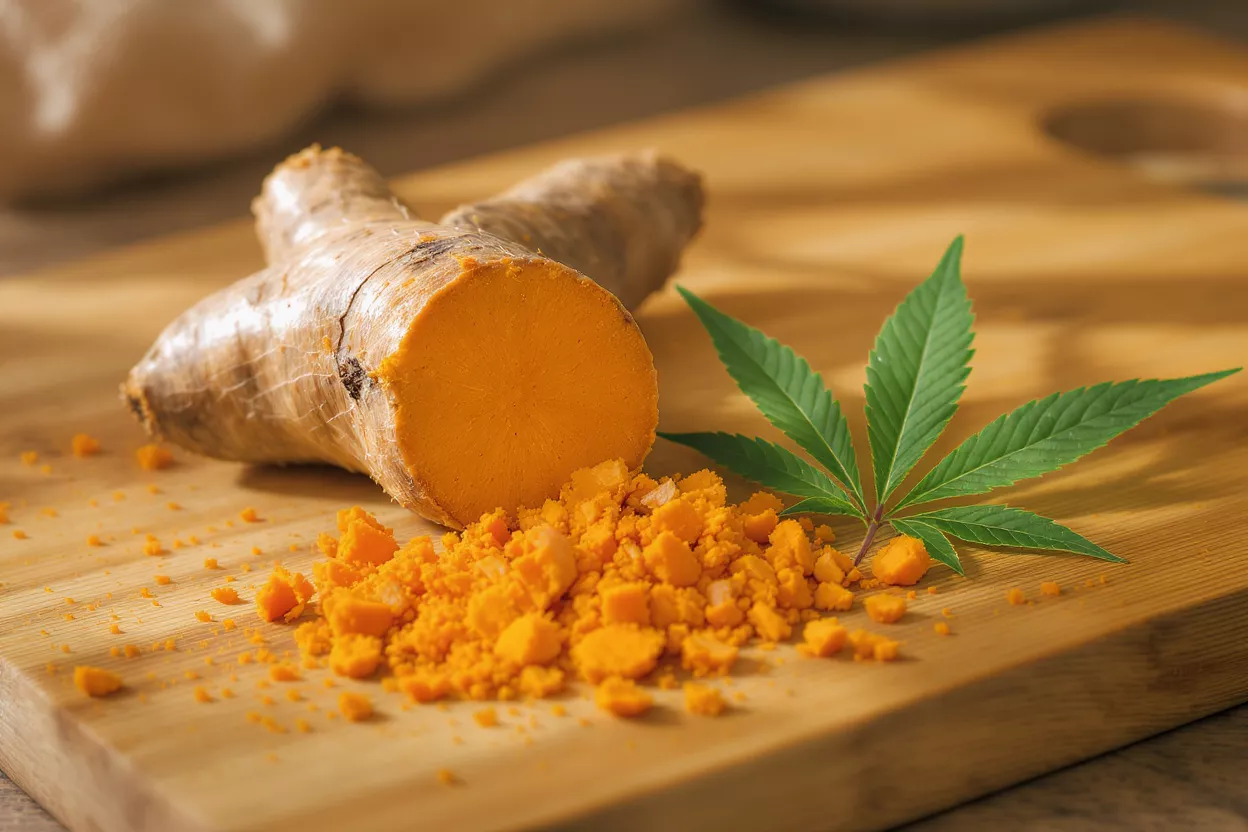
The entourage effect describes how the various compounds in cannabis work together to produce effects greater than the sum of their parts. While the term traditionally refers to cannabinoids and terpenes, formulators increasingly stretch the concept to include complementary botanicals like curcumin.
Why curcumin fits the synergy model comes down to shared targets. Both curcumin and certain cannabinoids engage inflammatory and oxidative pathways, meaning a combined formula may address discomfort from multiple angles simultaneously. Rather than relying on a single mechanism, the pairing offers overlapping support that can feel more complete to the end user.
This botanical teamwork also reflects a philosophical shift in cannabis product design. Instead of isolating a single hero molecule, modern formulators build full-spectrum experiences where each ingredient earns its place. Curcumin's well-studied profile makes it an attractive addition to that toolkit, lending credibility and a complementary mechanism to cannabis-based wellness blends.
Curcumin Cannabis Benefits Backed by Research
The appeal of pairing curcumin with cannabis rests on a substantial body of curcumin research combined with the growing science around cannabinoids. While clinical trials specifically on the combination remain limited, the individual evidence for each compound is compelling and points toward several plausible shared benefits.
Here are the most commonly cited reasons people explore curcumin alongside cannabis:
- 🌿 Inflammation support: Both compounds engage anti-inflammatory pathways, making the pairing popular among those managing joint and muscle discomfort.
- 🧠 Neuroprotection: Curcumin and certain cannabinoids show promise in protecting brain cells from oxidative stress in early research.
- 💛 Antioxidant defence: The combination delivers complementary free-radical scavenging across different cellular environments.
- 😌 Mood balance: Curcumin has shown mood-supportive effects in studies, which may complement the calming reputation of cannabis.
- 🩹 Recovery and wellness: Athletes and active individuals often combine the two as part of a post-exertion routine.
It is worth emphasising that these benefits stem largely from preclinical and early human studies. Curcumin's reputation is well earned, but responsible consumers should view combined products as promising wellness tools rather than guaranteed therapies.
Curcumin and Cannabinoid Absorption
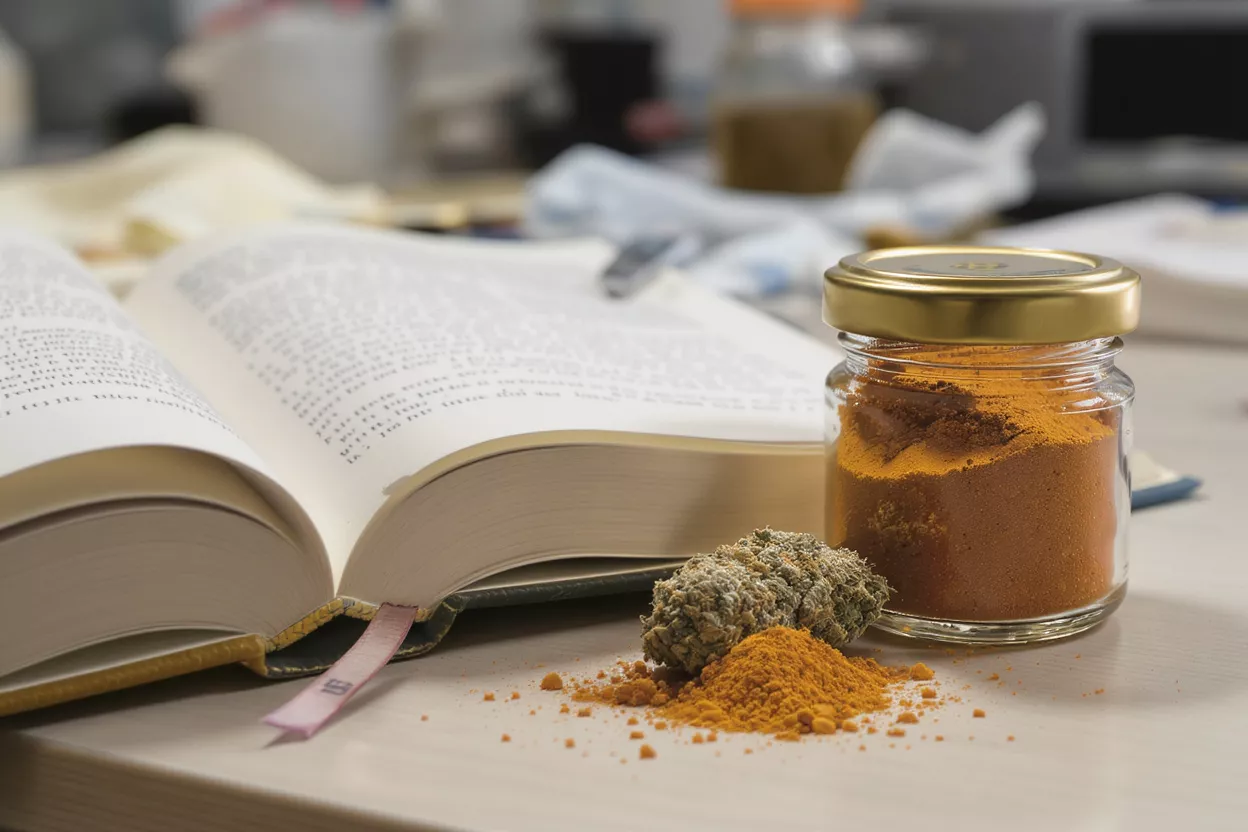
The bioavailability challenge is curcumin's biggest hurdle. On its own, curcumin is poorly absorbed by the digestive tract, rapidly metabolised, and quickly eliminated. This means much of an ordinary dose never reaches the bloodstream in an active form, which historically limited its therapeutic usefulness.
Interestingly, the solutions to curcumin's absorption problem overlap with cannabis formulation science. Both curcumin and cannabinoids are fat-soluble, meaning they absorb best when consumed with dietary fats or formulated into lipid-based delivery systems. This shared chemistry makes them natural partners in oil-based tinctures and softgel capsules.
Piperine, a compound found in black pepper, dramatically increases curcumin absorption by slowing its breakdown in the liver. Some advanced cannabis-adjacent products borrow this trick, combining curcumin with piperine and a carrier oil to maximise how much of each active compound the body can actually use.
Types of Curcumin Cannabis Products
As interest in botanical synergy grows, curcumin appears across an expanding range of product formats. Each delivery method carries its own advantages depending on a user's goals, lifestyle, and preferences around onset and duration.
Common formats you'll encounter include:
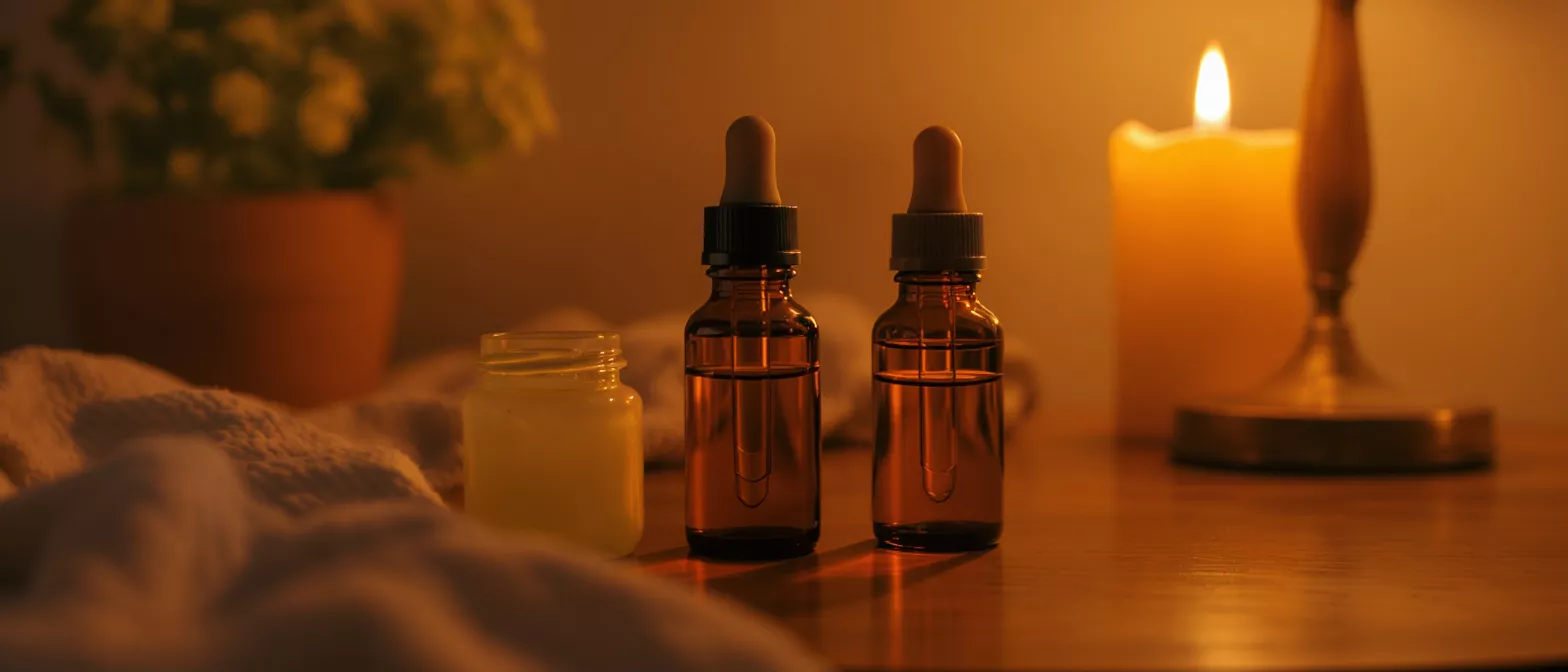
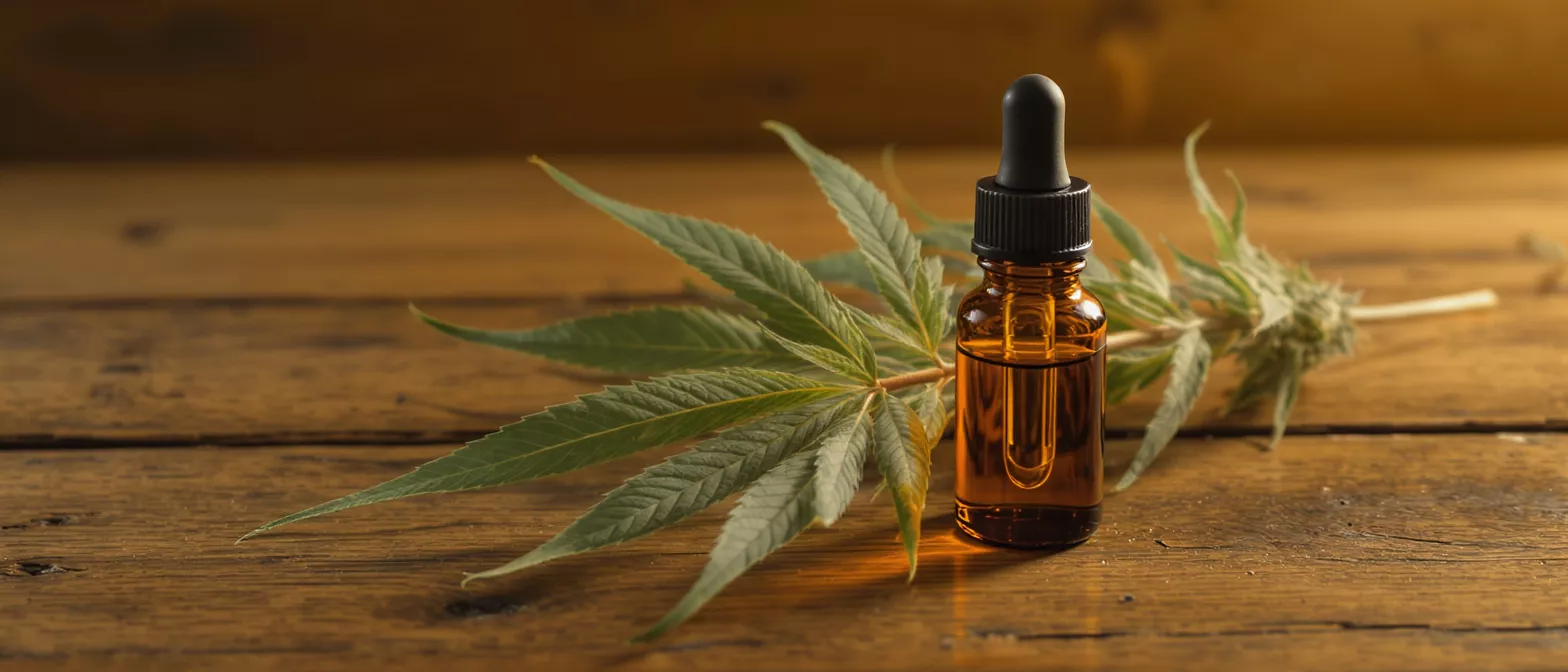
- 💧 Tinctures and oils: Curcumin blended with cannabinoid extracts in a fat-based carrier for sublingual or oral use.
- 💊 Softgel capsules: Pre-measured doses combining curcumin, piperine, and cannabis compounds for convenience and consistency.
- 🍫 Edibles: Gummies and chocolates that fold curcumin into a familiar, palatable format.
- 🧴 Topicals: Balms and creams pairing curcumin's anti-inflammatory profile with cannabinoids for localised relief.
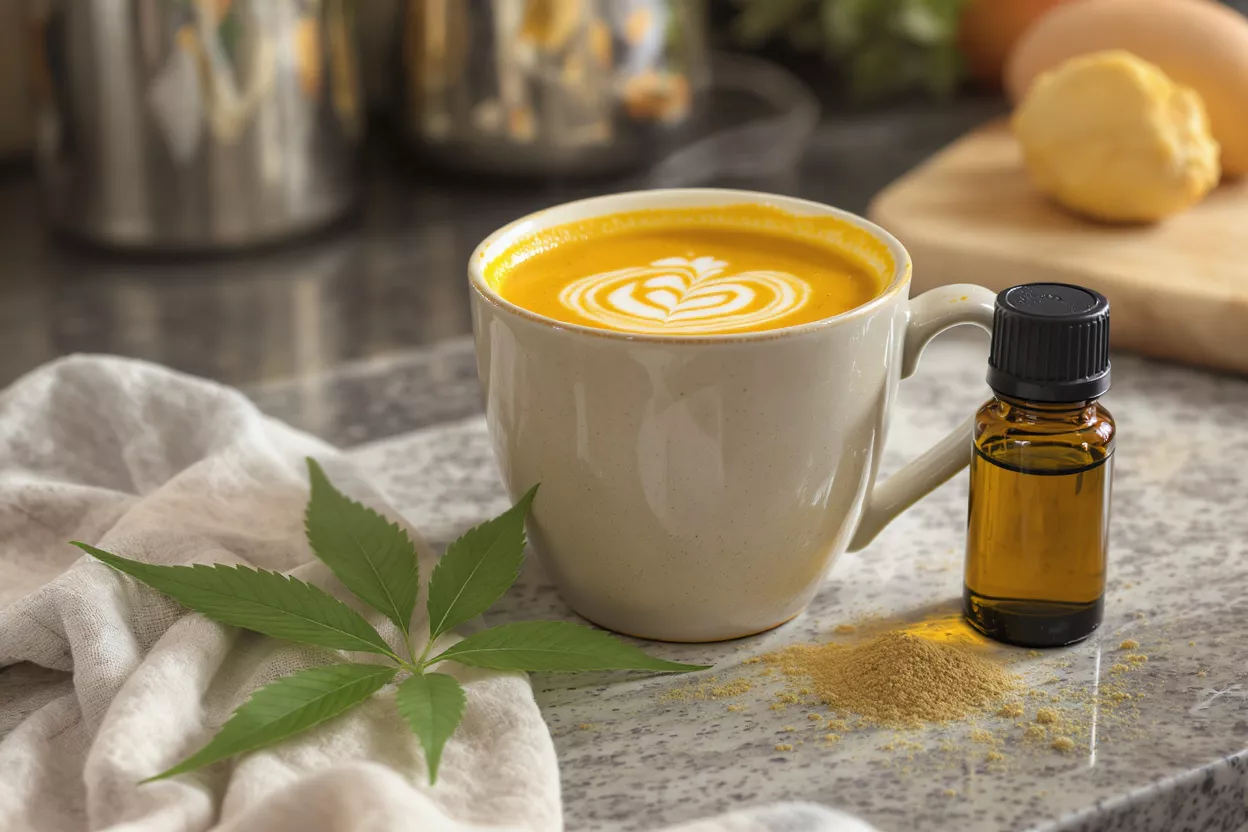
- 🥤 Beverages: Golden-milk style drinks and wellness shots that present curcumin in a traditional, approachable way.
The right format depends on what you're after. Topicals suit targeted joint or muscle support, while capsules and tinctures offer systemic, whole-body effects. Beverages and edibles bring a sensory, ritual element that many wellness users find genuinely enjoyable.
Curcumin Dosing Guide for Cannabis Users
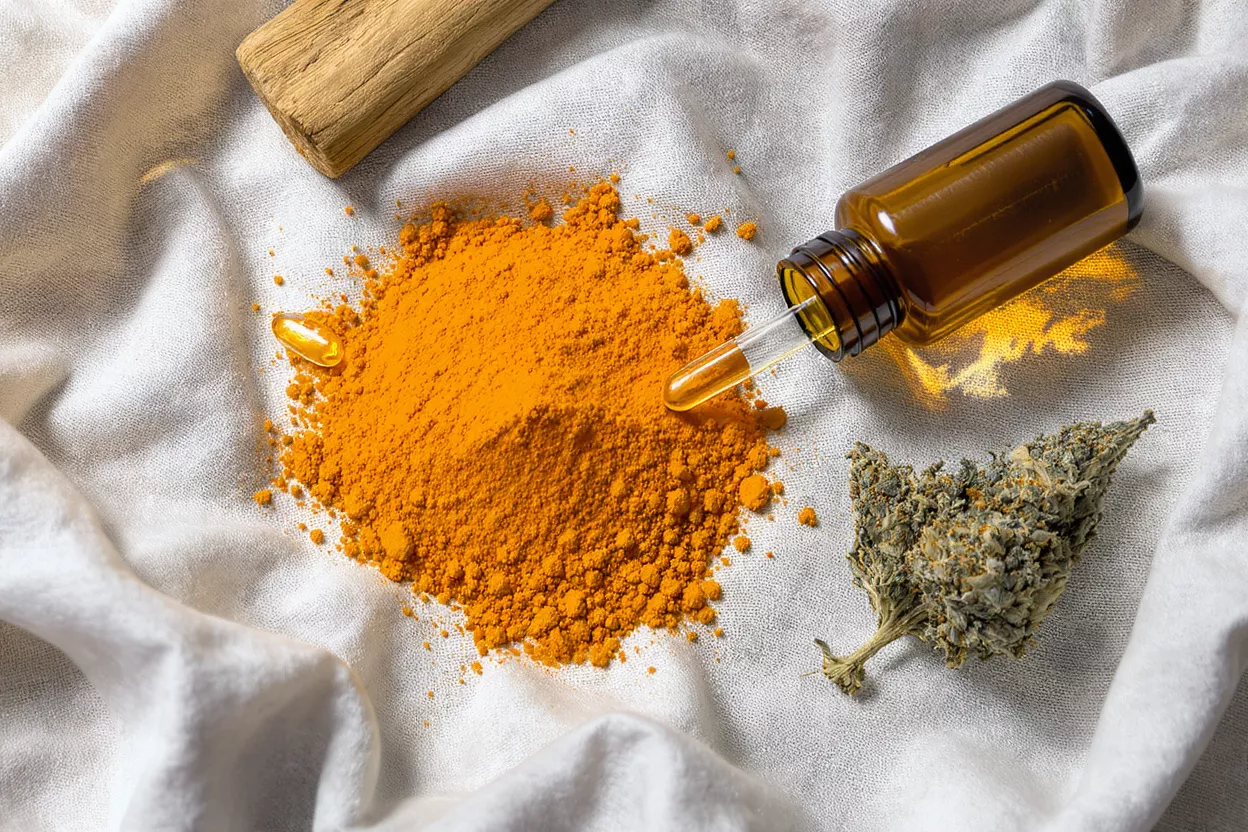
Standard curcumin doses in clinical studies typically range from 500 mg to 2,000 mg per day, often split across multiple servings. However, the bioavailability of the specific formulation matters enormously. A highly absorbable curcumin preparation may deliver comparable effects at a fraction of the raw milligram count of a plain extract.
When combining curcumin with cannabis, the cannabinoid dose follows its own separate logic. Start low and go slow remains the golden rule for any cannabis product, and adding curcumin does not change that principle. Begin with a modest cannabinoid serving, observe how you respond, and adjust gradually over several sessions rather than all at once.
Timing also plays a role. Because both compounds absorb best with fat, taking curcumin-cannabis products alongside a meal containing healthy fats can improve consistency. Keeping a simple journal of dose, timing, and effects helps you dial in a routine that genuinely works for your body.
Is Combining Curcumin and Cannabis Safe?
For most healthy adults, both curcumin and cannabis carry favourable safety profiles when used responsibly. Curcumin has been consumed as a dietary spice for thousands of years, and concentrated supplements are generally well tolerated. Side effects, when they occur, tend to be mild and digestive in nature, such as stomach upset at very high doses.
Drug interactions deserve attention, however. Curcumin can affect how the liver metabolises certain medications, including blood thinners and some pharmaceuticals processed by the same enzyme systems that handle cannabinoids. If you take prescription medication, consulting a healthcare provider before combining curcumin and cannabis is the responsible path.
Pregnancy, breastfeeding, and pre-existing conditions like gallbladder issues are additional situations that call for professional guidance. As with any wellness regimen, individual circumstances matter, and what works beautifully for one person may not suit another. Informed, cautious experimentation is always the wisest approach.
Curcumin vs Turmeric: What's the Difference?
A common point of confusion is the relationship between curcumin and turmeric. Turmeric is the whole spice, a ground root containing hundreds of compounds, of which curcuminoids make up only around 2 to 5 percent. Curcumin is the isolated star player extracted and concentrated from that broader matrix.
Why the distinction matters for cannabis users comes down to potency and consistency. Cooking with turmeric delivers only a small, variable amount of curcumin, whereas a standardised curcumin extract provides a known, concentrated dose. For wellness applications paired with cannabis, the concentrated extract offers the predictability that casual spice use cannot.
That said, whole turmeric has its own merits. The full spectrum of compounds in the root may offer additional, subtler benefits, echoing the entourage philosophy seen in cannabis itself. Some users appreciate culinary turmeric as part of a daily routine while reserving concentrated curcumin extracts for targeted supplementation.
Choosing Quality Curcumin Supplements
Not all curcumin products are created equal, and the difference between a premium formulation and a cheap one can be dramatic. Because curcumin absorption is naturally poor, the engineering of a supplement matters as much as the raw curcumin content listed on the label.
Look for products that address bioavailability through proven methods, whether that's added piperine, phospholipid complexes, or nanoparticle technology. Third-party testing is equally important, confirming both the curcumin concentration and the absence of contaminants like heavy metals, which can accumulate in poorly sourced turmeric. The same scrutiny you apply to cannabis products, checking for lab results and transparent sourcing, should guide your curcumin choices.
Curcumin has earned its place as one of the most researched botanical compounds in the world, and its thoughtful pairing with cannabis reflects a maturing wellness landscape that values evidence and synergy over hype. By understanding how curcumin works, how it complements cannabinoids, and how to choose quality formulations, you can make informed decisions that genuinely serve your wellness goals. Whether you reach for a tincture, capsule, or golden-milk beverage, the marriage of this golden compound with cannabis represents botanical science working in elegant harmony.