Broad-spectrum
Learn what broad-spectrum cannabis is, how it differs from full-spectrum, and who it's for.
What Is Broad-Spectrum Cannabis?
Broad-spectrum cannabis occupies a deliberate middle ground in the world of plant extracts. It retains the rich diversity of compounds found in the original flower — multiple cannabinoids, aromatic terpenes, and trace plant molecules — while having one notable compound removed: THC. The result is an extract that preserves botanical complexity without the intoxicating element many consumers wish to avoid.
The term describes a processing philosophy rather than a single product. When manufacturers refer to broad-spectrum, they mean an extract that has undergone refinement to strip THC down to non-detectable levels while leaving the surrounding cannabinoid and terpene matrix largely intact. This distinguishes it sharply from isolate, which contains a single purified compound and nothing else.
Understanding this category matters because the cannabis market has expanded into a confusing array of labels. Knowing precisely what broad-spectrum delivers — and what it deliberately leaves out — lets you match a product to your goals rather than guessing from marketing language alone.
How Broad-Spectrum Cannabis Differs From Full-Spectrum
The defining difference is THC content. Full-spectrum extracts retain the complete profile of the source plant, including the legally permitted trace of THC. Broad-spectrum takes that same full profile and then removes the THC through an additional refinement step, aiming for non-detectable readings on a lab report.
That single distinction carries practical weight. People who undergo workplace drug testing, who are sensitive to even mild psychoactivity, or who simply prefer a clear head often gravitate toward broad-spectrum for exactly this reason. They want the breadth of plant compounds without the molecule responsible for the cannabis "high."
Here is how the three main extract categories compare at a glance:
- 🌿 Full-spectrum: All cannabinoids and terpenes present, including trace THC — fullest entourage profile.
- 🍃 Broad-spectrum: Wide cannabinoid and terpene profile with THC removed to non-detectable levels.
- 💎 Isolate: A single purified cannabinoid, typically CBD, with no other plant compounds.
The Entourage Effect in Broad-Spectrum Extracts
The entourage effect is the scientific reasoning behind preferring broad-spectrum over isolate. This theory proposes that cannabis compounds work better together than in isolation, with cannabinoids and terpenes modulating each other's effects in subtle, complementary ways.
Broad-spectrum aims to capture most of that synergy. Because it retains minor cannabinoids like CBG, CBC, and CBN alongside a terpene fraction, the interplay between compounds remains largely preserved even after THC has been removed. For many users this represents the best available compromise — meaningful botanical complexity without intoxication.
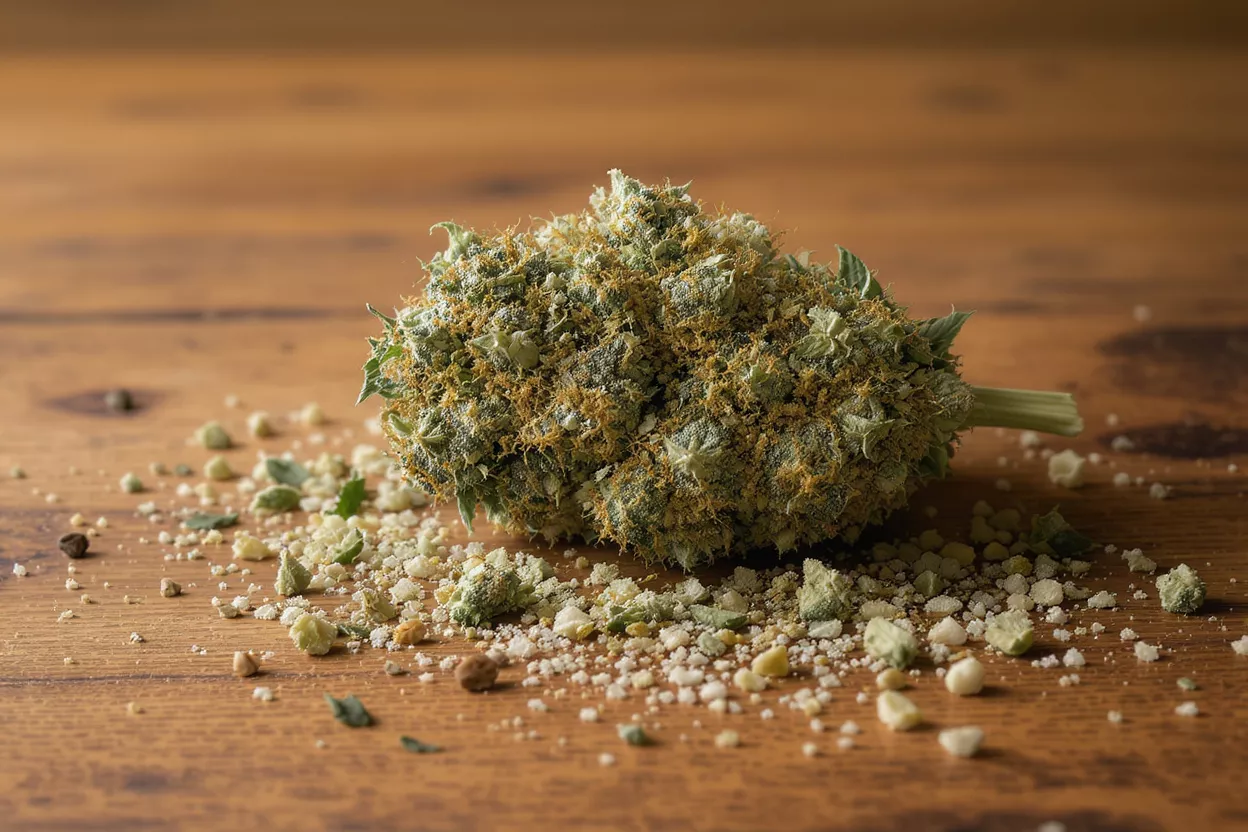
It is worth noting that the entourage effect remains an area of active research rather than settled fact. Early studies are promising, but the precise mechanisms and the degree to which removing THC alters synergy are still being mapped. A thoughtful consumer treats it as a well-supported working theory, not a guarantee.
How Is Broad-Spectrum Cannabis Made?
Production begins with a full-spectrum extract. Manufacturers typically start by extracting the whole plant using CO2 or ethanol methods, capturing the complete range of cannabinoids and terpenes. This crude extract becomes the raw material for further refinement.
The THC removal step is what defines the category. Processors most often use chromatography — a separation technique that isolates and removes specific molecules — to pull THC out of the mixture while leaving other compounds behind. Some producers instead build broad-spectrum by blending isolated cannabinoids and reintroduced terpenes, a method that offers precise control but requires careful formulation to feel natural.
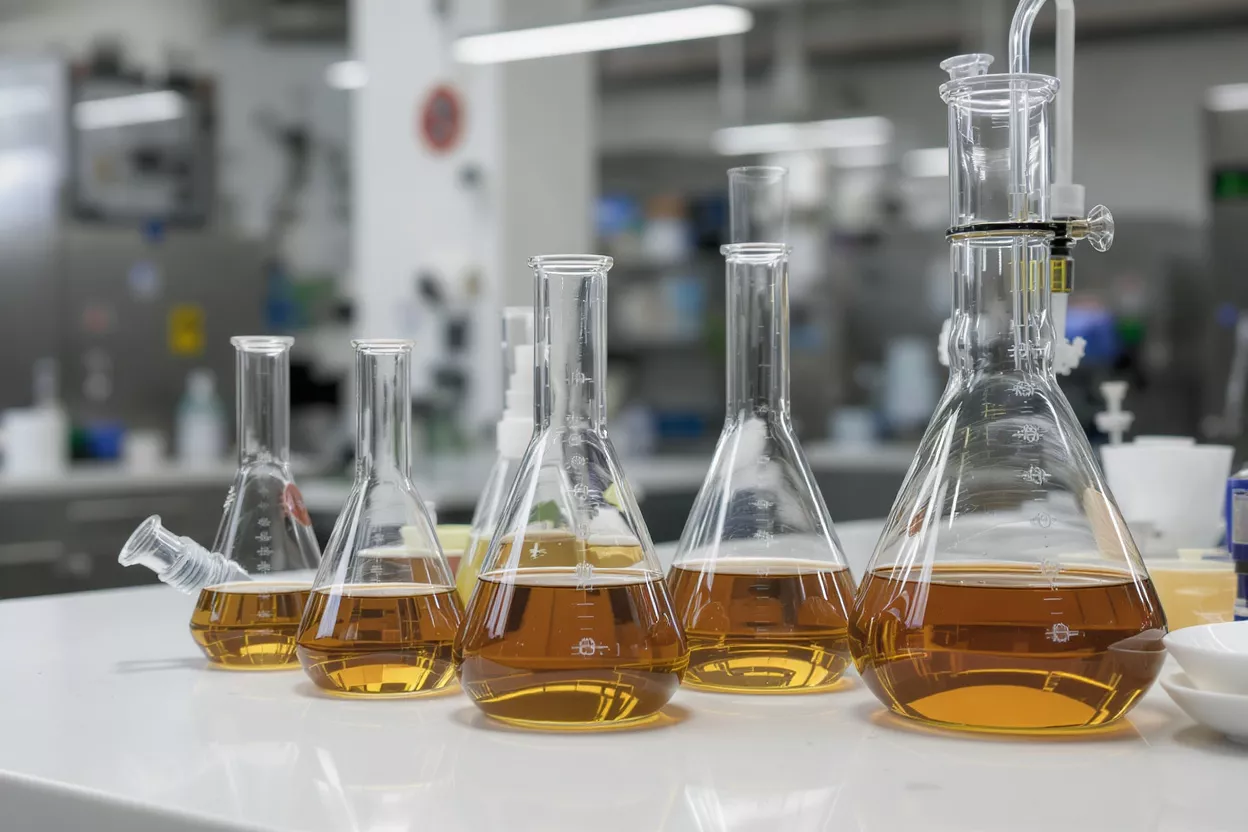
Each approach has trade-offs. Chromatographic removal preserves the plant's original ratios more faithfully, while a blended reconstruction allows exact, repeatable profiles batch after batch. Neither is inherently superior; what matters is transparency and verified lab results confirming the THC has genuinely been reduced to non-detectable levels.
Cannabinoid and Terpene Profiles
CBD usually leads the cannabinoid profile in broad-spectrum products, but the supporting cast is what gives the category its character. Minor cannabinoids each contribute distinct properties that shape the overall experience.
Terpenes add another dimension entirely. These aromatic compounds — also found throughout the plant kingdom — give cannabis its scent and may influence how the extract feels. A broad-spectrum product that preserves a robust terpene fraction tends to deliver a more rounded, plant-like character than a stripped-down formulation.
Common compounds you may see listed on a broad-spectrum label include:
- 🌱 CBG: Often called the "mother cannabinoid," a precursor from which others form.
- 🌙 CBN: Associated with rest and frequently featured in evening-oriented blends.
- 🔬 CBC: A lesser-known minor cannabinoid studied for its supportive role in the entourage.
- 🍋 Limonene: A citrus-scented terpene with an uplifting reputation.
- 🌲 Pinene: A pine-forward terpene common in many cannabis chemotypes.
Broad-Spectrum Cannabis Benefits
The headline benefit is THC-free breadth. Broad-spectrum cannabis lets people access a wide range of plant compounds without the psychoactivity of THC. This makes it appealing to those who want to stay fully clear-headed throughout the day while still benefiting from the plant's broader chemistry.
Beyond the absence of intoxication, the retained complexity is itself a draw. Compared with a single-molecule isolate, broad-spectrum offers the potential synergy of multiple compounds working in concert. Many consumers report that this fuller profile simply feels more complete and more satisfying than purified CBD alone.
Practical peace of mind rounds out the appeal. For employees subject to testing or individuals navigating regulatory environments where THC is a concern, a verified non-detectable THC level removes a significant source of anxiety. That assurance, backed by lab documentation, is part of why the category has grown so steadily.
Types of Broad-Spectrum Cannabis Products
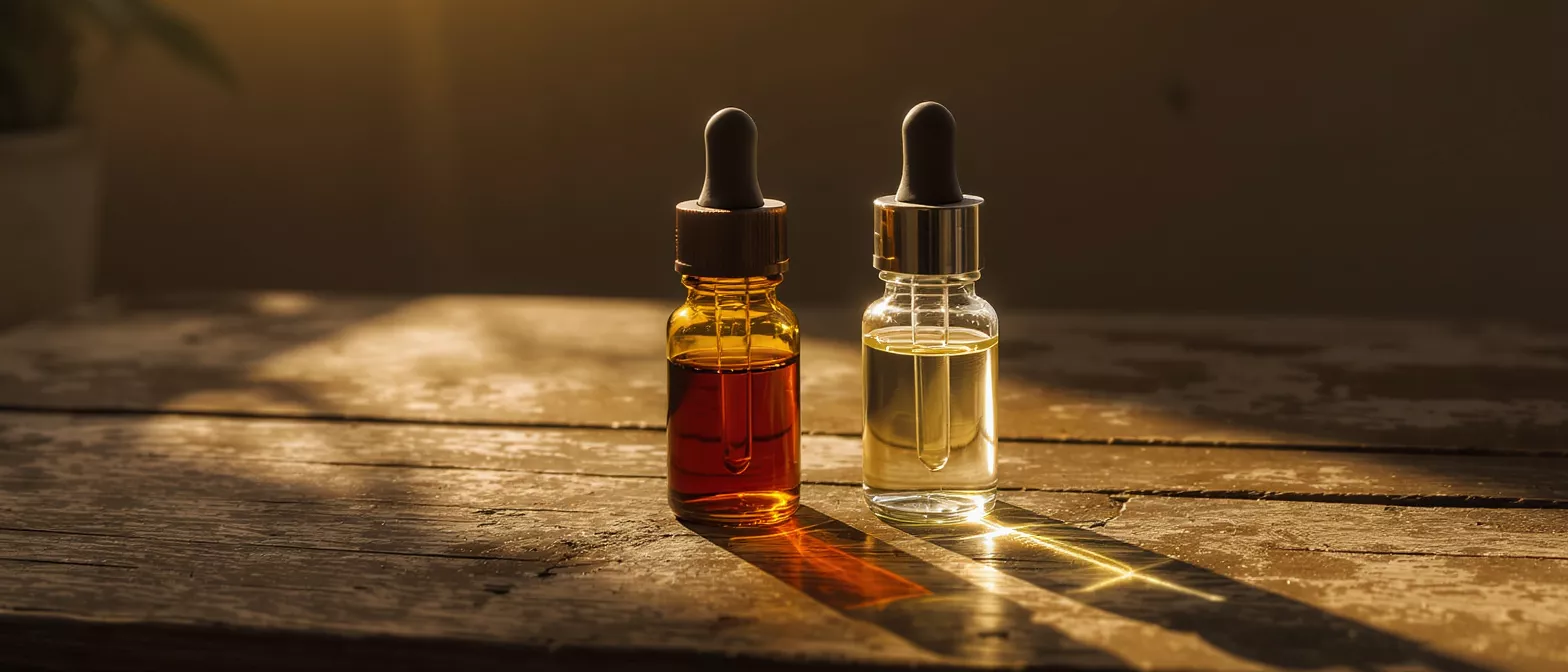
Oils and tinctures are the most familiar format. These liquid extracts are taken under the tongue for relatively fast onset and allow precise, flexible dosing simply by adjusting the number of drops. They remain the benchmark format against which others are measured.
Edibles and capsules offer convenience and consistency. A gummy or softgel delivers a fixed amount in a pre-measured form, removing the guesswork of liquid dosing. The trade-off is a slower onset, since the compounds must pass through digestion before taking effect.

Topicals and vape formulations round out the spectrum of choices. Topicals apply the extract directly to skin for localized use, while vapes provide the quickest onset of any format. Each delivery method suits a different routine, and broad-spectrum's THC-free profile carries across all of them.
Who Should Choose Broad-Spectrum Cannabis
Drug-tested professionals are the clearest fit. Anyone whose job involves periodic screening but who still wants the benefits of cannabis chemistry will find broad-spectrum's non-detectable THC profile reassuring. It addresses the single biggest practical barrier to use in many workplaces.
THC-sensitive individuals form another natural audience. Some people experience anxiety or discomfort even at low THC levels, and for them removing the compound entirely transforms the experience. Broad-spectrum lets these users explore the plant without the effect that previously held them back.
Newcomers also benefit from starting here. Beginning with a THC-free yet full-bodied extract lets a first-time user become familiar with how cannabis compounds affect them, free of the intoxication that can make early experiences feel unpredictable. It is a measured, low-risk entry point into the category.
How to Read a Broad-Spectrum Lab Report
The certificate of analysis is your single most useful document. A reputable broad-spectrum product comes with a third-party lab report, often called a COA, confirming exactly what the extract contains. The first thing to verify is that THC reads as non-detectable or below the testing threshold.
Beyond THC, the report reveals the cannabinoid breakdown — confirming the CBD content and listing the minor cannabinoids that justify the broad-spectrum label. A genuinely broad profile should show more than a single compound; if only CBD appears, the product is closer to an isolate regardless of its marketing.
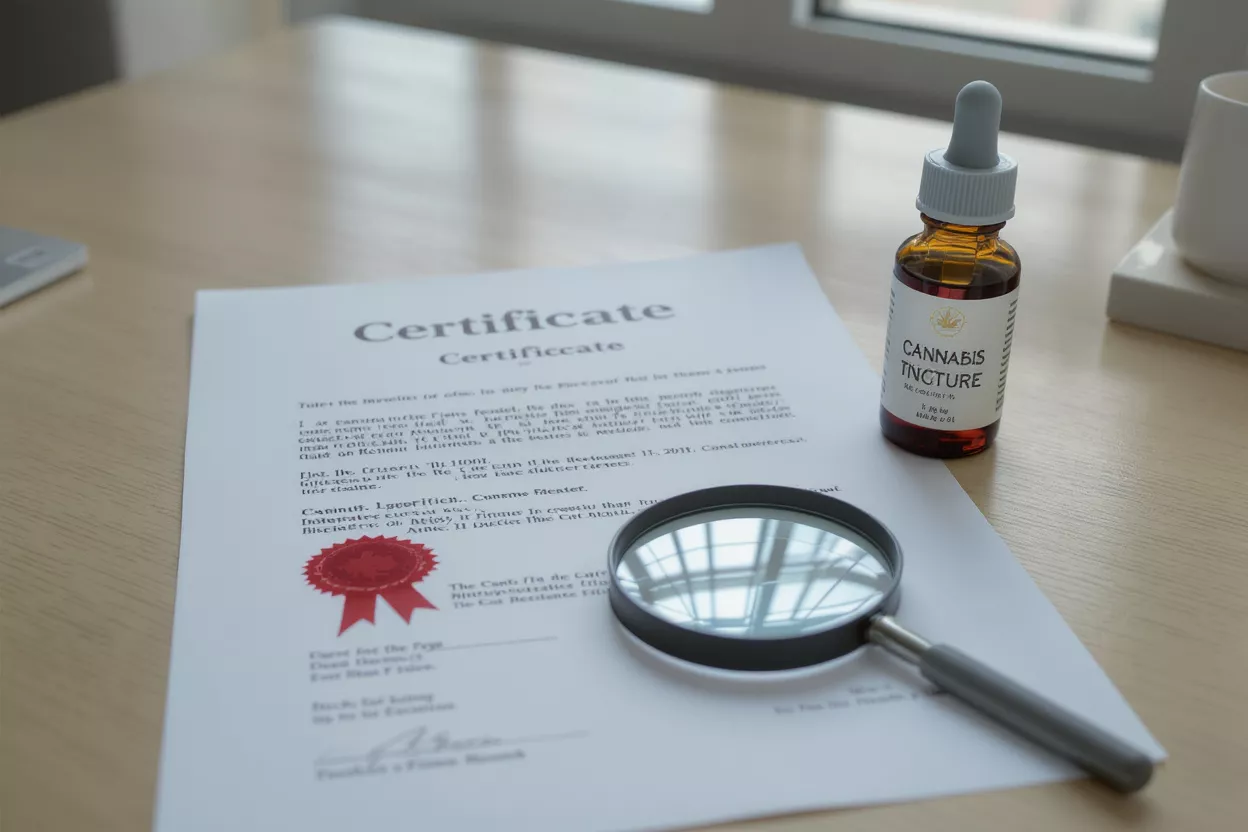
Finally, check that the report is recent and matches the specific batch you are buying. Lab results are most meaningful when they correspond to the exact lot in your hand. Reputable producers make these documents easy to find, often via a QR code or batch number printed on the packaging.
Choosing Quality Broad-Spectrum Products
Transparency separates the best products from the rest. Quality broad-spectrum cannabis starts with a manufacturer willing to publish complete, current lab results and explain its production method. Vague labeling or missing documentation is a signal to look elsewhere.
Source and extraction quality matter just as much as the final cannabinoid count. Clean starting material, a reputable extraction method, and verified solvent-free results all contribute to a product you can trust. Price alone tells you little; the underlying processing and testing tell you far more.
Broad-spectrum cannabis has earned its place as a thoughtful middle path — preserving the plant's rich chemistry while removing the one compound many people prefer to avoid. By understanding how it is made, reading lab reports carefully, and choosing transparent producers, you can confidently select a product that delivers botanical complexity, practical peace of mind, and a clear-headed experience built on verified results.