

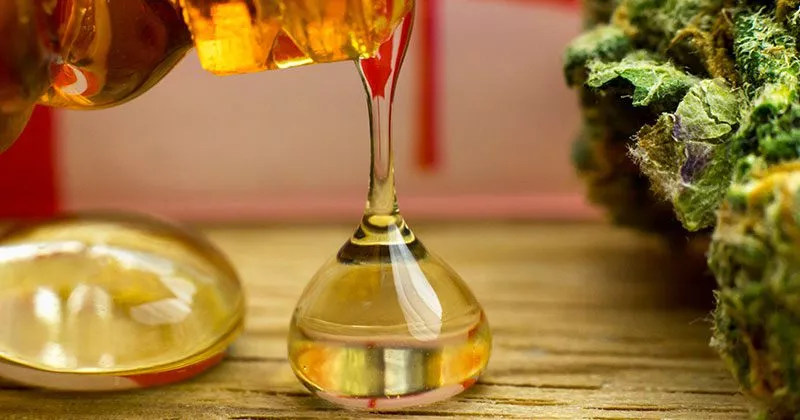
Dewaxing
Learn how dewaxing purifies cannabis concentrates by filtering out fats, waxes, and lipids.
What Is Dewaxing in Cannabis Extraction
Dewaxing is the targeted filtration process that strips fats, waxes, and lipids out of a cannabis extract, leaving behind a cleaner, more stable concentrate. When raw plant material is run through a solvent, the solvent does not discriminate—it pulls cannabinoids and terpenes alongside the plant's natural waxy coatings. Dewaxing is the corrective step that separates the compounds you want from the ones you do not.
The reason this matters comes down to consistency and clarity. A concentrate loaded with residual lipids tends to look cloudy, dab unevenly, and develop a buttery or greasy texture over time. By removing those plant waxes, producers create a product that is more visually appealing, more shelf-stable, and far more enjoyable to consume. This is why dewaxing has become a near-standard practice in modern extraction facilities.
It helps to think of dewaxing as a refinement stage rather than a single action. Some labs build it directly into the extraction run, chilling the solvent so waxes never fully dissolve. Others perform it as a post-extraction cleanup. Either way, the goal is identical: a purified extract where the cannabinoid and terpene profile takes center stage without interference from inert plant fats.
How Dewaxing Works Step by Step
The science of cold and solubility: Dewaxing relies on a simple physical principle—fats and waxes become insoluble at low temperatures while cannabinoids stay dissolved in solution. When an extract suspended in solvent is chilled to sub-zero temperatures, the lipids precipitate out and clump together, making them easy to capture with a physical filter. Cannabinoids and terpenes, meanwhile, remain in the liquid phase and pass through.
The typical workflow follows a predictable sequence. While the exact parameters vary between facilities, the core stages are consistent across most hydrocarbon extraction operations.
- ❄️ Chilling: The solvent-extract mixture is cooled to between -20°C and -80°C, forcing waxes to fall out of solution.
- Holding: The cold solution rests so lipids fully coagulate into filterable solids.
- Filtration: The mixture passes through fine micron filters or filter paper that trap the precipitated waxes.
- Recovery: The purified solution moves on to solvent removal, leaving a cleaner concentrate behind.
Timing is everything in this process. If the solution warms during filtration, dissolved waxes can re-enter the extract and undo the work. Skilled technicians keep their equipment, filters, and collection vessels cold throughout, often working inside chilled environments or jacketed systems to maintain a stable low temperature from start to finish.
Dewaxing vs Winterization: What's the Difference
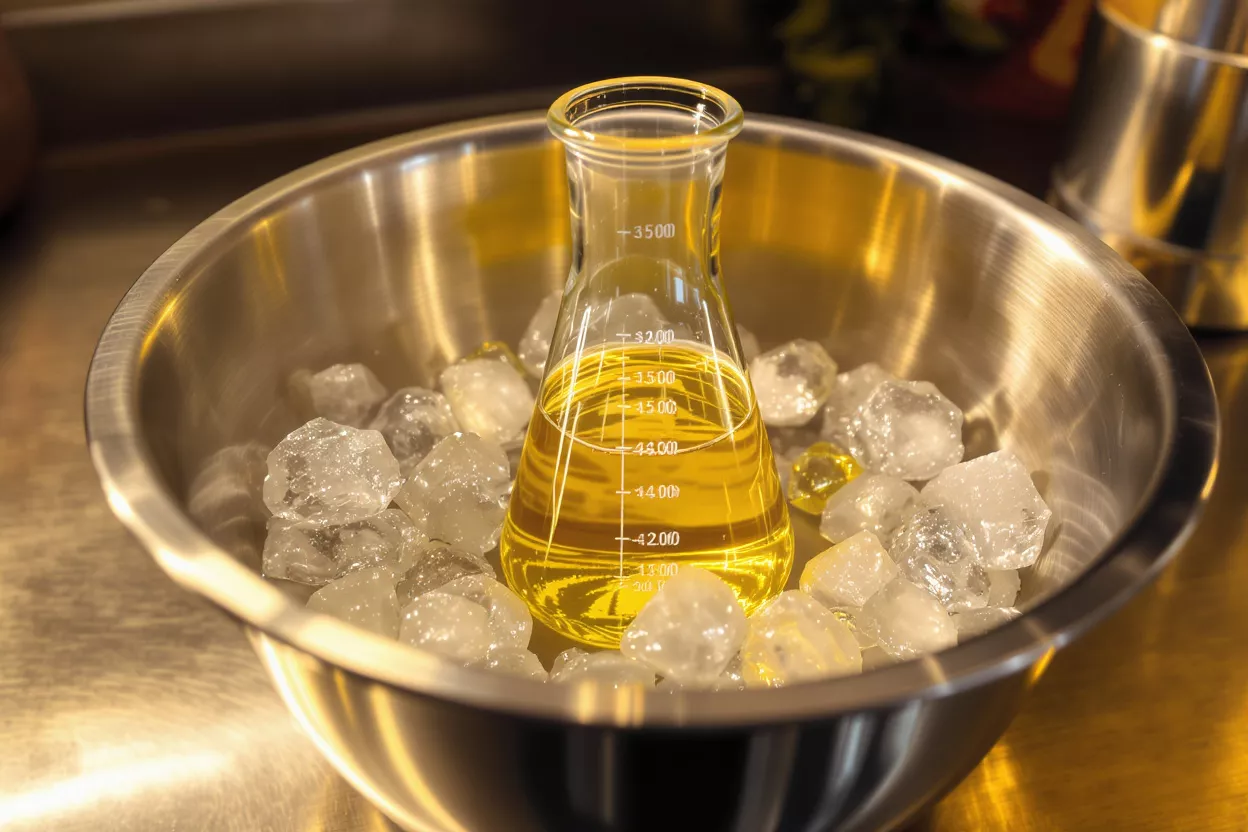
Two terms, frequently confused: Dewaxing and winterization are often used interchangeably, but there is a meaningful technical distinction. Dewaxing generally happens during or immediately after extraction, often using the same hydrocarbon solvent already present in the run. Winterization is a separate post-processing step that involves dissolving an already-extracted concentrate into ethanol before chilling it to crash out the fats.
The practical difference lies in the solvent and the timing. Dewaxing leverages the existing extraction solvent and cold temperatures to keep waxes from ever fully dissolving, making it an integrated, efficient approach. Winterization, by contrast, is a dedicated cleanup that requires re-dissolving the product, which adds steps but can achieve a very thorough lipid removal.
Neither method is universally superior—they serve different production goals. Many producers chasing high-clarity distillates rely on winterization for its deep filtration, while live-resin and other terpene-forward concentrates often favor dewaxing because it preserves volatile aromatic compounds that aggressive processing might strip away.
- 🧊 Dewaxing: Done during or right after extraction using the original solvent; faster and gentler on terpenes.
- Winterization: A separate step that re-dissolves concentrate in ethanol; more thorough but more involved.
- Shared goal: Both remove fats, waxes, and lipids to improve clarity and stability.
- Best use: Dewaxing suits aromatic concentrates; winterization suits high-purity distillates.
Why Fats and Waxes End Up in Extracts
The cannabis plant naturally produces a protective layer of waxes and lipids on its surfaces. These compounds shield the plant from water loss, UV damage, and pests—they are part of the plant's survival toolkit. Unfortunately, they share solubility characteristics with the cannabinoids and terpenes that extractors are trying to capture, which means they get pulled into solution during a standard solvent run.
Solvent choice plays a role: Non-polar solvents like butane and propane are excellent at dissolving cannabinoids, but they also readily dissolve plant waxes when run at warmer temperatures. The warmer the solvent during extraction, the more lipid material it tends to carry. This is precisely why cold extraction and dewaxing go hand in hand—keeping temperatures low limits how much wax dissolves in the first place.
The amount of wax in a finished extract depends on the starting material too. Trim, sugar leaf, and lower-quality biomass tend to carry more lipids than premium flower. Trichomes hold the desirable resin, but the surrounding plant tissue contributes the bulk of the unwanted fats. Understanding the input helps producers anticipate how much dewaxing a particular batch will require.
Types of Dewaxing Methods
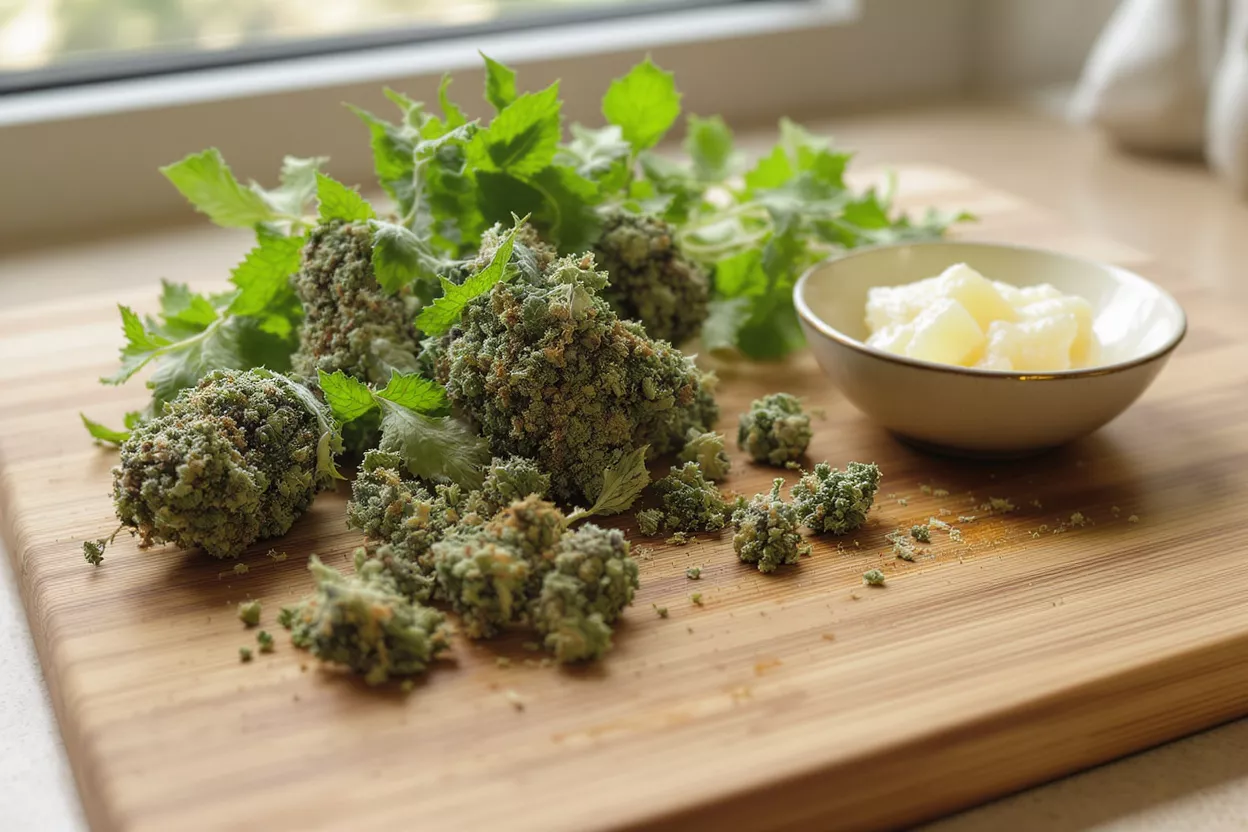
Not all dewaxing is done the same way, and the method chosen depends heavily on the extraction system and the desired end product. Some approaches are built into the extraction equipment itself, while others happen in a separate vessel afterward. Each carries its own balance of speed, thoroughness, and impact on the final concentrate.
In-line dewaxing integrates a chilled column or dewaxing chamber directly into a closed-loop hydrocarbon system. As the solvent carries the extract through the cold section, waxes precipitate and collect before the solution moves on. This is efficient because it happens within the same run, requiring no additional dissolving or handling.
Other producers prefer a manual or batch approach where the crude extract is collected, mixed with solvent, chilled in a freezer, and then filtered by hand. While slower and more labor-intensive, this method gives technicians granular control over each stage and is common in smaller or craft operations.
- 🔧 In-line dewaxing: Built into closed-loop systems; precipitates waxes during the extraction run for efficiency.
- Batch dewaxing: Crude is chilled and filtered separately; slower but offers precise hands-on control.
- Cold-solvent extraction: Running the entire extraction at deep-freeze temperatures so waxes never dissolve significantly.
Dewaxing Benefits for Concentrate Quality
Cleaner appearance and texture: The most immediate benefit of dewaxing is visual. Lipids cause concentrates to appear cloudy, opaque, or murky, while a well-dewaxed extract can range from translucent to glassy clear. Beyond looks, removing waxes produces a smoother, more uniform texture that does not destabilize into a greasy consistency as quickly.
The second major advantage is the consumption experience. Plant waxes do not vaporize cleanly, and inhaling them can produce a harsh, acrid taste that distracts from the natural terpene profile. By stripping these compounds away, dewaxing delivers a smoother draw and lets the genuine flavor of the cultivar come through. This is especially noticeable in dabbing, where high temperatures expose any residual lipids instantly.
Stability rounds out the list of benefits. Fats and waxes are chemically unstable over time and can accelerate the breakdown or separation of a concentrate. A purified extract holds its consistency, color, and potency longer, which matters for both producers managing inventory and consumers who want a reliable product every time.
Dewaxing Equipment and Temperature Control
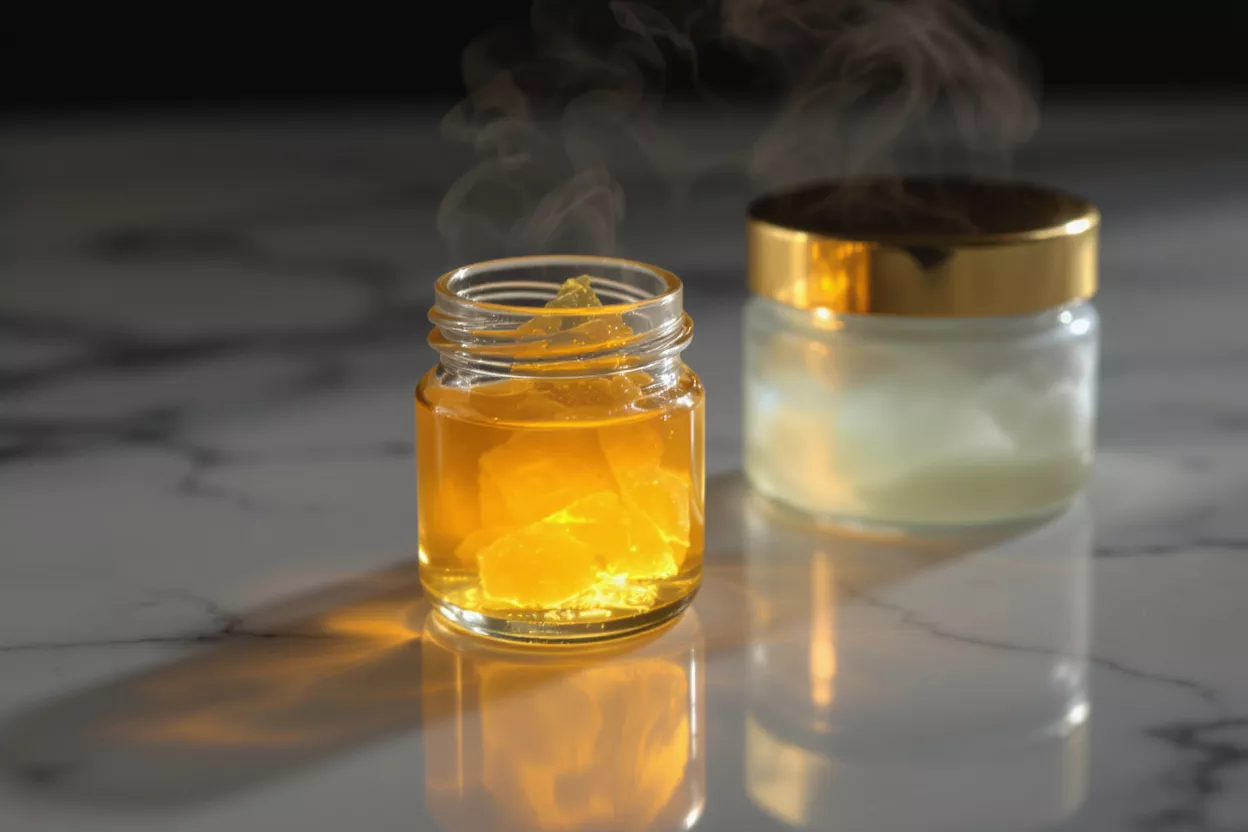
Successful dewaxing is fundamentally a temperature-management challenge, and the equipment reflects that. Closed-loop extraction systems often feature jacketed columns and chambers that circulate chilled fluid to maintain precise sub-zero conditions. Freezers capable of reaching -40°C or lower are standard for batch operations, ensuring waxes fully precipitate before filtration begins.
Filtration hardware matters: Once waxes have crashed out, they need to be captured cleanly. Producers use fine micron filter plates, filter paper, or specialized filtration columns rated in the single-digit micron range. The finer the filter, the more thoroughly it removes precipitated lipids, though excessively fine media can slow the process and require pressure assistance to push solution through.
Maintaining the cold chain throughout filtration is the part that separates clean results from disappointing ones. Pre-chilling every component—funnels, flasks, filters, and collection vessels—prevents the solution from warming and re-dissolving the waxes mid-filter. Many facilities perform this step inside cold rooms or use dry-ice baths to hold everything at a stable, low temperature from the first pour to the last drop.
How Dewaxing Affects Flavor and Potency
The terpene trade-off: Dewaxing improves flavor by removing harsh-tasting lipids, but the process is not without risk to the delicate aromatic compounds that define a strain. Terpenes are volatile and sensitive, and overly aggressive or prolonged cold filtration can cause some of them to be lost alongside the waxes. The art of dewaxing lies in removing fats while preserving as much of the terpene profile as possible.
Potency, on the other hand, is generally enhanced on a percentage basis. Because waxes are inert filler that contributes nothing to the effect, removing them concentrates the remaining cannabinoids. A dewaxed extract typically tests higher in total cannabinoid content simply because the diluting plant fats are gone, even though no additional cannabinoids were created.
This is why processing decisions are always a balancing act. A producer crafting a flavor-forward live concentrate will dewax conservatively to protect terpenes, accepting slightly more residual lipid for the sake of aroma. One making a clear distillate destined for further refinement can dewax aggressively, since terpenes will be reintroduced later anyway. The end product dictates how far the process should go.
Common Dewaxing Mistakes to Avoid
Even experienced technicians run into avoidable problems when dewaxing, and most of them trace back to temperature inconsistency. Allowing the solution to warm during filtration is the single most common error, as it lets previously precipitated waxes dissolve back into the extract and defeats the entire purpose of the chill.
Rushing the cold soak: Another frequent misstep is filtering too soon. Waxes need time to fully coagulate into filterable solids after the solution reaches temperature. Pulling the trigger before precipitation completes means a significant portion of lipids slips through the filter still dissolved, producing a cloudier final product than expected.
Filter selection and over-processing round out the common errors. Choosing a filter that is too coarse lets waxes pass, while running an already-clean extract through repeated aggressive cycles needlessly strips terpenes and reduces yield. Quality dewaxing is about matching the method to the material rather than applying maximum filtration to every batch.
- ⚠️ Temperature drift: Letting the solution warm mid-filtration re-dissolves waxes—keep everything cold.
- Filtering too early: Allow full coagulation before filtering so lipids actually get captured.
- Wrong filter size: Too coarse lets waxes through; too fine slows flow without added benefit.
- Over-processing: Repeated cycles on clean extract waste terpenes and yield.
Is Dewaxing Necessary for Every Extract
Dewaxing is valuable, but it is not mandatory for every type of cannabis product. The answer depends entirely on the goal of the extract and the consumption method it is destined for. Some concentrates benefit enormously from lipid removal, while others are intentionally left with their full plant profile intact.
When dewaxing makes sense: Concentrates intended for dabbing, vaporization, or any application involving high heat benefit most from dewaxing, since lipids vaporize harshly and ruin the experience. Clear shatters, glassy distillates, and premium vape cartridge oils all rely on thorough lipid removal for their clarity and smoothness.
Conversely, certain full-spectrum products skip or minimize dewaxing on purpose. Solventless rosin and some live concentrates are prized for capturing the complete chemical fingerprint of the plant, and aggressive filtration would strip the very compounds enthusiasts seek. In those cases, a lighter touch—or none at all—respects the product's full-spectrum identity. The choice ultimately reflects a producer's vision for how the final concentrate should look, taste, and perform.
Dewaxing sits at the intersection of chemistry and craft, transforming a raw, wax-laden extract into a refined concentrate worthy of a premium label. Whether integrated into a closed-loop run or performed as a careful batch process, its purpose is consistent: remove the inert plant fats that cloud, destabilize, and harshen an extract while preserving the cannabinoids and terpenes that matter. Understanding when and how to dewax—and when to hold back—is one of the clearest markers of an extractor who truly knows their craft.

Comments