Lozenges
Learn how lozenges cannabis works, from sublingual absorption to dosing tips.
What Are Lozenges in Cannabis?
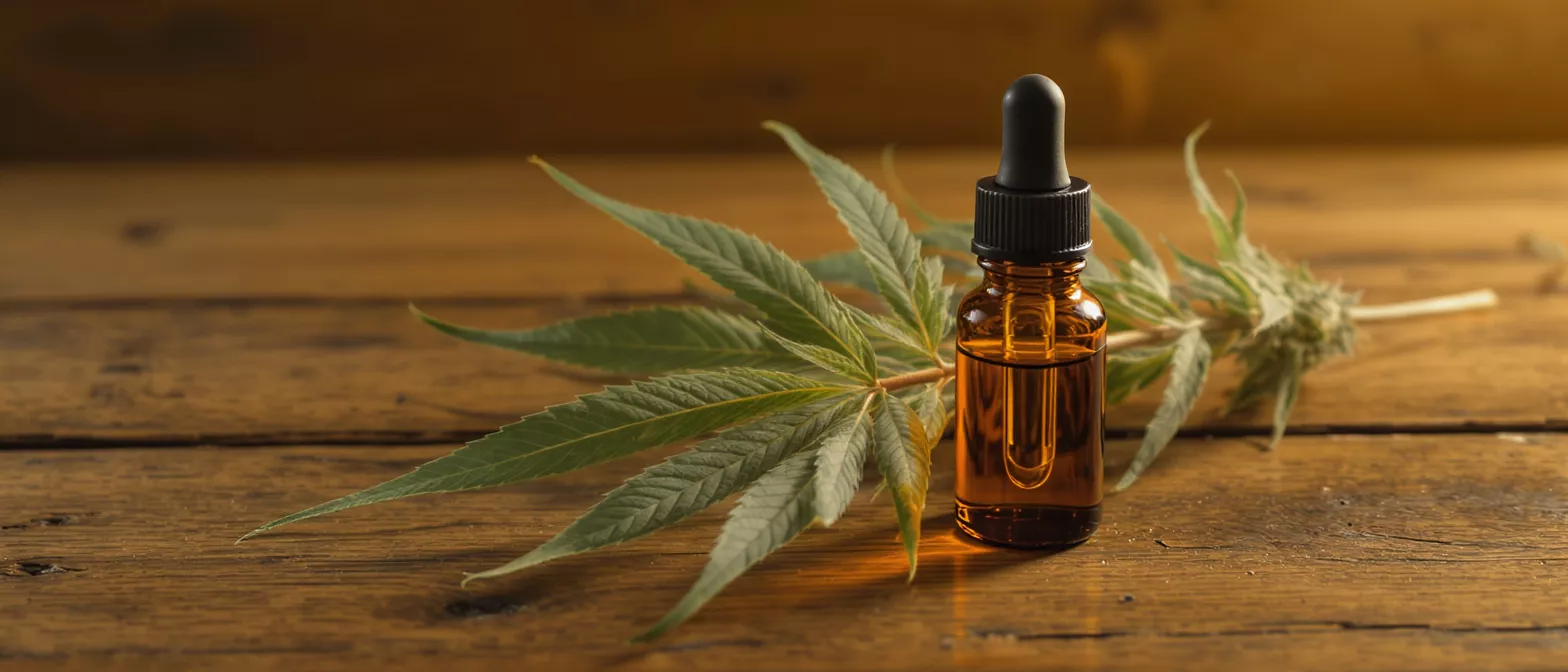
Lozenges in the cannabis world represent one of the most discreet and precise consumption methods available today. A cannabis lozenge is a small, dissolvable tablet or hard candy infused with cannabinoids such as THC or CBD. Designed to be held in the mouth and dissolved slowly, these products deliver active compounds through a combination of oral absorption and digestion, making them a hybrid between traditional edibles and tinctures.
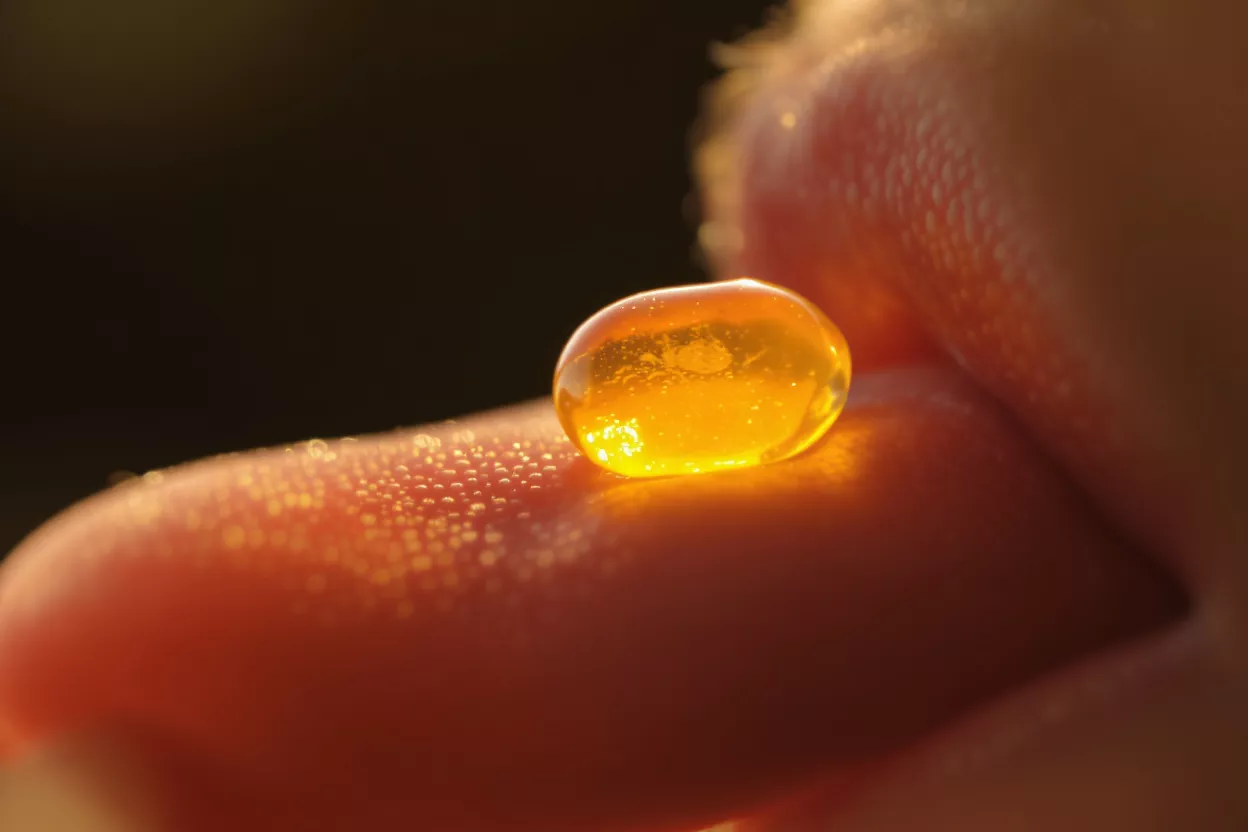
Unlike a brownie or gummy that must be chewed and swallowed, a lozenge sits against the cheek or under the tongue, allowing cannabinoids to seep into the bloodstream through the mucous membranes lining the mouth. This characteristic gives lozenges a unique pharmacokinetic profile that many experienced users seek out for its balance of speed and longevity.
The popularity of cannabis lozenges has grown alongside the broader medical and recreational markets. Patients who cannot or prefer not to smoke, vape, or eat large infused foods often turn to lozenges as a low-calorie, sugar-conscious, and portable alternative. Their understated appearance—resembling ordinary throat or breath lozenges—makes them especially appealing for consumers who value privacy and consistency in their dosing routines.
How Cannabis Lozenges Work in the Body
Sublingual and buccal absorption: The defining feature of a cannabis lozenge is its dual-pathway delivery. As the lozenge dissolves, a portion of the cannabinoids is absorbed directly through the thin tissues of the mouth, entering the bloodstream without first passing through the digestive tract. This sublingual and buccal absorption bypasses the liver's first-pass metabolism, allowing effects to begin within fifteen to thirty minutes for many users.
The digestive pathway: Whatever cannabinoid content is swallowed along with saliva follows the standard edible route. It travels to the stomach and liver, where THC is converted into 11-hydroxy-THC, a more potent and longer-lasting metabolite. This is why a lozenge can produce an initial wave of relief followed by a deeper, more sustained experience over the following hours.
This combination of fast onset and extended duration is what distinguishes lozenges from many other formats. The interaction between cannabinoids and the body's endocannabinoid system governs the overall response, with receptors throughout the brain and body modulating pain, mood, appetite, and inflammation as the compounds take effect.
Types of Cannabis Lozenges and Formulations
Cannabis lozenges come in a surprising variety of formulations tailored to different needs and preferences. Manufacturers vary the cannabinoid ratios, base ingredients, and added botanicals to create products that serve everything from daytime focus to nighttime relaxation. Understanding these categories helps consumers select a lozenge that matches their goals.
The most common distinction lies in the cannabinoid profile. Some lozenges are dominant in THC for euphoric and psychoactive effects, while others emphasize CBD for calm without intoxication. A growing category blends both in balanced ratios to harness the entourage effect, where multiple compounds work together synergistically.
- 🌿 THC-dominant lozenges: Geared toward recreational users and patients seeking strong relief from pain, nausea, or insomnia.
- 💧 CBD-dominant lozenges: Favored for anxiety, inflammation, and daytime use where a clear head is essential.
- ⚖️ Balanced ratio lozenges: Combine THC and CBD in ratios like 1:1 or 2:1 for moderated, well-rounded effects.
- 🌙 Sleep-focused formulas: Often enriched with CBN or melatonin to support restful sleep.
- 🍃 Terpene-enhanced lozenges: Infused with specific terpenes to shape aroma, flavor, and targeted effects.
Beyond cannabinoid content, the base of the lozenge itself matters. Hard-candy lozenges dissolve slowly over many minutes, prolonging the sublingual absorption window, while softer pastille-style products break down faster. Sugar-free and vegan options have expanded the market to accommodate dietary restrictions, demonstrating how far this format has matured.
Lozenges vs Edibles: Key Differences
Onset speed: Traditional edibles must be fully digested before any effect appears, often taking sixty to ninety minutes to kick in. Cannabis lozenges, thanks to their sublingual component, frequently begin working in a fraction of that time. For someone needing relief sooner, this faster onset is a meaningful advantage.
Dosing precision: Lozenges are manufactured with carefully measured cannabinoid content per piece, much like a pharmaceutical tablet. This consistency makes them easier to titrate than homemade edibles, where potency can vary wildly from one serving to the next. The ability to stop dissolving a lozenge and remove it also gives users a degree of control rarely found in foods you simply swallow.
Both formats share the long-lasting tail produced by the digestive pathway, but lozenges offer a hybrid timeline that many find more predictable. The table below summarizes how the two compare across the factors that matter most to everyday consumers.
- ⏱️ Onset: Lozenges 15–30 minutes vs edibles 60–90 minutes.
- 🎯 Precision: Lozenges offer pharmaceutical-grade dosing; edibles vary more.
- ⏳ Duration: Both last several hours due to digestion of swallowed content.
- 🤫 Discretion: Lozenges resemble ordinary throat candies and travel easily.
- 🍬 Calories: Lozenges are typically lower in sugar and calories than baked goods.
Cannabis Lozenges Benefits for Wellness
The appeal of cannabis lozenges extends well beyond convenience. For medical patients in particular, the format addresses several practical and physiological needs that other delivery methods struggle to meet. Chief among these is the avoidance of inhalation, which spares the lungs and throat from the irritation associated with smoking or vaping.
Discreet, portable relief: Because lozenges look like ordinary mints, they can be used in public settings without drawing attention. They require no water, no preparation, and no special equipment, making them ideal for travel, work breaks, or managing symptoms on the go. This portability has made them a staple for people who need consistent, low-profile dosing throughout the day.
Predictable, controlled experience: The measured cannabinoid content combined with the option to remove the lozenge gives users unusual command over their experience. Those who are sensitive to THC or new to cannabis appreciate being able to taper their intake in real time, reducing the risk of overconsumption that haunts beginners with conventional edibles.
How to Use Cannabis Lozenges Correctly
Using a cannabis lozenge correctly maximizes both its sublingual benefits and its overall effectiveness. The technique differs subtly from simply popping a candy in your mouth and chewing. To capture the fast-acting oral absorption, the lozenge should be allowed to dissolve slowly rather than crunched and swallowed immediately.
Place the lozenge between your cheek and gum or under your tongue and let your saliva do the work. Resist the urge to chew, and try not to swallow excessively during the first several minutes so the cannabinoids have time to absorb through the mouth's tissues. Moving the lozenge around occasionally can help expose it to fresh areas of mucous membrane for more even absorption.
Timing and setting also matter. Because effects build over the first half hour, patience is essential. Consuming a lozenge on a relatively empty stomach can speed the digestive portion of the effect, while a recent meal may slow it. New users should always start in a comfortable environment with nothing pressing to attend to until they understand how a given product affects them.
Cannabis Lozenges Dosing Guide for Beginners
Start low and go slow: The golden rule of cannabis dosing applies emphatically to lozenges. Beginners should consider starting with a low dose, often around 2.5 to 5 milligrams of THC, and waiting at least forty-five minutes to a full hour before deciding whether to take more. Because part of the dose is metabolized through the liver into a stronger compound, the experience can intensify beyond the initial sublingual wave.
Reading the product label carefully is non-negotiable. A single lozenge might contain 5, 10, or even 25 milligrams of active cannabinoid, and dividing or fully dissolving a piece changes how much enters your system. Keeping a simple journal of doses, timing, and effects helps you home in on your personal sweet spot over a few sessions.
The following general guidelines can orient newcomers, though individual tolerance, body chemistry, and the specific formulation all influence the ideal amount:
- 🟢 Microdose (1–2.5 mg THC): Subtle relief and minimal intoxication, suitable for daytime function.
- 🔵 Low dose (2.5–5 mg THC): Gentle effects ideal for new or occasional users.
- 🟡 Moderate dose (5–15 mg THC): Noticeable euphoria and symptom relief for experienced consumers.
- 🔴 High dose (15+ mg THC): Reserved for high-tolerance patients and those with significant medical needs.
Are Cannabis Lozenges Safe?
Cannabis lozenges are generally considered a safe consumption method when used responsibly and sourced from a reputable, regulated producer. Because they avoid inhalation entirely, they sidestep the respiratory concerns linked to smoking. The most common adverse effects mirror those of other cannabis products: dry mouth, drowsiness, slight dizziness, or, at higher doses, anxiety and disorientation.
Quality and lab testing: The safety of any lozenge hinges on the integrity of its manufacturing. Products from licensed dispensaries undergo testing for potency, pesticides, heavy metals, and microbial contaminants. This third-party verification ensures the milligram count on the label is accurate—something especially important for a precisely dosed format. Consumers should always verify that a brand provides a current certificate of analysis.
Certain populations should exercise additional caution or consult a healthcare provider before use, including pregnant or breastfeeding individuals, people taking medications metabolized by the liver, and those with cardiovascular conditions. Keeping lozenges securely stored away from children and pets is essential, as their candy-like appearance can be deceiving. Used thoughtfully, however, lozenges remain among the gentler entry points into cannabis.
Choosing the Best Cannabis Lozenges
With an expanding marketplace, selecting the right cannabis lozenge can feel overwhelming. The best approach is to match the product's cannabinoid profile and formulation to your specific goals, whether that is pain management, better sleep, anxiety relief, or simple recreational enjoyment. A clear intention narrows the field considerably.
Reading labels and certificates: Prioritize brands that publish detailed lab results and transparent ingredient lists. Look for the precise THC and CBD content, the presence of any added cannabinoids or terpenes, and confirmation that the product has passed contaminant screening. A trustworthy producer makes this information easy to find rather than hiding it.
Ingredients beyond the cannabinoids deserve attention too. If you avoid sugar, seek out sugar-free formulations sweetened with alternatives. Vegans should confirm the base contains no gelatin or animal-derived components. Flavor, dissolve time, and onset preferences are personal, so some experimentation among reputable options is the surest path to finding a lozenge you will reach for again.
The Future of Cannabis Lozenges
The trajectory of cannabis lozenges points toward greater sophistication and personalization. As extraction technology and formulation science advance, manufacturers are developing fast-dissolving and nano-emulsified products that promise even quicker onset and more reliable absorption. These innovations blur the line between recreational treats and genuine therapeutic tools.
Research into minor cannabinoids and targeted terpene blends is also expanding the possibilities. Future lozenges may be formulated for highly specific outcomes—focus, recovery, appetite stimulation—drawing on a deeper understanding of how individual compounds interact. As medical acceptance grows, expect to see lozenges positioned as a credible, measured alternative to traditional pharmaceuticals for certain conditions.
In summary, cannabis lozenges occupy a uniquely valuable niche: they combine the discretion and ease of an edible with the faster onset of a sublingual product, all while delivering pharmaceutical-grade dosing precision. Whether you are a cautious newcomer or a seasoned patient, understanding how these small tablets work empowers you to use them safely and effectively. As the industry continues to refine the format, lozenges are poised to remain a cornerstone of thoughtful, modern cannabis consumption.