

Menthol
Discover how menthol shapes cannabis terpene profiles with cooling relief and therapeutic benefits.
What Is Menthol and Where Does It Come From
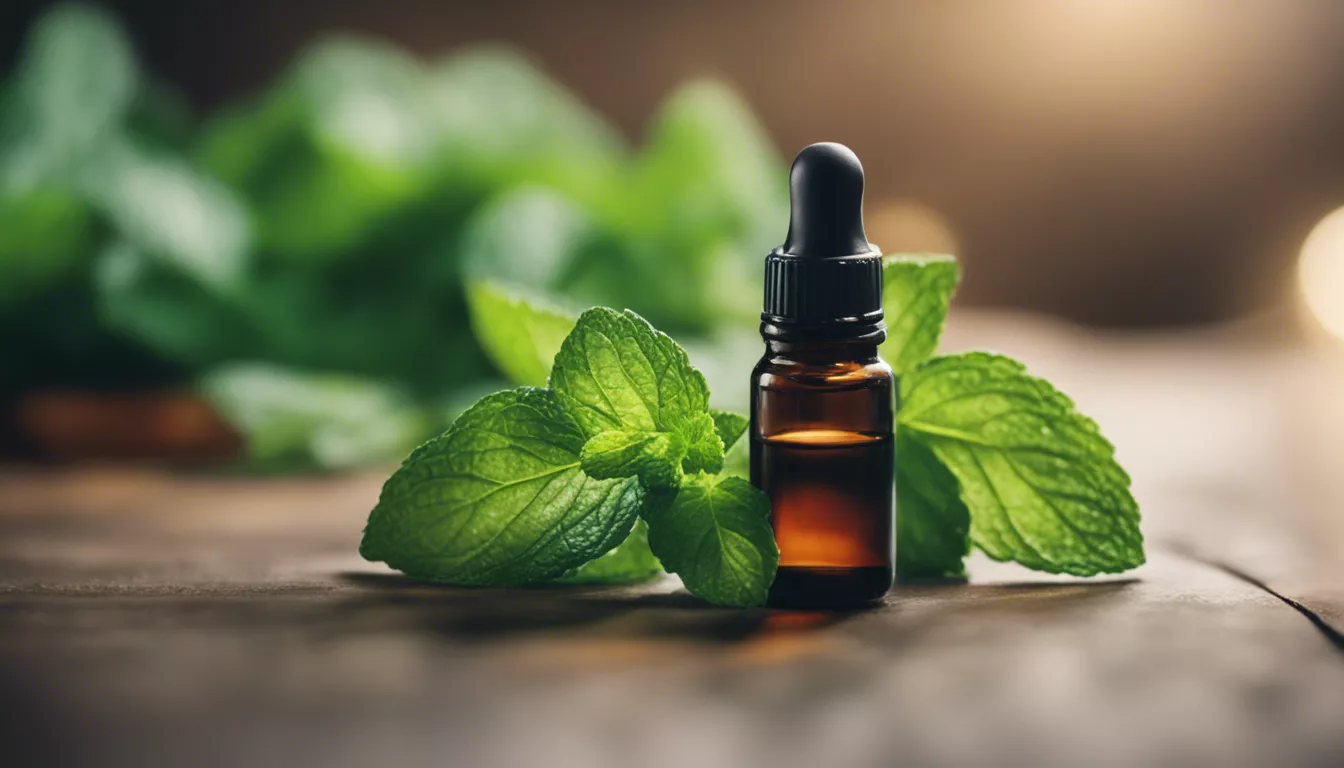
Menthol is an organic compound best known for its crisp, minty aroma and the distinctive cooling sensation it leaves on the skin and tongue. Chemically, it belongs to a class of molecules called monoterpenoids, and it occurs naturally in the essential oils of mint plants such as peppermint and cornmint. For centuries, cultures across Asia and the Mediterranean have prized menthol-rich botanicals for their refreshing scent and their reputation for soothing aches, calming the mind, and clearing the airways.
Most commercial menthol is harvested from Mentha arvensis, the cornmint plant, which produces especially high concentrations of the compound. It can also be synthesized in laboratories to ensure consistent purity and supply. Whether plant-derived or synthesized, the molecule itself is identical, presenting as translucent crystalline needles that melt readily and dissolve into oils, alcohols, and waxes — qualities that make it remarkably versatile across food, pharmaceutical, and wellness applications.
In the context of cannabis, menthol is part of the broader conversation around terpenes — the aromatic compounds that shape how a strain smells, tastes, and feels. While menthol is not among the most abundant terpenes in cannabis, its presence and its chemical relatives contribute to the cooling, minty notes some cultivars carry, and they may play a supporting role in the plant's therapeutic character.
How Menthol Works in the Body
The cooling magic of menthol comes from a receptor called TRPM8. This receptor sits in the membranes of sensory nerve cells and normally responds to genuine drops in temperature. Menthol binds to TRPM8 and tricks it into firing as though the body were detecting cold, even when the actual temperature has not changed. The brain interprets these signals as a cool, refreshing sensation — which is why a dab of menthol balm feels icy long before any real cooling occurs.
That same mechanism gives menthol its mild analgesic, or pain-dulling, quality. By activating cold-sensing pathways, menthol can crowd out or mask competing pain signals traveling along nearby nerves, a phenomenon related to the gate-control theory of pain. At higher concentrations, it may also desensitize certain receptors over time, contributing to a longer-lasting numbing comfort that topical formulations rely on.
Beyond the skin, menthol influences receptors in the respiratory tract. When inhaled, it stimulates cold receptors in the nasal passages, creating a perception of easier, freer breathing. Interestingly, research suggests this sensation is largely perceptual — menthol changes how open the airways feel more than it physically widens them — yet that subjective relief carries real value for comfort and calm. ❄️
Menthol in Cannabis Terpene Profiles
Cannabis produces a vast palette of aromatic compounds, and while menthol itself appears in only modest amounts in most cultivars, its minty character can emerge through related monoterpenes and the overall terpene blend. Strains described as having a "cool," "minty," or "eucalyptus-like" nose often owe that quality to a combination of menthol and its chemical cousins working alongside more dominant terpenes.
Menthol rarely acts alone in the plant. It tends to appear in concert with other refreshing terpenes, and the interplay shapes the final sensory experience. Below are several aromatic companions you may encounter in cooler-smelling cannabis varieties.
- 🌿 Eucalyptol: Lends a sharp, camphor-like freshness reminiscent of eucalyptus and is frequently linked to clear-headed effects.
- 🍋 Limonene: Contributes bright citrus notes that balance menthol's cool edge with a lifting, uplifting brightness.
- 🌲 Pinene: Adds a piney crispness that complements minty profiles and is associated with alertness.
- 🌸 Myrcene: Provides an earthy, herbal base that rounds out the sharper cooling top notes.
Understanding how menthol fits into a strain's terpene profile helps growers and consumers appreciate why two cultivars with similar cannabinoid content can smell and feel so different. The aromatic signature is a roadmap, hinting at the experience a particular flower may deliver.
Menthol Cooling Effects Explained
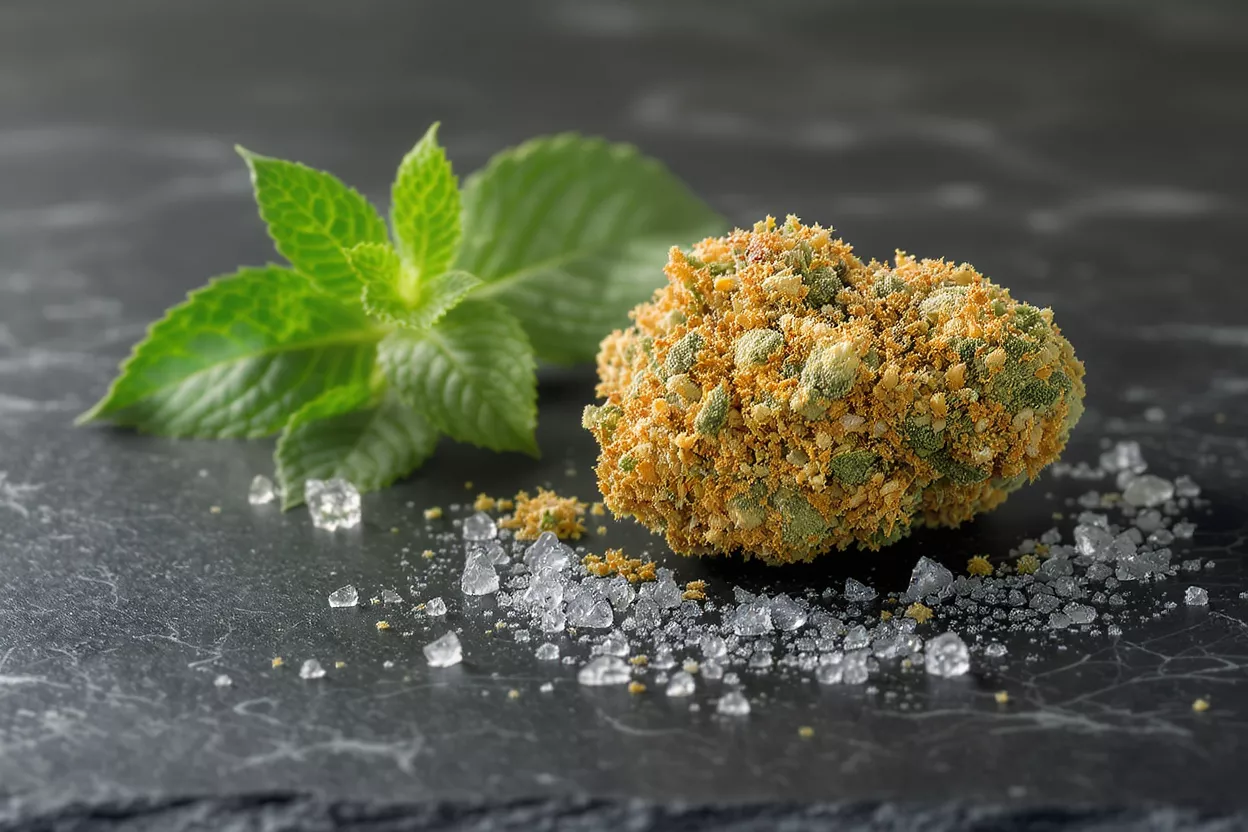
The hallmark of menthol is its signature cool-without-cold sensation. Unlike ice, which lowers tissue temperature, menthol produces the perception of coolness through nerve signaling alone. This makes it ideal for soothing applications where you want refreshing relief without the discomfort or tissue stress of actual cold. The effect builds within seconds of contact and can linger for many minutes, especially in oil-based or balm formulations that hold the compound against the skin.
This perceptual cooling does more than feel pleasant. It can shift attention away from discomfort, create a sense of mental clarity, and contribute to the overall feeling of freshness that menthol-containing products are famous for. In aromatherapy, the brisk, clean scent is often used to invigorate, sharpen focus, and lift a foggy or sluggish mood.
The intensity of the cooling effect depends on concentration and delivery. A light dusting in a flavored product offers a gentle, pleasant tingle, while concentrated balms and rubs deliver a far more pronounced icy rush. Formulators carefully calibrate the dose so the sensation enhances rather than overwhelms.
Menthol Benefits for Pain Relief
Menthol's reputation for easing aches is well earned and clinically recognized. Topical products containing menthol are widely used to relieve sore muscles, minor joint pain, tension, and the stiffness that follows exercise or strain. The compound's ability to activate cold-sensing nerves while dulling pain transmission gives it a dual action that many users find immediately satisfying.
When paired with cannabis-derived compounds in topical formulations, menthol may complement the soothing properties of cannabinoids and other terpenes. The cooling sensation provides quick, surface-level relief while cannabinoids work on deeper inflammatory and pain pathways, creating a layered approach to comfort. This combination is increasingly popular in wellness balms, salves, and roll-on products designed for targeted application.
Below are common scenarios where menthol-based relief shines.
- 💪 Post-workout recovery: Cooling rubs applied to fatigued muscles help ease tightness and the dull ache of exertion.
- 🦵 Joint discomfort: Roll-on gels target knees, elbows, and wrists with focused, refreshing relief.
- 🧊 Tension and minor strains: Balms soothe the neck, shoulders, and back where everyday stress accumulates.
- 🌙 Evening wind-down: A cooling massage can become a calming ritual that signals the body to relax.
Menthol for Stress and Respiratory Support
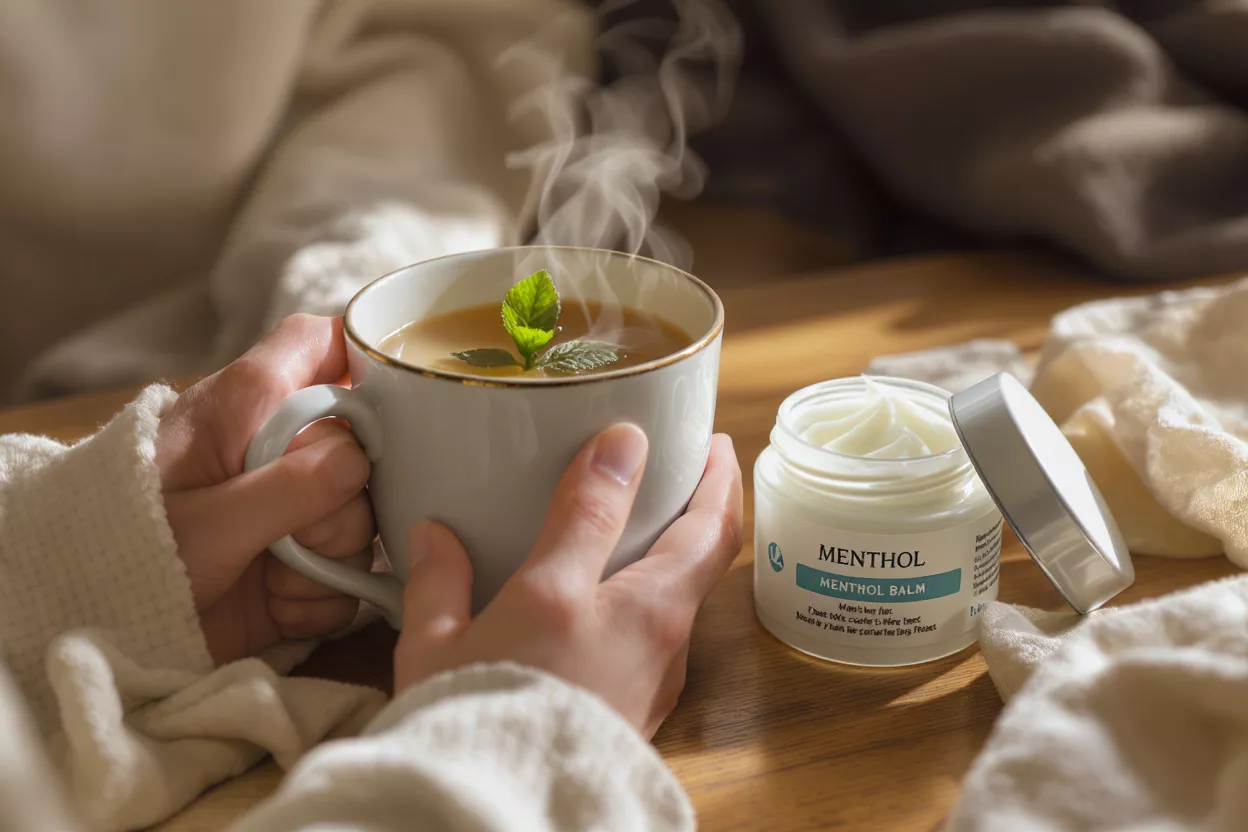
The aroma of menthol carries a calming influence that extends beyond physical comfort. Inhaling its fresh, minty scent is a long-standing aromatherapy practice for relieving mental fatigue and easing feelings of tension. The brisk fragrance can feel like a reset button, clearing mental clutter and encouraging a few deep, deliberate breaths — themselves a proven tool for lowering stress.
Menthol's respiratory associations are equally storied. It has been a staple in chest rubs, lozenges, and vapor inhalations for generations, valued for the perception of clearer breathing it provides. By stimulating cold receptors in the nose and throat, it creates a sensation of openness that many find comforting during seasonal congestion or simply when they want a refreshing breath of air.
In cannabis products, this respiratory and calming character can blend with terpenes and cannabinoids known for relaxation, such as those found in indica-leaning cultivars. The result is a multisensory experience where aroma, flavor, and physiological effect reinforce one another to support a sense of ease.
Menthol and the Entourage Effect
The entourage effect describes how cannabis compounds work better together than in isolation. This principle holds that cannabinoids like THC and CBD, along with the plant's many terpenes, interact synergistically to shape and enhance the overall effect. Menthol, where present, may contribute to this orchestra by modulating sensory perception and adding its own physiological signature.
Researchers believe that terpenes can influence how cannabinoids are absorbed, how they cross membranes, and how the nervous system responds to them. While menthol is not the headline player in most strains, its activation of TRPM8 receptors and its calming aromatic profile could subtly tilt the experience toward refreshment and relief, complementing the deeper actions of cannabinoids.
This synergy is part of why whole-plant and full-spectrum products are so prized. Rather than isolating a single molecule, they preserve the natural blend of cannabinoids and terpenes — menthol's minty cool note included — so the combined effect reflects the plant's full character rather than a stripped-down fraction of it.
Types of Menthol Products and Forms
Menthol shows up in an impressive range of products, each tailored to a different purpose. From the wellness aisle to the cannabis dispensary, its versatility makes it a favorite ingredient for delivering cooling, soothing, and refreshing experiences. Understanding the forms available helps you match the right product to your goal.
In the cannabis and wellness space specifically, menthol most often appears in topical and inhalable formats where its cooling and aromatic qualities can be felt directly. Here is a quick comparison of common formats.
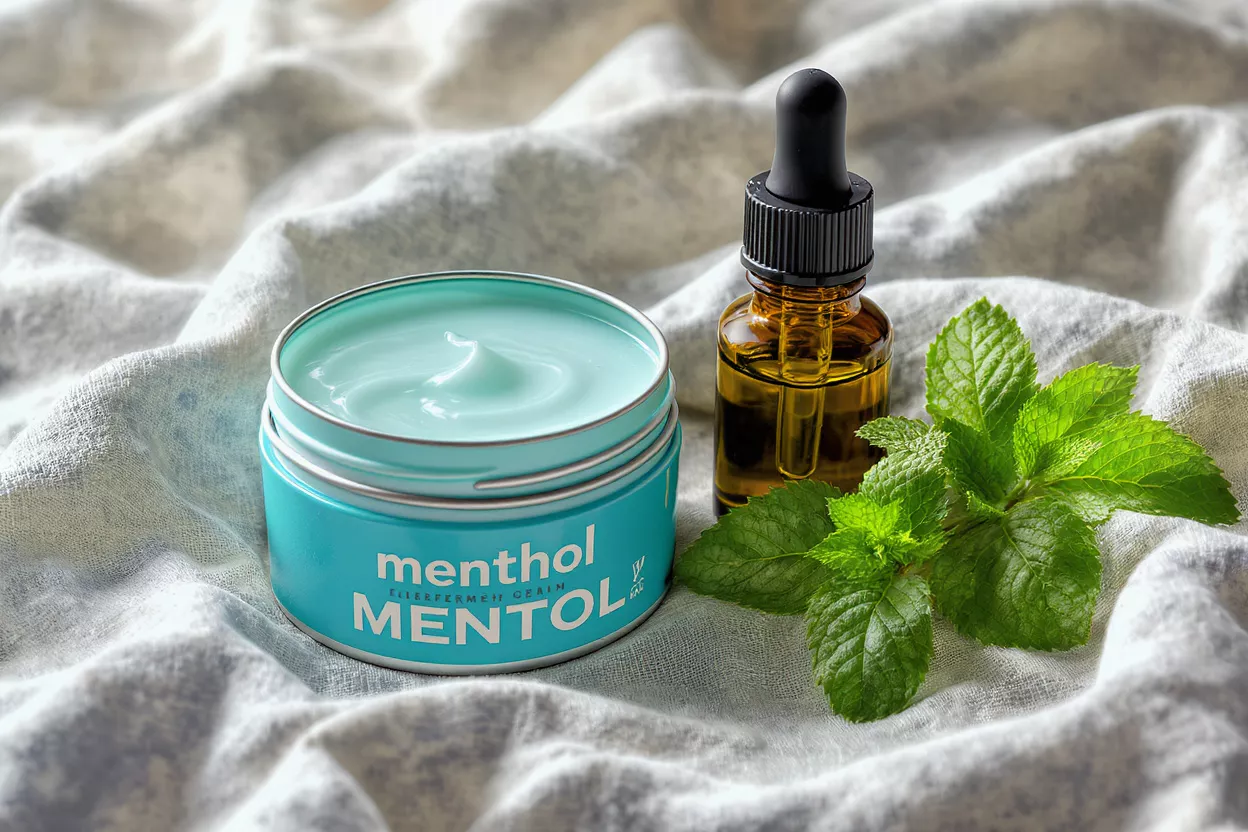
- 🧴 Topical balms and salves: Deliver concentrated cooling relief to targeted areas like sore muscles and joints.
- 💧 Roll-on gels: Offer mess-free, precise application ideal for on-the-go use.
- 🍬 Lozenges and edibles: Provide a refreshing minty flavor along with a soothing throat sensation.
- 💨 Vapor and inhalable blends: Combine menthol's airy freshness with cannabis aromatics for a smooth experience.
- 🛁 Bath and body products: Infuse soaks and lotions with a cooling, spa-like refreshment.
Choosing among these comes down to the experience you want. For localized relief, topicals lead the way; for ambient calm and aromatic enjoyment, inhalable and bath products excel. Quality matters across all of them, so look for products that clearly disclose their ingredients and sourcing.
Is Menthol Safe to Use
For most people, menthol is well tolerated and considered safe at the concentrations found in consumer products. It has a long history of use in foods, oral care, topical remedies, and over-the-counter medicines, and regulatory bodies recognize it as safe within established limits. The cool, tingling sensation it produces is generally harmless and often welcomed.
That said, a few sensible precautions apply. High concentrations can irritate sensitive skin, so it is wise to test a small area before applying a new topical broadly. Menthol products should be kept away from the eyes and broken skin, and very large oral doses should be avoided since the compound can be irritating in excess. Anyone with a known sensitivity or a respiratory condition should consult a healthcare professional before using strongly mentholated inhalants.
As with any cannabis or wellness product, moderation and informed use are key. Start with a modest amount, observe how your body responds, and adjust accordingly. When sourced responsibly and used as directed, menthol-containing products offer a refreshing and reliable addition to a wellness routine.
How to Choose Menthol-Rich Cannabis
Finding cannabis with a genuine cooling, minty character starts with the aroma and the lab data. Trust your nose first — strains carrying menthol-like notes will smell crisp, fresh, and faintly minty or eucalyptus-tinged. Beyond scent, a certificate of analysis or terpene panel can confirm the presence of cooling monoterpenes and reveal the broader aromatic blend that shapes the experience.
Pay attention to the full terpene profile rather than chasing a single compound. As we have seen, menthol rarely works in isolation, and the surrounding terpenes determine whether a strain feels uplifting, relaxing, or somewhere in between. A balanced profile that pairs cooling notes with companions like limonene or pinene often delivers the most rewarding sensory experience.
Finally, buy from transparent, reputable sources that share testing results and clear product information. Quality cultivation, proper curing, and careful storage all preserve the delicate terpenes responsible for menthol's signature freshness. With a discerning nose and a little label literacy, you can reliably find products that deliver that bright, cooling sensation. In short, menthol is a small but memorable contributor to the cannabis experience — one whose refreshing cool, gentle pain relief, and calming aroma make it a compound worth understanding and seeking out.



Comments