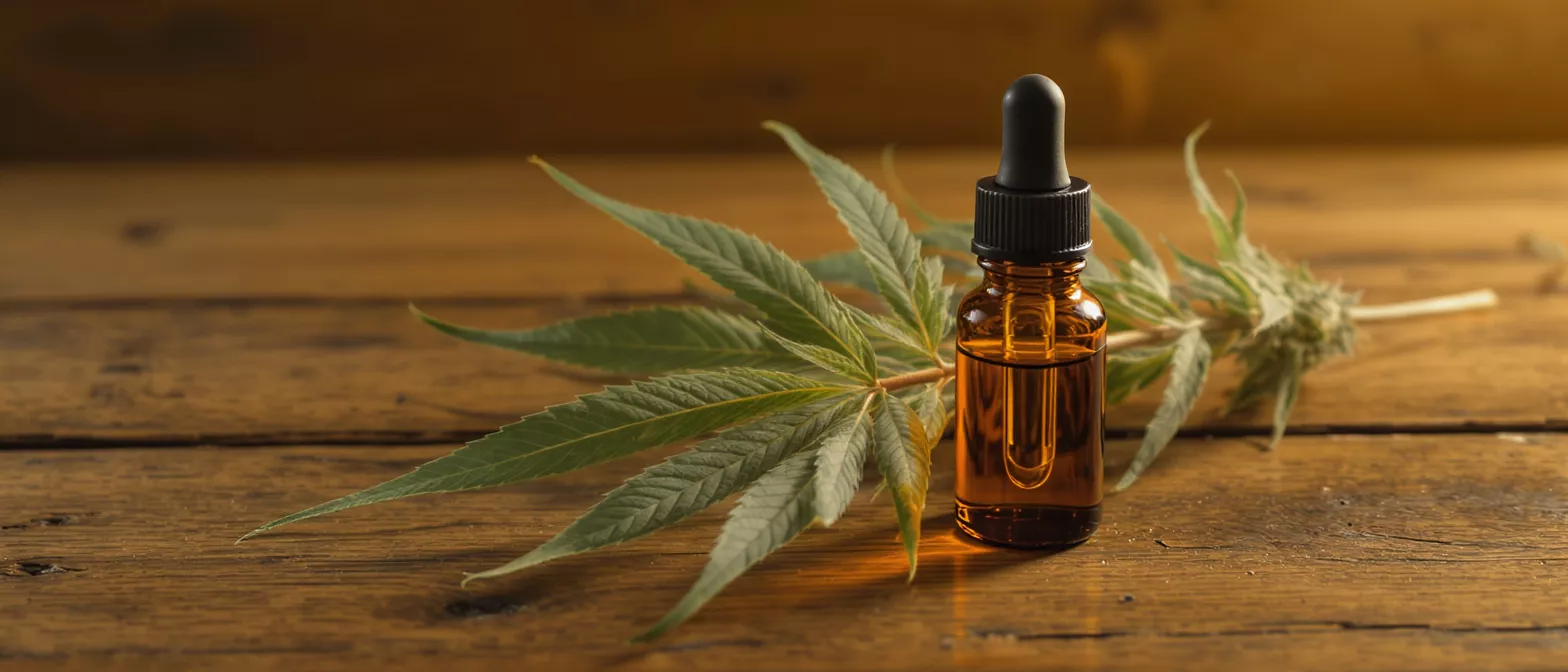
MCT
Learn how MCT oil boosts cannabis absorption and bioavailability.
What Is MCT in Cannabis Products
If you have ever read the ingredient panel on a cannabis tincture or oil capsule, the term MCT cannabis oil has almost certainly caught your eye. MCT stands for medium-chain triglycerides, a category of fat molecules most commonly derived from coconut or palm kernel oil. In the cannabis world, MCT oil has become the carrier of choice for delivering cannabinoids like THC and CBD into a form your body can actually use.
Why fat matters for cannabinoids: Cannabinoids are lipophilic, meaning they dissolve in fat rather than water. Without a fat-based carrier, the active compounds in cannabis would pass through your digestive system largely unabsorbed. MCT oil provides the lipid structure that binds to these molecules and ushers them through the gut lining, dramatically improving how much of the dose your body retains.
Where the name comes from: The "medium-chain" descriptor refers to the length of the carbon chains in the fatty acids—typically six to twelve carbons long. This middle-length structure is what gives MCT its distinctive metabolic behavior, setting it apart from the long-chain fats found in most dietary oils. That difference is precisely why formulators reach for it when building consistent, fast-acting cannabis products.
How MCT Oil Works as a Cannabis Carrier
The role of a carrier oil is deceptively simple: it dissolves the cannabis extract and distributes it evenly so that every drop or capsule delivers a predictable dose. MCT oil excels at this because it remains liquid at room temperature, has a neutral flavor profile, and bonds readily with concentrated cannabinoid extracts.
Metabolism without the bile detour: Unlike long-chain triglycerides, MCTs do not require bile salts or pancreatic enzymes to break down. They travel directly from the gut to the liver via the portal vein, where they are rapidly metabolized. For cannabis users this can translate into a quicker onset compared with heavier carrier oils that demand a longer digestive process.
When MCT oil carries a cannabinoid into the liver, that organ converts Delta-9-THC into 11-hydroxy-THC, a more potent metabolite. This is why orally consumed cannabis in an MCT base often feels stronger and longer-lasting than an inhaled dose of the same milligram count.
Types of MCT Oil Used in Cannabis
Not all MCT oil is identical. The label "MCT" actually covers a family of fatty acids, and the blend used in a given cannabis product influences its texture, shelf stability, and absorption speed. Understanding these distinctions helps you read a product label with a more critical eye.
The four medium-chain fatty acids most relevant to cannabis formulation each behave a little differently:
- 🥥 C6 (Caproic acid): The shortest chain, rapidly absorbed but often left out for its bitter taste and odor.
- ⚡ C8 (Caprylic acid): Prized for the fastest energy conversion and cleanest absorption, common in premium tinctures.
- 🌿 C10 (Capric acid): A balanced workhorse that pairs well with C8 for cost-effective, stable blends.
- 🧴 C12 (Lauric acid): Technically borderline long-chain; behaves more like coconut oil and metabolizes more slowly.
Coconut-derived vs palm-derived: Most cannabis brands favor coconut-sourced MCT for its sustainability profile and consumer perception. Palm-derived MCT is chemically similar but carries environmental concerns tied to deforestation, which is why reputable cannabis producers increasingly specify coconut origin on their packaging.
MCT Cannabis Bioavailability Explained
Bioavailability describes the fraction of a substance that actually reaches your bloodstream and becomes active. For edibles and tinctures, this is the single most important reason MCT cannabis formulations have become an industry standard. Raw cannabinoids taken without a fat carrier have famously poor oral bioavailability—often in the single digits.
The lipid pathway advantage: When cannabinoids are dissolved in MCT oil, a portion bypasses immediate liver metabolism by entering the lymphatic system alongside the fat. This lymphatic uptake spares some of the dose from first-pass breakdown, meaning more active compound circulates through your body before being processed.
Research into lipid-based drug delivery consistently shows that co-administering fat-soluble compounds with medium-chain triglycerides increases plasma concentrations. For cannabis, this means a tincture in MCT oil can deliver noticeably more felt effect per milligram than the same extract suspended in a less efficient base.
MCT Cannabis Benefits for Tinctures and Edibles
The popularity of MCT oil in cannabis is not marketing hype—it solves several practical problems at once. From dosing accuracy to flavor, the benefits stack up in ways that matter for both casual and medical users.
Consistent, repeatable dosing: Because MCT oil stays liquid and mixes uniformly with cannabinoid extract, each milliliter delivers the same potency as the last. This consistency is essential for anyone titrating a medical dose or simply wanting to know exactly what they are taking.
Neutral taste and clean finish: High-purity C8 and C10 blends carry almost no flavor, allowing the natural terpenes of a cannabis extract to come through rather than being masked by a heavy, greasy oil. This makes sublingual tinctures far more palatable.
Beyond function, MCT oil also brings a respectable shelf life. Its saturated structure resists oxidation better than many seed oils, helping a tincture maintain potency for months without rancidity. The headline advantages include:
- 🎯 Precise titration: Uniform mixing makes microdosing and gradual dose adjustment reliable.
- ⏱️ Faster onset: Rapid metabolism can shorten the wait compared with heavier oils.
- 💧 Sublingual friendly: Thin viscosity absorbs well under the tongue for partial mucosal uptake.
- 🛡️ Stable shelf life: Oxidation resistance protects cannabinoid potency over time.
MCT vs Other Carrier Oils for Cannabis
MCT is far from the only oil capable of carrying cannabinoids. Olive oil, hemp seed oil, grapeseed oil, and avocado oil all appear in various products. Comparing them clarifies why MCT has earned its dominant position while acknowledging that alternatives have legitimate uses.
Olive oil: A traditional choice with a long history in homemade cannabis preparations. It is rich in beneficial monounsaturated fats but has a pronounced flavor and a thicker texture, and its long-chain fatty acids absorb more slowly than MCT.
Hemp seed oil: Marketed as a "full-spectrum companion" because it comes from the same plant family, but it oxidizes quickly and contributes a grassy taste. It works, yet it sacrifices the shelf stability and neutrality that make MCT so convenient for commercial products.
For most modern tinctures and softgels, the trade-offs favor MCT because it balances absorption speed, flavor neutrality, and longevity better than the alternatives. Where a product emphasizes whole-food nutrition or a specific flavor experience, another oil may earn its place—but for clean, predictable cannabinoid delivery, MCT remains the benchmark.
How MCT Cannabis Oil Is Made
Turning raw cannabis extract into a finished MCT tincture is a controlled, multi-step process. Understanding it gives you insight into why quality varies so much between brands and what separates a premium product from a budget one.
Starting with decarboxylated extract: Before cannabinoids can be active, the raw plant acids must be heated to convert THCA into THC and CBDA into CBD. This decarboxylation step is foundational; skip it and the final oil will be far weaker than its milligram count suggests.
Blending and homogenization: The decarbed extract is then dissolved into warmed MCT oil and thoroughly homogenized so the cannabinoids distribute evenly. Gentle heat keeps the mixture fluid without degrading the active compounds, and precise lab testing confirms the final concentration before bottling.
The best producers finish with third-party laboratory analysis, verifying both potency and purity. This certificate of analysis is your assurance that the milligrams on the label match what is actually in the bottle, and that no residual solvents or contaminants slipped through.
MCT Cannabis Dosing Guide
One of the underrated advantages of an MCT-based tincture is how easy it makes deliberate dosing. Because the oil is uniform, you can measure precise amounts and build a routine around predictable results rather than guesswork.
Start low and go slow: Oral cannabis takes longer to kick in—often thirty to ninety minutes—and the liver-converted metabolite hits harder than inhaled cannabis. Beginning with a small dose and waiting a full two hours before considering more prevents the classic mistake of overconsumption.
A practical framework for finding your personal dose looks like this:
- 🌱 Microdose (1–2.5 mg): Subtle relief with minimal intoxication, ideal for daytime function.
- 📊 Standard (2.5–10 mg): Moderate effects suited to evening relaxation or mild discomfort.
- 🌙 Strong (10–25 mg): Pronounced effects for experienced users or higher tolerance.
- ⚠️ Wait between doses: Always allow at least two hours before redosing oral cannabis.
Because MCT oil supports sublingual absorption, holding a tincture under your tongue for sixty seconds before swallowing can speed onset and deliver a portion of the dose directly into your bloodstream.
Is MCT in Cannabis Safe to Use
MCT oil enjoys a strong safety record and is generally recognized as safe for oral consumption. It has been used in clinical nutrition for decades, including in infant formula and medical feeding regimens, which speaks to its tolerability when ingested.
Oral use vs inhalation: The critical safety distinction is route of administration. MCT oil is excellent for tinctures, capsules, and edibles, but it should never be inhaled or vaped. Lipid droplets in the lungs can contribute to serious respiratory problems, so MCT belongs strictly to ingestible products.
Digestive tolerance: Because MCTs metabolize quickly, large doses on an empty stomach can occasionally cause mild cramping or loose stools in sensitive individuals. Taking your tincture with a little food generally eliminates this, and most people experience no issues at typical cannabis dosing volumes.
As always, anyone managing a medical condition or taking prescription medication should consult a healthcare provider before starting a cannabis routine, since cannabinoids can interact with how the liver processes certain drugs.
Choosing Quality MCT Cannabis Products
With MCT cannabis products filling dispensary shelves, knowing what separates the genuinely good from the merely adequate empowers you to spend wisely. A handful of label details reveal almost everything you need to know.
Read the certificate of analysis: The single most important marker of quality is third-party lab testing. A reputable product links to a current certificate of analysis showing cannabinoid potency, terpene content, and screens for pesticides, heavy metals, and residual solvents. If a brand hides this, treat it as a red flag.
Check the MCT source and ratio: Coconut-derived MCT with a stated C8/C10 blend signals a producer who cares about absorption and sustainability. Vague "vegetable oil" or unspecified carrier language usually points to a cheaper, less considered formulation.
MCT oil has quietly become the backbone of modern cannabis tinctures and softgels for sound reasons: it improves bioavailability, enables precise dosing, stays neutral in flavor, and resists spoilage. When you understand how it works and what to look for on a label, you can confidently choose products that deliver the consistent, reliable experience that thoughtful cannabis use depends on. Whether you are microdosing through a busy day or winding down at night, a well-made MCT-based product gives you the control to make cannabis work for your needs.