Nanoemulsified
Learn what nanoemulsified cannabis is, how it boosts absorption, and why it works faster.
What Is Nanoemulsified Cannabis?
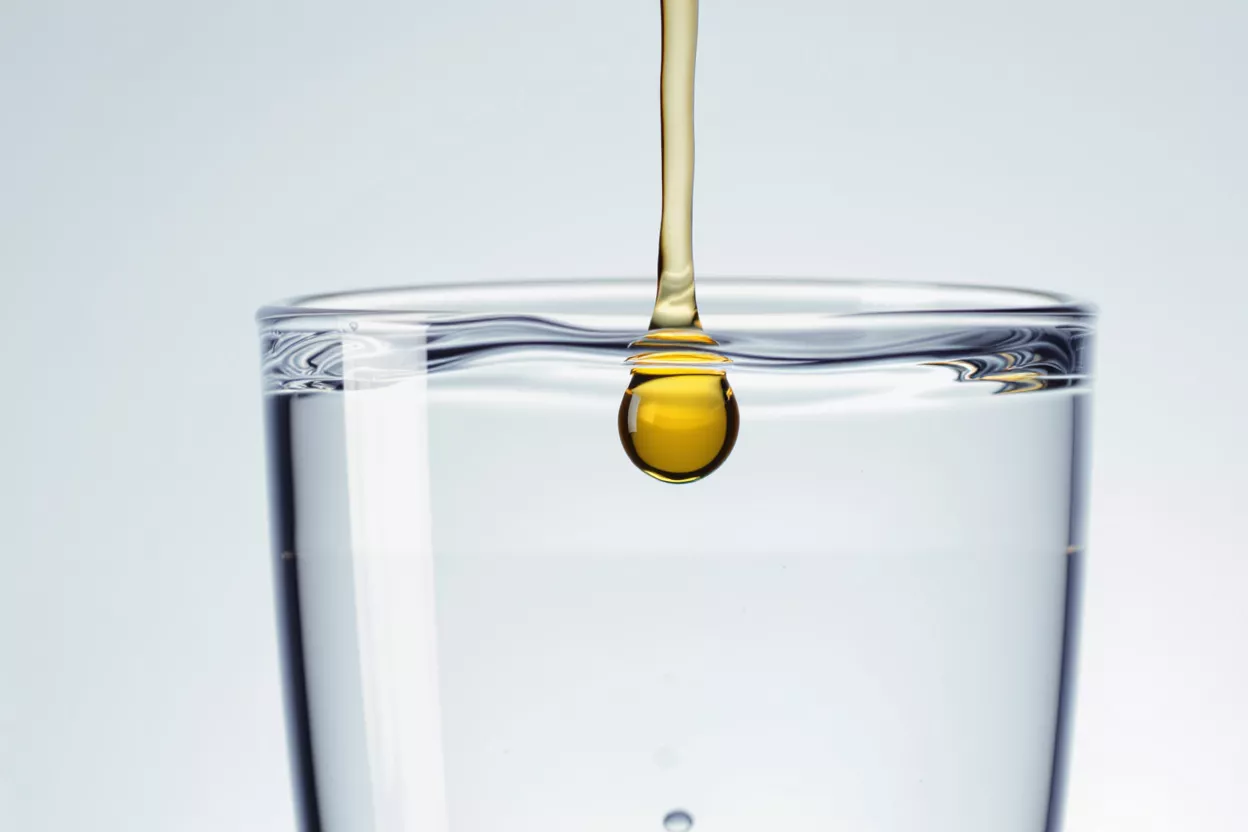
Nanoemulsified cannabis refers to cannabinoid extracts that have been broken down into microscopic droplets and suspended in a water-compatible carrier. Cannabinoids like THC and CBD are naturally fat-loving molecules, which makes them notoriously difficult for the human body to absorb efficiently. Nanoemulsification solves this problem by shrinking oil droplets to the nanometer scale, allowing them to disperse evenly through water-based fluids inside the body.
The term itself describes a manufacturing outcome rather than a specific strain or product. When you see a beverage, tincture, or gummy labeled as nanoemulsified, the manufacturer has applied high-energy or low-energy emulsion technology to reduce the particle size of the active cannabis oil. The result is a formulation that mixes seamlessly with water, behaves predictably in the digestive tract, and tends to deliver effects faster than conventional oil-based products.
Understanding this concept matters because absorption is the single biggest variable in how cannabis affects you. Two products containing identical cannabinoid doses can produce dramatically different experiences depending on how well your body can actually use the active compounds. Nanoemulsified formulations were developed specifically to close that gap and bring consistency to an industry where unpredictable potency has long been a complaint.
How Nanoemulsified Cannabis Works
The science begins with solubility. Cannabinoids are lipophilic, meaning they dissolve in fats and oils but resist mixing with water. Since the human body is roughly 60 percent water, raw cannabis oil struggles to move efficiently through the bloodstream and across cell membranes. Nanoemulsification coats tiny oil droplets in surfactant molecules that have both water-friendly and oil-friendly ends, effectively building a bridge between two substances that normally refuse to cooperate.
Once these nano-sized droplets enter the digestive system, their enormous combined surface area becomes the key advantage. A single large oil droplet has limited contact area with surrounding fluids, but breaking that same volume into millions of nanodroplets exposes far more surface for absorption. This dramatically increases the proportion of cannabinoids that successfully cross into circulation rather than passing through unused.
Lymphatic uptake adds another layer. Some nanoemulsified particles are small enough to bypass portions of first-pass liver metabolism by entering the lymphatic system directly. This can preserve more of the active cannabinoid and contribute to the faster, more reliable onset that defines well-made nanoemulsions compared to traditional infused oils.
Nanoemulsion Particle Size and Bioavailability
Bioavailability describes the percentage of an ingested compound that actually reaches your bloodstream in active form. Traditional cannabis edibles often deliver bioavailability in the single digits to low teens, meaning the vast majority of what you consume is wasted through poor absorption and liver breakdown. Nanoemulsified formulations can substantially improve this figure by optimizing droplet size.
Particle size is the defining specification of any nanoemulsion. True nanoemulsions feature droplets generally below 100 nanometers, while coarser macroemulsions sit in the micron range and offer fewer absorption benefits. The smaller the droplet, the greater the surface area and the more transparent and stable the final product tends to be.
- 💧 Below 100 nm: True nanoemulsions with optimal absorption, transparent appearance, and high stability.
- 🔬 100–500 nm: Submicron emulsions offering moderate improvements over conventional oils.
- 🌫️ Above 1 micron: Macroemulsions that appear cloudy and provide minimal bioavailability gains.
This relationship between size and performance is why reputable manufacturers invest heavily in characterization equipment. Measuring and verifying particle size ensures that a product labeled as nanoemulsified genuinely delivers the absorption advantages consumers expect rather than simply borrowing a marketing buzzword.
How Nanoemulsified Cannabis Is Made
High-energy methods dominate commercial production. Techniques like high-pressure homogenization and ultrasonication apply intense mechanical force to tear oil droplets apart. Ultrasonic processors generate cavitation bubbles that collapse violently, creating shear forces strong enough to produce droplets in the desired nanometer range. These approaches are scalable and reproducible, making them the workhorses of the industry.
Low-energy methods take a gentler chemical route. Spontaneous emulsification and phase-inversion techniques rely on carefully balanced ratios of oil, water, and surfactant to coax droplets into forming without heavy machinery. While these methods consume less power, they typically require higher surfactant concentrations and more precise formulation control to achieve stable results.
The carrier and surfactant choices shape the final product as much as the equipment does. Manufacturers select food-grade emulsifiers, often derived from sources like lecithin or polysorbates, alongside carrier oils that influence taste, clarity, and stability. The interplay between these ingredients and the processing method determines whether a nanoemulsion remains uniform on the shelf or separates over time.
Types of Nanoemulsified Cannabis Products
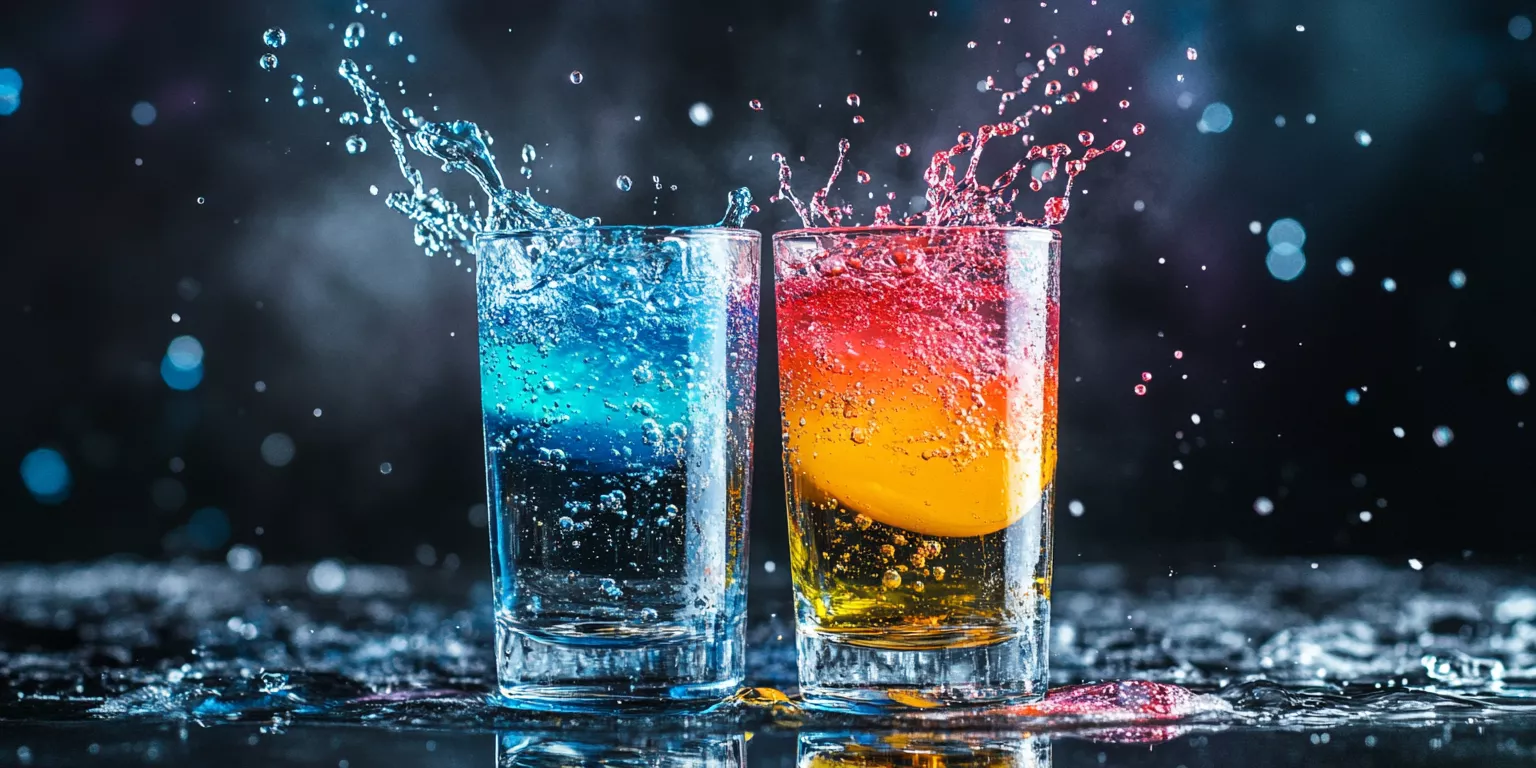
Cannabis beverages are the flagship application of nanoemulsion technology. Because the active oil disperses invisibly into water, infused sparkling drinks, teas, and shots can deliver cannabinoids without an oily film or separation. This water compatibility is precisely why the beverage category exploded once nanoemulsification became commercially viable.
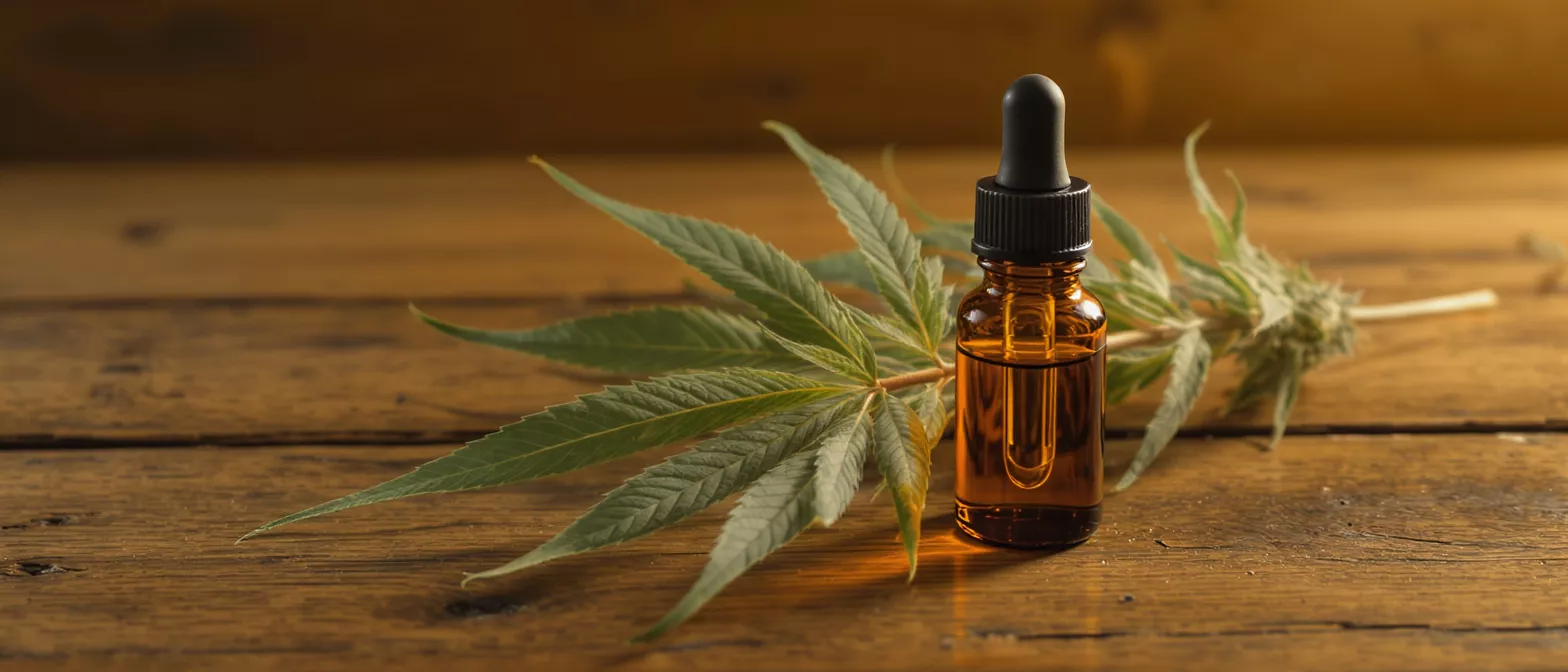
Fast-acting tinctures and sublingual products represent another major use. A water-soluble nanoemulsion held under the tongue can absorb through oral tissues more readily than a thick oil, shortening the wait for effects and improving dose consistency from one serving to the next.
Nanoemulsified edibles such as gummies and dissolvable powders round out the lineup. These products appeal to consumers who want the convenience of an edible without the lengthy, unpredictable onset traditional fat-based gummies are known for. The technology also enables powdered drink mixes that reconstitute cleanly in any liquid.
- 🥤 Beverages: Sparkling drinks, shots, and teas with seamless water dispersion and no oily residue.
- 💊 Sublinguals: Tinctures and sprays designed for rapid oral absorption and accurate dosing.
- 🍬 Edibles: Gummies, mints, and dissolvable powders with faster onset than conventional formats.
Nanoemulsified Cannabis Onset Time Explained
Speed is the headline benefit most consumers notice first. Traditional edibles can take 60 to 120 minutes to produce effects because the cannabis oil must be digested, processed by the liver, and slowly released into circulation. Nanoemulsified products frequently begin working within 15 to 30 minutes thanks to their enhanced absorption pathways.
This faster onset gives users far better control over their experience. When effects arrive predictably and quickly, it becomes much easier to gauge an appropriate dose and avoid the common mistake of redosing too soon, a habit that leads many newcomers to uncomfortable overconsumption with slow conventional edibles.
Onset still depends on individual factors. Metabolism, body composition, recent meals, and the specific formulation all influence timing. Nanoemulsification narrows the window and makes results more consistent, but it does not erase the natural variation between people. Treating any new product cautiously remains wise regardless of how fast-acting it claims to be.
Benefits of Nanoemulsified Cannabis Formulations
Dose consistency may be the most underrated advantage. Because nanoemulsions distribute cannabinoids uniformly throughout a liquid or batch, each serving contains a far more predictable amount of active compound. This reliability is invaluable for wellness-focused users who depend on repeatable results from one day to the next.
Improved bioavailability also means less product is needed to achieve a given effect. When a higher percentage of cannabinoids actually reaches circulation, manufacturers can formulate effective products at lower total doses, which can translate to better value and reduced waste for the consumer.
Versatility rounds out the picture. Water-compatible nanoemulsions can be incorporated into an enormous range of products that oil simply cannot serve, from clear beverages to topical sprays. This flexibility has opened entirely new product categories and continues to drive innovation across the industry.
Nanoemulsion Stability and Shelf Life
Stability is the quiet challenge behind every successful nanoemulsion. Tiny droplets naturally want to merge back together over time through processes called coalescence and Ostwald ripening, gradually growing larger and undoing the absorption benefits. A well-engineered formulation resists these forces and keeps droplets evenly dispersed throughout the product's life.
Several variables determine how long a nanoemulsion stays uniform. Surfactant type and concentration, storage temperature, pH, and exposure to light all influence whether droplets remain stable or begin to separate. Manufacturers run accelerated aging tests to predict shelf life and verify that a product will perform as intended months after it leaves the facility.
For consumers, proper storage protects the investment. Keeping nanoemulsified products cool, sealed, and away from direct light helps preserve their carefully engineered droplet size. A product that has been allowed to overheat or sit for extended periods may lose some of its absorption advantage as its emulsion structure degrades.
Is Nanoemulsified Cannabis Safe?
The ingredients are generally well established. Most nanoemulsified cannabis products rely on food-grade surfactants and carrier oils that have long histories of safe use in conventional food and beverage manufacturing. The nanoemulsification process does not introduce new chemicals so much as rearrange the physical structure of familiar, approved ingredients.
That said, the heightened bioavailability deserves respect. Because nanoemulsified products deliver more active cannabinoid per milligram than traditional formats, the same labeled dose can feel noticeably stronger. New users should start low and wait the full onset period before considering more, since the faster, more efficient absorption can catch unprepared consumers off guard.
Quality sourcing matters most. As with any cannabis product, reputable third-party lab testing confirms both cannabinoid content and the absence of contaminants. Choosing nanoemulsified products from transparent manufacturers who verify particle size and purity is the surest path to a safe, predictable experience.
Nanoemulsified Cannabis vs Traditional Edibles
The core difference comes down to absorption mechanics. Traditional edibles depend on the digestive system to process raw cannabis oil, a slow and inefficient route that wastes much of the dose and delivers effects on an unpredictable timeline. Nanoemulsified products engineer around these limitations, offering faster onset, higher bioavailability, and tighter dose consistency.
Neither format is universally superior, since preferences vary. Some users specifically value the long, gradual arc of a conventional edible, while others prioritize the speed and precision of a nanoemulsion. Understanding the distinction lets you match the product to the occasion rather than relying on guesswork.
Nanoemulsified cannabis represents a genuine leap in how we deliver cannabinoids to the body, transforming poorly absorbed oils into efficient, water-compatible formulations. By mastering particle size, emulsion stability, and careful sourcing, this technology has unlocked beverages, fast-acting tinctures, and reliable edibles that simply were not possible before. Whether you are exploring infused drinks or seeking more predictable dosing, understanding the science behind nanoemulsification empowers you to choose products with confidence and get consistent, repeatable results.