Pharmacodynamics
Learn how pharmacodynamics cannabis science explains THC and CBD receptor interactions.
What Is Pharmacodynamics in Cannabis Science
When you consume cannabis and feel its effects unfold, you are experiencing pharmacodynamics in action. In the context of cannabis, pharmacodynamics describes what the plant's active compounds do to your body once they arrive at their molecular destinations. It is the study of the relationship between cannabinoid concentration at a receptor site and the biological response that follows. While the term may sound clinical, it underpins every euphoric high, every wave of relaxation, and every therapeutic benefit attributed to cannabinoids.
The two halves of cannabis pharmacology are often confused, so it helps to separate them early. Pharmacodynamics asks "what does the drug do to the body?" while its partner discipline, pharmacokinetics, asks "what does the body do to the drug?" The first concerns receptors, signaling cascades, and downstream effects. The second concerns absorption, distribution, metabolism, and elimination. Understanding pharmacodynamics is the key to predicting why a given dose produces a given outcome.
Researchers study cannabis pharmacodynamics to map exactly how compounds like THC and CBD interact with the human nervous system. This knowledge informs everything from product formulation to dosing recommendations, and it explains why two strains with identical THC percentages can feel remarkably different.
How Pharmacodynamics Cannabis Mechanisms Work
At its core, pharmacodynamics revolves around the concept of binding. Cannabinoids are molecules shaped to fit specific protein structures called receptors, much like a key fits a lock. When a cannabinoid binds to its receptor, it triggers a conformational change that initiates a chain of cellular events. The strength and nature of that response depend on how tightly the compound binds and what it does once attached.
Affinity and efficacy are the two properties that define every pharmacodynamic interaction. Affinity measures how strongly a cannabinoid attaches to its receptor, while efficacy measures how effectively that binding produces a biological signal. A compound can have high affinity but low efficacy, meaning it grabs the receptor firmly yet barely activates it. THC, by contrast, has both moderate affinity and high efficacy at certain receptors, which is why it produces such pronounced effects.
Cannabinoids fall into several functional categories based on how they behave once bound. These distinctions matter because they predict whether a compound will amplify, dampen, or block a given response within the endocannabinoid system.
- 🔑 Agonists: Compounds like THC that bind and fully activate a receptor, producing a strong downstream effect.
- 🔒 Partial agonists: Molecules that bind but only partially activate, yielding a milder response than a full agonist.
- 🛑 Antagonists: Compounds that occupy a receptor without activating it, blocking other molecules from binding.
- 🔄 Inverse agonists: Molecules that bind and produce the opposite effect of an agonist, reducing baseline activity.
Cannabinoid Receptor Signaling Explained
The pharmacodynamics of cannabis center on two primary receptors: CB1 and CB2. These belong to a vast family of cell-surface proteins known as G-protein-coupled receptors, the largest receptor family in the human genome. When a cannabinoid activates one of these receptors, it does not simply flip a switch; it modulates a sophisticated signaling network that adjusts how neurons and immune cells communicate.
CB1 receptors and the psychoactive experience account for most of what people associate with cannabis. Concentrated heavily in the brain and central nervous system, CB1 receptors are the primary site where THC produces its intoxicating effects. Activation here suppresses the release of neurotransmitters, dialing down everything from pain signaling to memory formation to motor coordination. This presynaptic inhibition explains both the therapeutic and the impairing qualities of cannabis.
CB2 receptors and immune modulation tell a different story. Found predominantly in immune tissues, the spleen, and peripheral organs, CB2 receptors influence inflammation and immune response rather than psychoactivity. Compounds that selectively engage CB2 are of intense research interest because they may offer therapeutic benefits without the high, opening doors to anti-inflammatory applications that sidestep central nervous system effects.
Non-Cannabinoid Targets and Pharmacodynamics
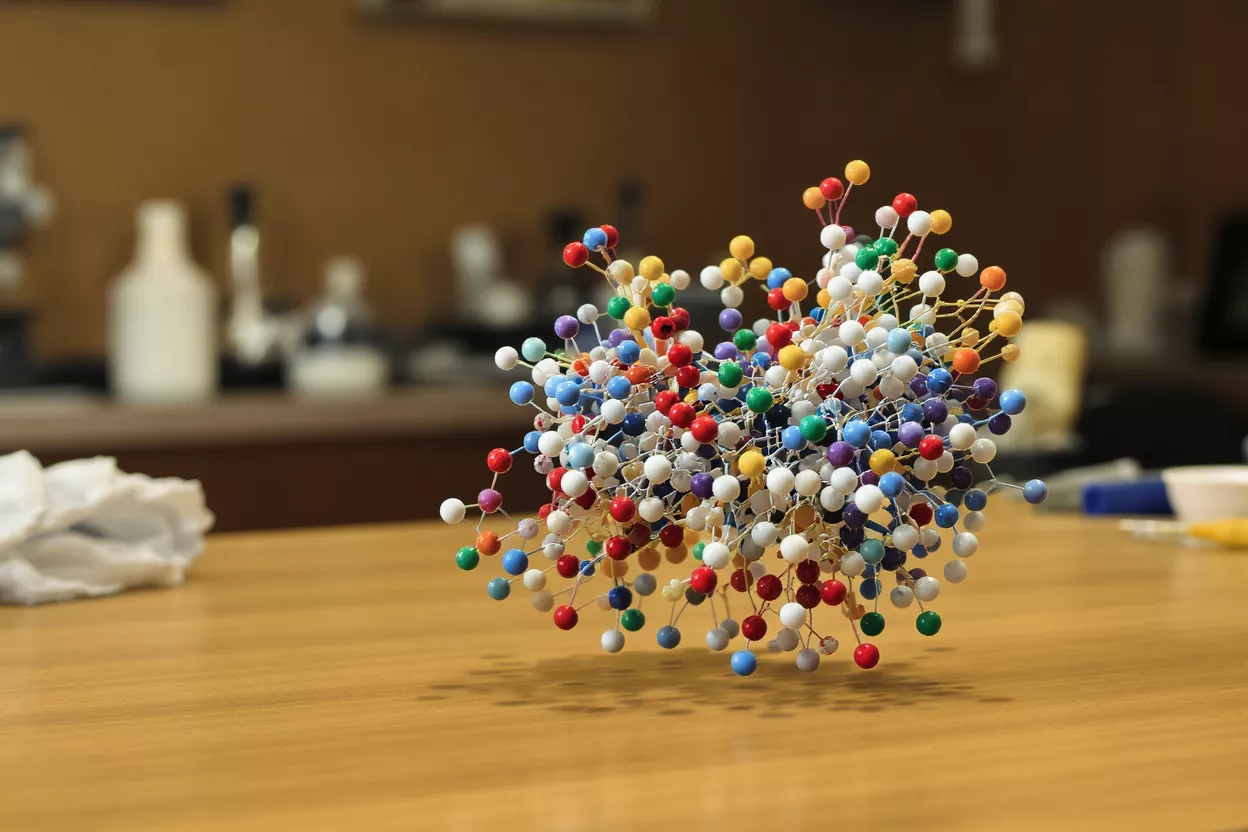
Cannabis pharmacodynamics extends well beyond the two classical cannabinoid receptors. Many of the plant's compounds interact with receptors and ion channels that have nothing to do with the endocannabinoid system, which broadens their pharmacological reach considerably. This is one reason cannabis produces such a diverse range of effects across different body systems.
CBD's promiscuous pharmacology offers the clearest example. Unlike THC, CBD has relatively weak affinity for CB1 and CB2 receptors. Instead, it exerts much of its influence through other channels: it activates serotonin 5-HT1A receptors, modulates TRPV1 vanilloid receptors involved in pain and temperature sensing, and acts on PPAR nuclear receptors. This multi-target profile explains why CBD's effects are subtle, broad, and difficult to attribute to any single mechanism.
Terpenes and other minor compounds also contribute to the overall pharmacodynamic picture. While research remains early, several terpenes appear to interact with receptors in ways that may shape the character of a cannabis experience, contributing to the nuanced differences between cultivars.
Dose-Response Relationships in Cannabis
One of the most important concepts in pharmacodynamics is the dose-response relationship, which describes how the magnitude of an effect changes as dose increases. With most drugs, more produces a stronger response up to a point. Cannabis, however, frequently displays a biphasic dose-response curve, meaning the same compound can produce opposite effects at different doses.
The biphasic nature of THC is the textbook illustration. At low doses, THC often reduces anxiety and promotes calm. At higher doses, the very same molecule can heighten anxiety and trigger paranoia in susceptible individuals. This U-shaped or inverted-U response makes cannabis unusually sensitive to dosing precision, and it is why the mantra "start low and go slow" carries genuine pharmacological weight.
Understanding dose-response helps consumers and clinicians find a therapeutic window — the range where benefits are maximized and adverse effects minimized. Several factors shift where that window falls for any given person.
- ⚖️ Individual sensitivity: Genetics and receptor density mean a dose that relaxes one person may overwhelm another.
- 🌿 Cannabinoid ratio: The balance of THC to CBD reshapes the curve, as CBD can blunt some of THC's higher-dose effects.
- ⏱️ Tolerance level: Regular users shift their dose-response curve, requiring more to achieve the same response.
- 🍽️ Consumption method: Inhaled and ingested cannabis produce different curves due to onset speed and intensity.
Tolerance and Receptor Adaptation
Pharmacodynamic tolerance is one of the most fascinating adaptations the body makes in response to repeated cannabis exposure. When CB1 receptors are stimulated frequently, the body responds by reducing their number and sensitivity, a process called receptor downregulation and desensitization. This is why habitual users often find they need progressively larger doses to achieve the effects they once felt with a small amount.
How downregulation develops follows a predictable pattern. Continuous agonist activity prompts cells to internalize CB1 receptors, physically removing them from the cell surface. With fewer receptors available, the same dose of THC produces a diminished response. The encouraging news is that this adaptation is largely reversible — studies show CB1 receptor density begins recovering within days of abstinence.
Tolerance breaks and resensitization exploit this reversibility directly. A deliberate pause in consumption allows receptors to upregulate back toward baseline, restoring sensitivity. Many experienced users periodically take a break specifically to reset their pharmacodynamic response, which can make their cannabis more effective and more economical when they resume.
The Entourage Effect and Pharmacodynamics
The entourage effect is a pharmacodynamic phenomenon describing how cannabis compounds work together to produce effects greater than the sum of their parts. Rather than acting in isolation, cannabinoids and terpenes appear to modulate one another's activity at the receptor level, shaping the overall experience in ways that isolated compounds cannot replicate.
How compounds influence each other happens through several pharmacodynamic routes. CBD, for instance, can act as a negative allosteric modulator at CB1 receptors, meaning it changes the receptor's shape so that THC binds and signals differently. This is one proposed mechanism for why CBD seems to temper some of THC's more intense effects, smoothing the experience without simply blocking it.
This interplay has practical consequences for how products are formulated. Full-spectrum extracts that preserve the plant's natural chemical diversity may engage a broader set of pharmacodynamic targets than purified isolates, which is why many consumers report distinct experiences between the two formats.
THC vs CBD Pharmacodynamics Compared
Comparing the pharmacodynamics of THC and CBD side by side reveals why these two cannabinoids feel so different despite their nearly identical molecular formulas. The distinction lies entirely in how they interact with receptors, a perfect demonstration of pharmacodynamics determining real-world experience.
THC's direct activation defines its character. As a partial agonist at CB1 receptors, THC directly stimulates the central nervous system, producing euphoria, altered perception, and the classic intoxicating effects. Its strong functional activity at CB1 is the reason THC is psychoactive while CBD is not.
CBD's indirect modulation works through subtler channels. Rather than activating CB1 directly, CBD influences the endocannabinoid system indirectly — it inhibits the enzyme that breaks down the body's own endocannabinoid anandamide, raising its levels naturally. Combined with its activity at serotonin and vanilloid receptors, this gives CBD a calming, non-intoxicating profile distinct from THC.
Pharmacodynamics vs Pharmacokinetics
To fully grasp how cannabis affects you, it helps to understand how pharmacodynamics partners with pharmacokinetics. These two disciplines together explain the complete journey of a cannabinoid from the moment it enters your body to the moment its effects fade. Neither tells the whole story alone.
Pharmacokinetics sets the stage by governing how much cannabinoid reaches the receptor and when. It covers absorption through the lungs or gut, distribution into fatty tissues, metabolism in the liver, and eventual elimination. These factors determine the concentration of a compound available to act at any given moment.
Pharmacodynamics then takes over, translating that available concentration into an actual biological effect. The interplay between the two explains common cannabis observations — why edibles take longer to kick in but last hours, while inhaled cannabis hits within minutes. Onset and duration are pharmacokinetic; the quality and intensity of the effect are pharmacodynamic.
Why Cannabis Pharmacodynamics Matters for Users
Understanding pharmacodynamics transforms cannabis from a mysterious experience into a comprehensible, predictable interaction. When you know that effects stem from specific compounds binding to specific receptors, you gain the framework to make informed choices about strains, doses, and consumption methods tailored to your goals.
Practical takeaways for everyday use flow naturally from this knowledge. Recognizing the biphasic dose-response curve encourages conservative dosing. Understanding receptor downregulation explains why tolerance builds and how breaks restore sensitivity. Appreciating the entourage effect guides choices between full-spectrum and isolate products. Each insight converts abstract science into actionable decisions.
Pharmacodynamics ultimately bridges the gap between the cannabis plant and the human experience. As research continues to refine our understanding of cannabinoid receptor signaling, dose-response behavior, and multi-target interactions, consumers and clinicians alike are better equipped to harness this remarkable plant safely and effectively. The more you know about what cannabis does to your body, the more intentional and rewarding your relationship with it becomes.