

Raw
Discover what raw cannabis is, how it differs from heated flower, and its potential wellness benefits.
What Is Raw Cannabis
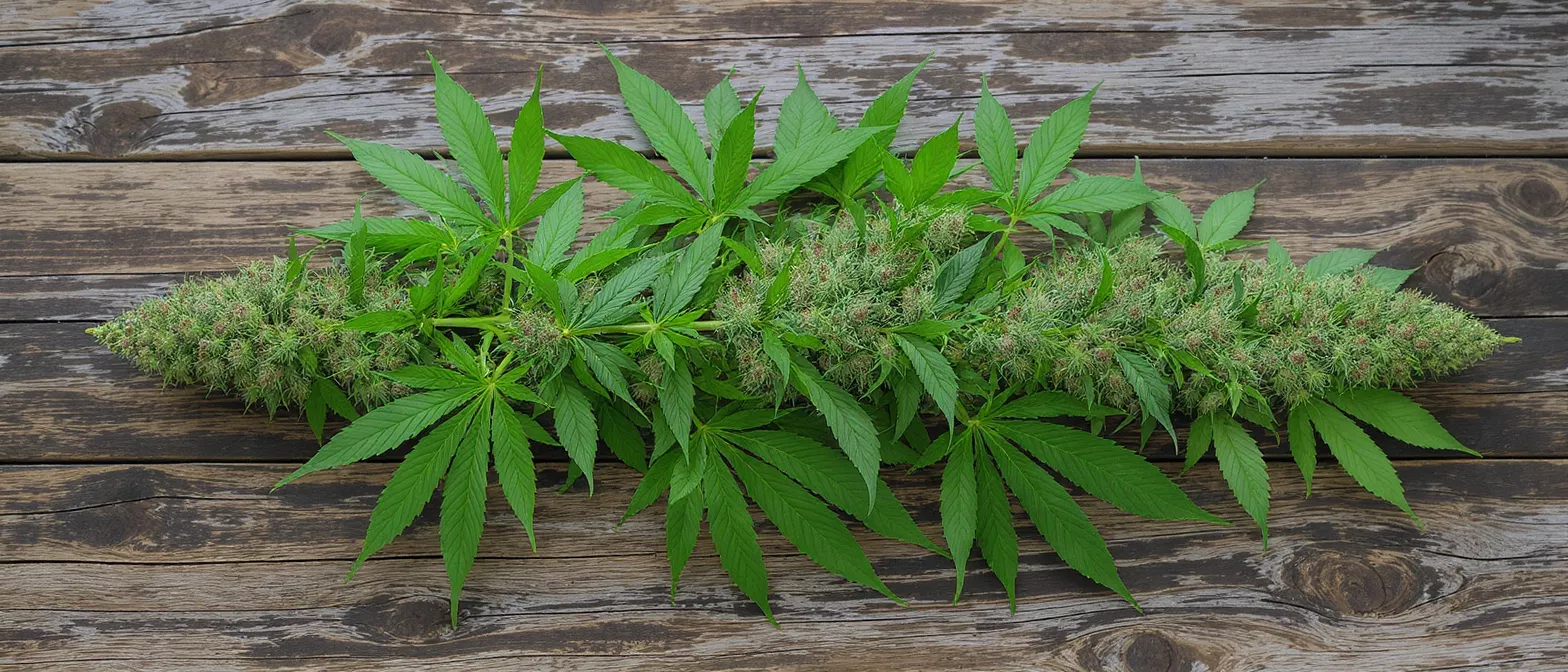
Raw cannabis refers to the plant in its fresh or minimally processed state, before any meaningful heat has been applied through drying, curing, smoking, or cooking. In this condition, the cannabinoids inside the flower exist almost entirely in their acidic precursor forms rather than the activated compounds most consumers associate with cannabis. That single distinction shapes everything about how the plant behaves, tastes, and affects the body.
When most people picture cannabis, they imagine cured buds ready to be smoked or vaporized, or an extract refined into oil. Raw cannabis sits at the opposite end of the spectrum. It is closer to a leafy green vegetable than to a recreational product, packed with cannabinoid acids, terpenes, flavonoids, fiber, and the same micronutrients you would expect from any nutrient-dense plant. Treating it this way reframes the entire conversation around how the plant can be used.
The growing interest in unheated cannabis comes from a simple realization: heat fundamentally transforms the chemistry of the plant. By understanding what the raw form actually contains, you gain a clearer picture of why a fresh leaf and a lit joint produce such radically different experiences, even when they come from the very same plant.
How Raw Cannabis Differs From Heated Cannabis
The core difference is a chemical reaction called decarboxylation. Applying heat removes a carboxyl group from cannabinoid acids, converting compounds like THCA into THC and CBDA into CBD. Raw cannabis has not undergone this process, so its cannabinoids remain locked in their original acidic structure. This is why eating a handful of fresh flower will not produce the intoxication that smoking the same flower would.
Beyond cannabinoids, the sensory and nutritional profile shifts dramatically with heat. Raw cannabis retains delicate, volatile terpenes that evaporate or degrade at high temperatures. It also preserves heat-sensitive vitamins and enzymes that combustion destroys entirely. In practical terms, the raw plant is a wholly different ingredient than its dried, cured counterpart.
Understanding this divide helps you choose the right form for your goal. If activation and rapid onset matter, heated cannabis delivers. If you want the acidic cannabinoids and the full nutritional package, the raw plant is the only way to access them.
Raw Cannabinoids: THCA and CBDA Explained
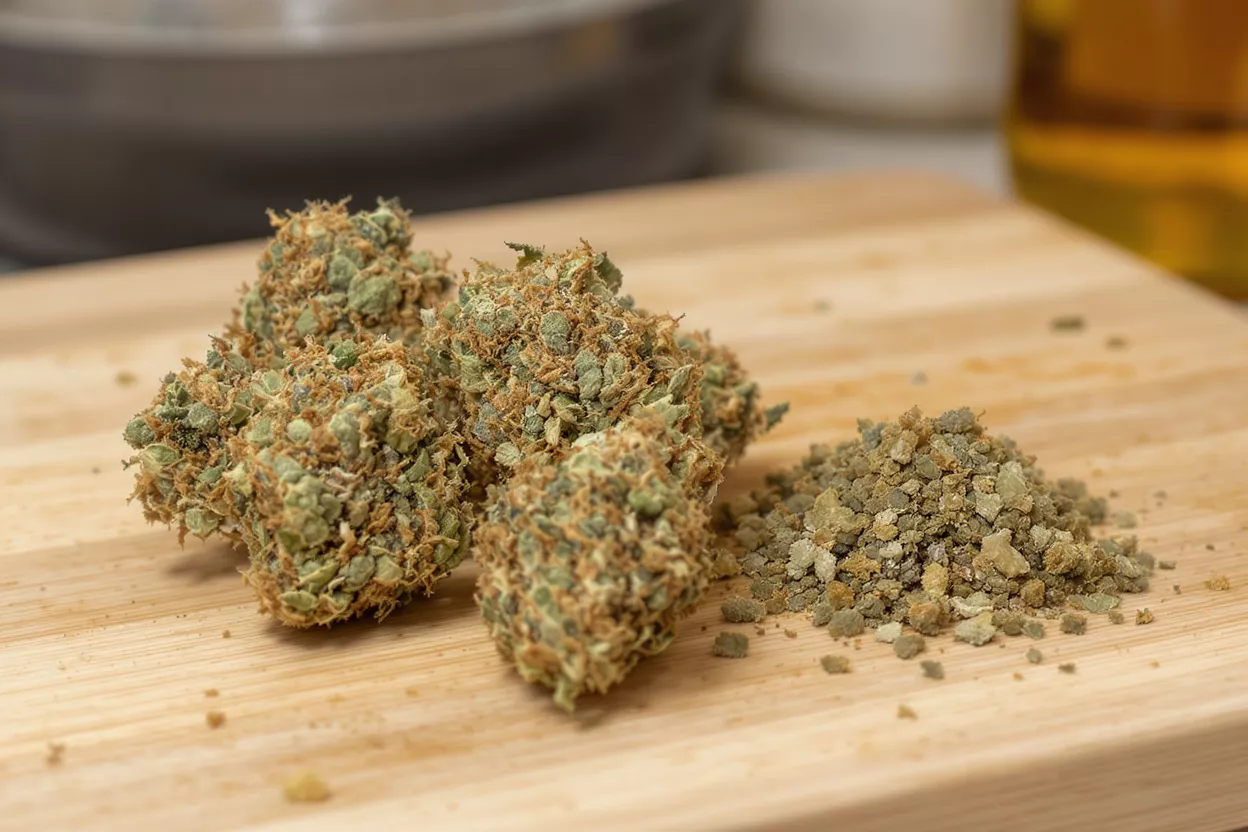
THCA is the headline compound of raw cannabis. Short for tetrahydrocannabinolic acid, it is the acidic precursor to THC and is found in abundance in fresh, unheated flower. THCA is non-intoxicating because its molecular shape does not bind efficiently to the CB1 receptors responsible for the cannabis high. Only when heat strips away its carboxyl group does it become the THC people recognize.
CBDA plays a parallel role. Cannabidiolic acid is the raw precursor to CBD and shares the non-intoxicating character of THCA. Early research has explored CBDA's interaction with serotonin-related pathways, hinting at distinct properties that differ from its decarboxylated cousin. Raw cannabis is one of the few practical sources of meaningful CBDA content.
These acids rarely act alone. Fresh flower contains a spectrum of cannabinoid acids alongside terpenes and flavonoids, and many researchers believe these compounds work together through the so-called entourage effect. Consuming the raw plant delivers this acidic spectrum in proportions that no heated product can replicate.
Does Raw Cannabis Get You High
No, raw cannabis will not get you high in any conventional sense. Because THCA has not been converted to THC, eating fresh flower or blending it into a smoothie does not produce intoxication. This surprises people who assume that anything derived from cannabis must be psychoactive, but the chemistry is unambiguous. Without heat, the activating reaction simply does not occur.
This non-intoxicating quality is precisely why some people are drawn to raw cannabis. It allows them to incorporate the plant into a wellness routine without the cognitive impairment, scheduling concerns, or tolerance issues that come with activated THC. You can use it earlier in the day or in larger quantities than you ever could with smoked flower.
One important caveat: if raw cannabis is heated at any point, even gently in cooking, partial decarboxylation can begin. To preserve the non-intoxicating nature of the raw plant, it must be kept cool and consumed without exposure to significant heat.
Potential Benefits of Raw Cannabis
The appeal of raw cannabis centers on accessing cannabinoid acids and whole-plant nutrition together. Advocates point to the unique chemistry of THCA and CBDA, along with the dense supply of vitamins, fiber, and antioxidants present in any fresh leafy green. While clinical research remains in its early stages, the existing interest is grounded in real differences between acidic and activated cannabinoids.
Here is a scannable look at why people explore the raw form:
- 🌿 Non-intoxicating intake: Consume cannabinoid acids without the high, making daytime use practical.
- 🥬 Nutritional density: Fresh leaves and flower supply fiber, antioxidants, and heat-sensitive vitamins.
- 🔬 Acidic cannabinoids: Access THCA and CBDA, which are largely absent from heated products.
- 🌱 Whole-plant spectrum: Retain fragile terpenes and flavonoids that combustion destroys.
- ⏱️ Higher tolerability: Larger servings are possible without the impairment of activated THC.
It is worth emphasizing that these are areas of interest rather than guaranteed outcomes. The honest position is that raw cannabis offers a distinct chemical profile worth exploring, and that ongoing research will continue to clarify exactly what that profile can do.
How to Use Raw Cannabis
Freshness is the foundation of using raw cannabis. Because the goal is to avoid decarboxylation, the plant material should be as fresh as possible, ideally harvested recently and kept cool. Dried, cured flower is not truly raw in the nutritional sense, since the curing process and any incidental heat begin altering the cannabinoid acids. Quality raw cannabis starts with living or freshly cut plant material.
The most common approaches keep heat out of the equation entirely. Fresh leaves and flower can be added to smoothies, blended into juices, or tossed into salads much like any other leafy green. Some people incorporate small amounts into cold dressings or pestos, treating cannabis as a culinary herb rather than an intoxicant.
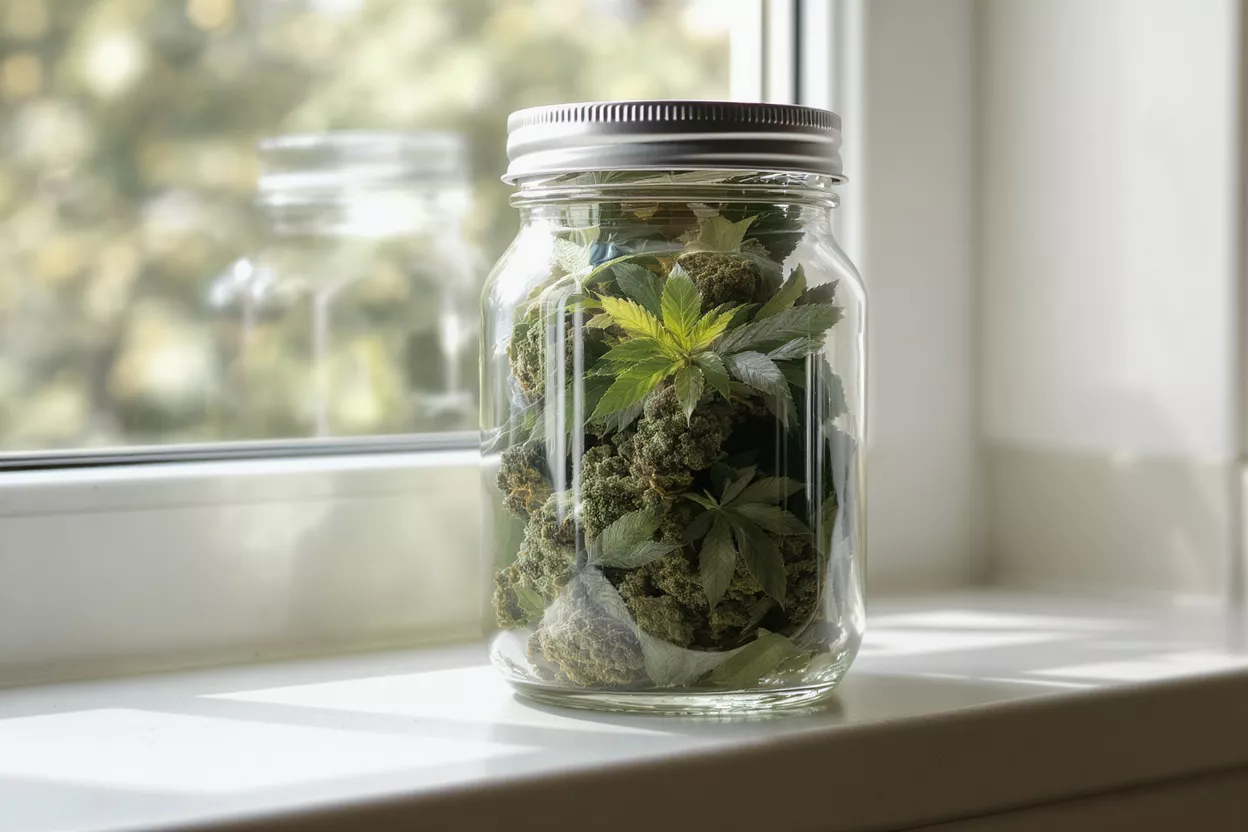
Because raw cannabis is delicate, storage matters as much as preparation. Keep fresh material refrigerated and use it quickly, or freeze portions to preserve the acidic cannabinoids for later. Treat it the way you would treat fresh basil or spinach, not the way you would treat a jar of cured buds.
Raw Cannabis Juicing Guide
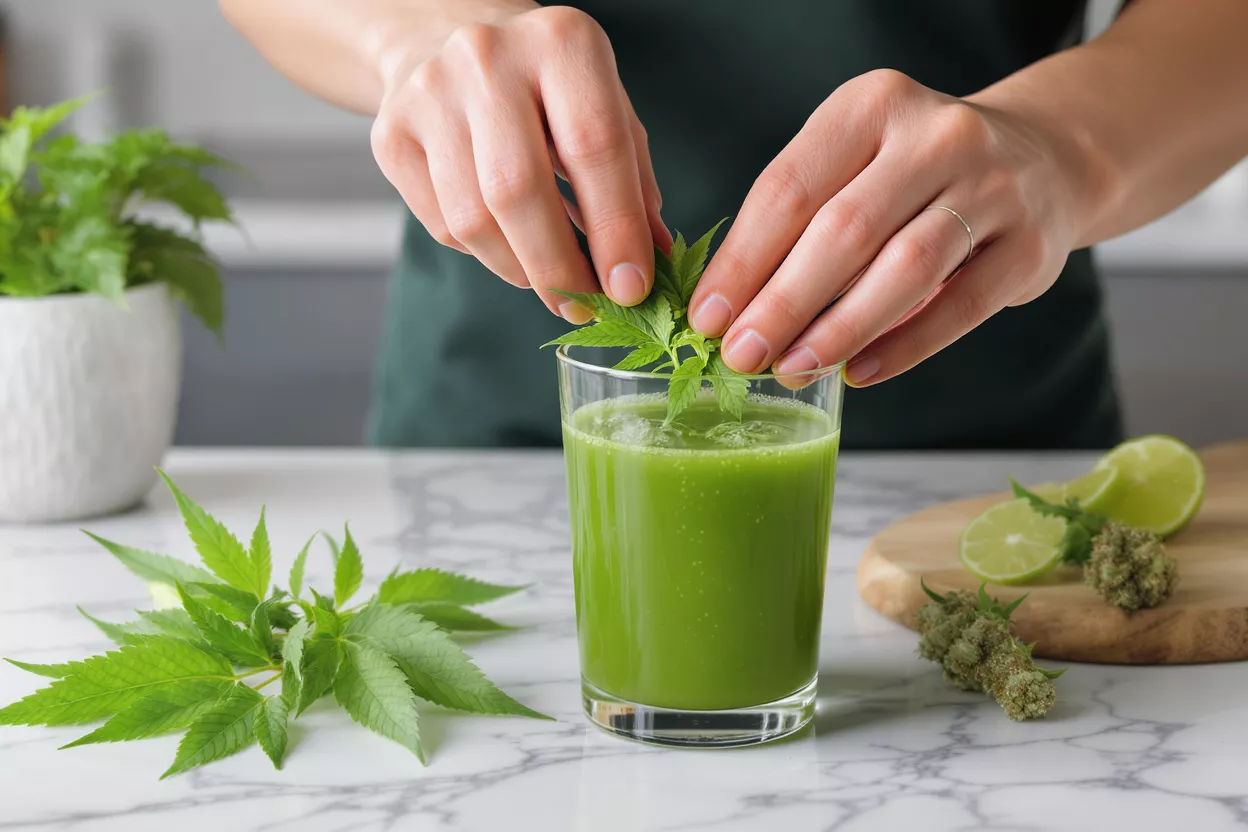
Juicing is the signature method for consuming raw cannabis. It allows you to process a relatively large volume of fresh leaves and flower into a concentrated, drinkable form without applying any heat. A standard juicer or high-powered blender works well, and the resulting juice can be consumed on its own or mixed with other fruit and vegetable juices to soften the strong vegetal flavor.
A simple framework keeps the process approachable:
- 🌿 Source fresh material: Use recently harvested leaves and flower, washed thoroughly before processing.
- 🥤 Juice or blend cold: Run the material through a juicer or blend with cold liquid to avoid heat.
- 🍎 Mix to taste: Combine with apple, carrot, or citrus juice to balance the grassy flavor.
- ❄️ Store properly: Refrigerate and drink promptly, or freeze portions in ice cube trays for later.
Juicing is appealing because it lets you take in a substantial amount of cannabinoid acids and plant nutrients in a single serving. Keep portions modest at first, since the raw plant is potent in its own right, and let your routine settle before adjusting how much you consume.
Decarboxylation and Why It Changes Raw Cannabis
Decarboxylation is the dividing line between raw and activated cannabis. This heat-driven reaction converts cannabinoid acids into their familiar neutral forms, transforming THCA into THC and CBDA into CBD. Smoking, vaporizing, and baking all trigger it. The moment meaningful heat is applied, the cannabis is no longer raw, and its non-intoxicating character begins to change.
Even modest warmth matters more than people expect. Sun-drying, prolonged curing, and warm storage can all cause gradual, partial decarboxylation over time. This is why genuine raw cannabis use depends on fresh, cool material rather than the dried flower found in most retail products. Preserving the acidic profile is an exercise in heat avoidance from harvest to consumption.
Understanding decarboxylation also clarifies why you cannot have it both ways with a single batch. If you want the high, you decarboxylate. If you want the raw acidic spectrum and full nutrition, you keep it cool. The reaction is essentially one-directional, so the choice of how to treat your cannabis determines which set of compounds you ultimately consume.
Are Raw Cannabis Products Safe
For most people, consuming raw cannabis is generally well tolerated, but a few practical considerations apply. Because it is non-intoxicating, the risks associated with THC impairment are not a factor. The main concerns mirror those of eating any raw plant: cleanliness, sourcing, and contamination. Fresh material should be washed and should come from a grower who avoids pesticides and unsafe additives.
Sourcing quality matters more for raw consumption than for smoking. Combustion can mask some flaws, but eating fresh plant material means you ingest everything on the leaf, including any residues. Choosing cannabis grown specifically with consumption in mind, free of harmful chemicals, is essential for a safe raw routine.
As with any addition to a wellness regimen, it is wise to start with small servings and pay attention to how your body responds. Anyone taking medication or managing a health condition should consult a healthcare professional before adding raw cannabis, since cannabinoid acids can still interact with the body even without producing a high.
Choosing Raw Cannabis for Your Routine
Selecting the right raw cannabis comes down to freshness, sourcing, and intended use. Look for material that is as fresh as possible, ideally living plants or recently harvested flower and fan leaves. The fresher the cannabis, the higher its content of intact cannabinoid acids and the more nutritional value it retains. Wilted or dried material has already begun losing the qualities that make the raw form worthwhile.
Match the strain and plant part to your goals. Fan leaves are milder and more vegetal, well suited to juicing and blending, while fresh flower carries a higher concentration of cannabinoid acids. If CBDA is a priority, seek out CBD-rich genetics; if THCA is the focus, choose varieties bred for high THC potential, knowing the acid will stay non-intoxicating until heated.
Raw cannabis rewards a thoughtful, food-first mindset. Treated as a fresh ingredient and sourced with care, it opens a side of the plant that smoking and extracts simply cannot reach. Whether you juice it, blend it, or fold it into a salad, the raw form offers the acidic cannabinoids, fragile terpenes, and whole-plant nutrition that disappear the moment heat enters the picture, making it a genuinely distinct way to engage with cannabis.
Comments